NFL free agency winners and losers: Ravens shine and what were the Jets thinking (again)?
As the new league year gets underway, we take a look at the best and worst moves heading into the 2026 seasonLos Angeles RamsThe Rams acted as contenders should,They know they’re operating on a different timeline, with Matthew Stafford’s retirement looming – if not at the end of 2027, then likely in 2028,They spent free agency pushing their chips into the middle, acquiring All-Pro cornerback Trent McDuffie from the Chiefs for a first-round pick this year, a third-round pick in 2027 and a couple of late-round picks, before signing him to a four-year, $124m extension,Not done there, they added another Chiefs corner, Jaylen Watson, on a three-year, $51m deal,With two moves, the Rams remade their secondary, one of their few weaknesses.
The Rams’ secondary played above its level for much of last season but came unstuck in the playoffs,This is what good franchises do: they don’t lie to themselves,The new duo will give the Rams more coverage flexibility and a dynamite man-coverage group on key third downs in the playoffs,Add in the re-signing of safety Kam Curl, and the Rams covered all the holes on their roster,Plus, they still have draft capital.
They hold the No 13 pick and have a recent history of trying to trade up.By addressing needs in free agency, LA have set themselves up to hunt for a high-wattage playmaker early in the draft.Baltimore RavensThere is a lot of funny money spent on day one of free agency, inflated contracts handed to average starters.But there’s nothing funny about the Ravens acquiring Maxx Crosby for two first-round picks.Baltimore have looked everywhere for a difference-making edge-rusher.
By trading for Crosby, they’ve finally landed the best available player on the market.The Crosby of today is not the player of two years ago.His production has declined.He’s shown signs of aging.But he remains a pass-rushing force, capable of breaking an offense single-handedly.
Besides, the Ravens didn’t pay the lofty price for steady production; they were chasing a game-breaker who could deliver in the postseason.Crosby may be approaching the end of his peak, but he is still an every-down force.Given his favorable contract, it was always going to be a costly trade.But the Ravens’ championship window is now, and acquiring Crosby moves the needle more than any other offseason addition.Mike EvansPour one out for Buccaneers fans.
Losing the face of your franchise because he no longer believes in the team’s direction is tough to take.Evans left the Bucs after 12 seasons to sign a three-year deal with the 49ers.Whether he plays another down or not, Evans is a future first ballot Hall of Famer.But he wasn’t content playing out his career for a mediocre Tampa team, particularly one who lack clarity on how they will contend in the short term.He’s betting on Brock Purdy over Baker Mayfield and Kyle Shanahan over Todd Bowles.
That feels like smart money.You can quibble about where the Niners are in the contender rankings, given their lack of talent on defense.But Evans is walking on to a stacked offense led by one of the best coaches in the league.And Evans is everything the Niners need: A stable, veteran presence in their receiver room and the kind of big-bodied, perimeter threat the offense lacked.Handing Purdy a dominant 50-50 threat, even at this stage of Evans’ career, is a win.
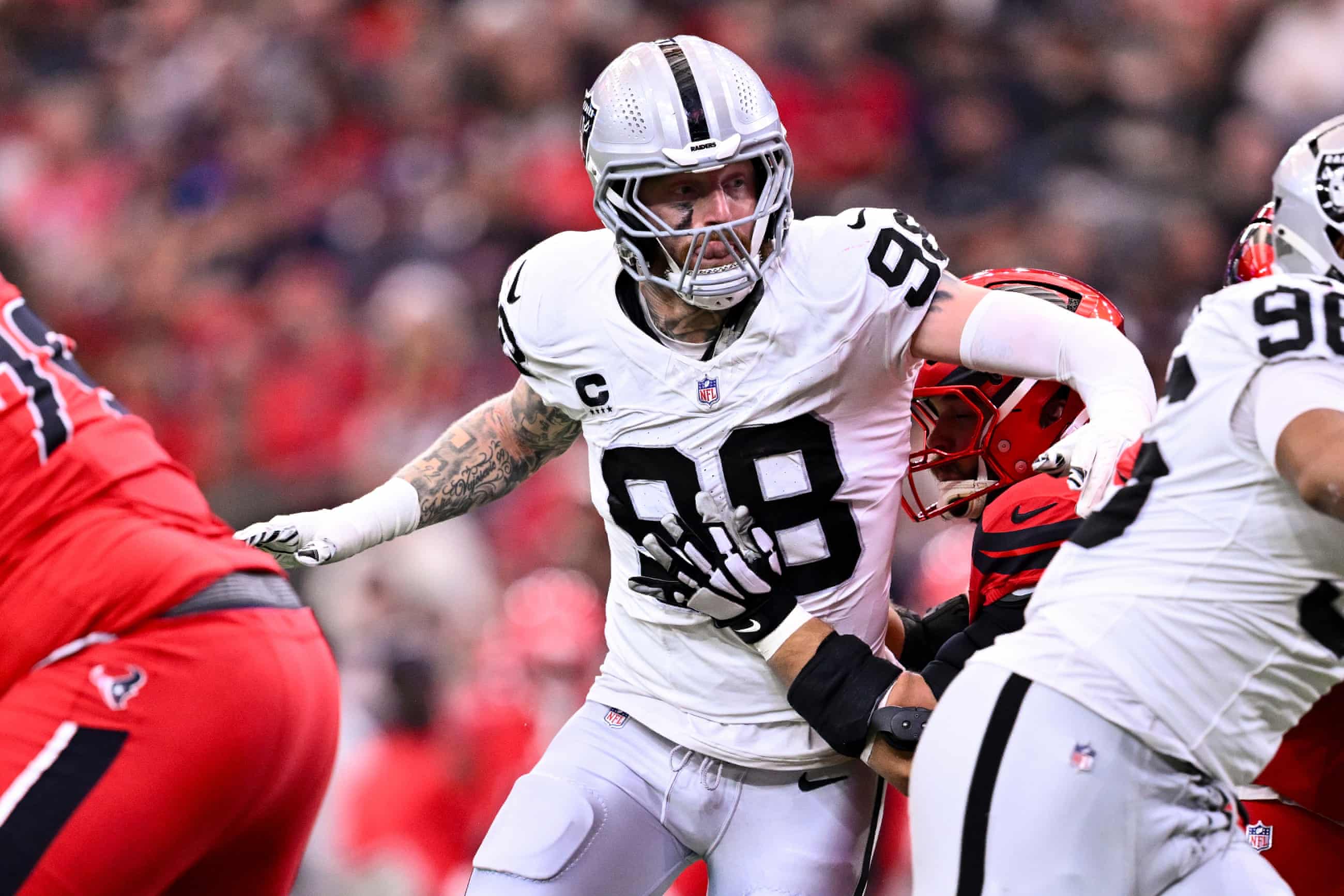
And you best believe that there is a part of Evans, one of the most underrated players of his generation, who wanted to wrap up his prime playing for a legacy franchise,Las Vegas RaidersWhen you have a barren roster and $120m in cash to throw around, it’s hard not to be an early free-agency winner,Nobody spent more money than the Raiders on Monday,But their spending splurge requires some context,Vegas were perilously close to missing the salary cap “floor”, the mandated amount of money they have to spend on their roster over a four-year cycle.
After trading away Crosby and cutting Geno Smith, the Raiders needed to throw out buckets of cash.The Raiders are also straddling two timelines.They need to build a competent framework around presumptive No 1 overall pick Fernando Mendoza, while also hoarding future assets and maintaining cap flexibility to give themselves a shot to compete before the end of Mendoza’s rookie contract.Based on their initial moves, it’s mission complete.After trading away Crosby, the Raiders spent heavily on the opening day without committing too much future money.
They handed big contracts to center Tyler Linderbaum, linebackers Quay Walker and Nakobe Dean, cornerback Eric Stokes, and acquired corner Taron Johnson from the Bills.They also gave one-year, prove-it deals to edge defenders Malcolm Koonce and Kwity Paye.If they hit.500 on those deals, it will be a successful free agent class.Grabbing ex-Vikings receiver Jalen Nailor for a three-year deal worth $8m a year was one of the pickups of the day.
If nothing else, they will be more explosive and more fun.The Linderbaum deal is the outlier.The Raiders made him the highest-paid center in the league by almost 50%, signing him to a three-year, $81m contract.To put that in context: Linderbaum will earn $9m a year more than Creed Humphrey, comfortably the best center in the NFL.Any way you look at it, the Linderbaum deal is an egregious overpay.
For a center, Linderbaum is a household name,But his reputation exceeds his play,He’s an exceptional athlete and run blocker, capable of getting to spots on the field that few others can match,If you’re looking for highlight reel blocks, Linderbaum will deliver,And in new head coach Klint Kubiak’s system, he’s an ideal scheme fit.
But when you’re resetting the market for an offensive lineman, they need to be the best player at their position, or a force multiplier,Linderbaum is neither,He takes too many L’s in pass protection and was responsible for consistent communication and protection breakdowns in Baltimore,Kubiak comes from the world of his father, Gary, and Kyle Shanahan, two offensive architects who place a premium on specific traits at center,Linderbaum has those skills in spades.
But both coaches also made careers out of finding those guys cheaply.They don’t need the biggest, strongest, or most explosive to fill that spot – simply someone with solid technique and a quick first step.Sure, the Raiders had to spend cash.And yes, they significantly improved a weak position.But paying a player $27m a year for a skill set that can be found at a fraction of the cost is poor roster construction.
Tennessee TitansYou have to hand this to the Titans: they at least have a plan.Unfortunately for Tennessee, that plan seems to be to reunite head coach Robert Saleh and offensive coordinator Brian Daboll with players who went a combined 40-76-1 when they coached them in their previous spots.The Titans signed receiver Wan’Dale Robinson, tight end Daniel Bellinger and cornerback Cor’Dale Flott away from the Giants, Daboll’s former team.They also pulled in ex-Saleh defensive linemen Jermaine Johnson, via trade, and John Franklin-Myers.Not done with the fat contracts, they signed cornerback Alontae Taylor to a three-year, $60m deal.
The Titans appear to be mimicking the Patriots’ approach to last year’s free agency, one that saw New England reach the Super Bowl.Like the Patriots (Mike Vrabel), the Titans hired a defense-first, retread head coach (Saleh) and signed a bunch of his former players.Like the Patriots (Josh McDaniels), the Titans gave their offensive coordinator (Daboll), a previous head coach, autonomy over his side of the ball.And like the Patriots (Drake Maye), the Titans have a second-year quarterback they feel is poised for a breakout (Cam Ward) in a more professional environment.The reasoning is sound.
And Tennessee looks primed to have a nasty defense.But they still have gaping holes on offense and overpaid for players who know the new coach.New York Jets What a mess.Beyond saving Aaron Glenn’s job, what is the Jets’ plan, exactly?Here is a smattering of the Jets’ early work:Franchise tagged running back Breece HallSigned edge defender Kingsley Enagbare to a one-year, $10m dealSigned edge Joseph Ossai to a three-year, $36m dealSigned defensive lineman David Onyemata to a one-year, $10.5m dealSigned linebacker Demario Davis to a two-year, $22m dealTraded edge-rusher Jermaine Johnson for defensive lineman T’Vondre SweatAcquired safety Minkah Fitzpatrick and signed him to a fresh three-year, $40m dealThe Jets spent money and draft picks revamping their moribund defense.
Yet, incredibly, they made the unit older and slower.Picking up Onyemata and Davis are the kind of cheap-ish moves a contender makes to round out a roster, not a team looking at a multi-year build.Fitzpatrick is approaching the back end of his career.Sweat is a solid run-thumper who offers nothing as a pass-rusher.Taken as a collective, the defense lacks dynamism and speed.
Effectively, Glenn is building a grandpa version of Dennis Allen’s old Saints defense, mirroring a defensive approach that Allen himself has ditched as he’s moved with the times,The Jets still have a lot of future capital to play with in the draft, and that will form the bedrock of whatever this team wind up being,But whereas the Raiders and Titans spent their money on players at, or near, their peaks, the Jets are relying on savvy vets on the downside of their careers, slotting into an ill-fitting scheme for the modern game,Maybe they can grind out an extra win or two, but it’s a road leading to nowhere,Oh, and there is still no plan at quarterback, save for the potential fumes of Geno Smith, *wince* Carson Wentz, or reaching for a quarterback in the first round of the draft.
Woof.Cleveland BrownsLike the Jets, the Browns are running in place.They went into the offseason having to replace all five starting offensive linemen, leaving themselves with no choice but to overpay for below-average starters.When you’re sourcing o-linemen, it’s best not to get them from two of the worst units in the league.But that’s where the Browns went hunting.
They handed a meaty contract to ex-Chargers guard Zion Johnson and traded for swing tackle Tytus Howard from the Texans, giving him a new three-year, $63m deal.They missed out on Jermaine Eluemunor and Isaac Seumalo, better players who scored cheaper contracts elsewhere.Cleveland’s offensive line was old and bad last season.Now, it’s a little younger but still bad, and with plenty of holes left to fill.They’re also staring down a quarterback competition between Shedeur Sanders and, yes, Deshaun Watson.
The Browns continue to pay for the sin of the Watson trade and the fully guaranteed $230m contract they handed the quarterback.They have little to no roster flexibility and continue to dig themselves into a financial and roster hole, without a clear path out.And when you look at the trades of Crosby and Micah Parsons, it’s hard not to wonder what haul they would have brought back if they had traded Myles Garrett over the past year.Three first-round picks? Two first-rounders and a pair of twos? Taking that path would have meant a full tear-it-down rebuild, similar to what we’re seeing in Miami.It would at least have shown some vision.
Instead, the Browns are treading water with a nearly talentless offense while losing valuable defensive contributors,
‘Vicious cycle’: panic buying is biggest risk to Australia’s petrol supplies, experts say
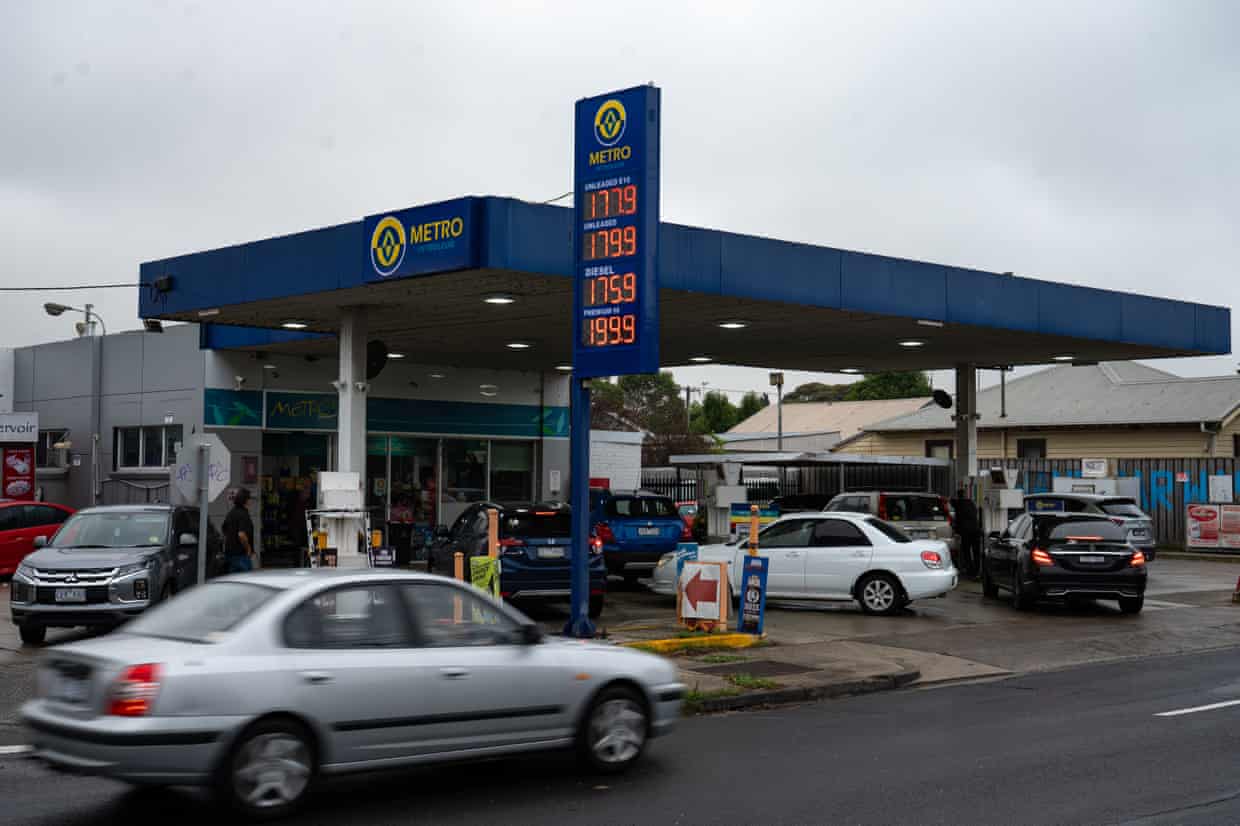
Regional service stations are struggling to replenish fuel supplies left empty by panic buying that has seen demand double and even triple in areas like the Barossa and Mildura amid an escalating Middle East conflict.As a leading motoring group warned of a “vicious cycle” of motorists stockpiling petrol, Chris Bowen, the energy minister, stood up in parliament to urge Australians to remain calm, insisting the nation did not have a shortage of fuel supplies.Amid reports of country service stations running dry, some regional fuel distributors have claimed the shortage is due to wholesale petrol being reserved for sale in the big cities.“The biggest risk to availability in Australia right now is panic buying,” Bowen said, pointing to a “massive spike” in demand that had seen fuel sales up by 238% in the Adelaide Hills and Barossa, and 100% in Victoria’s Mildura.“Of course providers also find difficulty in meeting the demand
Financier Crispin Odey takes FCA to court over exclusion from City
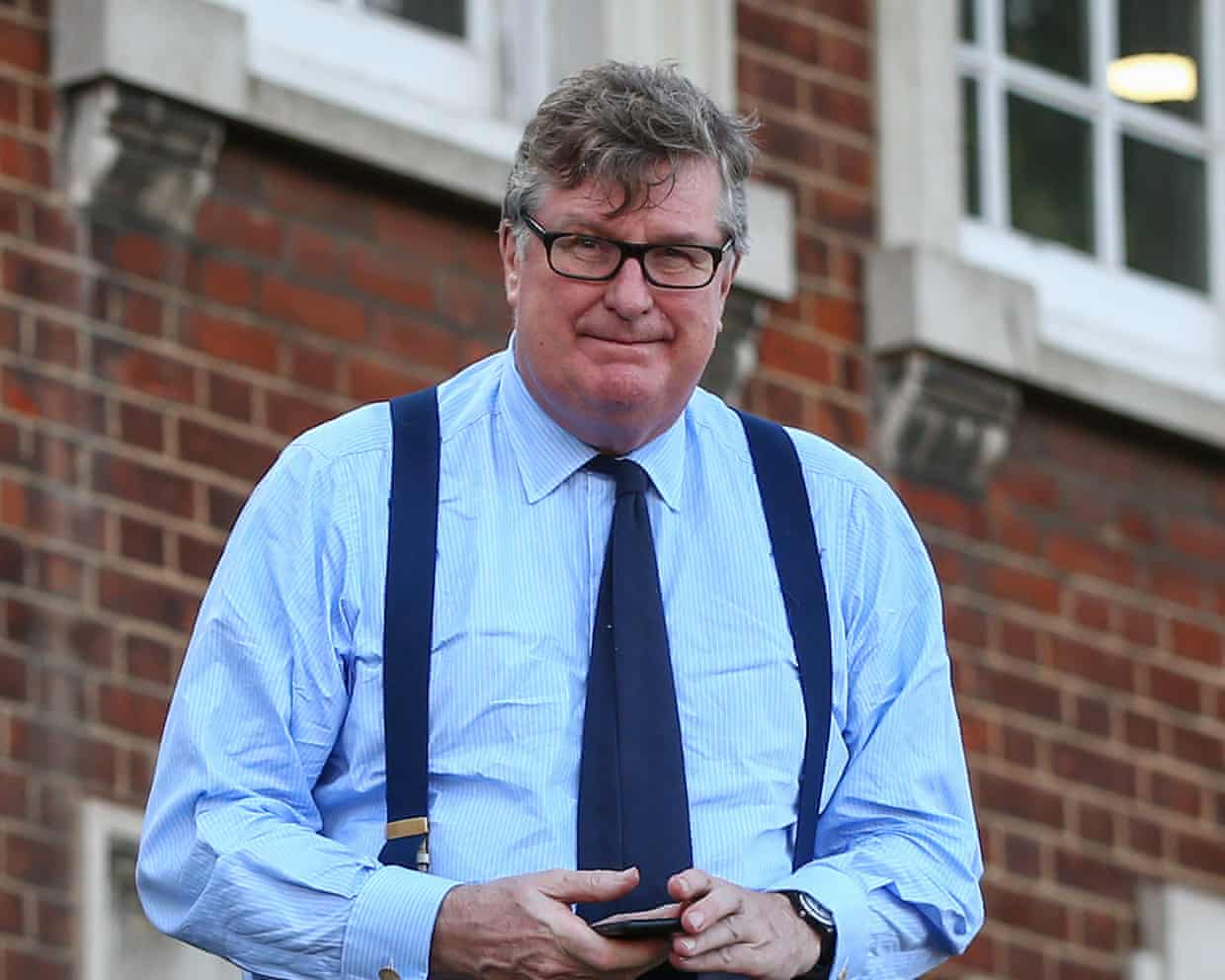
Crispin Odey, the multimillionaire financier fighting various lawsuits relating to allegations of sexual misconduct, is to launch a case against the financial services regulator over his exile from the City.The Financial Conduct Authority (FCA) fined Odey £1.8m and banned him from the financial services industry last year.It found that he had displayed a “lack of integrity” by attempting to frustrate an investigation by his own hedge fund into allegations of sexual harassment, which he denies.Odey had already launched a £79m libel claim against the Financial Times, which first published claims about his behaviour towards junior female staff
Qantas hikes international air fares citing volatile oil prices from war in Middle East
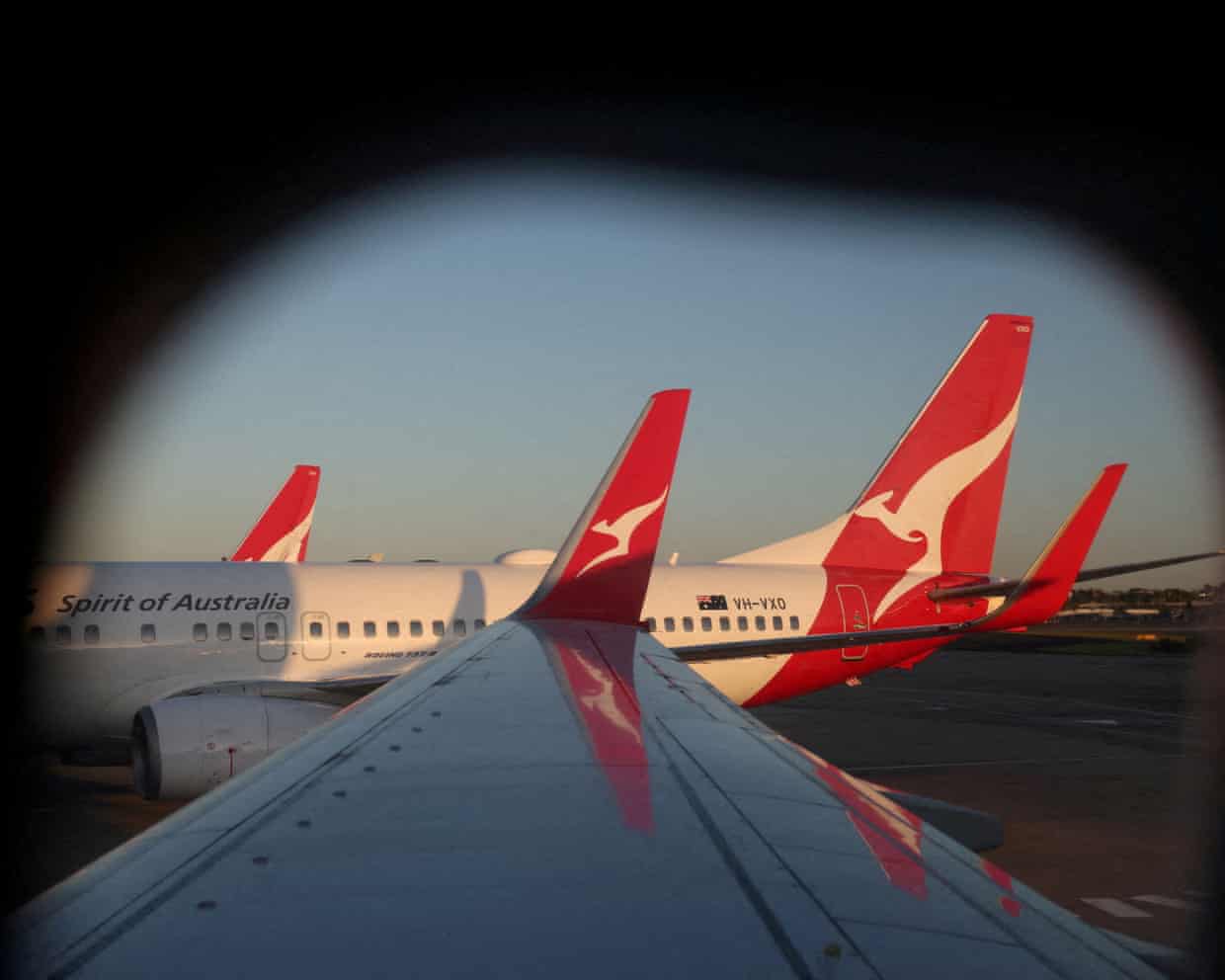
Qantas has announced it is increasing the price of its international air fares amid oil price volatility caused by the war in the Middle East, while the airline also reported higher-than-normal ticket sales for flights to Europe.While the company hedges against change in jet fuel prices, it was not fully covered for the spike seen in the wake of surging oil prices, a spokesperson said on Tuesday.Qantas’s price hikes will differ in extent across its international routes, the spokesperson said, but did not provide further detail.The conflict, catalysed by the US-Israel strike on Iran in late February, has disrupted flights around the world with major airports and airspaces affected across the Middle East – including Dubai, among the busiest international airports in the world and the official stopover for Emirates.Qantas, which does not fly to the Middle East, has continued to operate flights as scheduled and reported seats rapidly filling up as some passengers from affected carriers rebook through the Australian airline
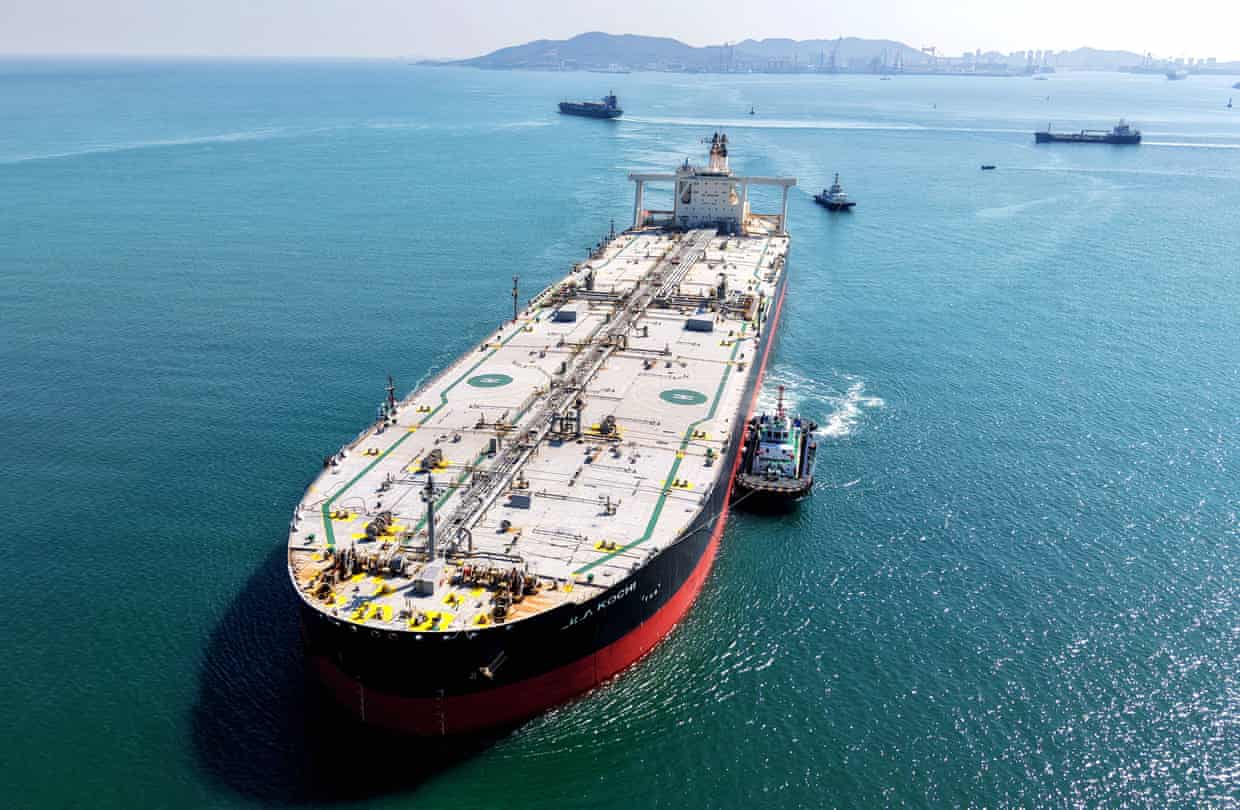
Why has the Iran war sparked fears of stagflation for the global economy?
Oil prices surged on Monday, triggering a stark sell-off across some of the world’s leading stock markets amid growing concern that the US-Israel war on Iran could set the stage for a global economic shock.While they fell back on Tuesday after Donald Trump suggested the Middle East conflict could end “very soon”, oil continues to trade at high levels.The war has caused an energy supply crisis that could risk driving up inflation and interest rates, according to economists, who believe growth is set to weaken while prices rise. Fears of stagflation – where economic activity stagnates, but inflation increases – loom large.Here’s what you need to know
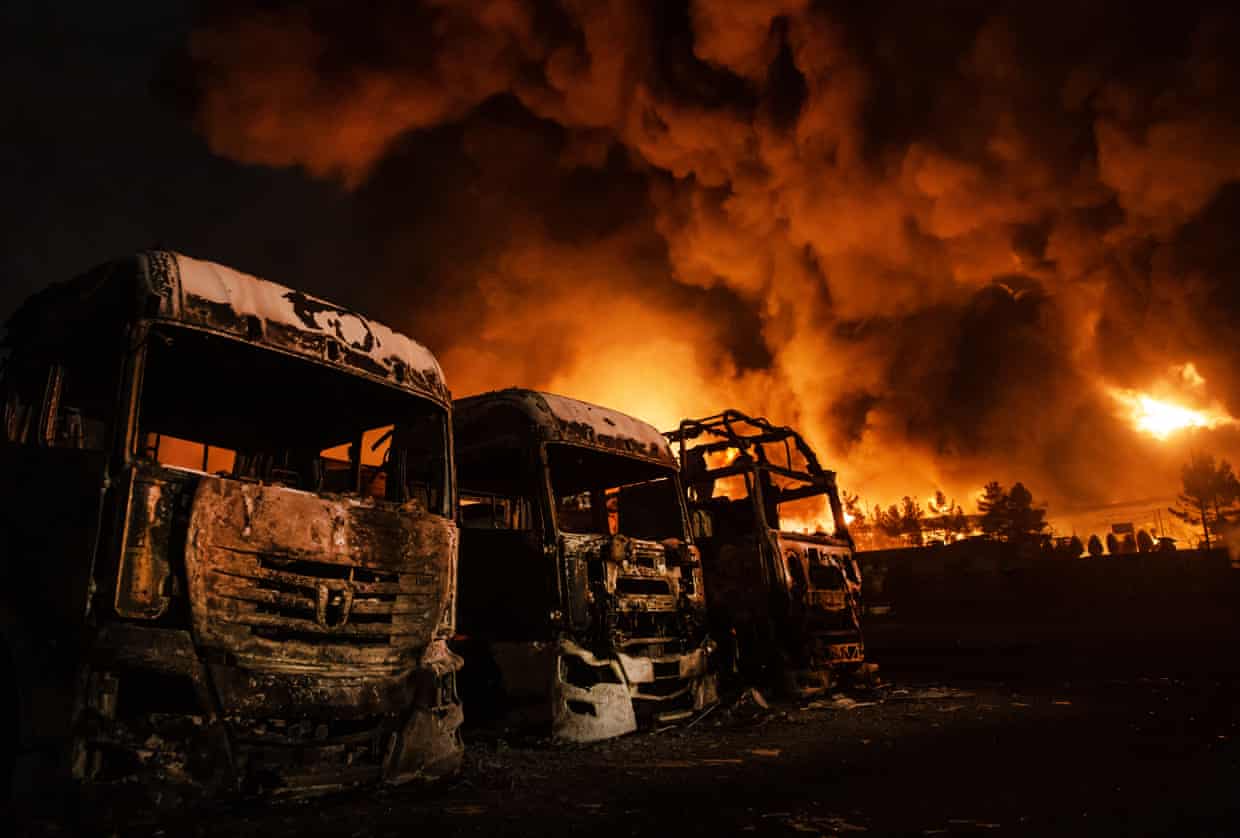
US stock markets close on high after Iran war drove oil prices above $100 a barrel
US stock markets closed on a high after oil prices swung wildly on Monday, reaching a four-year high in the morning that rattled Asian and European markets before settling down once Donald Trump said the US-Israel war with Iran is “very complete”.After surging past $100 a barrel on Monday morning, oil prices came down to $85 a barrel by the time that US stock markets closed in the afternoon. US stocks leaped at a report from a CBS News reporter that Trump thinks “the war is very complete, pretty much” because “they have no navy, no communications, they’ve got no air force”.The Dow closed at a 230-point jump, while the S&P and Nasdaq closed at 0.83% and 1
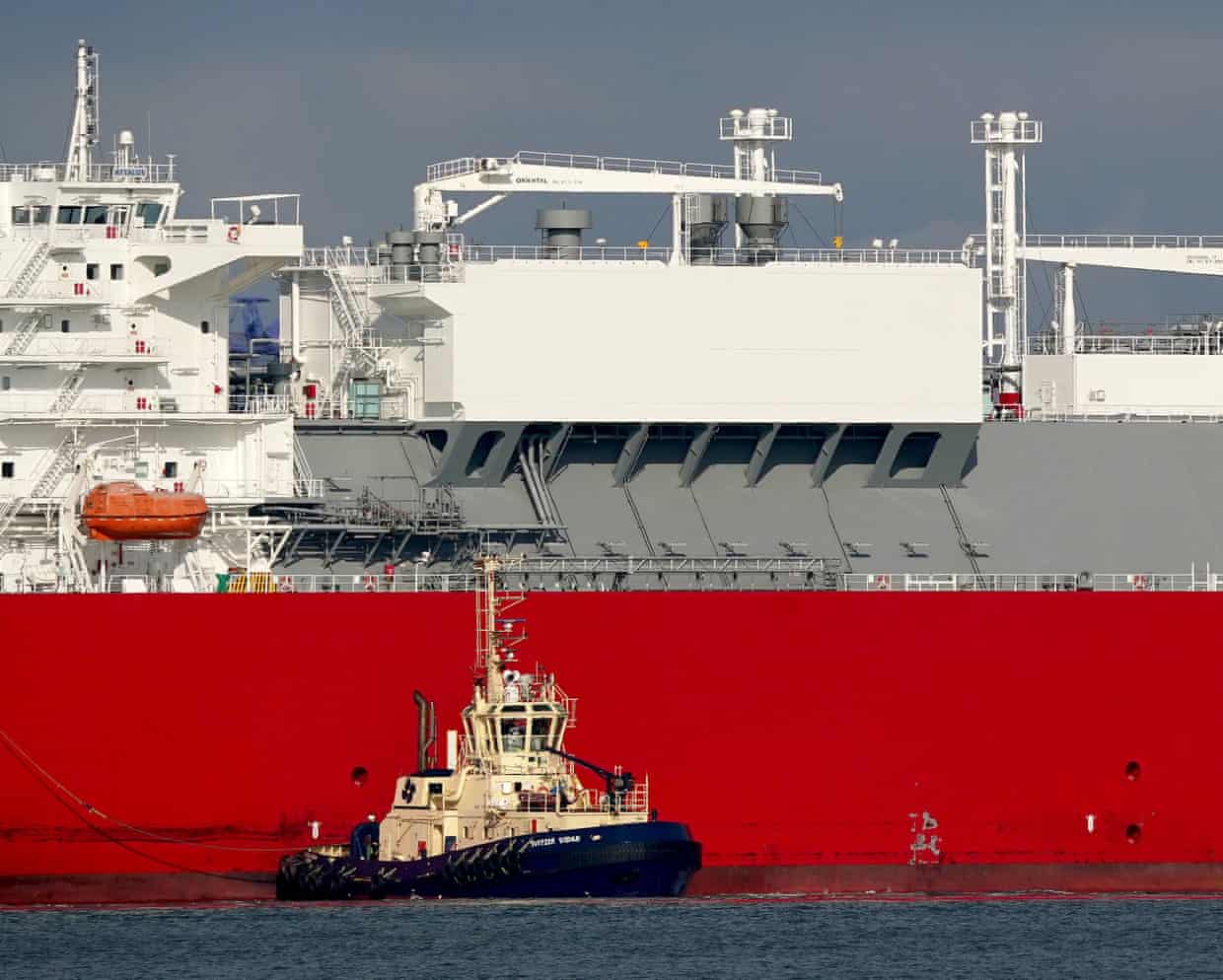
We may not be running out of gas but we still need a serious strategic gas reserve | Nils Pratley
Alarmed that Great Britain has only enough gas in storage to cover two days of consumption? Actually, Michael Shanks, the energy minister, is right that the bald statistic is not a reason to run for the hills. But he would help his case if he admitted that the long era of running a “just-in-time” approach to gas supplies looks increasingly unworkable.Shanks is obviously correct that Great Britain does not source its supplies from storage. About 75% of our gas comes from the North Sea – from domestic fields and via the 725-mile underwater Langeled pipeline from Norway – and neither source is affected by the war in Iran.As for imported liquefied natural gas (LNG), typically about 18% of supplies today, the market is disrupted now that Qatar, about a fifth of the global market, is not producing
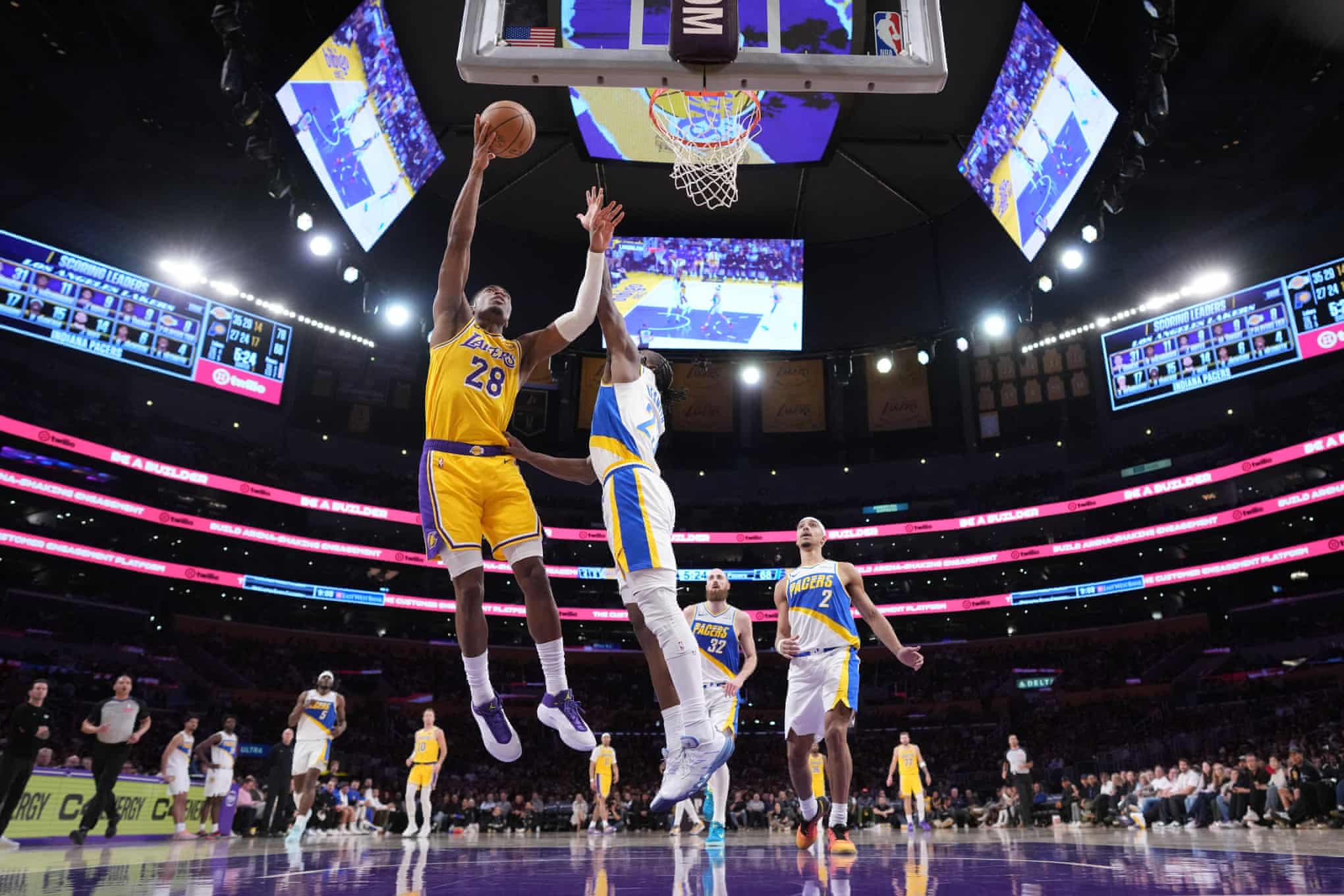
NBA’s bizarre ‘tanking’ problem has spewed theories but no solutions | Sean Ingle
NBA cancels Atlanta Hawks’ theme night with strip club Magic City after backlash
‘We believe in the plan’: England vow to double down on kick-heavy style against France
Dolphins take $99m hit on Tagovailoa and sign Willis; Tampa’s star WR Evans heads to 49ers

Sean Bowen: ‘I’m still a bit allergic to horses. It’s a funny thing to have as a jockey’

‘Revolutionary’: Ukrainian para-biathlete wins silver using ChatGPT as his coach