Alcohol reduced my anxiety – but at a cost | Letter
I read your article (Welcome to Anxietyland: I used alcohol to hide my fear – but booze became a very bad friend, 3 May) with the particular recognition of someone who is still in the middle of it.I’m 37.I’ve spent the past few weeks signed off work with burnout and depression.And like Gemma, I found that alcohol was very good at taking the edge off.Until it wasn’t.
What the piece captures well is the seduction of it.The way it promises relief and delivers it – just enough, just long enough.What it doesn’t mention is the cost.For me, that cost included hurting myself on the nights when the alcohol stopped working and the feelings became too big to contain.It took me a long time to connect the two.
The drinking made the dark nights darker,The dark nights made me reach for more,I haven’t given up entirely,But I’ve stopped drinking alone,I’ve stopped using it to go numb.
One morning I poured every bottle in my flat down the sink and decided that if I was going to feel awful, I was at least going to feel it clearly.That sounds simple.It is not simple.Feelings that have been numbed for years don’t arrive gently.They arrive all at once, at night, when you’re alone and there’s nothing left to hide behind.
They are loud and frightening and completely real.But I’m learning that feeling them is the only way through.Not around.Not with something that promises to make them quieter.Through.
It is hard.It is also, slowly, freeing.Gemma writes that giving up alcohol didn’t solve all her problems.Neither has changing my relationship with it solved mine.But it has done something important.
It has made me stop running long enough to start looking at what I’ve been running from.That’s not a cure.But it feels like a beginning.Paula McInallyWolverhampton Have an opinion on anything you’ve read in the Guardian today? Please email us your letter and it will be considered for publication in our letters section.
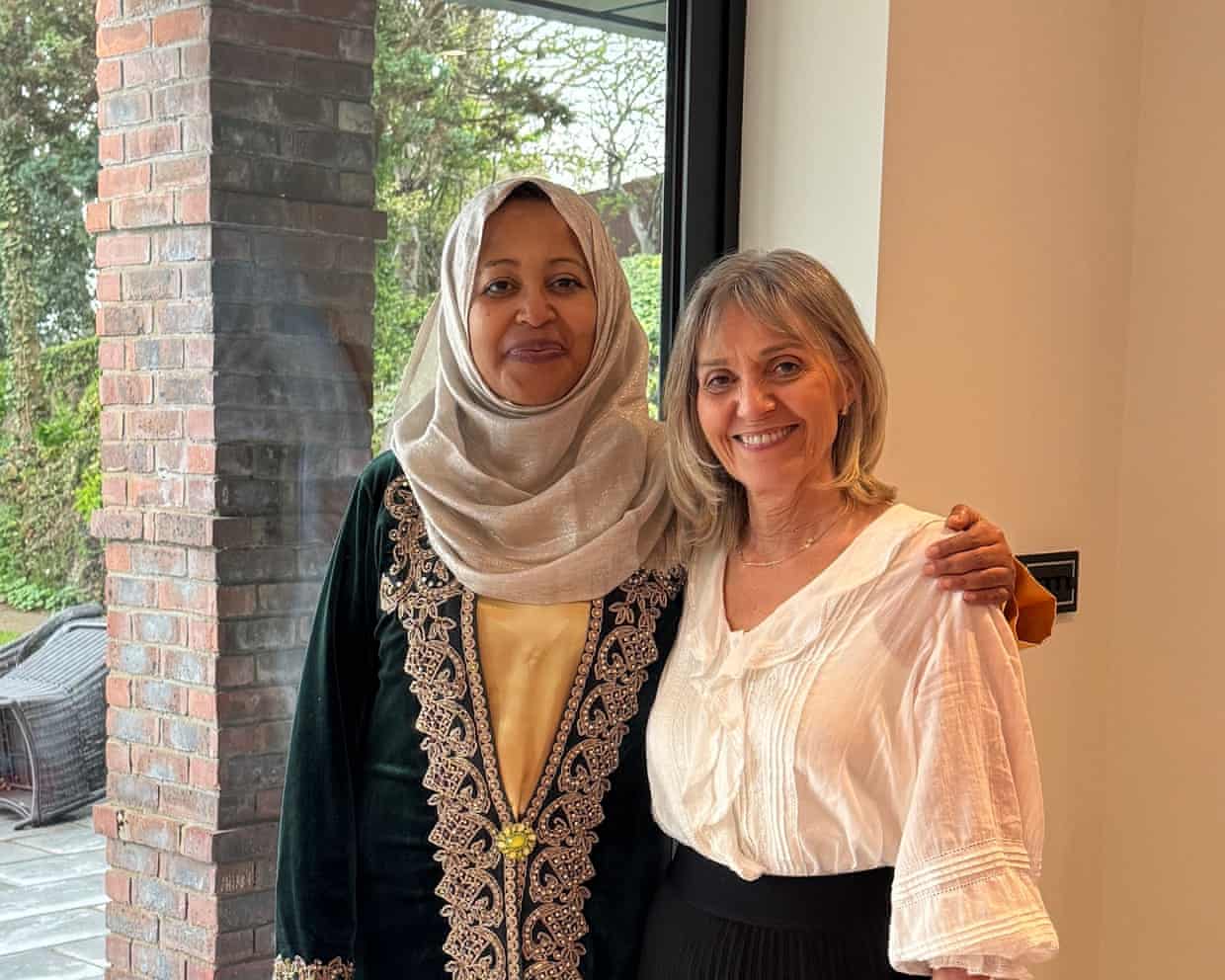
‘We can’t live behind walls’: Muslim-Jewish networks will not give up after Golders Green attack
‘I feel punch drunk,” says Laura Marks, the co-founder of Nisa-Nashim, a Jewish-Muslim women’s network, referring to the alleged attempted murder of two Jewish men in north London this week: “Every day it feels like there is something else. It’s relentless.”Nisa-Nashim was set up as a charity eight years ago to bring Jewish and Muslim women together through social events. The idea was to nurture relationships in UK communities that could help overcome the distrust, division and religious stereotyping exacerbated by Israel-Palestine tensions in the Middle East.The violence in Golders Green, the latest in a wave attacks targeting the Jewish community in the UK amid the deepening Middle East conflict, can feel like a demoralising rebuke to voluntary projects such as Nisa-Nashim that for years have been working relentlessly for community cohesion
‘Group is a lifesaver’: strangers buy Wetherspoon’s meals for homeless people through app
Carl used to own pubs – several of them – and a string of hotels. Then two years ago, rising costs forced him into bankruptcy. Now he sleeps on the beach in summer, and in winter sits in an all-night McDonald’s nursing a single cup of coffee.Carl’s daughters are in a different part of the country with his ex-wife. To maintain the illusion that he lives a normal life, Carl is careful only to video-call them from the local Wetherspoon’s with a meal and a drink carefully positioned in shot

London schools trialling VR to relieve pupils’ stress
Schools have begun deploying virtual reality to help pupils cope with stress caused by impending exams, attention deficit hyperactivity disorder or difficult home lives.All 15 secondary schools in the London borough of Sutton are using VR headsets made by tech firm Phase Space in a pilot in conjunction with the local NHS mental health trust.Pupils access the seven-minute-long Phase Space VR programme either in a prearranged slot or when they need to leave a lesson because they have become beset by anxiety.Young people find that immersing themselves in VR, even for such a short period of time, helps them calm down, rebuild their confidence and feel ready to resume their studies. Phase Space has been designed to help “overwhelmed and anxious students”, said Zillah Watson, a co-creator of the programme, who is a former head of VR at the BBC
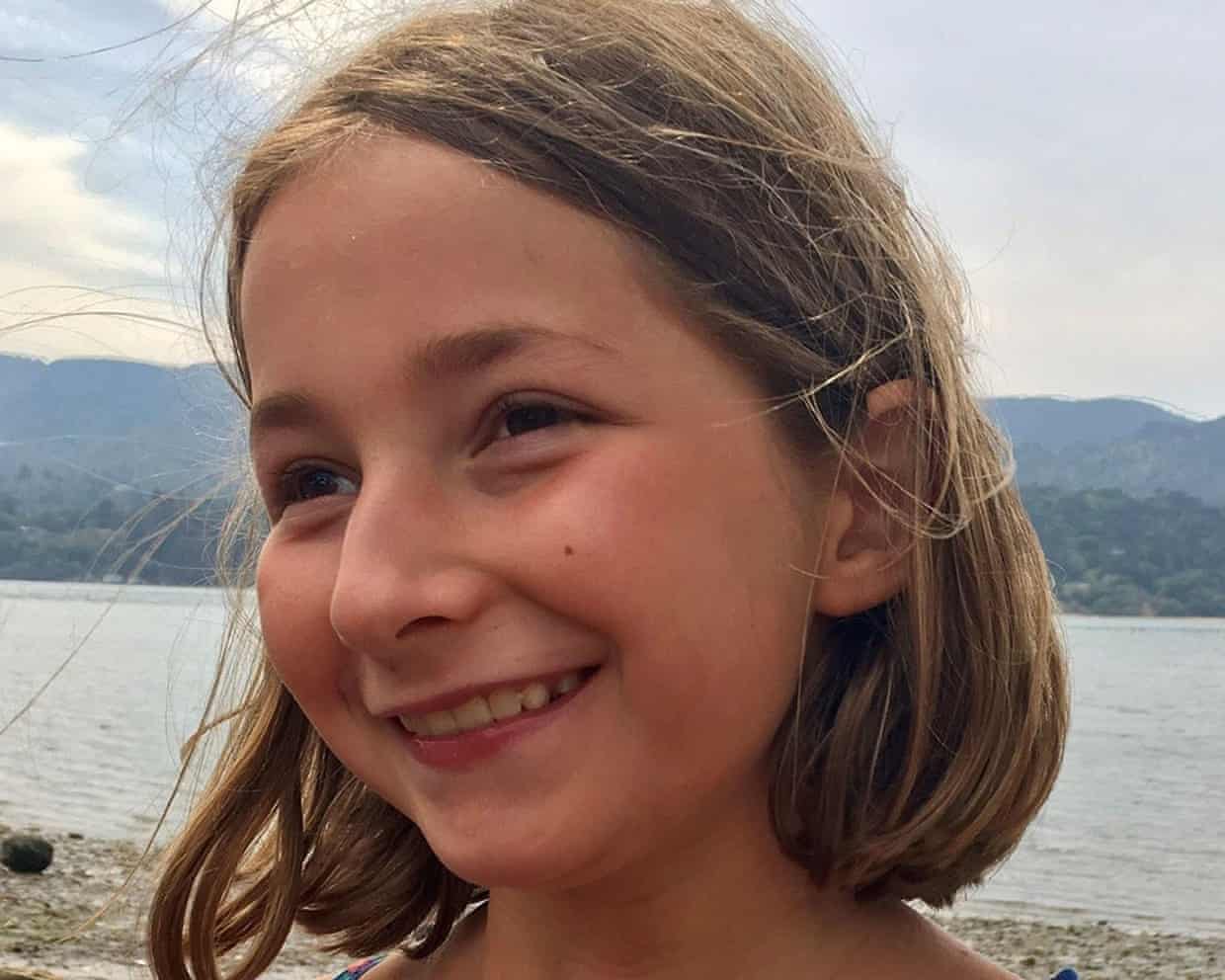
Martha’s rule may have saved more than 500 lives in England since 2024
More than 500 people have received potentially life-saving care thanks to Martha’s rule, which gives hospital patients the right to seek a second opinion about their health.They were moved to intensive care or a specialist unit after they, a loved one or a member of NHS staff triggered the patient safety mechanism, which the NHS in England began using in 2024.Martha’s rule lets patients, relatives and staff call a helpline run by the hospital if they are worried about the person’s condition or treatment and ask for a “rapid review” of their care.In the 18 months between September 2024 and February 2026, a total of 524 adults and children about whom concerns had been raised were moved to an intensive care or high-dependency unit, a specialist hospital or a specialist ward at the hospital where they were already an inpatient.Wes Streeting, the health secretary, said the figures proved that Martha’s rule is “already having a life-saving impact”
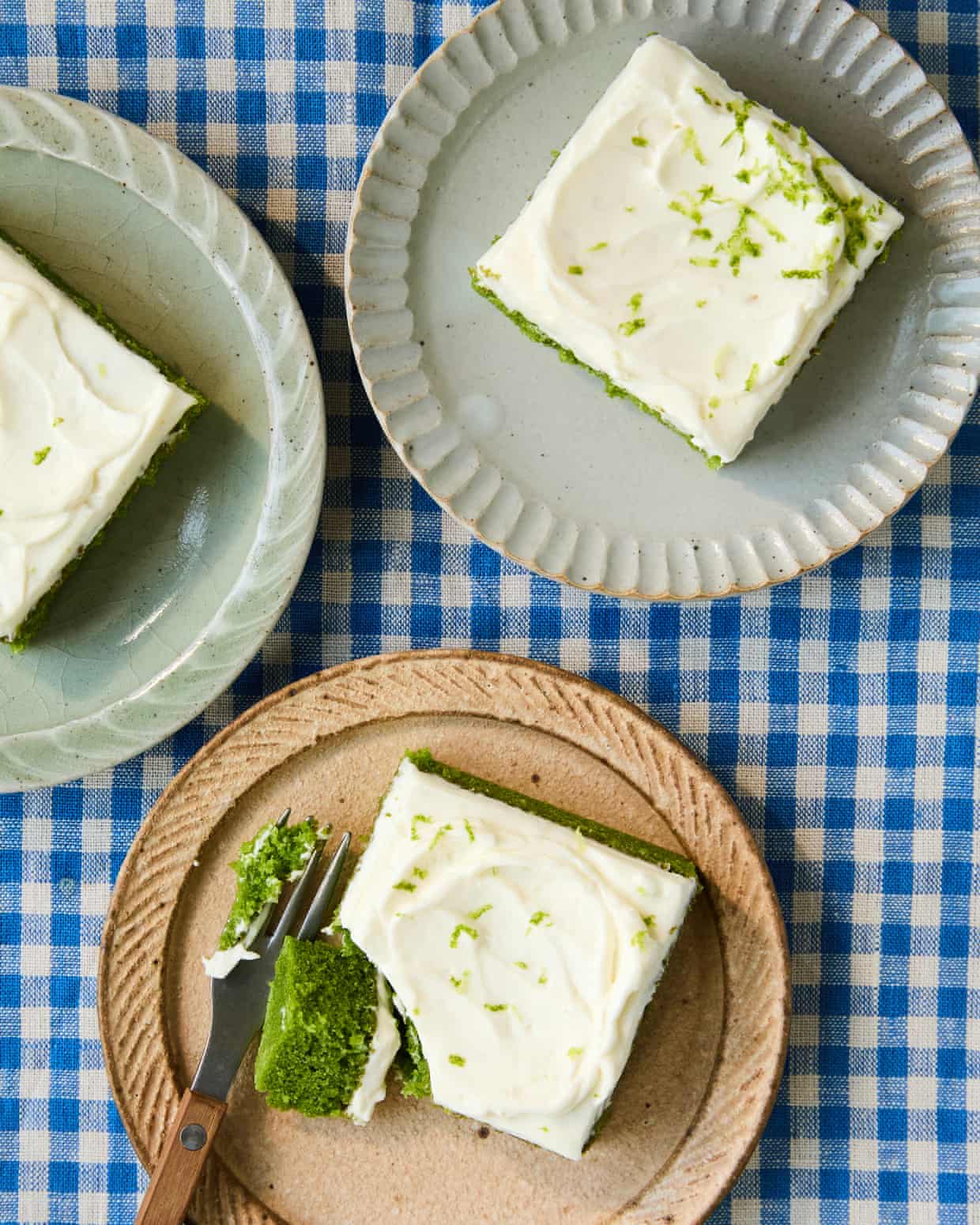
Helen Goh’s springtime spinach sponge cake with cream cheese icing – recipe | The sweet spot
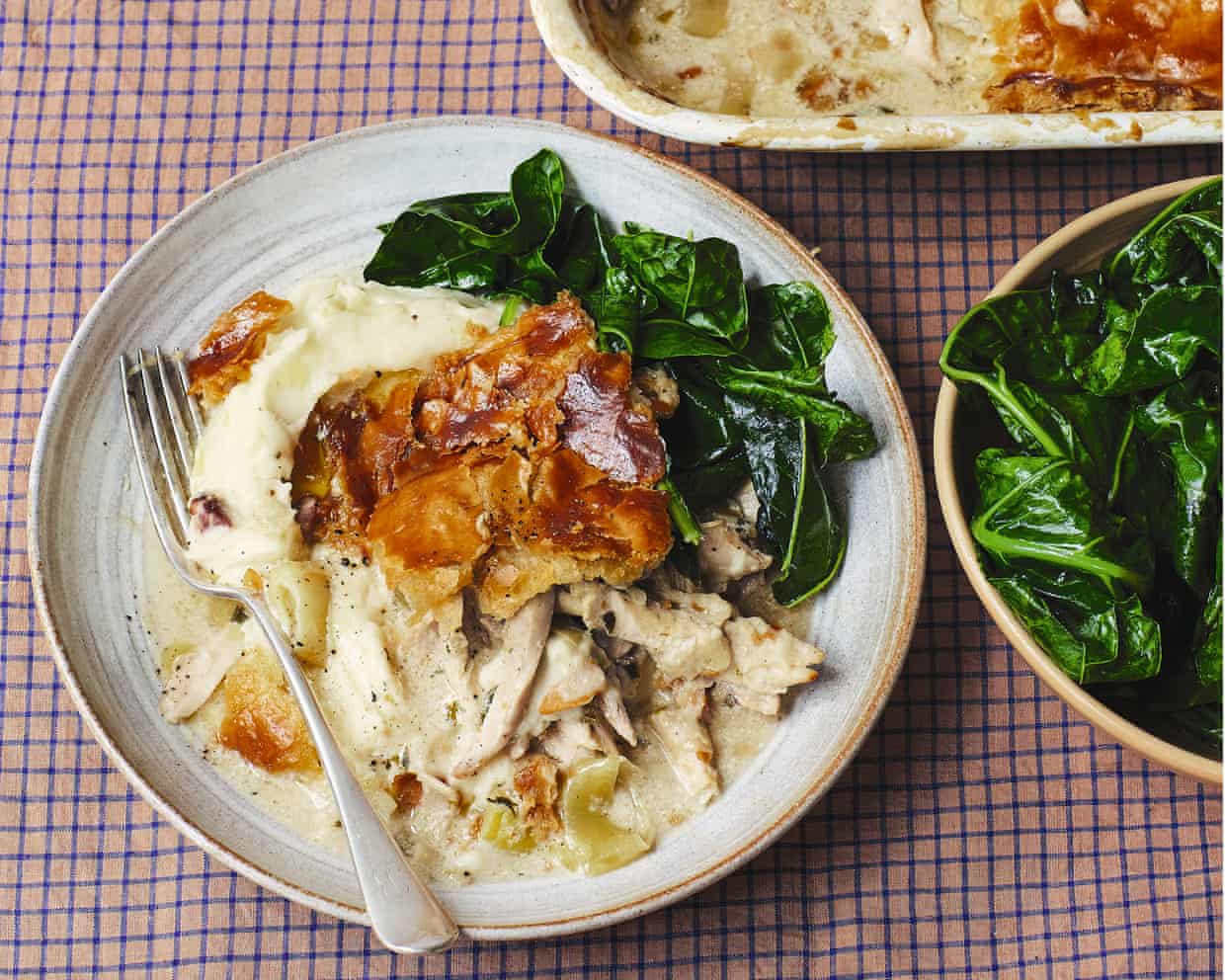
Why we care so much about preserving family recipes
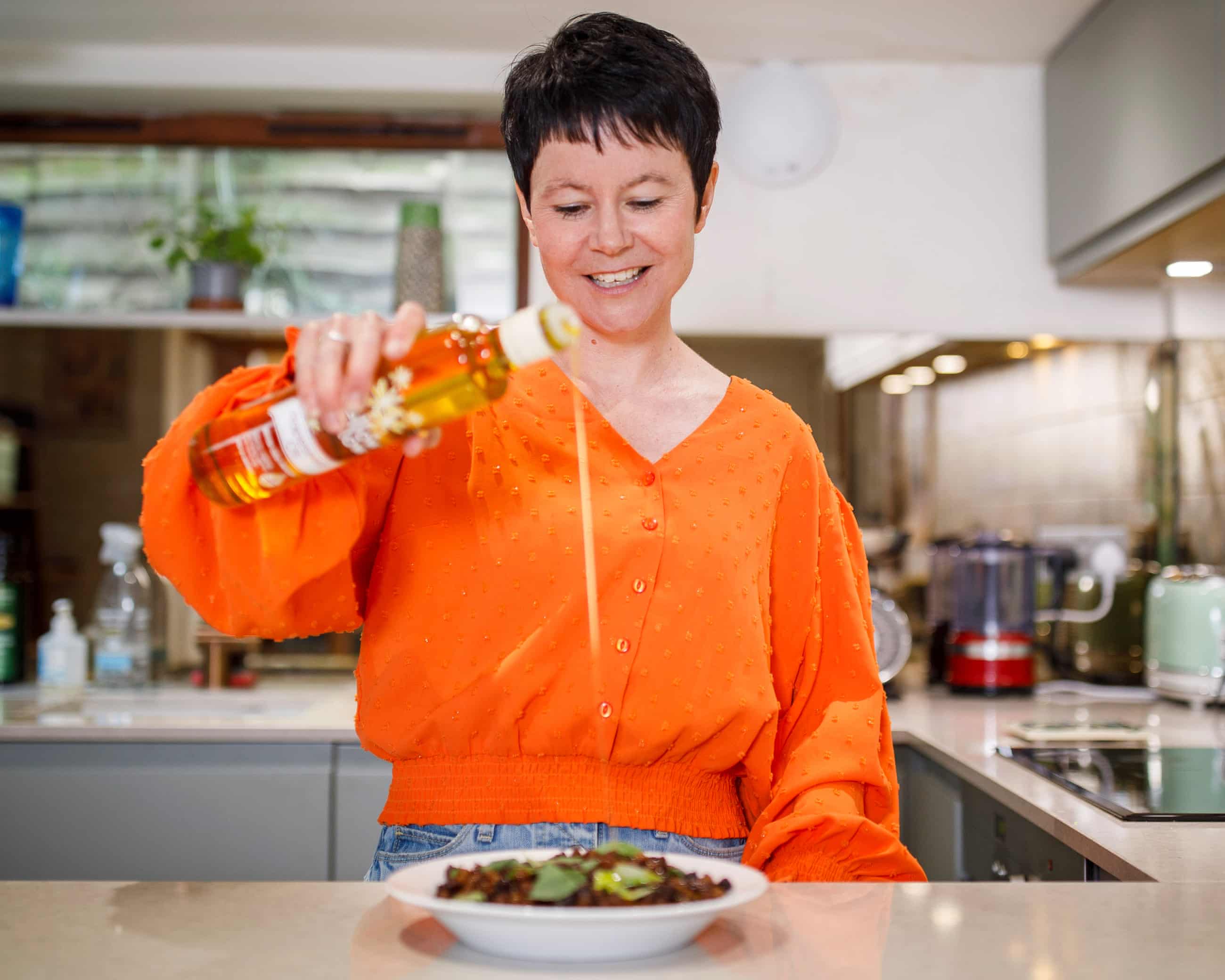
The truth about cooking oils: 14 essential facts for healthier, cheaper meals
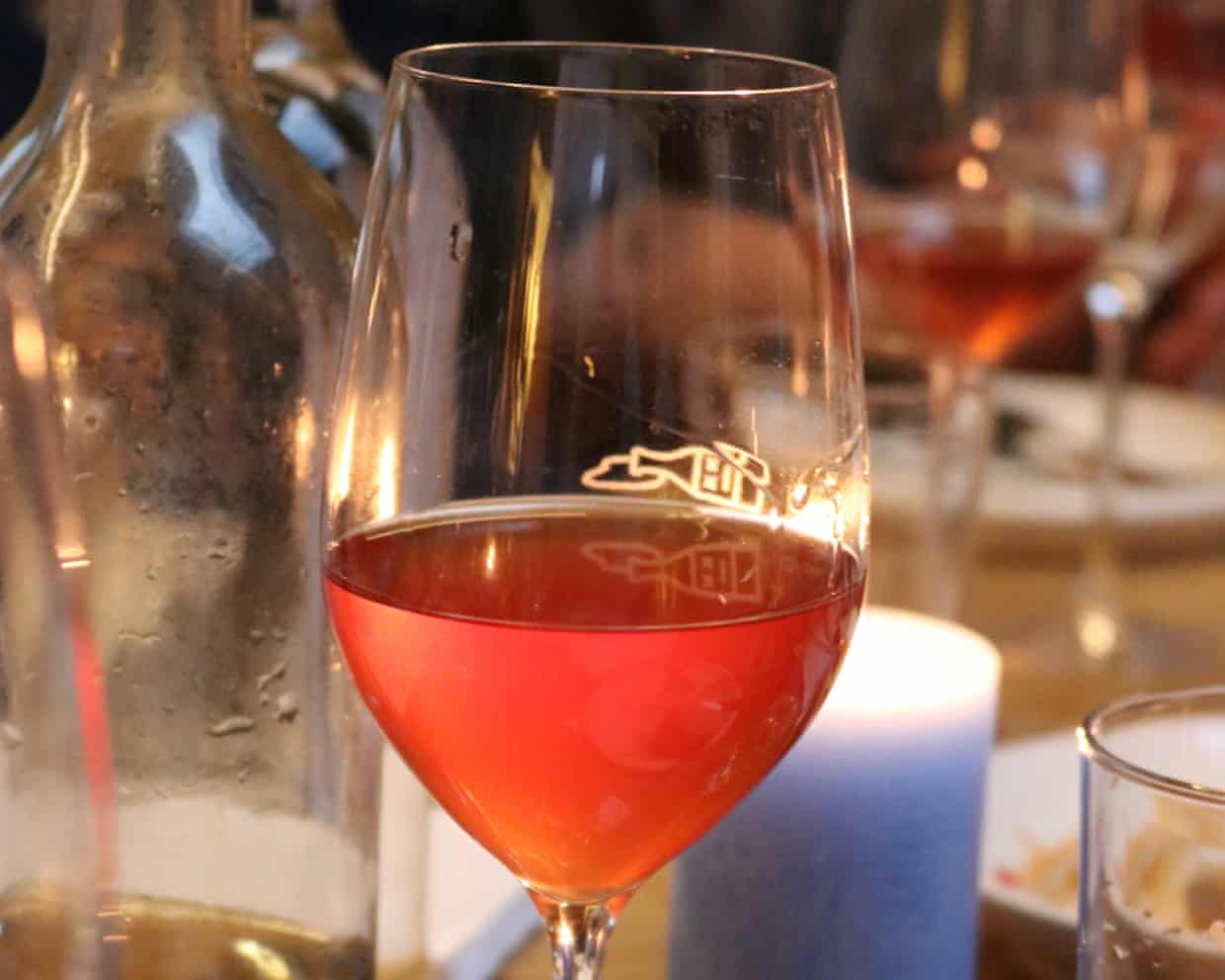
The surprising boom in blouge wine: ‘It’s for 5pm, in the sun’

Ifrah F Ahmed’s debut cookbook is a love letter to Somali cuisine, history and people
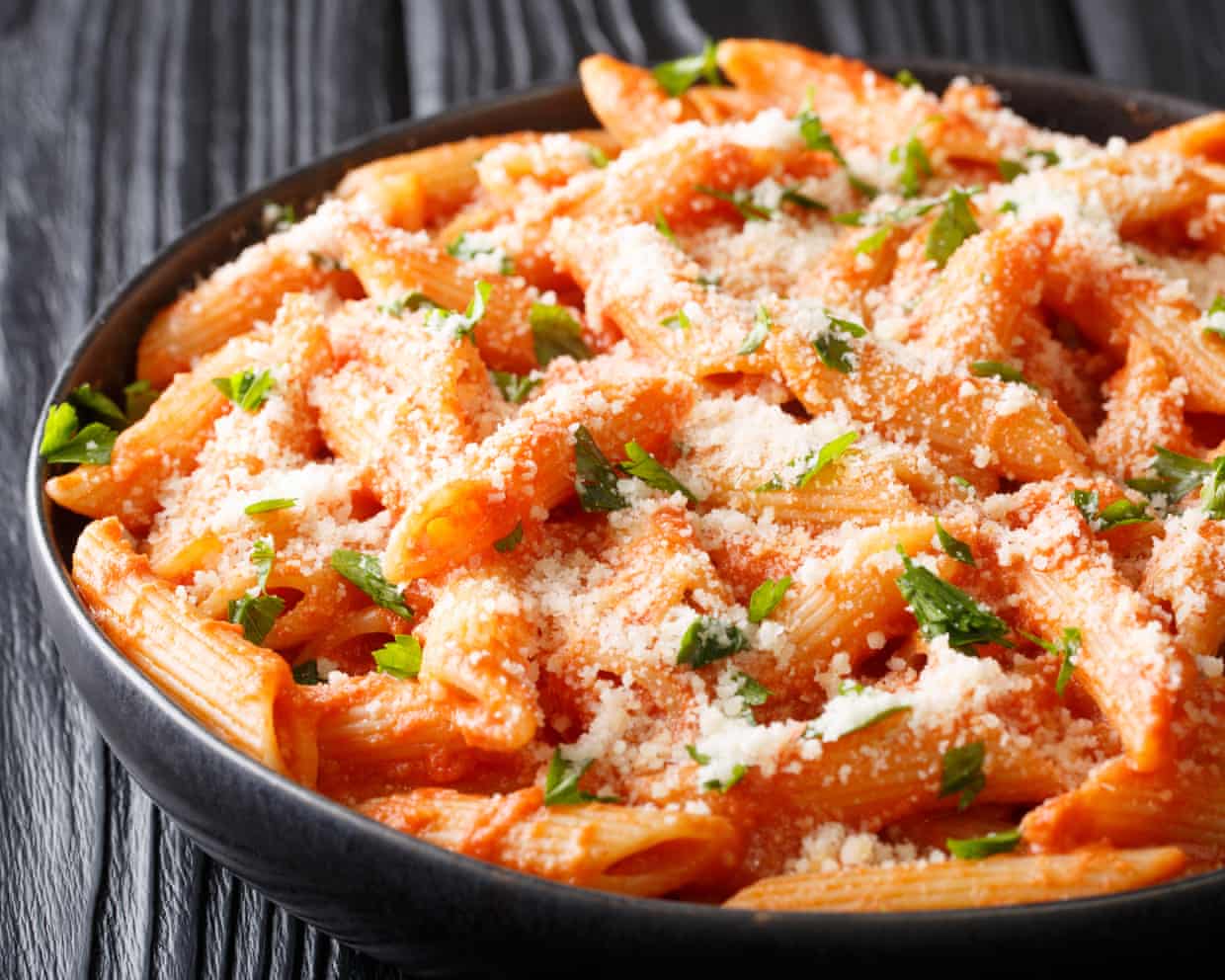
Disco hit: Penne alla vodka, popular in New York 80s clubs, is now a menu staple