Cabinet Office suggested Mandelson did not need security vetting, says Robbins as he describes ‘constant pressure’ from No 10 – live
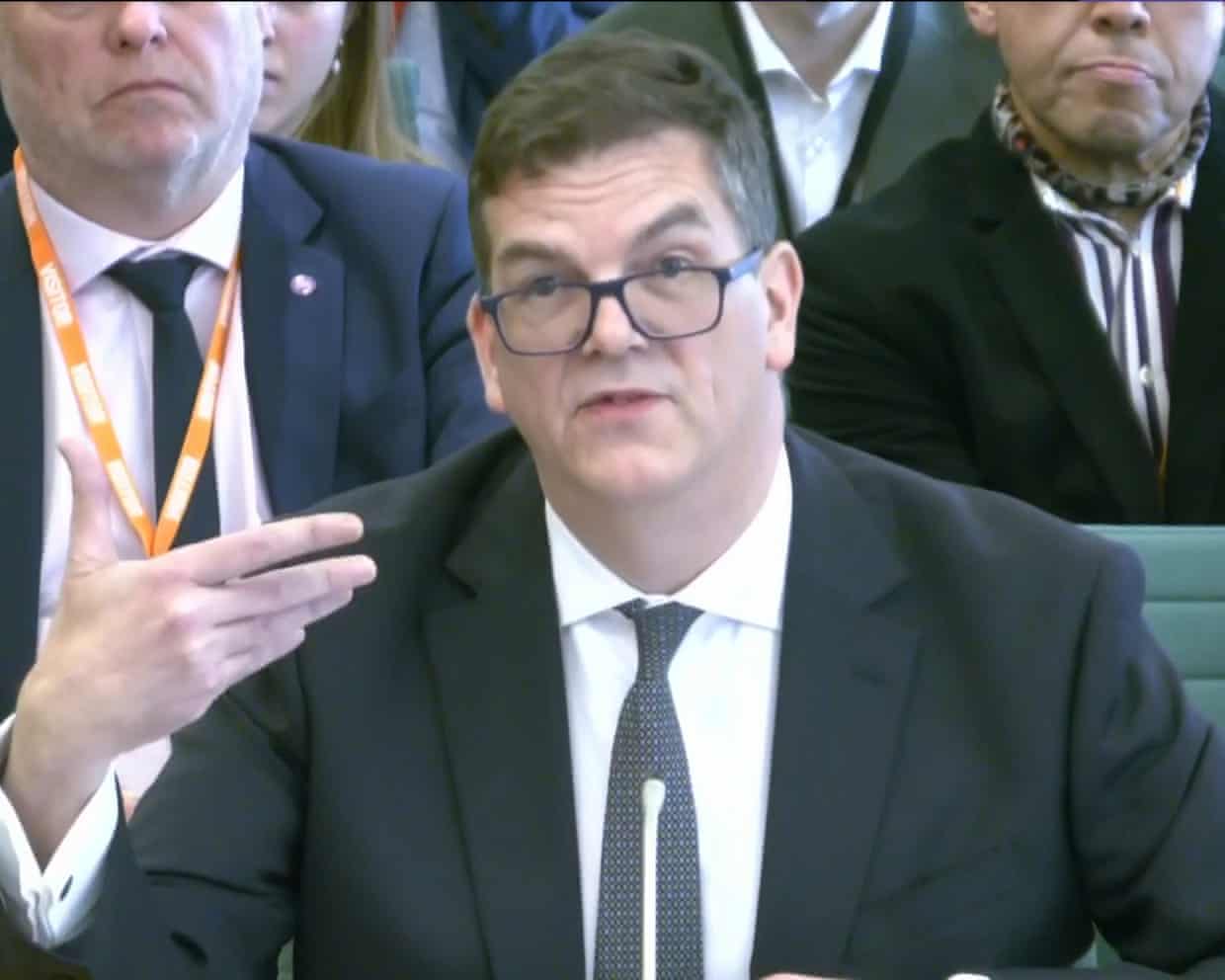
Olly Robbins did not come across as angry or bitter.Instead he came across as hurt and disappointed – but also conscientious, principled, and honest.He seemed to impress members of the foreign affairs committee, and that made his evidence all the more compelling.Mostly, he did not say anything that directly contradicts what Keir Starmer told MPs yesterday.They both agree Starmer, and No 10 generally, were not told about the reservations UKSV (UK Security Vetting) had about Peter Mandelson.
Robbins would not discuss the details of his conversation with PM where the PM told him he was being sacked, but he was passionate, and quite compelling, about the case for protecting the confidentiality of the DV (developed vetting) system.But there is still one hole in this part of the story.While No 10 is saying the UKSV file on Mandelson shows that “the recommendation from the vetting officer had been that DV should not be granted to Peter Mandelson”, Robbins claims he was not told that, at least in those terms.(See 9.56am, 10am, 10.
10am and 10.47am.) On this point, the committee did not sound as if it was confident that it had got to the bottom of the story.Robbins also claimed that knowing that refusing Mandelson’s vetting would cause a colossal problem for No 10 was not a factor in the decision to approve it.(See 11.
23am.) Mmm.You can choose to believe that if you want.But the most important part of Robbins’ evidence was what he said about the pressure he, and the rest of the Foreign Office, were under to push through the appointment.This was not a total surprise; but Robbins’ language was powerful.
(See 9.14am, 9.22am and 10.22am.) And Robbins revealed that the Cabinet Office argued that Mandelson did not even need to be vetted.
This is new, and highly embarrassing.Kemi Badenoch is claiming that Robbins’ evidence shows that due process not followed.(See 12pm.) In fact, it shows the opposite; it is because due process was being follow that Morgan McSweeney was constantly on the phone telling the Foreign Office to speed it all.Badenoch is pushing this line because she is still trying to land the argument that Starmer lied to MPs, despite having to back down from the extreme version of this claim she was pushing last week.
Ed Davey’s response to the Robbins’ hearing (see 12.05pm) is more astute because he has focused on the one revelation from the hearing that will most shock Labour MPs: that No 10 was trying to find a diplomatic job for Matthew Doyle.The broadcasters have not been making this a key feature of their coverage yet because Doyle, despite being a peer (and independent one, now he has lost the Labour whip), is not really a public figure.But he is very well known to Labour MPs (he has a long history in the party, being a Labour adviser when Tony Blair was PM) and backbenchers will be astounded that Starmer was lining him up for a plum Foreign Office job.The fact that this is now public is bad for Starmer’s reputation with the people who will decide his fate.
During Foreign Office questions in the Commons, Yvette Cooper, the foreign secretary, said she would not have approved of Matthew Doyle being made an ambassador,Asked by the Lib Dem foreign affairs spokesperson Calum Miller about the revelation that came out when Olly Robbins was giving evidence to MPs this morning, Cooper said:double quotation markI was the home secretary at the time that I understand this has taken place, so I was not involved and don’t know the circumstances,I am, of course, extremely concerned at any suggestion that the permanent secretary or permanent undersecretary of the Foreign Office would be told not to inform the foreign secretary,I can also confirm that the case that he raised, it would not have been an appropriate appointment,In the Commons Rachel Reeves, the chancellor, is making a statement giving an update on the economic response to the Iran war, and what happened at her IMF meetings in Washington.
This will run for about an hour.Then MPs will open the emergency debate tabled by the Tories on the Mandelson vetting.Olly Robbins did not come across as angry or bitter.Instead he came across as hurt and disappointed – but also conscientious, principled, and honest.He seemed to impress members of the foreign affairs committee, and that made his evidence all the more compelling.
Mostly, he did not say anything that directly contradicts what Keir Starmer told MPs yesterday.They both agree Starmer, and No 10 generally, were not told about the reservations UKSV (UK Security Vetting) had about Peter Mandelson.Robbins would not discuss the details of his conversation with PM where the PM told him he was being sacked, but he was passionate, and quite compelling, about the case for protecting the confidentiality of the DV (developed vetting) system.But there is still one hole in this part of the story.While No 10 is saying the UKSV file on Mandelson shows that “the recommendation from the vetting officer had been that DV should not be granted to Peter Mandelson”, Robbins claims he was not told that, at least in those terms.
(See 9.56am, 10am, 10.10am and 10.47am.) On this point, the committee did not sound as if it was confident that it had got to the bottom of the story.
Robbins also claimed that knowing that refusing Mandelson’s vetting would cause a colossal problem for No 10 was not a factor in the decision to approve it.(See 11.23am.) Mmm.You can choose to believe that if you want.
But the most important part of Robbins’ evidence was what he said about the pressure he, and the rest of the Foreign Office, were under to push through the appointment.This was not a total surprise; but Robbins’ language was powerful.(See 9.14am, 9.22am and 10.
22am.) And Robbins revealed that the Cabinet Office argued that Mandelson did not even need to be vetted.This is new, and highly embarrassing.Kemi Badenoch is claiming that Robbins’ evidence shows that due process not followed.(See 12pm.
) In fact, it shows the opposite; it is because due process was being follow that Morgan McSweeney was constantly on the phone telling the Foreign Office to speed it all.Badenoch is pushing this line because she is still trying to land the argument that Starmer lied to MPs, despite having to back down from the extreme version of this claim she was pushing last week.Ed Davey’s response to the Robbins’ hearing (see 12.05pm) is more astute because he has focused on the one revelation from the hearing that will most shock Labour MPs: that No 10 was trying to find a diplomatic job for Matthew Doyle.The broadcasters have not been making this a key feature of their coverage yet because Doyle, despite being a peer (and independent one, now he has lost the Labour whip), is not really a public figure.
But he is very well known to Labour MPs (he has a long history in the party, being a Labour adviser when Tony Blair was PM) and backbenchers will be astounded that Starmer was lining him up for a plum Foreign Office job.The fact that this is now public is bad for Starmer’s reputation with the people who will decide his fate.In his response to the hearing, Ed Davey, the Lib Dem leader, has focused on the revelation about No 10 wanting for find an ambassador’s job for Matthew Doyle.(See 10.29am and 11.
03am.)double quotation markThis is incredibly damning for Keir Starmer.Not content with appointing Peter Mandelson as US ambassador despite his links to Epstein, he tried to appoint another man with a known friendship with a sex offender.This is not just a lapse in judgment, it’s a pattern of behaviour.Every day this scandal gets worse, and it becomes clearer that the only way to draw a line under it is for Starmer to go.
Kemi Badenoch claims that Olly Robbins evidence shows that “due process” was not followed in the appointment of Peter Mandelson, and that therefore Keir Starmer misled MPs when he claimed it had been.She has posted this on social media.double quotation markThe evidence from Olly Robbins is devastating to Keir Starmer.It is clear that No10 not only made the appointment before vetting was completed, but that Mandelson was already acting as the Ambassador before the vetting – even seeing highly classified documents.With this, and the ‘constant pressure’ No10 applied to the appointment and their ‘dismissive attitude’ to vetting Mandelson, it is now absolutely clear that ‘full due process’ was not followed.
Keir Starmer has misled the House,The final question in the session came from John Whittingdale, who asked if he was confident that the government would comply in full with the Commons humble address saying the government had to publish all paperwork relating to Mandelson’s appointment, and messages between Mandelson and officials,Robbins said it was a very wide-ranging motion,In theory, a huge amount of information would have to be disclosed,This had to be done in a way that would not create an “unmanageable burden” and an “unmanageable security risk” he said.
But he said it was now up to the Foreign Office and the Cabinet Office to explain what they were doing about it.Yesterday Keir Starmer described a conversation he had had when he sacked Robbins, saying that he did not agree with the Foreign Office permanent secretary about his argument about not being able to disclose information about Mandleson’s vetting process.Asked what he had told the prime minister, Robbins said that was a legitimate question, but he said he could not speak about that.Referring to possible legal proceedings about his sacking, Robbins said that he was in “unknown territory” and for the sake of his family he had to keep quiet for the time being.(Permanent secretaries who get sacked in circumstances like this normally end up negotiating some sort of payoff.
What gets said in public can influence this.)Asked about his reaction to being sacked, Robbins said:double quotation markThe very short answer is I don’t fully understand the reasons that I’m in the position I am in, but that is for a separate process for me to try to get to the bottom of.As a human being, I’m desperately, desperately sad about it.I love that job, I love that institution, I was proud to serve this government and any government that might follow it.I hope I was doing it to the best of my ability.
I was certainly doing it as hard as I possibly could.I had wonderful colleagues who I miss deeply and the issues we were dealing with, and my colleagues are still dealing with, are of profound importance to the success of this government and the success of the country.It’s been the proudest part of my career to lead that institution because of their work, not because of mine.I just feel intensely proud of the people I’ve led and I wish them every success and wish I could still be with them.Asked if he would have done anything differently, Robbins said there were various aspects of the system I think could be improved”.
But he said he was concerned about the way that the British state was “dissecting itself” in public over this.He said he thought anything that undermined the integrity of the security vetting process could pose a risk to people working in embassies in Moscow or Beijing.And he said he found himself “wondering who this helps” – implying this is a controversy that will help hostile states.Emily Thornberry, the committee chair, challenged what Robbins said about how security vetting should not stop the state employing people with “interesting” lives.She said there was “interesting” – and then there was Peter Mandelson, and the threats that he posed.
Robbins said that the Cabinet Office due diligence process (which he thinks Mandleson should have failed – see 10.38am) covered Mandelson’s public record.He said security vetting served a different purpose.double quotation markThere’s not a sort of big surprise in the fact that Peter Mandelson had an interesting life.What I say to you still is that DV is for a different purpose
Wage growth hits lowest level since November 2020; unemployment rate unexpectedly falls - business live
Revolut is aiming for a $200bn valuation in a stock market listing, according to a report from the Financial Times.It is reported that the fintech firm, which received a full UK banking licence this year, has discussed internally and with some of its investors a target valuation between $150bn to $200bn.Its founder Nik Storonsky said earlier this week that the bank would IPO in 2028 at the earliest. It is understood that the bank has not established a formal valuation target.Revolut declined to comment on the report
Royal Mail invests £500m to tackle late deliveries as second-class post cut back
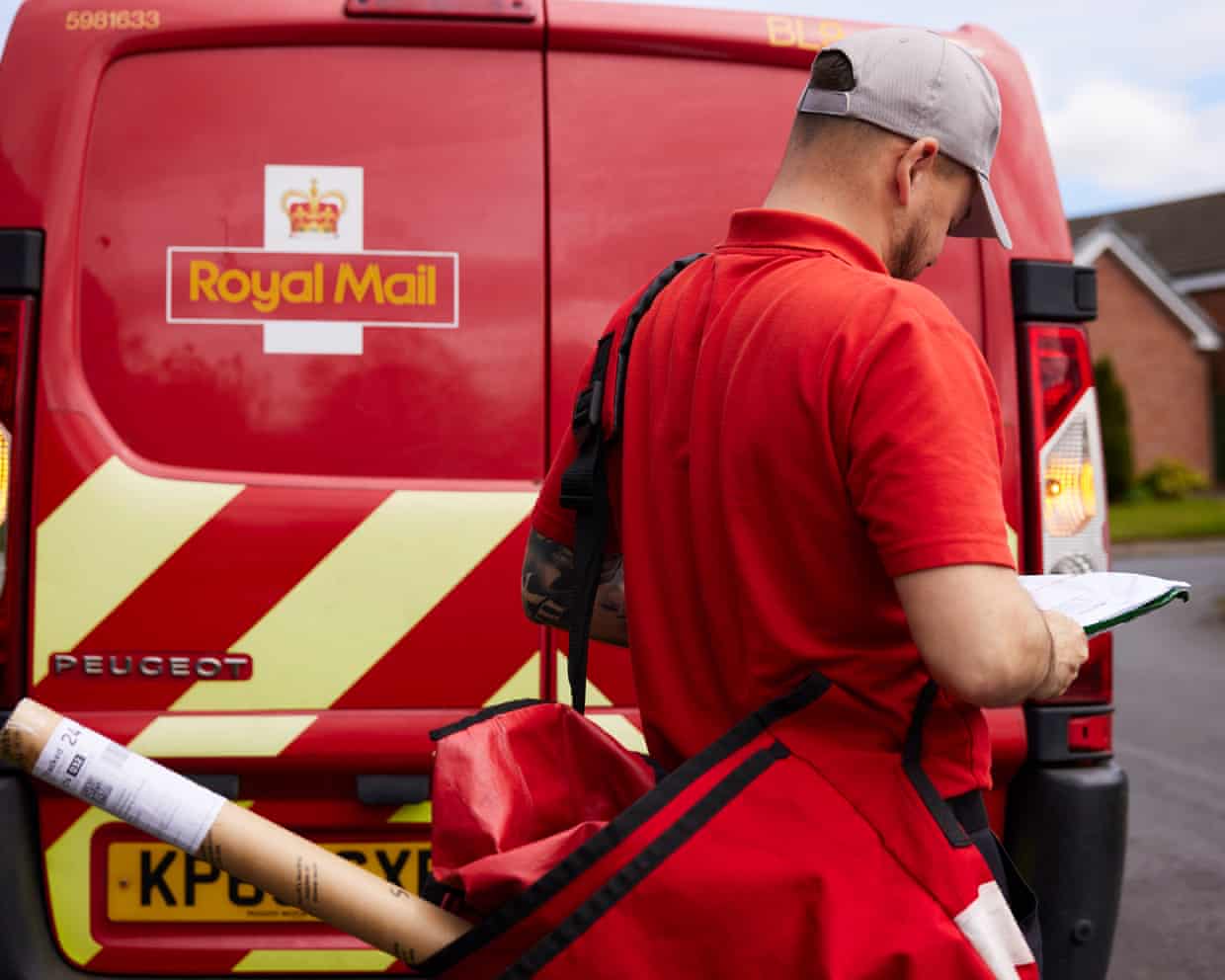
Second-class post will be delivered every other weekday and scrapped on Saturdays from next month as part of a £500m plan to tackle late deliveries at struggling Royal Mail.The courier has been piloting a new letter delivery pattern since July, which will be rolled out nationwide in May.The change comes follows a deal with the Communication Workers Union (CWU) and Unite last week that ended a lengthy dispute over the second-class post overhaul. The CWU will now ballot its members on the changes.There will be no changes to first-class post, which will still be delivered daily from Monday to Saturday, or to parcels, which remain unchanged, continuing at up to seven days a week
Palantir manifesto described as ‘ramblings of a supervillain’ amid UK contract fears
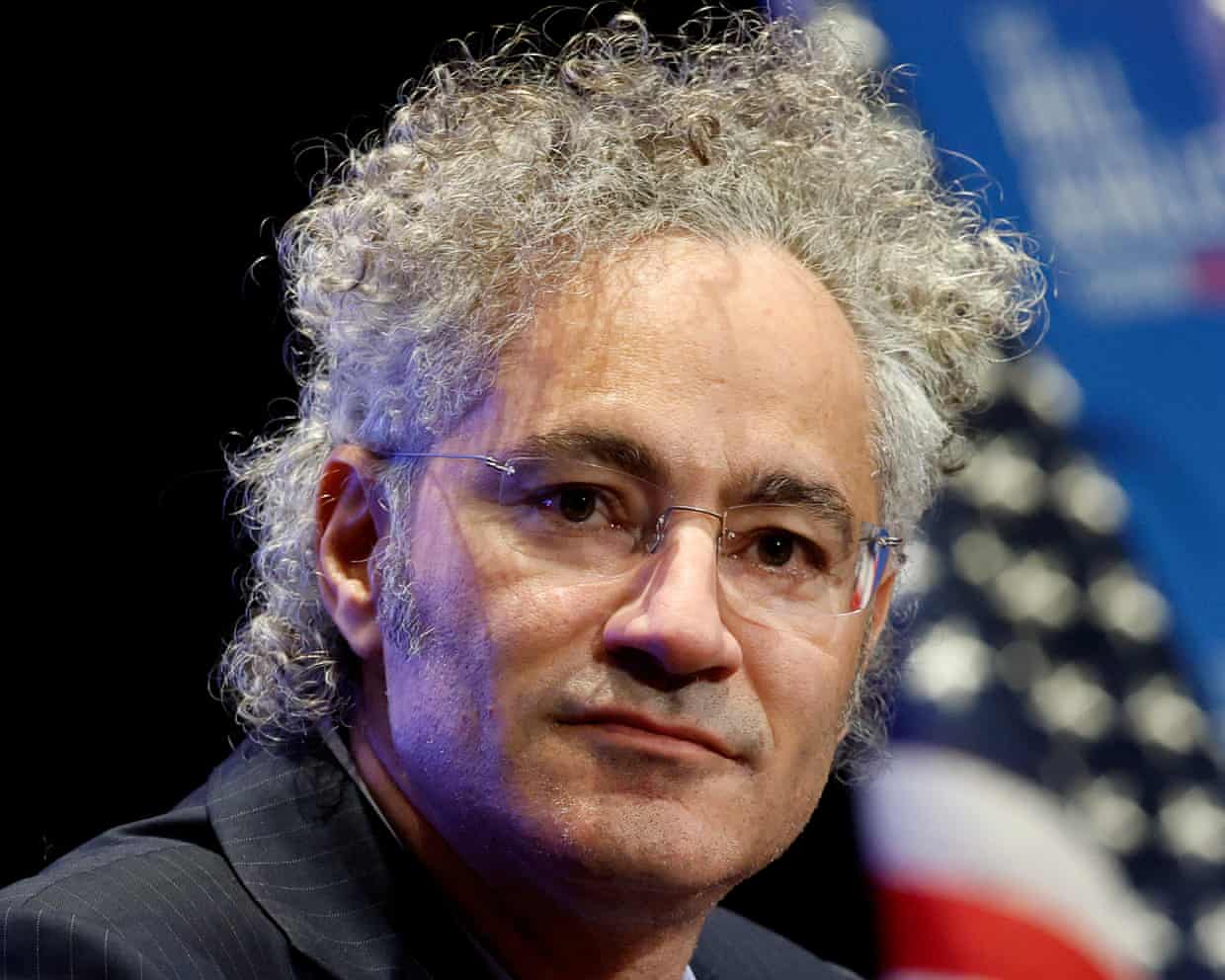
The US spy tech company Palantir published a manifesto extolling the benefits of American power and implying some cultures are inferior to others – in what MPs have called “a parody of a RoboCop film” and “the ramblings of a supervillain”.“Some cultures have produced vital advances; others remain dysfunctional and regressive,” wrote Palantir in a 22-point post on X over the weekend, which also called for an end to the “postwar neutering” of Germany and Japan.The post exhorted the US to reinstate a military draft, saying that “free and democratic societies” need “hard power” in order to prevail.It also predicted a future dominated by autonomous weapons: “The question is not whether A.I
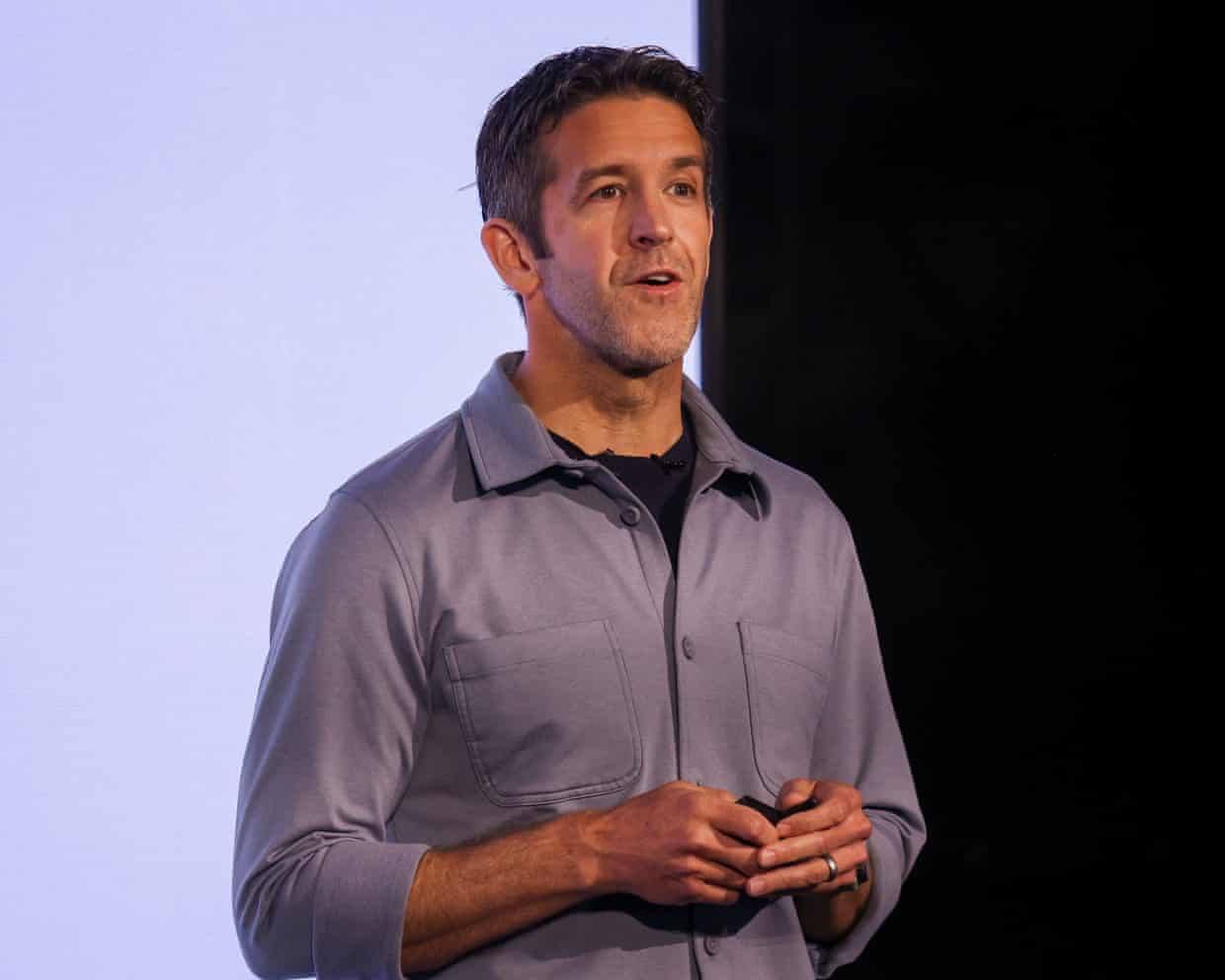
Who is John Ternus, Apple’s next CEO?
Apple has announced longtime company veteran John Ternus as the next CEO of the company, succeeding current CEO Tim Cook, who is set to transition to executive chair of Apple’s board of directors later this year.Ternus’s term as CEO will begin on 1 September. The hardware engineering executive is a longtime Apple insider, indicating the company will stay the course that has led to record profits under Cook’s leadership. Apple’s yearly profit now tops $100bn, and in January it announced record revenue from its iPhones, boosted by renewed demand in China.“I am profoundly grateful for this opportunity to carry Apple’s mission forward,” Ternus said in a company press release

NFL draft questions: what should the Jets do at No 2, is Love worth it and will the Cowboys trade up?
Fernando Mendoza is a lock to go No 1, but what happens after is less certain. From a difference-making running back to a polarizing QB, we look at the biggest questions entering draft nightThe draft begins with the second pick this year. We know Fernando Mendoza will be the Las Vegas Raiders’ selection at No 1 overall. With the second pick, the Jets have a decision to make: edge-rusher David Bailey from Texas Tech or the hybrid defender Arvell Reese from Ohio State.Bailey is widely viewed as the top pure edge-rusher in the class

The Breakdown | Erin King looks to lift Ireland: ‘It was tough some days to keep showing up’
After overcoming a debilitating injury, the Ireland captain is relishing the prospect of a grudge match against FranceTwelve months ago Erin King was not only told she may never play rugby again but faced the possibility of being unable to even run. Fast forward to now and the 22-year-old is ready to lead Ireland in their revenge mission against France this Saturday after their rivals knocked them out of last year’s Rugby World Cup in King’s absence.King, who transitioned from sevens rugby after the 2024 Olympics, had sustained a serious knee injury against England at the 2025 Six Nations which ruled her out of the global showpiece. It was a blow for Ireland’s campaign with the back row going from strength-to-strength in the 15s game. In 2024 she had been named the World Rugby breakthrough player of the year after standout performances that included scoring two tries in the team’s historic win over New Zealand at the WXV tournament

‘It’s soul-destroying’: struggle to house vulnerable children can leave breaking law as only option
The fight against medical misogyny has a long way to go | Letters

A sad indictment that the young seek tradwife life | Letters
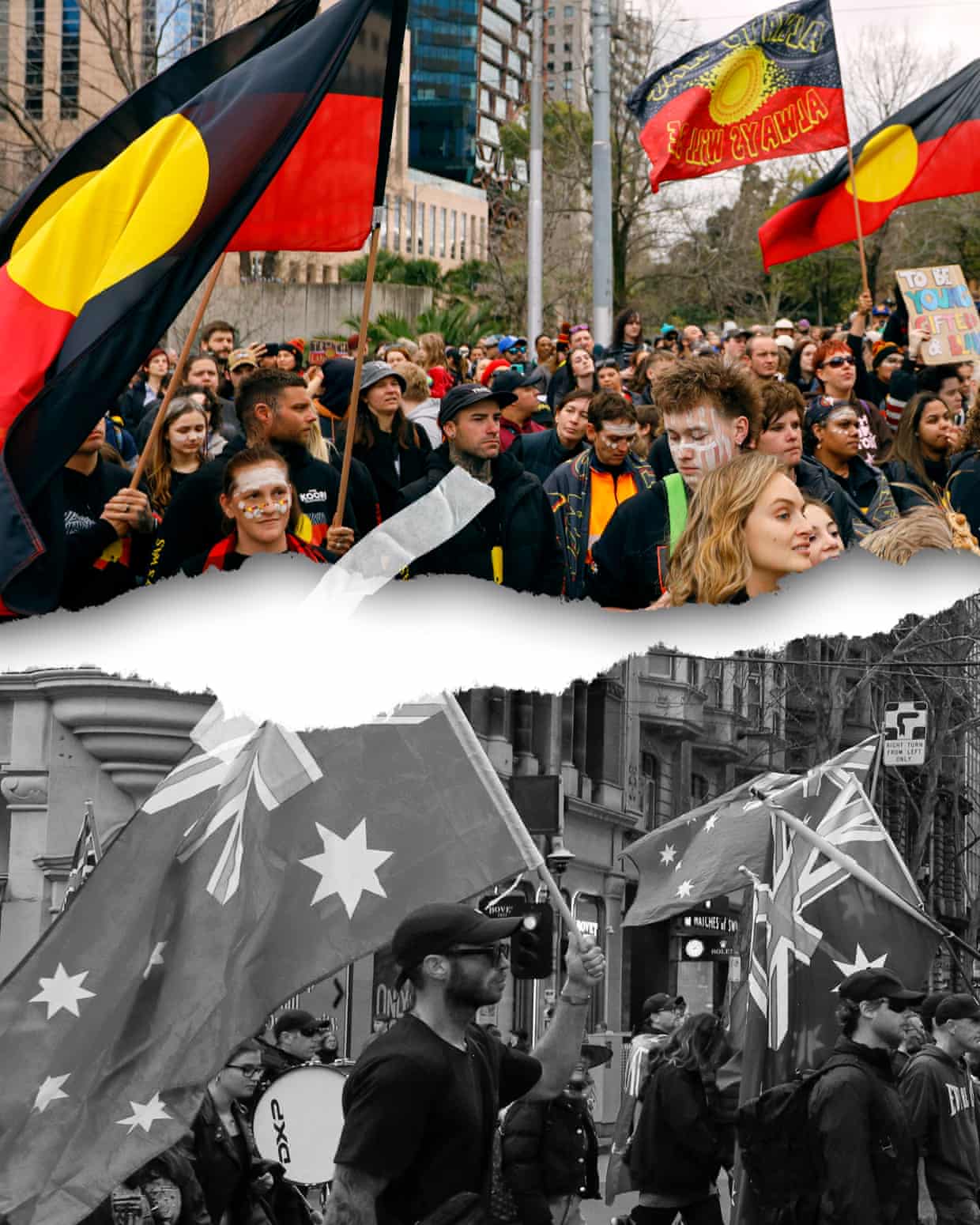
‘A white man’s fantasy’: if we want to rebuild social cohesion, we need to acknowledge where it all started to unravel

Are you a woman who makes life easier for everyone else? Beware – you could endanger your health | Emma Beddington

‘Labels protect us’: Olivia Nervo wants reproductive coercion to be a standalone offence – she is not alone