Starmer on the brink as cabinet ministers urge him to quit
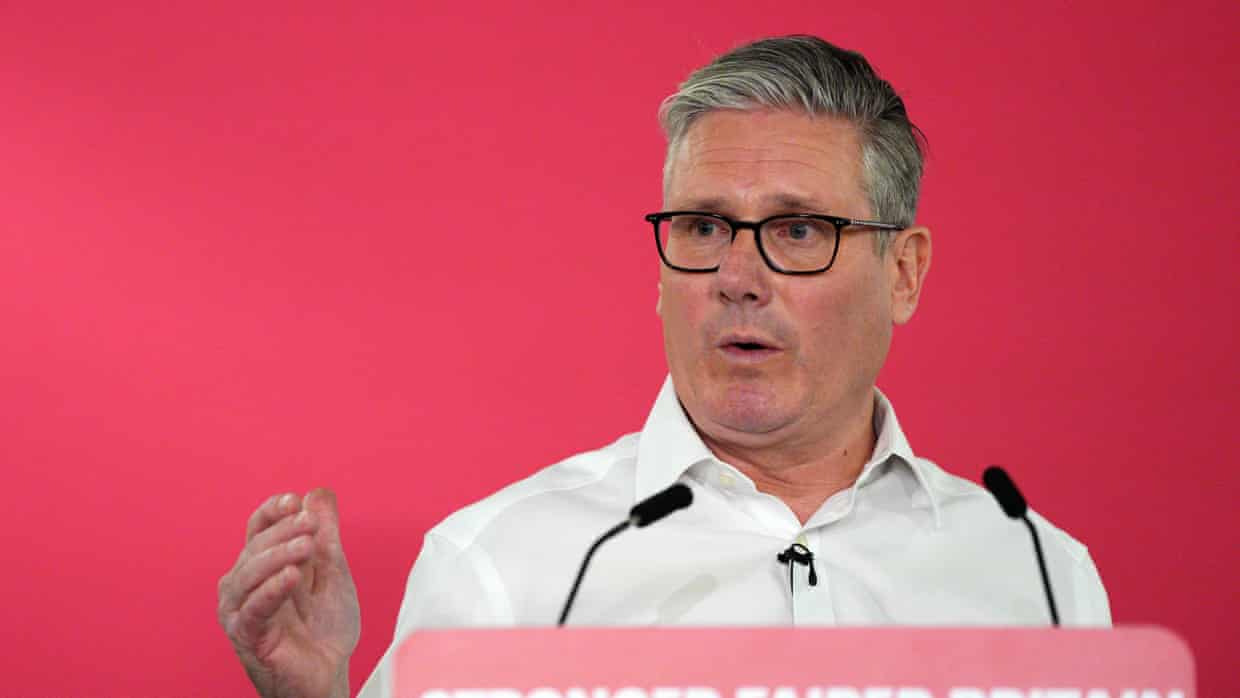
Keir Starmer’s grip on power appeared to be slipping away on Monday as cabinet ministers urged him to set out a timetable for his departure and more than 70 Labour MPs publicly called for him to stand down.The prime minister warned the country would “never forgive” Labour for plunging into the chaos of a leadership election – and that he intended to prove his doubters inside and outside the party wrong.The Guardian understands that two senior cabinet ministers – Yvette Cooper, the foreign secretary, and Shabana Mahmood, the home secretary – told the prime minister he should oversee an orderly transition of power after crushing election defeats risked ringing the death knell on his premiership.At least two others – believed to be John Healey and David Lammy – discussed with Starmer how they should take a “responsible, dignified, orderly” approach to what might follow.Several others – including Richard Hermer and Steve Reed – were defiant, urging him to fight on.
One cabinet minister said: “In the end Keir has listened to cabinet ministers – there are differences about where this will go and what is in the best interests of party and country.He’ll have to make a decision about what he’s going to do before cabinet tomorrow.”Chief whip Jonathan Reynolds is understood to have spent the day in Downing Street, conveying the mood among backbenchers yet to go public to the No 10 operation.Among those outside the cabinet publicly calling for Starmer to resign were close allies of Wes Streeting, who urged Starmer to set out a “swift” timetable, in what appeared to be an orchestrated move.But one close friend suggested the health secretary had “no plans to pull the house down”.
Supporters of Andy Burnham also published letters calling for the prime minister to go.Sources on Labour’s ruling national executive committee, which blocked the Greater Manchester mayor from standing in the Gorton and Denton byelection in January, suggested they could take a different course next time.“The officers group could move if there was clearly a question mark over political authority.But there would have to be a byelection called first before we know whether that is the case,” one said.Another said “things could move” should Starmer clearly not have support to continue as PM.
Several sources said how angry some cabinet ministers were with Burnham and Streeting, who they believed to have precipitated the leadership crisis by sanctioning allies to call for Starmer’s departure,“They’ve got their hands all over this,” one said,Angela Rayner, whose own chances of running are stalled until her tax affairs are resolved, appeared to throw her weight behind Burnham, arguing that blocking him had been a mistake and he should be allowed to return to parliament,Her stock as a potential successor to the Labour crown has fallen in recent weeks, as Burnham’s has risen, with allies suggesting she was no longer determined to go for the top job herself, and could instead be part of a team,But she would still be expected to run if Burnham could not.
Starmer and his allies struggled to fight a rearguard action to shore up his leadership, unlike in February after Anas Sarwar, Labour’s leader in Scotland called for him to go, when cabinet ministers came out en masse in support.Starmer survived an immediate threat after Catherine West, a potential stalking-horse candidate, changed course and said she was gathering names of MPs who supported an orderly transition instead.More than 70, including several junior backbenchers, from across the party’s ranks said Starmer had failed to convince them he had what it took to lead the country into the next election.They represent 25% of the party’s backbenchers.In a speech earlier on Monday, Starmer said he would not resign and would prove his doubters wrong, and he would fight any leadership challenge.
“I take responsibility for not walking away, not plunging our country into chaos, as the Tories did time and again, chaos that did lasting damage to this country.A Labour government would never be forgiven for inflicting that on our country again,” he said.“I know that people are frustrated by the state of Britain, frustrated by politics, and some people are frustrated with me.I know I have my doubters, and I know I need to prove them wrong, and I will.”Ed Miliband, the energy secretary, is understood to have urged Starmer to consider setting out a timetable for his departure a week ago.
One cabinet ally of Starmer urged MPs to pause.“Everybody needs to calm down and take a deep breath.If you want to be seen as a credible governing party, the idea that you come into power promising stability, and then 20 months later decapitate your leader, is just madness,” they said.But Starmer’s speech did not stem the steady flow of statements from MPs which called for the prime minister to announce an orderly transition.At Monday lunchtime, the co-chair of the Labour Growth Group, Chris Curtis, once considered a loyalist group, said Starmer could not deliver the change the country needed.
“I therefore think it’s time for us to look for new leadership,” he said.“And I think what that means is the prime minister rightly now setting out a timetable and an orderly process for a leadership election, and one in which Labour has a discussion about the vision for the country and what changes we think are needed in order to face the very real challenges that Britain currently faces.”Curtis was the first MP known to be close to the health secretary, Streeting, who called for Starmer to go.Other MPs have followed, including the Scottish Labour MP Alan Gemmell and Streeting’s constituency neighbour Jas Athwal, as well as his parliamentary private secretary, Joe Morris.Allies of Streeting said that he had no plans to speak on Monday and reiterated his support for the prime minister.
However, some MPs believe he is on the brink of declaring he will run,Others suggested a big beast on the soft left – such as Miliband – would run just to stop him,Also on Monday, four junior frontbenchers – all PPSs – resigned and called for Starmer to go: Morris from the Department of Health, Tom Rutland from the Department for Environment, Naushabah Khan in the Cabinet Office and Melanie Ward at the Ministry of Justice,After the ministerial aides resigned, Downing Street moved to announce the appointment of a new raft of PPSs, including Sean Woodcock to the Cabinet Office and David Burton-Sampson to the Department of Health,Others who have called for the PM to go include many of the 2024 intake, including David Smith, Luke Myer, Markus Campbell-Savours, Tony Vaughan, Fred Thomas and Sarah Smith.
Others included the ex-ministers Catherine McKinnell and Justin Madders,But others put out statements saying they feared a change of prime minister would play into the hands of Nigel Farage,In a Labour MPs’ WhatsApp group, Natasha Irons, MP for Croydon East, wrote: “Bottom line, changing leader because Nigel Farage has forced us to is not something any of us can come back from,Anyone who thinks we can needs to wake up,”Another MP said: “I think we have to face up to the fact everyone one of them is fucking useless.
Andy’s strategy has been a disaster,Angela has bottled it,Ed is clearly hiding to nothing,Wes is awol,God knows what Catherine West is doing.
I am not quite sure how we ended up here.”
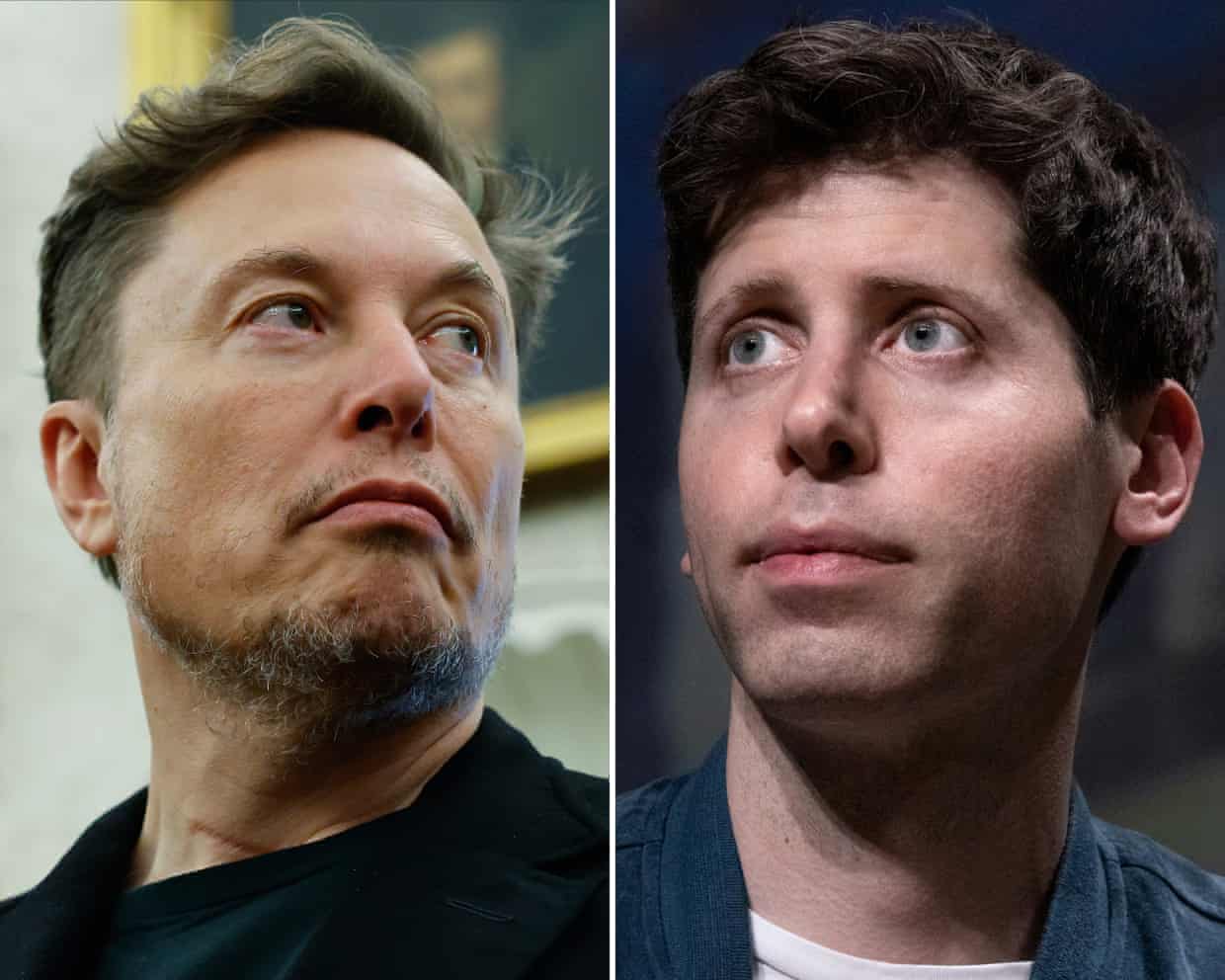
What I saw at the Musk-OpenAI trial: petty billionaires, protests and a stern judge
For the past couple of weeks, on the fourth floor of a courthouse on a quiet street in downtown Oakland, the world’s richest man and one of the world’s most valuable startups have been at war over the future of artificial intelligence.Being one of the reporters in the room has felt like watching an updated, opposite-coast version of Tom Wolfe’s The Bonfire of the Vanities – ambition, ego, greed and the spectrum of social class on full display. The supporting cast has included Elon Musk fanboys, a stern judge and a who’s who of Silicon Valley’s most influential people.All courtroom battles are theatre, but this one has proved to be a unique spectacle, with the judge chastising the lawyers for leading the witness, raising meritless objections and even too much coughing. With Musk on the stand, he griped that an opposing attorney had asked a leading question, to which the judge told him to “tell the jury you’re not a lawyer”
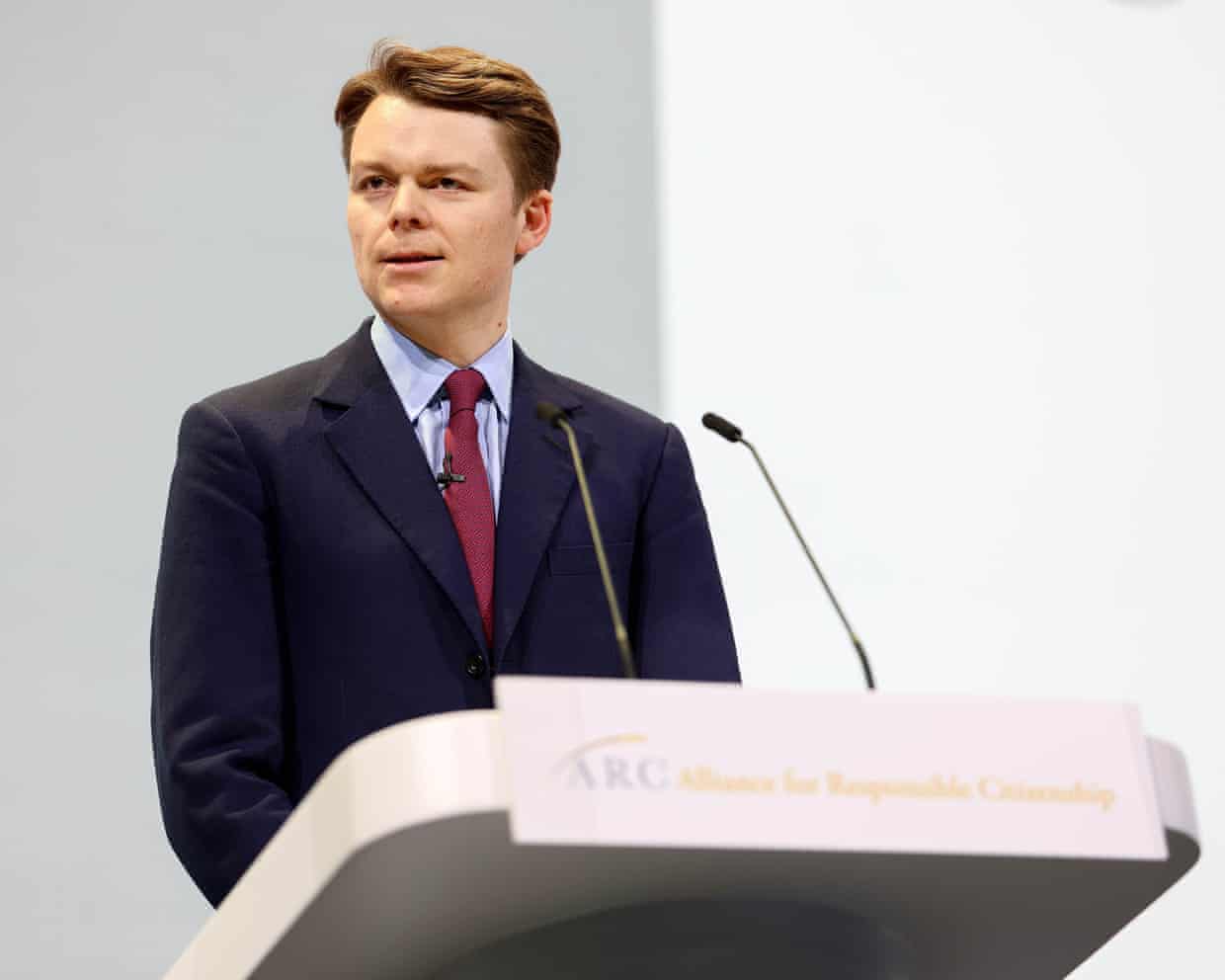
Who is Louis Mosley, the man tasked with defending Palantir against its critics?
The hall was packed with rightwing radicals when Louis Mosley heralded a coming revolution. Just as Oliver Cromwell – that “crusader for Christ and liberty” – routed King Charles I’s royalists, “a similar revolution is brewing today”, said the UK and Europe boss of Palantir. Globalism’s “twilight” was upon us, he said in a speech dotted with admiring mentions of the podcaster Joe Rogan and “Elon’s Doge”.It was not a typical peroration for a big UK government contractor with more than £600m in deals with the NHS, the Ministry of Defence and police. But Palantir, the world’s most controversial tech company, is no typical contractor

AI-powered surveillance company Palantir created a chore coat. Great, now I have no choice but to burn mine | Van Badham
It’s taken me years to find a chore coat with a cut that flatters my big tits but, now that I finally own one, I want to incinerate it.Such is the power of brand contamination; infamous data surveillance megacorp Palantir has decided to bang a logo on a chore coat to sell as corporate merch.Chore coats are the traditional short denim or twill jacket of the 19th-century French working class. Palantir, however, is a company whose public words and commercial-in-confidence activities are inspiring local calls to have its contracts cancelled and its business banned.The gentle French garment is now as cursed as whatever “Marie Amazonette” will ever wear to the Met Gala

‘Being human helps’: despite rise of AI is there still hope for Europe’s translators?
In February 2022, while he was plugging away at rendering the US writer Dana Spiotta’s novel Wayward into French, the literary translator Yoann Gentric decided he needed a bit of light relief. He would test whether AI could put him out of work.Gentric had been grappling with a short non-verbal sentence that described the book’s protagonist’s feelings upon opening a window: “Bright, sharp night air, bracing.” He put the prompt into DeepL, a neural-network-powered machine translation engine that regularly outperforms Google Translate in accuracy assessments.The proposed translation was reassuring, with his job security in mind: L’air de la nuit, vif et vif, était vivifiant (The night air, lively and lively, was enlivening

UK schools should remove pupils’ online photos as AI blackmail threat grows, say experts
UK schools should remove pictures of pupils’ faces from their websites and social media accounts because blackmailers are using them to create sexually explicit images, experts have said.Child safety experts and the UK’s National Crime Agency (NCA) warn that criminals are using AI to manipulate photos of children and then demand cash not to publish them.They are recommending educational institutions remove identifiable pictures of children from their websites and social media accounts – or consider not using them at all.The Internet Watch Foundation (IWF) said an unnamed UK secondary school had recently been subjected to a blackmail attempt after criminals used the institution’s website or social media accounts to take photos of schoolchildren and then, using AI tools, turned them into child sexual abuse material (CSAM). The blackmailers sent the images to the school and threatened to publish them online if they did not receive money

Meta sues Ofcom over fines regime for breaches of Online Safety Act
Meta has launched a legal challenge against the UK’s media regulator over the fees and fines regime it is enforcing under landmark digital safety legislation.The Facebook and Instagram owner is claiming that Ofcom’s methodology for calculating the charges is flawed and should not be based on a company’s global revenue. Breaches of the Online Safety Act can be punished by fines of up to 10% of qualifying worldwide revenue (QWR) or £18m – whichever is higher.In the case of Meta, which reported revenues of $201bn last year, Ofcom could in theory impose a fine of $20bn for breaches. Under regulations introduced in September, Ofcom’s fees will also be based on a proportion of an organisation’s QWR and apply to businesses that made more than £250m of this revenue a year
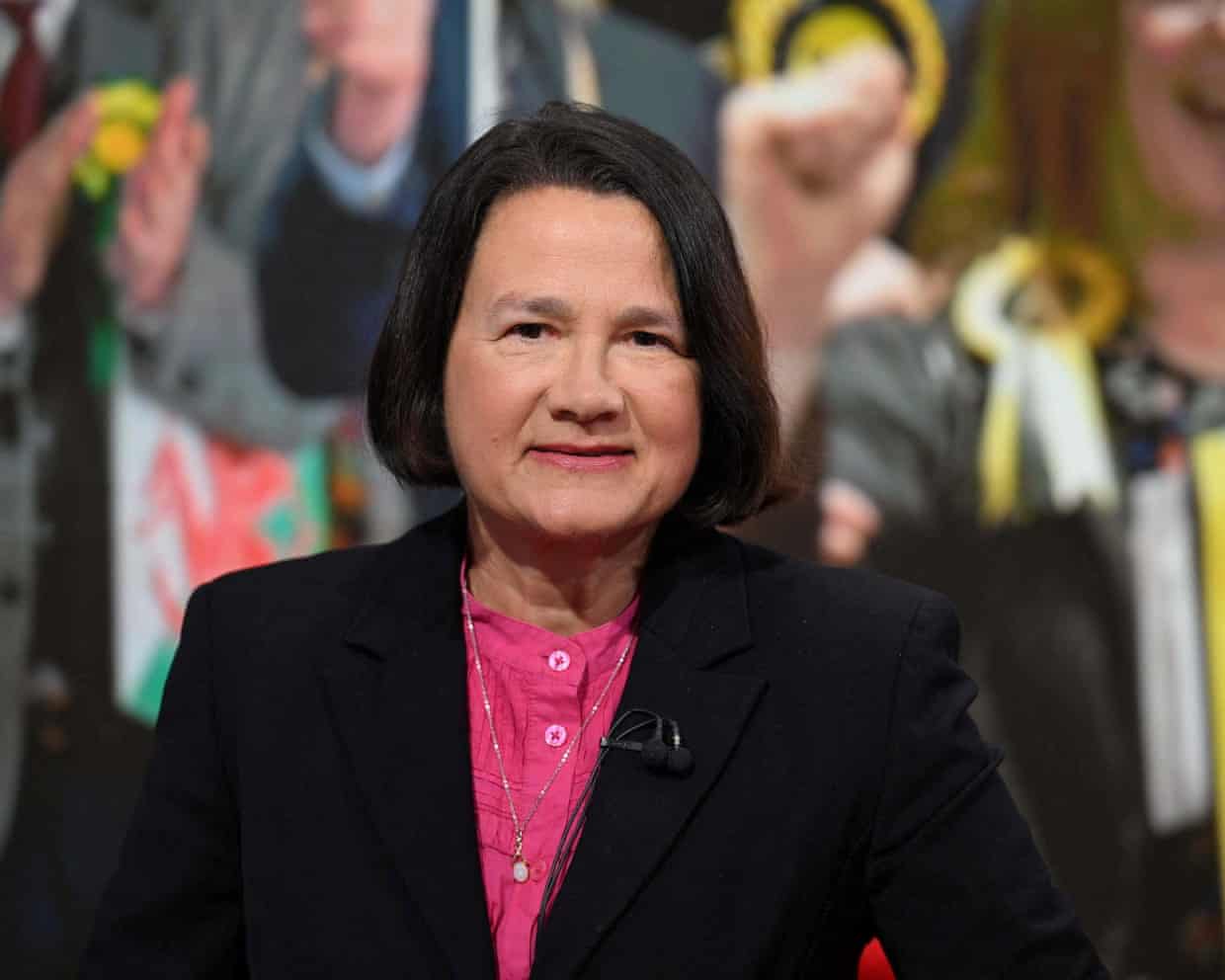
How Catherine West became a stalking horse – then reined herself in
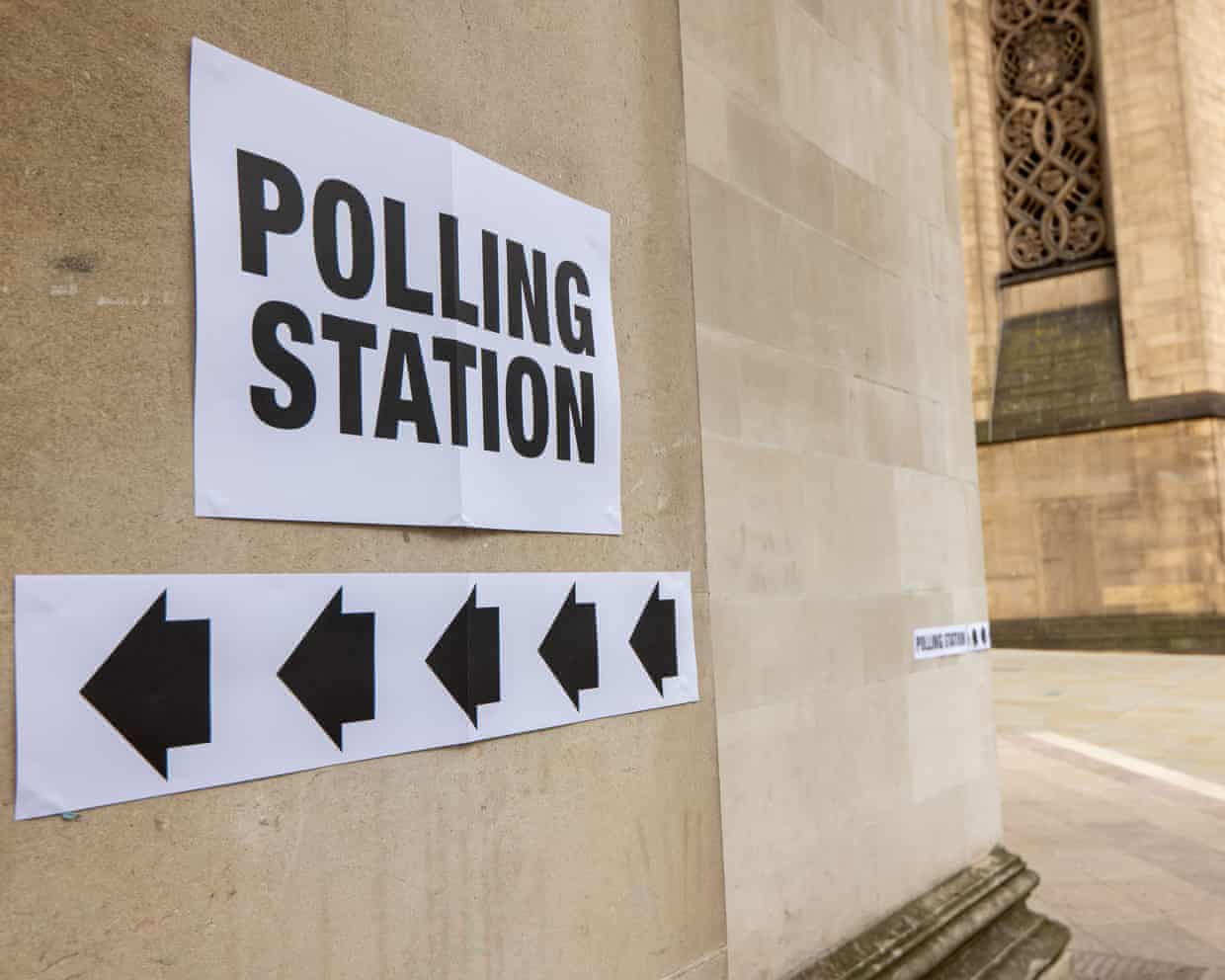
We need a voting system that serves citizens first and foremost | Letter

Investment is key to the renationalisation debate | Letters
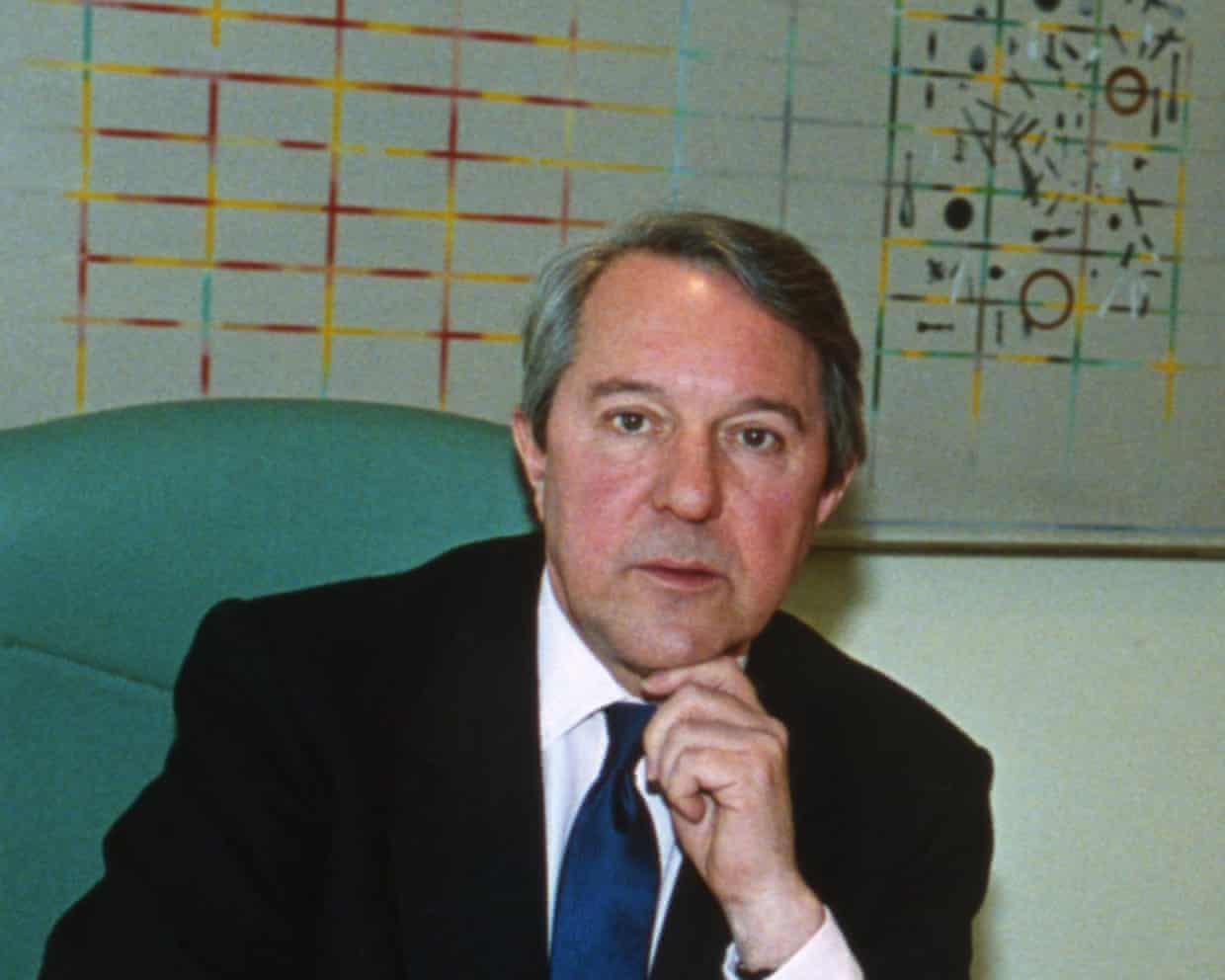
Letter: Sir Hayden Phillips obituary
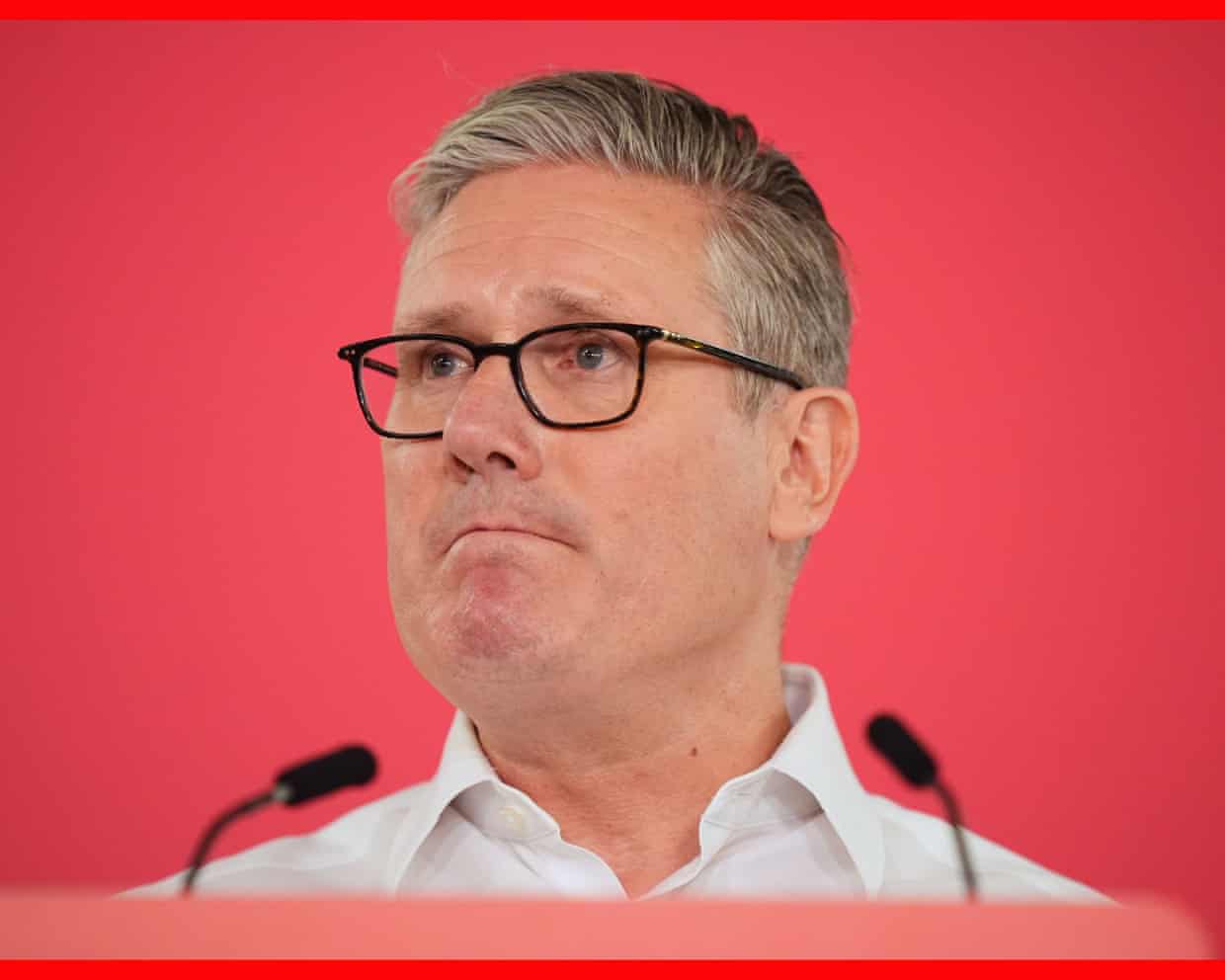
Desperate to please but pleasing no one, Starmer’s latest reset could be his last | John Crace
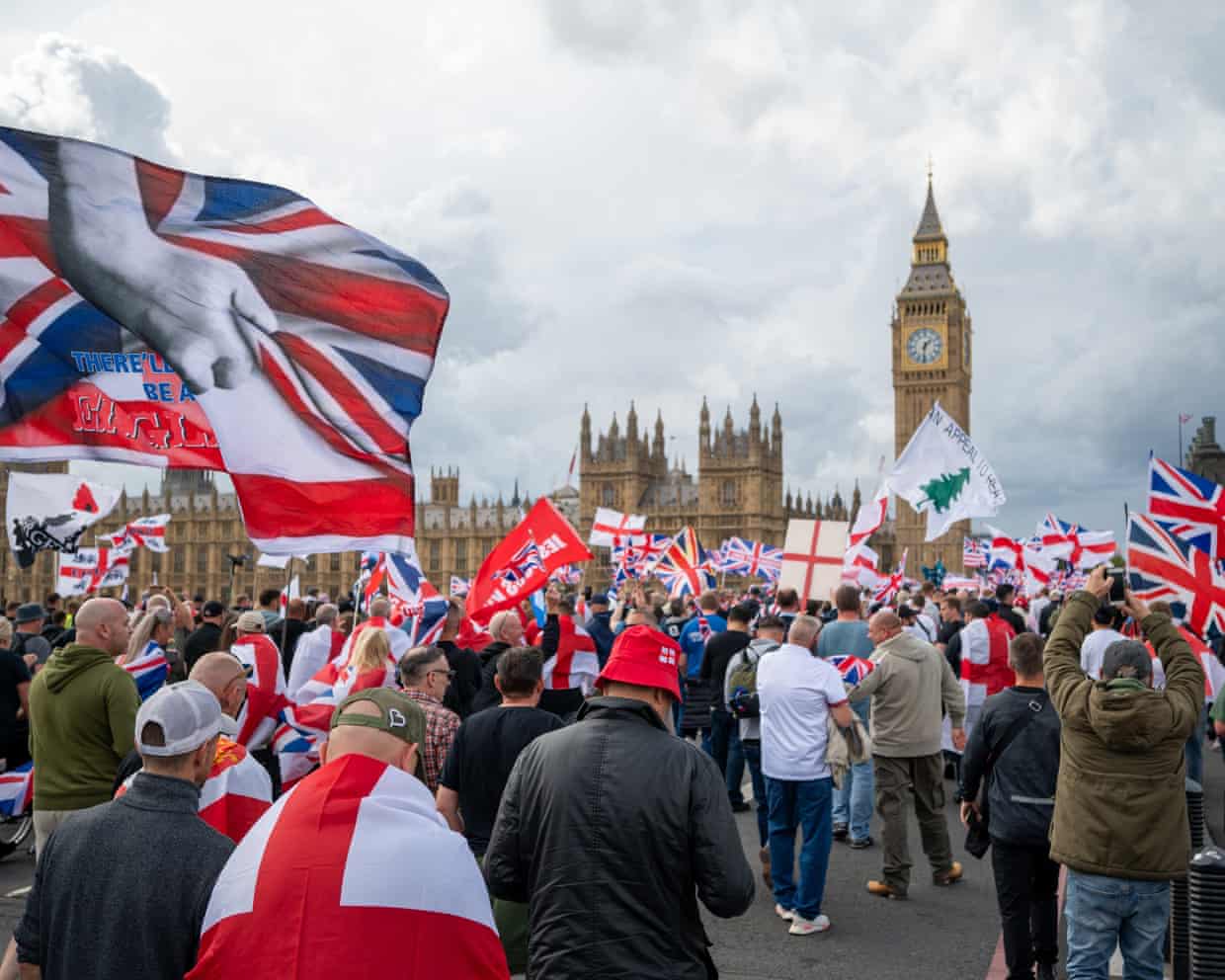
Seven people barred from coming to UK for far-right rally