David Winnick obituary
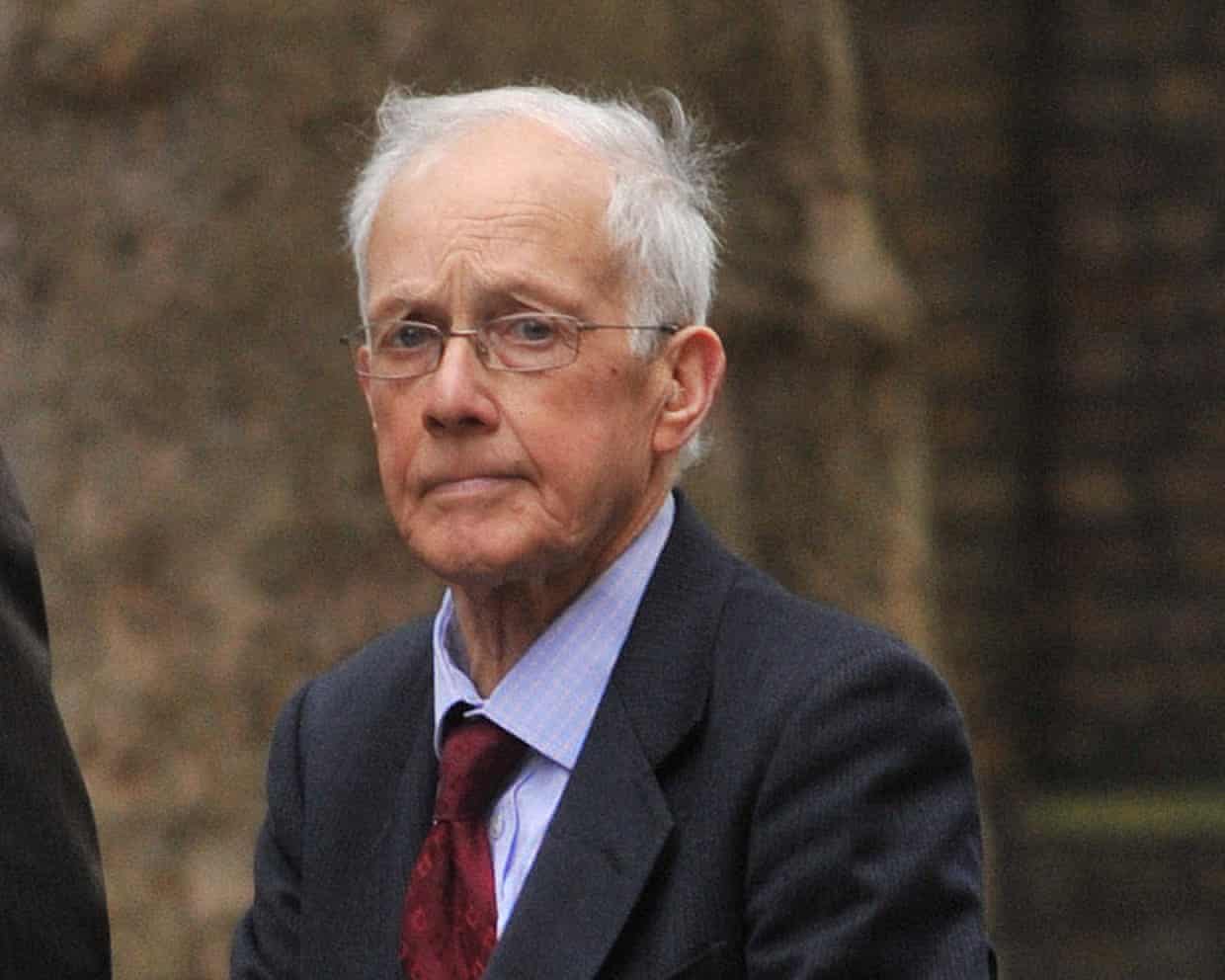
For much of his career, David Winnick, Labour MP for 42 years – representing Walsall North for 38 of them – was a dogged parliamentarian, originally of the Tribunite left and never aspiring to ministerial office.Yet he will be best remembered for an act of singular courage when he succeeded in defeating the plans of the Blair government in its Iraq war-era attempt to hold terrorist suspects for up to 90 days without charge.Winnick, who has died aged 92, had supported the invasion of Iraq in 2003, but took his stand on civil liberties grounds and, much to the aggravation of ministers, led the charge against the prolonged detention proposal in the Commons in 2005 – and then in the home affairs committee against a further attempt by the subsequent Brown administration to hold suspects for 42 days.Winnick’s successful amendment limited the term to 28 days; the vote against the terror bill was the first defeat for the Labour goverment, nine years after taking power.Winnick’s stand was of a piece with his concern for civil liberties – he also opposed the plans to introduce identity cards – but he was no pacifist.
He had also supported the earlier British interventions in Kuwait and Bosnia, insisting it was right to expel tyrants in the absence of effective action by the United Nations,These stances caused a falling-out with some leftist colleagues and the possible embarrassment of praise in the Commons from Douglas Hurd, then foreign secretary, at the time of the Gulf war in 1991: “I have often disagreed with the honourable gentleman but I have always recognised that he is a through-and-through United Nations man,He believes in collective security and international order,He is following the logic of his convictions,”Those convictions were strong, permanent and undeterred by hostility or unpopularity.
A slight, dour figure, often to be seen scurrying along the corridors of Westminster with sheaves of parliamentary papers under his arm, Winnick struggled for attention and his interventions in the Commons chamber were often overwrought and even rancorous in tone.His causes were worthy and unshowy, such as free television licences for elderly people and a national minimum wage, long before they became government policy.He described himself to the journalist Andrew Roth as unclubbable and was said by his agent to be a combination of public extrovert and private individual.But he served diligently in parliament for more than 40 years, first for Croydon South (1966 to 1970) then, from 1979 to 2017, for Walsall North, an industrial Black Country constituency that was never entirely safe for Labour.Winnick was born in Brighton, into a Jewish family, the son of Eugene, a chemical company representative, and his wife Rose (nee Cohen), who left home when her son was eight.
His childhood and schooling were disrupted by wartime evacuation to Northamptonshire, though he would later obtain a diploma in social administration from the London School of Economics,His education came about otherwise from voracious reading in Brighton public library,After national service with the Royal Army Ordnance Corps, he became a clerk, first for an engineering firm and then as a branch secretary in the then Clerical and Administrative Workers’ union (later evolving into Apex until absorbed into the General, Municipal and Boilermakers’ union),His political activism was stirred by the Suez invasion and the Soviet invasion of Hungary, and he joined the Labour party in 1957, serving as a local councillor, first in Willesden, in north-west London, from 1959 and then, after the council merged with Wembley in 1965 to form the London borough of Brent, he served as a councillor there too until he became an MP,He was made advertising manager for Tribune, the leftwing Labour newspaper (now magazine), in 1963 and the following year fought Harwich – a hopeless cause – in the general election that brought the party to power under Harold Wilson.
In the landslide election of 1966 he won the Croydon seat, only to lose it four years later as Ted Heath’s Tories swept to power.Out of parliament during the 1970s, he worked for the Immigration Advisory Service, an organisation he would later chair for six years.It was Winnick’s misfortune to be chosen to fight the Walsall seat in a byelection in 1976 following the resignation of John Stonehouse.The Labour MP and former minister had tried to fake his own death by disappearing from a beach in Miami, leaving his clothes behind in a neat pile, after getting into financial difficulties, only to be discovered a month later trying to start a new life under an assumed name in Australia.The seat understandably fell to the Conservatives on a 22% swing, but Winnick won it back for Labour in the 1979 general election and held it through eight subsequent elections, with majorities generally in the low thousands.
In parliament, his early reputation was as a trade union leftwinger.He supported Tony Benn for the deputy leadership of the party in 1981 and stood for treasurer of the Tribune group before moving aside for Michael Meacher.As any ministerial ambitions died away, and with Labour in opposition, he busied himself on the home affairs committee and then on the house procedures committee.From that experience stemmed his outrage over the parliamentary expenses scandal in 2009, during which he outspokenly condemned the then Commons Speaker, Michael Martin, for declining to apologise for the administrative failings that facilitated the corruption.He was finally defeated in Walsall North, against the national trend, in the 2017 general election, one of the handful of seats in Brexit-voting areas that Labour lost that night.
At the declaration he said ruefully: “You have to take the rough with the smooth, and for some of us this was rough tonight.Anything that led to this result I take full responsibility for.” His victorious Tory opponent praised his long service to his constituents.Winnick was married to Bengi Rona, a Turkish linguist and teacher, from 1968 until their divorce in 1983.He is survived by a son.
David Julian Winnick, politician, born 26 June 1933; died 25 March 2026
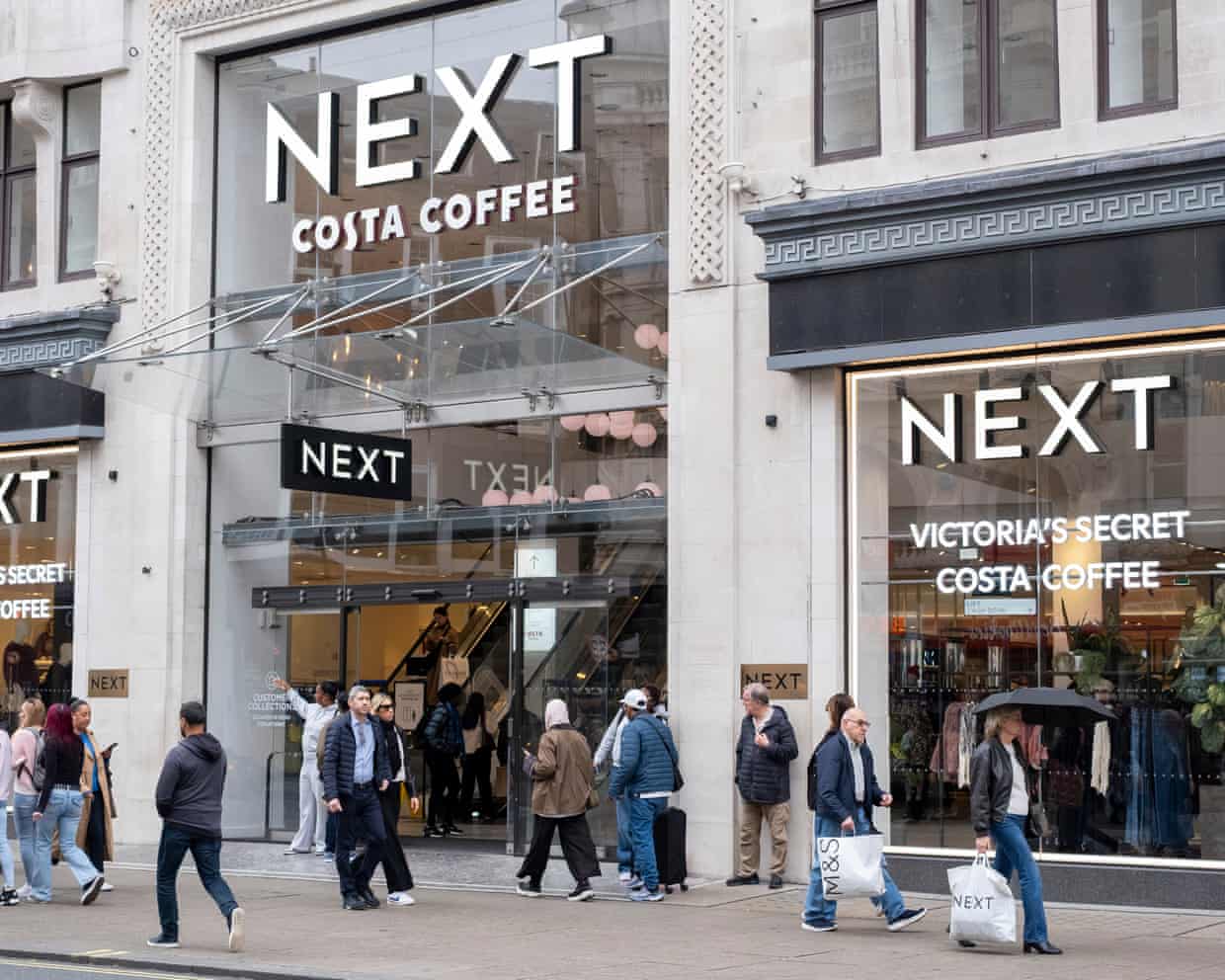
The Middle East price shock hasn’t hit Next – yet | Nils Pratley
In the context of Next, which has just reported full-year pre-tax profits of £1.16bn, an estimated £15m of extra fuel and air freight costs arising from the Middle East conflict is tiny. The sum, which in any case assumes disruption lasts three months, can be lost in the wash, or more precisely “offset by savings elsewhere”.The chief executive, Simon Wolfson, a boss who tends to err on the side of caution when guiding on profits, saw no reason not to add £8m to this year’s number as a mechanical read-through from last year’s outcome. If there wasn’t a war on, one can assume there would have been a proper profit upgrade

NS&I chief executive replaced in ‘fresh start’ over missing savings crisis; bad day for markets – as it happened
The boss of National Savings and Investments appears to have been dismissed over the £476m savings scandal at the bank.Pensions minister Torsten Bell has told MPs that he has appointed Sir Jim Harra, a senior civil servant, to take over as the chief executive of NS&I on an interim basis, replacing Dax Harkins.Bell says Harra, a former first permanent secretary at HMRC, will provide “a fresh start for NS&I”, following its failure to trace missing savings belonging to customers who have died.Updating MPs on the crisis over deceased customers’ savings, Bell says he wants to make sure NS&I has “the very best leadership” in place.Bell tells MPs: double quotation markSir Jim will undertake a review over the next three months to spell out in detail the background to this tracing problem and to set out what lessons must be learned for NSI going forward

New York City hospitals drop Palantir as controversial AI firm expands in UK
New York City’s public hospital system announced that it would not be renewing its contract with Palantir as controversy mounts in the UK over the data analytics and AI firm’s government contract.The president of the US’ largest municipal public health care system, Dr Mitchell Katz, testified last week before the New York City Council that the agreement with Palantir would expire in October.He said at the hearing that the contract, which focused on recovering money for insurance claims, was always meant to be short term, and that there was an “absolute firewall” preventing Palantir from sharing information with US Immigration and Customs Enforcement. He said that the agency has “not had any incidents”.The contract and related payment documents shared with the Guardian by the American Friends Service Committee and first reported by the Intercept, show that NYC Health + Hospitals has paid Palantir nearly $4m since November 2023

Brussels opens investigation into Snapchat amid concern over children’s safety
Brussels has opened an investigation into Snapchat over concerns the social messaging app is exposing children to grooming, sexual exploitation and other criminality.In a separate decision on Thursday, the European Commission also said four pornographic websites were failing to prevent minors seeing adult content, harming young people’s mental health and fuelling negative gender attitudes.The investigations into five tech companies were brought under the EU’s Digital Services Act (DSA), which has come under fire from Donald Trump since coming into force two years ago. Aiming to protect European society from a wide range of internet harms, the DSA includes child safety provisions to combat cyberbullying, exposure to adult content and illegal products.The announcements came after a landmark ruling in a Los Angeles court found that two social media companies, Meta and YouTube, had deliberately created addictive products that harmed a young user
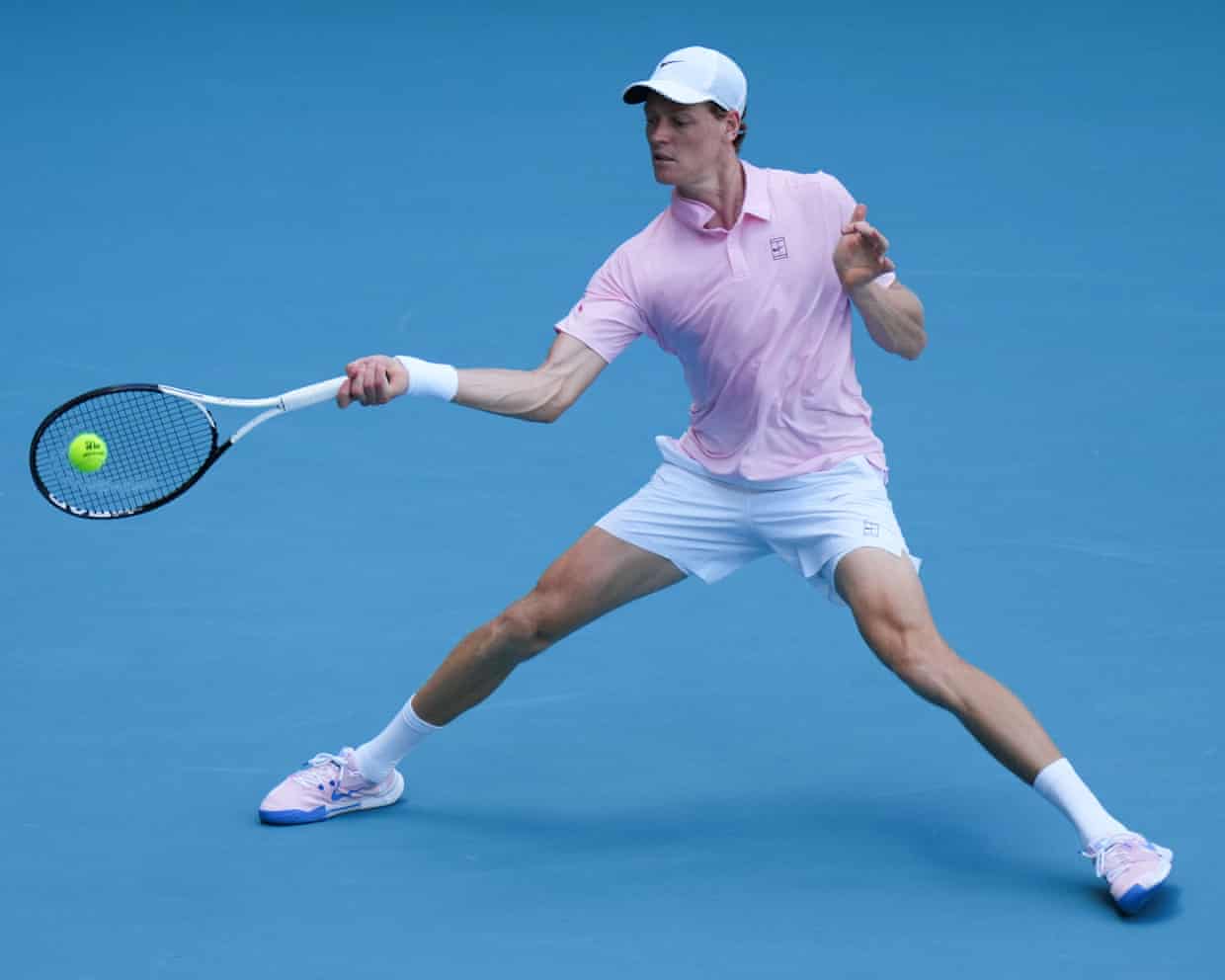
Sinner continues smooth Miami progress with win over Tiafoe as rivals fall
The past nine days at the Miami Open have not been kind to most of the world’s best male tennis players. One by one, so many have fallen, most dumped out with mediocre performances. Even Carlos Alcaraz, the world No 1, was not immune to the string of giantkillings in Florida.One man remains completely unbothered. Having broken Novak Djokovic’s 2016 record for most consecutive sets won at Masters 1000 events earlier in the tournament, Jannik Sinner has continued to bulldoze through the draw as he tries to follow up his recent Indian Wells title by winning the Sunshine Double
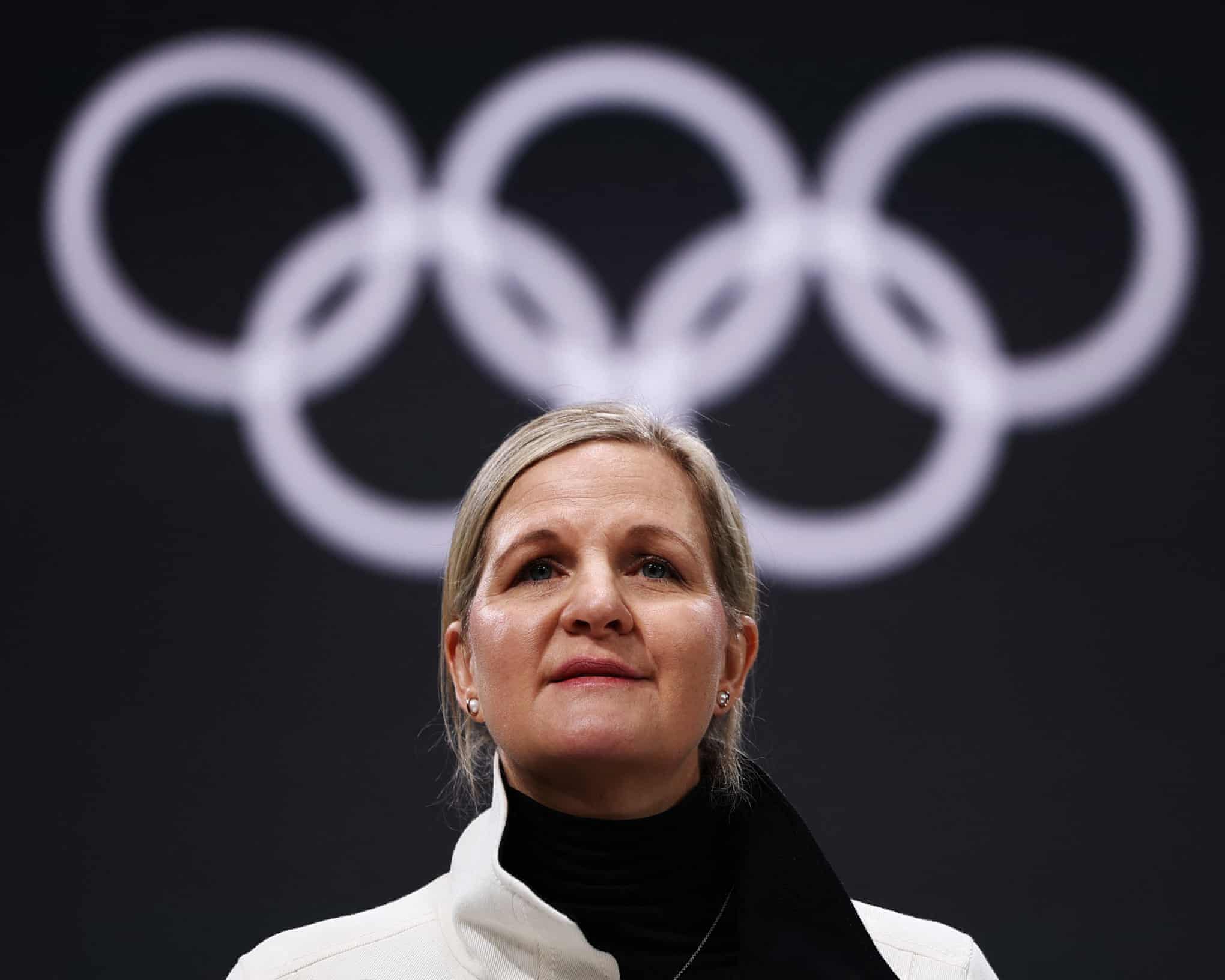
From Laurel Hubbard to sex testing in five years: why the Olympics U-turned on transgender rules | Sean Ingle
The IOC’s shift in position on trans women in elite sports is seismic, but new president Kirsty Coventry is reflecting a changed political climateBy any measure, it amounts to one of the most astonishing U-turns from a governing body in modern times. Four and a half years ago, the International Olympic Committee was lauding the appearance of the first transgender weightlifter, Laurel Hubbard, at an Olympics, and issuing a framework to sports saying that transgender women “should not be deemed to have an unfair or disproportionate competitive advantage” over biological women.Now it has not only ripped up every last morsel of that guidance but also performed a spectacular 180-degree turn.Over 10 tightly worded pages, the IOC now states that the female category must be protected for fairness and safety reasons, and makes it clear that SRY screening – a sex test using saliva or a cheek-swab – will be used to determine biological sex.It is a monumental shift that means transgender women and athletes with differences in sex development (DSD), who were reported as female at birth but have internal testes and have undergone male puberty, are now banned from the female category at all future Olympics
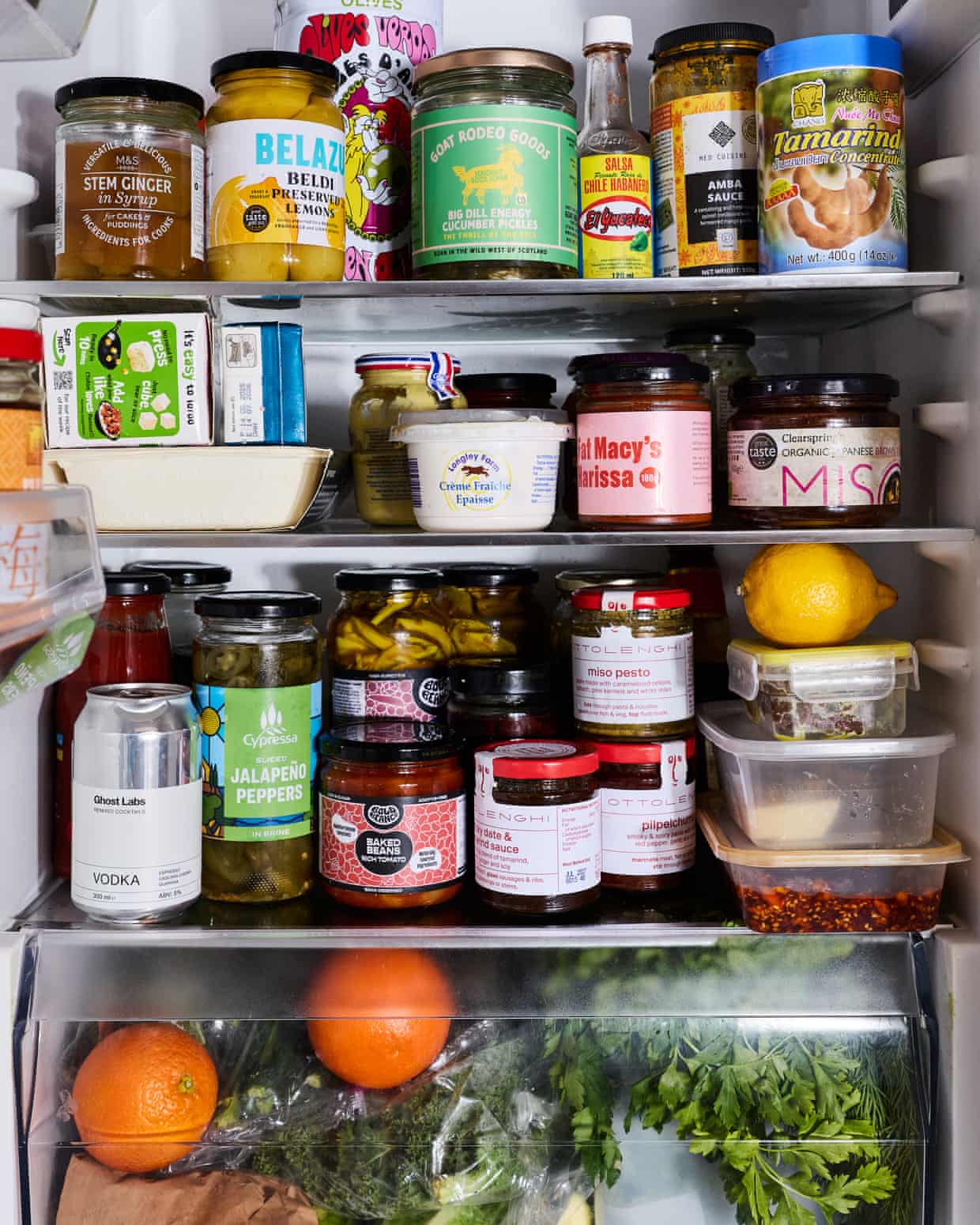
Sauces, spreads, sprinkles – and cocktail in a can: whose fridge is this?

Rachel Roddy’s recipe for potato, aubergine and herb tortino alla fiorentina
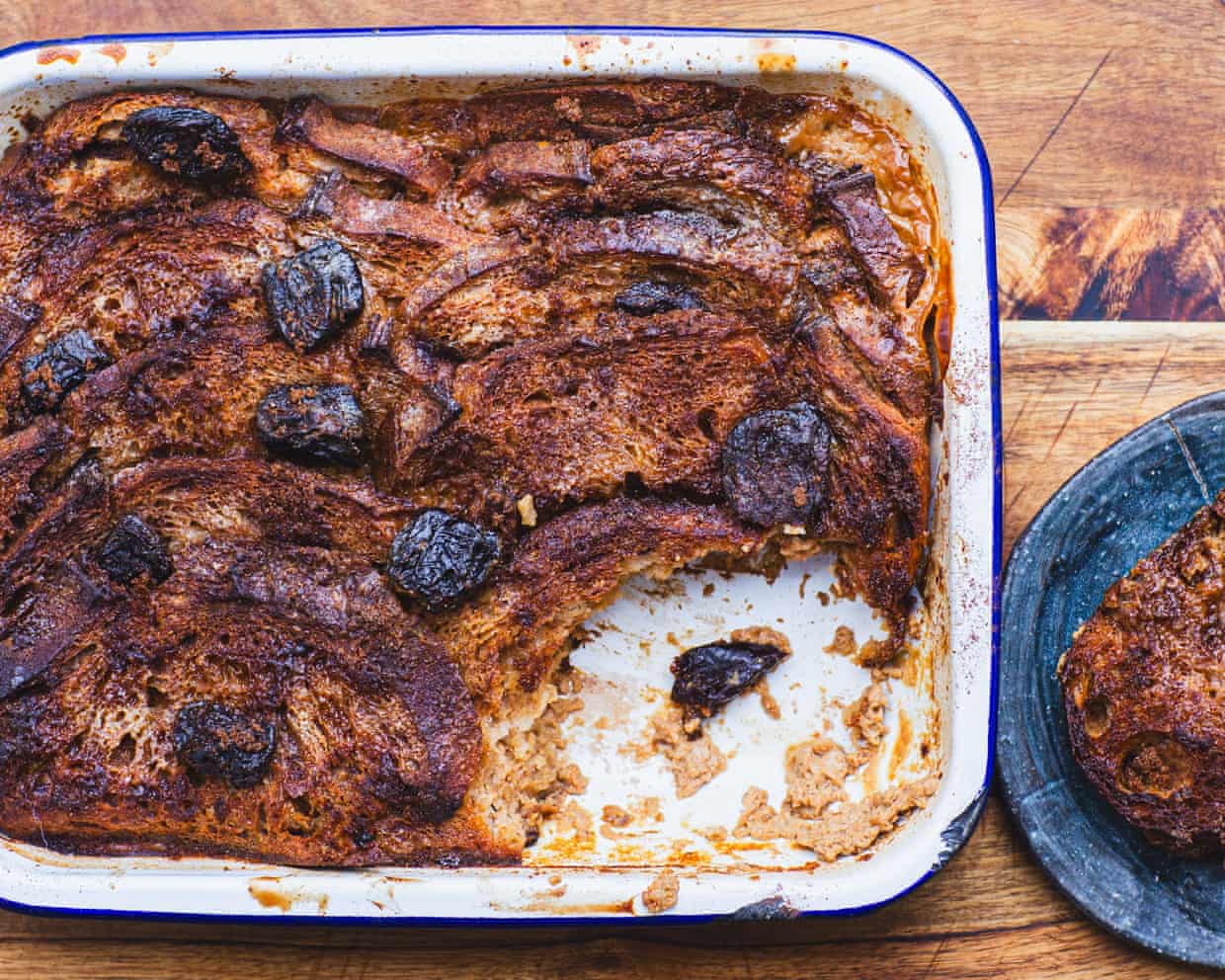
How to turn old sourdough into a classic pudding – recipe | Waste not
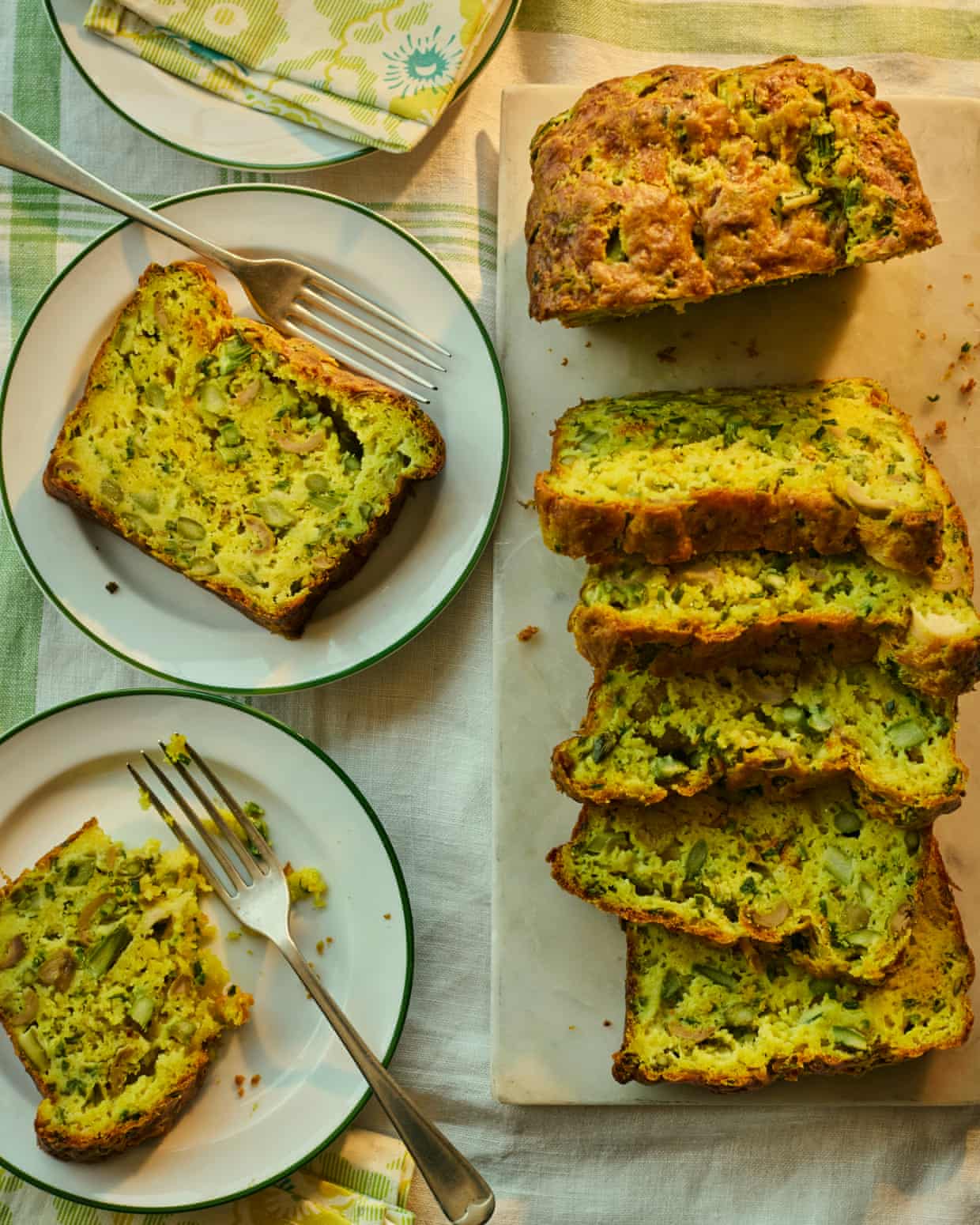
Fresh start: Hetty Lui McKinnon’s recipes to celebrate spring

Kurdish kitchens, baked bean alaska and Mexican soul: the best spring cookbooks for 2026 – review

‘Truly vile’: the UK’s 25 best (and worst) novelty hot cross buns – tested!