Nigel Farage’s trip to Davos hosted and paid for by family trust of billionaire

Nigel Farage’s trip to Davos this week was hosted and paid for by the $10bn family trust of an Iranian-born billionaire, the Guardian has learned.The leader of Reform UK has been touring Davos this week, giving speeches in which he pledged to tax banks and “fight the globalists”.But in a surprising entry, he is listed on the programme for the World Economic Forum as a member of parliament and a representative of HP Trust, which describes itself as the “family office of Sasan Ghandehari” with a portfolio value in excess of $10bn (£7.4bn).A representative for the trust said Farage had been invited to Davos by Ghandehari, a venture capitalist, as an honorary and unpaid adviser to his impact investment portfolio focused on philanthropic activities, particularly in the Middle East.
He confirmed that the costs associated with Farage’s registration for the World Economic Forum and his hotel accommodation in Davos were paid by Ghandehari.Ghandehari, now a British citizen, is the son of the late Iranian-Kazakh billionaire Hourieh Peramaa, who once owned one of London’s most expensive £50m properties.A London-based art collector, he is the representative of a firm suing Christie’s auction house over the provenance of a Picasso painting previously owned by someone convicted of a drugs offence.Reform UK said Farage did not work for HP Trust and any declarations about who had paid for the trip would be registered in due course.Farage’s Davos connection to HP Trust is not Reform’s only link to the Ghandehari family.
Earlier this year, it emerged that a small design firm called Interior Architecture Landscape had given £200,000 to Reform in two tranches, according to Electoral Commission data.The company has a low profile, but in planning documents from 2015 it was listed as the representative for a property linked to the Ghandehari family.Interior Architecture Landscape confirmed to the Guardian on Friday that the Ghandehari family are its clients.A spokesperson said its decision to donate £200,000 was made independently by the company’s management, and not the Ghandehari family.The spokesperson for Ghandehari also said the family was a client of Interior Architecture Landscape, but was not responsible for the donations.
The Interior Architecture Landscape spokesperson added: “We confirm that the company has, in aggregate, approximately £15m in active contracts, including maintenance, refurbishment, and fit-out works, in relation to several properties across the United Kingdom.“We further confirm that members of the Ghandehari family are clients of the company.We can also confirm that all members of the company’s management, its decision-makers and its clients are British citizens, and that the company conducts legitimate business activities within the United Kingdom.Accordingly, any political donations made by the company are fully compliant with applicable electoral law.“Separately, the company’s management made a commercial and values-based decision to donate to Reform UK, reflecting the company’s view that Reform UK is seeking to improve the sectors in which the company operates.
”The company’s person of significant control is listed on Companies House as a John Richard Simpson.

Rum is booming but only Jamaican classics have the true funk
After Hurricane Melissa hit Jamaica last October, rum lovers anxiously awaited news from the island’s six distilleries. Hampden Estate, in the parish of Trelawney to the north, was right in the hurricane’s path, and the furious winds deprived its historic buildings of their roofs and the palm trees of their fronds. Then came more alarming rumours: the dunder pits had overflowed.The Guardian’s journalism is independent. We will earn a commission if you buy something through an affiliate link
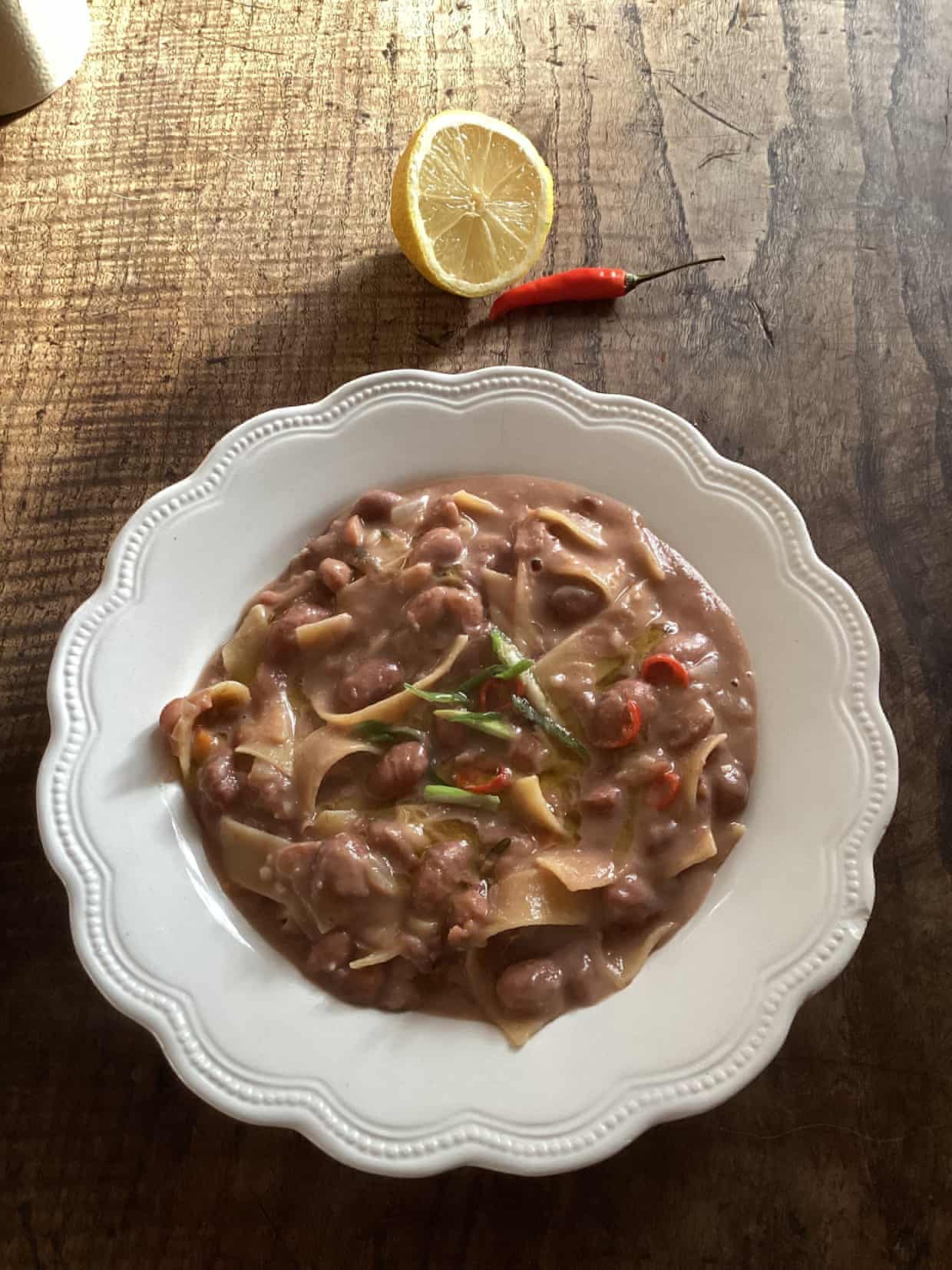
Rachel Roddy’s recipe for pasta e fagioli with coconut, spring onion, chilli and lemon | A kitchen in Rome
Throughout the 1990s and into the early 2000s, under the banner of story, art and folklore, the Roman publishing house Newton Compton published a series of 27 books about regional Italian cooking. Some, such as Jeanne Carola Francesconi’s epic 1965 La Cucina Napoletana, were reprints of established books, while others were specially commissioned for the series. There is considerable variation; some of the 20 regions occupy 650 densely filled pages, sometimes spread over two volumes, while other regions have 236 pages with larger fonts, with everything in between. All of which is great, although I can’t help feeling affectionate towards the regions with 14-point font.In the face of the vast variation of regional culinary habits, knowledge and rituals, I also feel affectionate towards the common traditions; those that are specific to a place, but at the same time that cross local and national borders, as well as for the stories of the ingredients

‘We want to make jacket potatoes sexy again!’: how the humble spud became a fast food sensation
After Spudulike closed in 2024, the reign of the jacket potato seemed over in the UK. But now the favourite is back, piled with new toppings, sold by new companies and promoted all over social media by potato influencersThey were once a lunch option that inspired little excitement – but the jacket potato’s time has finally come. After decades in epicurean exile, the humble spud has made a roaring comeback in the UK and piqued the interest of foodies across the world. A-listers, tourists and trend-hopping teenagers are queueing for hours to get their hands on them. For Jacob Nelson, who sells loaded spuds that have gone super-viral on social media, this was all part of the plan
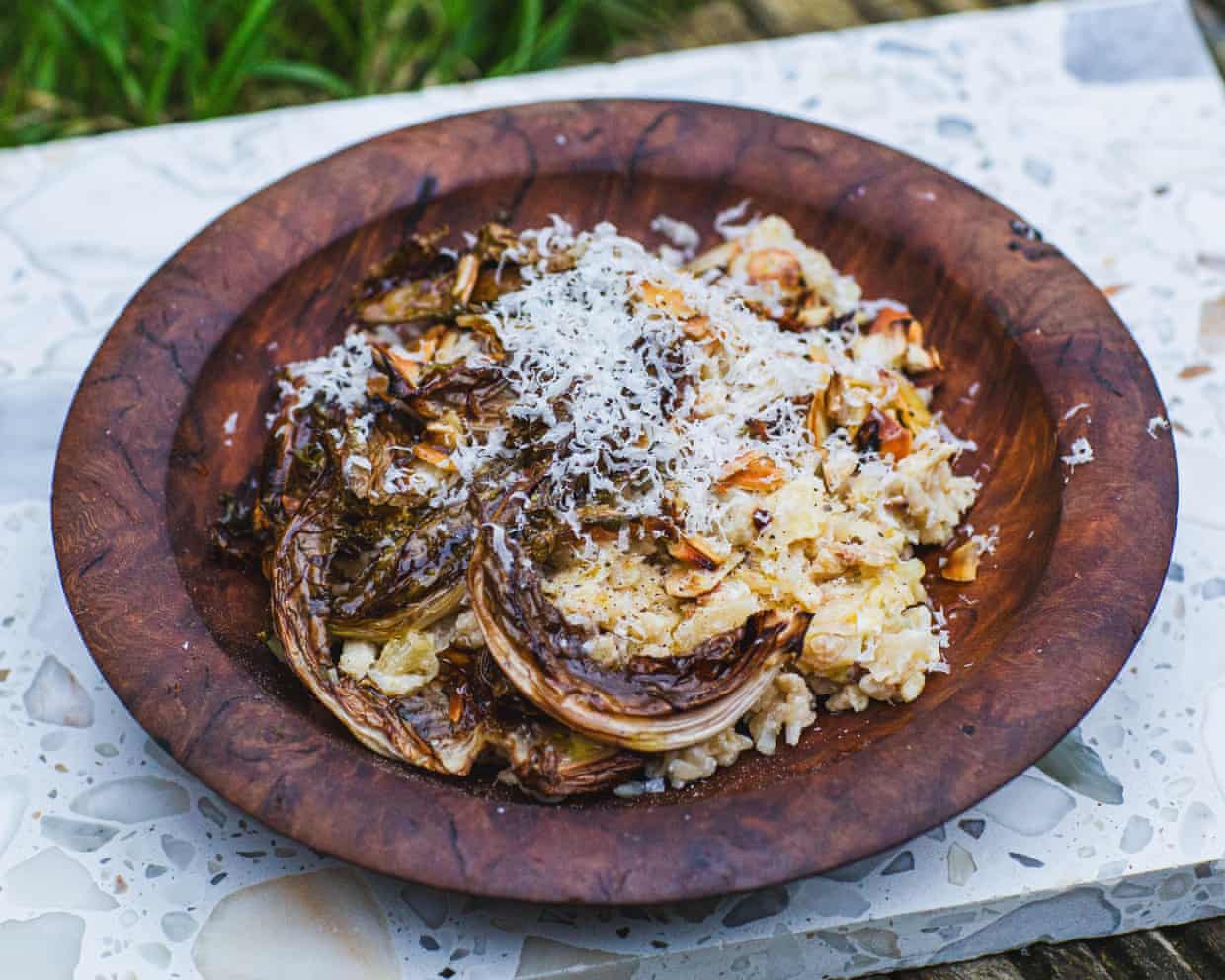
How to turn a cauliflower into ‘risotto’ – recipe | Waste not
I’m fasting for three days a week for the whole of this month. It’s not for everyone, I know, and it’s important to talk to your doctor first, but the benefits are well researched and include improved digestion and immune function, and lowered blood pressure. When we fast, the body goes into ketosis, which breaks down fat for energy, and to stay in ketosis afterwards it helps to reduce carbs and increase protein, which is where today’s low-carb, zero-waste recipe comes in.The humble cauliflower has had a rebrand over the past decade, as chefs and home cooks get more inventive with our seasonal produce. The leaves are incredibly nutritious and one of my favourite ingredients, not least because I always try to include a leafy green in our main meals for the health benefits
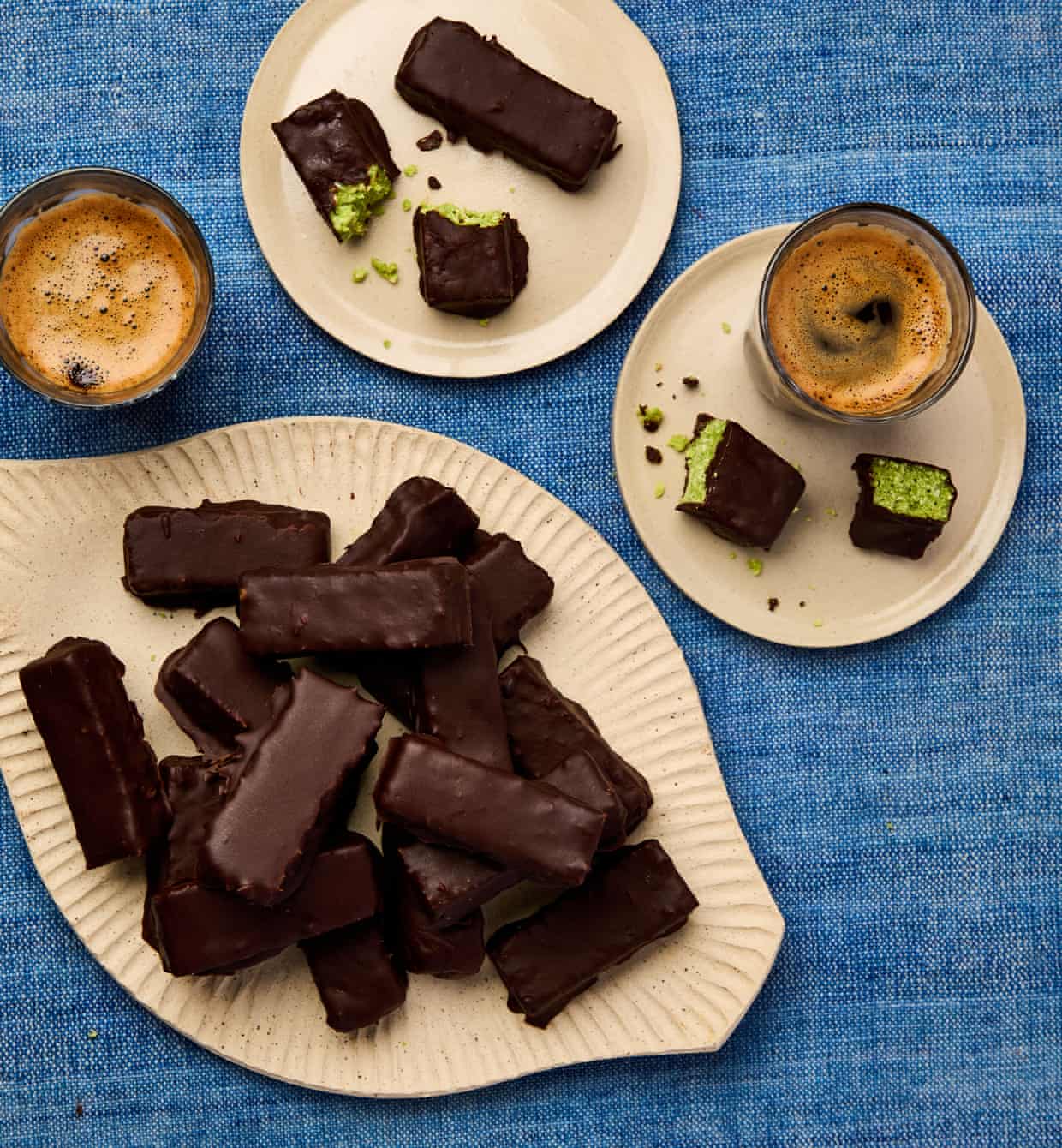
Homemade Bounty bars, savoury granola and flapjacks: Melissa Hemsley’s recipes for healthy sweet treats
I love a Bounty, although I call them paradise bars. I also love matcha (and not only for its health-supporting benefits). Though my partner doesn’t enjoy drinking matcha tea, when I mix it into the sweetness of the coconut filling, even he’s on board. Then, a very munchable and grabbable savoury granola, and flapjacks that you can throw together in minutes for a week’s worth of on-the-go snacks.If I’m in a rush and don’t want to be individually dipping 24 chocolate bars, sometimes I put the coconut matcha mix in a large, wide tin to set, then simply drizzle the melted chocolate layer on top and chill
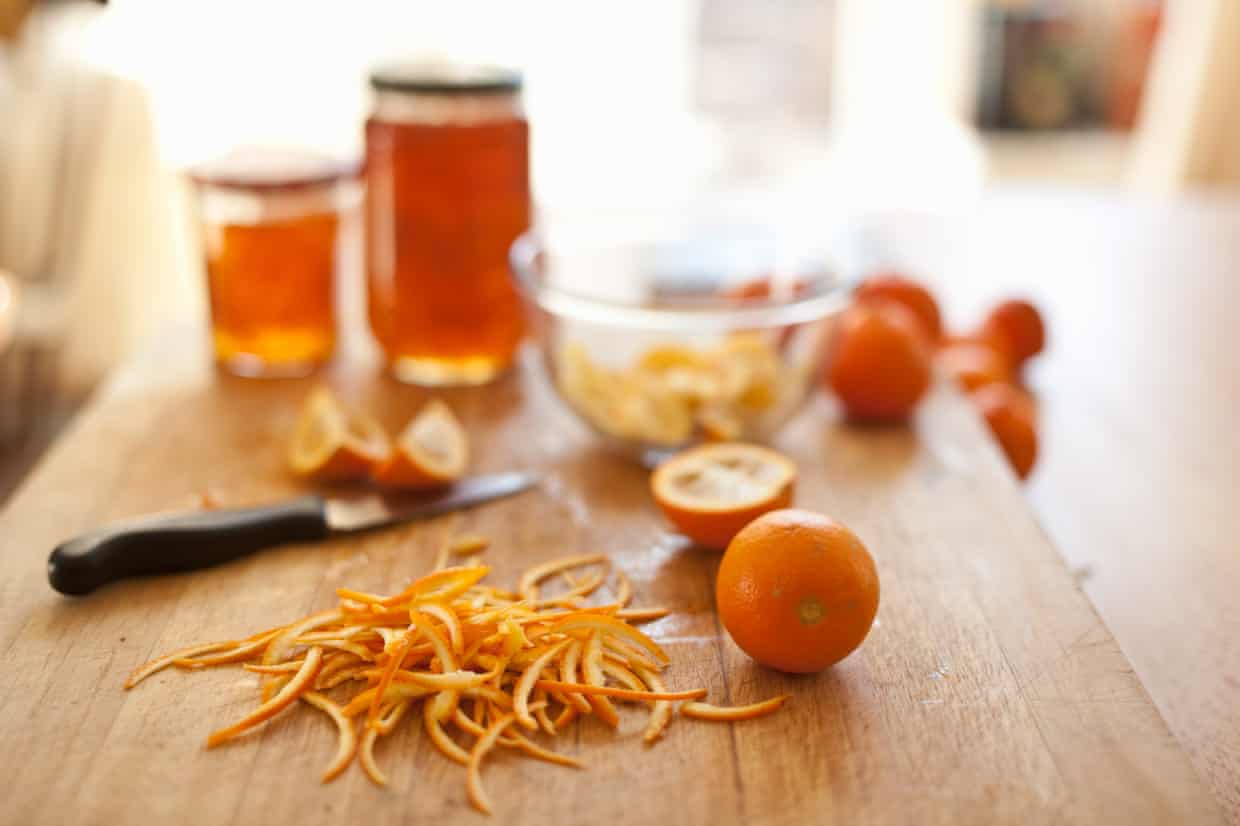
He never warms the jars, so why doesn’t my son’s marmalade go mouldy?
When my son makes marmalade, he never warms the jars or uses circles of baking paper and cellophane – he just puts the lids on. It never goes mouldy, so am I wasting my time doing it the “proper” way?Dagna, Berkhamsted, HertsYou can’t get much sweeter than marmalade, and this is most likely the reason for both Dagna and her son’s success, despite their differing strategies. “The chance of mould developing is low because there’s so much sugar to balance the bitterness of the orange peel,” says Camilla Wynne, preserver and author of All That Crumbs Allow. “Mould needs water to do its thing, and sugar binds to water.” She recalls a former student who, like Dagna’s son, simply ladled her marmalade into jars and closed the lids

‘At the table or on the menu’: a turbulent Davos week with Trump’s circus in town

Strong UK pay growth could limit interest rate cuts, Bank policymaker warns

Young will suffer most when AI ‘tsunami’ hits jobs, says head of IMF

TikTok announces it has finalized deal to establish US entity, sidestepping ban
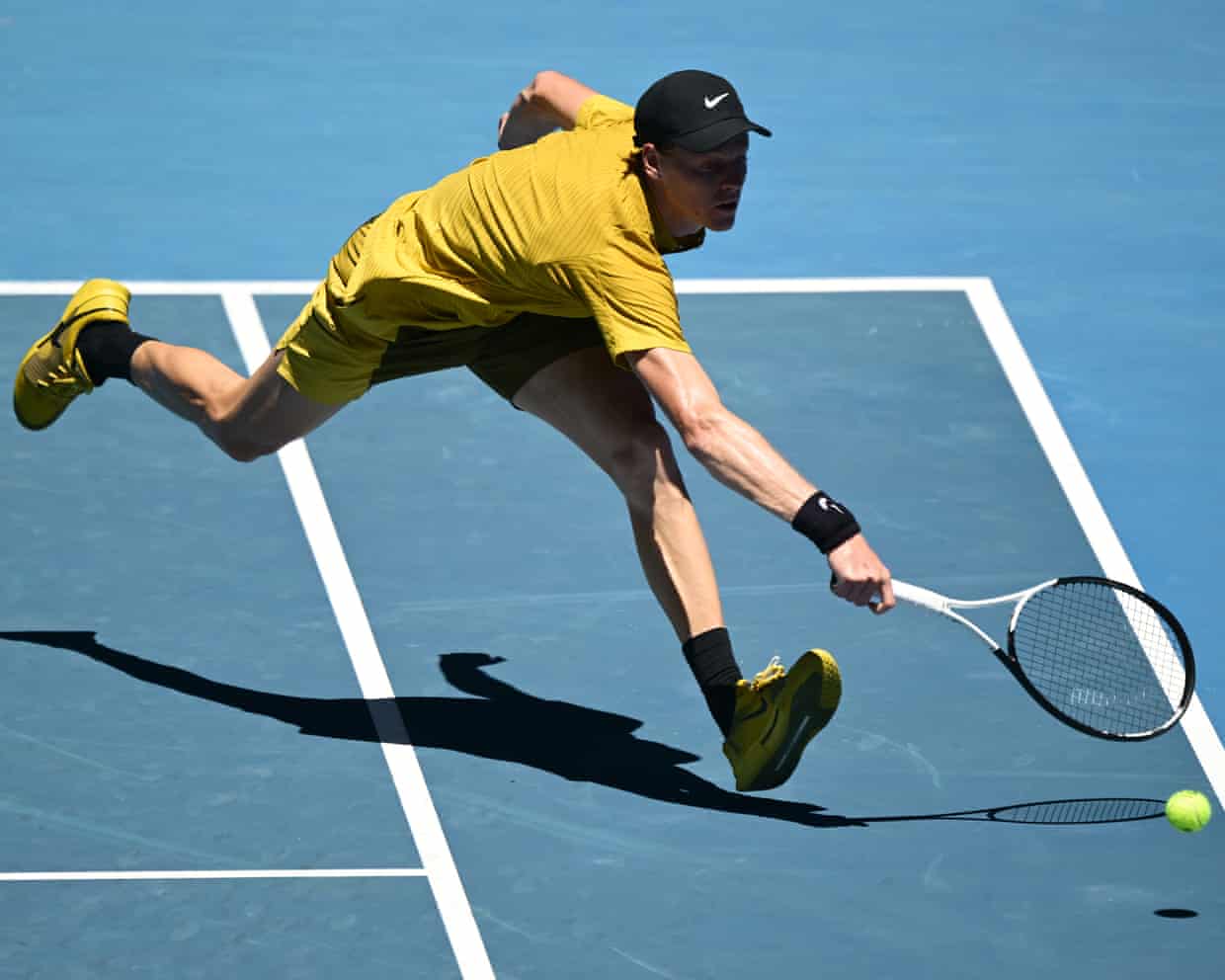
Australian Open 2026: Sinner levels with Spizzirri, Keys and Pegula ease through – live
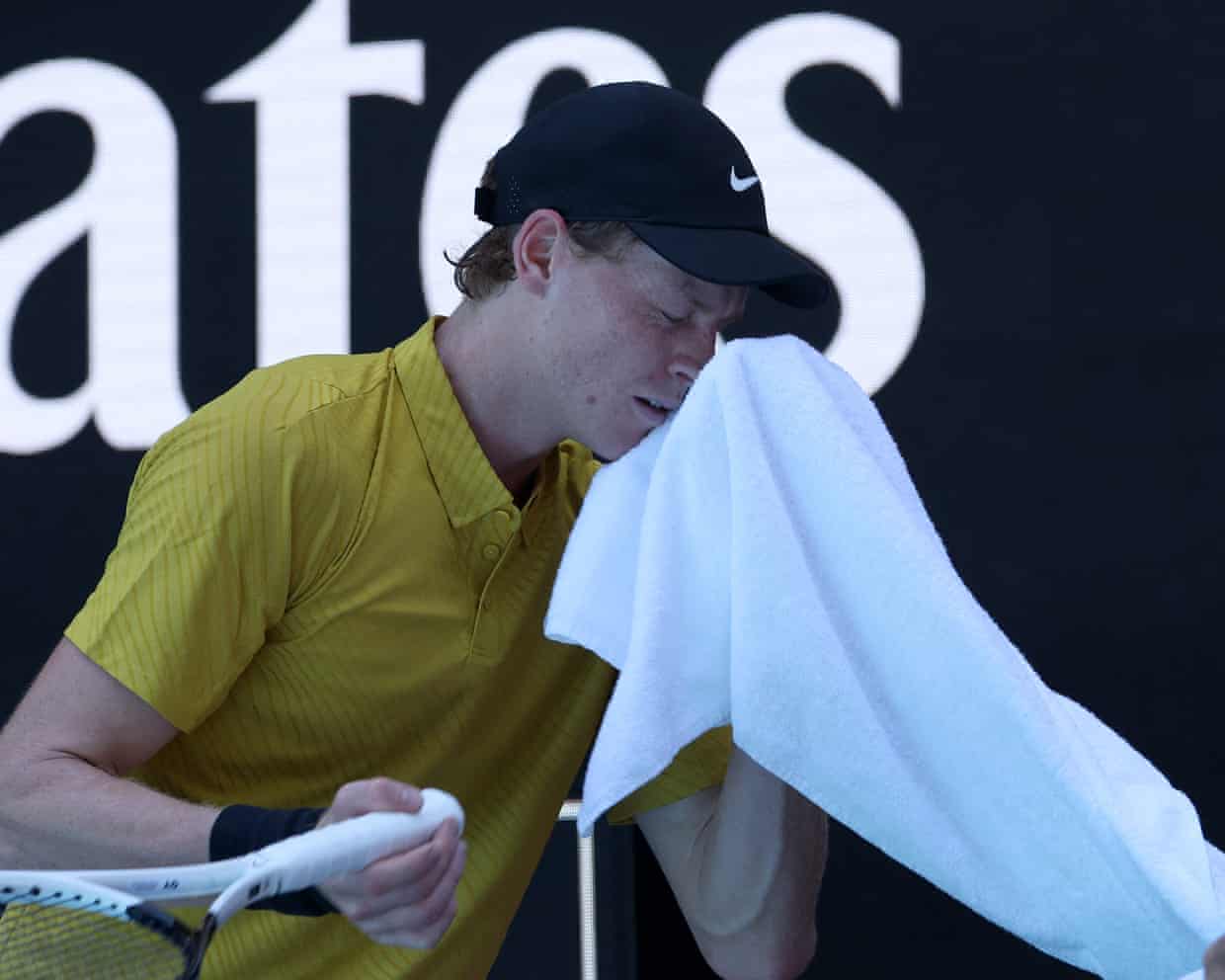
Australian Open faces disruption as players brace for extreme heat in Melbourne