How Reform is exposing the reality of Scotland’s views on immigration and identity
It’s Monday evening in Aberdeen, and George Preston is wearing his union flag suit to the Reform UK rally,He joined the party in 2024 as it gained ground in the north-east of Scotland with its first councillor defections from the Scottish Conservatives,Now Preston is out leafleting for the party that polls suggest is vying with Scottish Labour to become the official opposition to the Scottish National party in the Holyrood elections on 7 May,“Very, very few have said: ‘Have this back,’” he says,“Far more are supportive.
I think Reform have found a following that was already here,”His last point covers local politics and the national mood,The north-east of Scotland is a traditional Tory/SNP battleground, where support for Brexit was higher than anywhere else in the country and voter preoccupations align over fishing, farming, and oil and gas,The collapse in Scottish Conservative support has left a significant gap that Reform has rapidly filled,But Reform is expected to make gains beyond Tory strongholds here and in the south of Scotland, with support swelling in the post-industrial villages and towns of the central belt and in pockets around Glasgow.
For observers elsewhere in the UK used to regarding Scotland as a progressive outlier – and for those Scots who believe their values are intrinsically to the left of England – it is a stark moment,At the rally, Reform’s Scottish leader, the millionaire financier Malcolm Offord, told the audience about families in Glasgow “pushed to the back of the [housing] queue” by asylum seekers, and claimed a central belt GP had reported that HIV-positive migrants were receiving treatments costing £11,000 a year,“It’s not racism to say that is not fair,” he said,A number of his candidates, however, have faced allegations of blatant racism,One withdrew after social media posts surfaced describing the former first minister Humza Yousaf as an “Islamist moron”; another is still standing in Dumfries despite her stated support for Tommy Robinson and the deportation of Muslims.
Earlier that day, anti-racism activists across Aberdeenshire were sharing details of antisemitic and racist literature discovered in a city centre park,It is not the first time material using the N-word or promoting neo-Nazi ideology has been distributed in the area, which has also seen repeated anti-immigration demonstrations outside asylum hotels,Omowunmi Ola-Edagbami, a Nigerian woman who came to live in Aberdeen as a student in 2022, first came across racist material at a bus stop two years ago, which she swiftly removed,She has seen the recent material shared on social media,“It horrified me,” she says.
“I have two children and I imagined how they would feel seeing them and if they’d feel safe walking around the city.”On Saturday hundreds attended a unity march through Aberdeen to, in the words of the organisers, “make a public case for a different kind of city: one that welcomes refugees and rejects hate”.It’s one of many similar events being held before the elections, led by Scotland’s active anti-racism movement.Ola-Edagbami says she has found Scotland to be a welcoming place – “I have very beautiful friendships with Scottish people” – but the reality of the immigrant experience is complex.“Welcoming is not the same as fully understanding or including, and that’s the gap where many immigrant stories live,” she says.
And Ola-Edagbami, who set up Black Scottish Stories, a platform that shares the stories of black people who have moved to Scotland, says there has been a shift in recent years.“In both my personal experience and the stories I’ve documented there is a sense that racism is more visible.But it’s not as simple as whether Scotland is welcoming or not, or if racism is worse or not; the difference is in its visibility and that some people feel more confident in saying these things out loud,” she says.This change in public sentiment is evident across the country.Polling indicates Scottish voters have become increasingly concerned about immigration.
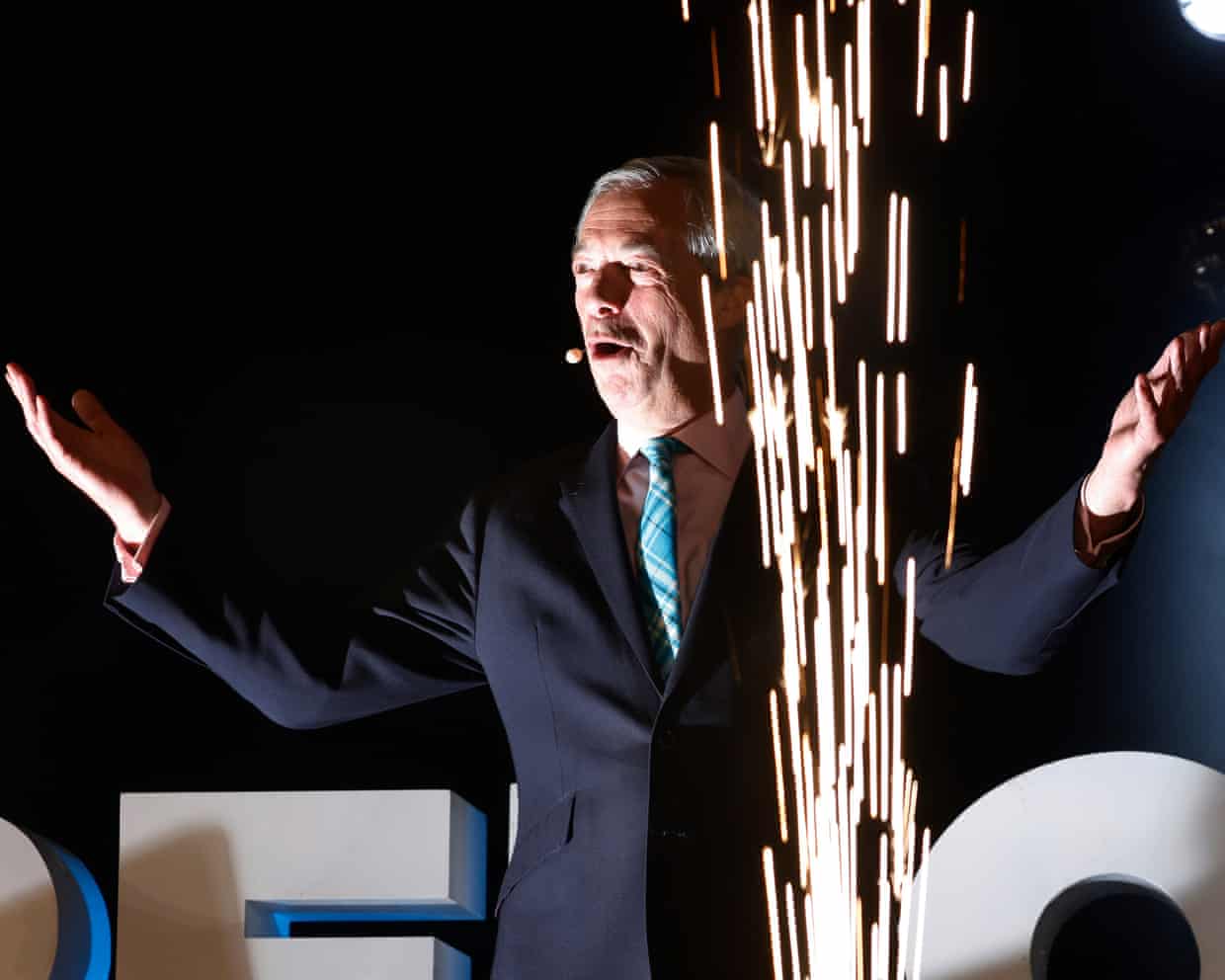
Reform has capitalised on tensions around asylum housing, particularly in Glasgow, and Nigel Farage was condemned by other Scottish political leaders last December when he used a contested statistic that one in three Glasgow schoolchildren do not speak English as a first language, which he claimed amounted to the “cultural smashing” of the city.Glasgow city council pointed out at the time that 27.8% of pupils were bilingual learners who have an English Language Level, a data score that allows teachers to track their fluency.The vast majority range from good conversational fluency to a very advanced level of English.Far-right organisers have been identified at protests outside asylum hotels, which have been met with vociferous counter-demonstrations.
And, in a direct parallel with the Operation Raise the Colours movement in England, last summer the Scottish saltire was appropriated for anti-immigration activism.It shocked politicians, particularly Scottish nationalists, for whom the saltire is associated with pro-independence marches.When Scotland avoided the wave of anti-immigration rioting that followed the Southport killings in 2024, Scottish people of colour warned against complacency.“The troubling thing about that was aggressive rallies outside asylum hotels had already happened in Scotland before that incident in Southport,” the equalities campaigner Talat Yaqoob recalls.“There was some shock among political parties and civic society at the growth of Reform, but grassroots activists, like in Women Against the Far Right Scotland, would have been able to tell you there is an increasing level of division and bigotry being spread within our communities.
”Yaqoob identifies “long-term narrative-building about the country welcoming refugees and diversity being our strength”.She traces it back to the constitutional debate “where the pitch for independence was very much that Scotland is better than the rest of the UK and has an opportunity to be better on equality issues”.“But what has been clear for a number of years is that, really, that narrative is superficial,” she says.“Scotland is not immune from the systemic and historic realities that play out across the UK and the world.”And this hinders honest conversations about prejudice of all kinds.
“There is the illusion that Scotland is a much more progressive nation than we are in reality and that has consequences,” she adds,“Communities need to talk in realistic terms about their experiences without feeling like they are doing the nation wrong by simply being honest about what needs to change,”In truth, Scots’ attitudes aren’t markedly different from those elsewhere in the UK, says Ailsa Henderson, a professor of political science at the University of Edinburgh and a principal investigator for the Economic and Social Research Council-funded Scottish Election Study,“If we map baseline attitudes to a range of core issues, like the EU or left-right attitudes, this reveals very little difference between Scotland, England and Wales,” she says,However, she adds, that is only half the picture: “Although we don’t have consistent evidence that our values are different, my word, do we believe that our values are different.
We also believe that they are to the left of the rest of the UK, even though they are not.”And this informs how voters read different positions across the political spectrum: “Anything on the right, aligned with Conservative party politics or with Westminster, is often portrayed as anti-Scottish or not understanding Scotland, and so you see a clear link between people’s left-right positioning and the national identities that they have.”This matters because it means there is scope for a party like Reform UK, which is not seen as aligned to those negatives, to capture right-of-centre votes in Scotland.“There is a sizeable portion of the Scottish electorate that is on the right and the centre-right, who have different attitudes to immigration, tax, Brexit.There was always scope for that to be captured by a party that was not tarnished, with the image of Thatcher in particular, and that had not campaigned against independence in 2014.
”
More Britons opt to holiday in UK this summer amid uncertainty over flights
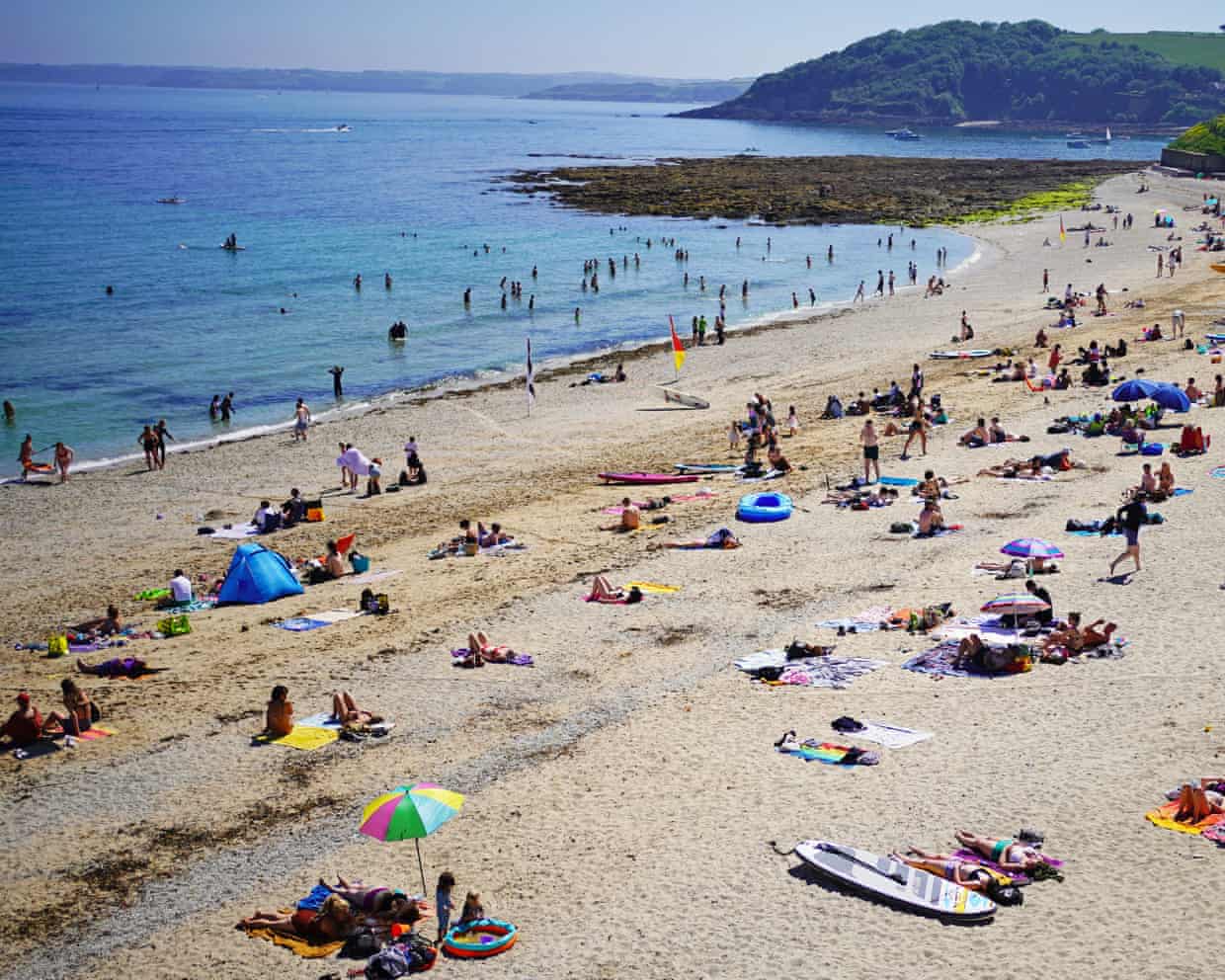
Holiday companies have predicted a surge in bookings for UK summer breaks after a jump in interest from Britons fearful of flight cancellations linked to the Iran war.Summer bookings are expected to rise in the coming weeks amid warnings of possible jet fuel shortages and resulting cancellations by airlines across Europe.Raoul Fraser, the chief executive of Lovat, a holiday park operator with sites across south-west England, said traffic to its website had increased after reports of jet fuel warnings last week. “It is definitely having a positive impact for us,” he said.“Our holidays bookings are up over 30% this year
Carmakers scramble to plug £3bn shortfall for UK loan scandal payouts
Carmakers are under pressure to drum up £3bn to cover payouts for motor finance scandal victims after failing to adequately prepare for a UK-wide compensation scheme that is due to begin this summer.Company filings show the lending arms of big vehicle manufacturers including Ford, BMW, Stellantis and Volkswagen may have massively underestimated the final costs of the financial regulator’s £9.1bn redress scheme.The Financial Conduct Authority (FCA), which released the final terms of its compensation plan last month, has said about 42%, or £3.8bn, of the total bill will be shouldered by carmakers’ motor financing divisions
Reeves rightly fears the bond market, but she can afford to ditch one unhelpful rule | Phillip Inman
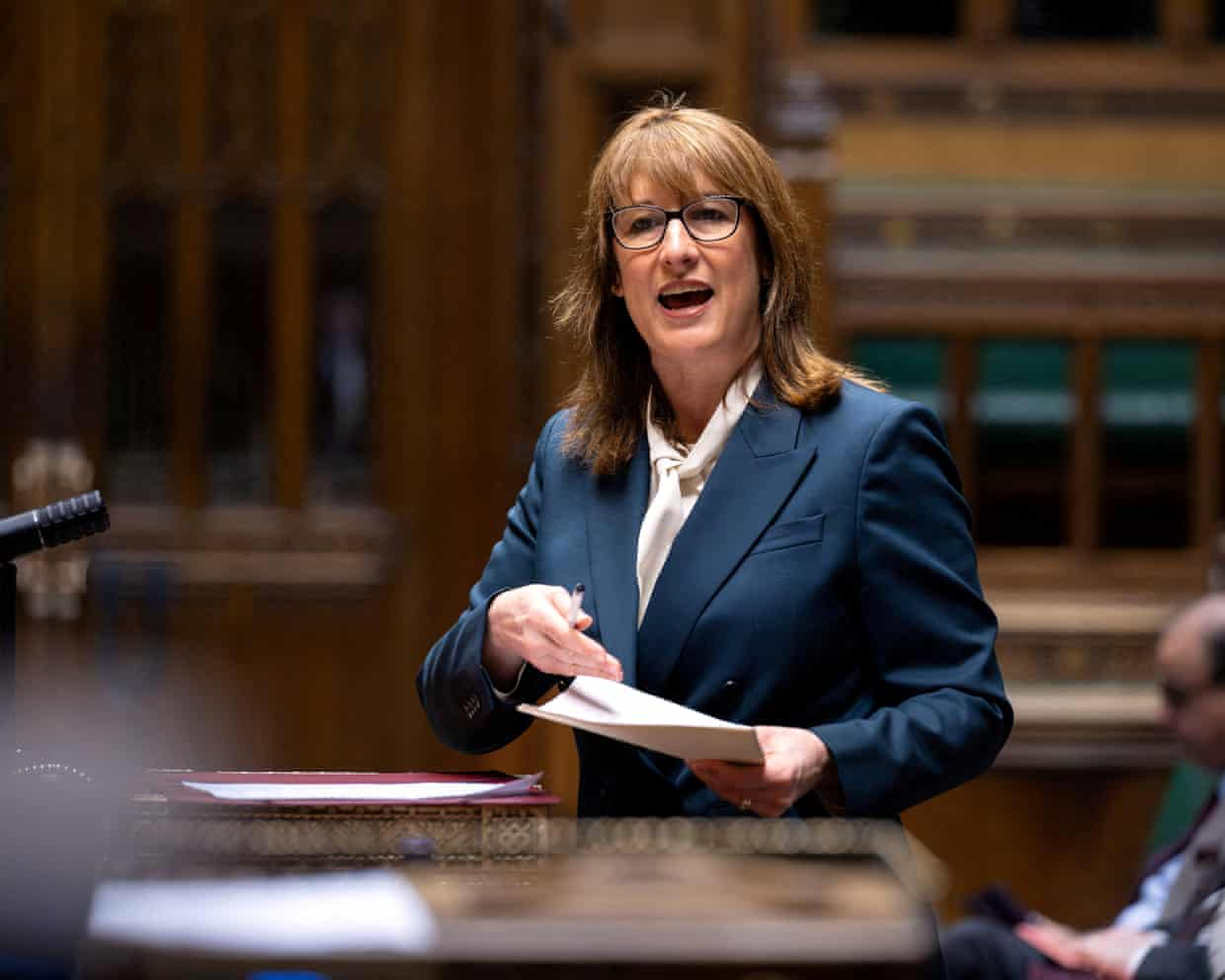
There is a good reason Rachel Reeves is wary of the dreaded bond market vigilantes. Anyone who inherits a mountain of debt and then finds out that many of the lenders act like sharks is right to be concerned.Most of the participants in financial markets are not actively predatory. They swim in a sea of money with only one rule, to stick together, hoovering up as much profit as they can at the lowest risk.Bond vigilantes, on the other hand, are traders with a remit to pursue juicy prey, even if it means going hungry for a while
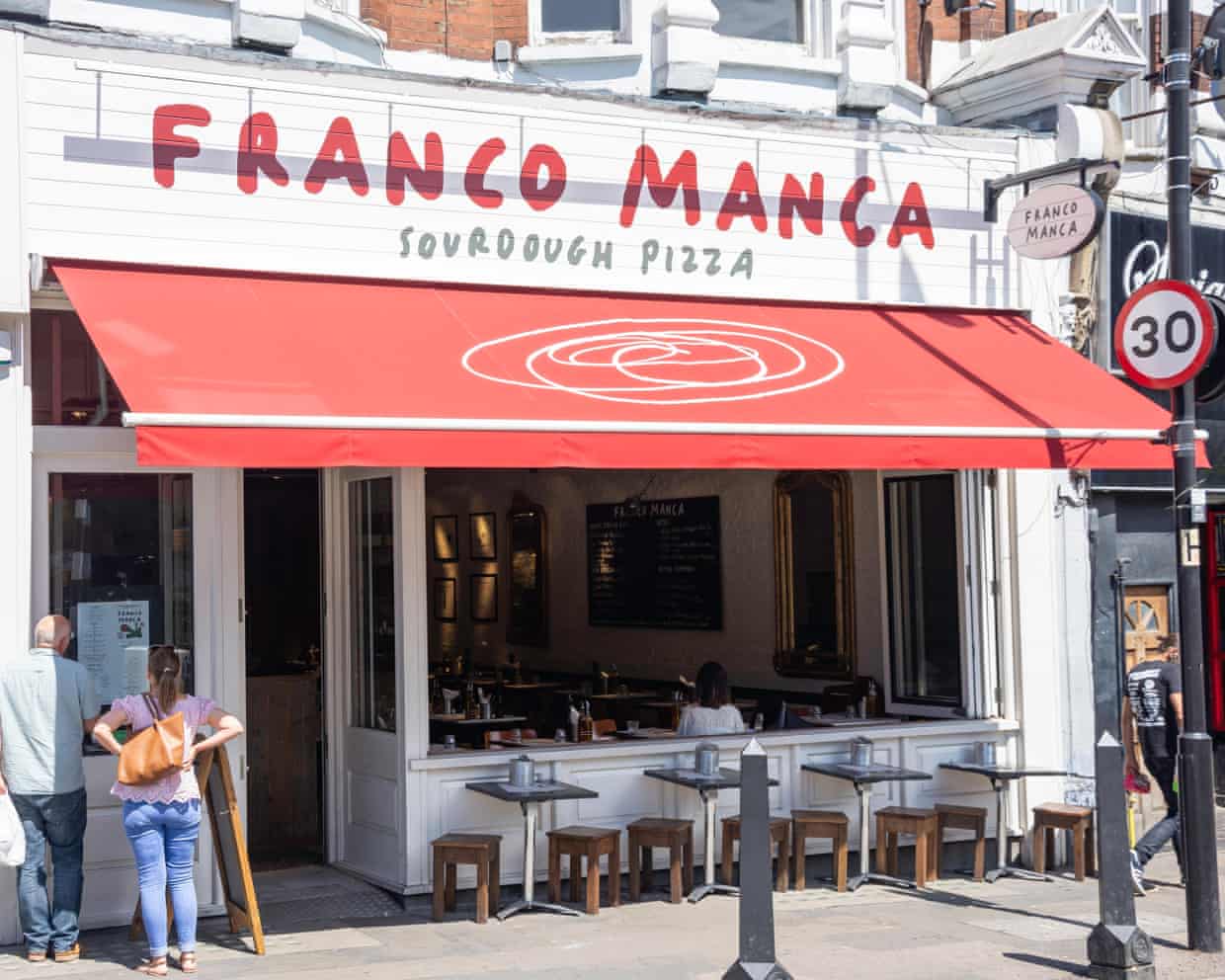
As Franco Manca scales back, is the air going out of the sourdough pizza craze?
When Franco Manca first opened in south London’s Brixton Market in 2008, its competitively priced sourdough pizzas served in a sophisticated setting quickly drew a buzz.“It was all the rage,” says food blogger Gerry del Guercio of BiteTwice, who visited in the early days and recalls the novelty of seeing queues forming for pizza in London. “It was just desperately cool, and everyone wanted to try.”At a time when the high street was largely dominated by US chains such as Pizza Hut and Domino’s, dishing up more standard fast food pizzas, the business had a unique selling point for the UK market – slow-fermented, chewy sourdough bases.The Naples-originated style of pizza went on to win the hearts of British diners, with its champion Franco Manca expanding into a nationwide chain with more than 70 sites
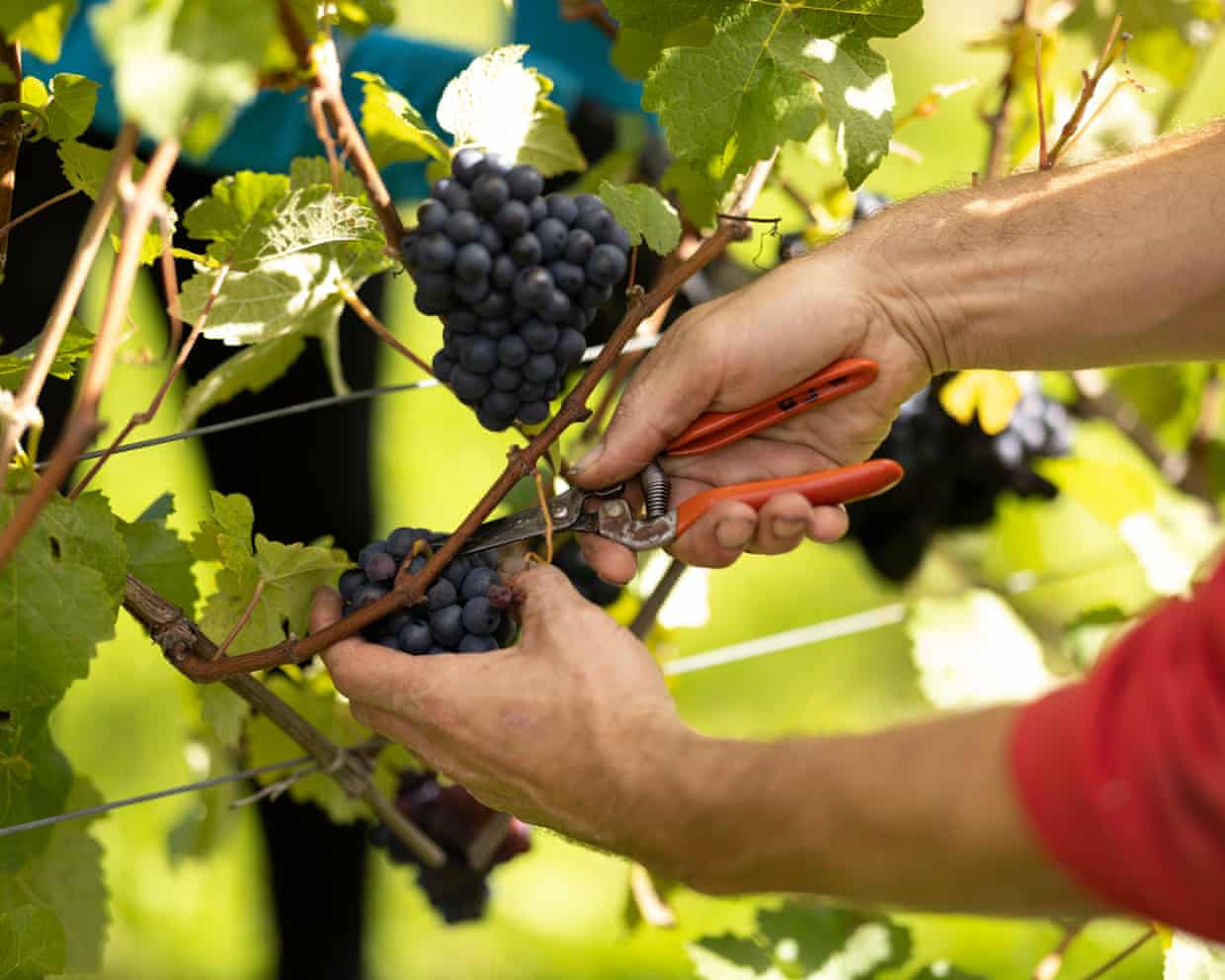
Growing knowledge, growing yield: British wine-making comes of age
Rows of vines stretch across the rolling hills of rural Dorset. Currently waist height, they appear bare against a bleak spring sky. Up close, you can see they are already dotted with tiny woolly buds as they exit their winter dormancy for a new growth cycle.Come summer these rows will be laden with chardonnay, pinot noir and pinot meunier grapes, ready to make the latest batch of English sparkling wine from the Langham estate near Dorchester.Although it was only 2009 when the first vines were planted here on former arable farmland, the estate has already produced award-winning wines that beat established European rivals
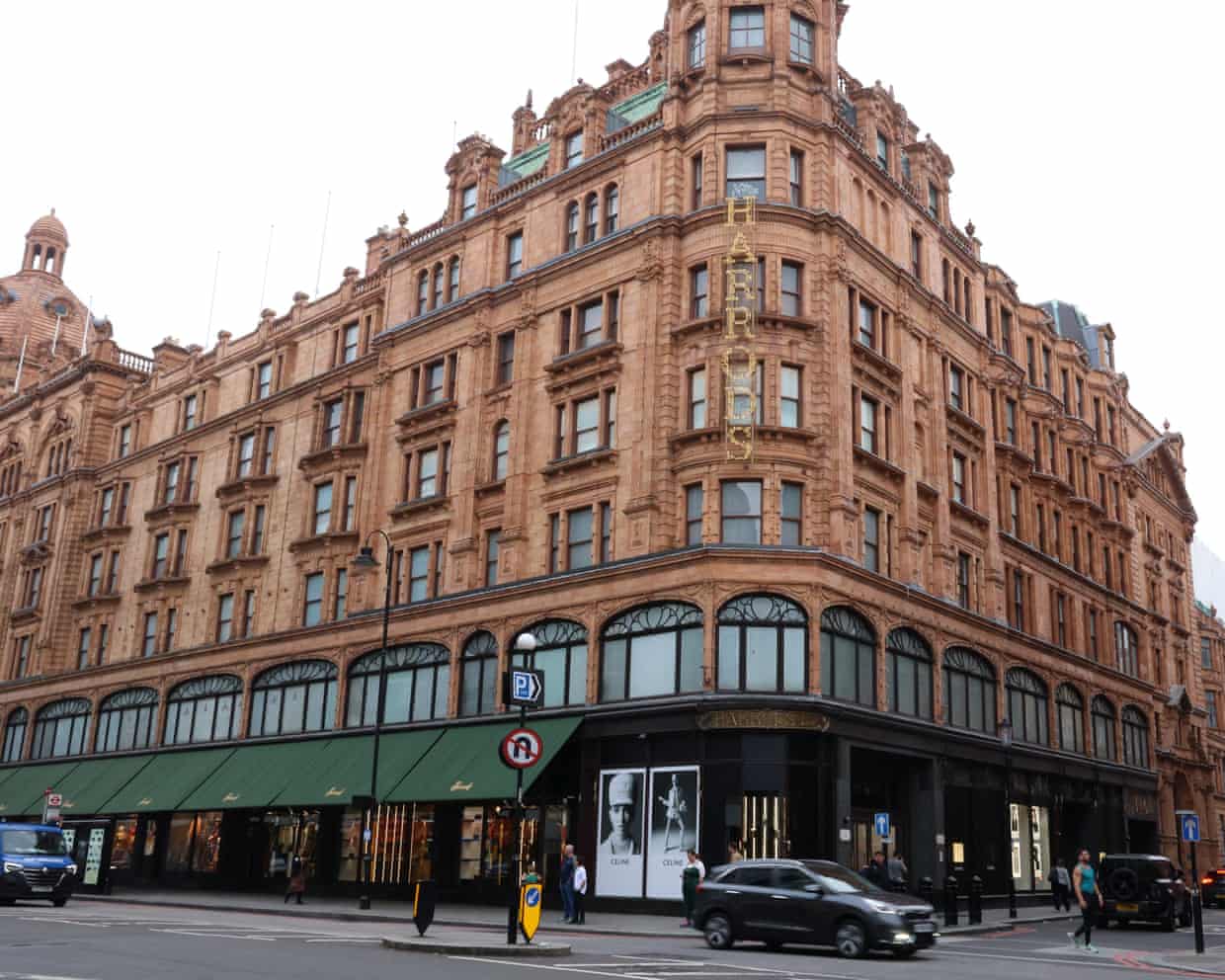
Survivors of alleged sexual abuse by former owner of Harrods want enablers to face justice
A group of 50 survivors of alleged sexual abuse by Harrods’ former owner Mohamed Al Fayed are calling for “meaningful consequences” for those who they claim facilitated and ignored the abuse.“If they think the money is the important factor they are so far off the mark,” said Jen Mills, a member of the Justice for Fayed and Harrods Survivors group. They claim there are “dozens of individuals who must be held to account”, from a range of eras.The campaign group, which includes some of those who took part in the redress scheme and others who did not, wants Harrods to release the findings of an internal investigation into what staff knew.The group, which is being supported by actor Richard Gere, Dame Vera Baird DBC KC, the former victims commissioner for England and Wales, and women’s rights advocates Gloria Allred and Gina Martin, also wants more regulation of HR professionals overseeing the hiring of new workers and an explanation of why the Metropolitan police and General Medical Council did not investigate women’s complaints at the time
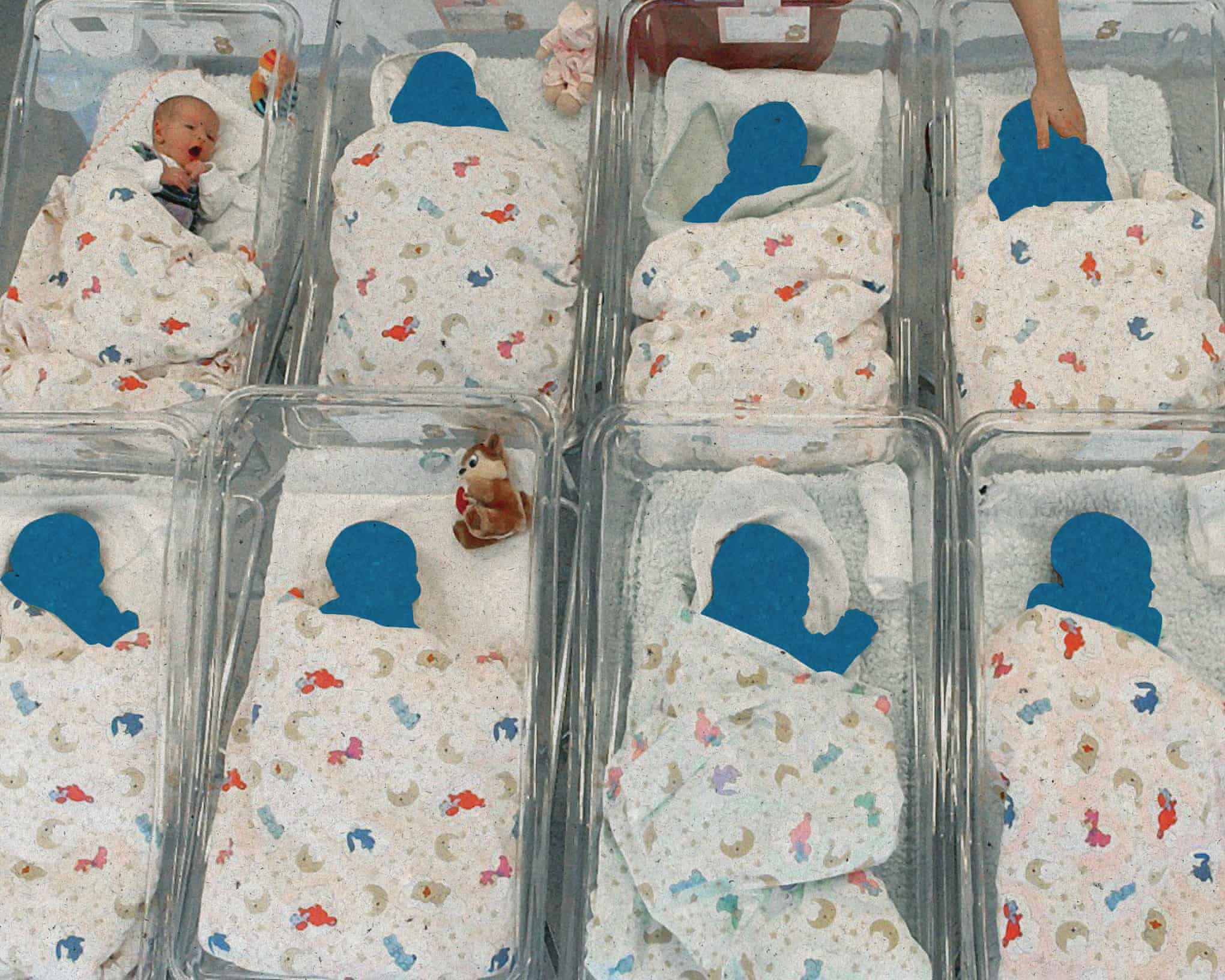
Falling fertility, debt and AI: is the US headed toward a population crisis?
Labour’s ‘crabwise’ approach to closer EU ties must address damage of Brexit | Heather Stewart

How a fiery attack on Sam Altman’s home unfolded

Kenyan firm sacks more than 1,000 workers after losing Meta contract
Hampshire v Somerset, Gloucestershire v Lancashire, and more: county cricket – live

‘Last year is over’: Oklahoma City launch title defense as NBA’s parity era faces test