I’m vegetarian. How can I get enough iron? | Kitchen aide
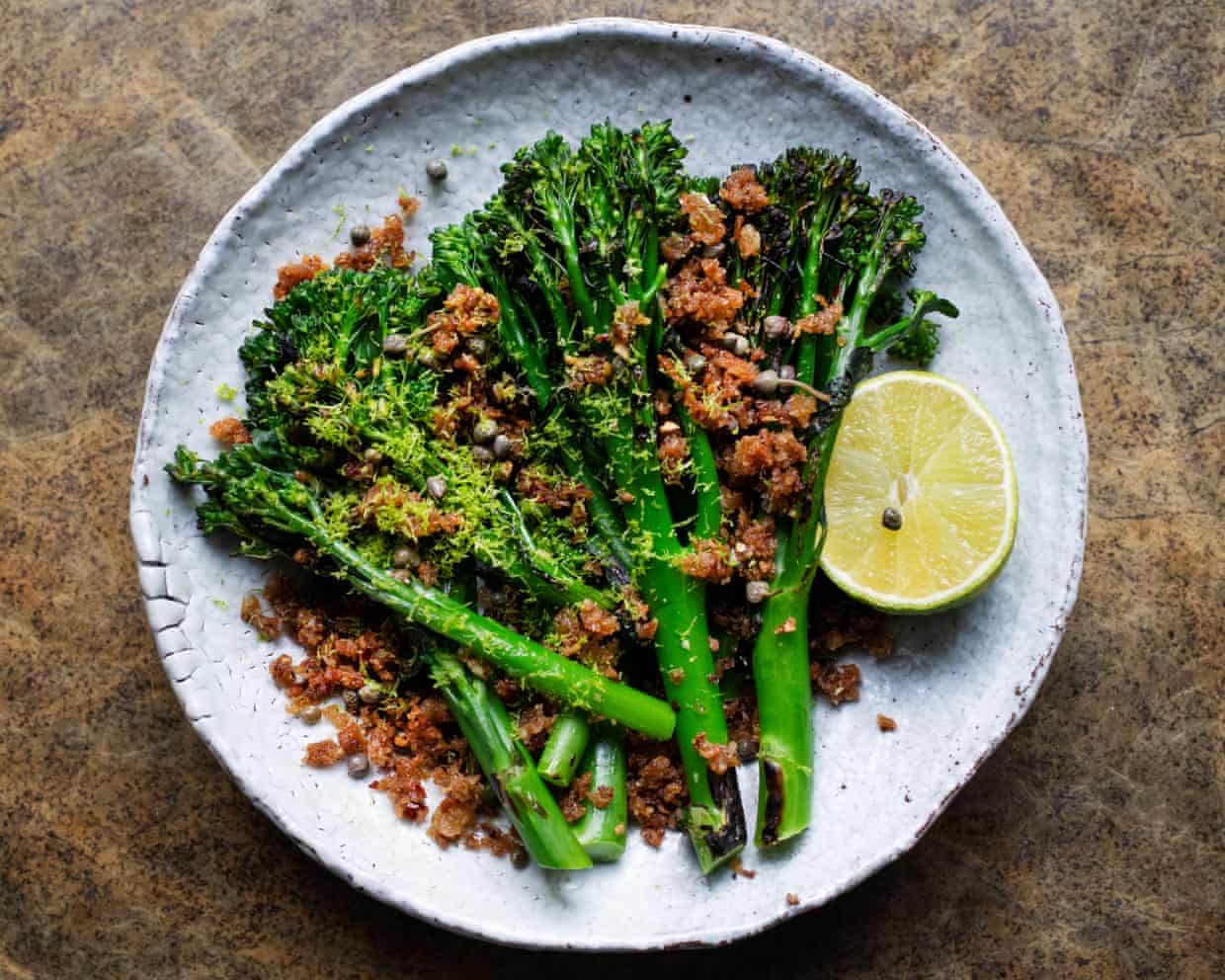
I’ve been advised to increase the iron in my diet but, as a vegetarian preoccupied with getting sufficient protein, I’m at a loss.June, by emailLast year, a study by Randox Health found that almost one in three women who attended its UK clinics have an iron deficiency, which is to say that June isn’t alone.Yes, there are good sources that vegetarians can tap into, but we first need to address a few key points: “The heme iron you get from animal sources – red meat and darker poultry, say – is in a form that’s slightly better absorbed than non-heme iron, which is found in the likes of beans, tofu and leafy greens,” says Dominique Ludwig, nutritionist and author of No-Nonsense Nutrition.This is where vitamin C is your friend: “When we eat non-heme iron and vitamin C together, it increases absorption, so it might be a case for having peppers or tomatoes with your tofu.” But there’s another potential hitch: “On a vegetarian diet, some of that iron can be blocked from absorption because of things such as phytates [a plant compound found in whole grains, legumes, etc], or tannins in tea and dairy,” Ludwig adds, so it’s not simply about how much iron you’re getting, but how good your absorption is.
“Women aged 19-49 should aim for 14.8mg iron a day, but after menopause that drops to about 8.7mg, which falls in line with men’s requirements,” Ludwig says.“If you’re vegetarian, then, you can’t just be having pesto pasta, you need to be eating beans, lentils, nuts, seeds, soy products, and leafy greens, too.” Tofu can have 3-5mg iron per 100g, cooked lentils 3-4mg, chickpeas 2½-3mg, cashews 6-7mg and sesame seeds 14-15mg.
So, much like getting dressed, layering is important.Oats in the morning are a no-brainer: “A 40g serving will give you 2mg iron, so have them with milled flaxseed and berries for the vitamin C,” Ludwig advises.The same principle applies to the likes of a tofu scramble: “Throw in some kale and tomatoes [again, for the vitamin C] and serve it with wholemeal bread, and you’re looking at about 7mg iron,” Ludwig adds.In other words, your day is getting off to a good start.Also, seeing as Jane is vegetarian rather than vegan, she has eggs to play with, too, which is good news considering each one contains about 2mg iron.
“Try a frittata with cottage cheese and broccoli, then sprinkle over some pumpkin seeds [a fantastic source of iron] before baking.” You can see how this all starts to add up.Cashews, edamame, dried fruit (apricots, figs, prunes) and that perennial favourite, carrots and hummus, will all help.An evening stir-fry, meanwhile, can bring the odds and ends in your fridge together into an ultra-fast dinner that ups your iron.There are greens (kale, broccoli), of course, but June could also add tofu or seitan, and nuts, perhaps, and serve it with brown rice.
“Or add lentils to your pasta, and stir through lots of green veg,” Ludwig adds.It can be easy being green.Got a culinary dilemma? Email feast@theguardian.com

Capacity of lifts not kept up with UK obesity levels, study shows
Lifts are no longer big enough to fit the UK’s larger citizens, according to researchers.A study of maximum capacity in elevators in the UK and mainland Europe found lifts have not kept up with increasing obesity levels, raising concerns about safety and equity.The research, presented at the European Congress on Obesity in Istanbul, Turkey, used photos of weight limits for 112 lifts manufactured between 1972 and 2024 in the UK, France, Germany, Italy, Spain, Austria and Finland.Prof Nick Finer, the president and chair of the International Prader-Willi Syndrome Organisation and lead author of the study, compared the average maximum weight allowance (total weight allowance divided by maximum passenger limits) with the average adult weight in the year the lift was manufactured.The research found that despite adults’ continued growing weight, total lift limits have not increased since about 2004
‘Unprecedented’ global effort gives new name to polycystic ovary syndrome – and new hope to millions of women
After more than a decade of global consultation, polycystic ovary syndrome (PCOS) – a condition that affects one in eight women – has been renamed.The hormonal disorder, estimated to affect 170 million women worldwide, will now be known as polyendocrine metabolic ovarian syndrome (PMOS).The name change was published in the Lancet and announced at the European Congress of Endocrinology in Prague on Tuesday, after 14 years of collaboration between international societies and patient groups across six continents.The renaming was spearheaded by the endocrinologist Prof Helena Teede, the director of Melbourne’s Monash Centre for Health Research and Implementation. For too long, experts including Teede say, the misleading nature of the term “polycystic” in PCOS contributed to delayed diagnosis and inadequate medical care

‘I still want to scream’: the loneliness and confusion of living with PMOS
The name polycystic ovary syndrome (PCOS) needed to change. It was inaccurate and it was worsening outcomes for people with the condition.It fuelled misconceptions that it is primarily a gynaecological condition, without enough focus on the whole-body effects across cardio-metabolic, mental, skin and reproductive health.A US National Institute of Health Forum described the name PCOS as a “distraction and impediment to progress … causing confusion and a barrier to effective education of clinicians and communication with the public and research funders”.On Tuesday, the new name of the disease was revealed to be polyendocrine metabolic ovarian syndrome (PMOS), and was published in the Lancet
What is PCOS, what are the symptoms and treatment, and why is it being renamed PMOS?
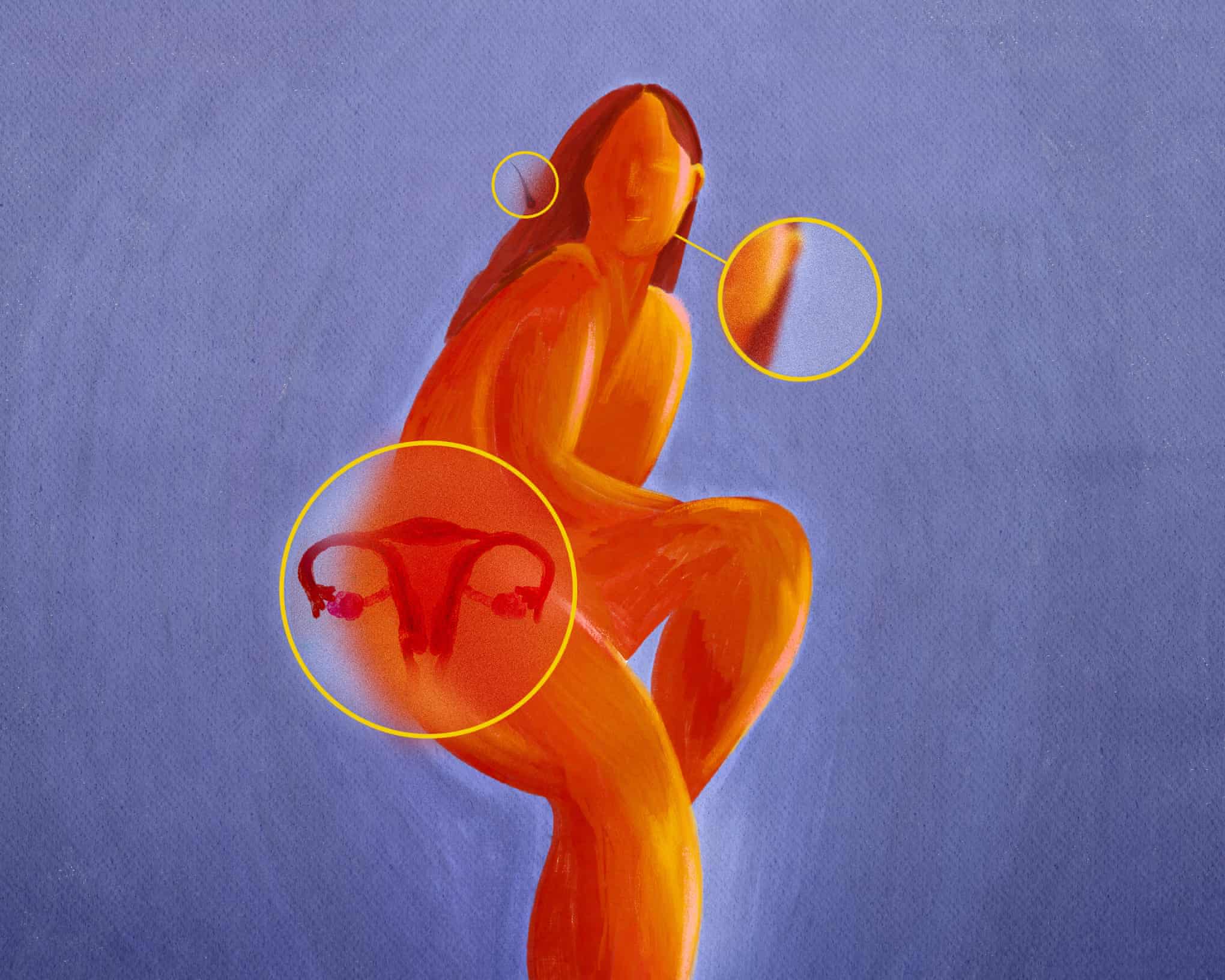
Polycystic ovary syndrome is being relabelled polyendocrine metabolic ovarian syndrome to correct the misconception that it is solely a gynaecological disease that creates ovarian cysts. Here’s what you need to know about the condition ‘Unprecedented’ global effort gives new name to polycystic ovary syndrome – and new hope to millions of women ‘I still want to scream’: the loneliness and confusion of living with PMOSWith polycystic ovary syndrome (PCOS) now being rebadged as polyendocrine metabolic ovarian syndrome (PMOS), we take a look at the condition and explore why experts have decided it is time for a new name.It’s a multifaceted condition that can affect women differently but symptoms tend to begin in late adolescence. As the NHS notes, these can include irregular or no periods, irregular ovulation, extra facial or body hair, acne, weight gain and hair loss from the head.“At different stages of your life you present in different ways,” says Prof Colin Duncan of the MRC Centre for Reproductive Health at the University of Edinburgh in Scotland

More than 6,000 children treated at obesity clinics in England, figures show
More than 6,000 children living with obesity, including hundreds as young as four, have required treatment at specialist NHS weight-loss clinics, new figures reveal.NHS England data, published for the first time, underlines the scale of the growing childhood obesity crisis.Since the first Complications from Excess Weight clinic (CEW) opened in 2021, the NHS has treated 6,497 children and teenagers. Of these, 423 were four years old, 1,088 were aged between five and eight, 1,791 were aged nine to 12 and 3,137 were aged between 13 and 17. The age of a further 58 is unknown

Consuming fruit and a cup of coffee a day can halve risk of unhealthy cell ageing, study suggests
Eating fruit and drinking a cup of coffee a day could halve the risk of cells ageing unhealthily, research suggests.Foods rich in polyphenols such as berries, apples, coffee, cocoa and tea are known to have antioxidant and anti-inflammatory properties, but a new study has found they are also associated with a lower risk of short telomeres, the “ends” or caps of DNA that, when shorter, increase the risk of cell death and unhealthy ageing.Researchers from the University of Navarra in Pamplona, Spain, measured the length of telomeres in samples from more than 1,700 adults in 2008 and also in 2015 and assessed participants’ total polyphenol consumption.The study, presented at this year’s European Congress on Obesity in Istanbul, found that compared with those who consumed the least polyphenols, those with the highest amounts in their diets had a 52% lower risk of short telomeres.Moderate coffee consumption (up to one cup per day) was associated with a 26% lower risk of short telomeres compared with non-consumers, while four to five servings of fruit a day was also linked to a lower risk, with participants consuming the most fruit having a 29% lower risk of having short telomeres compared with those who ate the least

Lab testing group Intertek to back £10.6bn takeover by Swedish firm EQT

UK housebuilder Vistry warns of ‘significantly’ lower profits amid Iran war uncertainty

Sam Altman defends OpenAI in courtroom showdown with Elon Musk
Florida students boo graduation speaker who called AI ‘next Industrial Revolution’

The Spin | ‘We have a hoot on the field’: Oswestry CC boasts 10 mother-daughter pairs

How will the liberal Masai Ujiri handle leading the ultraconservative Dallas Mavericks?