Ifrah F Ahmed’s debut cookbook is a love letter to Somali cuisine, history and people
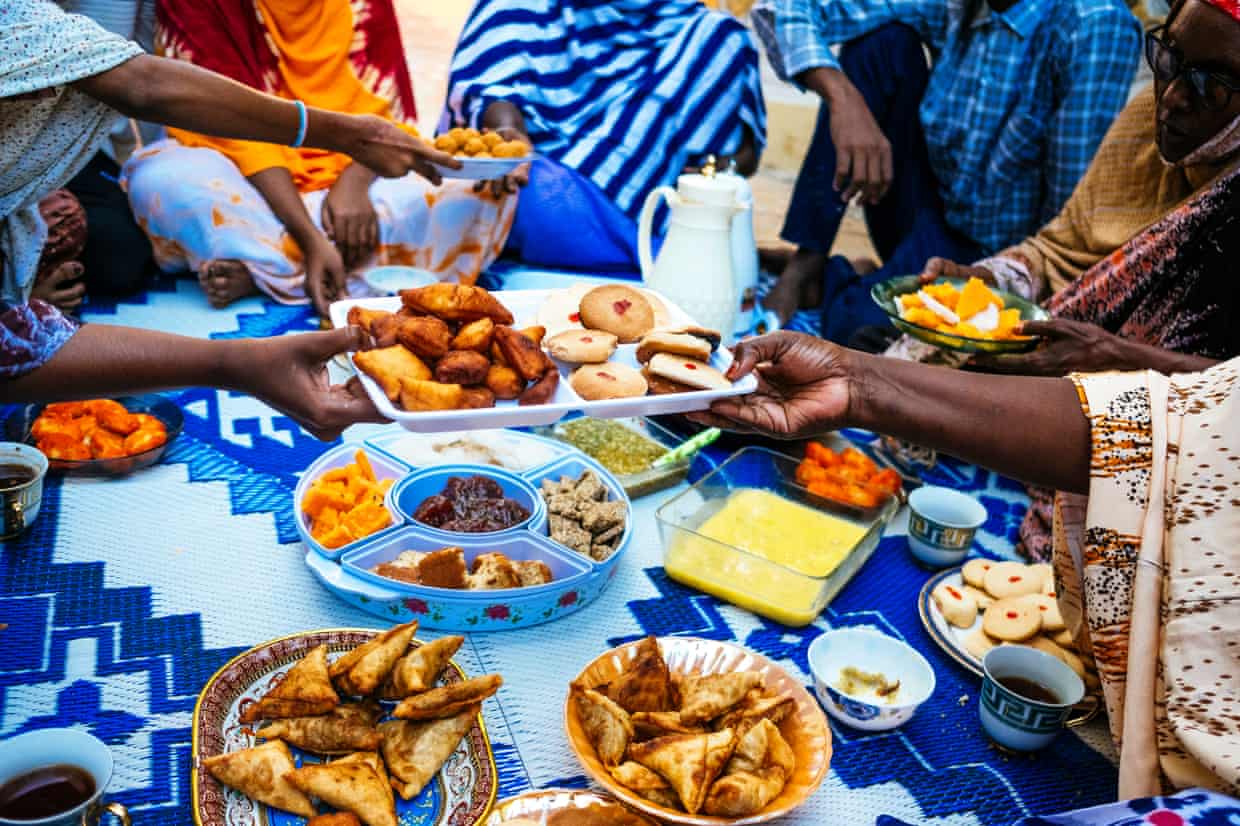
On a video call from Brooklyn, between stops on her book tour, Ifrah F Ahmed is drinking ginger-root tea.The smell transports her to her childhood kitchen, where her mother often baked aromatic cardamom cake.“That’s a core childhood memory for me,” she said.For Ahmed, food isn’t just about sustenance.It is memory, inheritance and, perhaps most importantly, a record: “Somali history on a plate,” as she puts it.
That idea sits at the heart of Soomaaliya: Food, Memory and Migration, her debut cookbook, which was released in March,Part recipe collection, history and profiles, the book arrives as one of only a few Somali cookbooks ever published,It expands on Ahmed’s often-sold-out Milk and Myrrh pop-ups and her recipes for the New York Times Cooking, among other works,Across 75 recipes, Ahmed traces Somali cuisine through trade, colonialism, war and migration,Ancient Somalia was an important stop on the Silk Road trade route, and spice production earned it the name “the land of cinnamon”.
Its pastoral and nomadic traditions placed importance on camel milk – sometimes referred to as “white gold” – and meat.Italian colonization from the late 1800s to the mid-20th century introduced pasta to the Somali pantry.Under European rule, banana farming exports channelled profits into colonial trade networks rather than local communities.Despite its global influences and increasing social media presence, Somali cuisine remains less widely known than that of neighboring Ethiopia, although the countries share some foods.The global flow of ingredients created dishes like bariis iskukaris, a one-pot dish of spiced rice with roasted meat, veggies and a banana.
But as Ahmed describes it: “There’s a tendency to overattribute Somali cuisine to colonial influence.While that influence is there, what we were able to do with it gets ignored.Our pasta is not the same as Italian pasta.It’s something uniquely Somali” – often flavored with xawaash, a spice blend of cumin, coriander, cardamom, cinnamon, cloves and turmeric.The book is a sweeping portrait of a cuisine and people in motion.
Ahmed – who was born in Mogadishu and moved to Seattle with her family in 1996 after the outbreak of civil war – says the idea for the book first came to her a decade ago,She had noticed how few written works existed on Somali cuisine while studying law in New York,“I recognized that there was a lack of resources for people who were curious, like myself, and our generation,” she said,That absence reflects how recipes have been passed down through storytelling, memory and practice rather than in written form,Decades of war and displacement have scattered culinary knowledge across the diaspora.
This has made Somali heritage vulnerable to loss, even more so as ongoing conflicts and drought have displaced up to 4 million Somalis, according to the UN.Through all this, there has been little opportunity to consolidate this knowledge in print.Ahmed learned to cook from her mother, who taught her to use her instincts rather than instruction.“It taught me to have a really relaxed, intuitive relationship with cooking,” Ahmed shared.“Knowing when to stop measuring something, salting and flavoring from the heart.
”To research the book, Ahmed interviewed elders, spoke to family cooks, scoured digital archives, watched years-old YouTube videos and listened to audio recordings of Somali women discussing recipes.“If I didn’t know how to make a recipe, I’d have my mum call someone over, or find someone in the community who could share that information with me,” she said.Alongside the farmers, fishers and other figures shaping the Somali culinary scene, Ahmed spotlights Barlin Ali, author of Somali Cuisine, published in 2007 and widely regarded as the last major Somali cookbook before her own.Also featured in the book are fellow chef Jamal Hashi of Minneapolis; Hamda Issa-Salwe, London-based owner of tea seasoning brand Ayeeyo’s Blends; and Liban Ibrahim, owner of London’s “best east African restaurant”, Sabiib.“It’s my name on the cover,” Ahmed said, “but it was such a communal effort.
I really wanted to tell other people’s stories through food.”If the book is an archive, it is also a challenge to simplification.Ahmed said one of her central aims was to disrupt the idea of a singular Somali cuisine.In the diaspora particularly, a handful of dishes like the staple bariis iskukaris have come to stand in for an entire food culture spanning borders.“I wanted to talk about the diversity of Somali food, to have recipes that are representative of all the regions where Somali people are.
”Somali people are reinventing dishes through new techniques, presentations or ingredients without abandoning their essence,Take the sambusa, a stuffed treat like an Indian samosa,Halimo Hussain, a London-based writer, noted in the Vittles food newsletter that the tuna sambusa is “a point of contention for Somalis – rejected by some, wholeheartedly embraced by others”,In the Pacific north-west, for example, salmon sambusas have emerged as a local specialty due to the region’s abundance of fish,Elsewhere, tortillas are used in place of traditional pastry wrappers.
“That’s another example of the way migration impacts food traditions: you’re using the ingredients that are accessible to you to make your traditional food,” Ahmed said.Migration continues to influence Somali foodways in more structural ways.Camel meat and milk – central to Somali pastoral life both in the past and present – are difficult to source in Europe and North America, forcing diasporic communities to adapt.Ahmed points to Juba Farms in Kansas City, Missouri, which raises camels and bottle their milk, as evidence of a culinary tradition continuing to evolve in new landscapes.“Culture is always shifting,” she says.
“But I also want us to have a sense of history, a sense of tradition, and a knowledge for how we ate, how we eat.”For Ahmed, documenting these shifts is inseparable from documenting Somali resilience.The book arrives at a moment when immigration and Somali migration have been heavily politicized in the US.Donald Trump has attacked Somali Americans, who have been targeted by immigration officials in Minneapolis and elsewhere.Against this backdrop, everyday Somali foods have become unexpected vehicles of resistance.
A recent Guardian report saw protesters at Minneapolis demonstrations handing out sambusas along with pamphlets outlining their rights.When she first conceived the project, Ahmed had no idea how urgent it would feel now.“I’m completely aware of how timely this book is,” she said.“And aware of the misconceptions there are around Somali people.”Still, she is careful not to frame the book as an act of explanation for outsiders.
She said: “This book was made with the intention of being for Somali people,If people want to read it and learn more about us, they’re very much welcome to do so,I don’t really feel the pressure of needing to prove anything to anyone,”What she does hope is that the book offers younger Somalis a stronger sense of cultural grounding, something food gave her as a child,“It gave me a sense of self to know what the cuisine was in relation to our identity and where we came from,” she said.
For all its historical and political heft, Soomaaliya remains, at heart, a book about pleasure: fragrant rice, fried fish, spiced tea and cardamom cake.And its mission is not simply to introduce Somali food to outsiders, but to preserve it for those to whom it already belongs.

One in 10 operations in England cancelled with less than 24 hours’ notice
About one in 10 operations in England are cancelled with less than 24 hours’ notice or postponed, according to research..A study of elective surgery at 91 English NHS trusts found that 10% of operations were cancelled the day before the planned surgery date; while 9% were postponed when patients had their pre-op appointment.If the study’s findings were replicated nationally, that would equate to approximately 300,000 cancellations or postponements. Yet nearly 40% of cancellations could be avoided, the authors concluded

Baby died after NHS trust failed to warn mother of ‘unsafe’ home birth, coroner finds
A mother who lost her baby a week after an “unsafe” home birth that went against medical advice was failed by the NHS, an inquest has found.Poppy Hope Lomas was seven days old when she died at University College hospital in London on 26 October 2022 after complications during a home birth that, according to her mother, was encouraged by midwives at Barnet hospital.An inquest into Poppy’s death at Barnet coroner’s court concluded that she probably died from a lack of oxygen reaching her brain in the 30 minutes before she was born.The senior coroner Andrew Walker said the Royal Free London NHS foundation trust had agreed to support Poppy’s mother, Gemma Lomas, with an “unsafe home delivery that was against medical advice” and had failed to address “an accumulation of risk factors”.After the inquest concluded on Thursday, Lomas said outside the court: “Nothing will ever bring her back, but hearing the truth today acknowledged means everything to us

Breaking the cycle of drugs, debt and violence in prisons | Letters
Your leader on drugs in prisons (16 April) is right about the scale of the crisis, but wrong to suggest the chief inspector has only recently found his voice. Charlie Taylor has been consistent throughout: the prison system is failing by almost every meaningful measure.This is not just about money or overcrowding. It is about leadership, culture and accountability. A system under pressure can still be well led; too often ours is not

Three men guilty of repeatedly raping woman on Brighton beach in ‘predatory, callous’ attack
Three men have been found guilty of repeatedly raping a woman on Brighton beach in a “cynical, predatory and callous” attack after she became separated from her friends on a night out.The woman was targeted by the men as she was incapacitated in the early hours of 4 October last year, the trial at Hove crown court was told.Two of the men took her behind a beach hut where they raped her and the other went to the location moments later and filmed it.On Thursday, Ibrahim Alshafe, 25, an Egyptian national, and Abdulla Ahmadi, 26, an Iranian national, were found guilty of two counts of rape.Karin Al-Danasurt, 20, an Egyptian national, was also found guilty of all four counts of rape as a secondary party by encouraging and filming the ordeal

‘On his own terms’: James Valentine chose assisted dying but barriers remain for Australians wanting to access it
When the beloved broadcaster and saxophonist James Valentine died this week it was on his terms – he was at home, surrounded by his family, after making the choice to use voluntary assisted dying (VAD).“Throughout his illness, James did it his way, which lasted all the way until the end,” his wife, Joanne, and two children, Ruby and Roy, said in a statement.“Both he and his family are grateful he was given the option to go out on his own terms.”As tributes flow for Valentine, advocates for VAD hope his loss will encourage the federal government to address structural barriers to accessing the end-of-life care that are preventing some Australians from doing the same.Every Australian jurisdiction excluding the Northern Territory has legalised VAD, which represents about 2% of all deaths, or 5% of cancer deaths
Nine in 10 UK voters across parties support right to abortion, poll finds
New polling has found that whatever their party political leanings, an overwhelming majority of people support the right to access an abortion – although young people, in particular, fear reproductive rights may be reduced.The YouGov polling, commissioned by MSI Reproductive Choices to mark its 50th anniversary, found nine in 10 people support the right to access an abortion.This was the case with 94% of Labour voters, 91% of Conservative voters, 95% of Green voters and 86% of Reform voters, pointing to one of the clearest indicators of cross-party political consensus in the UK.The survey also found almost one in five people think abortion access could be reduced, rising to more than a quarter of 18- to 25-year-olds. Respondents cited developments in the US and the rise of the far right as factors

‘As intense as perfume’: which eaux de vie are worth trying?
Folded, whipped or baked into something golden, ricotta is brilliant and adaptable
Rachel Roddy’s recipe for almond and lemon spiced treacle tart | A kitchen in Rome
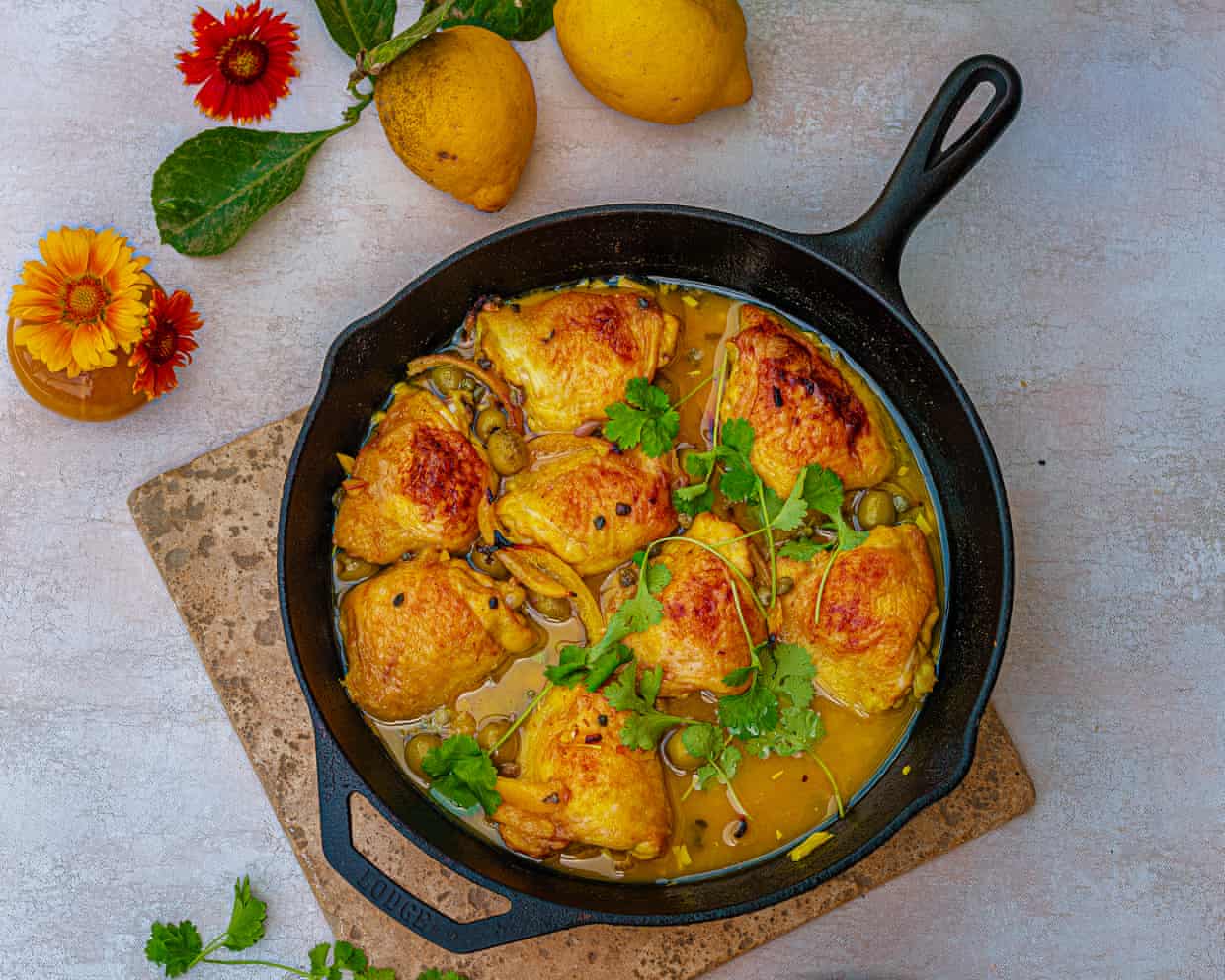
I’m welcoming in spring with big Mediterranean flavours
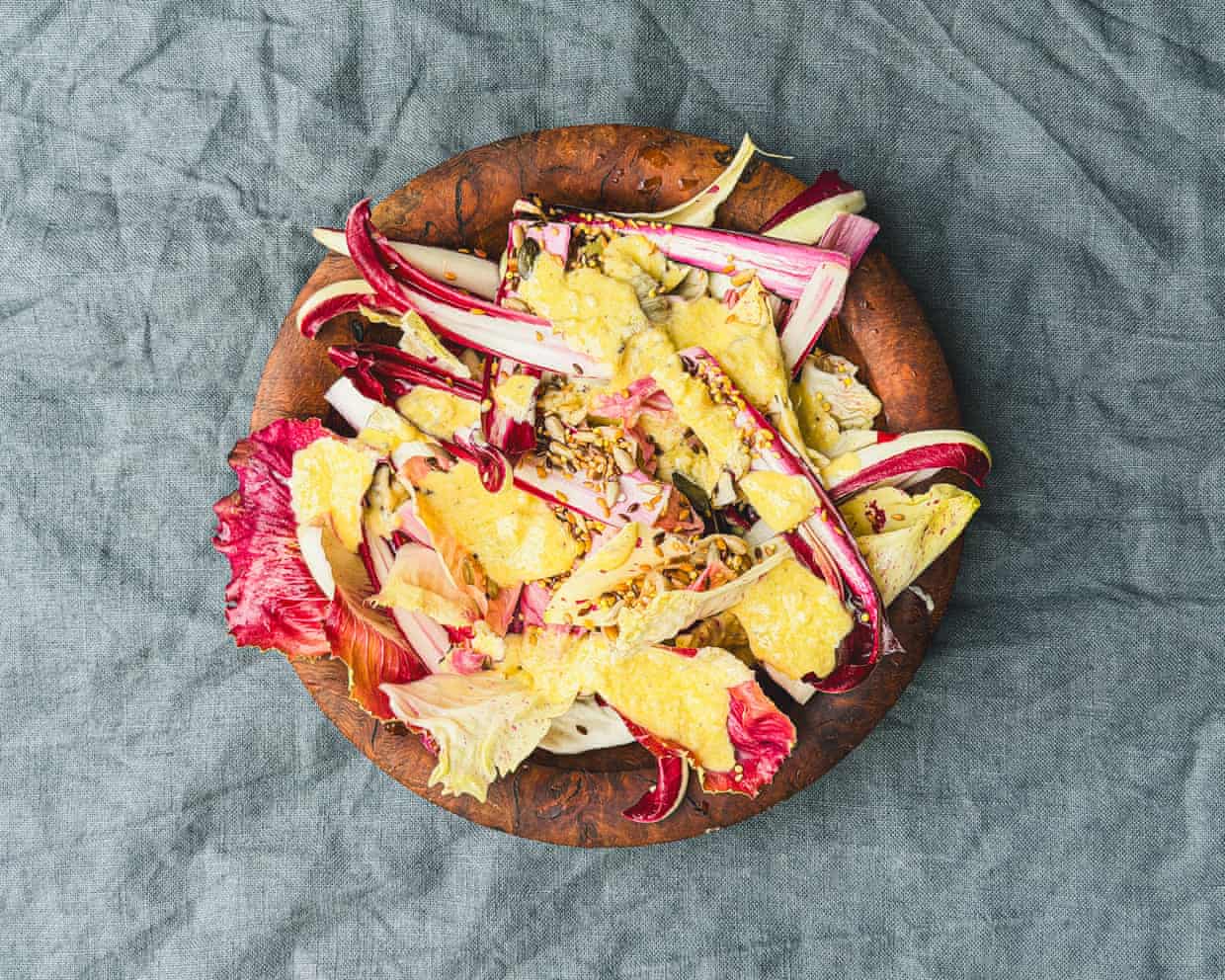
Save blue cheese rind for this unbeatable dressing – recipe | Waste not
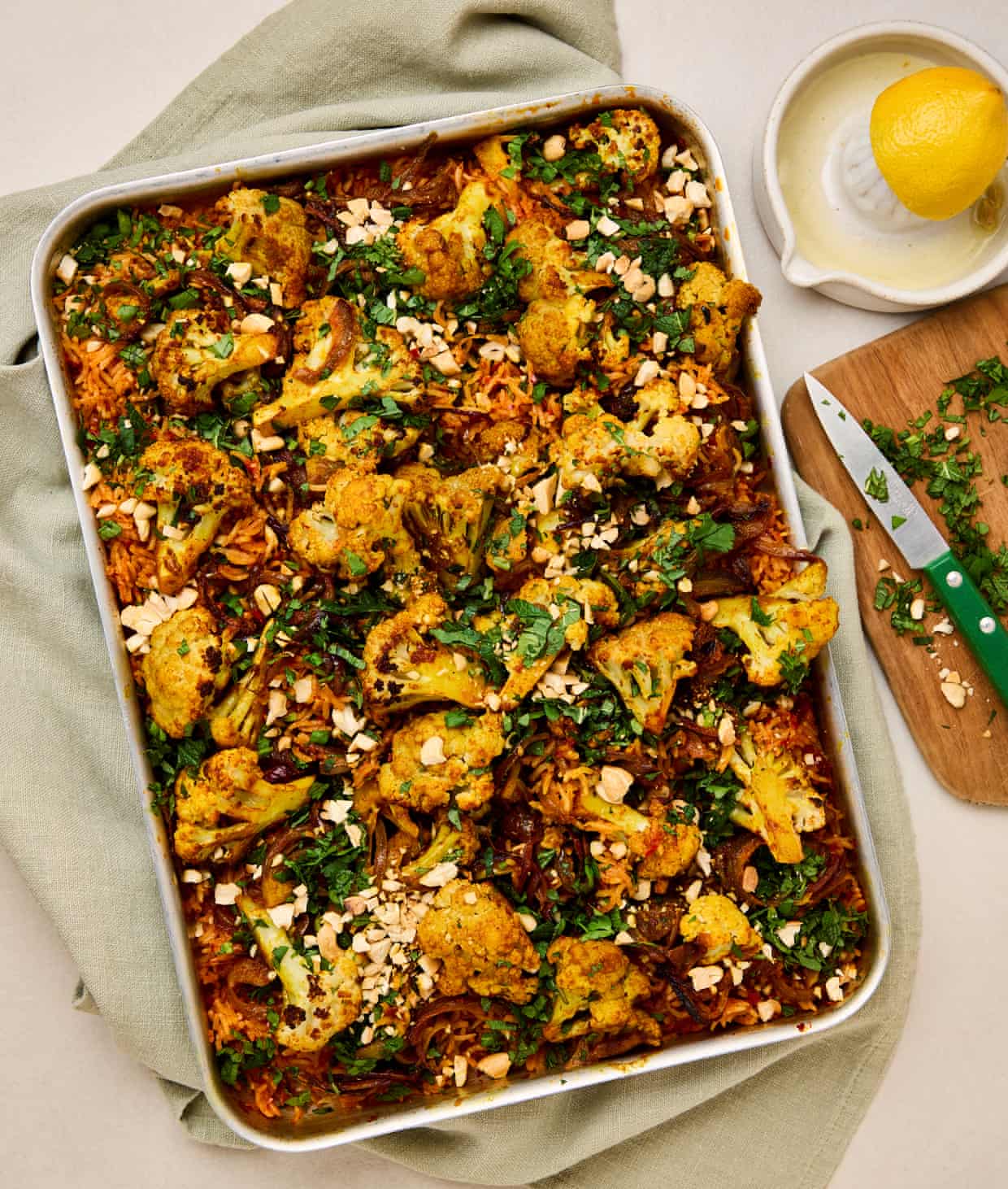
Head’s up: 12 main-course cauliflower recipes from easy to ambitious