‘On his own terms’: James Valentine chose assisted dying but barriers remain for Australians wanting to access it
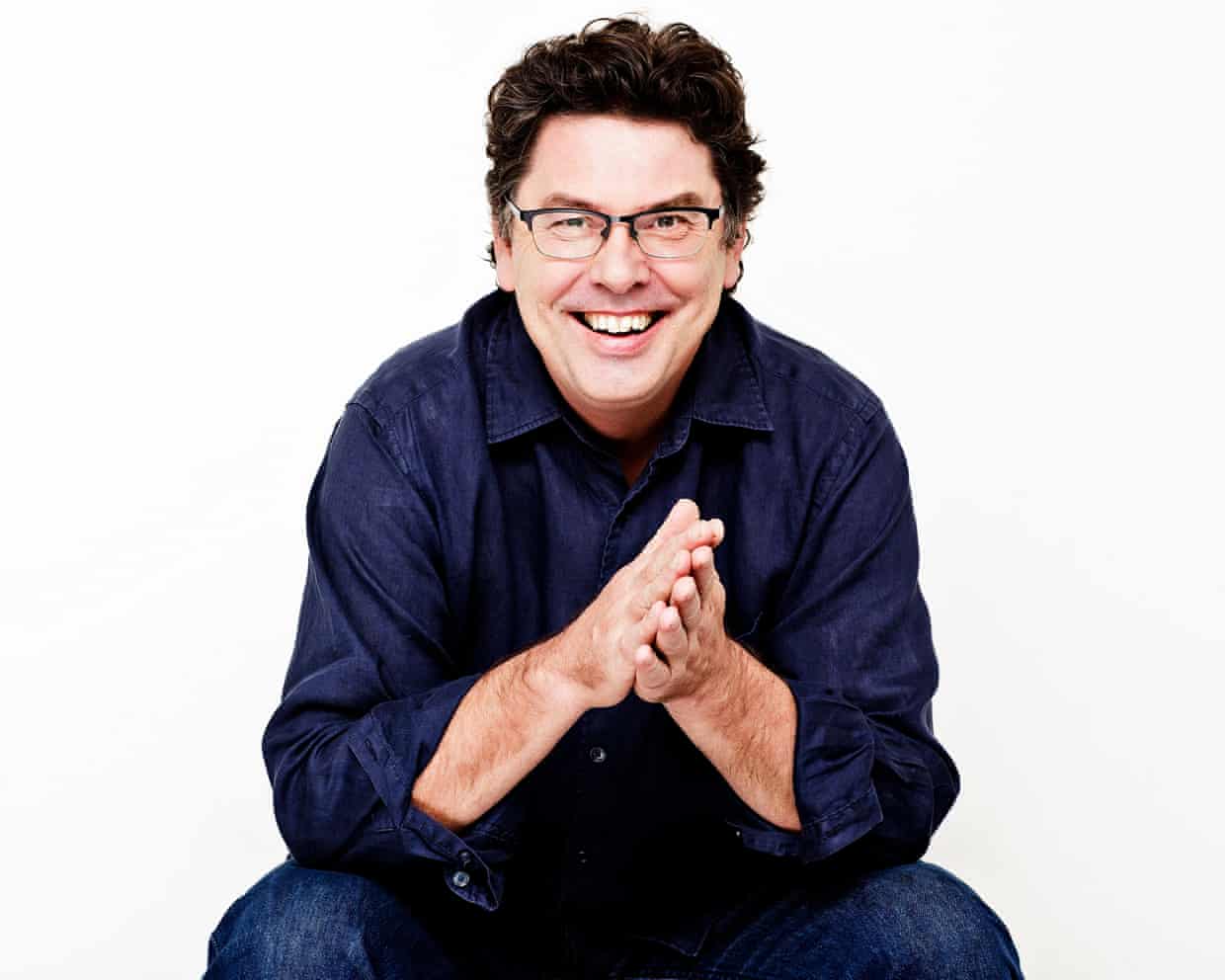
When the beloved broadcaster and saxophonist James Valentine died this week it was on his terms – he was at home, surrounded by his family, after making the choice to use voluntary assisted dying (VAD).“Throughout his illness, James did it his way, which lasted all the way until the end,” his wife, Joanne, and two children, Ruby and Roy, said in a statement.“Both he and his family are grateful he was given the option to go out on his own terms.”As tributes flow for Valentine, advocates for VAD hope his loss will encourage the federal government to address structural barriers to accessing the end-of-life care that are preventing some Australians from doing the same.Every Australian jurisdiction excluding the Northern Territory has legalised VAD, which represents about 2% of all deaths, or 5% of cancer deaths.
The NT government has committed to draft and debate a VAD law, with no timetable in place,But while VAD applications rose by 41% in 2024-2025 compared with the previous reporting period, four in 10 patients who started the process did not complete it,Dr Linda Swan, the chief executive of Go Gentle Australia, a charity that advocates for VAD, said people were “dying waiting to get access to assisted dying” because they couldn’t overcome the regulatory barriers in time,“Stories like James’s are incredibly powerful at helping the general community in Australia understand that voluntary assisted dying is a legal choice,” she said,“He’s been a long-term supporter of voluntary assisted dying … So he was in a very fortunate position of being well informed.
Some people aren’t.And what can happen is that they don’t understand that it’s quite a long process and they apply too late.“They can actually be denied access just because it takes too long to get through the process.”Swan said part of the difficulty of starting the process too late was that, in some instances, “it’s just too complicated” to navigate.Typically, applicants (who must be terminally ill) undergo a process between two and five weeks, which includes being assessed by at least two independent doctors and submitting three separate requests, demonstrating decision-making capacity throughout.
Swan pointed to the fact that Australia remains the only nation in the world with commonwealth legislation preventing patients from using telehealth during the VAD process as a huge regulatory barrier.VAD also isn’t included as an option within high-quality end-of-life care clinical standards and guidelines.“It is so frustrating that we are struggling with this [telehealth] barrier when common sense says these are exactly the people that you should be helping to access care,” Swan said.“There is absolutely concern about what happens in rural and remote areas that are so dependent on telehealth but, even for somebody who lives 20 minutes from their doctor, if you’re in a state of dying and suffering then you’re not highly mobile.“It’s just a horrendous process to ask people to go through when they could safely access that care using telehealth.
”The attorney general, Michelle Rowland, said VAD was a “very sensitive and personal issue” and sent her “deepest condolences” to Valentine’s circle.“The Albanese government understands there are a range of complex issues arising out of the interaction between commonwealth legislation and state and territory VAD schemes,” she said.“The minister for health and I continue to consider these issues in consultation with the states and territories.”Swan said although VAD still represented a small percentage of Australian deaths, it was expected to double to about 5% over the next decade, which would require a boost in resourcing, training and awareness.Since 2019, 14,686 terminally ill people have sought access to VAD and, of those, 7,082 have died using a VAD substance.
There were 3,329 VAD deaths in 2024-2025, a 48% increase on the previous year,A Go Gentle report released this month found services were reaching an “inflection point” where demand would soon exceed their capacity to deliver,It pointed to “process complexity, difficulties finding trained practitioners, limits on open conversations and … obstruction of VAD choice”, including faith-based aged care homes and hospitals refusing to facilitate access to care,One in three respondents to the 2025 Australian VAD survey said it had not been easy to find a doctor to support their VAD request,The president of Voluntary Assisted Dying Australia and New Zealand, Dr Andrea Bendrups, said jurisdictions were delivering “high-quality end-of-life care” but the system was under strain and could not “rely indefinitely on the goodwill of practitioners”.
“Without adequate remuneration, the system risks collapsing under the weight of unpaid labour and practitioner burnout,” she said.Speaking with ABC Radio Sydney, Roy Valentine said his father’s cancer diagnosis had been a “heavy time period” but also one of “pure joy with him and love”, in part because they were able to spend so much time with him and plan his final moments.Valentine intended it to be publicised that he had chosen VAD, which his daughter, Ruby, told the public broadcaster had been “really important” to him.“We were all able to be together.It was really beautiful,” she said.
“He wanted it to be something people knew that he did.That he could lend his voice to the argument of why this is such a necessary thing for so many people.It was really important to him that we mentioned that.“In his final moments, he was still concerned about making a difference.”

Iran war hurting UK economy as consumer confidence falls; BP’s new chair suffers investor revolt – as it happened
Breaking: UK consumer confidence has fallen for the third month in a row, as people grow more nervous about their personal financial situation and the economy.Data provider GfK’s Consumer Confidence Barometer, just released, has fallen by four points to -25 in April, the biggest drop in a year.That’s the lowest level since autumn 2023, indicating that the disruption and high energy prices caused by the Iran war is alarming consumers.When asked about the UK economy, the measure for the country’s general economic situation over the last 12 months decreased by eight points to -51. Expectations for the general economic situation over the coming 12 months fell by six points to -43, GfK reports
Simon Edye obituary
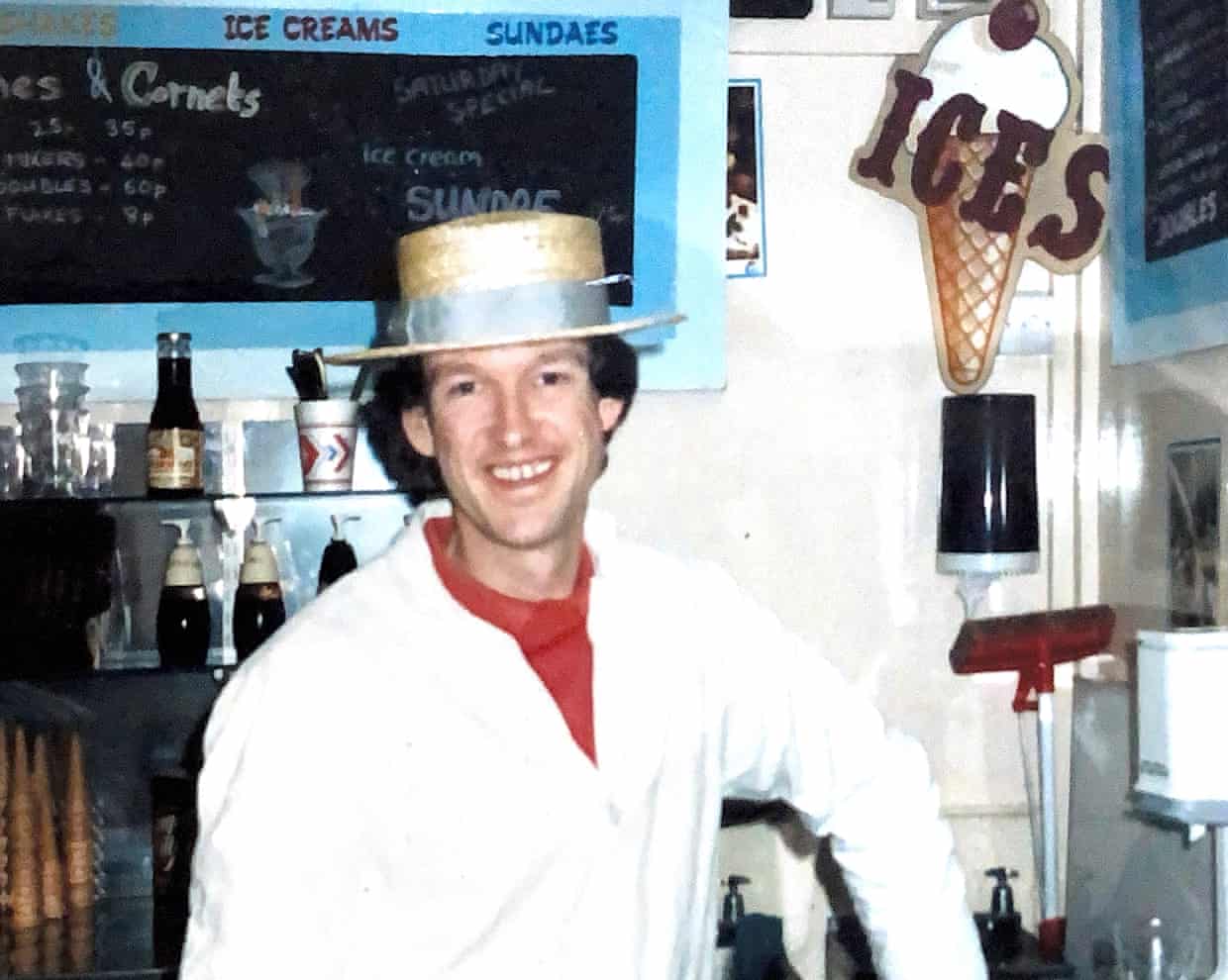
My friend and one-time employer Simon Edye, who has died aged 73, ran the popular Ronaldo Ices in Norwich for more than 40 years, starting with one homemade, hand-hauled Victorian-style barrow and going on to supply shops, restaurants, theatres and visitor attractions throughout East Anglia.Born in Sidlesham, West Sussex, to John Edye, a journal editor, and Alison (nee Allan), a teacher, Simon was the eldest of three brothers. He went to Chichester high school for boys, then in 1970 started a social sciences degree at the University of East Anglia, but dropped out, settled in Norwich and tried his hand at various jobs: fruit and veg picker and ganger, acupuncturist, taxi driver and bicycle repairman, for which a friend painted the humorous sign “Honest Ron Enterprises – Bicycle Repairs”.With Simon’s brother, Jo, “Honest Ron’s” then went into the stir-fry business, with a stall at Stonehenge, Albion Fairs in East Anglia, and even the Epsom Derby. In 1983, Simon built his barrow and started selling ice cream on Norwich’s pedestrianised London Street

Private health records of half a million Britons offered for sale on Chinese website
The confidential health records of half a million British volunteers have been offered for sale on Chinese website Alibaba, the UK government has confirmed.The “de-identified” data, belonging to participants in the UK Biobank project, was found for sale on three separate listings last week. Ian Murray, the technology minister, told the Commons on Thursday that, after working with the Chinese government and Alibaba, the records had now been removed. It is not believed any sales were made.The latest breach comes after the Guardian revealed last month that sensitive UK Biobank data has been exposed online dozens of times, raising further questions about whether security has been too lax

Some Interrail travellers told to cancel passports as hacked data posted online
Holidaymakers across Europe are facing the stress and expense of getting new passports after their personal data was posted on the dark web after a hack of the Interrail company Eurail.Personal data, including passport numbers, names, phone numbers, email and home addresses and dates of birth of more than 300,000 European travellers was accessed in December. But this week Eurail revealed to customers that “data copied during the security incident has been offered for sale on the dark web and a sample dataset has been published on Telegram”.The announcement has led to renewed anger and confusion. The UK Passport Office has told at least one customer they needed to “cancel their passport to prevent it being used for fraudulent activity”, with the Home Office agency also indicating they needed to pay the full £102 fee for a replacement

‘It has clearly exceeded expectations’: inside Red Bull’s F1 engine factory
Driven hard, driven fast is very much the norm in Formula One, on and off track, but even by the sport’s own standards the development of Red Bull’s in-house engine project has been exceptional. As is what it has delivered.Walking through the gleaming corridors of the team’s bespoke engine manufacturing department at their Milton Keynes headquarters, it is all but impossible to conceive that only four years ago the area where the buildings stand was just empty space peppered with rubble.The decision to build their own engines rather than continuing to buy customer units from other manufacturers ranks among the boldest steps Red Bull have ever undertaken. It is no little feat even for a team who have long revelled in carving their own path in F1

Swiatek leads players’ surprise as WTA head Portia Archer quits after two years
A number of top players on the WTA tour have expressed their surprise at the abrupt decision by its chief executive, Portia Archer, to resign from her role this week after two years at the helm.“I heard literally two minutes ago, so I really don’t know why now and everything,” said Iga Swiatek after winning her first-round match 6-1, 6-2 against Daria Snigur at the Madrid Open. “We always had a good relationship. I felt like she listened to what we had to say and was really open-minded.”An experienced sports executive who previously worked in the NBA’s G League, Archer was appointed CEO of the WTA in June 2024

Jon Stewart on Trump’s strategy in Iran: ‘Malignant narcissism and impulsivity’

Vanessa’s a pillar of the hiking community | Brief letters
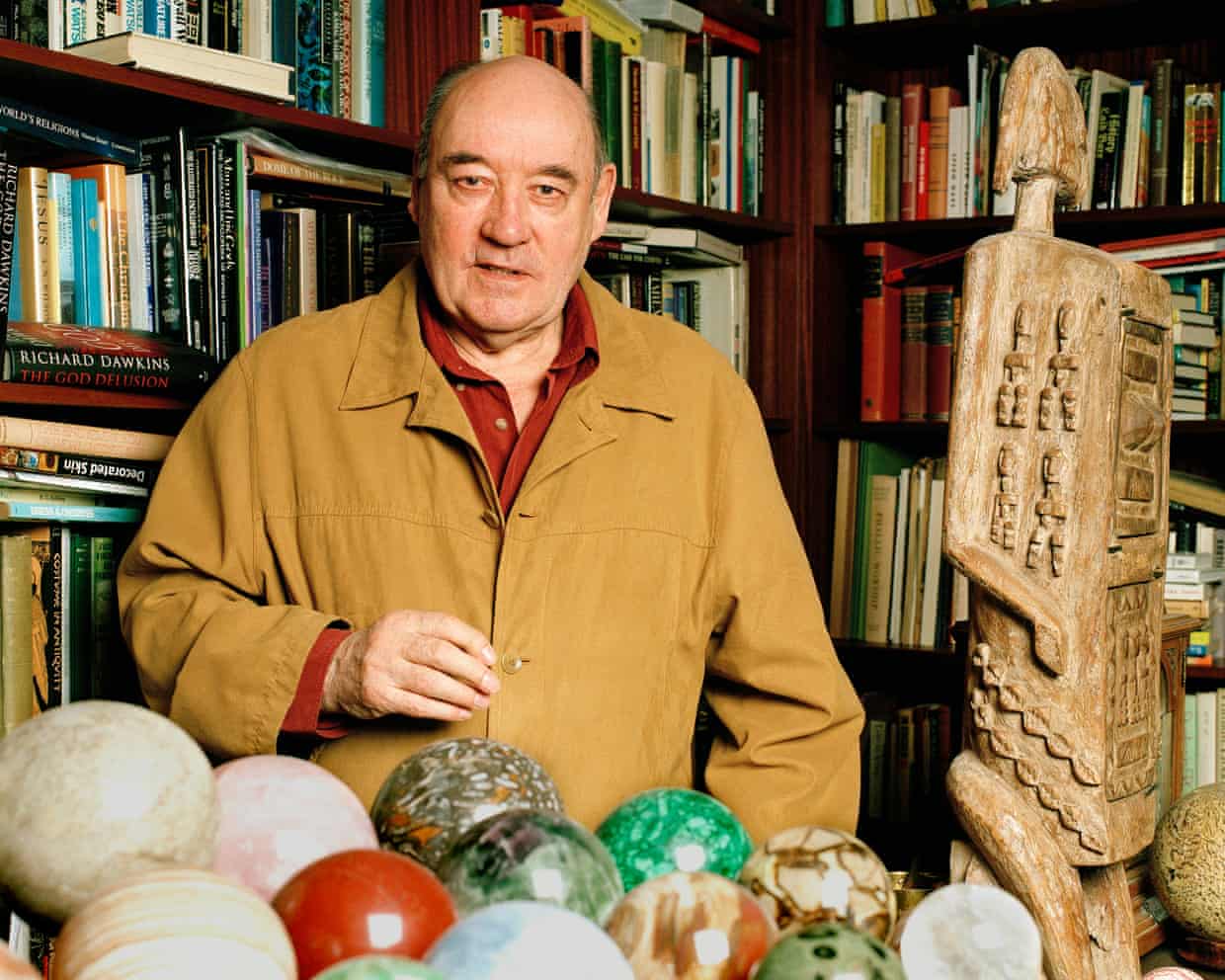
Zoologist, author and presenter Desmond Morris dies aged 98
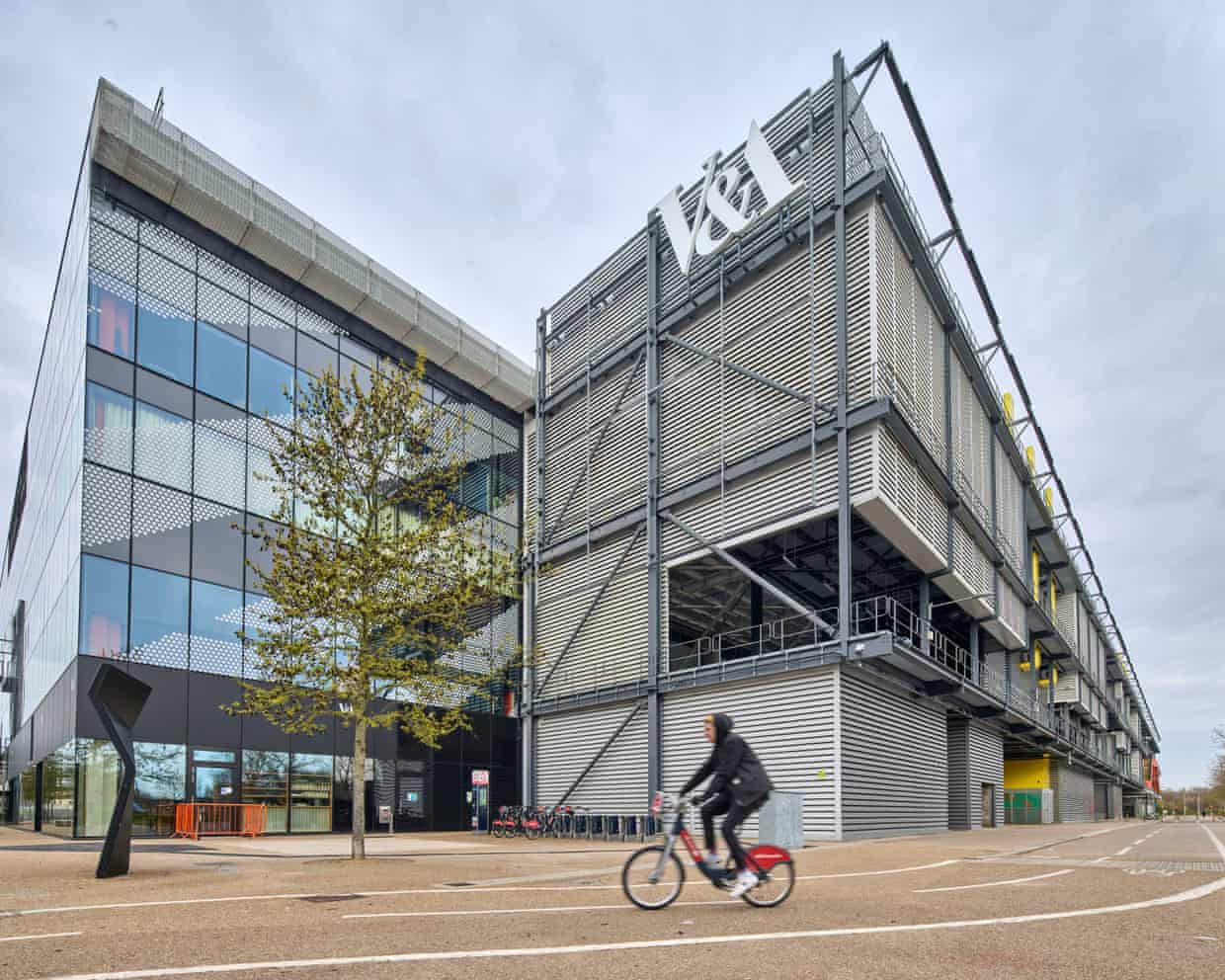
V&A East Storehouse and Norwich Castle among finalists for museum of the year
Letter: Sir Neil Cossons obituary

‘Women want to experience pleasure’: how the female gaze caught the attention of film, TV and fiction