One in 10 operations in England cancelled with less than 24 hours’ notice
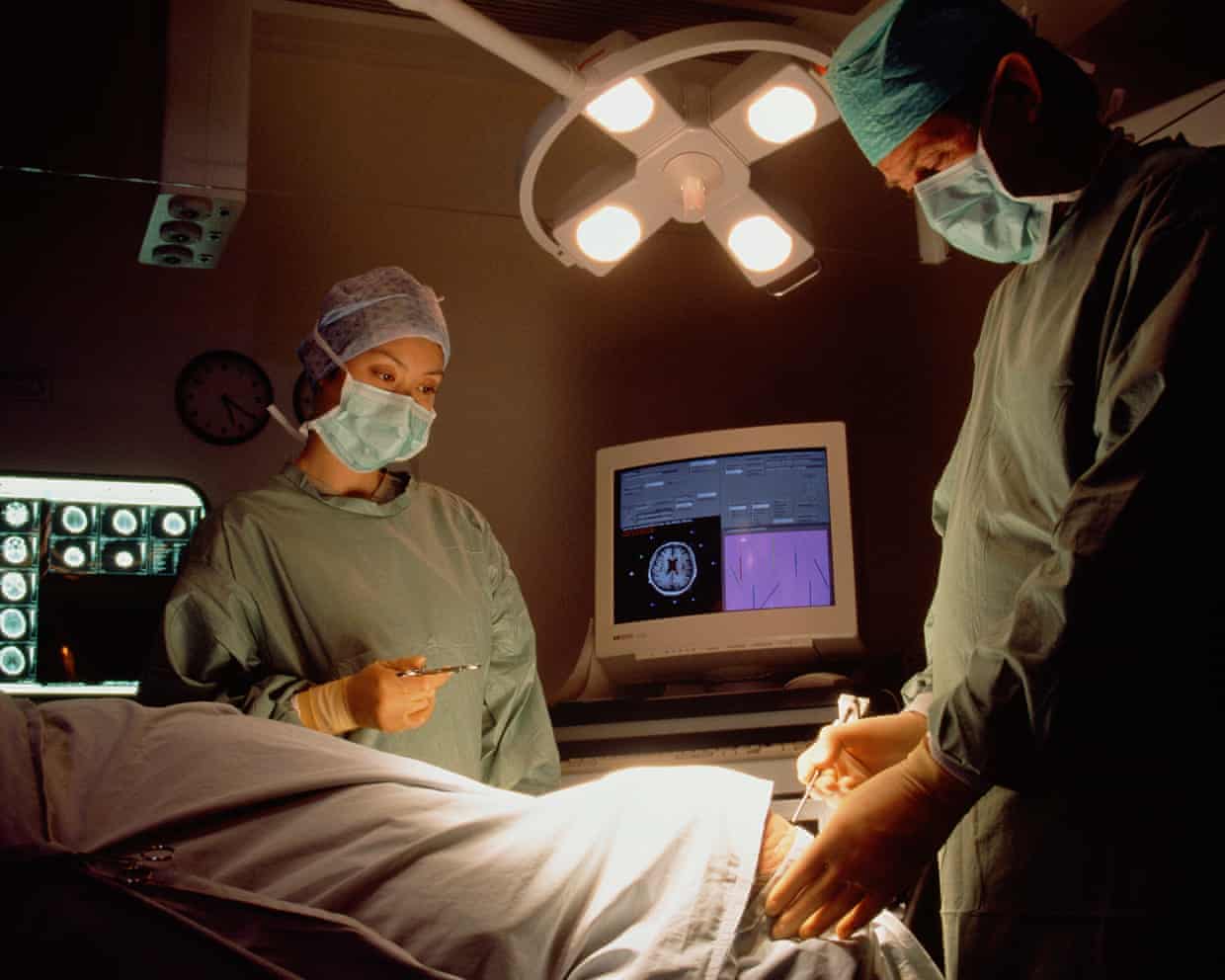
About one in 10 operations in England are cancelled with less than 24 hours’ notice or postponed, according to research..A study of elective surgery at 91 English NHS trusts found that 10% of operations were cancelled the day before the planned surgery date; while 9% were postponed when patients had their pre-op appointment.If the study’s findings were replicated nationally, that would equate to approximately 300,000 cancellations or postponements.Yet nearly 40% of cancellations could be avoided, the authors concluded.
The latest figures show that as of the end of February, just over 6 million patients were waiting for treatment.Researchers for the National Institute for Health and Care Research Central London patient safety research collaboration, NHS England, University College London and the Royal College of Anaesthetists examined planned surgery data over seven days in November 2024.They found that the most common causes of cancellations were for medical reasons, patients not attending, operating lists overrunning and emergency admissions.But in 37.3% of cases, had these issues been identified as little as three to five days earlier, the operation could either have gone ahead, or another patient could have been offered the surgery slot, the study calculated.
The study, published in the British Journal of Anaesthesia, also found that nearly two-thirds of operations postponed at the pre-op appointment were because patients needed further tests or specialist clinical review.The authors concluded that clinical pathways need overhauling, with more early screening, nimbler surgery scheduling and better communication.The lead author, Dr James Bedford of University College London, said: “We need to ensure we identify health problems, which put patients at risk of post-operative complications, as early as possible, so that these can be improved while they are waiting for their operation.”Early screening also helps to identify low-risk patients who could be offered surgery at short notice, when slots become free at the last minute, he added.Writing in a linked editorial, Prof Scarlett McNally, a consultant orthopaedic surgeon, said the findings “underscore the scale of systemic inefficiencies, unacceptable waste of public money and emotional toll experienced by patients”.
She said: “Without a different approach that focuses on supporting and preparing these patients, waiting lists will remain unacceptably high, as procedures are too frequently postponed or cancelled,”Prof Frank Smith, the vice-president of the Royal College of Surgeons of England, said the study underlined just how damaging cancelling or postponing operations could be for patients and the NHS,He said: “High-quality care before and after surgery is just as important as the operation itself,The findings underline the need for earlier, better coordinated care so patients are in the best possible condition when they reach the operating theatre,“Supporting patients to ‘wait well’ reduces last-minute cancellations, improves recovery and helps the NHS make better use of precious surgical capacity.
”An NHS spokesperson said: “We are seeing great examples of NHS teams across the country offering more personalised support to ensure patients are fit for surgery, and we need to continue and extend this progress to improve preoperative care for patients, eliminate avoidable postponements and keep bringing waiting lists down.”

Retail sales rise in Great Britain after Iran war prompted ‘panic at the pumps’
Motorists stocking up on fuel helped to push up retail sales in Great Britain last month as the Iran war prompted “panic at the pumps” amid rapid rises in petrol and diesel prices.The Office for National Statistics (ONS) said the volume of retail sales rose by 0.7% last month, well above analysts’ forecasts of just 0.1%.That rise was driven by a 6
Stock markets will fall, Bank of England deputy governor says
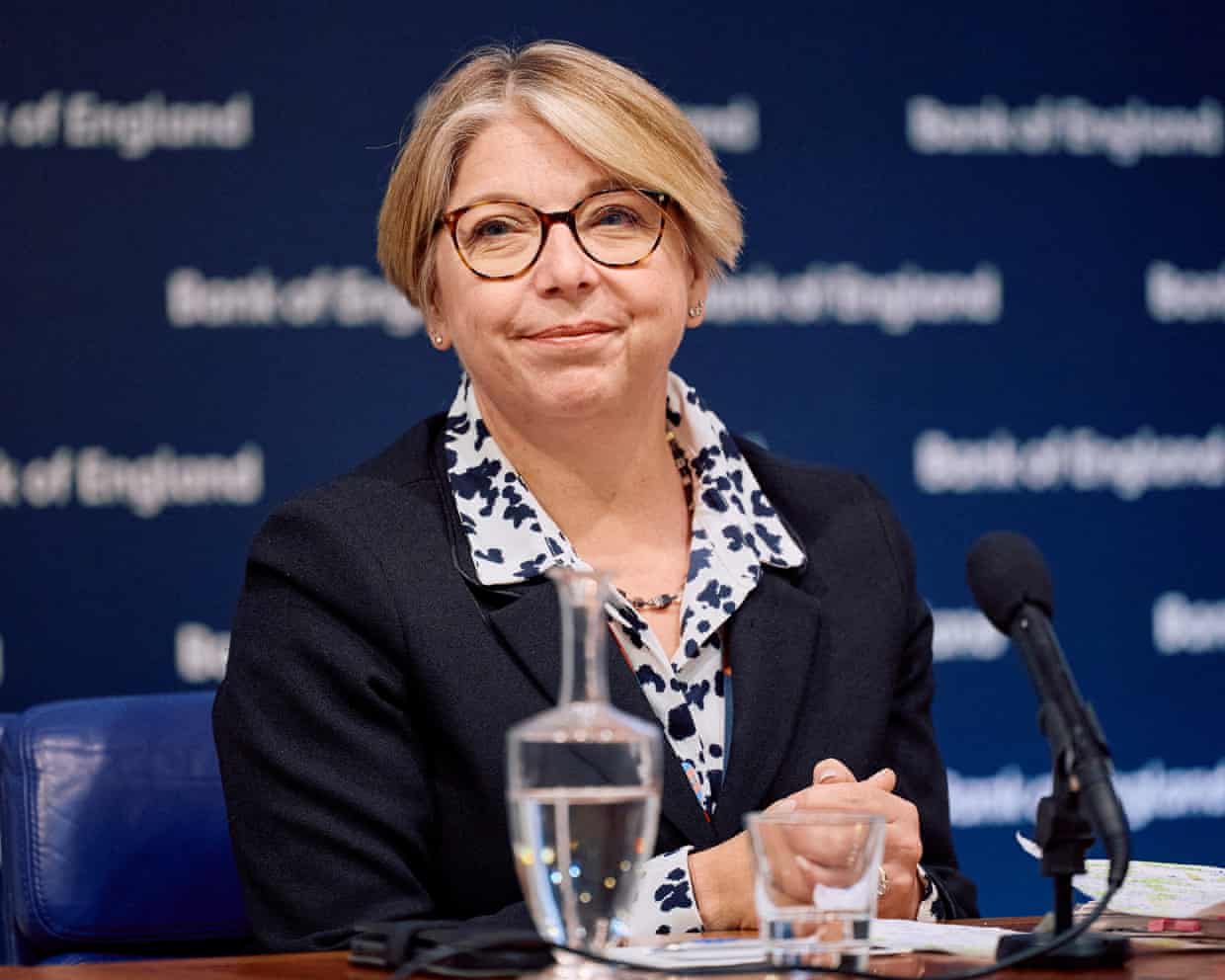
Record-high global stock markets do not reflect the risks in the global economy, and will fall back, a deputy governor at the Bank of England has said.Sarah Breeden, the deputy governor for financial stability at the Bank, fears that macroeconomic risks are not fully priced into equity markets. She cited concerns about private credit markets, highly valued artificial intelligence stocks, and other “risky valuations”.Breeden told the BBC: “There’s a lot of risk out there and yet asset prices are at all-time highs. We expect there will be an adjustment at some point

‘Dumb mistake’: Mayfair club Annabel’s gave managers bonus from staff service charge
The restaurant tycoon Richard Caring has admitted his private members club Annabel’s made a “dumb mistake” after staff revolted over the use of more than £70,000 of their pre-Christmas service charge takings to pay managers’ bonuses.Just one table of diners at the exclusive Mayfair venue, which has hosted celebrities, financiers and aristocrats ranging from Kate Moss and Harry Styles to the late queen, can spend more than £10,000 in an evening, according to workers.Guests pay an optional 15% service charge, which goes to staff, and a further £3-a-head cover charge, which is kept by the company. The Guardian has seen evidence that Annabel’s, where a latte costs £6, a cheeseburger £26 and a ribeye steak £125, can collect more than £100,000 in service charges in just one week.One member of staff said that “everyone got mad” when workers realised their share of the bumper service charge takings in the run-up to Christmas had been reduced by as much as £70,000 to hand bonuses to about 50 managers

Feeling gloomy about the economy? The ‘vibecession’ has arrived in Australia – but experts are less worried
Australian households were already on edge before the bombs started falling in Iran.The cost of living was high and inflation was accelerating again, forcing the Reserve Bank to start ratcheting up interest rates.It’s clear that this is a time of deep uncertainty and anxiety.Nevertheless, it is striking that more than six in 10 Australians reckon the country is either already in a recession, or will be in the next 12 months, according to a poll conducted for the Nine newspapers.Just 15% thought the country would avoid a deep downturn, while 22% said they were unsure

Reform UK asks steel bosses to draft ‘alternative strategy’ for industry
Reform UK has asked steel bosses to draw up an “alternative steel strategy” to rival recent government plans, stoking industry fears over a charm offensive by Nigel Farage’s party as it eyes gains in former Labour heartlands.Richard Tice, Reform’s deputy leader, met a group of bosses shortly before Labour announced new steel tariffs in March and commissioned them to draft a competing plan that will include scrapping net zero policies.The party is trying to harness growing anger at the government for high business energy bills, exacerbated by the Iran war, which are damaging steel companies and the wider manufacturing sector. Reform’s overtures have received a mixed reception across the industry.One of the plan’s authors, the boss of a steel fabricating company, said Tice had made them feel Reform “cares about the industry” more than Labour

Revealed: UK oil refinery owner moved Russian loans to offshore subsidiary where sanctions did not apply
Days after the first wave of Russian tanks surged over the border into Ukraine in March 2022, dockers at a port in northern England took a stand.Appalled by Vladimir Putin’s brutality, workers at Ellesmere Port in Cheshire vowed never to unload any Russian oil destined for the nearby Stanlow refinery, a major hub for UK fuel supplies.As the spotlight fell on Essar, the Indian-owned conglomerate that is Stanlow’s parent company, it also acted fast, ceasing all imports of Russian fuel.But analysis of the Essar group’s company accounts by the Guardian and SourceMaterial, an investigative journalism organisation, raises questions about whether the flow of money was staunched as swiftly as the flow of oil.In the months after the invasion, Essar entered into complex offshore arrangements that appear to have enabled the group to keep dealing with a Russian bank under sanctions from the west

Victorian parlours, whiff-whaff and a Soviet spy: ping-pong’s coming home
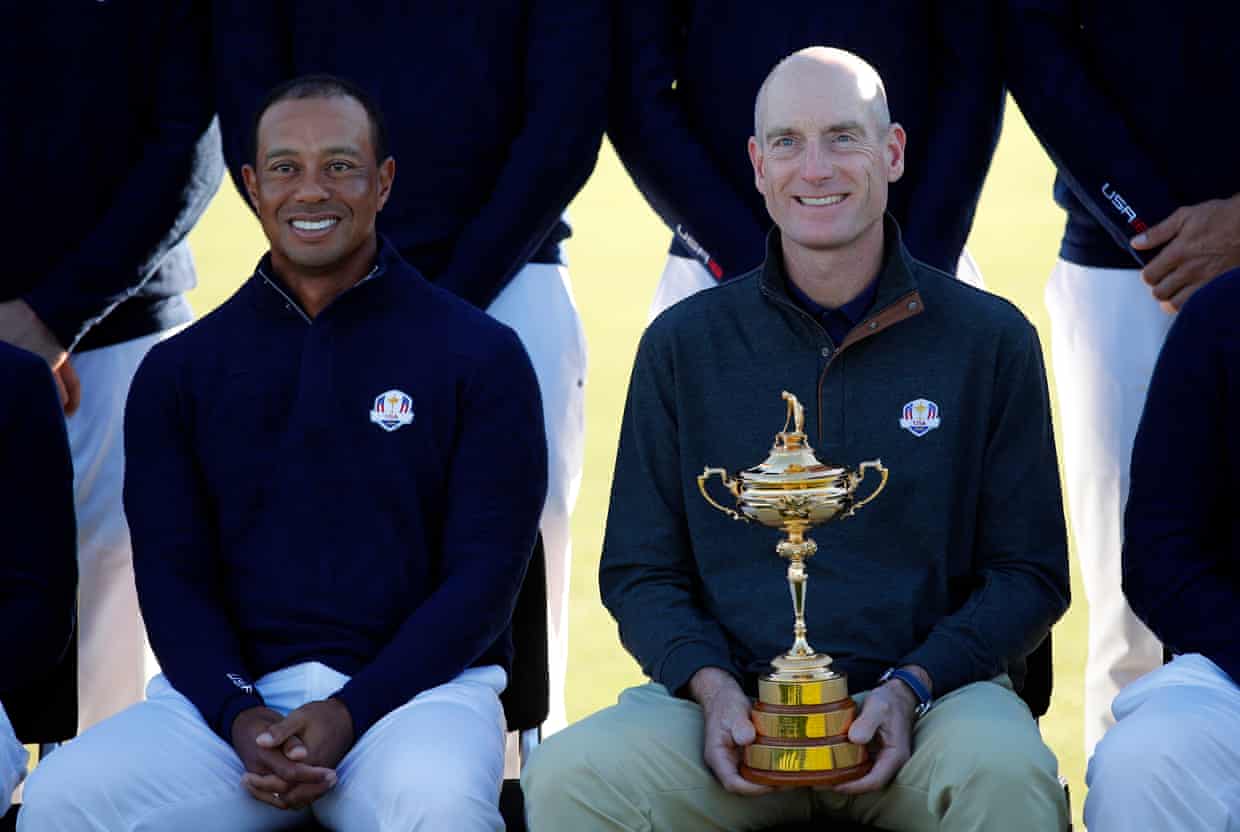
Jim Furyk to lead US Ryder Cup team after Tiger Woods’s withdrawal
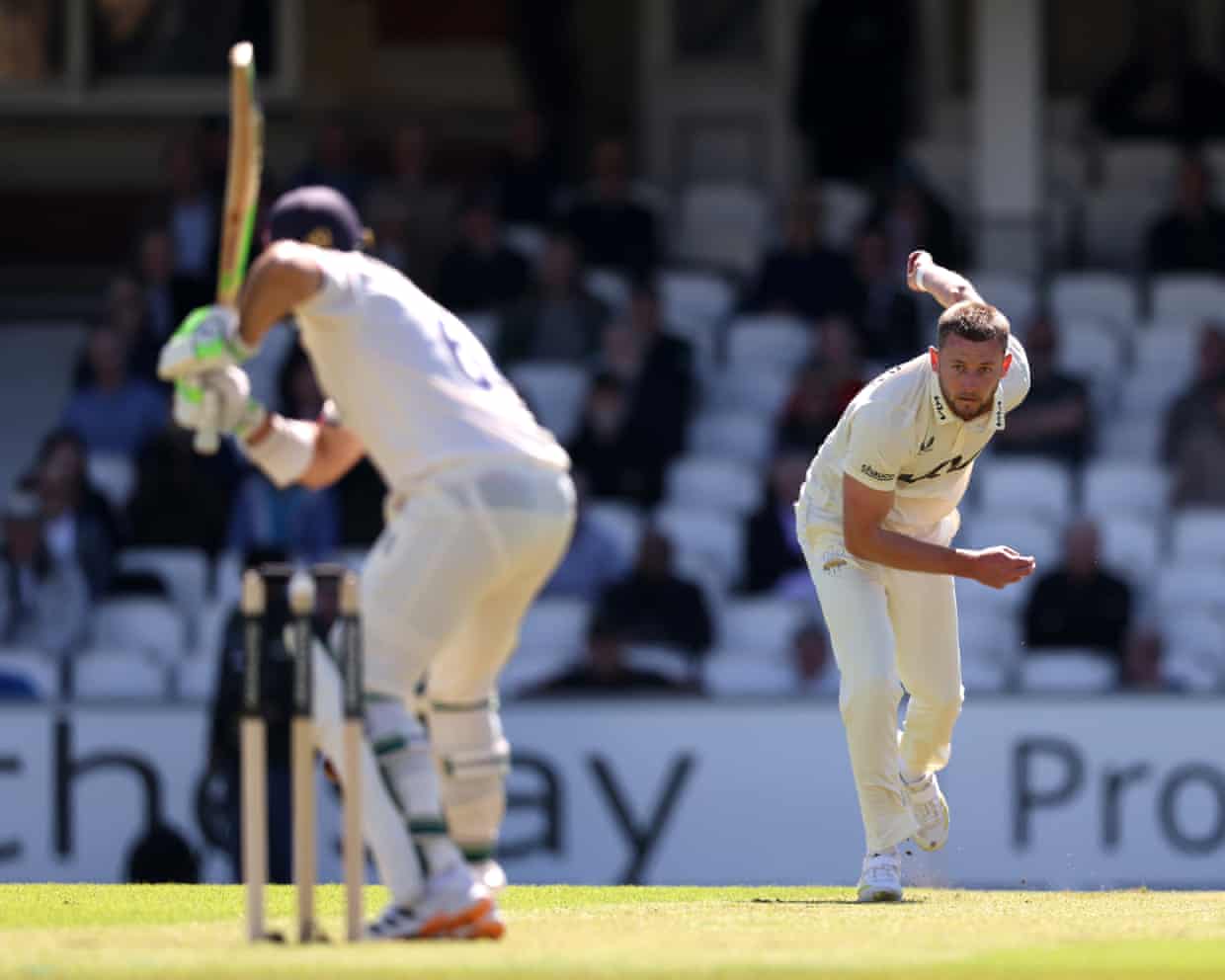
Atkinson made to wait as Essex impress at Oval: county cricket, day one – as it happened

It’s FA Cup and WCL semi-final time, plus mighty London Marathon feats – follow with us

Carlos Alcaraz pulls out of French Open title defence due to wrist injury

Raaheeb plummets in Derby betting after smooth Classic Trial triumph