‘As intense as perfume’: which eaux de vie are worth trying?
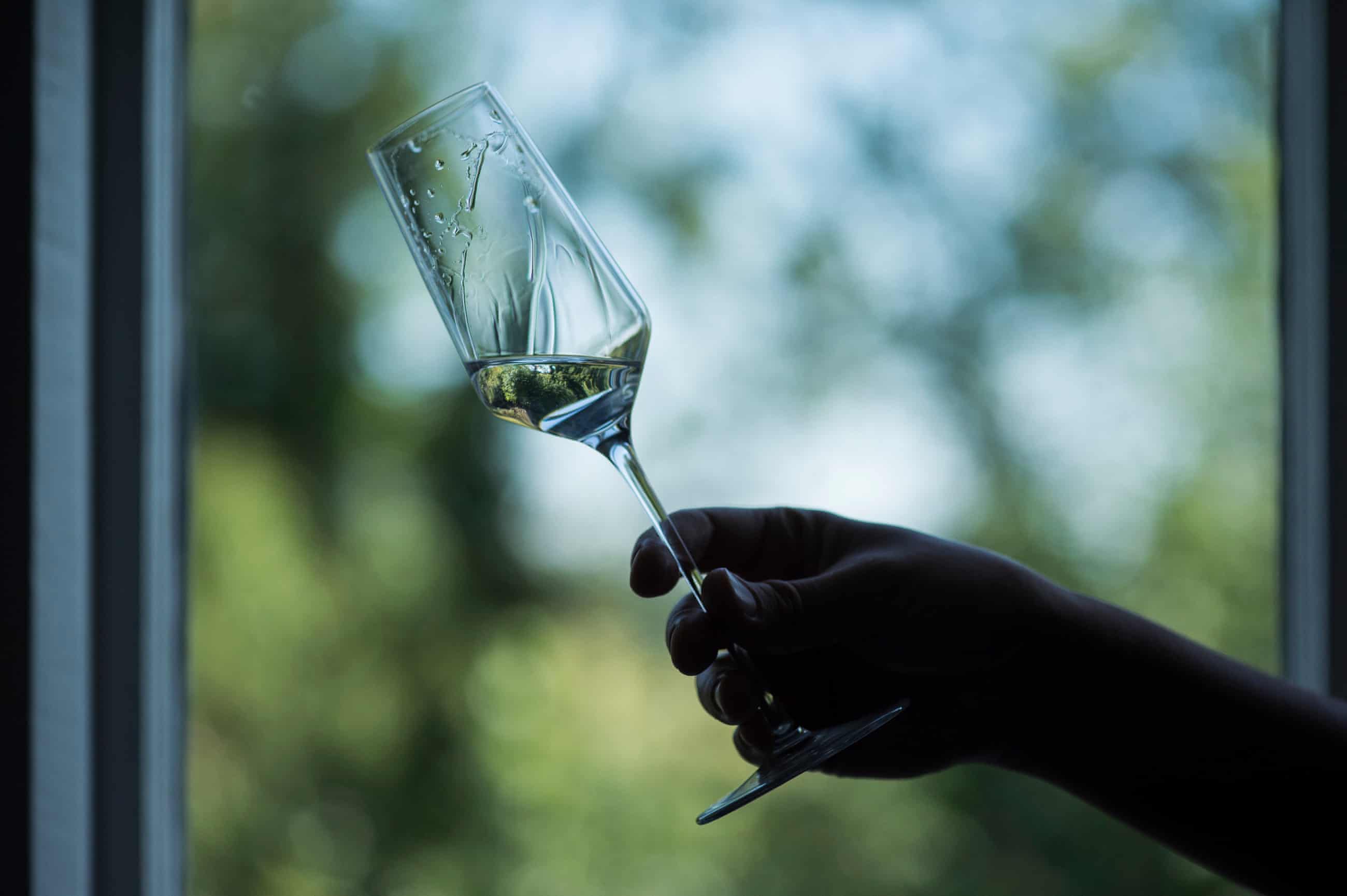
Nearly every European country has its own fruit brandy.Some are a bit agricultural so here’s a taste of the bestThe Guardian’s journalism is independent.We will earn a commission if you buy something through an affiliate link.Learn more.“I’ve had people burst into tears tasting these – it takes them straight back to a moment in their past.
” I have come to visit Barney Wilczak, an unusually soulful spirits producer, at Capreolus Distillery near Cirencester.We are surrounded by stainless-steel vats of his eau-de-vie, the clear, fragrant brandy that he distills from apples, gooseberries, cherries, pears, plums, raspberries, grapes, quince and various other fruits grown within a 35-mile radius of this sunny English hilltop.The Guardian’s journalism is independent.We will earn a commission if you buy something through an affiliate link.Learn more.
I say “distillery”, which might make you imagine something vaguely industrial, but we are in fact in his dad’s garage, while the still itself is in the shed.But the liquids? My goodness.Each 60-litre container represents around 4,000kg of fruit, all picked within a day of ripeness, wild-fermented over months into fruit wine, then triple-distilled to exacting specifications that vary fruit by fruit and batch by batch.Obsessive doesn’t cover it.When Wilczak made his first batch of raspberry eau-de-vie, he reckons he hand-graded 2m raspberries, rejecting any with even the slightest imperfection.
It’s not hard to see why fancy restaurants are so keen to add Capreolus to their after-dinner trolleys (uber-chef Anne-Sophie Pic was an early champion).A tiny finger dip taste of the raspberry version reminds me why we call these things spirits: it takes me right back to the bushes in my great-granny’s garden when I was four or five and is more like having some intra-species communion with raspberriness than merely drinking something raspberry-flavoured.If you’re thinking, “Wow, I bet that’s expensive,” well, yes, sorry.However, unlike many premium spirits, you can see precisely why it’s expensive (the pear and apple versions are just a shade easier on the wallet).And they’re so intense – like perfume – you can use them a little like cocktail bitters: a tiny drop utterly transforms a martini.
Wilczak opened in 2016 and his labours have since helped to focus interest on a category of spirits that is often overlooked,There are various styles of eau-de-vie made across Europe, often made domestically as a means of using up surplus fruit but sometimes hitting the heights of refinement,Kirsch, distilled from cherries, is a German/Austrian speciality; poire williams is an après-ski classic in Switzerland; slivovitz from plums is widely drunk across eastern Europe; Hungarian pálinka is a national obsession,It is perhaps the most purely agricultural spirit , an expression of its particular place and maybe closer to wine in this regard than most commercial spirits,Wilczak, a former wildlife photographer, sees his mission as capturing not only the fruit itself, but the entire orchard: the blossom, the bark, the soil, the sensory memory of all of the above.
“We are really reductive in the way we think about plants,” he says.“We say: this is the fruit and this is the plant, but that fruit has all the elements that make that plant, just in lower concentrations.”Luxardo Kirsch de Cuisine £17.34 (500ml) Tesco, 25%.You bought it for fondue, now try it in a rose: 50ml dry vermouth, 25ml kirsch, dash of grenadine.
G.Miclo Eau de Vie de Marc d’Alsace Gewürztraminer £53.25 (700ml) The Whisky Exchange, 45%.Outstanding Alsatian distiller; outstanding Alsatian grapeCapreolus Raspberry Eau de Vie 2024 £134 (375ml) The Whisky Exchange, 43%.Raspberries in four dimensions.
The others are all amazing, too.Somerset Apple Eau de Vie £19.95 (350ml) Master of Malt, 40%.Unaged apple brandy from fine Somerset producer.

UK undershoots annual borrowing target by £700m
The UK government budget came in below its annual borrowing target by £700m, official figures show – but the Iran war is likely to blow a hole in Rachel Reeves’s carefully calculated fiscal “headroom” over the coming months.The government borrowed a net total of £132bn for the financial year ending in March, the Office for National Statistics (ONS) said. This slightly undershot the £132.7bn that the Office for Budget Responsibility (OBR) had forecast just last month.The total was £19
Sainsbury’s boss urges government to help ease rising energy costs for food producers
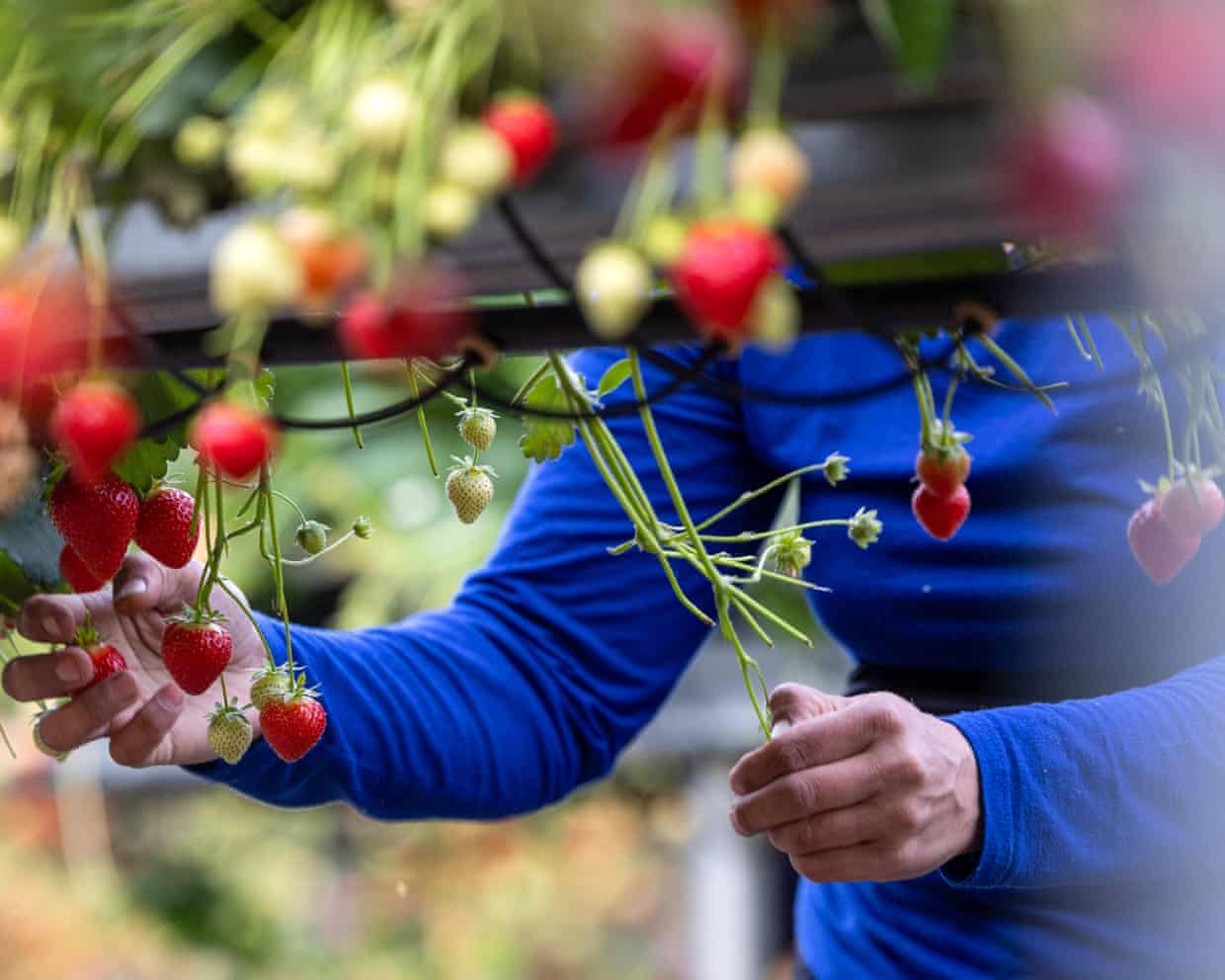
The boss of Sainsbury’s has called on the government to help ease the rising cost of energy for farmers, food producers and retailers caused by the conflict in the Middle East to prevent further price rises.Simon Roberts, the chief executive of the UK’s second largest grocer, said: “The single biggest thing the government could do to keep prices down is to make sure energy prices for the industry are not rising faster.”Referring to the expansion of support on bills for energy-intensive UK businesses announced by the chancellor last week, Roberts said: “Some sectors have seen those reliefs and it is now time to look at what’s possible in food [growing], manufacturing and retailing.”He said Sainsbury’s had not yet had problems with the availability of food, and that was being helped by the UK entering the season in which more food is home-grown. The growing season is in full swing in the UK but that takes a lot of energy to produce,” he said, highlighting the cost of heating polytunnels to produce fruit and salad vegetables, higher fuel costs to transport food from farms to shops, and the cost of running refrigerators
Iran war pushing up till price of some drugs by up to 30%, pharmacies warn
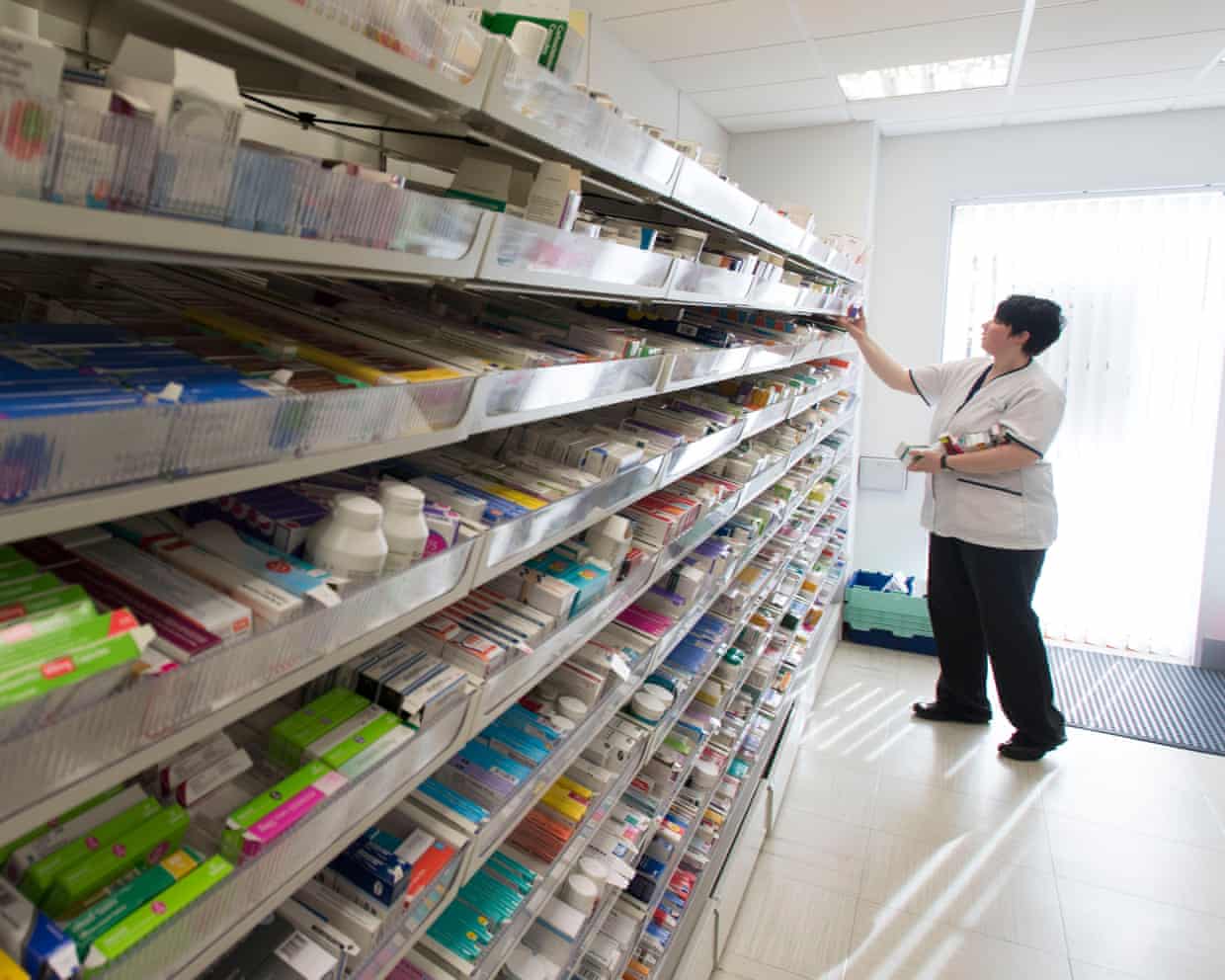
The war in Iran has pushed up the price of widely used medicines in England, including painkillers and hay fever medication, leading pharmacists have warned.Community chemists are charging customers 20-30% more for paracetamol than they did in February, according to the National Pharmacy Association (NPA), and many have run out of certain strengths of aspirin and co-codamol.Over-the-counter prices for cetirizine tablets, a common hay fever medication, are also estimated to have risen 20-30% in the same period.The jump in petrol and diesel prices since the war began nearly eight weeks ago has increased manufacturing and transport costs for medicine suppliers. These have fed through to pharmacies, which are paying 40-50% more to order in stock
Yes, retail investment needs a boost – but the squirrel looks too tame | Nils Pratley
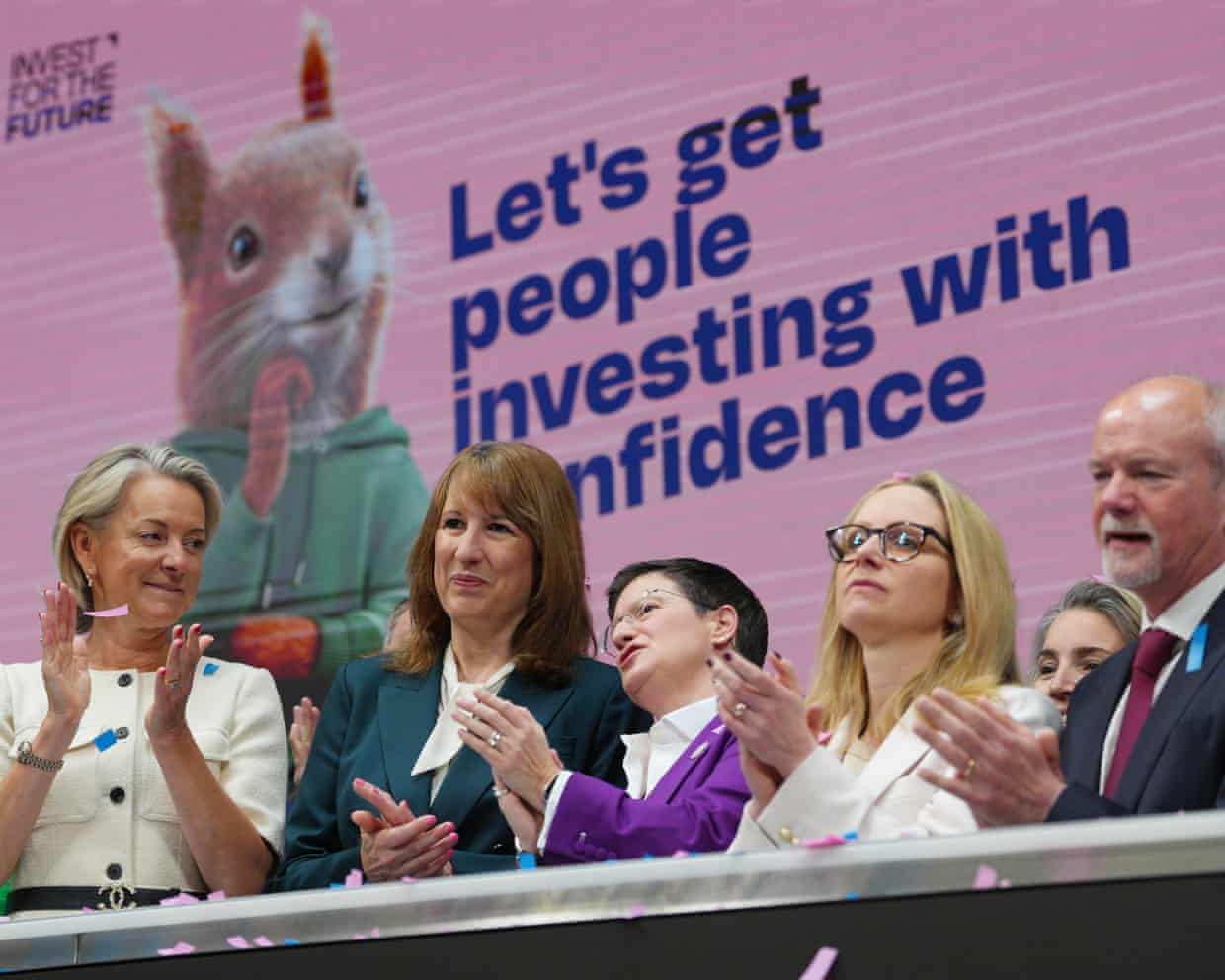
Red squirrel characters have a history in the public information game. Older UK readers may recall Tufty, who taught children about road safety in the 1970s. His chum, Willy Weasel, regularly got knocked down by passing cars but clever Tufty always remembered to look both ways.Now comes Savvy Squirrel, who, with backing from the chancellor and a multi-year lump of advertising spend from the financial services industry, will try “to drive a step-change in how investing is understood, discussed and adopted”, as the blurb puts it. In translation: don’t squirrel everything away in a boring cash Isa but try taking an investment risk or two if you value your long-term financial health
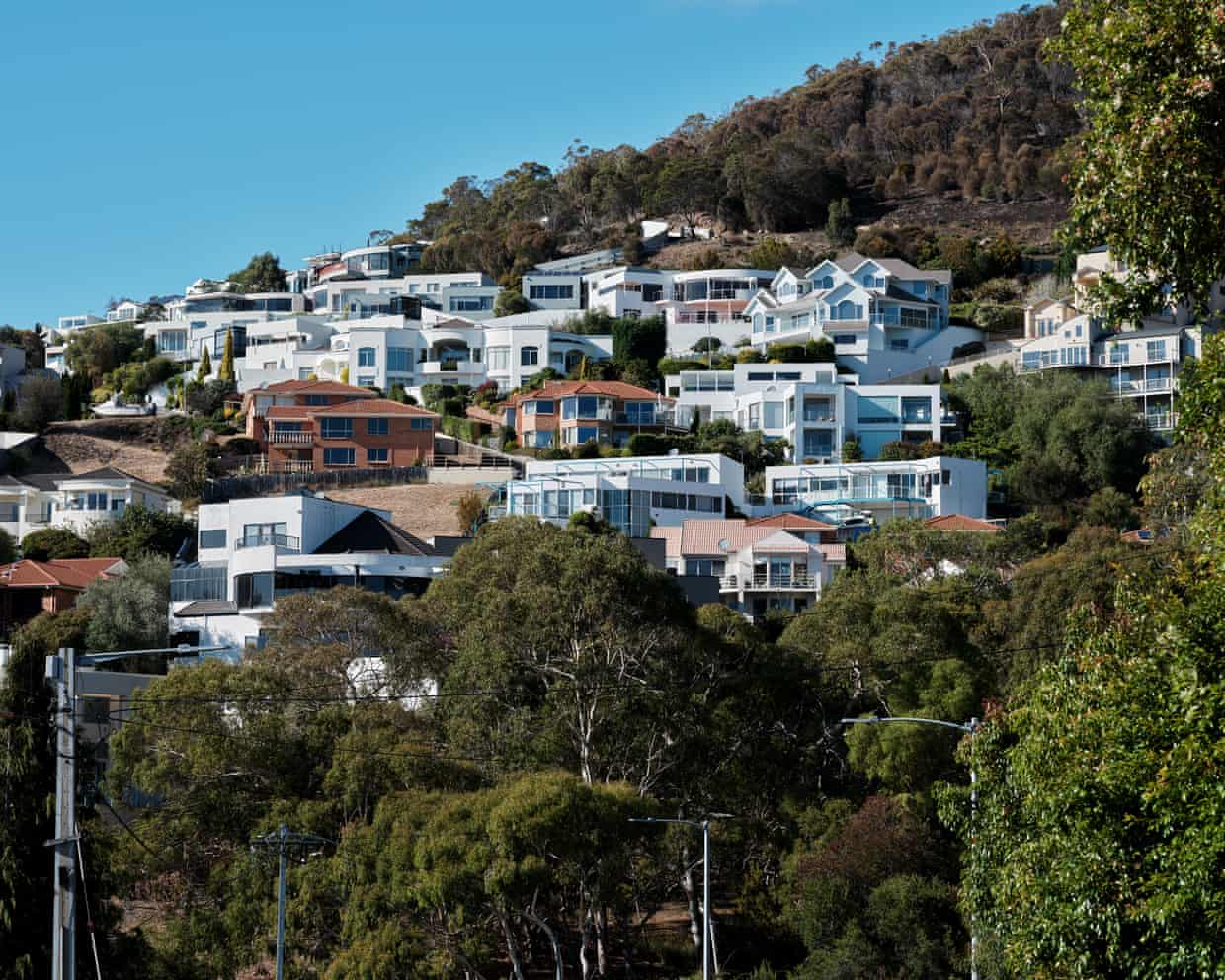
Capital gains tax changes are on the table, and yet Armageddon has not arrived. Has the tide on housing turned at last? | Greg Jericho
A funny thing happened on the way to the budget: changes to capital gains tax and negative gearing, which had for years been a no-go zone, are now looking likely.One of the first times I wrote about negative gearing was in 2015 when I covered the then treasurer Joe Hockey appearing on Q+A. He said negative gearing was needed because when the Hawke government scrapped it in the 1980s rental prices rose.He was wrong (and to be honest, this was not unusual – a lot of my columns back then involved arguing Joe Hockey was wrong). While rental price growth went up in Sydney and Perth, it didn’t in Melbourne, Brisbane or Adelaide
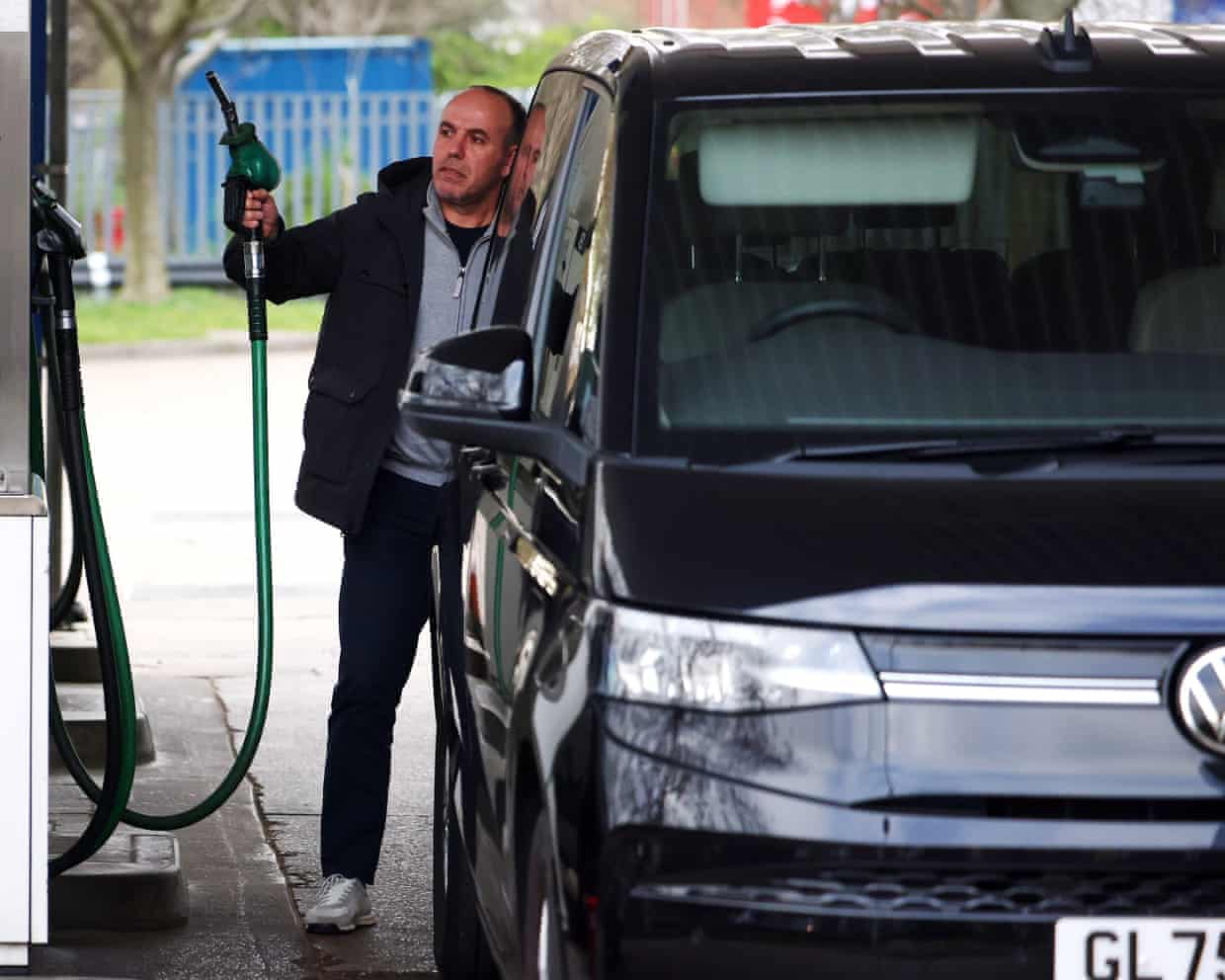
Middle East war ‘could wipe out 75% of chancellor’s budget headroom’; UK inflation climbs to 3.3% – as it happened
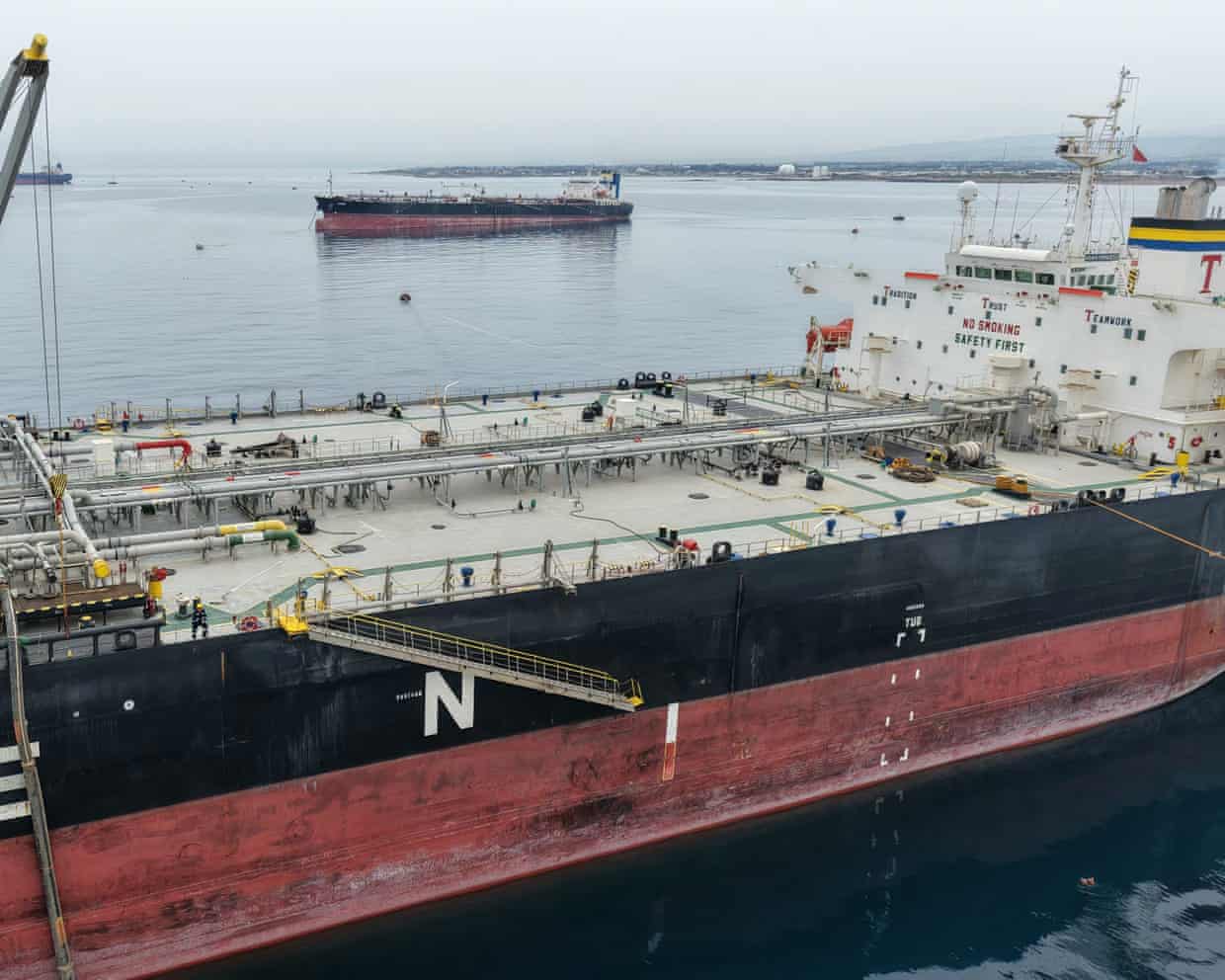
Oil prices have gone back above $100 a barrel again.Reversing earlier declines, Brent crude is now 2.1% ahead at $100.57 a barrel, after Iran seized two ships in the strait of Hormuz, tightening its grip on the strategic waterway. Overnight, Donald Trump extended the two-week ceasefire between the US and Iran, until Tehran comes up with a peace proposal
UK consumer confidence falls as people get ‘the jitters’; BP’s new chair suffers investor revolt – business live

American Airlines says soaring price of jet fuel will cost it $4bn this year
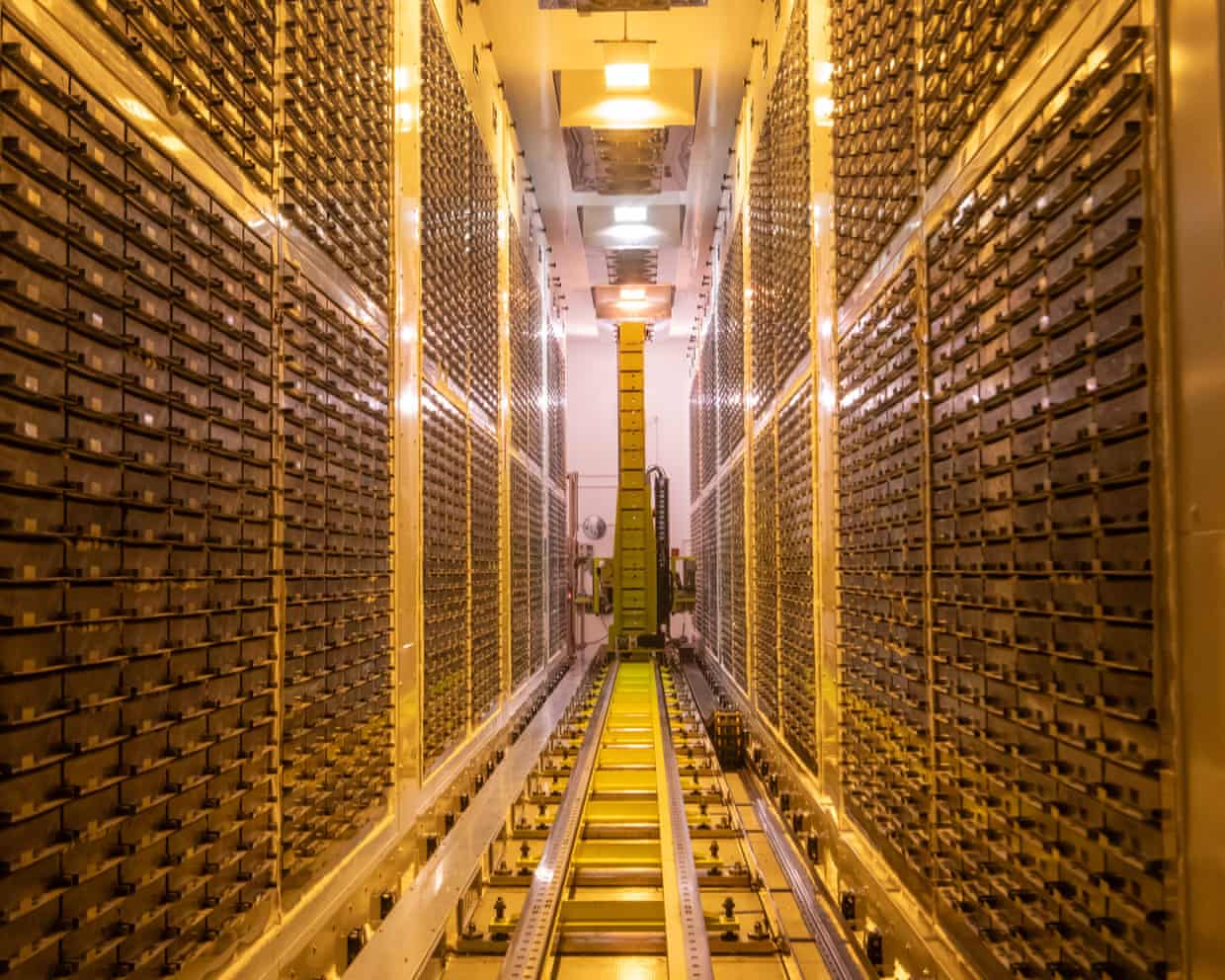
Private health records of half a million Britons offered for sale on Chinese website
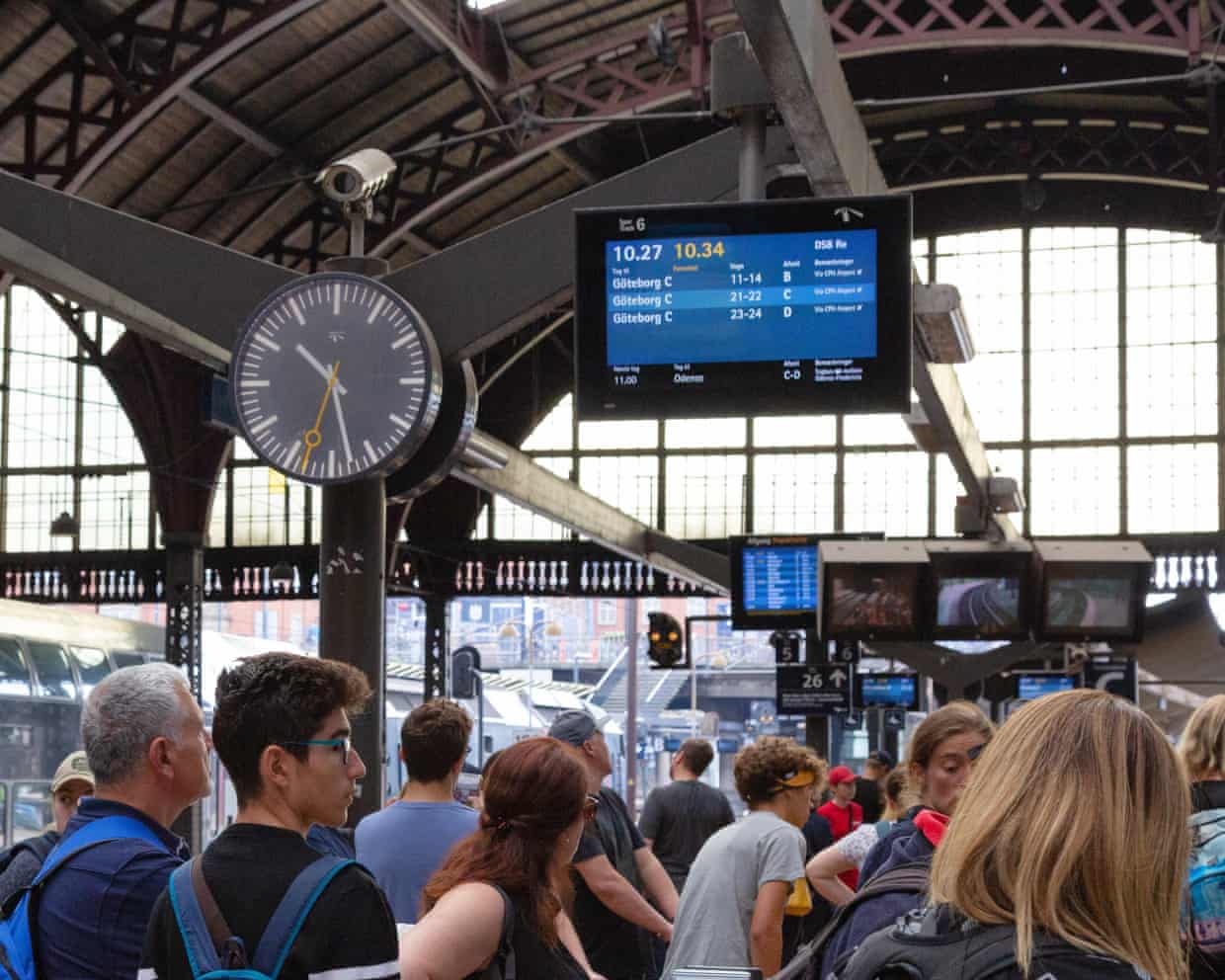
Some Interrail travellers told to cancel passports as hacked data posted online

Sportradar’s share price falls after reports claim it had links to hundreds of illegal gambling sites

‘Worth a thousand words’: Trump photo obscuring women’s tennis team sparks backlash