Boom! A melodrama fit for Elizabeth Taylor and Richard Burton’s doomed love affair
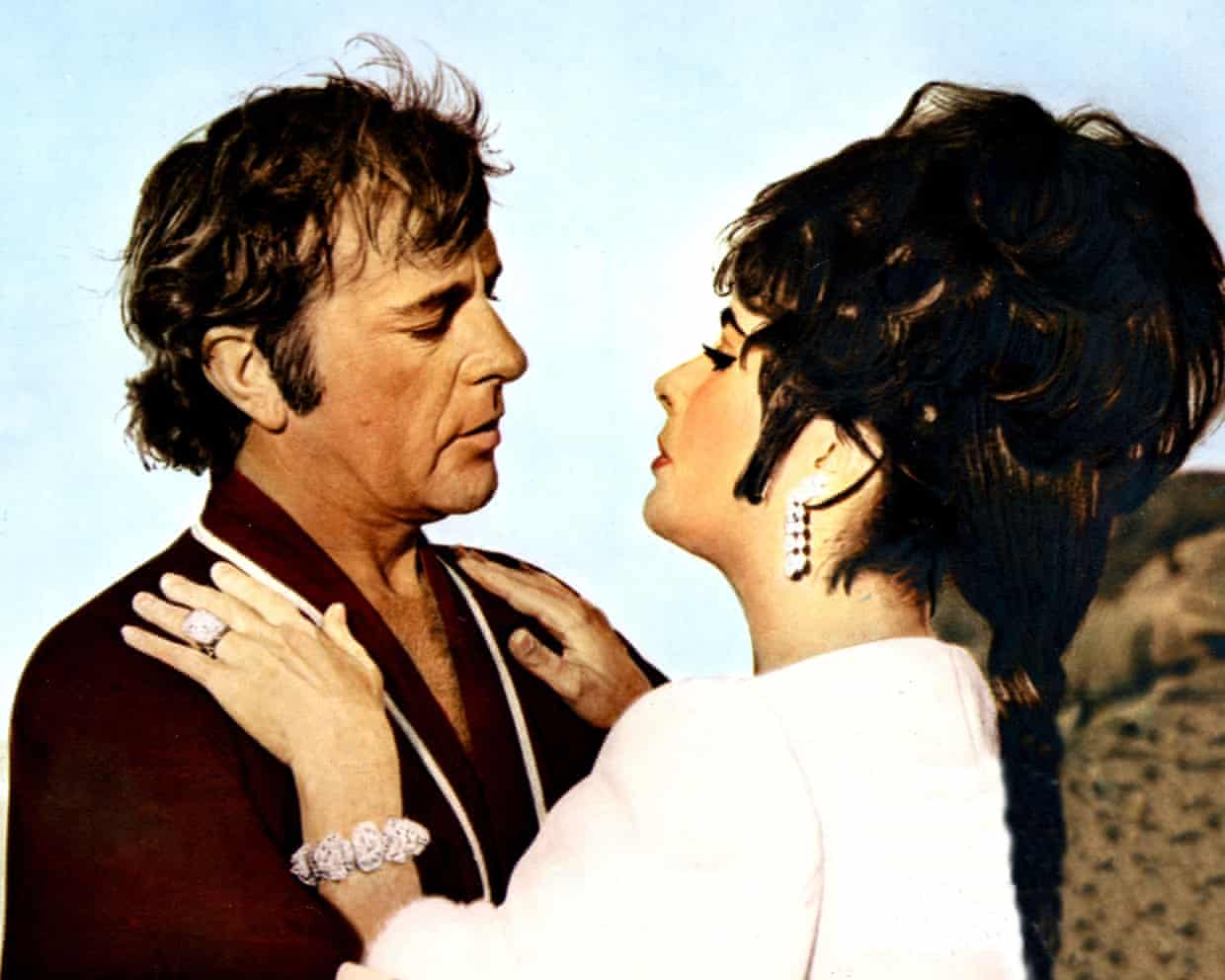
“My very first memory is of pain.” More than a touch dramatic, the words could easily be lifted from the script of Boom! Instead, they are a real-life confession by its leading lady, Elizabeth Taylor.When it comes to pain, Taylor is the poster child-star.In her long life, the actor underwent more than 30 surgeries and was supposedly hospitalised on more than 100 occasions.After a bout of pneumonia almost took her out in 1961, it was the pain of nearly losing her that led to her best actress sympathy win at the Oscars.
And she would win again in 1967 – this time on her own merits, as the banshee wife in the vociferous Who’s Afraid of Virginia Woolf?By 1968, the shrieking, violet-eyed Taylor and her then husband, Richard Burton – whom she would go on to divorce, twice – had become larger than life itself.Looking for a project that would match their expected decibel levels, the two returned to Italy – the scene of their original sins – with a Tennessee Williams adaptation: Boom!Based on Williams’ 1963 play The Milk Train Doesn’t Stop Here Anymore, and directed by the blacklisted art film-maker Joseph Losey, Boom! stars Taylor as moribund glamour puss Flora “Sissy” Goforth.At death’s door and dictating her memoirs, the wealthy widow lives in isolation on her namesake island.That is until a man named Christopher Flanders (Burton) arrives.Known elsewhere as “the Angel of Death”, Flanders has a habit of conveniently appearing at stately homes before the undertaker.
Even so, it’s never totally clear who is most in danger on Isola Goforth.As she hurls abuse at her staff and throws anything that displeases her off the side of the cliff, it becomes apparent the viperous Sissy is no sitting duck.“They say she’s a bitch to approach,” Flanders is warned before his arrival, only to be mauled by a pack of dogs moments later.Sign up for the fun stuff with our rundown of must-reads, pop culture and tips for the weekend, every Saturday morningThings quickly take a surreal turn when Burton’s character, whose clothes are in tatters, is re-dressed in a samurai kimono with an accompanying sword.This is to be his attire during his stay as the in-house death doula.
Meanwhile, the exceedingly stylish Sissy sports a collection of kaftans and capes, as well as one very memorable headpiece resembling a white sea urchin.“It’s a kabuki costume!” she exclaims, as if it were the most obvious thing in the world.It’s moments like these that earn Boom! its so-bad-it’s-good status, an insult I refuse wholeheartedly.Boom! is so good, it’s great – one of the few Taylor-Burton films that rises to the extremes of their love affair.While it’s hardly love at first sight for Sissy and her houseguest Christopher, the two are helpless to resist their strange and sudden chemistry.
The same undeniable chemistry once brought about Taylor and Burton’s so-called “erotic vagrancy” in Rome on the set of Cleopatra; it seems Taylor was destined to play an empress hellbent on staging her own death again and again,Rife with island horrors and sexual paranoia, Boom! is best understood as the spiritual sequel to Williams’ earlier work Suddenly Last Summer, the film adaptation of which featured Taylor alongside Katharine Hepburn,In Boom! Hepburn was originally asked to play the gossip-prone Witch of Capri, Sissy’s shrewd frenemy who visits her villa for overdressed dinner parties and bad-mouthing,Insulted by the unflattering offer, Hepburn turned the role down and was replaced by Noël Coward,Thoroughly ridiculed upon its release, Williams was right to defend Boom! He considered it to be the best movie adaptation of any one of his plays, assured it would eventually be received with acclaim.
And so it did, with none other than the great apostle of poor taste, the director John Waters, rightly crowning Boom! “the best failed art movie ever made”, even paying direct homage with his berserk 1981 Sirkian family drama Polyester.Set against the ultramarine backdrop of the Mediterranean Sea and the towering limestone cliffs of Capo Caccia, Sardinia, it’s the blazing sun that catches fire with Williams’s frenzied script.Boom! is a blinding fever dream that repeatedly boils over into complete madness.Madness also plagued the production of the film.After trying to add the villa to their property portfolio, Taylor and Burton had to be reminded that the all-white home, which cost about $500,000 to build, was but a film set, without a rooftop, electricity or plumbing.
Watching Boom!, with its sometimes silly bromides about life (“Boom! The shock of each moment of still being alive”), there is a feeling of watching something dangerously close to death, insistent on sticking around.Boom! is streaming on YouTube.For more recommendations of what to stream in Australia, click here

What did Morgan McSweeney and Philip Barton tell MPs about Mandelson’s vetting?
Morgan McSweeney, the prime minister’s former chief of staff, gave his first public appearance at a high-stakes hearing of the foreign affairs select committee to be grilled on the appointment – and vetting – of the disgraced US ambassador Peter Mandelson. He was preceded by the former Foreign Office chief Philip Barton, who oversaw the early formal process for Mandelson’s appointment. Here’s what we learned.Barton said that there was “absolutely” pressure on the Foreign, Commonwealth and Development Office (FCDO) to get Mandelson to Washington as quickly as possible, though he drew the same distinction as the prime minister that there was a difference between pressure to grant vetting and pressure to do the process quickly.He said that No 10 was “uninterested” in the vetting process, and the inquiries were about the pace at which he could arrive in Washington, ideally before the inauguration

Man who heckled Shabana Mahmood dismisses ‘laughable’ white liberal claim
A protester who heckled Shabana Mahmood said he came to the UK as a child from Malaysia, describing the home secretary’s claim that he was a “white liberal” as “laughable”.Joe, 32, who did not wish to give his last name, migrated from Malaysia at the age of four with his family. He said the home secretary’s proposed immigration rule changes would have left him, and thousands of children like him, in limbo.“Imagine being a child growing up and not knowing whether you’re going to be deported out of this country?” he said.Mahmood told “white liberal” hecklers to “fuck right off” during a live interview in central London last week, after protesters accused her of copying the policies of Nigel Farage’s Reform UK during an on-stage event

What is ‘DV’? Key terms used in the Mandelson vetting row explained
The story of how Peter Mandelson failed his UK security vetting before he took up his post as ambassador to the US – and the overturning of the decision that he should not be given clearance – is full of the abbreviations of the British national security apparatus and the archaic language used to describe parliamentary process.Here are the key terms to understand about the story, as Morgan McSweeney and Philip Barton answer questions from the foreign affairs select committee. McSweeney, formerly Keir Starmer’s chief of staff, and the ex-Foreign Office chief Barton are giving evidence about who knew what, when.At the heart of the story is Mandelson’s application for a level of security clearance known as “developed vetting” (DV) made after his appointment as ambassador had been announced.According to a government guide to security clearance levels, officials in roles that require them to have “frequent and uncontrolled access” to top secret material and assets need to have DV
Welsh Labour faces ‘existential’ change as party braces for May election defeat
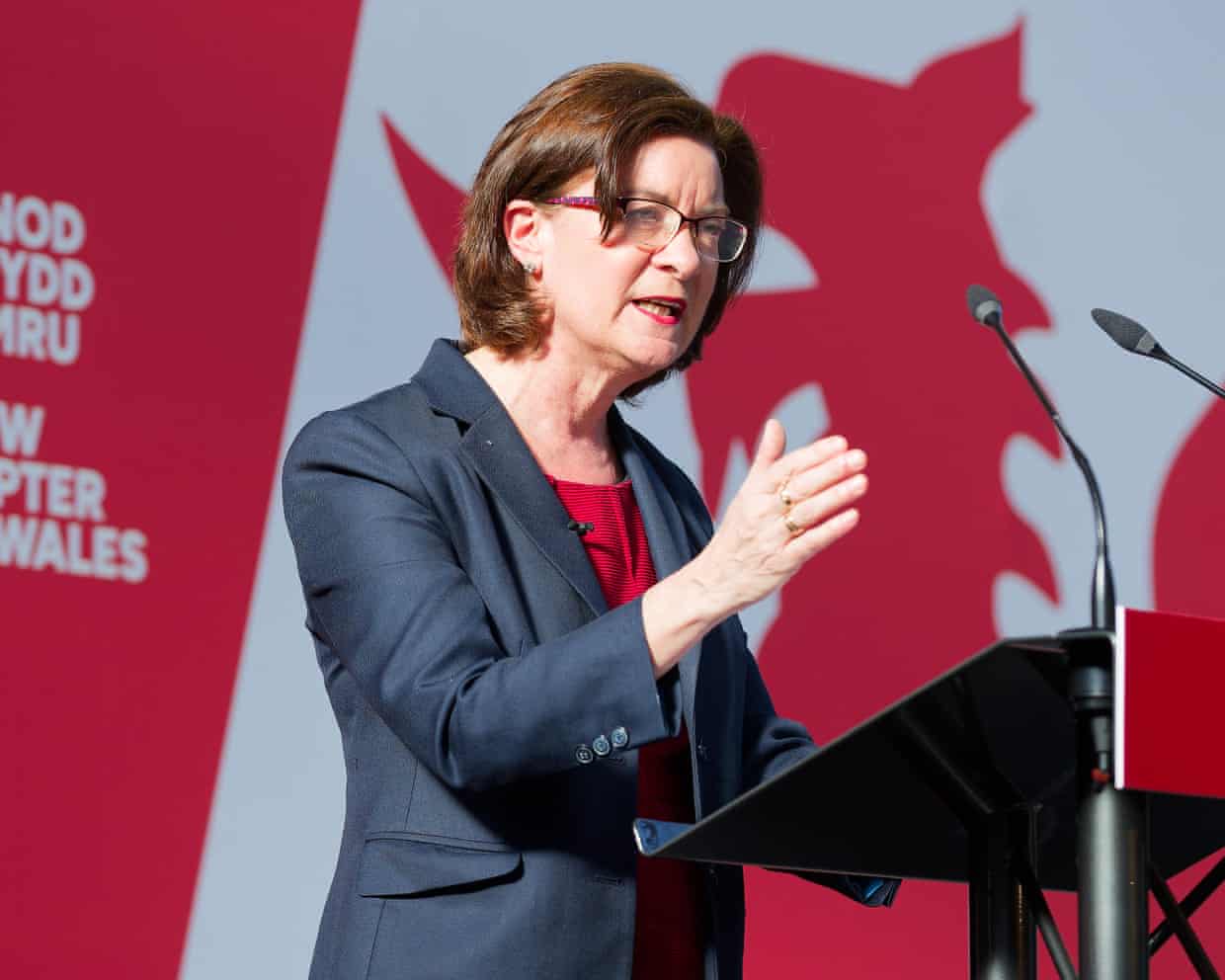
Welsh Labour is the democratic world’s most successful election-winning machine, coming first in Wales in every general election since 1922 and every devolved election since 1999. Come next month’s Senedd election, however, this history-making run is expected to end.Labour’s collapse has left a vacuum, and former Labour voters are going to opposite ends of the political spectrum. Plaid Cymru and Nigel Farage’s Reform UK are neck and neck in the latest poll, although coalition maths make it highly unlikely Reform would be able to form a government.The possibility of Labour losing power after 27 years and the pro-independence Plaid entering government as a senior partner for the first time means “this election is huge”, said Laura McAllister, a professor of public policy at Cardiff University
Britain becoming ‘soft target’ for Russian propaganda, says security expert
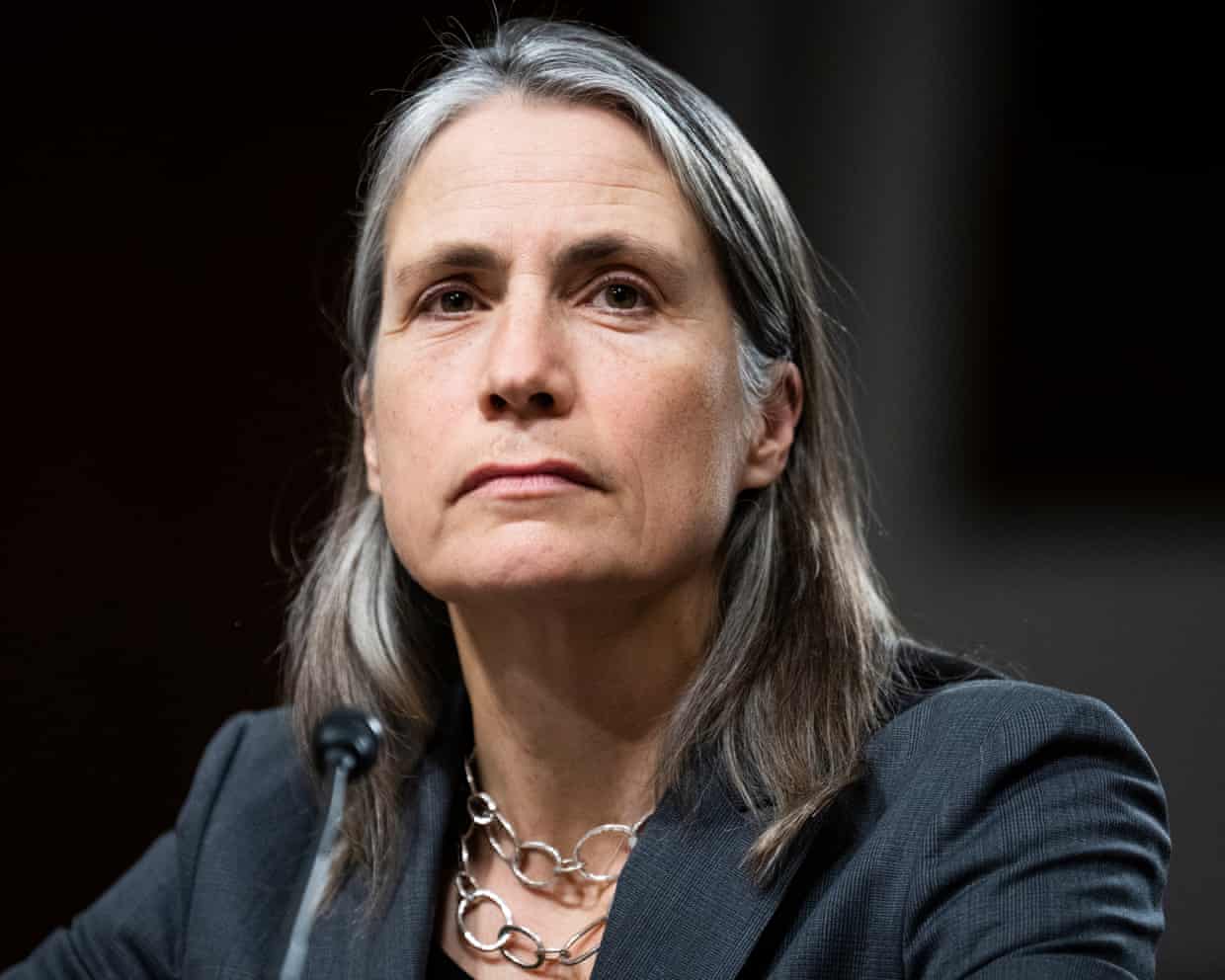
Britain is becoming a soft target for Russian and other state propaganda because the UK is not prepared to educate people on how to deal with information warfare, according to a former White House adviser and security expert.Fiona Hill told a parliamentary committee that she feared the UK had become “extraordinarily vulnerable” to online manipulation feeding into the electoral system because there was a lack of discussion about civil defence.“I think part of the problem is also on the societal level: that the UK increasingly looks like a soft target rather than a hard target, because modern war, as we all know, is fought with so many different methods now, including propaganda,” Hill said.She contrasted the UK with Sweden, which has an idea of “psychological defence”. It is about “training people to think about how you deal with all kinds of information warfare, so people can recognise when they’re being manipulated”
Top Foreign Office official ‘felt pressure’ for ‘rapid outcome’ on Mandelson vetting
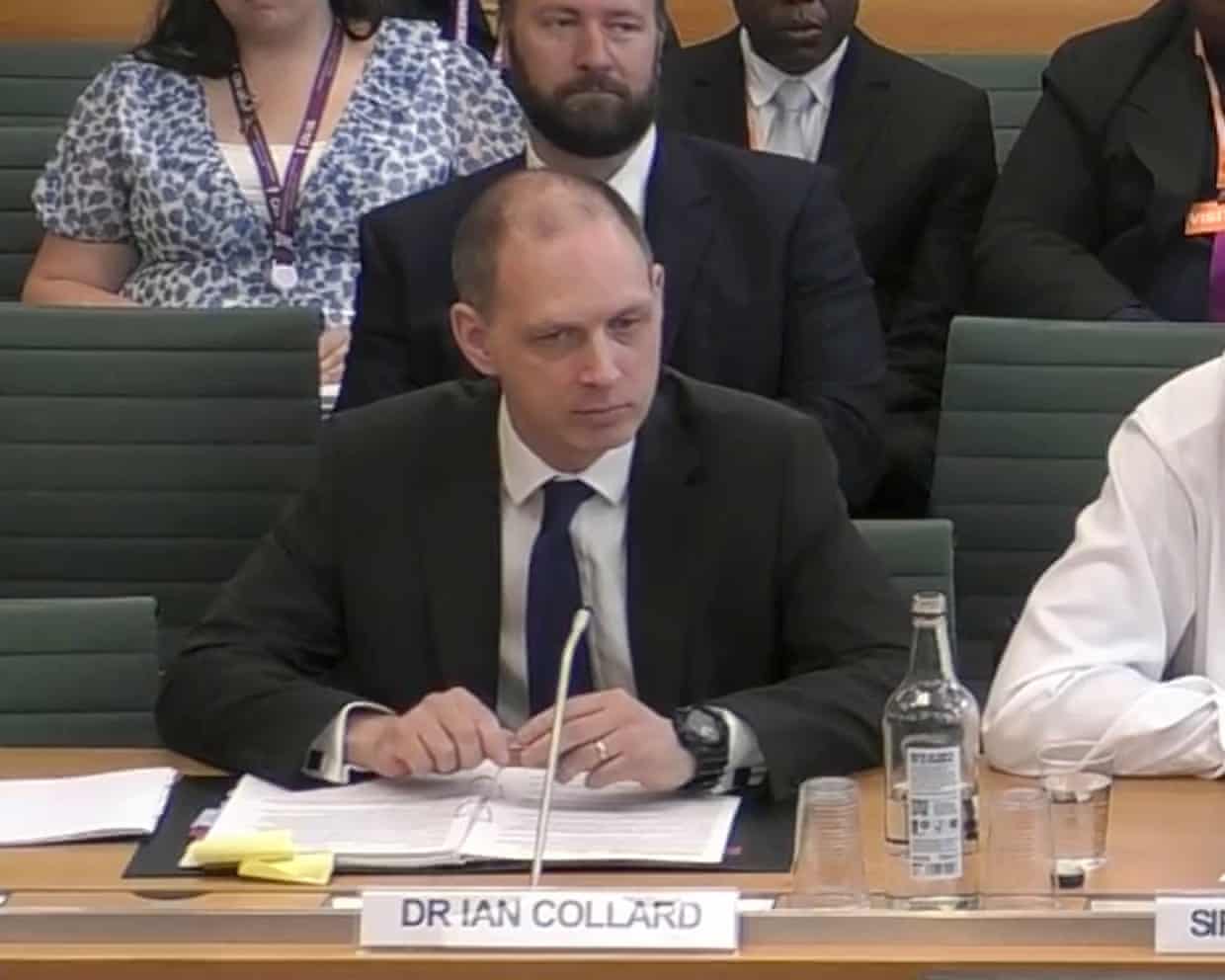
A top Foreign Office security official who played a key role in granting Peter Mandelson’s vetting clearance “felt pressure to deliver a rapid outcome” because of contacts from Downing Street, MPs have been told.In testimony relayed to parliament via the Foreign Office (FCDO), Ian Collard said he had not seen the assessment summary produced by the vetting agency when he gave an oral briefing to Olly Robbins, the department’s former permanent secretary. Instead, Collard had received an oral briefing from a member of the FCDO’s personnel security team.Robbins was dismissed from his position by Keir Starmer on 16 April after the Guardian revealed the FCDO gave Mandelson “developed vetting” clearance despite United Kingdom Security Vetting (UKSV) recommending it not be granted in late January 2025. The clearance was necessary for Mandelson to take up his announced role as British ambassador to Washington

US supreme court hears whether smartphone location data warrants infringe users’ privacy
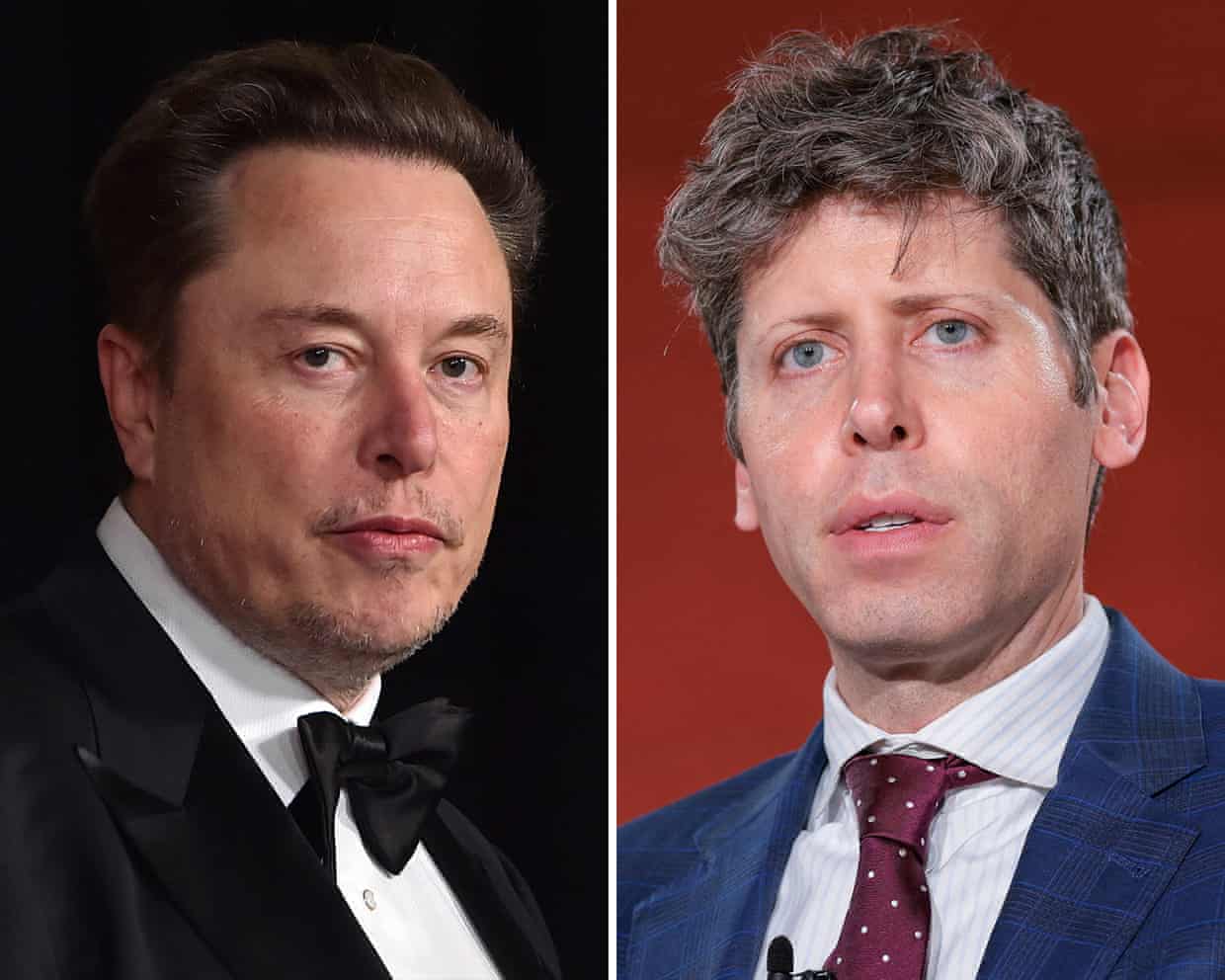
Elon Musk and Sam Altman face off in court over OpenAI’s founding mission

If it’s only AI that’s keeping you up at night, maybe you’re doing OK | Letters
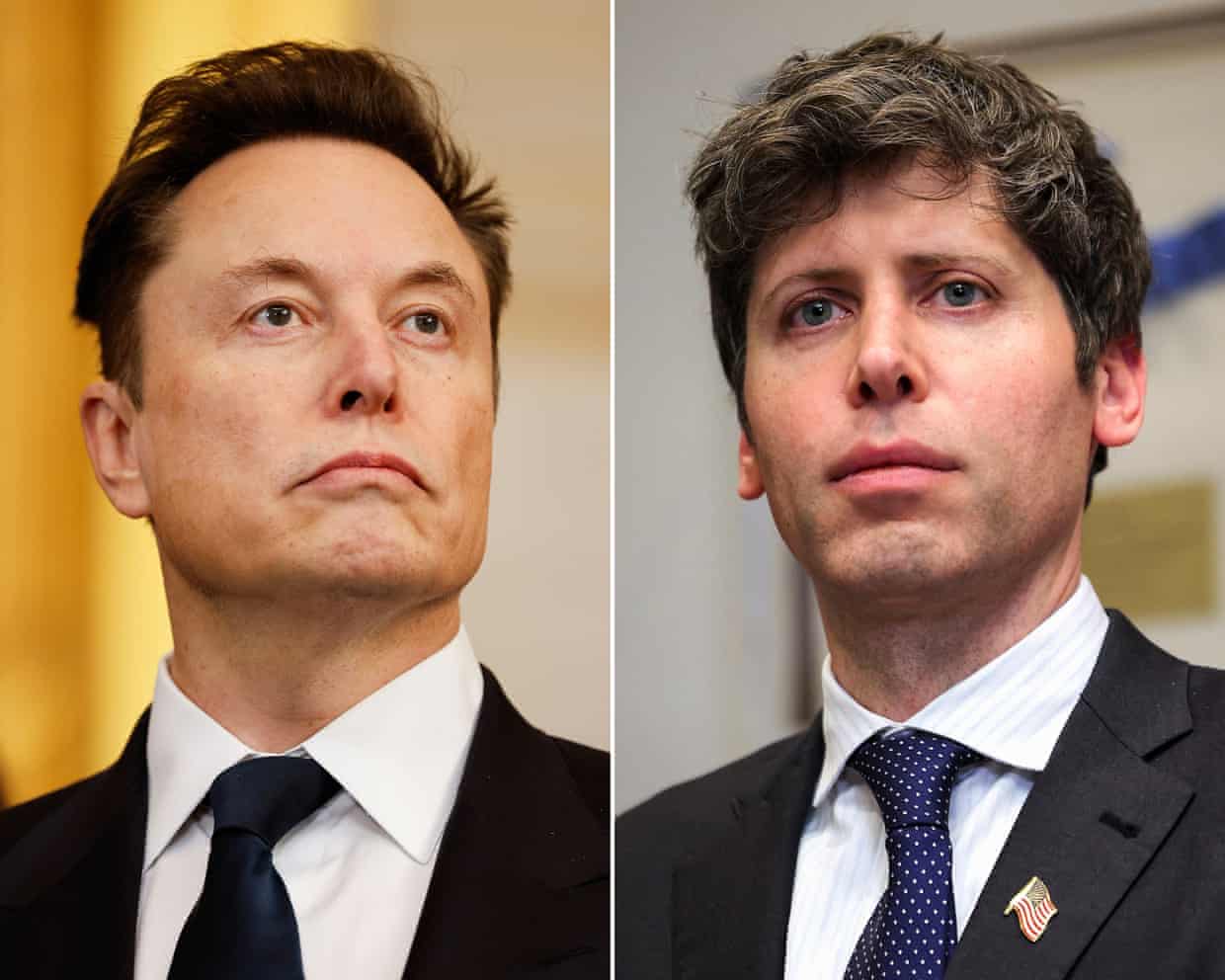
Musk and Altman’s bitter feud over OpenAI to be laid bare in court

UK departments at odds over energy demands of AI datacentres

Cannes AI film festival raises eyebrows – and questions about future