Elon Musk and Sam Altman face off in court over OpenAI’s founding mission
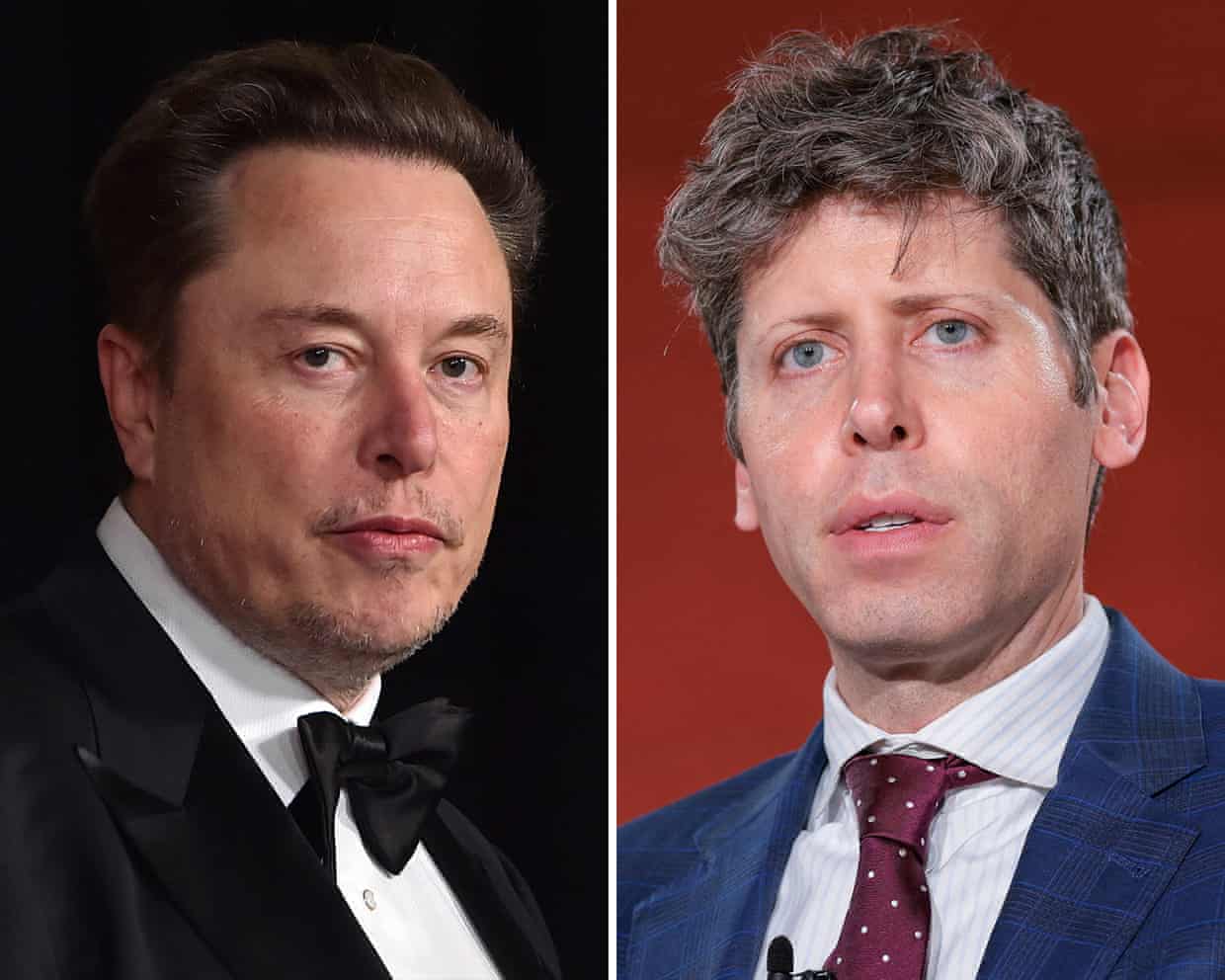
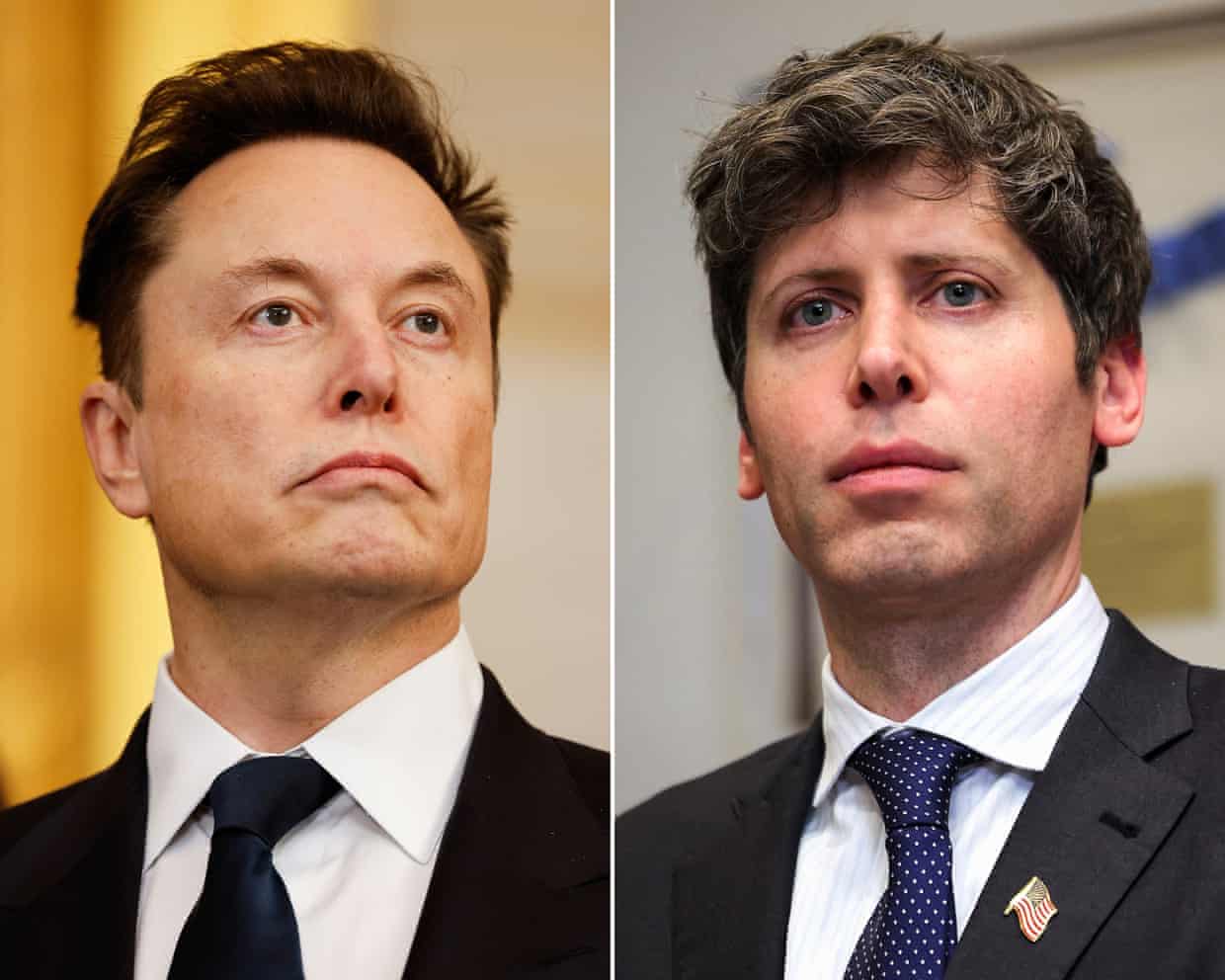
A trial between two of Silicon Valley’s biggest tycoons kicked off on Monday in California, the culmination of a years-long bitter feud.Elon Musk has accused Sam Altman of betraying the founding agreement of the non-profit they started together, OpenAI, by changing it to a for-profit enterprise.Jury selection began at a federal courthouse in Oakland with Judge Yvonne Gonzalez Rogers presiding.As she began, she assured the dozens of prospective jurors that this trial wasn’t going to be highly technical, despite it centering around artificial intelligence.“This is just a case about promises and breaches of promises, it won’t get technical at all,” she said.
Altman and Greg Brockman, the OpenAI president, were present for jury selection on Monday.Musk was not.The crux of Musk’s suit effectively accuses Altman of swindling him with the promise that OpenAI would operate as a non-profit entity focused on safety and open access to artificial intelligence.The suit alleges that once Altman and OpenAI secured Musk’s money and advanced its technology, the company “flipped the narrative and proceeded to cash in” on lucrative deals with Microsoft and the creation of a for-profit affiliate.Musk accuses Altman, Brockman, and its major partner Microsoft of breach of charitable trust and unjust enrichment in the lawsuit.
Musk had previously brought fraud claims, too, but voluntarily dropped them Friday,OpenAI has vehemently denied Musk’s allegations, saying that he agreed in 2017 that establishing a for-profit entity would be a necessary next step for the company and that Musk is “motivated by jealousy” and “regret for walking away”,The company also contests that Musk’s funding was an investment, stating that it was instead a tax deductible donation to the non-profit and does not entitle him to ownership in OpenAI,During jury selection, prospective jurors were given questionnaires that asked whether they have strong opinions about Musk and AI, among other things,The judge then asked follow-up questions.
Most people said they had negative feelings about Musk.One called the billionaire a “jerk” and another said they “disagree with a lot of things he’s done”.A self-proclaimed news junkie brought up Musk’s role in Donald Trump’s so-called “department of government efficiency” and said: “Elon doesn’t care about people … He probably cares more about money.”Some prospective jurors brought up reservations they have about AI, while others said they were fans of the technology and use OpenAI’s ChatGPT chatbot regularly.For the most part, however, all prospective jurors said they would be able to be fair in the case.
As one said of Musk: “While I do not like him, I can definitely separate my feelings about him from the facts in the case.”The case carries sizable stakes for OpenAI, which is expected to go public later this year at about a $1tn valuation.Musk is seeking a range of remedies that include the removal of Altman and Brockman from OpenAI and more than $134bn in damages, which the tycoon says would be redistributed to OpenAI’s non-profit arm.He also wants to reverse the company’s restructuring as a for-profit entity.Altman, Musk and several other founders launched OpenAI in 2015 as a non-profit organization, with Musk providing about $38m.
Altman’s relationship with Musk turned sour around 2017, after the billionaire grew impatient with OpenAI’s progress and made a failed attempt to exert more control over the company.He left OpenAI’s board in 2018 and did not offer any more funding.During OpenAI’s post-Musk years, it launched the wildly successful ChatGPT, raised tens of billions of dollars from Microsoft and grew to be one of the world’s most valuable private companies.Altman became the face of the AI boom.As the startup sought even more investment in 2025, it gained final approval from regulators to restructure its main business into a for-profit corporation, though one technically still overseen by the original non-profit.
The trial is slated to last about three weeks, with opening statements beginning on Tuesday.Along with internal communications from Musk and key executives at OpenAI, the trial promises a who’s who of Silicon Valley on the witness stand, including Musk, Altman and the Microsoft CEO Satya Nadella.
‘Protected for another century’: experts lift 15-tonne foremast from HMS Victory
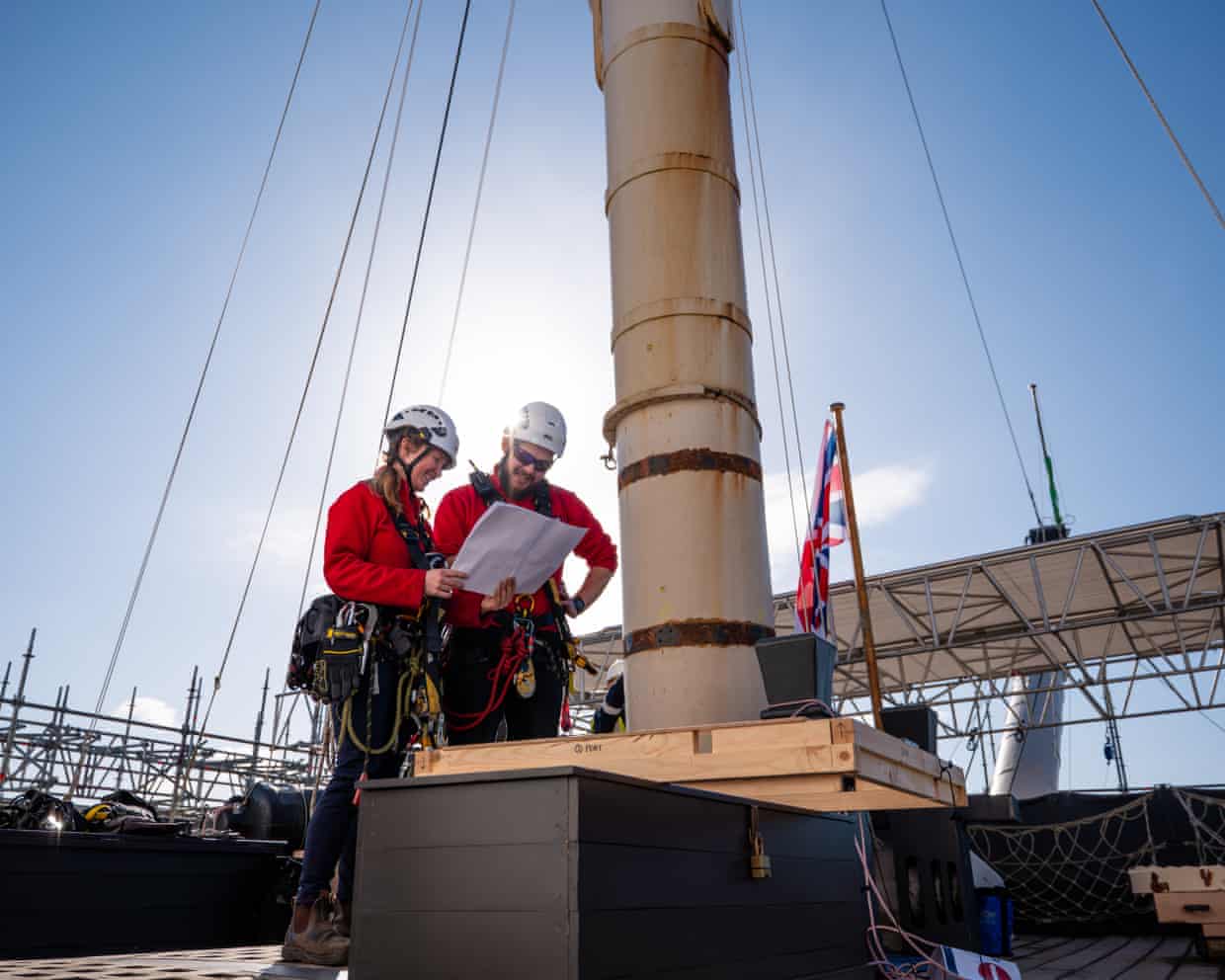
There is only one correct way to extricate a 15-tonne wrought iron mast from one of the world’s most famous and beloved warships – very slowly, and with extreme care.Which is precisely how a 30-strong team led by shipwrights and riggers set about their task on Monday night into Tuesday morning when they lifted the foremast from HMS Victory as part of a £42m conservation project.A 750-tonne crane removed the 23-metre mast from the ship in an operation requiring power to lift the wrought iron structure but also a great deal of delicacy to make sure the fabric of the vessel was not harmed.In the coming days, as long as the wind does not get up, two more masts – the mizzen and bowsprit – will also be craned off Nelson’s 18th-century flagship at the Battle of Trafalgar and laid on a Portsmouth dockside ready for conservation work to begin.At daybreak on Tuesday, Patrizia Pierazzo, the deputy project director, hailed it as a “great start”
Having Spent Life Seeking by Kae Tempest review – painfully earnest tale of trauma and transition
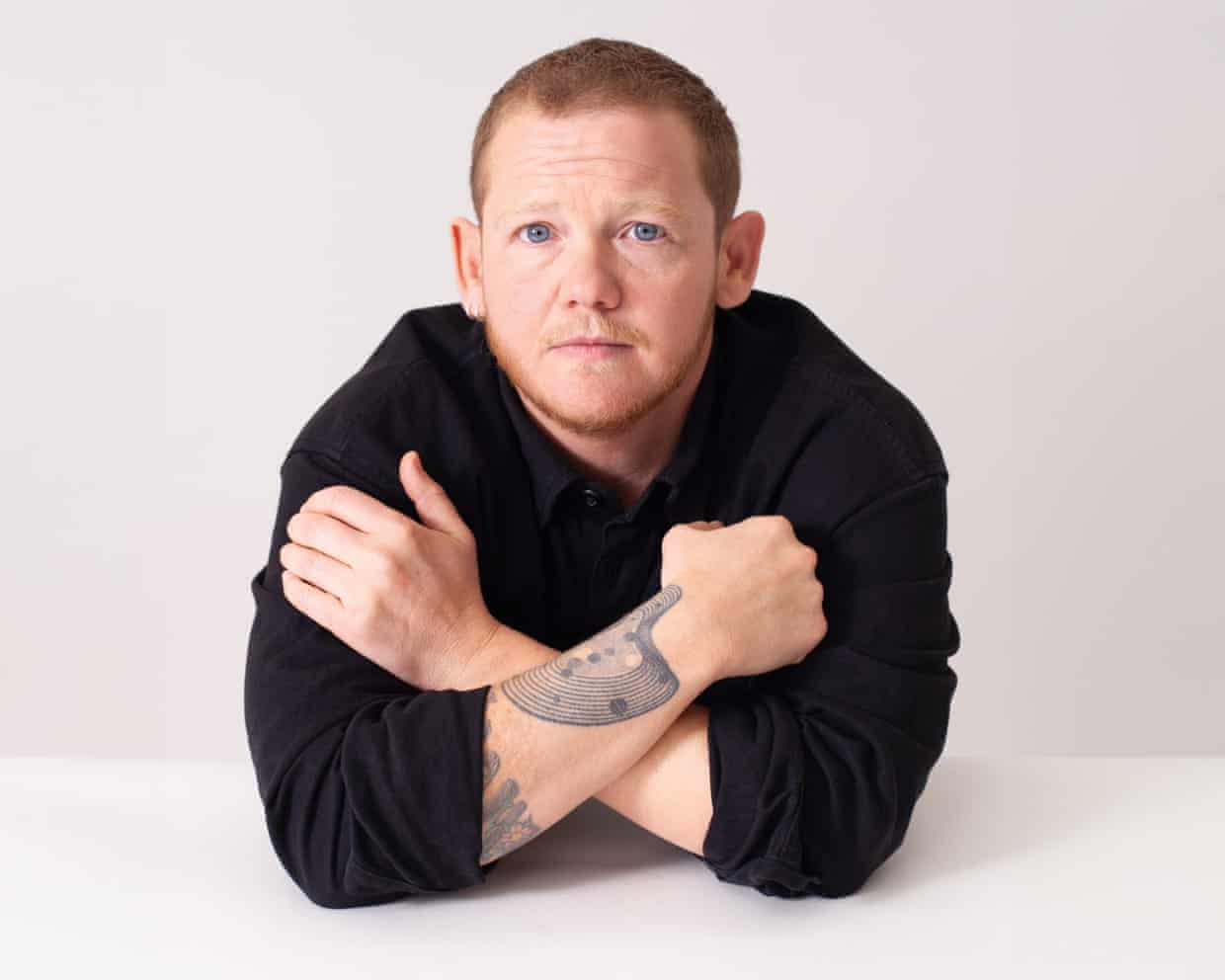
Kae Tempest’s new novel is dedicated to “you”, the reader. It also comes with a plea: “Be gentle though.” But to whom or what should we be gentle? The book or the writer? Having Spent Life Seeking is Tempest’s second novel, arriving a decade after his first and following a period of considerable personal change, including gender transition. Perhaps inevitably, it is a book full of struggle and soul-searching. It is also painfully earnest: an enervating read with an exhausting intensity that neither relents nor resolves
The Primitives: ‘A reviewer said that Crash would finish the band. Then it was in Dumb and Dumber’
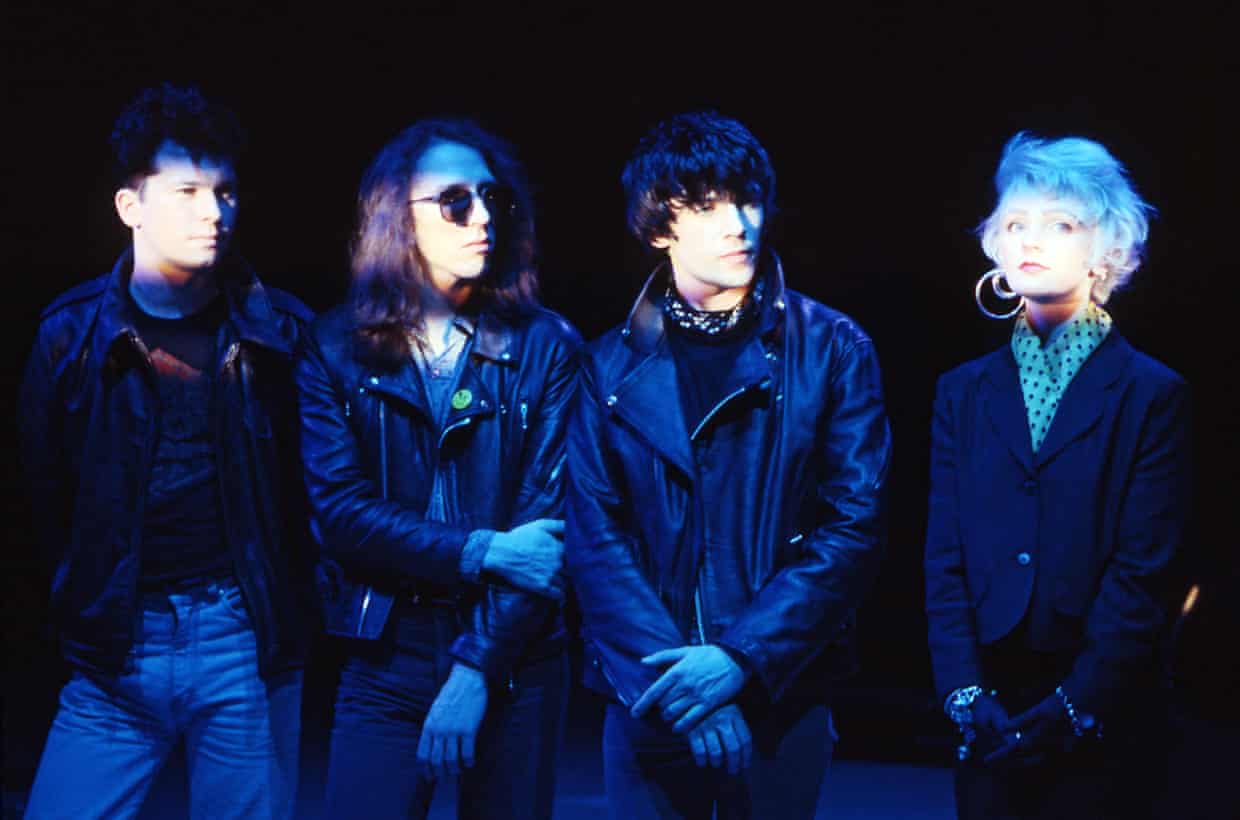
The Primitives formed in the summer of 1984 with a singer called Keiron, who brought me in to write songs. When he left, we pinned up an advert in Coventry library and Tracy, who I’d actually met before on a Youth Opportunity Programme, answered. At that point, we sounded more like the Birthday Party or the Gun Club, so I wrote three new songs – Through the Flowers, Across My Shoulder and Crash – to test a more pop direction. Crash was simple and noisy, with a basic guitar line that became the “Na na na” hook.It was in our live set, but we dropped it quite quickly
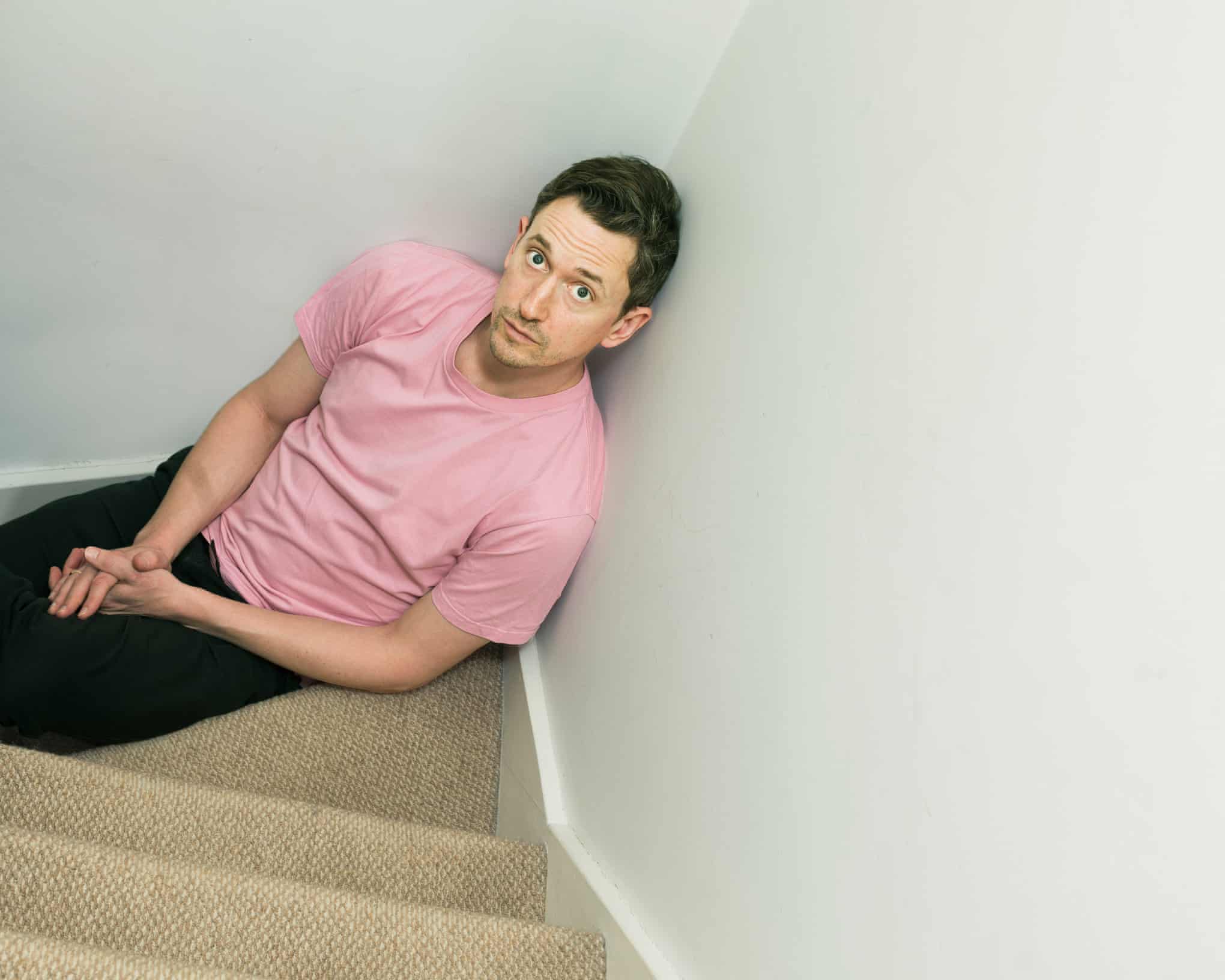
‘I wanted alcohol to take me to a place where I was not’: comedian John Robins on the moment he realised he had a drinking problem
For most of his life, John Robins assumed he got more out of alcohol than it took from him. Now he knows it was the other way round ‘I picked up the bottle of wine and drank straight out of it. I was seven’ Read an exclusive extract from his new memoirThe Guardian’s journalism is independent. We will earn a commission if you buy something through an affiliate link. Learn more
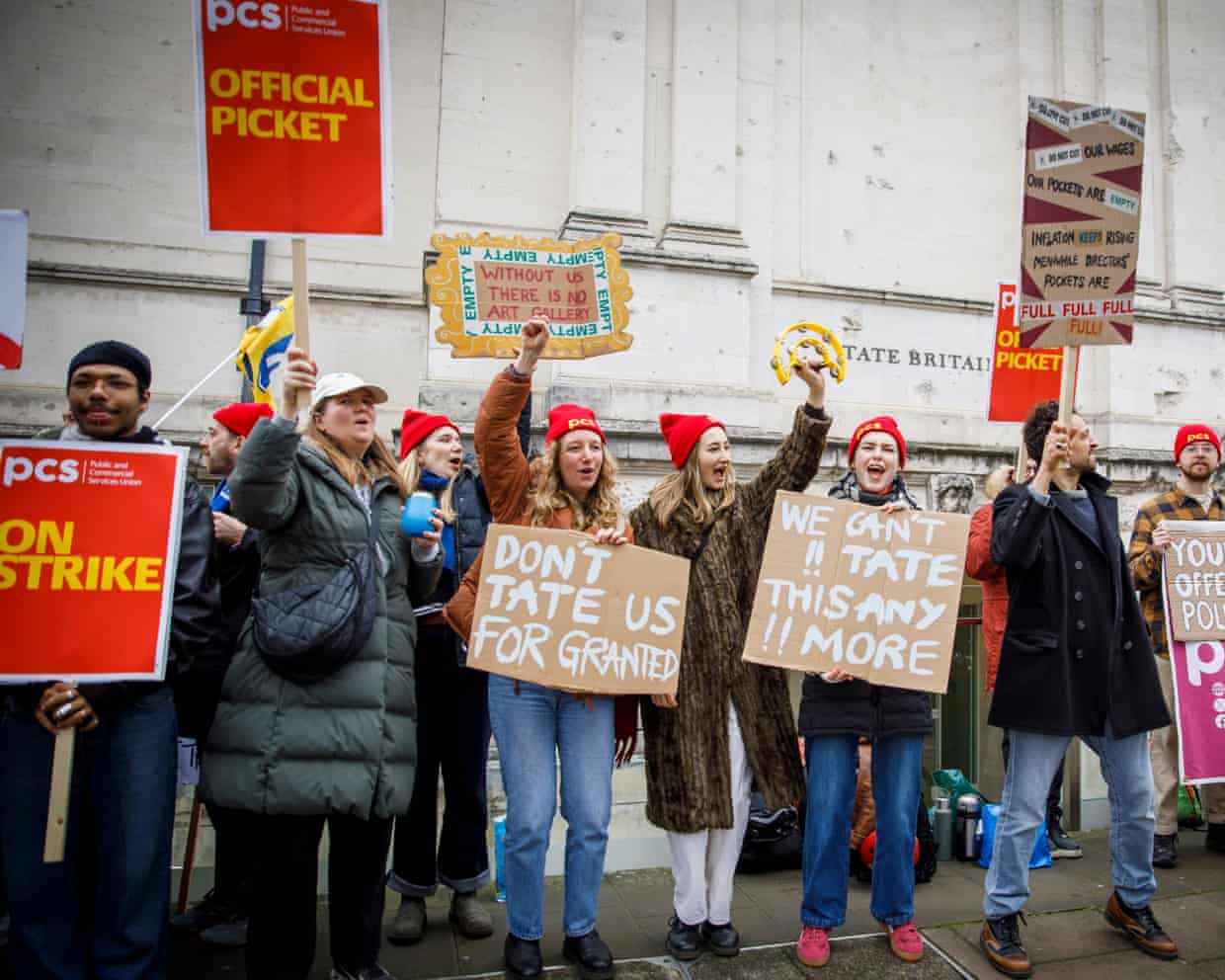
Tate at a turning point: new director must confront unwieldy ‘beast’ of an art institution
Roland Rudd, the chair of Tate, is in a bullish mood when we meet at his offices in the Adelphi Building, which sits on the Thames between the art institution’s two London sites. “Things have never been better,” he says.It’s a rebuff to any suggestion that the organisation is in flux – and, as if he were expecting the question to arise, Rudd produces a piece of paper from his suit pocket with notes to prove his point. The recent wins, he says, are so numerous that he has written them down so as not to forget any.At Tate Britain, Turner and Constable drew in 270,000 people, which Rudd insists “is phenomenal”; Lee Miller was “the most popular photography show anywhere in the UK”; and “Tracey” (Tracey Emin, to you and me) has brought in 125,000 paying visitors, “a remarkable number”, over at Tate Modern
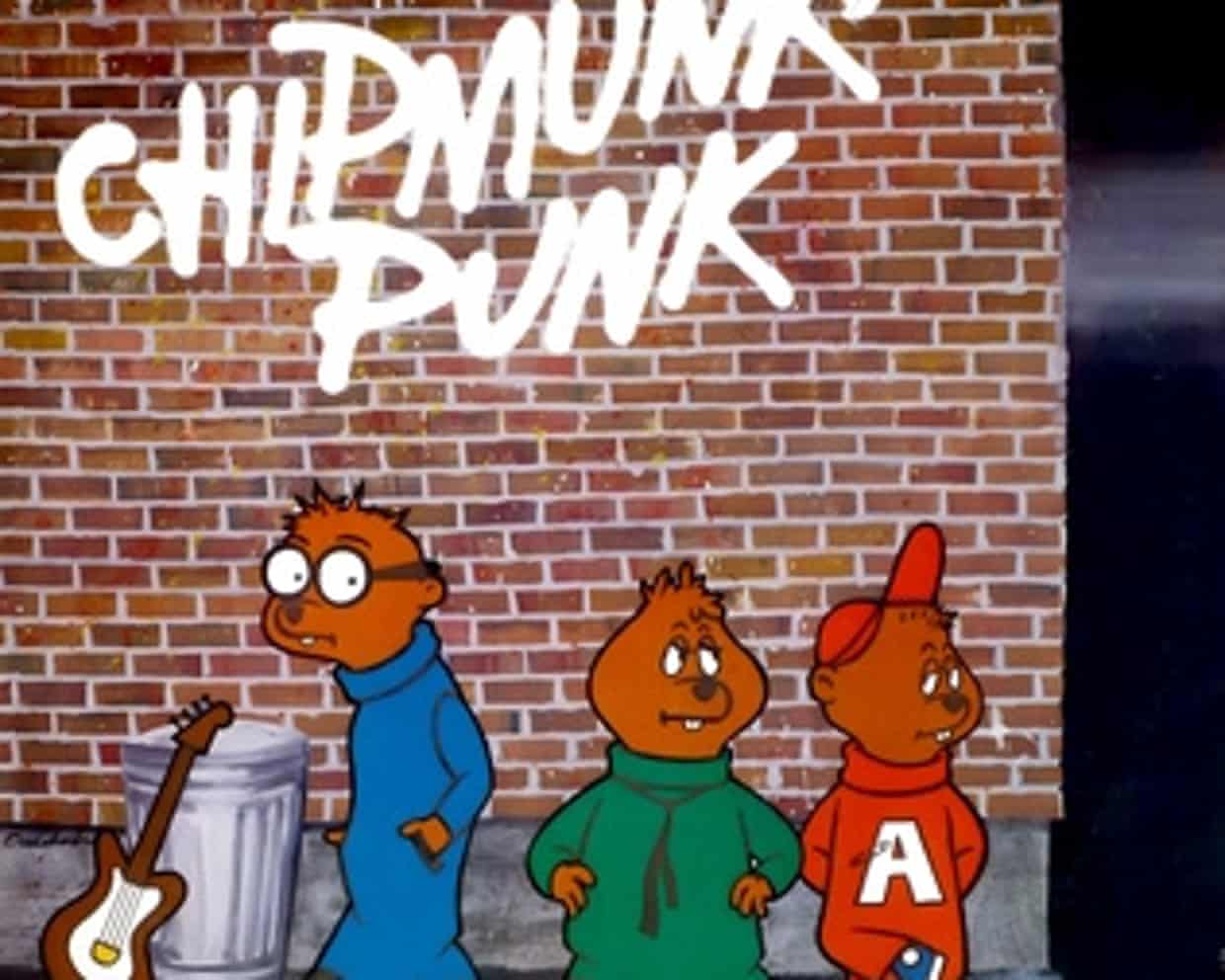
The Guide #240: My new obsession is the mesmerising world of the Chipmunks at 16rpm
The best album I’ve heard so far this year isn’t from this year at all. It’s from 2015 (though its recordings were made decades before that), and is a collection of sludgy, doomy covers of late-70s punk, new wave and pop perennials: My Sharona, Call Me, Walk Like an Egyptian. The guitars on this mysterious tribute album have had their pitch tuned down to a low, thick squelch, the drum beats are slow and punishingly thudding, and the vocals, while sung in a sweet tenor, have a strange, almost lobotomised quality to them. The weirdest thing of all though is who is performing: Alvin, Simon, Theodore.OK, let’s explain

US supreme court hears whether smartphone location data warrants infringe users’ privacy
Elon Musk and Sam Altman face off in court over OpenAI’s founding mission
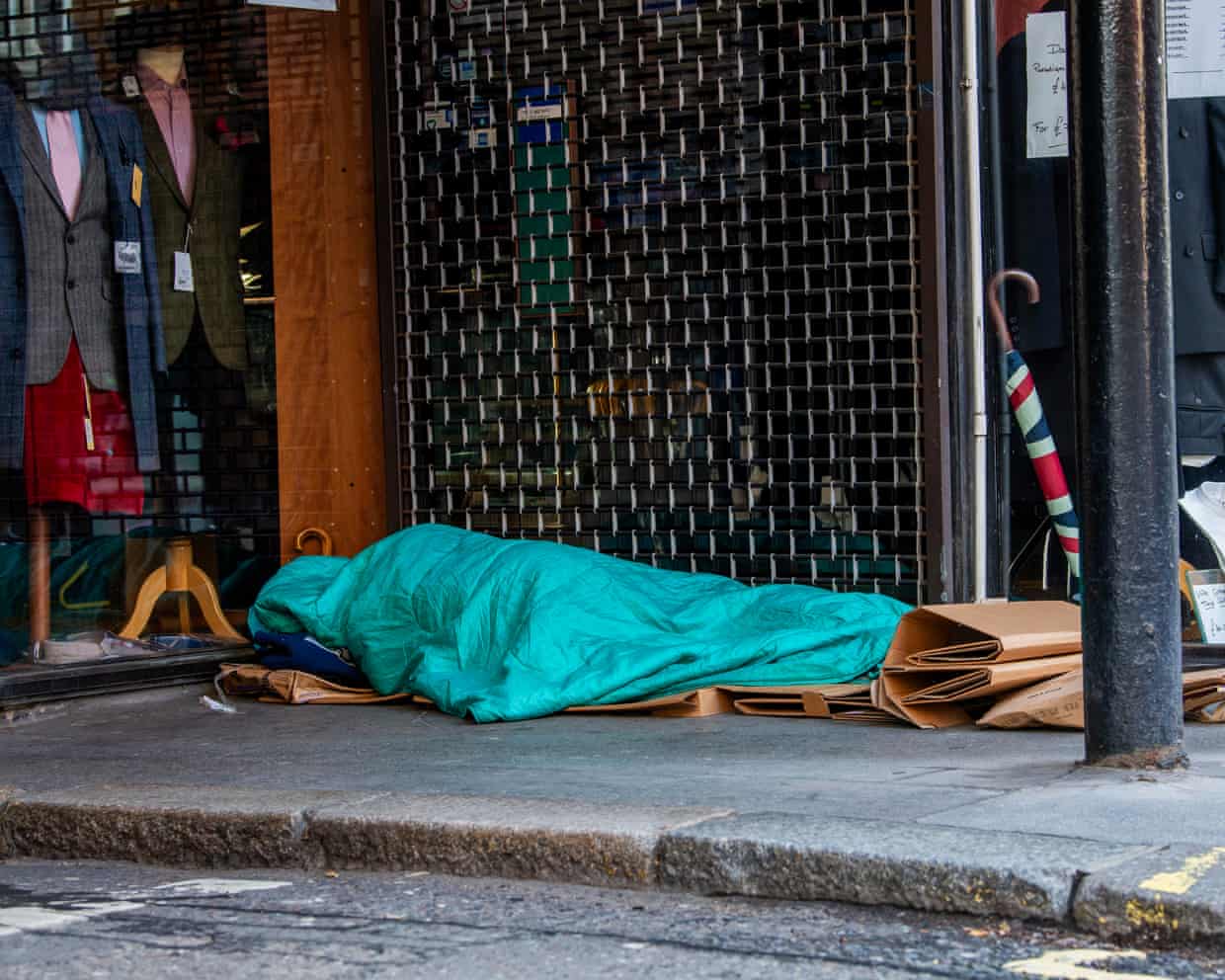
If it’s only AI that’s keeping you up at night, maybe you’re doing OK | Letters
Musk and Altman’s bitter feud over OpenAI to be laid bare in court
UK departments at odds over energy demands of AI datacentres
Cannes AI film festival raises eyebrows – and questions about future