Joyful, irreverent, endlessly quotable: why Hunt for the Wilderpeople is the perfect holiday movie
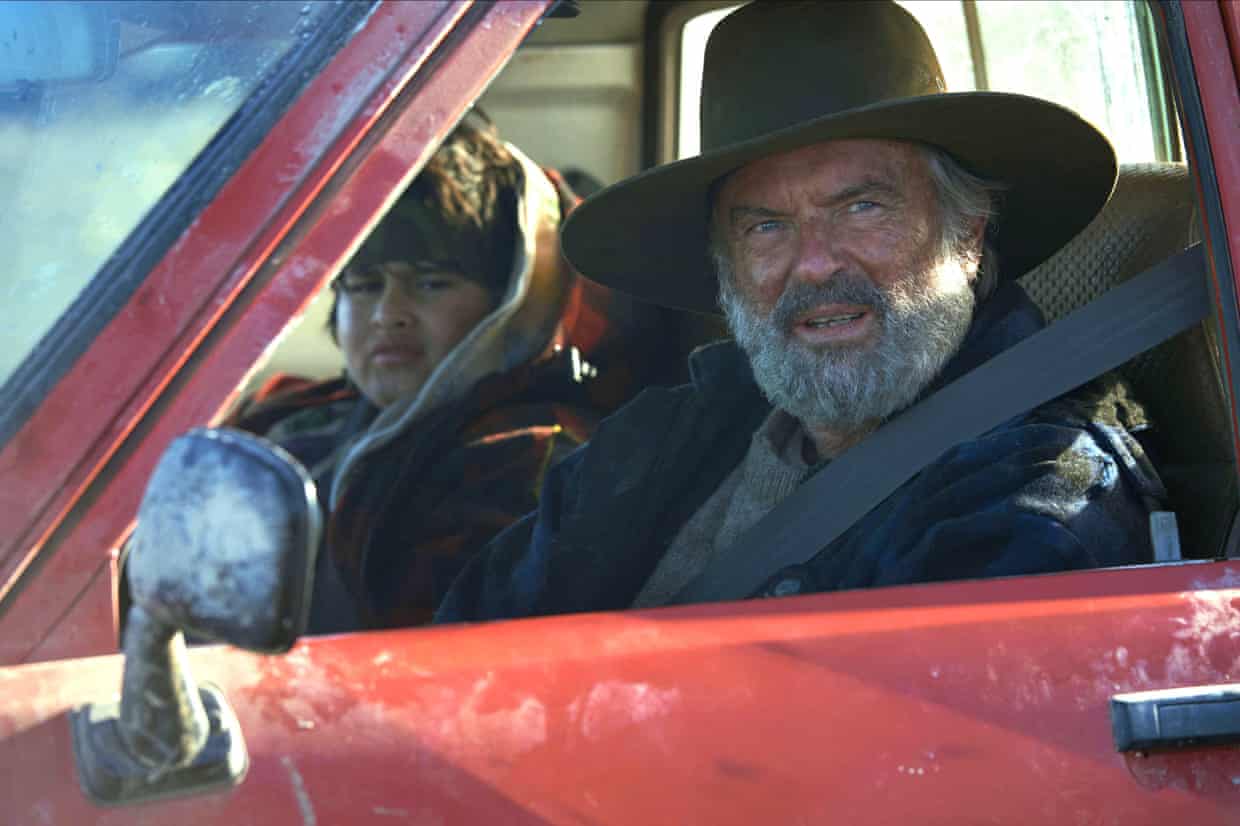
Picking a Christmas movie is hard work,It needs to be suitable for the entire family, which rules out Die Hard, and entertaining for the whole family, which rules out It’s a Wonderful Life,It has to be good, which rules out Love Actually, and it has to suit distracted viewing, which rules out Muppet Christmas Carol, of which it’s a sin to miss a single second,There is, however, no rule that says Christmas movies must include Christmas,Which is why Taika Waititi’s Hunt for the Wilderpeople is the perfect Christmas movie.
To check some boxes for the yuletide pedants: it has snow.It even features Carol of the Bells (or at least its Ukrainian predecessor, Shchedryk).And while the holidays aren’t explicitly mentioned, Hunt for the Wilderpeople has the spirit of an antipodean Christmas – an odd-couple adventure bursting with humour, irreverence and endlessly quotable lines.Ricky Baker (Julian Dennison) is a real bad egg – his preteen rap sheet includes “spitting, running away, throwing rocks, kicking stuff … and that’s just the stuff we know about”.Waititi introduces Ricky like a Clint Eastwood character; he wordlessly circles his last-chance foster home, then tries to climb back into the police car that brought him there.
But Ricky soon warms up to the infectiously affectionate Aunty Bella (Rima Te Wiata) and her surly husband Hec (Sam Neill).When Bella dies, Ricky and Hec escape into the bush and find themselves on the run from the law, with only each other to rely on.In the hands of any other director, Ricky and Hec’s story could easily become saccharine, but Waititi makes it a rollicking good time replete with car chases, shootouts and Lord of the Rings references.Ricky is an aspiring gangster while Hec is a practised bushman, and they sling insults and haikus at each other in equal measure.It’s a rare found family narrative that feels like actual family: squabbly, antagonistic and entirely sincere.
Wilderpeople was the last film Waititi made before going global with Thor: Ragnarok, and there’s a distinct Kiwi-ness to the film – out of time and unapologetically daggy, from Bella’s cat jumper to a funeral service that namechecks Fanta, Doritos and Coke Zero.The film revels in the natural beauty of the New Zealand landscape, but it doesn’t sugarcoat the modern country’s realities.Ricky is at constant risk of going to juvie, unable to integrate into a system that has failed him and countless other children.Authority figures are comically incompetent, from child welfare to the hunters trying to bag the reward on Hec’s head, but that incompetence makes them dangerous.The film has a rambling, yarn-spinning pace, but it’s held together by Dennison’s phenomenal performance as Ricky.
It’s a tough ask for a teenager to hold his own against Sam Neill, but Dennison delivers a perfect mix of comic overconfidence, deep insecurity and endless likability.Neill channels everyone’s grumpy old uncle as Hec, but the real standout is Rachel House as Paula Hall, a Terminator-tinged child welfare officer who perfectly captures the gleeful way that petty authority figures can make a kid’s life hell.House has long been Waititi’s secret weapon; as well as appearing in almost all of his films, House was an acting coach for the young stars of Boy and Wilderpeople, and the results speak for themselves.There are many other reasons Wilderpeople is perfect holiday viewing: it’s broken into chapters that makes it easy to join at any point (while pilfering lunch leftovers).It’s a family film that doesn’t pull its punches, comically or dramatically.
For families about to embark on ill-advised camping trips, it’ll provide some excellent insults to sling at each other when everything goes wrong.And above all, it’s fun – on the first or 30th watch.What is Christmas about if not joy?
Badenoch announces Tory review of which conditions qualify for benefits
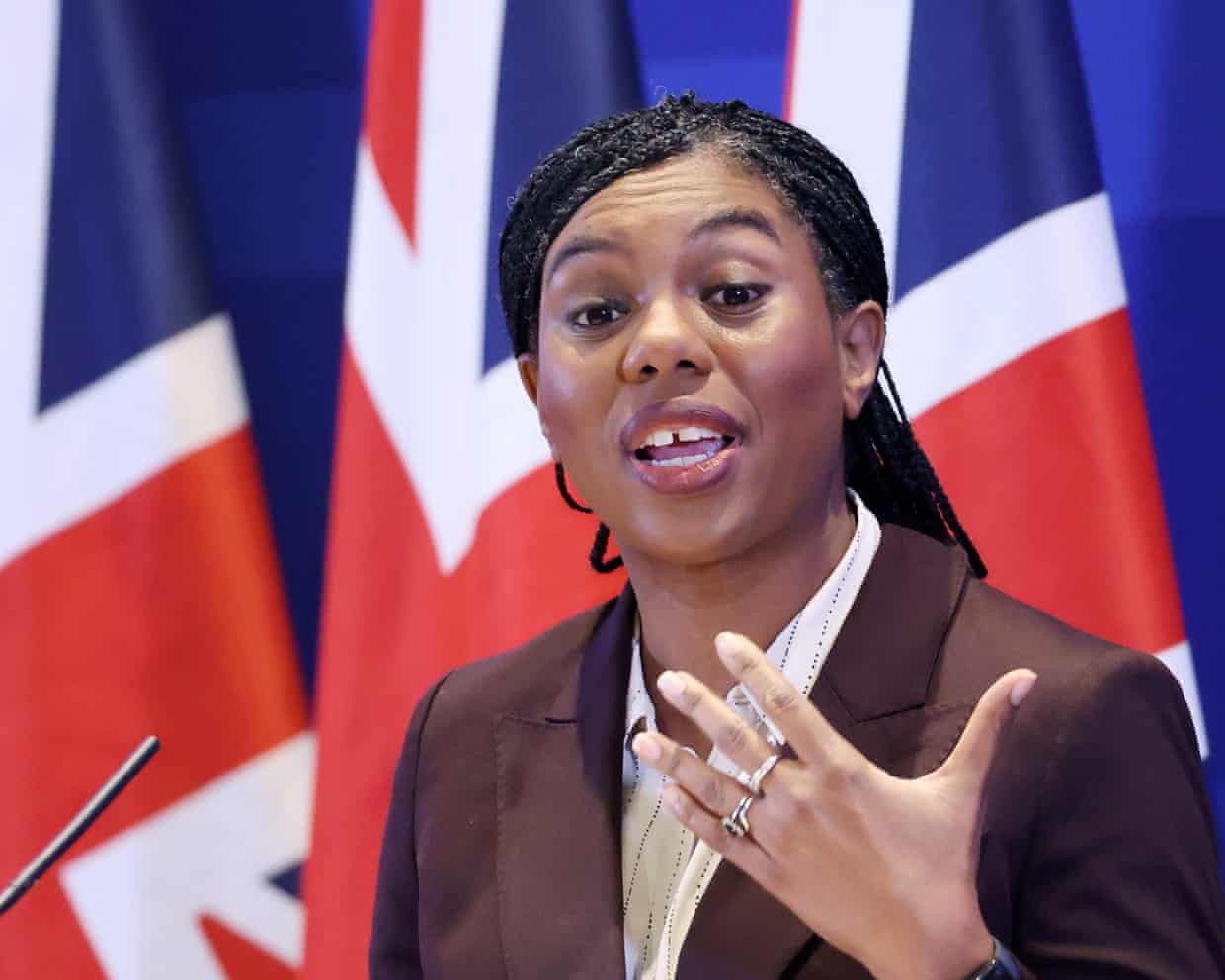
The Conservatives have begun a policy review to slash the scope and cost of the benefits system, with Kemi Badenoch saying an “age of diagnosis” for “low-level mental conditions” was fast making it unaffordable.While it is up to the review to come up with specific policies, the Conservative leader hinted that some payments could become time limited, saying one element would examine “at what stage support should come in, and how long it should last”.She also suggested the possibility of ending the use of relative poverty as an indicator of deprivation, saying this took no account of people’s improved circumstances if the economy grew.Speaking at an event in central London, Badenoch said under the party’s “campaign to get Britain working again” she and three other members of her frontbench team would next year look at “the most challenging and complicated aspect of work and welfare in this country”.While Badenoch said this would be done with medical and employment experts “to make sure that we get it right”, a key refrain of her speech was that the increase in people receiving benefits for physical and mental conditions was unaffordable
Victims of NHS maternity failings in England ‘received unacceptable care’
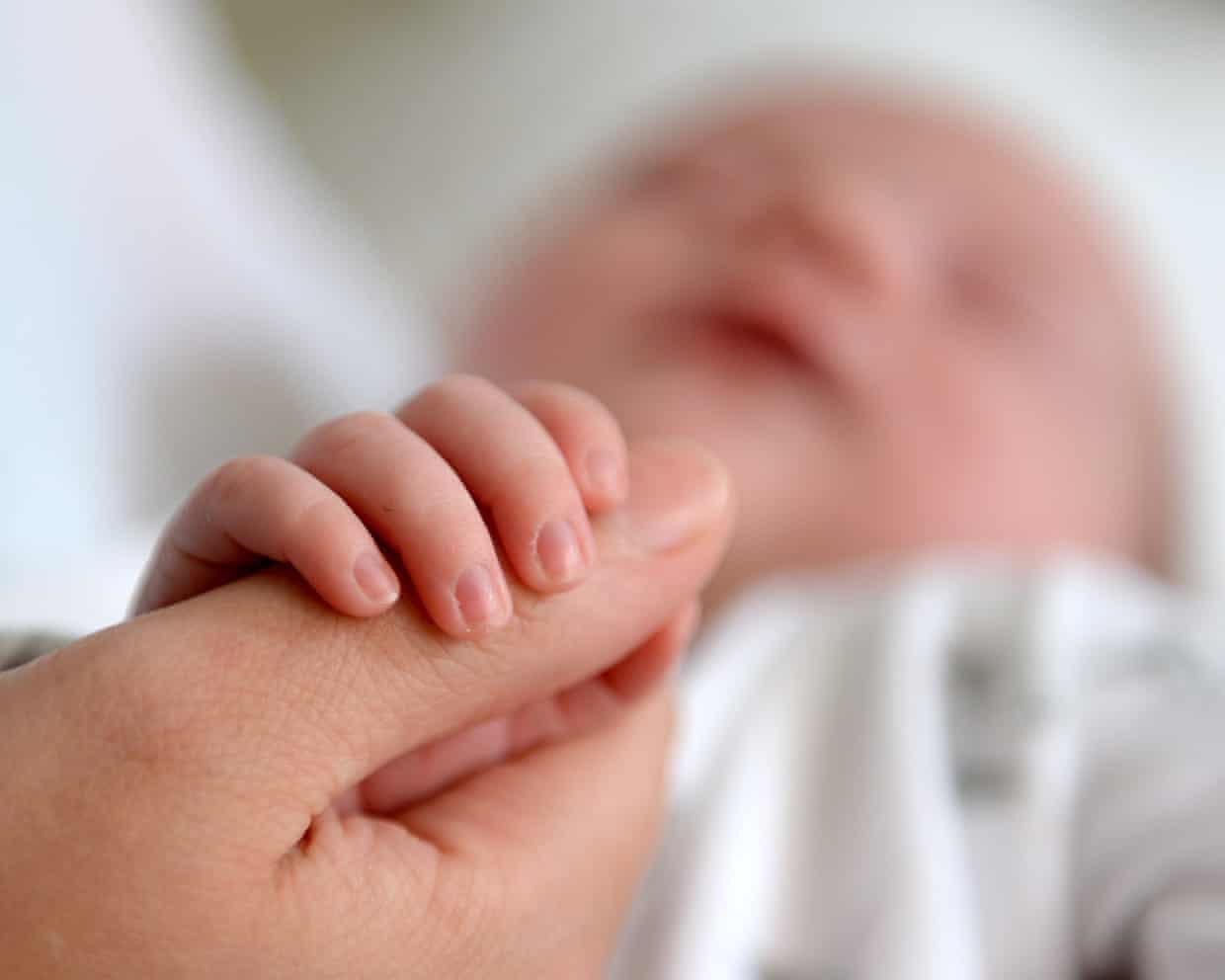
Victims of NHS maternity failings received “unacceptable care”, leading to “tragic consequences”, the head of an investigation into maternity care in England has said.Changes within services have been too slow despite being necessary and urgent, according to a report by Valerie Amos, who is leading the national maternity and neonatal investigation (NMNI).The document shares her initial impressions after visiting seven trusts, talking with families and meeting NHS staff.Speaking to BBC Radio 4’s Today programme on Tuesday, Lady Amos said: “Given that these harms continue to be done, given that babies continue to die, given that this is happening across the country … are there things that we should be doing to standardise the level of care across different trusts? Yes.”The report shows that the NHS has recorded 748 recommendations relating to maternity and neonatal care in the past decade
ICO promises legal action over ‘traumatic’ UK care-record access
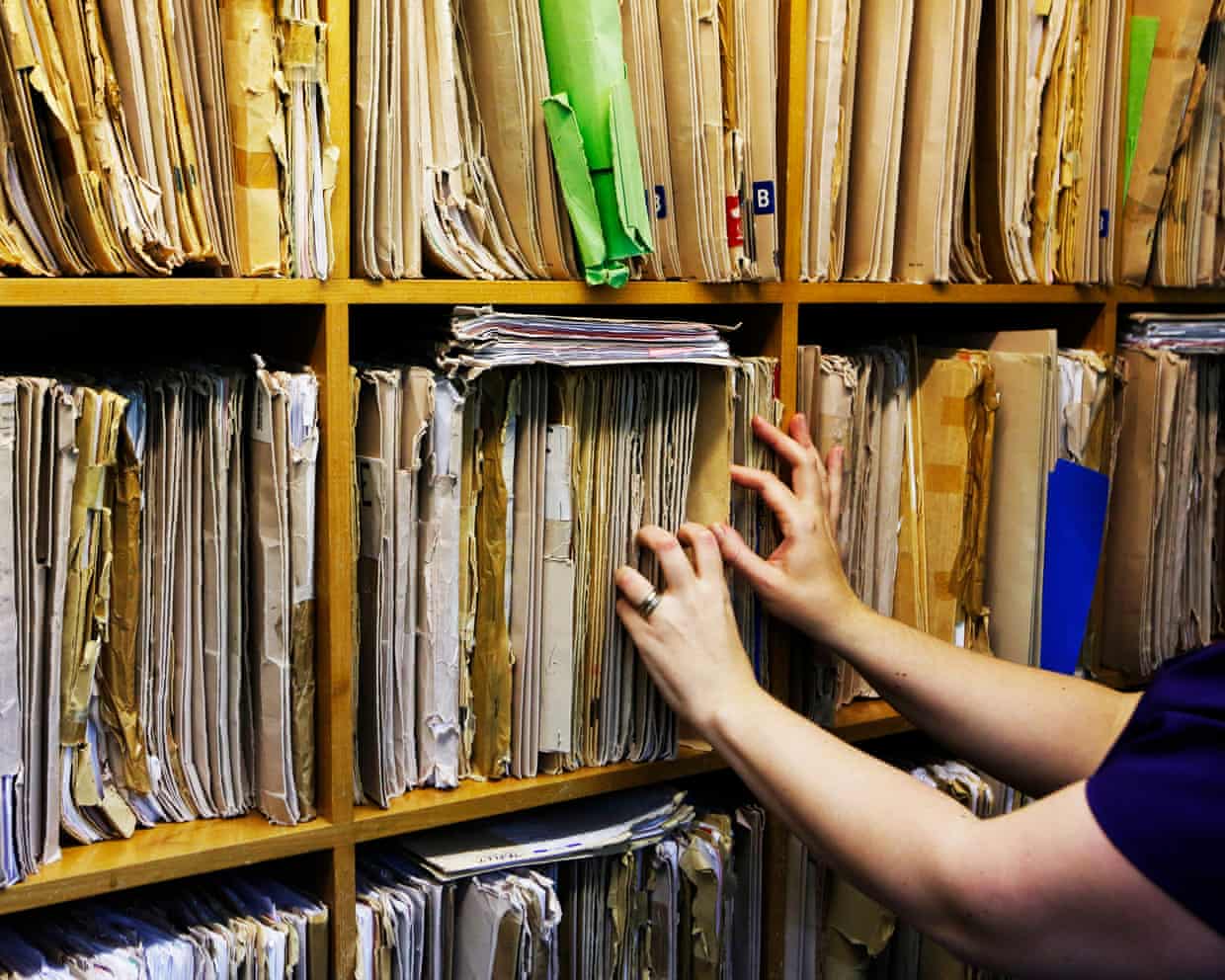
The UK’s information commissioner has raised alarm over the “lengthy, traumatic and often demoralising process” people face when trying to access their care records, writing to local authority leaders to say his office will take action over legal breaches.The data protection regulator said people who grew up in the care system were waiting up to 16 years for access to their records, and in some cases found their files had been destroyed, lost or were provided only with extensive redaction.The commissioner, John Edwards, said requests were “too often met with cold bureaucracy, long delays and pages of unexplained redactions, which can have devastating consequences”.“For people in care, these files are an important part of understanding their personhood and their development. It’s restoring to them the insights into how they have become who they are,” he said

UK charities face ‘culture of fear’ as threats and violence surge
A surge in death and rape threats and harassment has created a “culture of fear” at charities serving women and refugees, and at mosques, churches and synagogues, the head of the Charity Commission has warned.Mark Simms said he feared growing hostility towards charity staff, volunteers and beneficiaries, both online and on the streets, was becoming normalised and risked eroding civilised values and norms British society once took for granted.His warning comes as the commission issues formal guidance advising charities on how to protect voluntary workers exposed to what it calls “unacceptable” personal risks as a result of threats, abuse and intimidation from some sections of the public.A range of charities report being targeted by extremists amid a rise in toxic and divisive political rhetoric around immigration. Incidents of violence and vandalism – and increased security measures to combat them – are regarded by some as the new normal

A better understanding of mental ill health is crucial | Letters
As a psychotherapist with child and adolescent mental health services, I welcome Wes Streeting’s change of heart on his comments about the “overdiagnosis” of mental health conditions, ADHD and autism (I realise now that my view on mental health overdiagnosis was divisive. We all need better evidence, 4 December). Political point-scoring has no place in public health.By setting up this taskforce, Streeting acknowledges the complexity of the picture and that conversations must be led by research, where science and suffering can be held together.The increase in reported mental health problems and neurodevelopmental diagnoses, and services not keeping pace, reflect what many clinicians see every day – people are in more distress and unable to access support
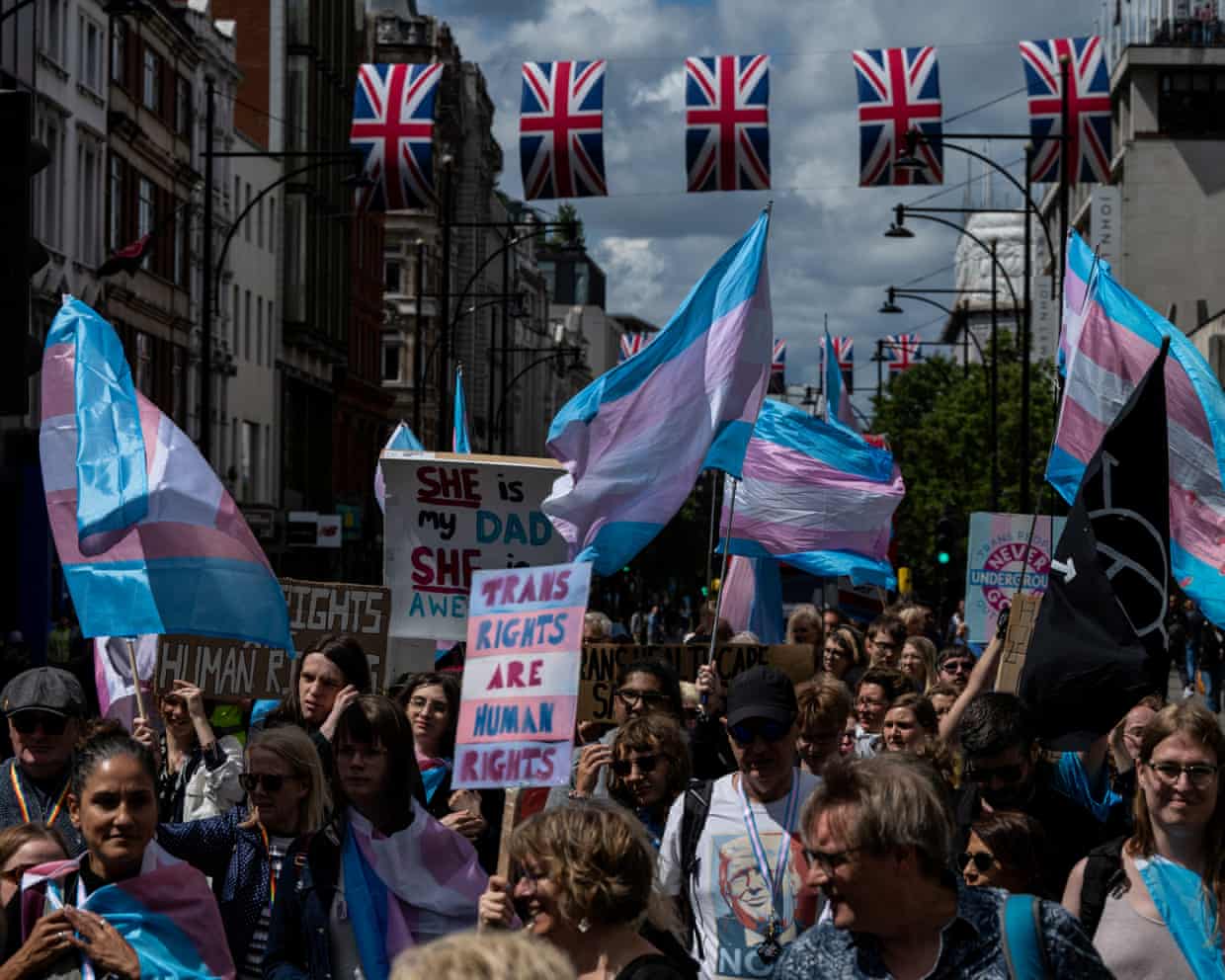
Rules on single-sex spaces pose risk to trans people’s mental health, UK charities say
New rules on access to single-sex spaces could pose a significant risk to the mental health of trans and non-binary people, according to 15 of the UK’s most respected mental charities.Organisations including Samaritans, Mind, Centre for Mental Health and the Royal College of Psychiatrists have written to the equalities minister, Bridget Phillipson, to express their “deep concern” about guidance from the Equality and Human Rights Commission (EHRC) that is awaiting approval from the government.The letter says the guidance could “deepen existing inequalities and pose significant risk to the mental health of trans and non-binary people across UK”.It says: “Mental health services should be places of refuge, not risk, and equality protections must strengthen, not erode, the conditions that enable people to feel safe and supported.”The EHRC is waiting for ministers to approve its official guidance on how public bodies, businesses and other service providers should respond to the supreme court’s ruling in April that the legal definition of a woman is based on biological sex
Rachel Reeves’s test from the bond markets starts now

Bank of England expects budget will cut inflation by up to half a percentage point

Trump clears way for Nvidia to sell powerful AI chips to China

AI researchers are to blame for serving up slop | Letter

20-year-old charged with attempted murder over shooting of Jets’ Kris Boyd

Questions over Champ playoffs with only two clubs applying for promotion