The stats don’t lie. Australia’s tax system is designed to benefit the wealthiest and the rest of us pay for it | Greg Jericho
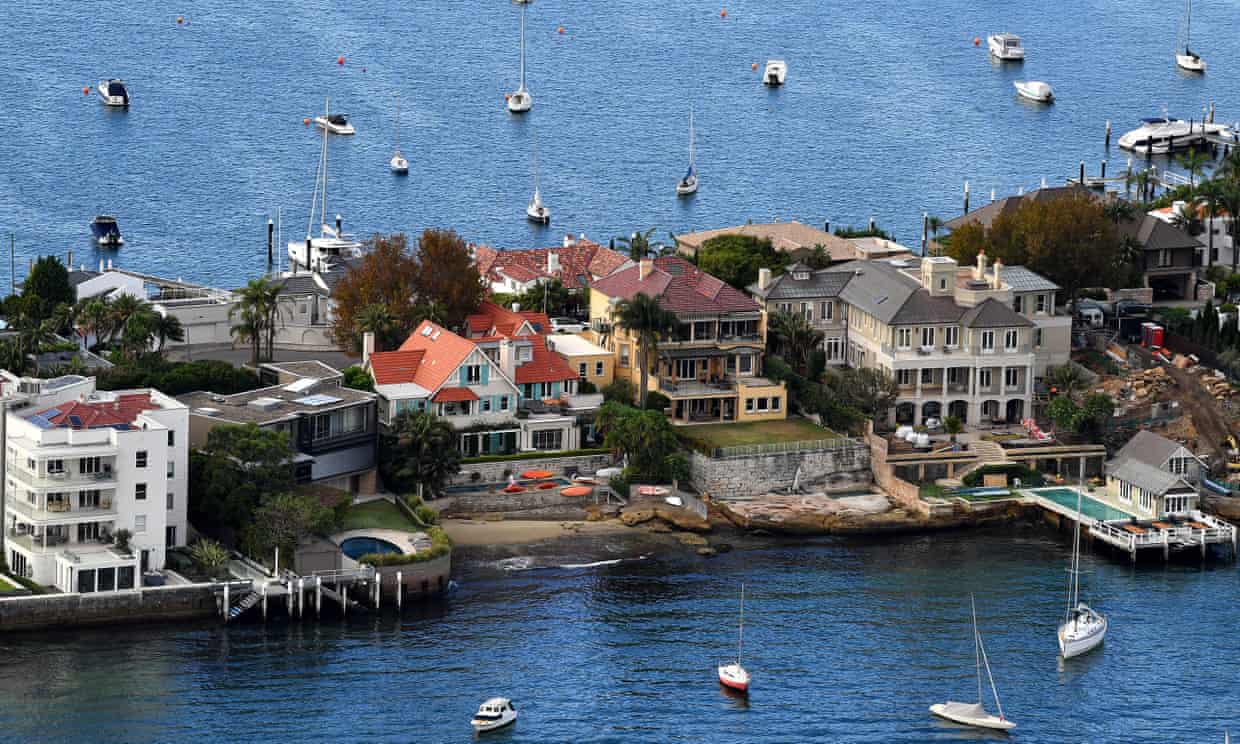
New figures from the Australian Bureau of Statistics reveal just how much an average Australian earns,Being “rich” might not see you living like a Kardashian, but we need to acknowledge that earning more than 90% of people puts you in the top 10%, and that much of the tax system is geared to benefit you,Asking who is rich is a question that can send shivers down the spines of politicians,I’ve encountered more than a few progressives who are at pains to protest that they are not rich despite being on a very good wicket,They immediately reel off their CV of working-class roots as though they are worried someone is about to accuse them they came from Greece with a thirst for knowledge.
There is far too much preciousness about wealth and income – and it benefits those who are doing a lot better than they would like you to know.Australia does not have an official poverty line, and so we rely only on the 1972 definition of the Henderson Poverty Line, which is not comparable to international measures.Even given that, a single person on jobseeker is living about 40% below the poverty line.If the graph does not display click hereThat isn’t something that perturbs the government too much, and certainly not more than it did suggestions of affecting the wealth of the 80,000 Australians with more than $3m in superannuation.The way we talk about wealth and high incomes is so skewed, that for example the government’s own advice on superannuation refers to the ASFA line that a “comfortable retirement” involves being able to have:Top level private health insuranceFast reliable NBNA computer and smartphone with good data allowance/streaming servicesA reasonable carRegular leisure activities including club membership, cinema visits, and exhibitionsConfidence to use air conditioning in the home and afford all utilitiesOccasional restaurant mealsAn annual domestic trip to visit family, andOne overseas trip every seven years.
For most, that is not comfortable, that is a dream.It’s why we have a system where each year the richest 10% get nearly $22bn a year in tax breaks to use superannuation – nearly double the $12.2bn the government spends funding public schools and $5bn more than the $16.9bn spent on jobseeker.So lets not let those who want to keep feathering their very plush nests get away with pretending that they are doing it hard scrabble.
A few years ago Anthony Albanese was quick to argue that being on $200,000 a year did not make you rich.It was a very silly statement then and remains silly now.The Bureau of Statistics’ recent annual characteristics of employment survey reveals just how much Australians earn.As always, we need to be careful with terminology.Average (more technically known as the mean) is not the same as median.
If you hear someone talk about average earnings, just realise that is more than what most Australia earn.Median is the halfway point – half earn more, half earn less.We also need to be careful if someone is talking about average full-time earnings, as opposed to total earnings, and also whether they are talking about men, who as a rule earn more than women.For ease of understanding I have converted all figures to annual rather than weekly earnings.This year the average annual male full-time earnings is $111,592, well above the overall median earnings for all workers of $74,100:If the graph does not display click hereIf you earned more than $156,000 you earned more than 90% of Australians, and if you earned $176,930 you earned more than 90% of Australians working full-time:If the graph does not display click hereIt’s worth noting that the current full-time minimum wage of $49,296 puts you in the bottom 10% of full-time earners, and the jobseeker rate, which is equivalent to annual earnings of $20,634, has you well in the bottom 10% of all earnings.
So, let’s dispense with the bullshit that such amounts in any way discourage people from wanting to work or are too high to run a business.Even in New South Wales earning $200,000 puts you well in the top 10%:If the graph does not display click hereBut don’t call them rich, they might get sad.We also know age and gender plays a big role.Most men in their late 30s to late 50s earn about $100,000 a year, while a majority of women never earn more than $80,000:If the graph does not display click hereThe figures highlight that having children hurts women’s earnings much more than men’s.In their early 20s, women actually have higher median full-time earnings than men, but the gap widens in the mid-30s and never closes – even for full-time workers:If the graph does not display click hereOne of the best things about these annual figures is it allows us to also compare the median earnings in each state with the median house price.
The picture across most states is one of despair for how things were even just five years ago, let alone 20 or more:If the graph does not display click hereIn just five years the value of a median prices house in Sydney has gone from 12,8 times the median annual full-time earnings to 16,1 times,Housing affordability is a major reason why those in the top 10% do not feel “rich”,And that might be fair.
But while it might be harder for someone on $200,000 or even just in the top 10% to afford a house and allow you to feel rich or wealthy, let us not mistake that difficulty for the plight of the vast majority for whom inequality means actual hardship.And never let it mean we keep handing the richest tax breaks while saying we can’t afford to lift people out of poverty.Greg Jericho is a Guardian columnist and chief economist of the Australia Institute
UK to bring forward review of EV sales targets from 2027 to next year
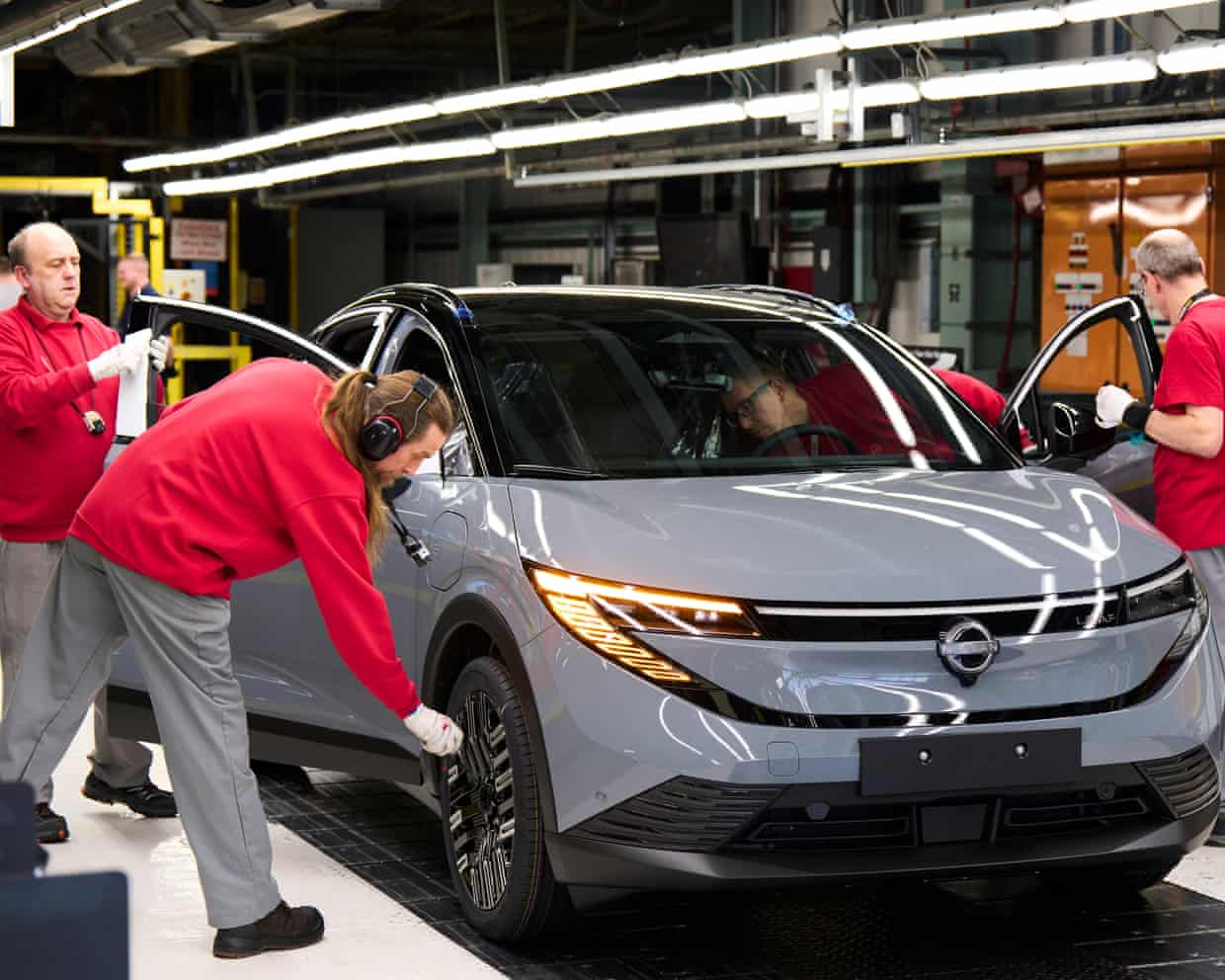
The UK is to bring forward its review of electric vehicle sales targets from 2027 to next year, as the government said it would listen to the concerns of the car industry.The news came as ministers said they would not weaken plans to ban the sale of new petrol or diesel cars from 2035, after the EU announced plans to water down the timing of the phaseout of new combustion engine vehicles.The government had said in April it would weaken its zero-emission vehicle (ZEV) mandate – which was brought in to force carmakers to sell more electric cars every year, or face the prospect of steep fines – after lobbying from the car industry.Carmakers had argued the rules were economically unsustainable, leading the UK to introduce “flexibilities”, which allowed them to earn “credits” by selling hybrid cars, which combine a smaller battery with a petrol engine. The loopholes allow carmakers to sell more hybrids, which are more profitable for them, amid fierce competition from rivals, including from China
Inflation drop makes Bank of England early Christmas present to Reeves almost a certainty
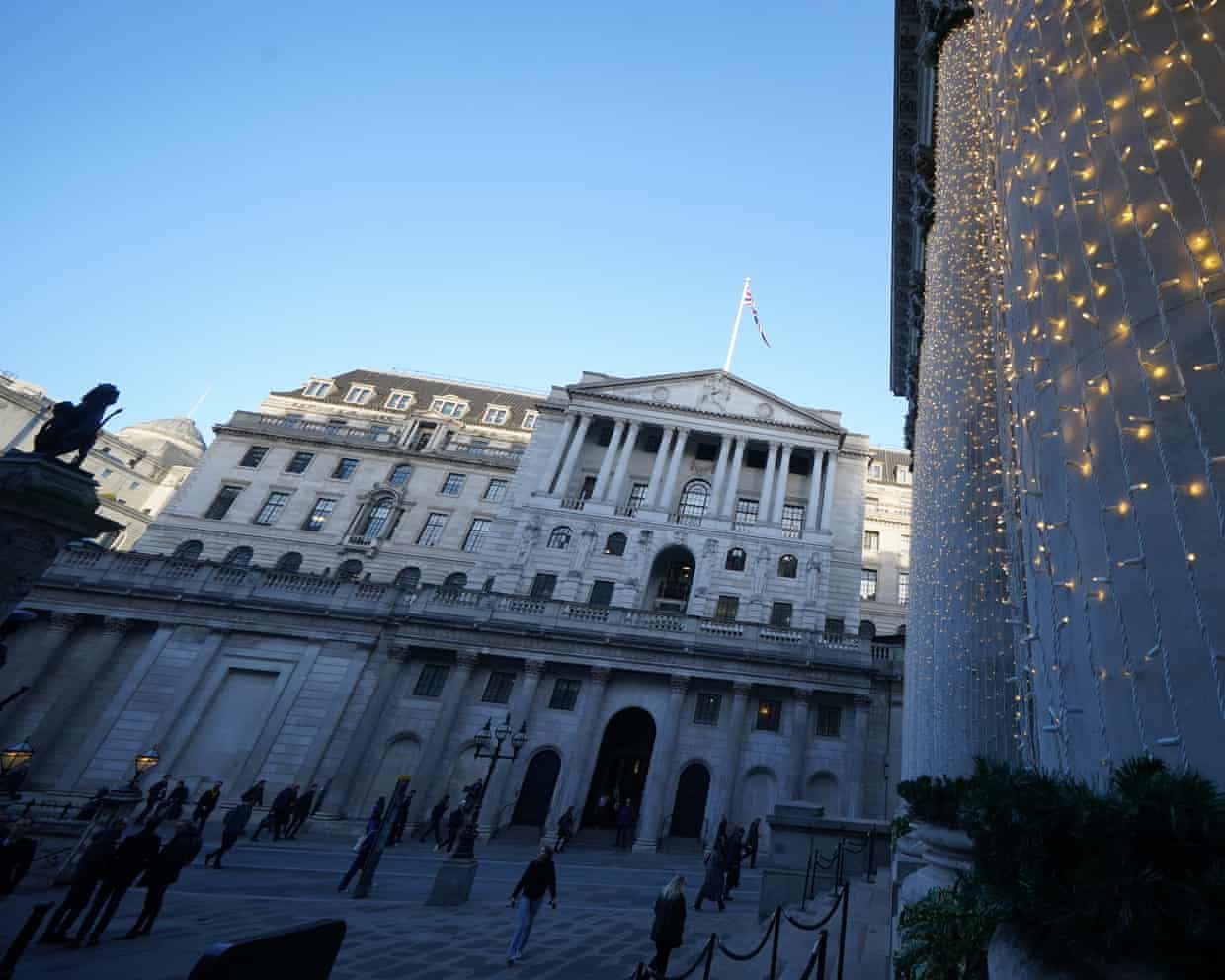
The sharper-than-expected drop in UK inflation to 3.2% last month has eliminated any lingering doubt about whether the Bank of England will deliver an early Christmas present by cutting the nation’s borrowing costs.Bank policymakers announce their December decision at noon on Thursday, and after last month’s five-four split vote were already widely expected to cut the base rate by 0.25 percentage points from its current level of 4%.However, they are likely to be reassured by the significant slowdown in the annual inflation rate, from 3

UK inflation falls sharply to 3.2% amid slowdown in food price rises
UK inflation fell by more than expected in November to the lowest level in eight months amid a slowdown in food prices, clearing the way for the Bank of England to cut interest rates on Thursday.In a crunch week for the economy, the Office for National Statistics said the rate as measured by the consumer prices index eased to 3.2% last month from a reading of 3.6% in October. City economists had forecast a modest drop to 3

Christmas dinner and festive treats up to 70% more expensive, reports Which?
Shoppers are paying up to 70% more for Christmas chocolate treats compared with last year, while the price of a turkey has jumped by as much as £15, according to the consumer champion Which?The group analysed a range of ingredients for a typical Christmas dinner, as well as other typical festive treats including mince pies, sparkling wine and chocolates.Festive chocolate had the steepest mark-up this year. Among the biggest risers was a Lindt Lindor milk chocolate truffles treat box at Asda up 72% to £1.98 compared with £1.15 last year

Rate hikes, rising inflation and difficult decisions: key takeaways from Jim Chalmers’ budget update
Jim Chalmers has claimed “the most responsible mid-year update on record”, unveiling a multibillion-dollar improvement in the budget bottom line alongside extra money for mental health, CSIRO, and training for tradies.Here are the three key takeaways from the mid-year economic and fiscal outlook.As expected, this is a mid-year budget that’s all about the savings. Chalmers warned of “difficult decisions” ahead of today, but there’s no big shock.Instead, the treasurer is making a virtue of small improvements in the bottom line, made harder by some cost blow-outs in areas like disaster relief, which will cost $6
EU plans to water down ban on new petrol and diesel cars
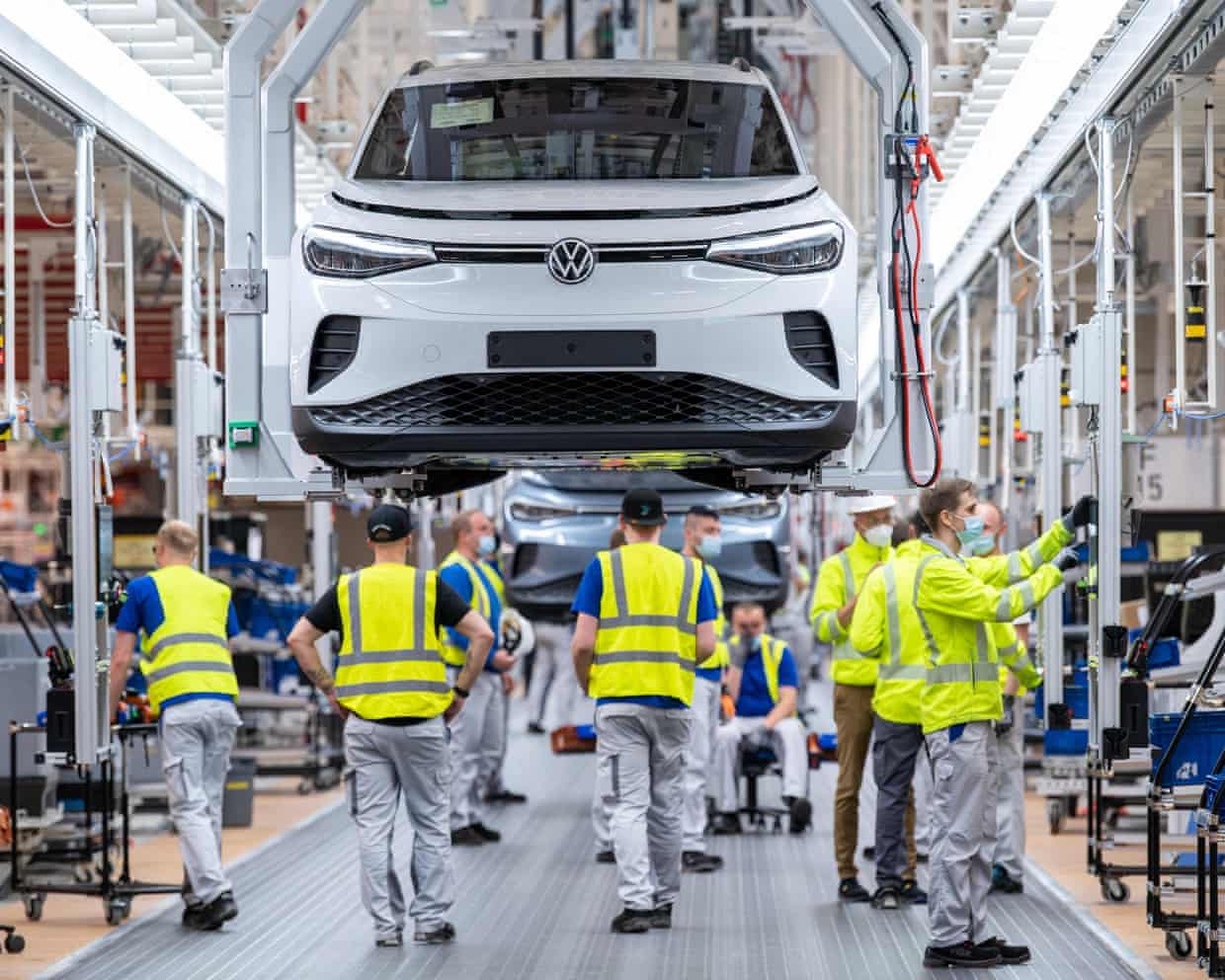
The EU has confirmed it wants to water down its 2035 ban on the sale of new petrol or diesel cars, yielding to heavy pressure from the car industry and leaders from several EU member states including Germany and Italy.Wopke Hoekstra, a European climate commissioner, described the proposals as a “win-win” situation for consumers and industry, keeping Europe on the electrification course with a series of carrot and stick measures.Under current legislation, manufacturers were obliged to ensure that 100% of production of cars and vans had zero emissions from 2035.The European Commission has now proposed reducing this to 90%, enabling the continued manufacture of a portion of plug-in hybrid electric cars, or even combustion engines beyond 2035.In a carrot-and-stick approach, the remaining 10% of assembly line output that is not carbon neutral will need to be compensated by other green measures on the factory floor, including the use of green steel made in Europe or use of biofuels in non-electric vehicles
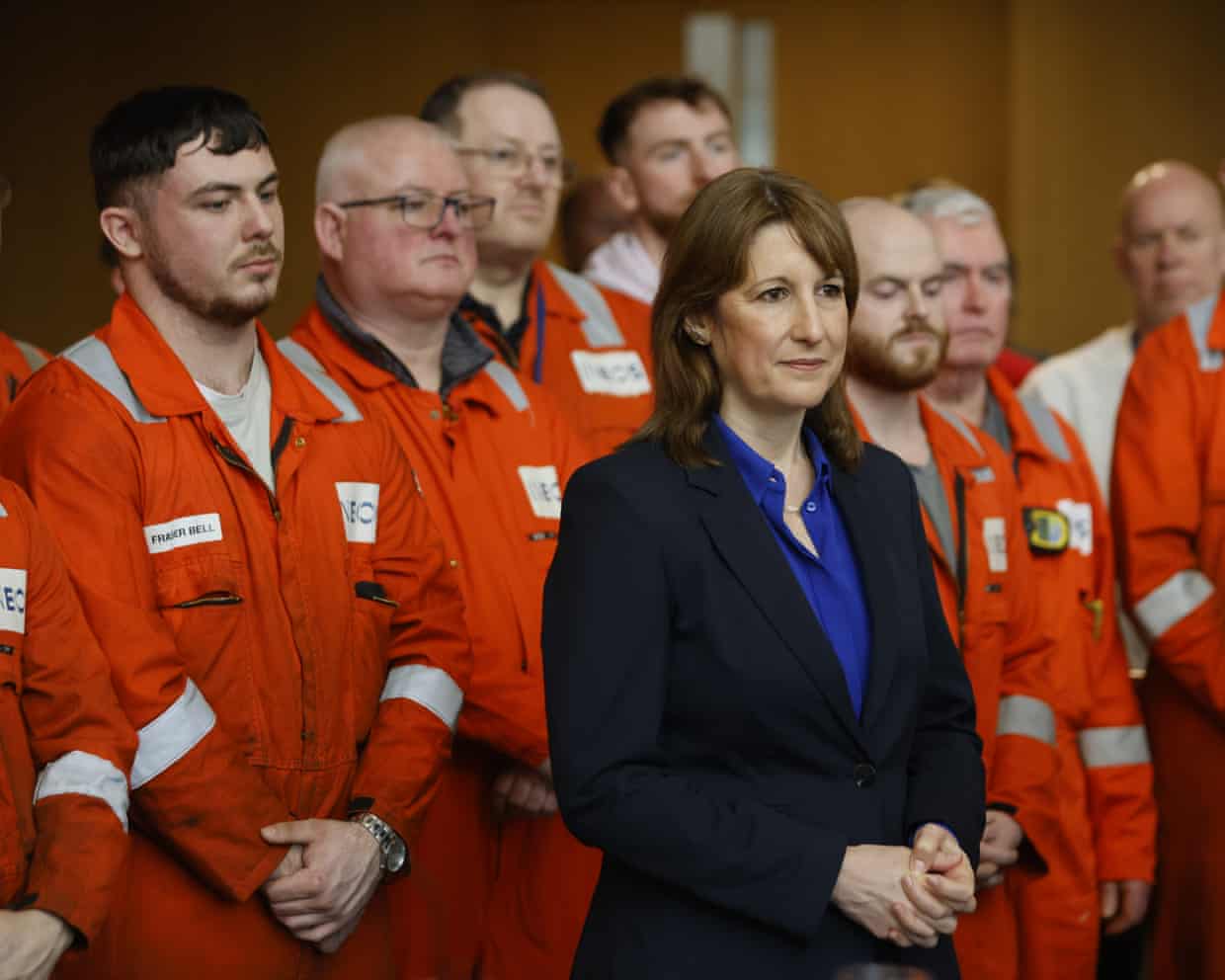
Reeves defends Grangemouth intervention; Warner Bros urges investors to reject $108bn Paramount bid – as it happened
The stats don’t lie. Australia’s tax system is designed to benefit the wealthiest and the rest of us pay for it | Greg Jericho

Hackers access Pornhub’s premium users’ viewing habits and search history

Amazon in talks to invest $10bn in developer of ChatGPT

The Knicks have a trophy and Wembanyama has a chip on his shoulder: Five NBA Cup takeaways
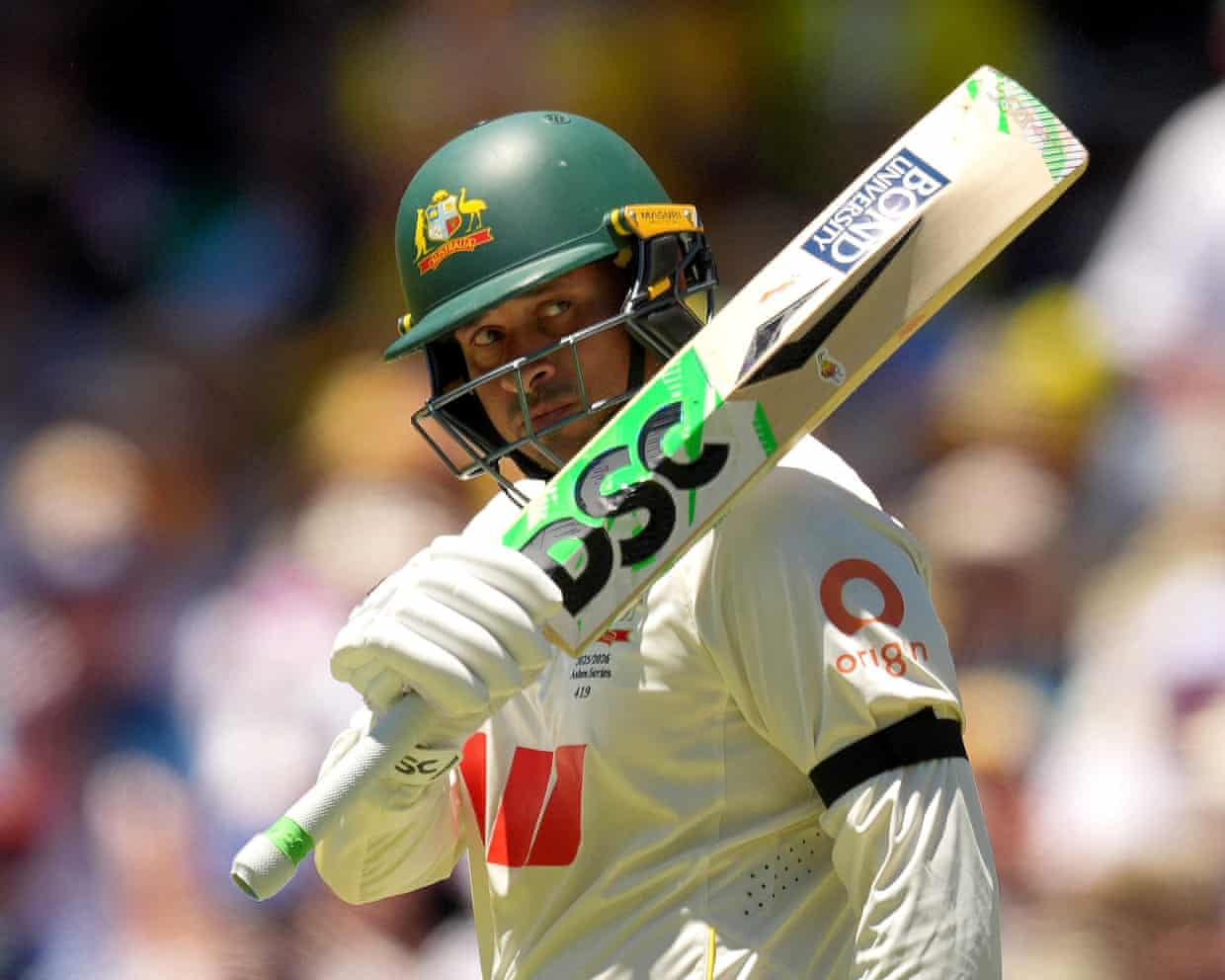
Khawaja and Carey rise up to fill the gaps as England squander Australia’s gifts | Geoff Lemon