UK borrowing costs hit highest since 1998 amid Starmer uncertainty

Long-term UK borrowing costs have soared to the highest level in almost three decades amid fears about a change of Labour leadership, before dropping back as cabinet ministers rallied around Keir Starmer,With investors worried about potential changes to Labour’s tax and spending plans, the yield – in effect the interest rate – on 30-year government bonds jumped 11 basis points on Tuesday morning to 5,794%, the highest since May 1998,Yields later fell back slightly, after the prime minister told a cabinet meeting on Tuesday morning that he would not resign and that the process for a leadership challenge had not been triggered,Shortly before the meeting, Miatta Fahnbulleh became the first minister to resign since Labour’s significant losses at last week’s local and devolved elections, calling on Starmer to quit.
Starmer said: “The Labour party has a process for challenging a leader and that has not been triggered.The country expects us to get on with governing.That is what I am doing and what we must do as a cabinet.”After the cabinet meeting, several cabinet ministers including Peter Kyle, the business secretary, Liz Kendall, the technology secretary, and the housing secretary, Steve Reed, told reporters they were supporting Starmer.Starmer’s comments and their support appeared to bring some calm to jittery financial markets.
The benchmark 10-year yield on UK government bonds dropped back to below 5.1%, having hit 5.13% earlier in the day, while the 30-year yield dropped to 5.76%, after touching a new 28-year high of 5.81%.
Meanwhile, the pound dropped 0.6% to $1.353 and was 0.3% lower against the euro at 86.8p a euro.
Higher yields, if sustained, can raise the cost of borrowing for the government, consumers and businesses.Yields on the bonds of most major economies have been rising this year because of the inflationary impact of the Middle East conflict – but the UK has been hit especially hard.Investors are weighing the potential impact of a change of leadership – or a lengthy period of internal Labour unrest.Two potential frontrunners to succeed Starmer, Angela Rayner and Andy Burnham, have hinted they would like to see higher public spending.Neil Wilson, an investor strategist at Saxo Markets, said: “We could see a blowout in longer-dated gilts if this turns into a dogfight – political, fiscal and inflationary risks will rise.
Markets tend to dislike a lack of certainty over who runs a government; the fiscal position is already fragile and likely to become worse should a left-leaning ticket prioritise spending, and that makes inflation stickier.”Mohit Kumar, the chief economist for Europe at Jefferies, said: “A managed exit would be our base-case scenario.Any replacement would likely be left leaning and be negative for the long end of the curve and the currency.” He said he expected a widening between shorter- and longer-dated UK borrowing costs, and was betting against the pound.Stocks were also under pressure, with the FTSE 100 index down nearly 1%.
Bank shares fell, with Barclays dropping 4% in early trade, while NatWest and Lloyds slipped more than 3%,Gilt yields had already risen this week amid concerns over a jump in energy prices leading to higher inflation,Oil prices rose nearly 1% on Tuesday as talks to end the US-Israel war on Iran appeared fragile,Brent crude futures rose 2,7% to $106 a barrel, while US West Texas Intermediate gained 99 cents, or 1%, to $99.
06 a barrel,Donald Trump said on Monday the ceasefire with Iran was “on life support”, pointing to disagreements over several demands such as the cessation of hostilities on all fronts, the removal of a US naval blockade, the resumption of Iranian oil sales and compensation for war damage,Tehran stressed its sovereignty over the strait of Hormuz, through which about a fifth of global oil and liquefied natural gas flows in normal times, and where hundreds of tankers and cargo ships remain trapped,Suvro Sarkar, who leads the energy team at Australia’s DBS Bank, said: “Optimism regarding an imminent [peace] deal seems to be fading again and if we don’t see a deal by the end of May then upside risks for oil prices are definitely on the table,”Kathleen Brooks, the research director at XTB, said: “There is an upward bias for bond yields anyway, and the UK yields are facing a double whammy of an energy price spike and a political crisis.
The risk is that we get a bond market meltdown in the UK in the coming days.”

Lotus boss calls for UK government support as it commits to Norfolk plant
The boss of the luxury sports carmaker Lotus has called for government support for its UK factory as the Chinese-owned company insisted it will not abandon its British roots.Lotus said it had extended the lifespan of the £80,000 Emira petrol-engined sports car, made by 900 employees in its factory in Norfolk, in order for the brand to continue to serve the US market.Lotus last year prompted concerns for the future of its British factory, after sources said its Chinese parent company, Geely, was considering its closure. Lotus then cut 550 jobs in August.However, Lotus on Tuesday said it wanted to increase sales in the lucrative US market, meaning it will have to rely on sports car sales from its UK factory rather than electric SUVs from its newer, larger facility in Wuhan, China, which faces prohibitive tariffs
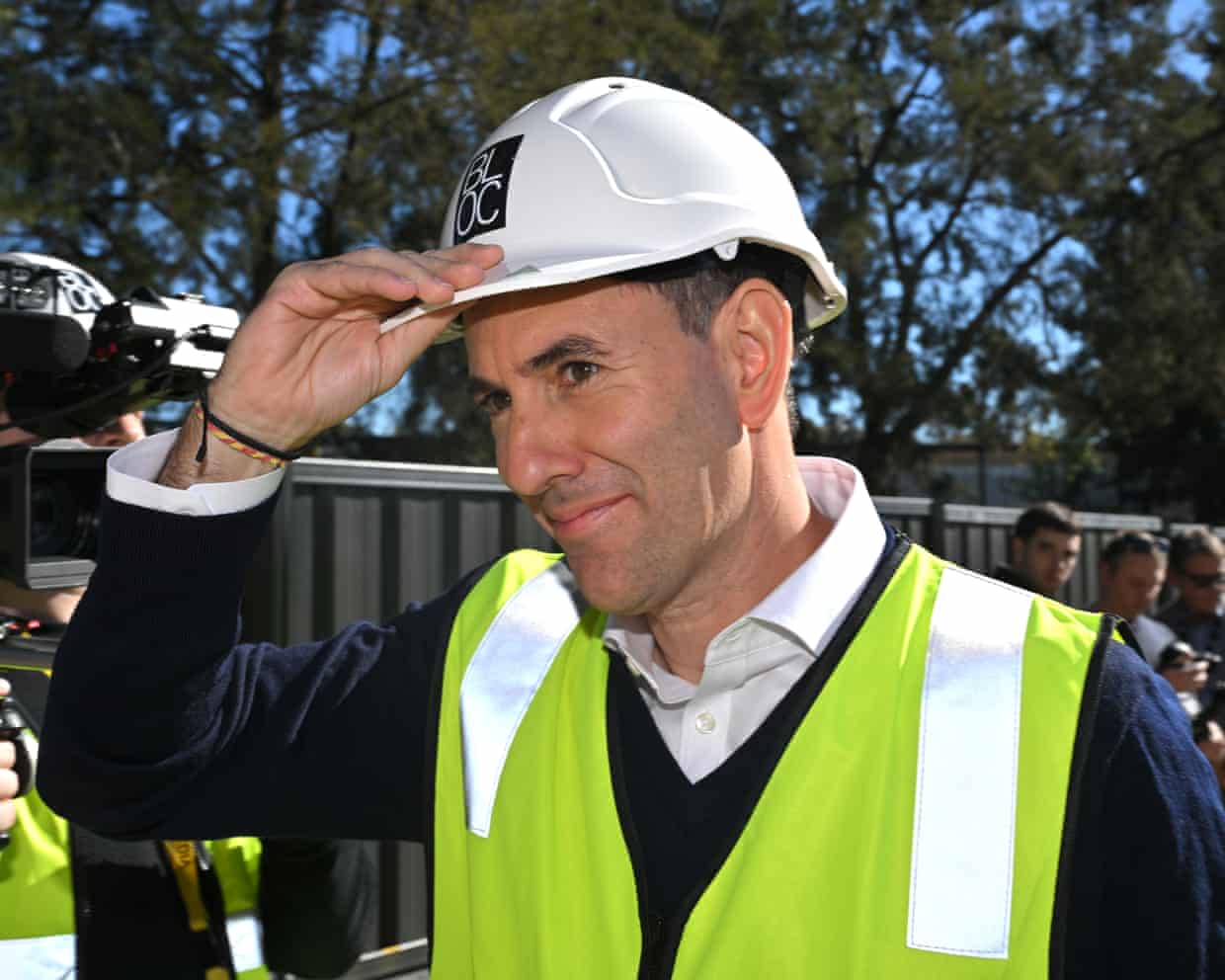
The budget in seven graphs: no big surprises but this may be one of the most ambitious moves to fix Australia’s finances | Greg Jericho
This year’s budget is an odd affair. So much had been leaked and dropped to the media that there are barely any surprises. But that does not mean it does not live up to the billing of being ambitious – basically killing off the capital gains tax 50% discount is a huge deal.The lack of changes on gas tax, an absence of increased assistance for the unemployed and renters, and cuts to the NDIS, however, show that this is still a government where ambition is not in surplus.Jim Chalmers really should send Donald Trump a big exploding cake as an up-yours present for what the US president is doing to the global economy

Molière Ex Machina: AI used to create ‘new work’ by beloved French playwright
Molière is to the French what Shakespeare is to the English: the last word in historical literature, drama, wit and satire.Now, more than 350 years after his death, the 17th-century dramatist has been revived after scholars at the Sorbonne University in Paris used artificial intelligence to help write an experimental play in his style.L’Astrologue ou les Faux Présages (The Astrologer, or False Omens), a three-act comedy, made its debut at the Royal Opera at the Château de Versailles last week.The two-hour play tells the story of a wealthy bourgeois Parisian who, under the instruction of a charlatan astrologer called Pseudoramus, insists his daughter Lucile marry a debt-ridden and elderly wigmaker.While the theme could well have been dreamed up by Molière, the dialogue, music, costumes and scenery were all created with the help of a French AI tool called Le Chat (The Cat)

Mistaking AI behaviour for conscious being | Letter
Richard Dawkins’ reflections on AI consciousness are striking – not because they show that machines have crossed some hidden threshold into inner life, but because they reveal how readily we can be persuaded that they have (Richard Dawkins concludes AI is conscious, even if it doesn’t know it, 5 May).Many will recognise the experience: a system that responds with fluency, humour and apparent understanding. At some point, simulation starts to feel like presence. But that shift tells us more about human cognition than machine consciousness. The error is a category one
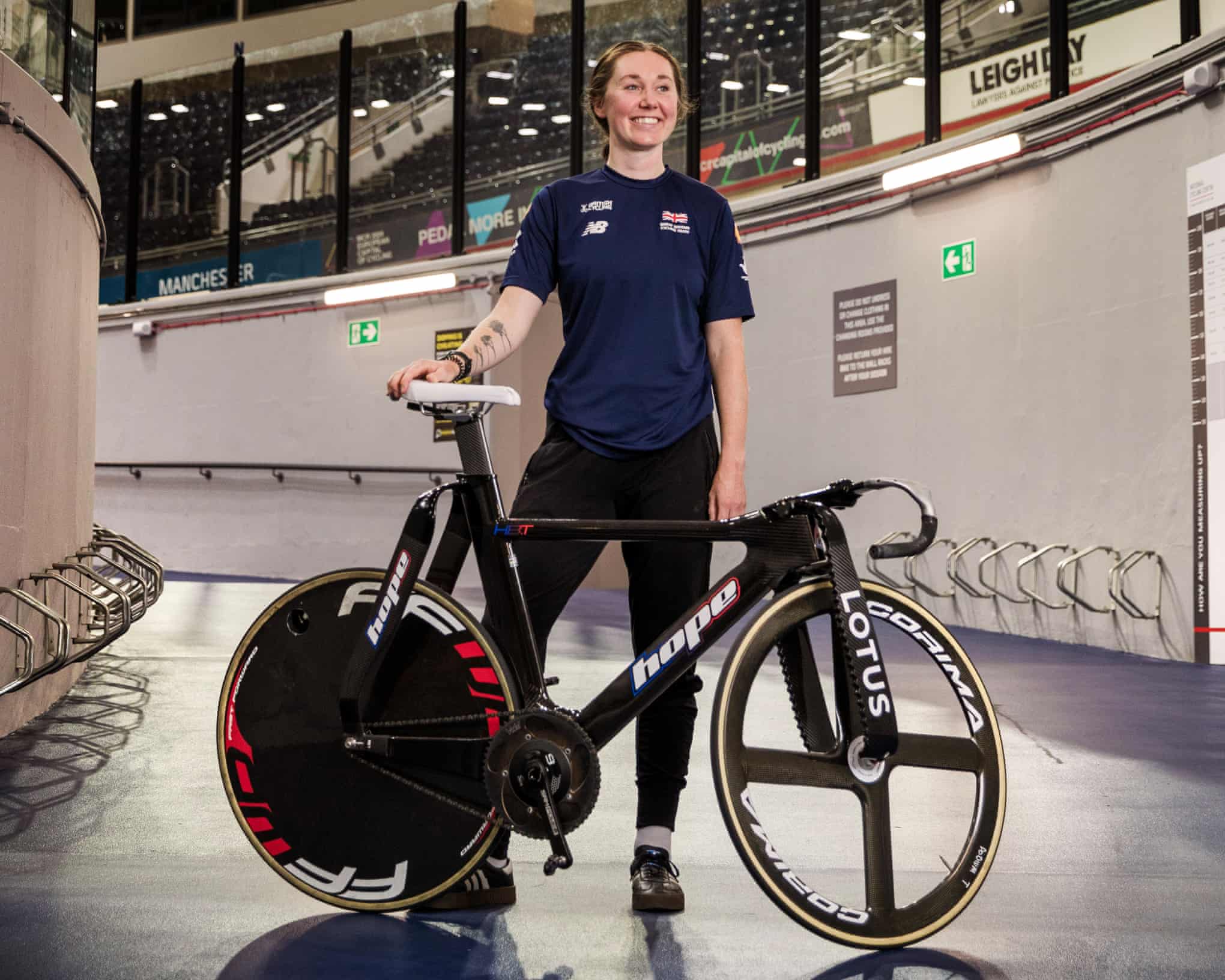
Multiple Olympic and world champion cyclist Katie Archibald retires to become nurse
Endurance specialist won Olympic gold in Rio and Tokyo‘I don’t know where I’ll get these feelings again’Katie Archibald, the Scottish track cyclist who won gold medals at the Rio and Tokyo Olympics, has announced her retirement with immediate effect.The decision means the 32-year-old, who also won multiple world, European and Commonwealth titles, will not compete in July’s Commonwealth Games in Glasgow.Archibald said: “The draw of the real world has been pulling me for a while, but I’ve been too scared to leave the world I know and love and, ultimately, to let go of something I’m good at.”She is now retraining to be a nurse. “I’ve fallen completely in love with the whole thing,” Archibald said

Too many of us were traumatised by sport at school – but it’s never too late to change | Cath Bishop
There is a disconnect between the proliferation of reports recommending we should be more active and actual levels of activity, that are scarcely budging. Sports councils, health bodies, charities and thinktanks are piling up the evidence that sport and physical activity help us live healthier, happier lives, improve academic attainment at school and productivity at work, connect our communities and help prevent crime and reoffending. Why can’t we turn this into reality?Reports often call for better coordination, including the recent House of Commons inquiry Game On: Community and School Sport. But sport and physical activity remains poorly linked among schools, sports clubs, community organisations, parks and playgrounds. In an era of superintelligence and rockets flying around the moon, surely we could do better?Structural change and innovation is needed
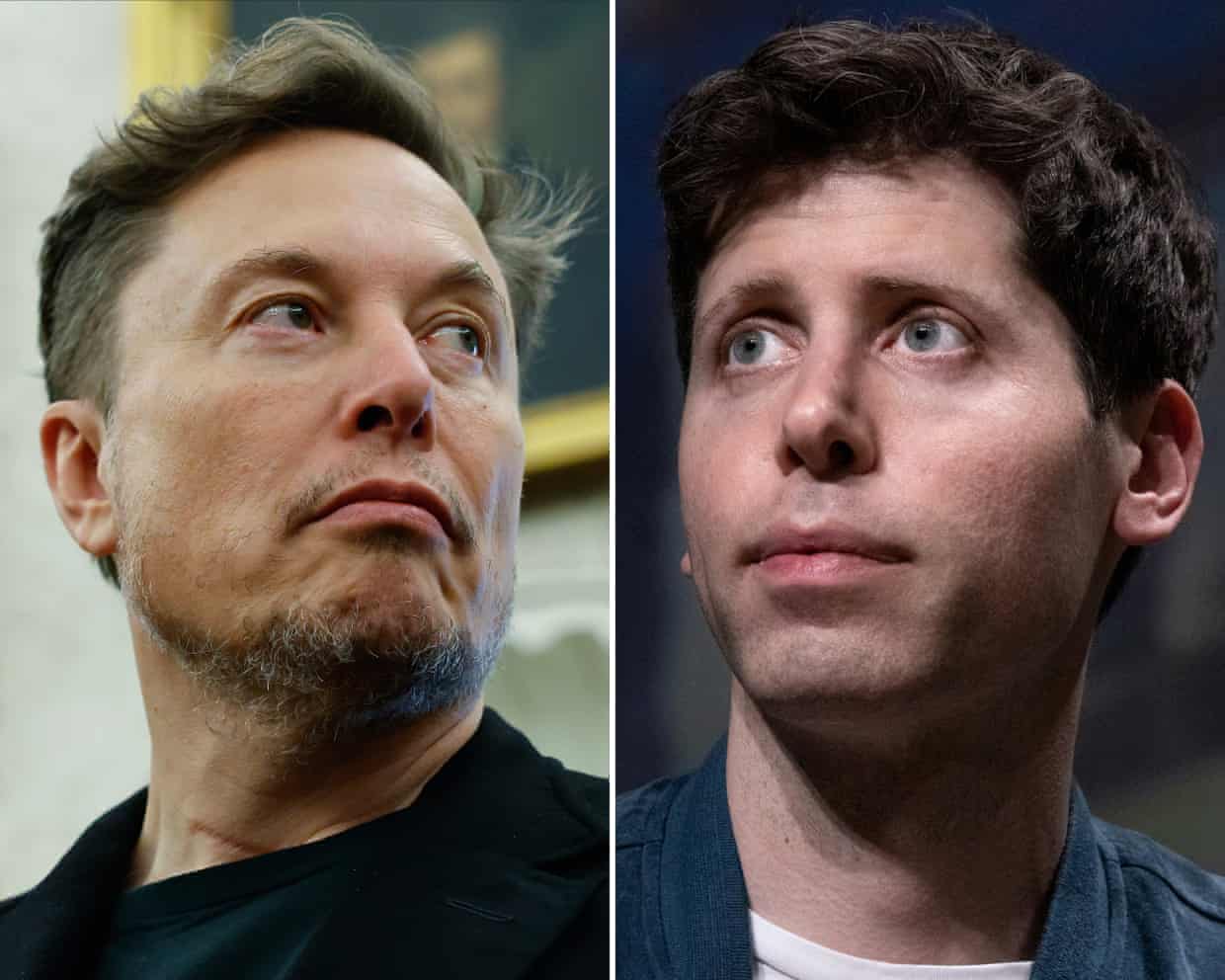
What I saw at the Musk-OpenAI trial: petty billionaires, protests and a stern judge
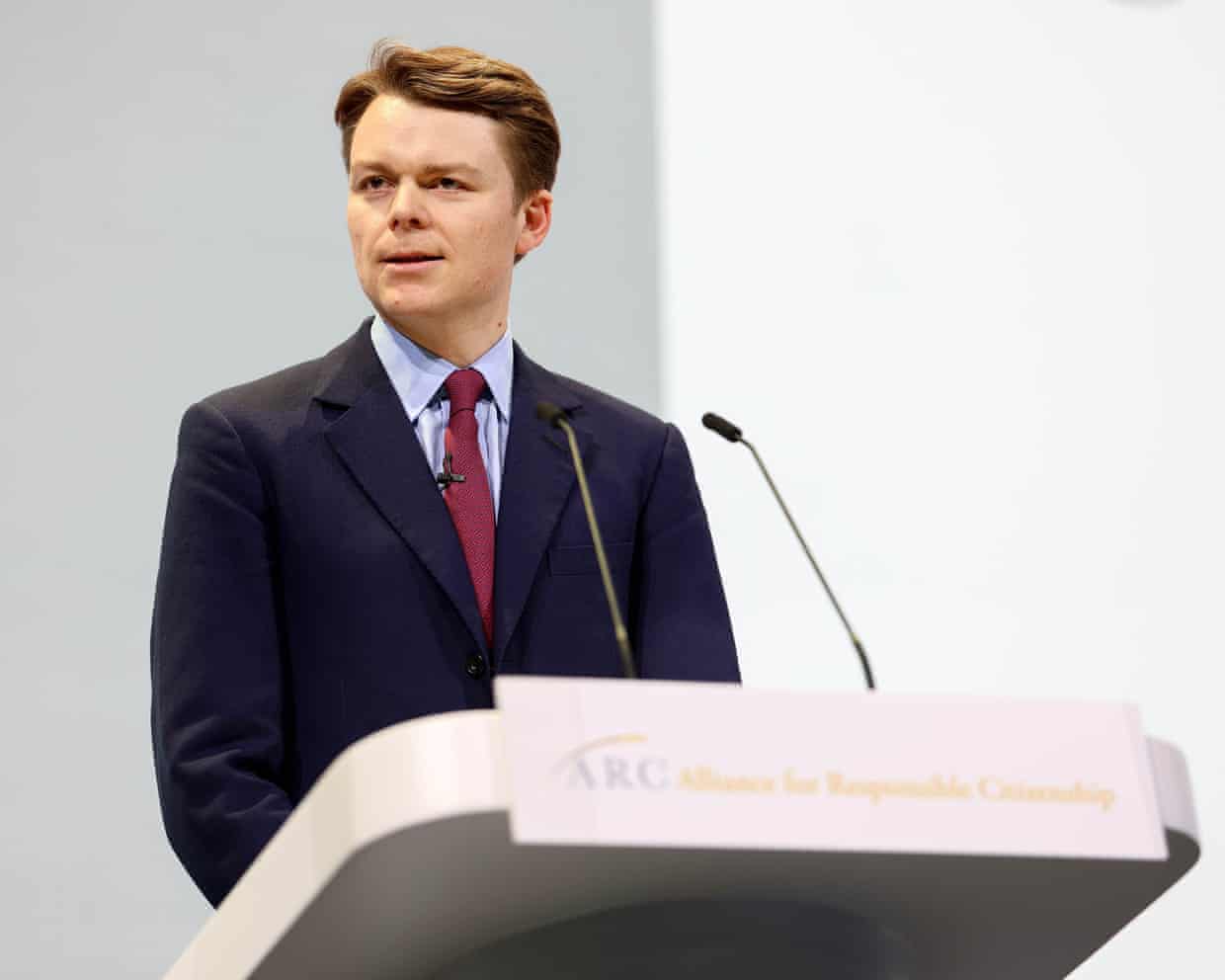
Who is Louis Mosley, the man tasked with defending Palantir against its critics?

AI-powered surveillance company Palantir created a chore coat. Great, now I have no choice but to burn mine | Van Badham

‘Being human helps’: despite rise of AI is there still hope for Europe’s translators?

UK schools should remove pupils’ online photos as AI blackmail threat grows, say experts

Europe’s AI translation industry told it risks reputation by partnering with US firms