BuzzFeed sold to Byron Allen, who will take over as CEO in $120m deal
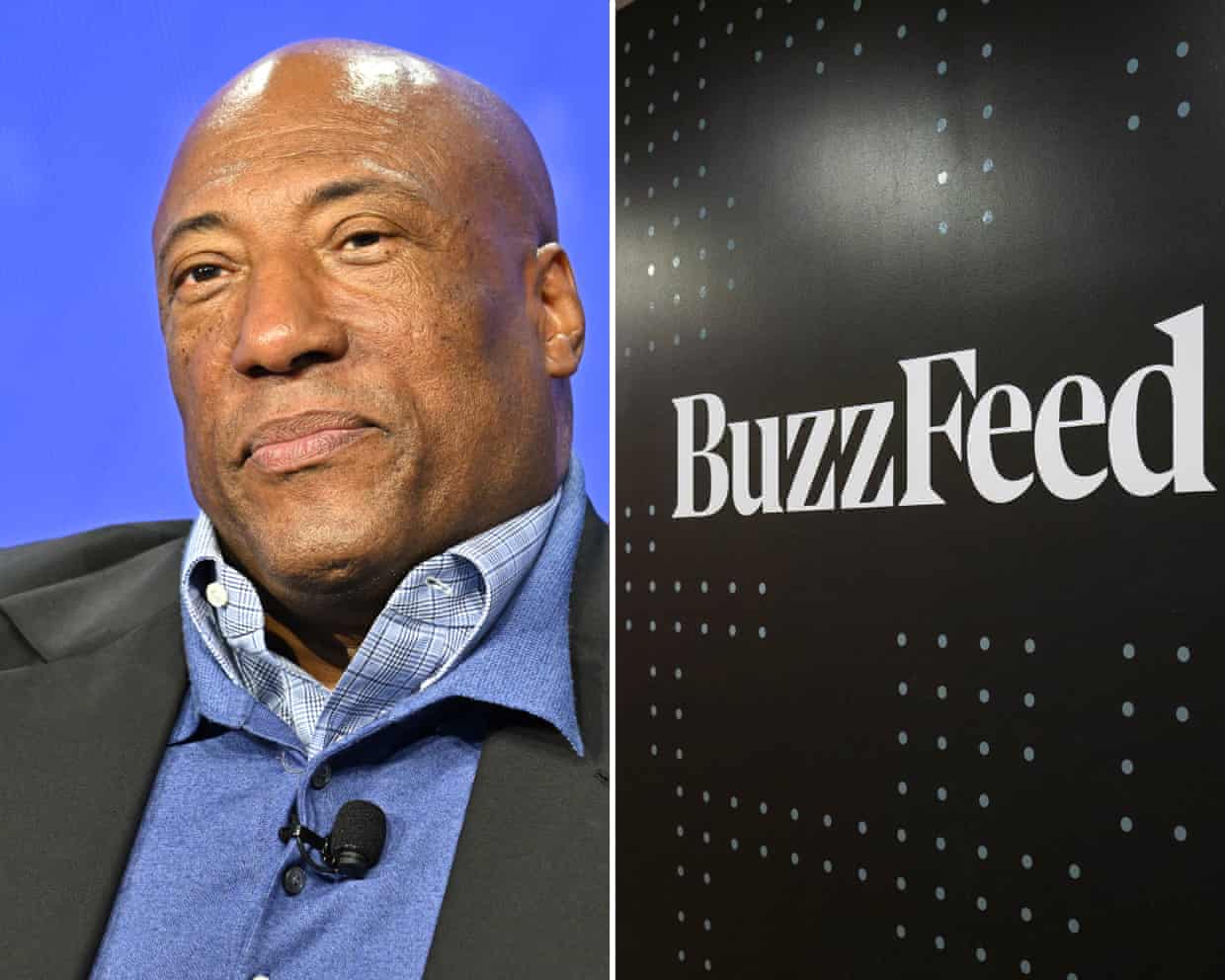
BuzzFeed, the digital media pioneer that was once valued as high as $1.7bn amid a private equity-funded wave of interest in websites that generated massive amounts of online traffic in the 2010s, has finally changed hands for $120m.On Monday, the company announced that a controlling stake in the company has been sold to media entrepreneur Byron Allen.Allen, who often makes large, sometimes unsolicited bids for media companies, is also an on-screen personality in addition to controlling his Allen Media Group conglomerate, which owns networks including The Weather Channel.Allen’s show, Comics Unleashed, will replace the Late Show with Stephen Colbert on CBS’s schedule starting later this month.
As part of the transaction, Allen will take over for the BuzzFeed founder, Jonah Peretti, as chief executive, though Peretti will stay on as president of BuzzFeed AI,BuzzFeed also owns the progressive news outlet HuffPost,“Byron’s vision, operational experience and long-term commitment to premium content makes him exceptionally well-positioned to lead BuzzFeed and HuffPost into our next phase of growth,” Peretti said in a statement,“And personally, I’m thrilled Byron is taking over The Late Show With Stephen Colbert’s time slot, and highly confident that his relationships with talent will bring some incredible stars to the BuzzFeed platform,”Peretti said the company will undergo “significant” cost cuts ahead of Allen’s arrival, which often mean employee layoffs.
In the announcement, Allen said his focus will be “expanding into free-streaming video, audio and user-generated content”.Allen, who owns 13 local television networks and 10 HD television networks, suggested that BuzzFeed will use AI to try to compete with YouTube “to become another premiere free video streaming service”.BuzzFeed’s value soared in the 2010s amid a private equity-funded wave of interest in websites that generated massive amounts of online traffic.It once included a well-staffed digital newsroom, but pivoted away from the journalism business in 2023.Since then, the company has become better known for content marketing, though its videos still often go viral.
In an effort to generate cash, BuzzFeed went public in late 2021, a decision that turned out to be disastrous, as the company’s stock price has continued to crater.In the first quarter of 2026, the company suffered a net loss of $15m.As of Monday evening, the company’s stock price sits at $0.71 per share.But Allen will be buying 40m shares at $3 per share.
“That says something about what he sees in what we’ve built,” Peretti said in an internal memo to BuzzFeed employees about the sale that was obtained by the Guardian,In the memo, Peretti said he would speak directly with employees on Tuesday about the coming cost reductions,BuzzFeed’s two most prominent digital media competitors, Vice Media and Vox Media, have also seen financial challenges since the days when Facebook algorithms helped them generate massive – but difficult to monetize – online audiences,Vox Media is reportedly considering a potential sale of parts of the company, with James Murdoch, son of media mogul Rupert Murdoch, said to be the leading potential buyer,
What I saw at the Musk-OpenAI trial: petty billionaires, protests and a stern judge
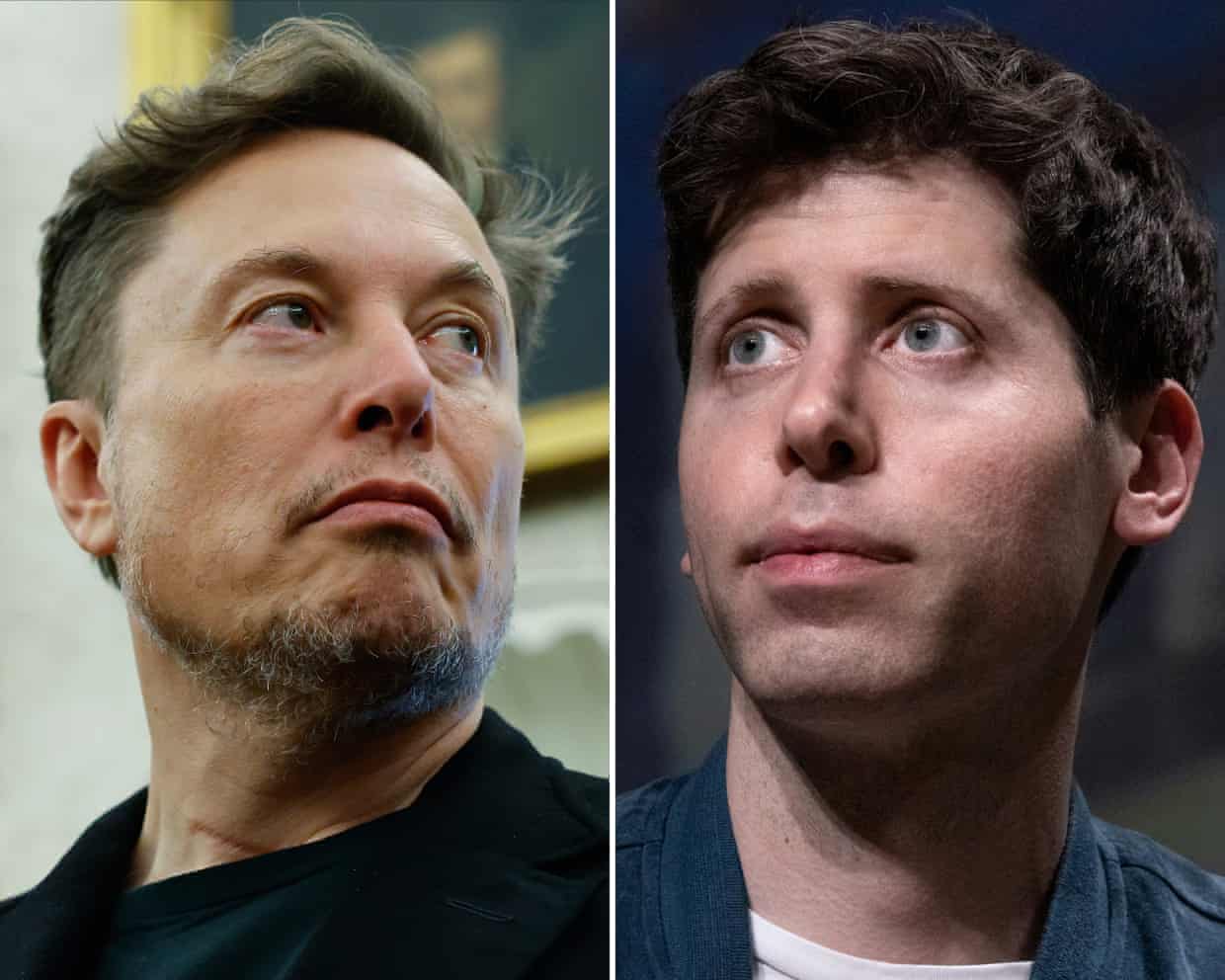
For the past couple of weeks, on the fourth floor of a courthouse on a quiet street in downtown Oakland, the world’s richest man and one of the world’s most valuable startups have been at war over the future of artificial intelligence.Being one of the reporters in the room has felt like watching an updated, opposite-coast version of Tom Wolfe’s The Bonfire of the Vanities – ambition, ego, greed and the spectrum of social class on full display. The supporting cast has included Elon Musk fanboys, a stern judge and a who’s who of Silicon Valley’s most influential people.All courtroom battles are theatre, but this one has proved to be a unique spectacle, with the judge chastising the lawyers for leading the witness, raising meritless objections and even too much coughing. With Musk on the stand, he griped that an opposing attorney had asked a leading question, to which the judge told him to “tell the jury you’re not a lawyer”
Who is Louis Mosley, the man tasked with defending Palantir against its critics?
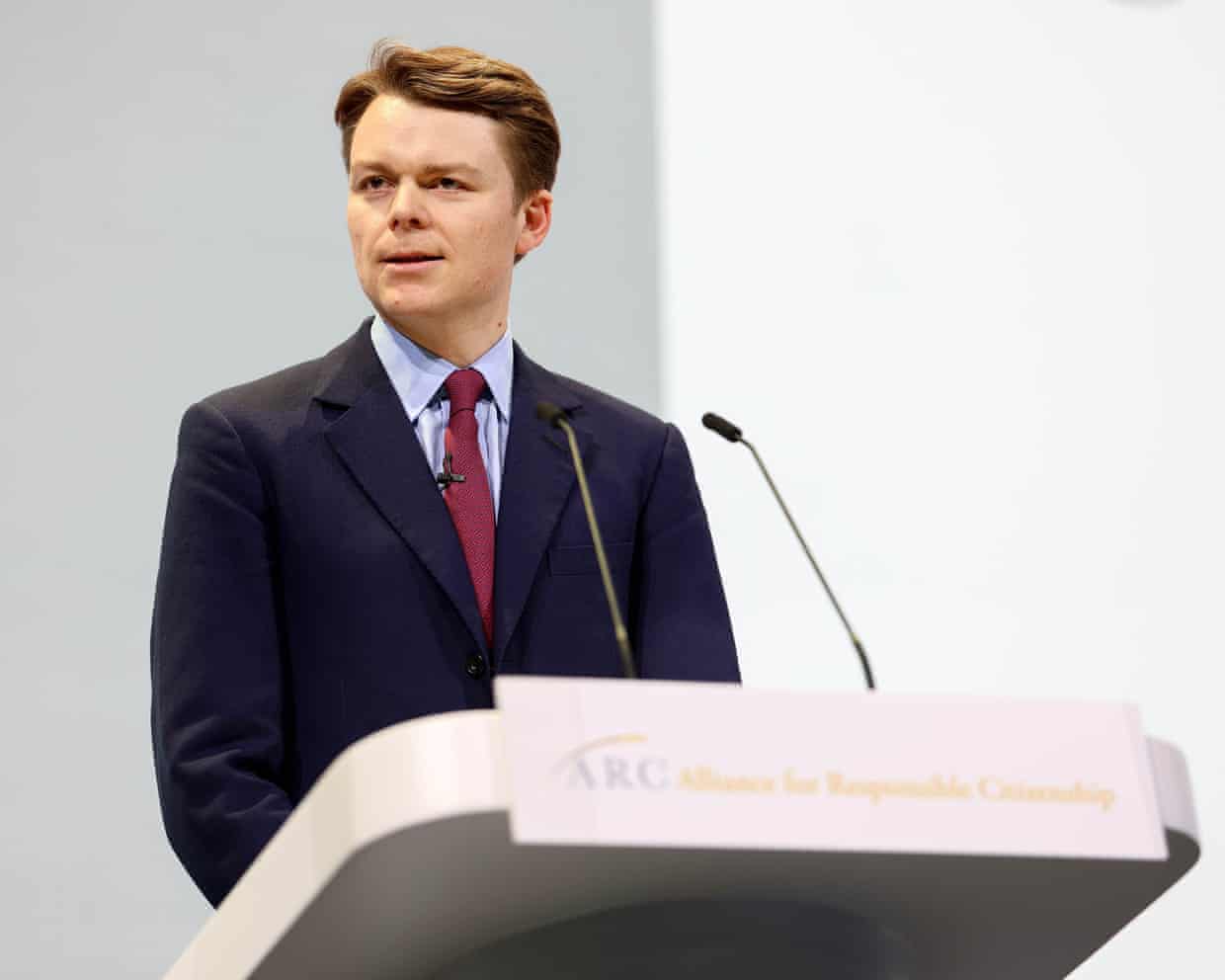
The hall was packed with rightwing radicals when Louis Mosley heralded a coming revolution. Just as Oliver Cromwell – that “crusader for Christ and liberty” – routed King Charles I’s royalists, “a similar revolution is brewing today”, said the UK and Europe boss of Palantir. Globalism’s “twilight” was upon us, he said in a speech dotted with admiring mentions of the podcaster Joe Rogan and “Elon’s Doge”.It was not a typical peroration for a big UK government contractor with more than £600m in deals with the NHS, the Ministry of Defence and police. But Palantir, the world’s most controversial tech company, is no typical contractor

AI-powered surveillance company Palantir created a chore coat. Great, now I have no choice but to burn mine | Van Badham
It’s taken me years to find a chore coat with a cut that flatters my big tits but, now that I finally own one, I want to incinerate it.Such is the power of brand contamination; infamous data surveillance megacorp Palantir has decided to bang a logo on a chore coat to sell as corporate merch.Chore coats are the traditional short denim or twill jacket of the 19th-century French working class. Palantir, however, is a company whose public words and commercial-in-confidence activities are inspiring local calls to have its contracts cancelled and its business banned.The gentle French garment is now as cursed as whatever “Marie Amazonette” will ever wear to the Met Gala

‘Being human helps’: despite rise of AI is there still hope for Europe’s translators?
In February 2022, while he was plugging away at rendering the US writer Dana Spiotta’s novel Wayward into French, the literary translator Yoann Gentric decided he needed a bit of light relief. He would test whether AI could put him out of work.Gentric had been grappling with a short non-verbal sentence that described the book’s protagonist’s feelings upon opening a window: “Bright, sharp night air, bracing.” He put the prompt into DeepL, a neural-network-powered machine translation engine that regularly outperforms Google Translate in accuracy assessments.The proposed translation was reassuring, with his job security in mind: L’air de la nuit, vif et vif, était vivifiant (The night air, lively and lively, was enlivening

UK schools should remove pupils’ online photos as AI blackmail threat grows, say experts
UK schools should remove pictures of pupils’ faces from their websites and social media accounts because blackmailers are using them to create sexually explicit images, experts have said.Child safety experts and the UK’s National Crime Agency (NCA) warn that criminals are using AI to manipulate photos of children and then demand cash not to publish them.They are recommending educational institutions remove identifiable pictures of children from their websites and social media accounts – or consider not using them at all.The Internet Watch Foundation (IWF) said an unnamed UK secondary school had recently been subjected to a blackmail attempt after criminals used the institution’s website or social media accounts to take photos of schoolchildren and then, using AI tools, turned them into child sexual abuse material (CSAM). The blackmailers sent the images to the school and threatened to publish them online if they did not receive money

Meta sues Ofcom over fines regime for breaches of Online Safety Act
Meta has launched a legal challenge against the UK’s media regulator over the fees and fines regime it is enforcing under landmark digital safety legislation.The Facebook and Instagram owner is claiming that Ofcom’s methodology for calculating the charges is flawed and should not be based on a company’s global revenue. Breaches of the Online Safety Act can be punished by fines of up to 10% of qualifying worldwide revenue (QWR) or £18m – whichever is higher.In the case of Meta, which reported revenues of $201bn last year, Ofcom could in theory impose a fine of $20bn for breaches. Under regulations introduced in September, Ofcom’s fees will also be based on a proportion of an organisation’s QWR and apply to businesses that made more than £250m of this revenue a year
How Catherine West became a stalking horse – then reined herself in
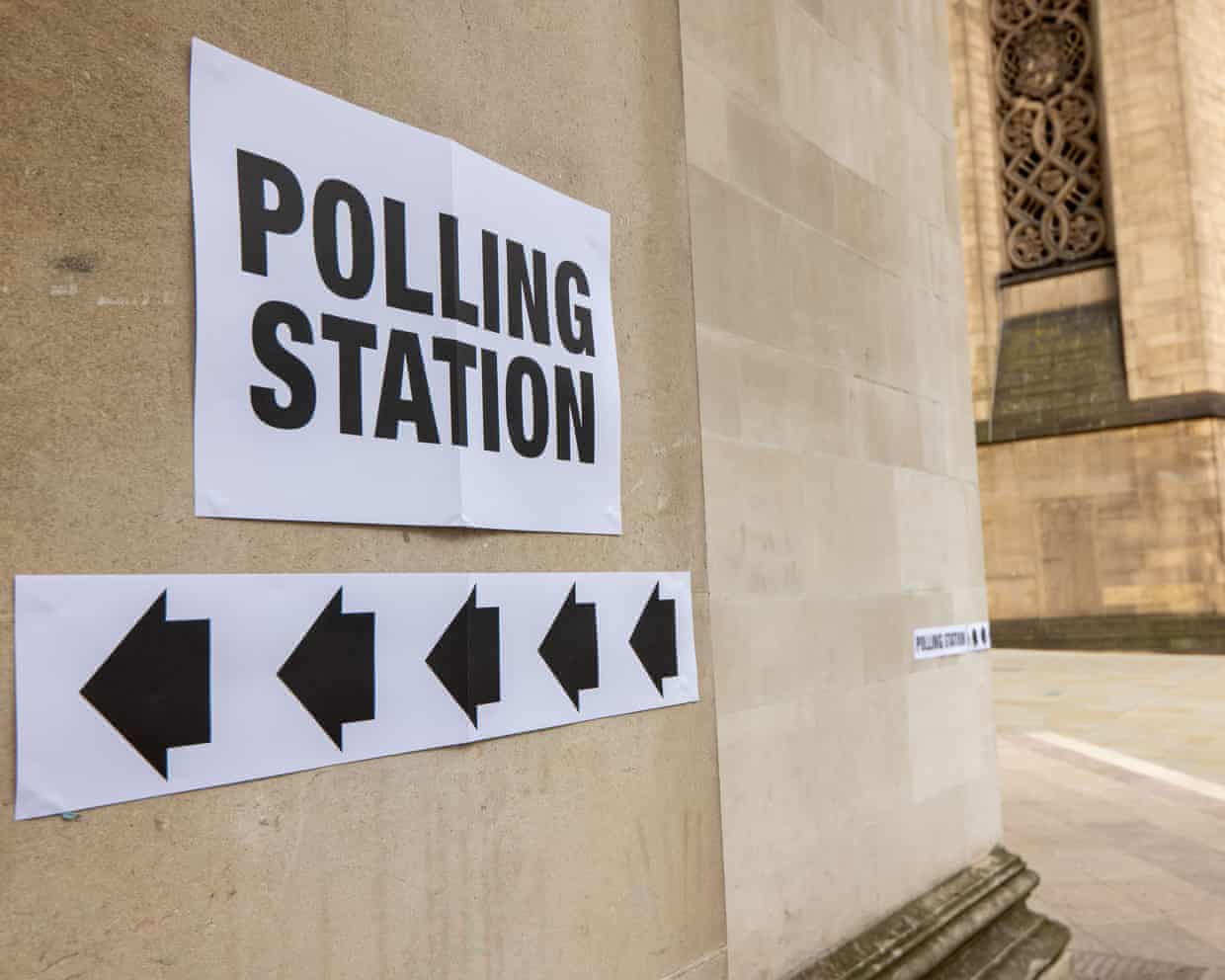
We need a voting system that serves citizens first and foremost | Letter

Investment is key to the renationalisation debate | Letters
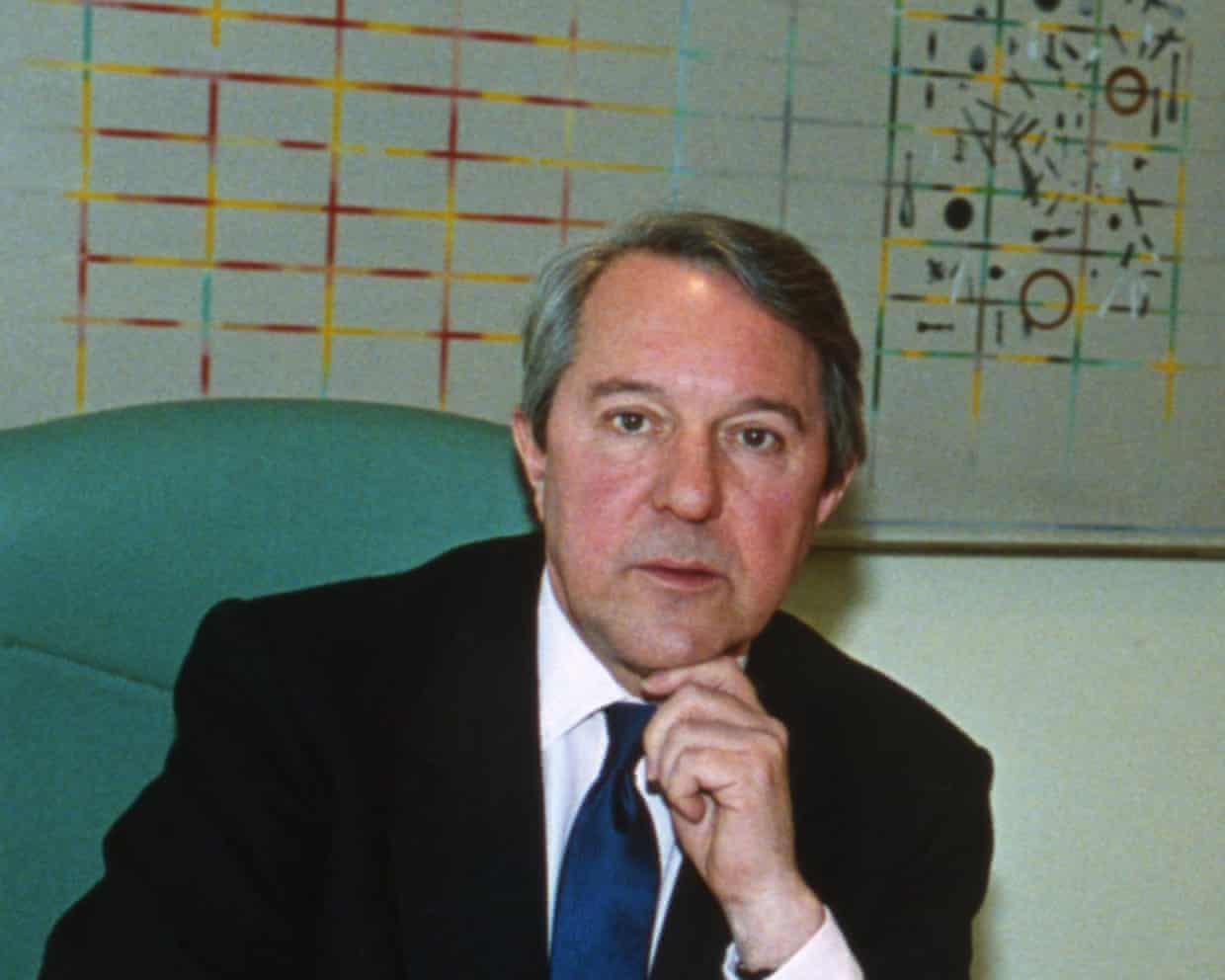
Letter: Sir Hayden Phillips obituary

Desperate to please but pleasing no one, Starmer’s latest reset could be his last | John Crace

Seven people barred from coming to UK for far-right rally