English and Welsh winemakers report sharp rise in production in 2025
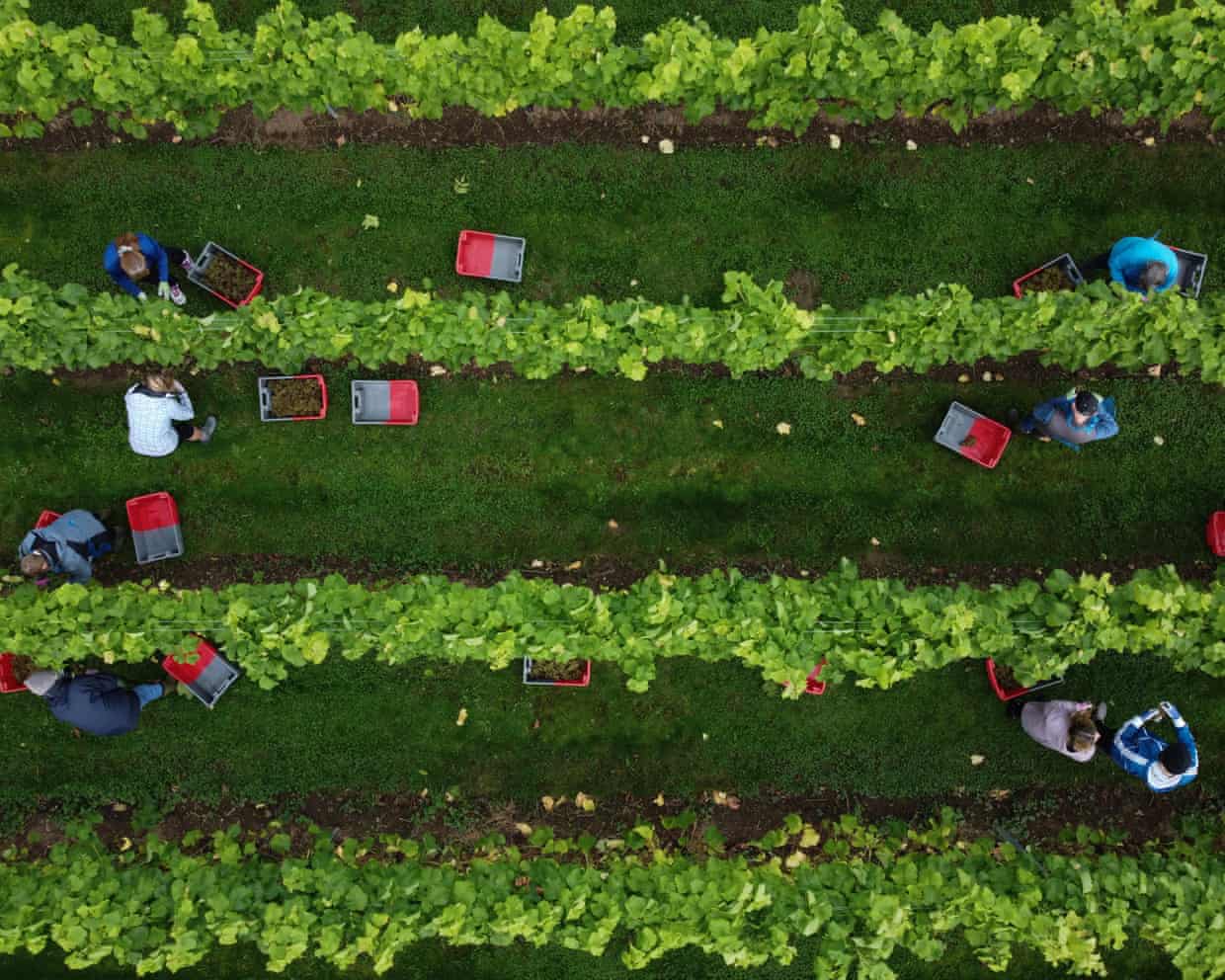
English and Welsh winemakers have reported a sharp rise in production, after the hot, dry summer in 2025 and an increase in vineyard planting resulted in the third-largest UK harvest.The equivalent of 16.5m bottles were produced across the UK last year – or 124,377 hectolitres – according to figures from the wine regulator, the Food Standards Agency (FSA).This represents a 55% increase on the volumes produced a year earlier, the result of favourable growing conditions throughout the season that delivered good fruit quality and yields not seen for many years.It followed a sharp fall in 2024, when production halved to 10.
7m bottles after high rainfall caused more disease in the grape crop,Volumes in 2025 were still below the 21,6m produced in 2023, which was widely considered a bumper year,Last year’s harvest saw a particularly large increase in white wine production, which was up by more than 131% compared with 2024,Nicola Bates, the chief executive of the industry body, WineGB, said: “We take great optimism from the quality and scale of the 2025 vintage and recognise the considerable skill and hard work from viticulturalists and winemakers in bringing in the UK’s third largest harvest.
”Grape yields tend to vary by region.Producers in north-west England and Wales had predicted a good harvest, while growers in the south-east of England, the UK’s biggest wine region, expected it to be below average.Some of the UK’s largest producers, including Nyetimber in West Sussex, predicted that production would not reach record levels in 2025 because its vines needed more time to recover from the cool, damp conditions of the previous year.Gusborne in Kent said its harvest had been lower than average because of a lack of rain.There was a 4% increase in vineyards registered with the FSA to 1,158, the vast majority of them commercial operators rather than hobbyists.
The FSA is responsible for inspecting vineyards and enforcing wine regulations in England and Wales, meaning it ensures the wine that ends up in consumers’ glasses is accurately labelled and meets the required standards.The growth in the industry means that more than 10,000 people are now employed across the sector, taking its value to £14bn.There was an almost 3% increase in vine plantings in 2025, taking the area covered to 4,357 hectares (10,700 acres).The UK is well down the list of wine-producing countries, below Uzbekistan and Tunisia, but output has generally been rising in recent years.Higher temperatures have attracted investors to UK vineyards, at the same time as grape production in more traditional wine-producing countries is coming under pressure.
Cooking with Angela Hartnett: ‘I love food, but I don’t need to talk about it 24/7’
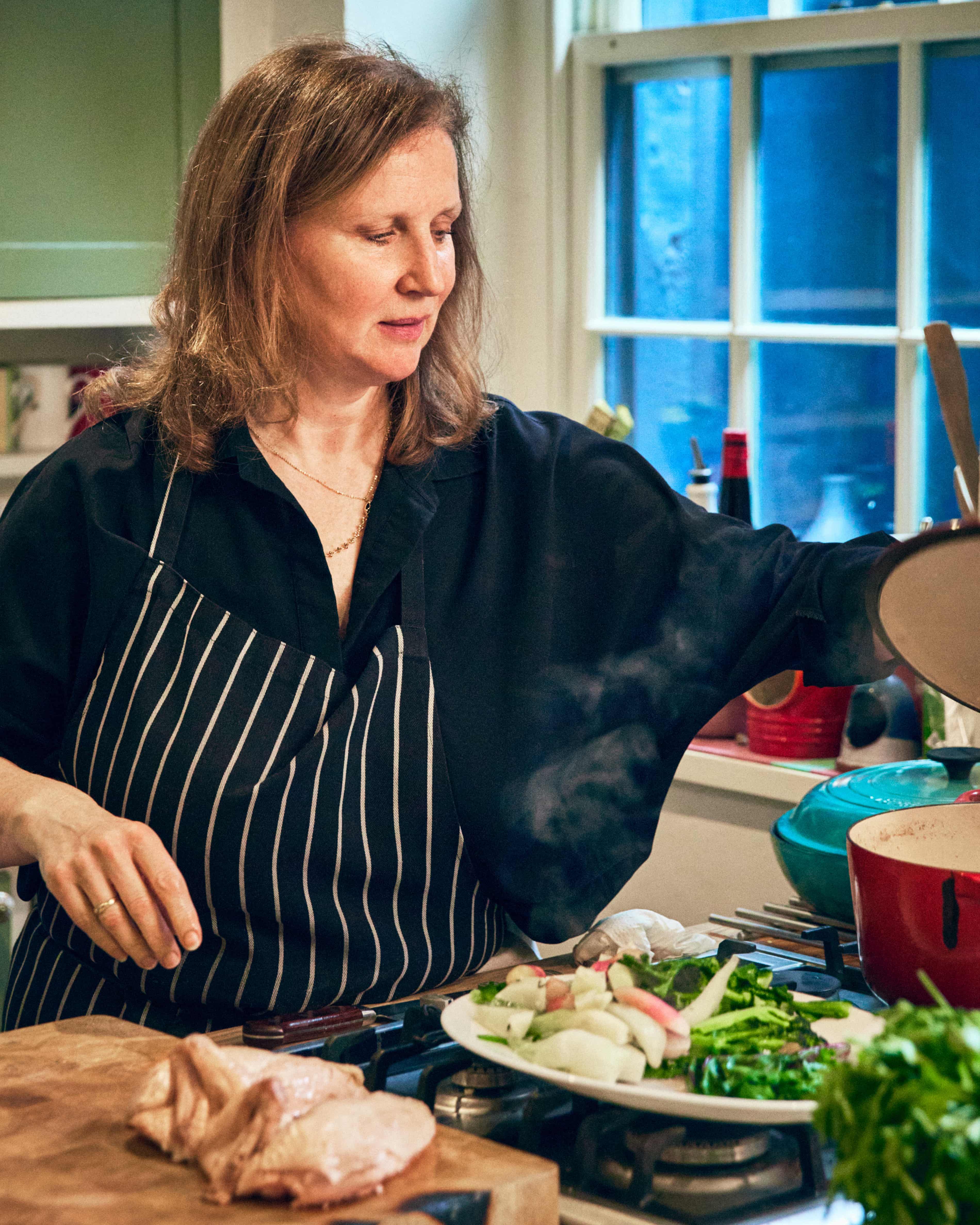
Angela Hartnett’s home kitchen isn’t a place you could recreate, however much Le Creuset you bought. A basement in east London, it has the relaxed timelessness of a villa in a Sally Rooney novel, but the embedded knowledge of a Michelin-starred chef who’s been cooking since she worked in her family’s chippy 40 and a bit years ago (she’s now 57) – every utensil exactly where your hand would be looking for it, everything mysteriously the right size.Today she’s making a poached chicken with spring vegetables. It sounds simple, and it’s maybe the fundamental paradox of food that the simpler a dish – the fewer the ingredients, the less fussing about – the easier it is to screw up. Poached chicken can come out the colour of over-washed underpants, although, to be fair, still taste delicious
Slop it like it’s hot: the rise of build-your-own takeaway salad bowls
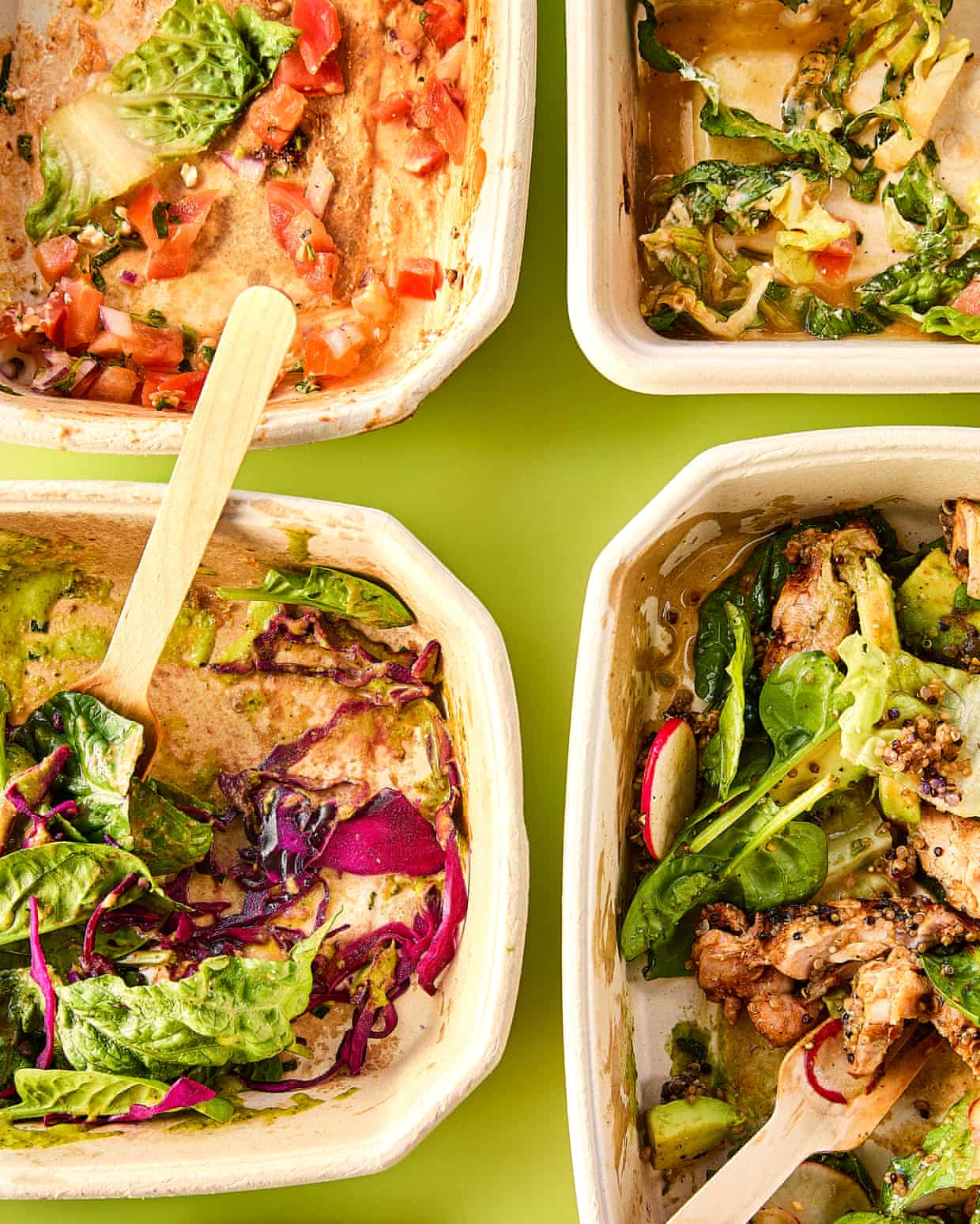
Few things have killed the leisurely lunch like capitalism, but to really see this in action, the food court of London’s financial shadowland, Canary Wharf, is a good place to start. Wandering the warren of Prets and Itsus are Deliveroo riders and suits-on-the-clock. And they’re usually carrying the same thing: a nice big bowl of slop.A slop bowl is the universal term for a mishmash of pick-your-own dishes assembled and sold in fast-casual spots that have become the de facto working lunch. The contents vary (they tend to feature Asian and eastern Mediterranean dishes) but as the name suggests, it is always served in a bowl, and by the time you’ve got to your desk, has usually become slop

Osteria Vibrato, London W1: “Worth singing loudly about” – restaurant review | Grace Dent on restaurants
Osteria Vibrato appeared last month on Greek Street, Soho, feeling to any passerby just like any other neutral-fronted Italian restaurant in this pasta-swamped part of the capital. Not much to see here. Pushing your face against the window wouldn’t achieve much, either, apart from an unsightly smear.Meanwhile, all the in-the-know people – that bunch of infuriating, generously paunched “foodies” who keep London restaurant gossip alive – understood that this particular osteria is the latest opening by Charlie Mellor, former proprietor of the Laughing Heart in Hackney, which opened in 2016 and very quickly became favoured by chefs and industry media types alike, because it took food very seriously, stayed open late and danced a dainty line between debauched and old-school cosseting. It sold pumpkin cappelletti with sage, and chicken liver paté with crisp chicken skin and jellied walnut liqueur
I lost my love of cooking after 12 years as a chef. Moving to a pig farm restored it
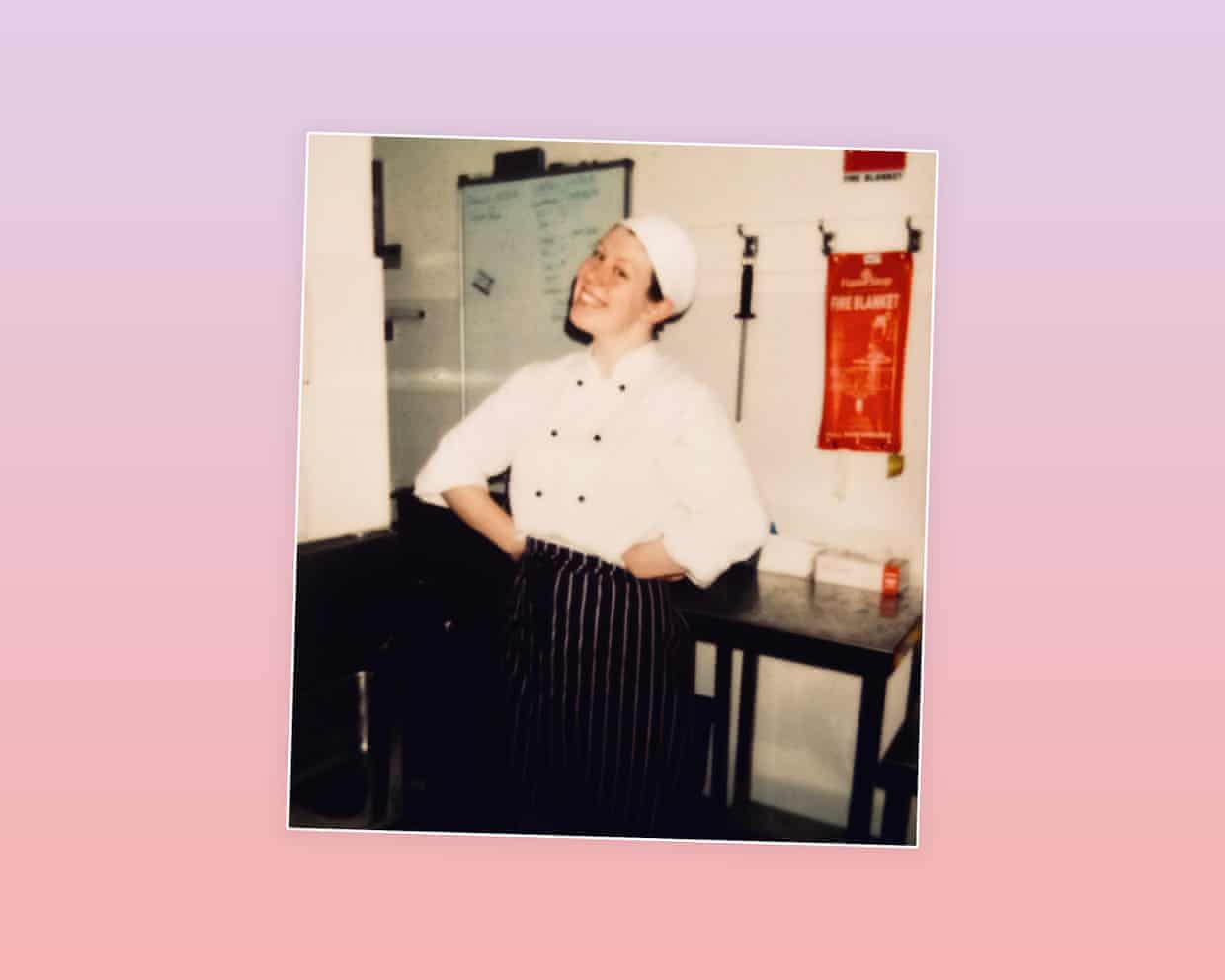
I was a keen-bean 15-year-old when I got my first job in a commercial kitchen in Canberra, raised on a diet of Jamie and Nigella and bursting with a passion for food. I dived headfirst into an apprenticeship and eagerly put my training into practice on my days off, cooking elaborate meals for friends and creating plenty of dirty dishes.But as the years went on, my love for the kitchen was dulled by a series of toxic workplaces, bullying bosses and long hours. Eventually, cooking for myself became a chore. I was more likely to eat cereal on my kitchen floor than do anything creative that would result in dirty dishes
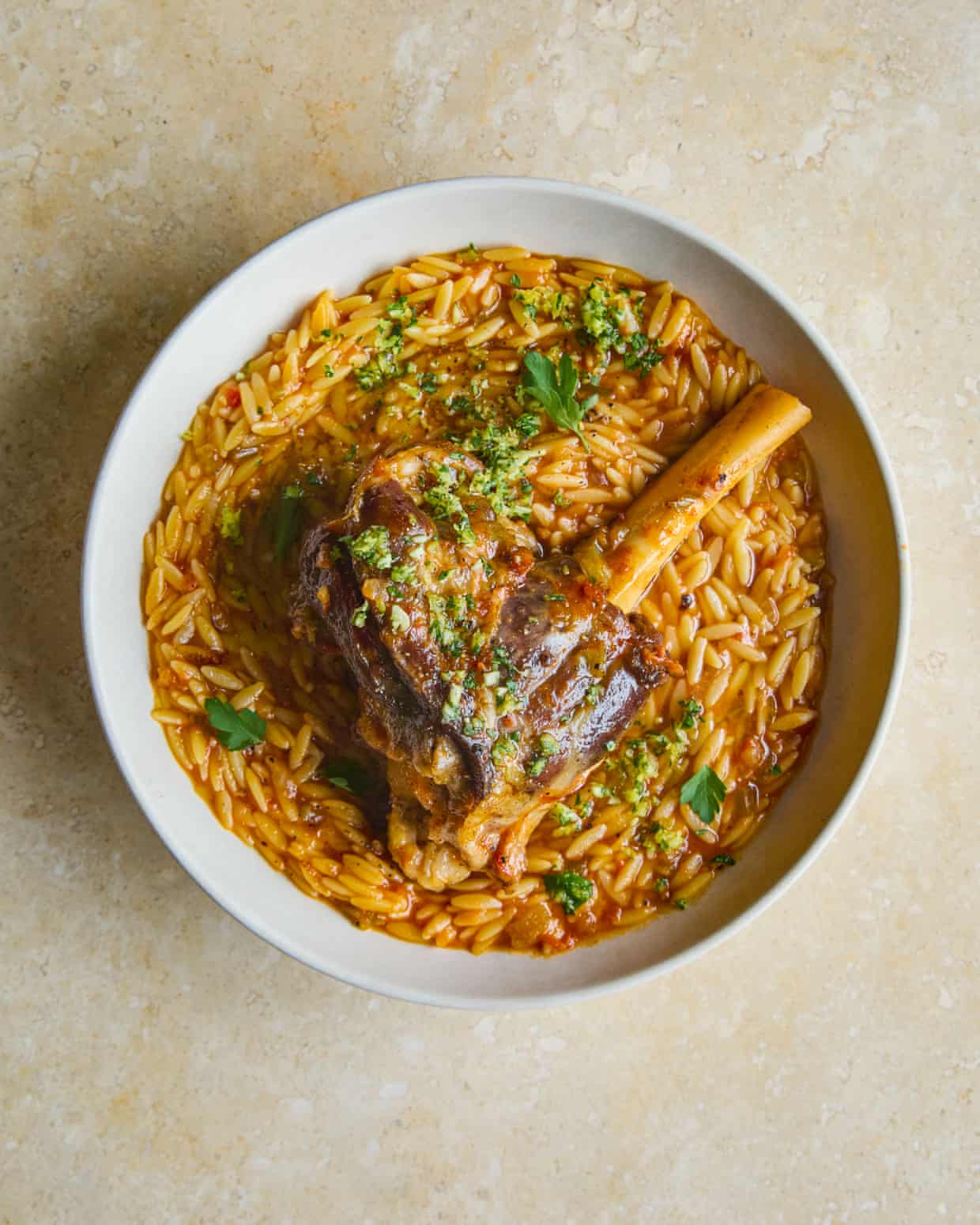
Lamb shanks with orzo and rhubarb galette: Anna Tobias’ Easter recipes
Easter for me immediately brings to mind two things: cracking dyed red eggs together in the style of conkers (a Serbian Easter game that we play every year) and lamb. We always eat lamb at Easter lunch, and I suppose that simply harks back to religious tradition. Today’s lamb shank dish is a wonderfully straightforward and moreish take on a popular Greek recipe. I’ve gone for rhubarb for pudding, because it’s just so representative of this time of year – it’s also very pretty on the eye and a treat to eat, too.Prep 15 minCook 2 hrServes 650ml olive oil 6 lamb shanks Sea salt and black pepper 3 sticks celery, washed and finely chopped2 onions, peeled and finely chopped3 garlic cloves, 2 peeled and finely chopped, the other peeled1 tbsp dried oregano200g tinned chopped tomatoes (ie, ½ tin)375ml white wine 300g orzo 1 lemon 1 small bunch flat-leaf parsley, leaves pickedHeat the oven to 185C (165 fan)/360F/gas 4¼

Best thing I ever ate? My first In-N-Out burger in LA
They say you never forget your first time, but for most of us, this doesn’t apply to cheeseburgers. We can’t really remember our first cheeseburger, because we start eating them at such an early age, before the memory centres of our brains are fully formed. In fact, in Wisconsin (“America’s dairyland”) babies are traditionally weaned on a fortifying diet of cheeseburgers, bratwurst and fondue, along with little sips of lager, just to make sure we acquire the taste.But while I may not be able to recall the particular details of my very first cheeseburger, the sense-memories of them are embedded deep within my subconscious. The perfect flavour-chord of ketchup, mustard and pickles on molten cheese and juicy beef occupies the same psychological space as the peppery cinnamon-and-clove aroma of my father’s Old Spice and the warmth of my mother’s hug
English and Welsh winemakers report sharp rise in production in 2025

Ministers rebuff trade body’s call to boost North Sea oil and gas production

Amount of AI-generated child sexual abuse material found online surged in 2025

MPs urge UK government to halt contract giving Palantir FCA data access

Victoria Mboko and Mirra Andreeva lead new generation of friendly rivals

ECB has taken a risk keeping McCullum and Key – who must now placate the public | Ali Martin