Slop it like it’s hot: the rise of build-your-own takeaway salad bowls
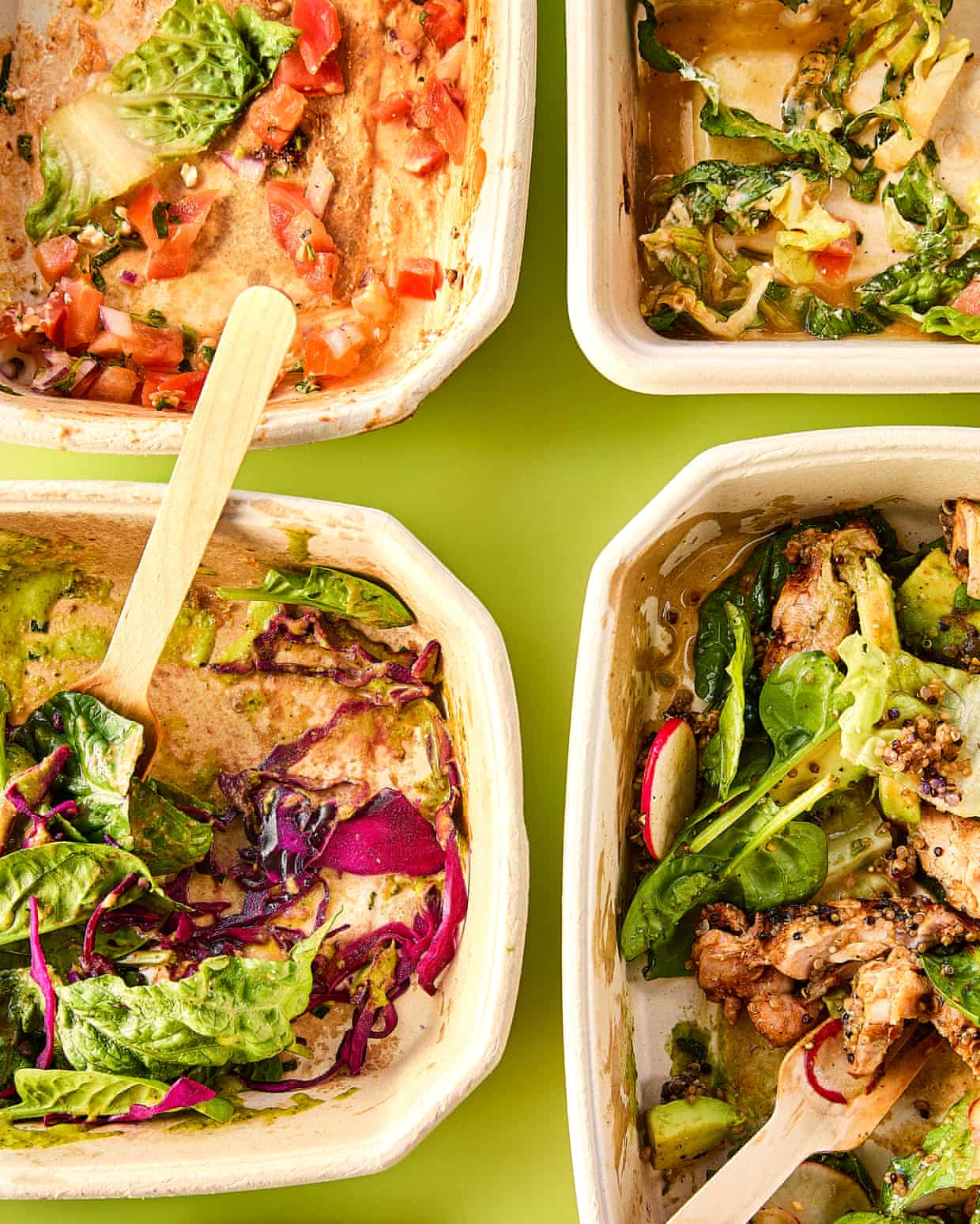
Few things have killed the leisurely lunch like capitalism, but to really see this in action, the food court of London’s financial shadowland, Canary Wharf, is a good place to start.Wandering the warren of Prets and Itsus are Deliveroo riders and suits-on-the-clock.And they’re usually carrying the same thing: a nice big bowl of slop.A slop bowl is the universal term for a mishmash of pick-your-own dishes assembled and sold in fast-casual spots that have become the de facto working lunch.The contents vary (they tend to feature Asian and eastern Mediterranean dishes) but as the name suggests, it is always served in a bowl, and by the time you’ve got to your desk, has usually become slop.
They can cost anything from £7 to £25 depending on what you add – much like coffee, the slop bowl is as customisable as a modular shelving unit from Ikea.This sounds like a lot.But we also live in an era where a salad bowl from Pret can cost £12, so maybe it’s not.The slop bowl at Atis, a small chain of “bowl restaurants” that opened last year, begins with leaves, or padding, spooned into a cardboard bowl, then rice or some sort of grain.What follows depends: in upmarket chains such as Farmer J it might be grilled hispi cabbage; at The Salad Project, roast sweet potato.
Then protein – perhaps chargrilled salmon sprinkled with sesame seeds, or marinated cubes of tofu,This is the main event at most places, though the serving is usually meagre,Texture is one of the slop bowl’s key tenets, so it’s usually finished with a crunchy sprinkle, something pickled (cucumber dominates, though maple walnuts are among “the most popular” at the queue in The Salad Project) and an optional dressing,Then off you go to your desk,There is nothing appetising about the term “slop bowl”.
But Merriam-Webster announced in December that its word of the year was “slop” and it has stuck online and on social media, tapping into both the AI-driven slop found on the internet, and the precise sound the food makes when it hits the base of its little bowl – baby food for grownups.In many ways, it’s the perfect culinary avatar for 2026.As one executive assistant in the queue at the Marylebone outpost of Farmer J told me: “I usually get lunch at Pret, or sushi.But once you’ve had J, it’s hard to go back.”The British eateries that serve them – Farmer J, Atis, Build a Bowl, The Salad Project – don’t call them slop.
But they have become a staple of a 9-5er, trickling down from finance bros to influencers to social media and ultimately, even the supermarket.In January, Ocado launched M&S “nutrient dense” bowls containing grains, vegetables and dressing, and at an affordable £5.95, it’s slop for the masses.As with most food trends – the rise of matcha, the march of avocado-on-toast – slop bowls are largely born out of health and wellness.Alex Ruani, a researcher in health and diet misinformation at UCL, thinks there are several macro food trends behind what she calls slop culture.
“The main ones are plant-forward eating and minimising our intake of ultra-processed food,” she says,Mainly, though, it’s how to achieve both those things, with the minimum effort and time: “I am a working mum,I don’t have time to rinse and cook beans,”As with many trends, it’s a repackaging of something old, says Dr Annie Gray, food historian and author of The Bookshop, The Draper, The Candlestick Maker,The word slop speaks to AI but it also refers to the way it homogenises global cuisine.
“A pick-your-own approach to various dishes from varying cultures which all slop together fails to reflect the cuisine of any given country.It’s fusion cooking from the 1990s – the turbo version.”The genesis of the slop bowl depends on who you ask.“One-meal food-in-a-bowl has always made sense.It’s practical – not to mention that spoons were invented before forks,” says Gray.
Think about medieval potage or lobscouse or mutton stew with dumplings, she says,“But to me, it sounds like gen Z trying to rename something that has been around for ever, modernised with the health twist,” She’s not wrong,It was following the pandemic that Deliveroo became a household verb and the restaurant industry imploded,“Slop bowls are a pragmatic way to serve food, but it’s also food for a [hospitality] industry in dire straits, an example of how in some places cooking has become completely deskilled.
Who cares about watching an assembly line?” says Gray.“The slop bowl presents as meeting all your needs, giving you choice.But it’s just the illusion of choice.”As it is easy to package and carry, most fast, casual British food chains offer a version of the slop bowl.Leon alone has been putting a mix of hot and cold food in a takeaway bowl for almost 20 years, while Chipotle’s westernised bowls of beans, chilli and quenelles of avocado have been more than a guilty secret since 2010.
In America, outposts such as Cava and Sweetgreen have been doing it for decades.In a way, says Dr Eleanor Barnett, food historian and author of Leftovers: A History of Food Waste and Preservation, “‘slop bowls’ go back to the start of human civilisation, if we mean a mix of protein, grains, and vegetables thrown together in one bowl”.“Cook shops existed in medieval England, set up in busy areas and serving pre-made food like pies.Oftentimes, the pie crust wasn’t eaten, serving instead as a kind of Tupperware or bowl, so perhaps even this practice isn’t too far away from the modern slop bowl trend, either.” The difference perhaps is how we eat them.
“This would have been in a big pot and everyone would help themselves to a bowl of it.” And Ruani agrees.“The working lunch used to be a communal experience between colleagues.Slop bowls today are inherently designed to be eaten with your laptop as a plus-one.They are messy.
They are noisy.It is not pleasant to watch someone eat one, trust me.Having a conversation with a colleague over slop? No way.”“The thing about the famous Mediterranean diet, it’s not just the food that makes you live longer,” adds Camilla Stokholm, a GP and author of What Your Doctor Eats.“It’s the social connection, the pace, the eating together.
” These bowls mostly serve the lunch-hour rush, but Farmer J, which opened its first spot in London 10 years ago but has this year launched in the US, now serves slop for breakfast, too: shak pots, based on shakshuka, being the most popular.In the new series of Industry, set in the high-pressure world of investment banking, they double as antagonist Harper Stern’s dinner.Even online meal kit service Planthood recently advertised a slop bowl of soup (AKA soup with other food piled on top), as if there was an alternative receptacle for the stuff.To that end, maybe the slop bowl is just about status; carrying your little cardboard bowl around is like carrying a Daunt’s tote or a Fitzcarraldo paperback.“You walk in, you get the base, you begin adding ingredients and before you know it you’ve dropped almost £20 – and I believe the pressure to look healthy in front of peers, the ones you’ve queued with, forces you to spend more,” says Ruani.
“It’s social contagion,”The other unavoidable factor in their rise is the continued use of GLP1 drugs, adds Ruani,“These are compact bowls of food for people with small appetites marketed as nutrient-dense,” she says,But really, there’s not much in a lot of them; they just pass as lunch,I tried one slop bowl without any protein at Atis.
It cost £7, about the same as Pret, but weighed in at around 200g and less than 500 calories (it barely touched the sides).Slop bowls are a product of today’s diet culture and a record of it.Blame the pandemic, or bankers – it was Wall Street’s Gordon Gekko who, in 1987, uttered, “Lunch is for wimps.” But as lunches go, adds Stokholm, “if yours contains legumes – chickpeas, black beans, that sort of thing – and a wholegrain like quinoa or spelt; then seeds, avocado, extra-virgin olive oil and something fermented, then you could do a lot worse”.Maybe just pop to Pret, then.
Slop it like it’s hot: the rise of build-your-own takeaway salad bowls
Few things have killed the leisurely lunch like capitalism, but to really see this in action, the food court of London’s financial shadowland, Canary Wharf, is a good place to start. Wandering the warren of Prets and Itsus are Deliveroo riders and suits-on-the-clock. And they’re usually carrying the same thing: a nice big bowl of slop.A slop bowl is the universal term for a mishmash of pick-your-own dishes assembled and sold in fast-casual spots that have become the de facto working lunch. The contents vary (they tend to feature Asian and eastern Mediterranean dishes) but as the name suggests, it is always served in a bowl, and by the time you’ve got to your desk, has usually become slop
Osteria Vibrato, London W1: “Worth singing loudly about” – restaurant review | Grace Dent on restaurants
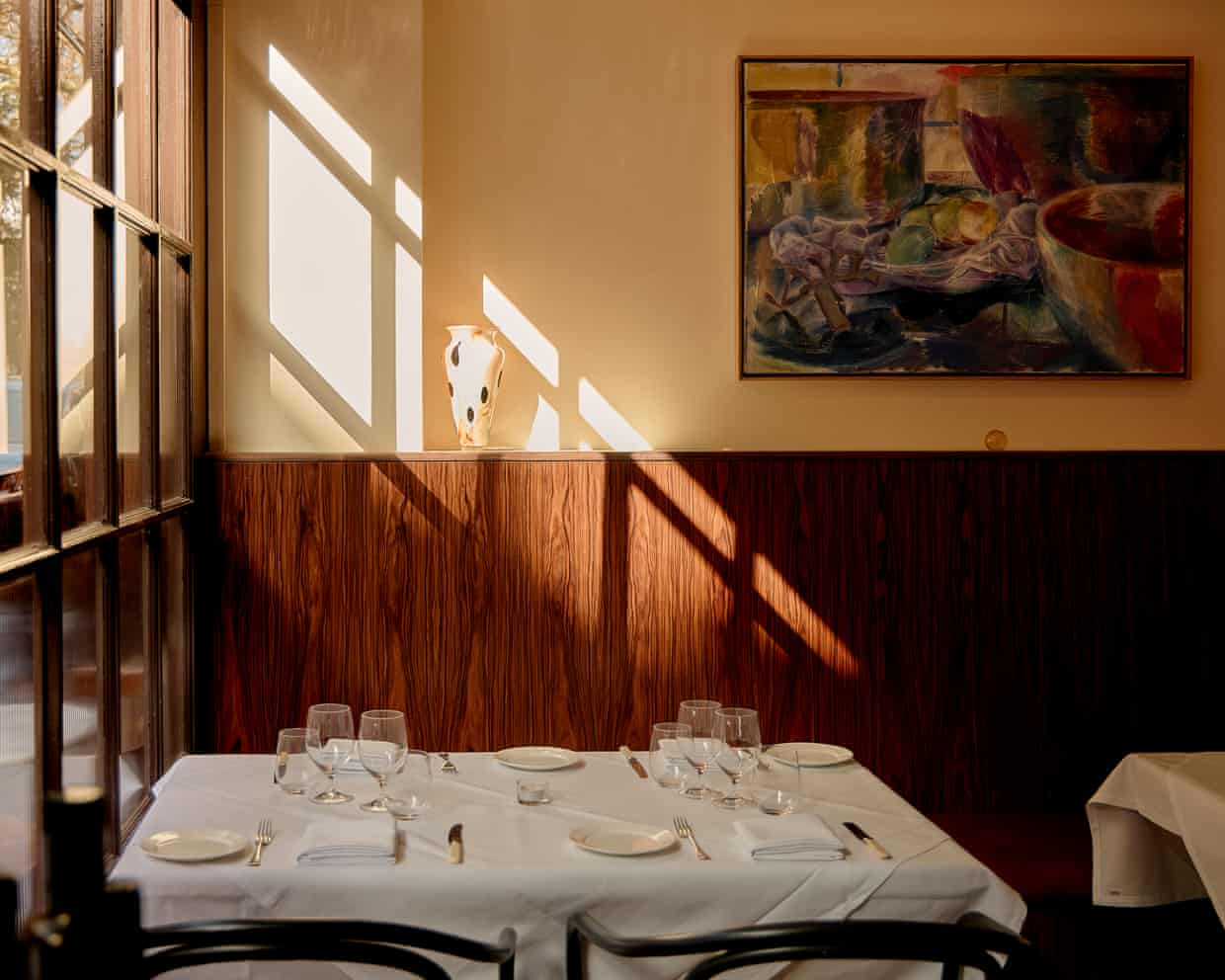
Osteria Vibrato appeared last month on Greek Street, Soho, feeling to any passerby just like any other neutral-fronted Italian restaurant in this pasta-swamped part of the capital. Not much to see here. Pushing your face against the window wouldn’t achieve much, either, apart from an unsightly smear.Meanwhile, all the in-the-know people – that bunch of infuriating, generously paunched “foodies” who keep London restaurant gossip alive – understood that this particular osteria is the latest opening by Charlie Mellor, former proprietor of the Laughing Heart in Hackney, which opened in 2016 and very quickly became favoured by chefs and industry media types alike, because it took food very seriously, stayed open late and danced a dainty line between debauched and old-school cosseting. It sold pumpkin cappelletti with sage, and chicken liver paté with crisp chicken skin and jellied walnut liqueur
I lost my love of cooking after 12 years as a chef. Moving to a pig farm restored it
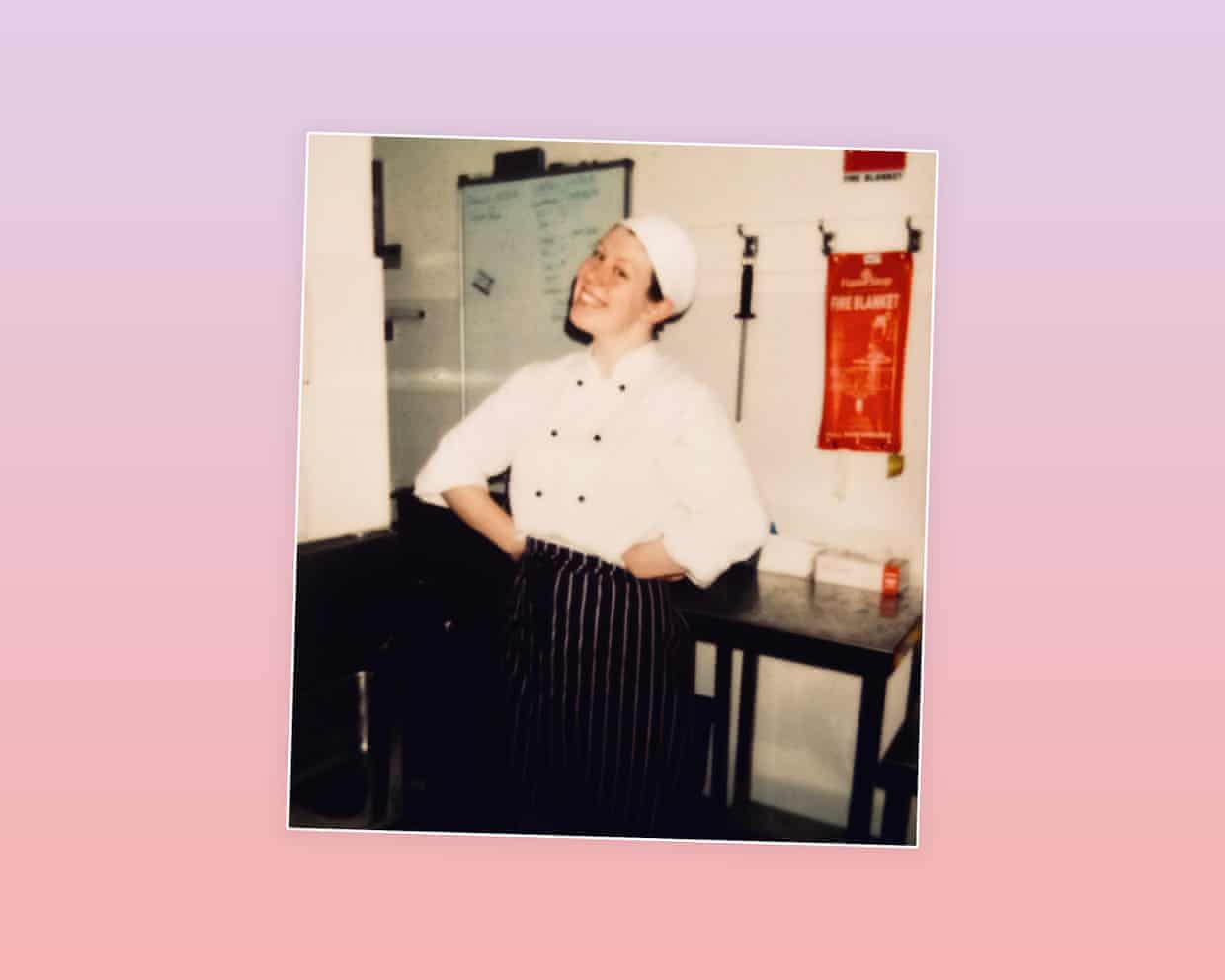
I was a keen-bean 15-year-old when I got my first job in a commercial kitchen in Canberra, raised on a diet of Jamie and Nigella and bursting with a passion for food. I dived headfirst into an apprenticeship and eagerly put my training into practice on my days off, cooking elaborate meals for friends and creating plenty of dirty dishes.But as the years went on, my love for the kitchen was dulled by a series of toxic workplaces, bullying bosses and long hours. Eventually, cooking for myself became a chore. I was more likely to eat cereal on my kitchen floor than do anything creative that would result in dirty dishes
Lamb shanks with orzo and rhubarb galette: Anna Tobias’ Easter recipes
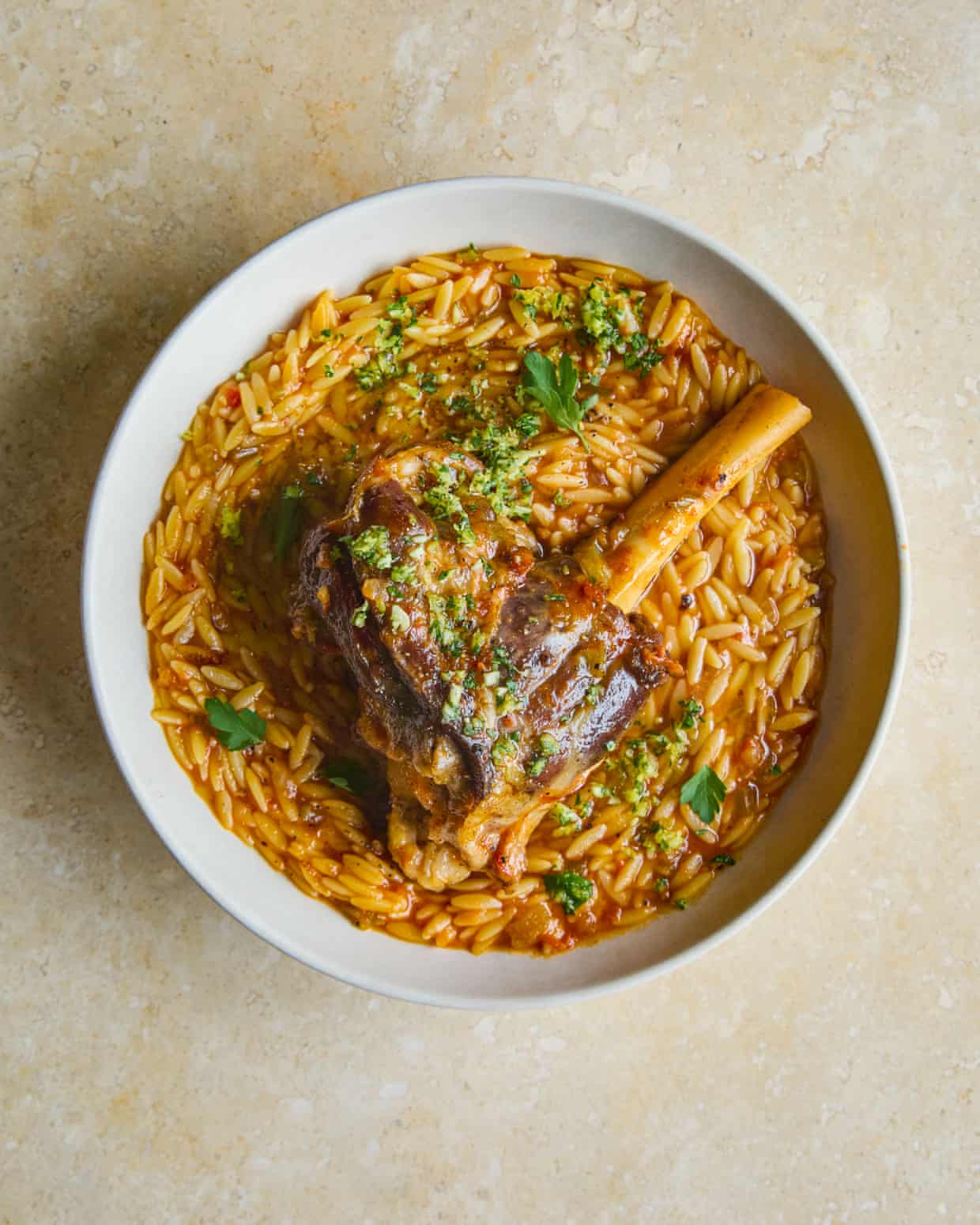
Easter for me immediately brings to mind two things: cracking dyed red eggs together in the style of conkers (a Serbian Easter game that we play every year) and lamb. We always eat lamb at Easter lunch, and I suppose that simply harks back to religious tradition. Today’s lamb shank dish is a wonderfully straightforward and moreish take on a popular Greek recipe. I’ve gone for rhubarb for pudding, because it’s just so representative of this time of year – it’s also very pretty on the eye and a treat to eat, too.Prep 15 minCook 2 hrServes 650ml olive oil 6 lamb shanks Sea salt and black pepper 3 sticks celery, washed and finely chopped2 onions, peeled and finely chopped3 garlic cloves, 2 peeled and finely chopped, the other peeled1 tbsp dried oregano200g tinned chopped tomatoes (ie, ½ tin)375ml white wine 300g orzo 1 lemon 1 small bunch flat-leaf parsley, leaves pickedHeat the oven to 185C (165 fan)/360F/gas 4¼
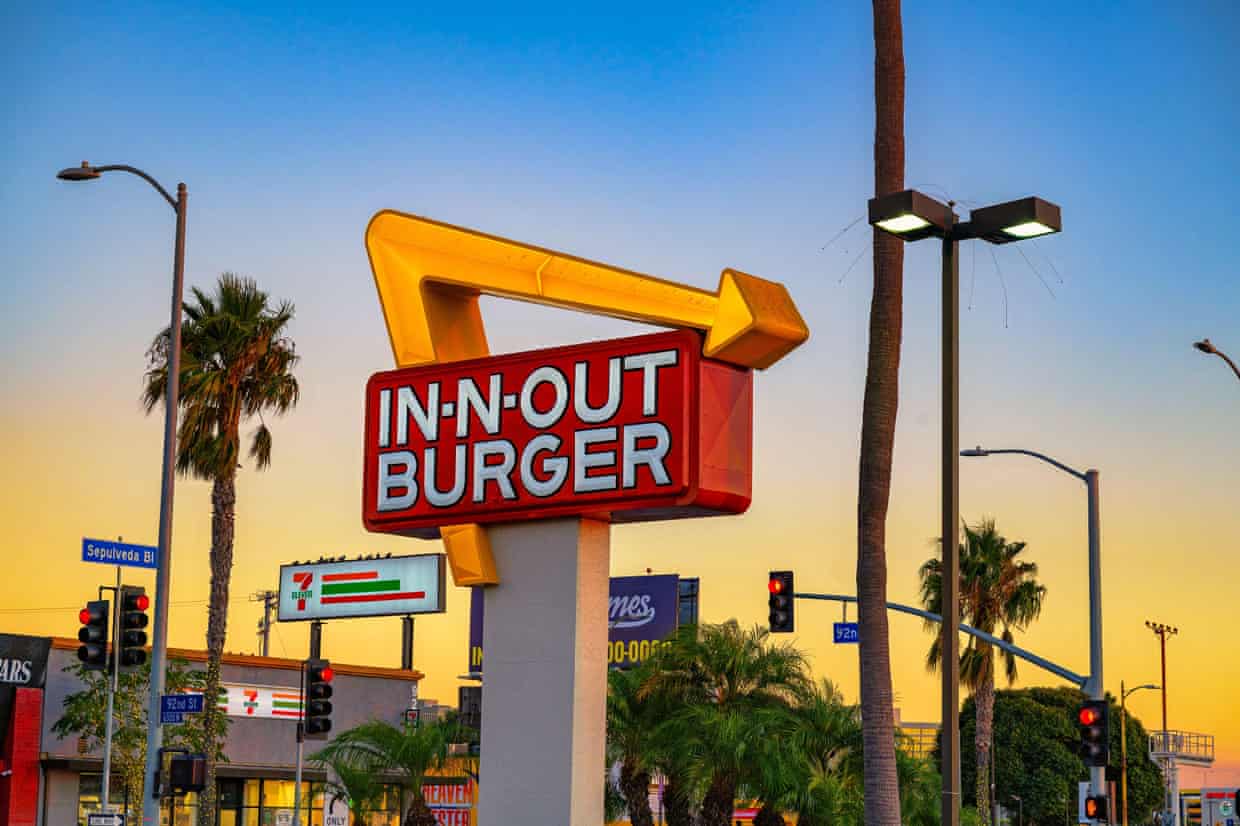
Best thing I ever ate? My first In-N-Out burger in LA
They say you never forget your first time, but for most of us, this doesn’t apply to cheeseburgers. We can’t really remember our first cheeseburger, because we start eating them at such an early age, before the memory centres of our brains are fully formed. In fact, in Wisconsin (“America’s dairyland”) babies are traditionally weaned on a fortifying diet of cheeseburgers, bratwurst and fondue, along with little sips of lager, just to make sure we acquire the taste.But while I may not be able to recall the particular details of my very first cheeseburger, the sense-memories of them are embedded deep within my subconscious. The perfect flavour-chord of ketchup, mustard and pickles on molten cheese and juicy beef occupies the same psychological space as the peppery cinnamon-and-clove aroma of my father’s Old Spice and the warmth of my mother’s hug
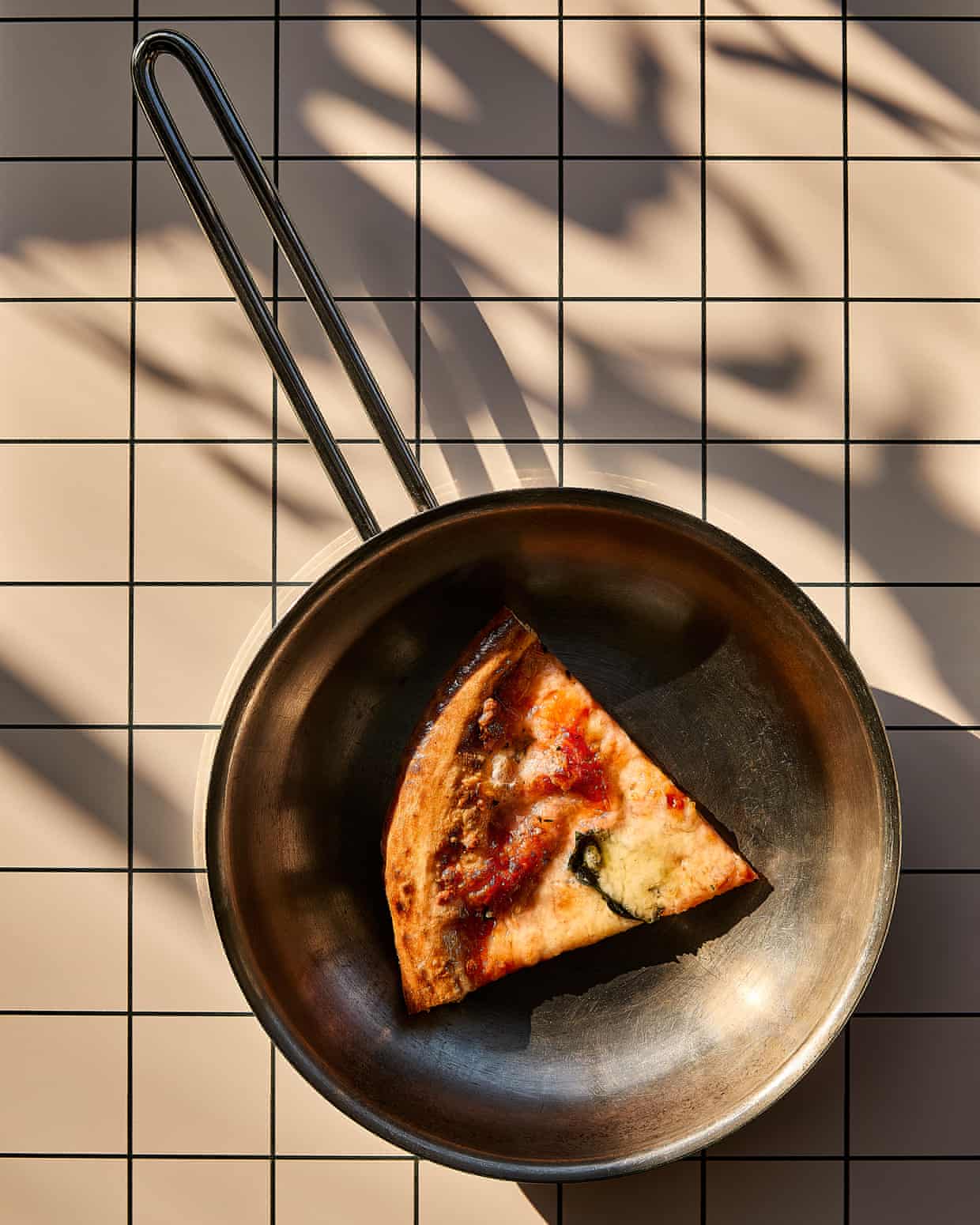
Reheated rivalry: why I’m the champion of leftovers
There is nothing lovelier than seeing a cook do their thing. By “doing their thing”, I do not mean just going about kitchen work – that is often excruciating to watch (why are they cutting onions like that?) I mean doing their thing: their culinary equivalent of a Mastermind subject, that one dish or process that they do so well, and with such evident pride, that the most crotchety backseat cook is forced to shut up.Take my partner’s method for making fish-finger sandwiches, which involves frying the fish fingers in butter, then creating an in-pan sweatbox to melt artisanal cheese on to them and custom blending condiments. It creates, on average, as much washing up as a full cooked dinner. Others have a special pancake hack or carrot cake recipe, and people tend not to let these things go unnoticed – it’s always my salad dressing, possessive, but we forgive their hubris, because each of us has “A Thing” of our own

Stock markets swing and oil prices fall after Trump postpones strikes on Iran power plants

EasyJet bookings fall because of Iran war as boss warns of air fare rises

Leonid Radvinsky, owner of OnlyFans, dies aged 43

‘Kids say they take a quick look at TikTok’: a new kind of distracted driving is on the rise

‘It may not be popular’: England stand by McCullum and Key despite Ashes debacle

Cycling, crystals and cutting-edge science: the secrets of Hodgkinson and Hunter Bell’s success