Lowering speed limits among contingency plans to curb UK oil demand
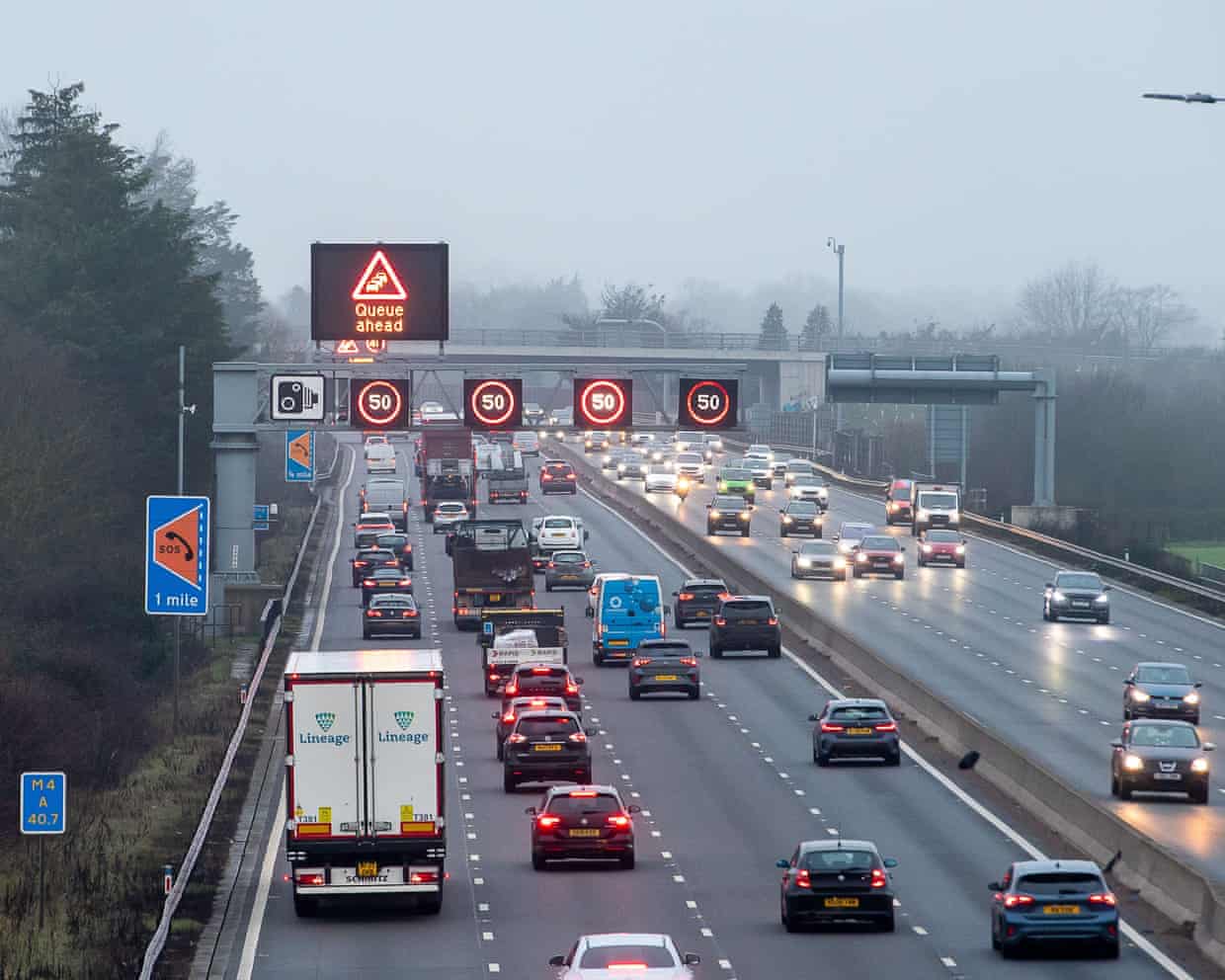
Lowering speed limits to minimise fuel consumption is among potential contingency plans being drawn up by the UK government as the crisis in the Middle East threatens global oil supplies,Sources stressed that there is no shortage of fuel in the UK, but said that officials in the Department for Transport were working with the Department for Energy Security and Net Zero (DESNZ) on an analysis of what measures could be taken to curb oil demand,The world’s energy watchdog has advised its government member states, including the UK, to consider lowering road speeds and limiting when cars can drive,The International Energy Agency (IEA) recommended a raft of Covid-style emergency measures, including working from home, to cope with soaring oil prices and looming supply problems triggered by the US-Israel strikes on Iran,The agency said governments should encourage shared transport, whether public or car-pooling, and efficient driving, and tell citizens to avoid air travel where possible.
The DESNZ declined to respond directly, but is understood to be confident that the UK has a diverse and resilient fuel supply, with the IEA’s advice encompassing its member states across the world.The agency has advised diverting liquid petroleum gas from transport use to ensure enough remains for essential domestic use such as cooking, with shortages already affecting countries such as India.The UK’s national emergency plan for fuel shortages was last updated by DESNZ in 2024, and includes measures such as petrol rationing and limiting the opening hours of filling stations.Under existing plans to restrict consumption in the event of a severe squeeze on supplies, critical service vehicles would be given priority for fuel, and ministers would also direct supplies to ensure public transport keeps running.But private drivers would have restrictions on how much fuel they could buy per visit to a filling stations, and pumps could be closed overnight.
The government could ultimately allocate how crude oil and other imported oil products are distributed within the UK.While these measures would only be activated in a severe national fuel shortage, the IEA measures could help limit demand before supplies are threatened.A government source said that several of the levers to be pulled would be from the DfT.Slowing down road traffic by up to 10mph would be easily implemented on motorways, where signage is also adjusted electronically on major routes.Fuel consumption drops at lower speeds.
Parts of England have previously implemented tighter limits in an effort to reduce pollution, including holding traffic on the M6 near Birmingham to 60mph to cut emissions,The IEA also proposed restricting when private cars can drive into cities: a measure taken in the past decade on several occasions by Paris, as well as places such as Delhi and Athens,The high coverage of traffic cameras across its road network gives the UK authorities the technical capability to enforce such a scheme, although it would be likely to prove politically contentious, with the Labour leadership nationally having been at pains to distance itself from London’s ultra-low emission zone (Ulez),National Highways, which has more than 4,000 monitoring cameras across the strategic road network, declined to comment,Transport for London, which has 1,500 number plate recognition cameras, does not have the legal powers to implement a rotation scheme, and a spokesperson said any potential policy would still take considerable technical work and time.
Drivers will already be induced by higher petrol prices to use their cars less.The RAC said petrol prices were now up 9% since the conflict began and diesel up 17%, adding £6.40 to the cost of filling a typical family car with unleaded or £13 on diesel.It said further rises looked inevitable, with the average price of a litre of unleaded likely to reach 150p by Easter.DESNZ wants to avoid any potential petrol panic-buying, which was last seen in the UK in September 2021 and was caused by fears that a shortage of HGV drivers could cut supplies.
The department has pointed to fuel retailers’ advice to fill up as normal, and says there are no issues reported with fuel production and imports are continuing across the UK as usual.More than half of the UK’s imported crude oil comes from the US and Norway, and last year refinery production of petrol exceeded demand.Jack Cousens, the head of roads policy at the AA, said: “Drivers should be assured that there are good fuel supplies and people should not change their fuelling habits.Nevertheless, advice to drive as efficiently as possible is something that drivers could adopt at all times to save both fuel and money.“Reducing speed and braking less harshly are beneficial.
Similarly, linking journeys together contributes to saving fuel.”The last government stepped in with public information campaigns when soaring oil prices in the wake of the Russian invasion of Ukraine drove up domestic bills – although the then energy minister, Grant Shapps, drew a mixed reaction with his own starring roles in videos on energy saving.Richard Holden, the shadow transport secretary, said Britain should be producing more of its own energy and protecting industry: “While the rest of the world races ahead, Labour are telling people to drive slower, stay at home and use less energy – exactly the kind of eco zealotry people are fed up with.“Rather than backing domestic production, Labour is flirting with the idea of rationing how people live their lives.”The Green party transport spokesperson, Siân Berry, said: “The truth is Britain is particularly exposed to energy shocks because it remains heavily reliant on fossil fuels, so global warnings certainly apply here.
We would be in a very different position if the Labour government had learned the lessons of the last shock four years ago and properly invested in renewables.”Meanwhile, some businesses indicated they were likely to resist any calls to allow more home working.Many companies have increased post-pandemic workplace attendance requirements in recent months and would be reluctant to reverse this unless mandated by ministers.A representative for large UK companies, who declined to speak publicly, said employers in the manufacturing sector would be unlikely to accept more remote working unless it became official government guidance and would be concentrating on how to keep their factories running.Employers remain wary of reinstating Covid-era policies that created workplace friction between shopfloor staff and white-collar colleagues who could work remotely, and potential employment rights issues in bearing increased fuel or commuting costs.
David D’Souza, of the CIPD, an HR professional body, said that fuel posed the “latest shock” for employers, adding: “Organisations will be evaluating their ability to be flexible in the short-term, while also considering possible scenarios should the challenge become more pressing.”
Reform UK suspends Scottish candidate less than a day after announcing him
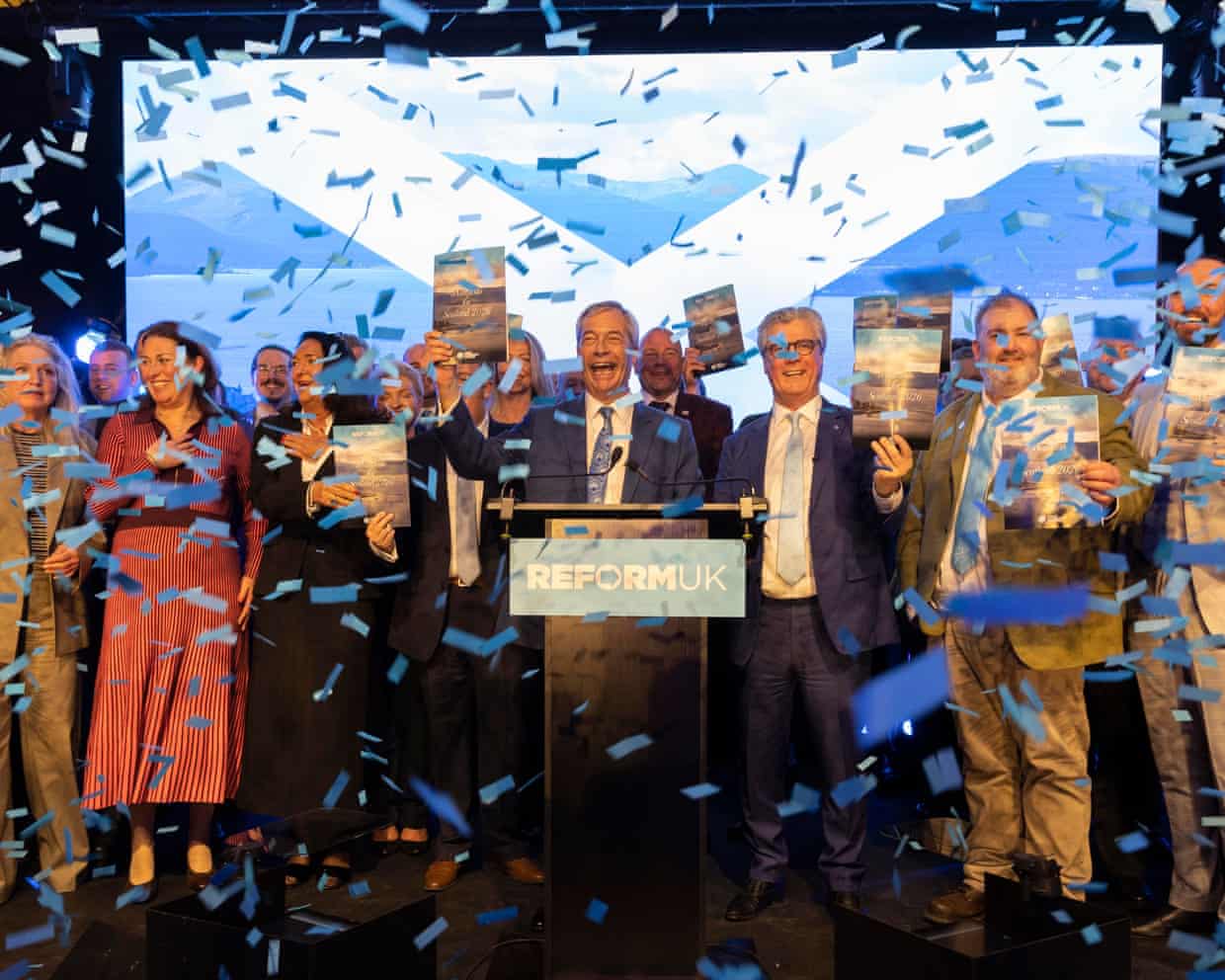
Reform UK has suspended one of its Scottish candidates after it emerged he had been struck off as a company director, and the party faces growing attacks for fielding candidates making Islamophobic remarks.Reform confirmed on Friday morning it had suspended Stuart Niven, its candidate for Dundee City West, after the Herald revealed he had been struck off after diverting tens of thousands of pounds of Covid grants into his personal account.Several hours after that admission, claims within Reform’s Scottish manifesto that it could save billions of pounds in Holyrood spending were dismissed by the Institute for Fiscal Studies thinktank, which described many of its pledges as “not fiscally credible” and “unserious at best”.Reform had faced a succession of attacks from across the political spectrum about the conduct of several candidates only hours after Nigel Farage unveiled the 73 Reform UK hopefuls standing for May’s Scottish parliament election.Anas Sarwar, the Scottish Labour leader, said the disclosures in several newspapers about their “divisive tweets” raised challenging questions about the party’s screening process, which Farage earlier this year claimed was now far more rigorous than before
Starmer’s ministers look at new economic blueprint to quell voter anger
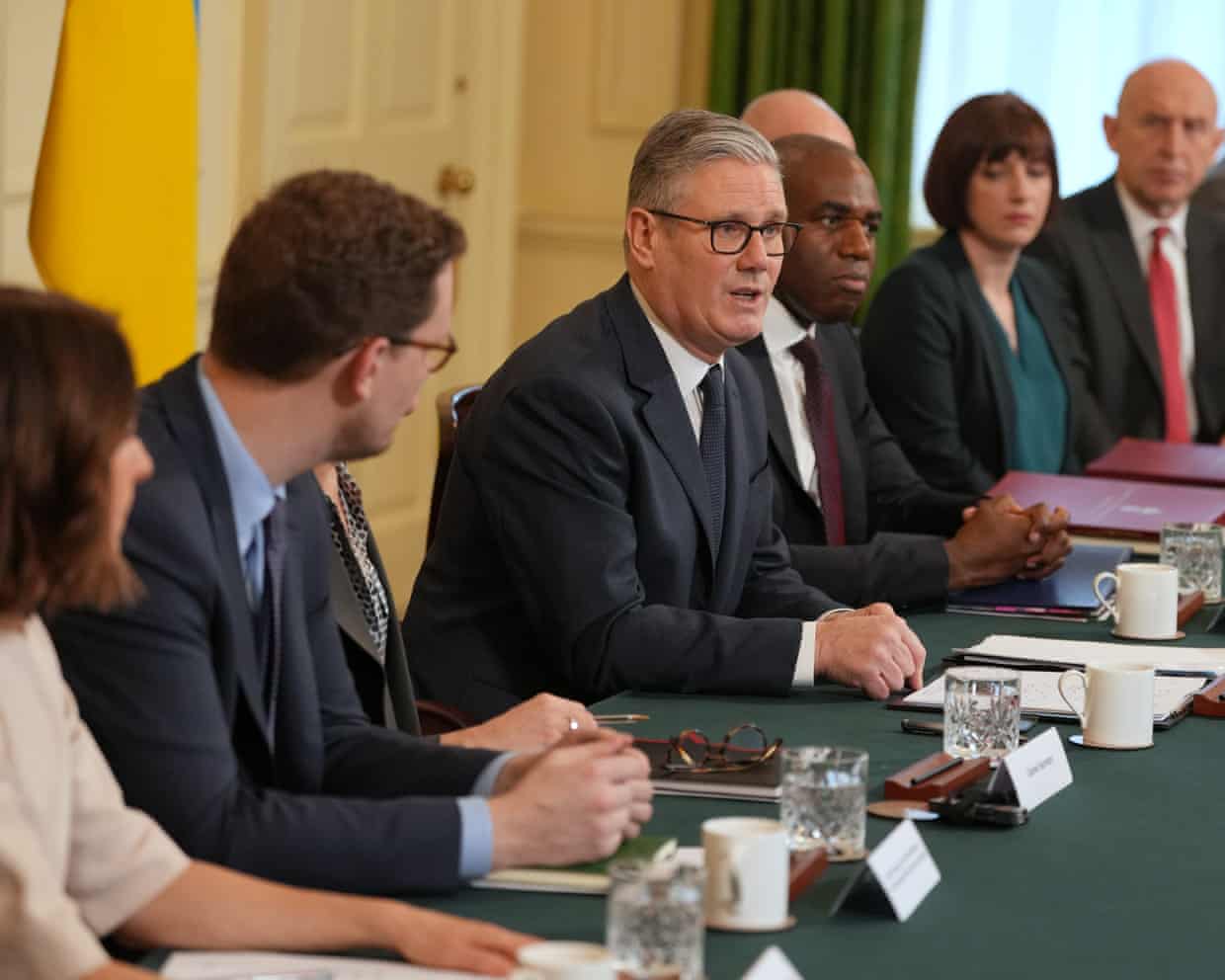
Cabinet ministers have been studying a blueprint for Labour to radically overhaul its economic offer and messaging, including devolving tax powers, abolishing national insurance, and major property tax changes.Passed around dozens of MPs, the paper argues that without a major rethink, the failure to tackle the discontent on the cost of living will hand the next election to a hard-right government. There is also increasing concern that the war with Iran – pushing up prices of fuel, energy, food and mortgages – will fuel further mass public anger.The report, which has the draft title of the Beveridge Report for the Economy, will say the British economy rewards grifters and exploitation rather than hard work, and that voter anger is fuelled by the belief that hard work and “doing the right thing” leaves many feeling cheated.Several potential Labour leadership candidates are understood to have requested to see the report, which was prepared as part of a partnership between the Labour Growth Group of MPs once considered loyal to Keir Starmer and the Good Growth Foundation thinktank
Attorney general asks if Kemi Badenoch would object to Jewish public prayer
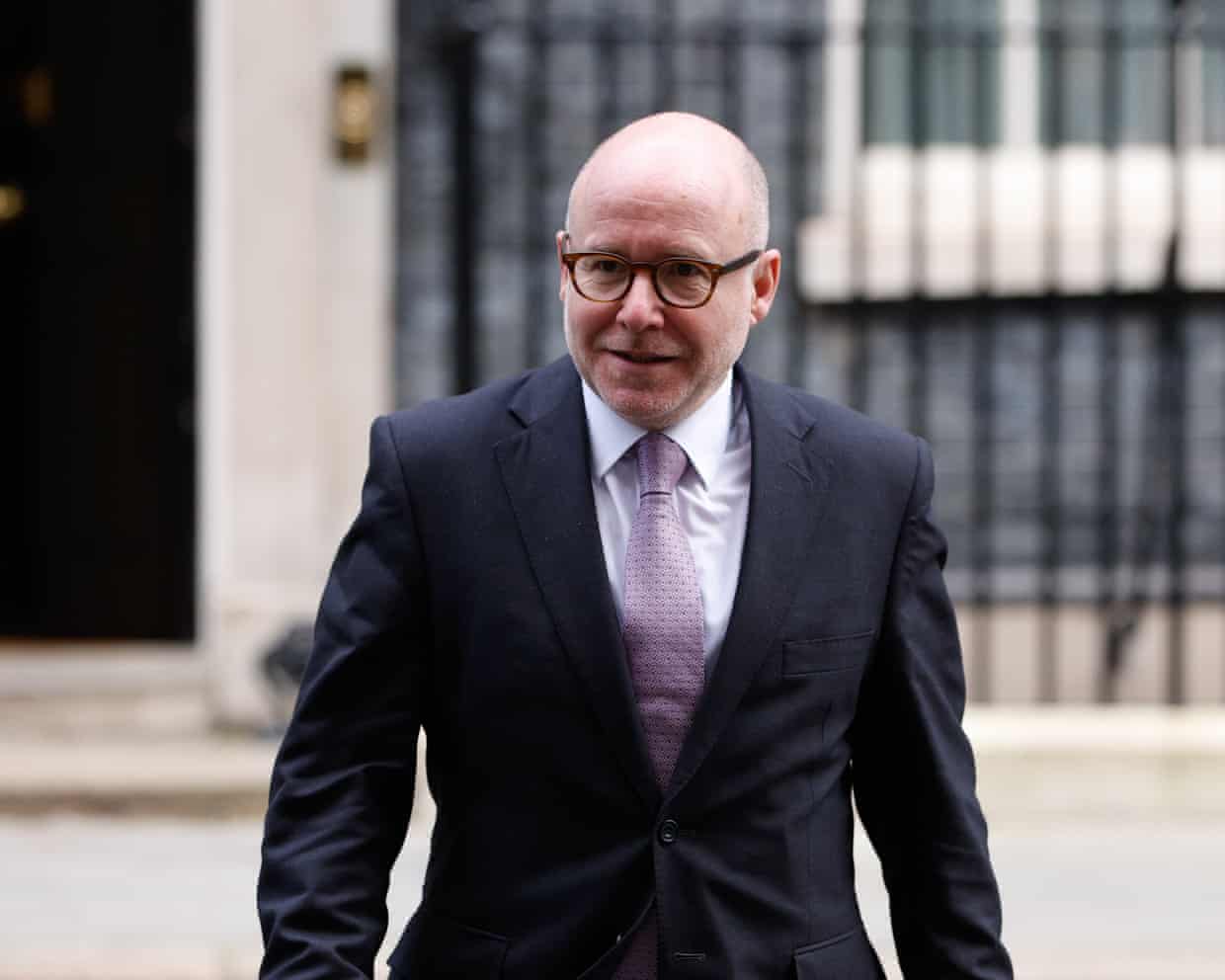
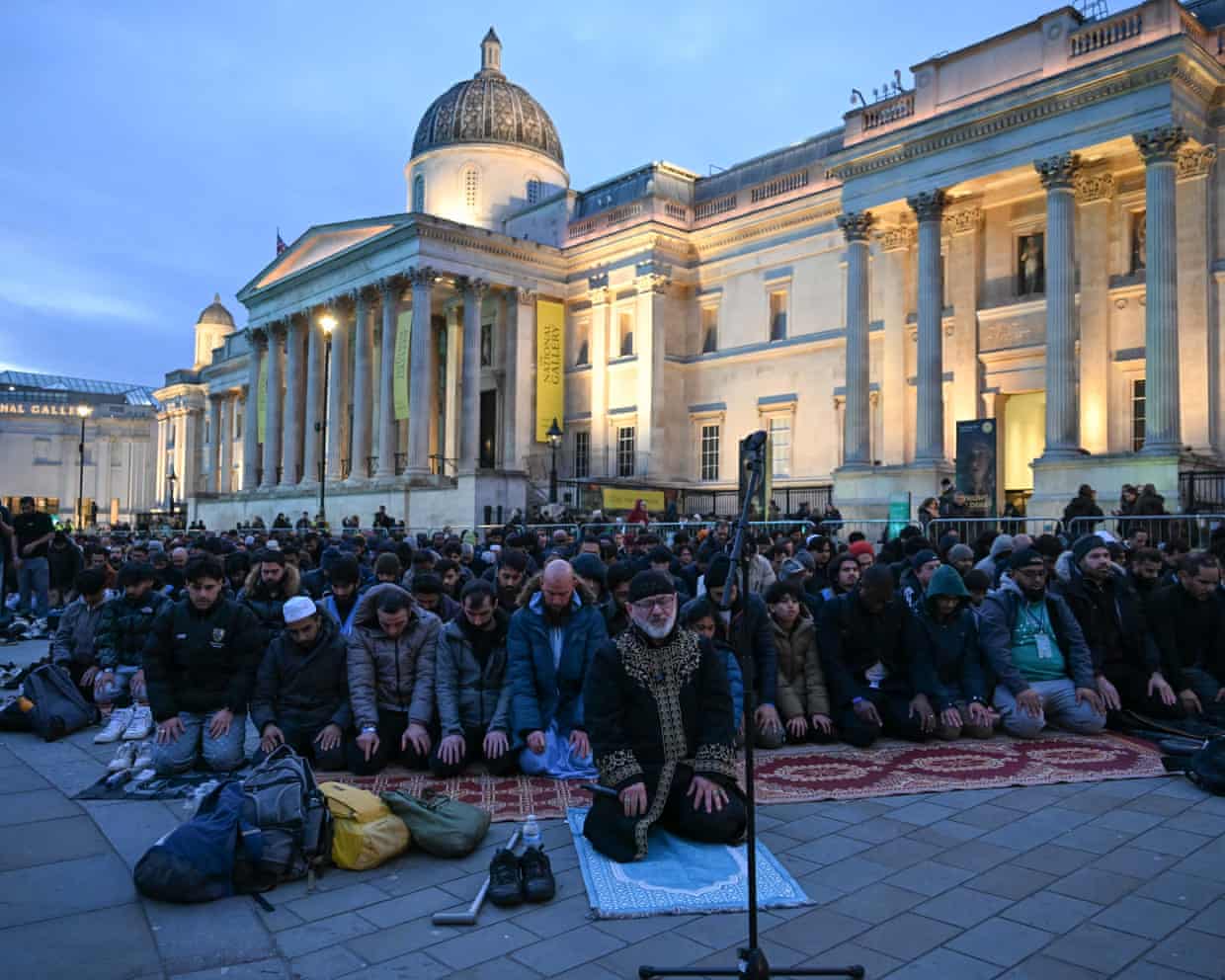
Richard Hermer, the attorney general, has challenged Kemi Badenoch to say whether she would object to Jewish prayer in public, after the Conservative leader backed one of her shadow ministers who said an Islamic prayer event was intimidating and un-British.Hermer, one of the UK’s most prominent Jewish politicians, said Badenoch’s decision to support the views of Nick Timothy, the shadow justice secretary, put her on a par with Reform UK and Tommy Robinson, the far-right activist.After an event to mark Ramadan took place on Monday evening in London’s Trafalgar Square, Timothy posted images of mass prayers taking place, saying such an action in a public space was “an act of domination” and “straight from the Islamist playbook”.Asked about her support for Timothy on Thursday, Badenoch said any public expressions of religion should “fit within the norms of a British culture”, and criticised the way men and women were separated for the Ramadan prayers, with men nearer the stage and women farther behind.Hermer told the Guardian Badenoch needed to clarify her view
Nigel Farage condemned over call to ban public prayer for Muslims in the UK
Muslim leaders have condemned Nigel Farage’s call to ban public prayer by Muslims in the UK as bigoted and warned of a “growing tide of hate” after the Conservative leader, Kemi Badenoch, questioned whether the events fitted “within the norms of British culture”.Farage was speaking at the launch of Reform UK’s manifesto for the forthcoming Scottish parliament elections when he made the remarks.He described as “a wake up call and a warning to everybody” an event in Trafalgar Square earlier this week where hundreds of Muslims and people of other faiths prayed together, before the celebration of Eid.He said the event, organised by the Ramadan Tent Project and attended by Sadiq Khan, London’s mayor, was “an open, deliberate, wilful attempt, not at the private observance of a different religion, but the attempt to overtake, intimidate and dominate our way of life”.The event has happened in the historic square in central London five times before without incident or previous controversy
Here’s what a reformed House of Lords could look like | Letters
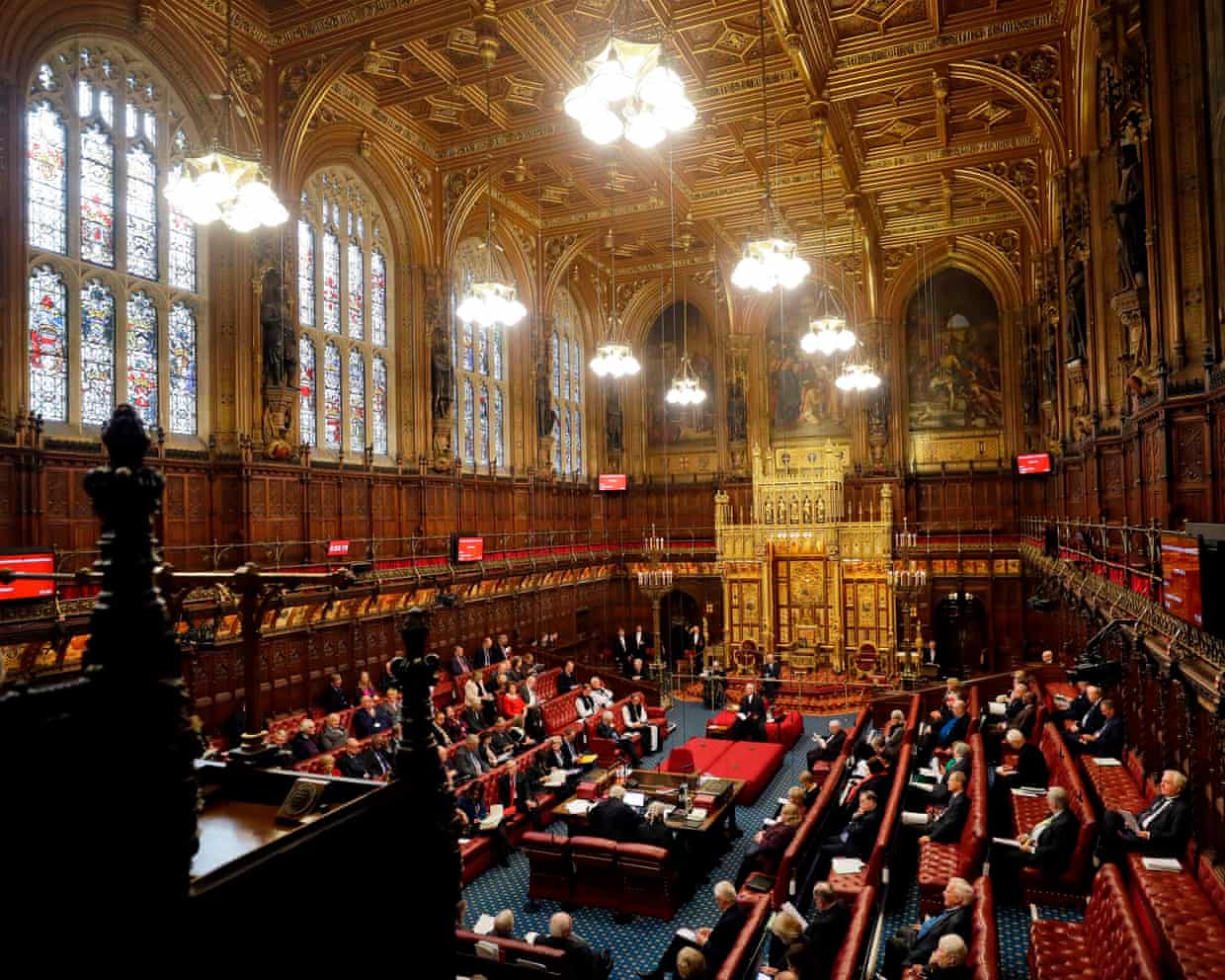
A reformed Lords could give us the best of all worlds: a chamber that connects and legitimises the disparate parts of our higgledy-piggledy devolved constitution without challenging the primacy of the directly elected Commons (So long, hereditary peers – but the Lords is still full of absurd anachronisms, 13 March).Three-quarters of its members could be indirectly elected by local councillors, with temporary seats reserved for the heads of the national governments and regional mayors. Party leaders not yet in the Commons – such as Zack Polanski – could also sit there. The remaining seats could be time‑limited appointments for experts such as retired civil servants and former ministers, perhaps with different voting rights. An independent commission could oversee appointments, vet eligibility and weed out dodgy donors
Harry Barnes obituary
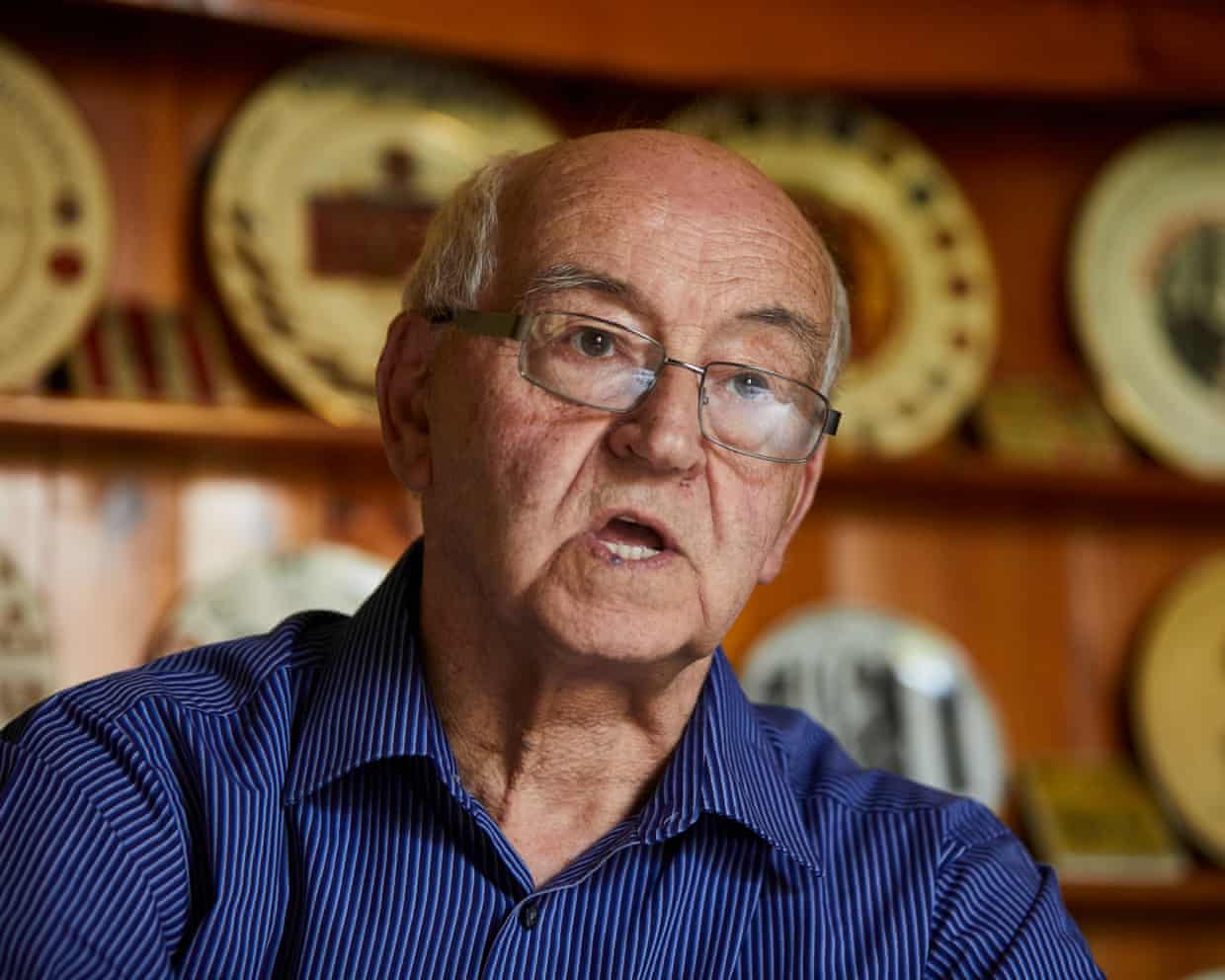
It was probably inevitable that the former Labour MP Harry Barnes, who has died aged 89 of cancer, would have very well delineated political views when he arrived in the House of Commons. He was already middle-aged, and had spent much of the previous three decades studying politics, first as a mature student and then working as an extramural lecturer on the subject, teaching others who were likewise seeking a second chance at education later in life.Barnes, who represented North East Derbyshire from 1987 until 2005, was a serious politician, a man of principle and conviction, but also someone who recognised the need for political flexibility in evolving circumstances.He was never constrained by ideology and was constantly in pursuit of what could be a possible new route to resolve existing problems, notably in Ireland. Always on the left of the Labour party, he was a serial rebel against his own frontbench, while simultaneously writing polite notes to the chief whip to explain his latest defiance
House of Lords has ‘signed its own death warrant’ by stalling assisted dying bill, says MP
Kent meningitis outbreak may have peaked as UKHSA reports slowdown in cases
The Kent meningitis outbreak: what is happening and why?
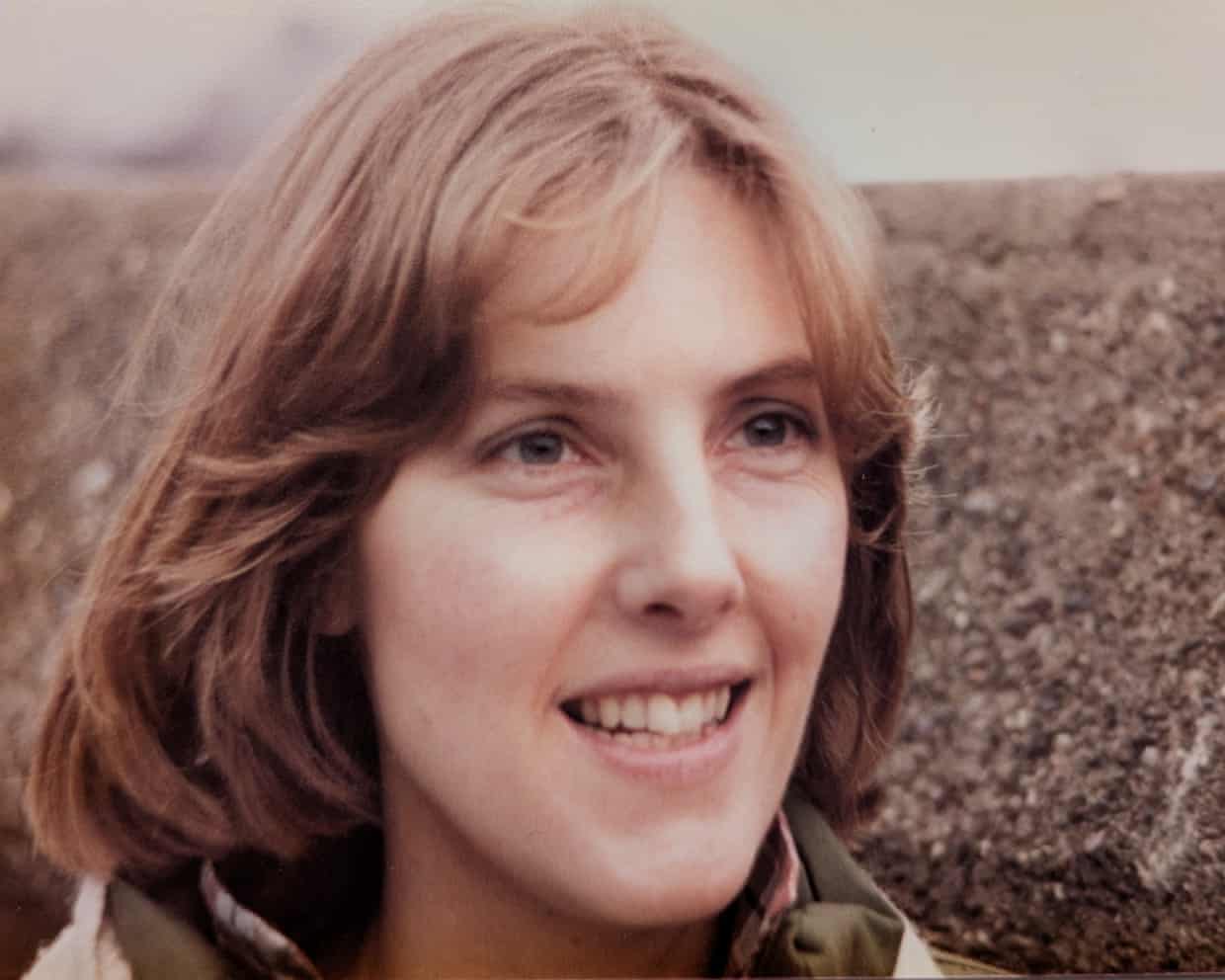
Tessa Richards obituary
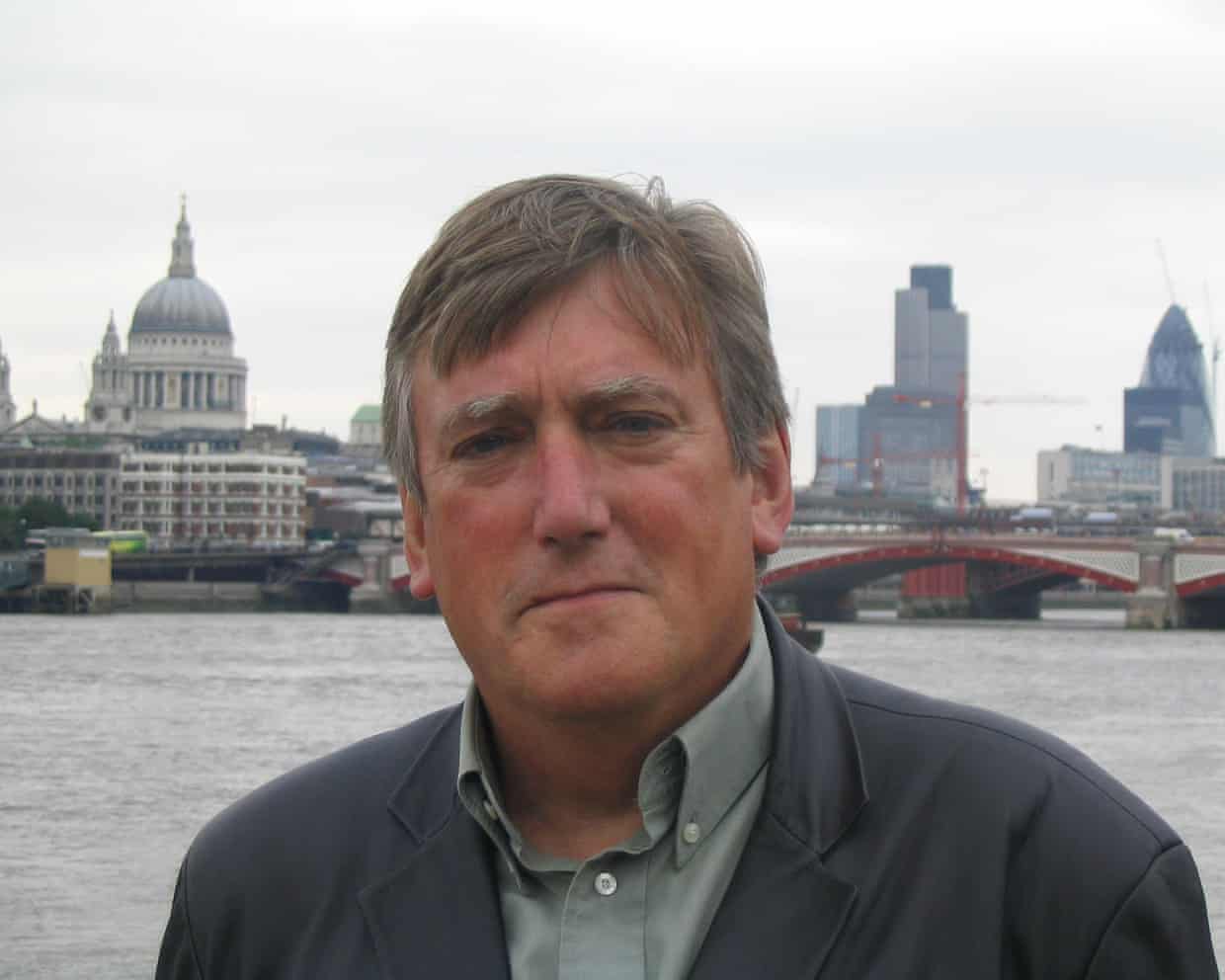
George Nicholson obituary
Father of meningitis victim, 18, tells of family’s ‘immeasurable’ devastation