Royal Mail delivered Christmas letters and parcels late to about 16m people
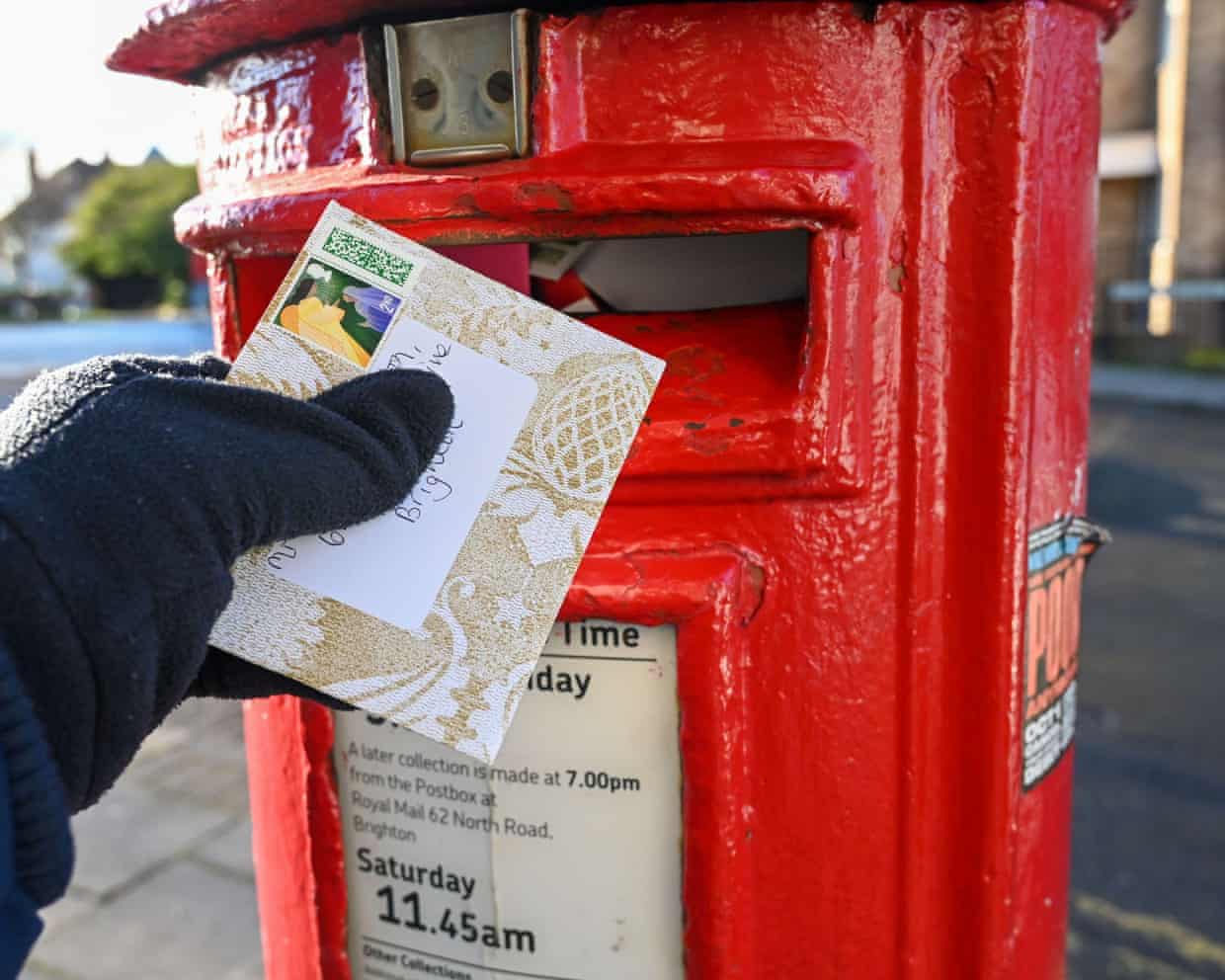
Royal Mail has been criticised for offering an “unacceptable” performance over the crucial Christmas period after it failed to deliver letters and cards on time to about 16 million people, Citizens Advice found.The consumer watchdog, which carried out research into Christmas deliveries, said that figure was 50% higher than in 2024, and the highest level over the festive period in five years, excluding when Royal Mail was hit by strike action in the run-up to Christmas four years ago.“We’re afraid there’s no light at the end of the tunnel for consumers struggling with Royal Mail’s persistent delivery failures,” said Anne Pardoe, the head of policy at Citizens Advice.“When people have no other postal provider to choose from, the sheer volume of delays is simply unacceptable.”The research, based on a survey of almost 2,100 adults conducted by Yonder, calculated that 5.
7 million of the 16 million who experienced delivery delays missed out on receiving important information, such as health appointments, fines, benefit decisions and legal documents,“The company’s dreadful festive slump is about much more than late Christmas cards,” said Pardoe,“This is a worrying trend, and with cuts to delivery days looming, [postal regulator] Ofcom must start cracking down even harder on missed targets before things go from bad to worse,”Ofcom does not apply normal delivery targets for Royal Mail over the busy festive period,“Independent data shows that more than 99% of items posted by the last recommended dates arrived in time for Christmas,” said a spokesperson for Royal Mail.
“This was during our busiest time of year, when volumes more than double, and we’re grateful to our teams across the country who worked incredibly hard to deliver for our customers.”It was the first Christmas since the £3.6bn takeover of Royal Mail’s parent company, International Distribution Services (IDS), by the Czech billionaire Daniel Křetínský.In July, Ofcom gave IDS permission to end second-class post on Saturdays and reduce the service to alternating weekdays from Monday to Friday.The cost of a first-class stamp has more than doubled since 2020, to £1.
70, while a second-class stamp costs 87p,According to Citizens Advice, more than a third (36%) of those surveyed said they sent fewer Christmas cards this year because stamps were too expensive,Royal Mail, which last year reported its first annual profit for three years, has not hit its Ofcom-mandated delivery target for first-class post since 2017, or for second-class mail since 2020,In October, the regulator fined Royal Mail £21m for missing its annual delivery targets,“Any future stamp price increases should be conditional on Royal Mail meeting these targets,” Pardoe said.
A decade ago Royal Mail was delivering 20bn letters a year, but that has shrunk to 6.7bn and could drop to 4bn within four years.Over the same timeframe the number of addresses it serves has risen by 4m.The company was criticised before Christmas after it downgraded an annual perk – it gave workers second-class stamps instead of a book of 50 or 100 first-class stamps as in previous years.
The value of the Australian dollar is high right now. So should you book that overseas trip?
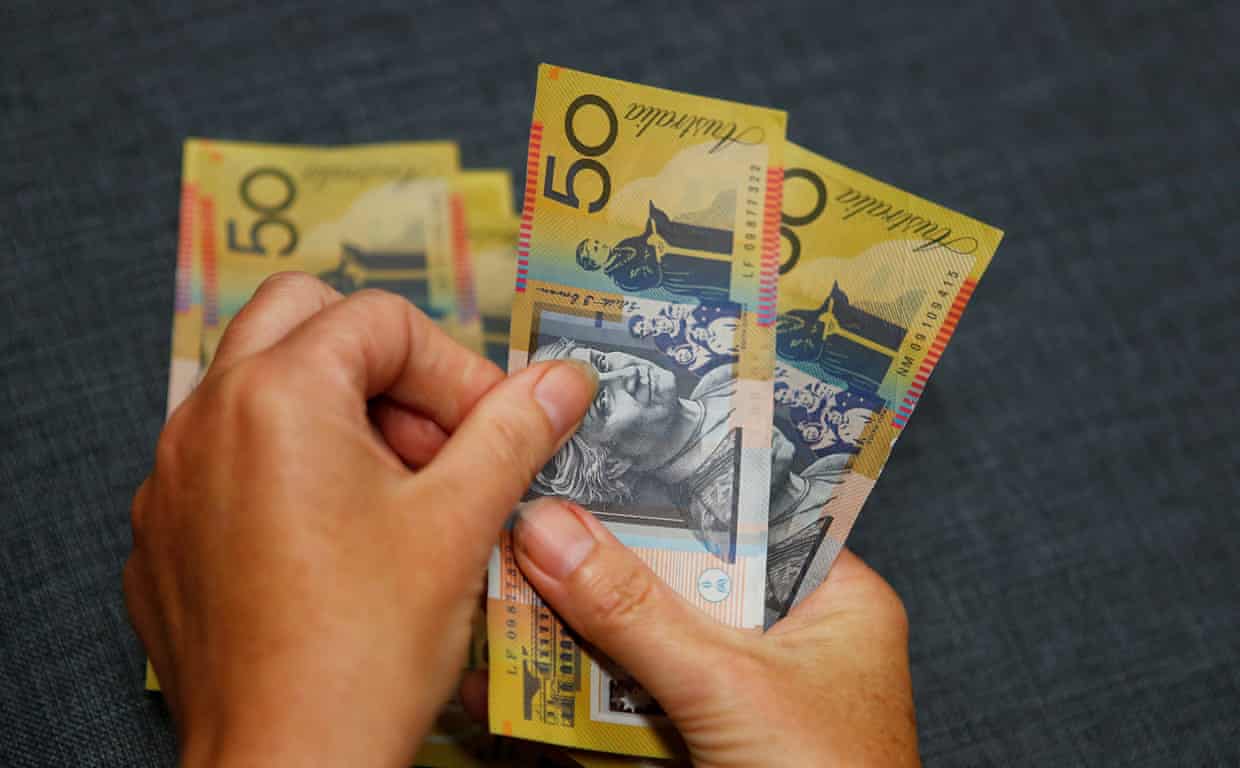
In a year of extraordinary global news, and more of it bad than good, it may be surprising that the Australian dollar is proving a world beater.The Aussie has hit some impressive milestones of late: the strongest against the US dollar in nearly two years, the highest against the euro in 10 months, and approaching the strongest in decades against the yen.Ray Attrill, the head of foreign exchange strategy at National Australia Bank, says the Aussie has outperformed every other major currency in 2026.“So far this year it has been a case of there’s nothing not to like about the Australian currency,” Attrill says.It’s been good news for overseas travellers and shoppers looking to buy from overseas websites
‘Very low bar’: analysts say Starmer faces slim pickings in China
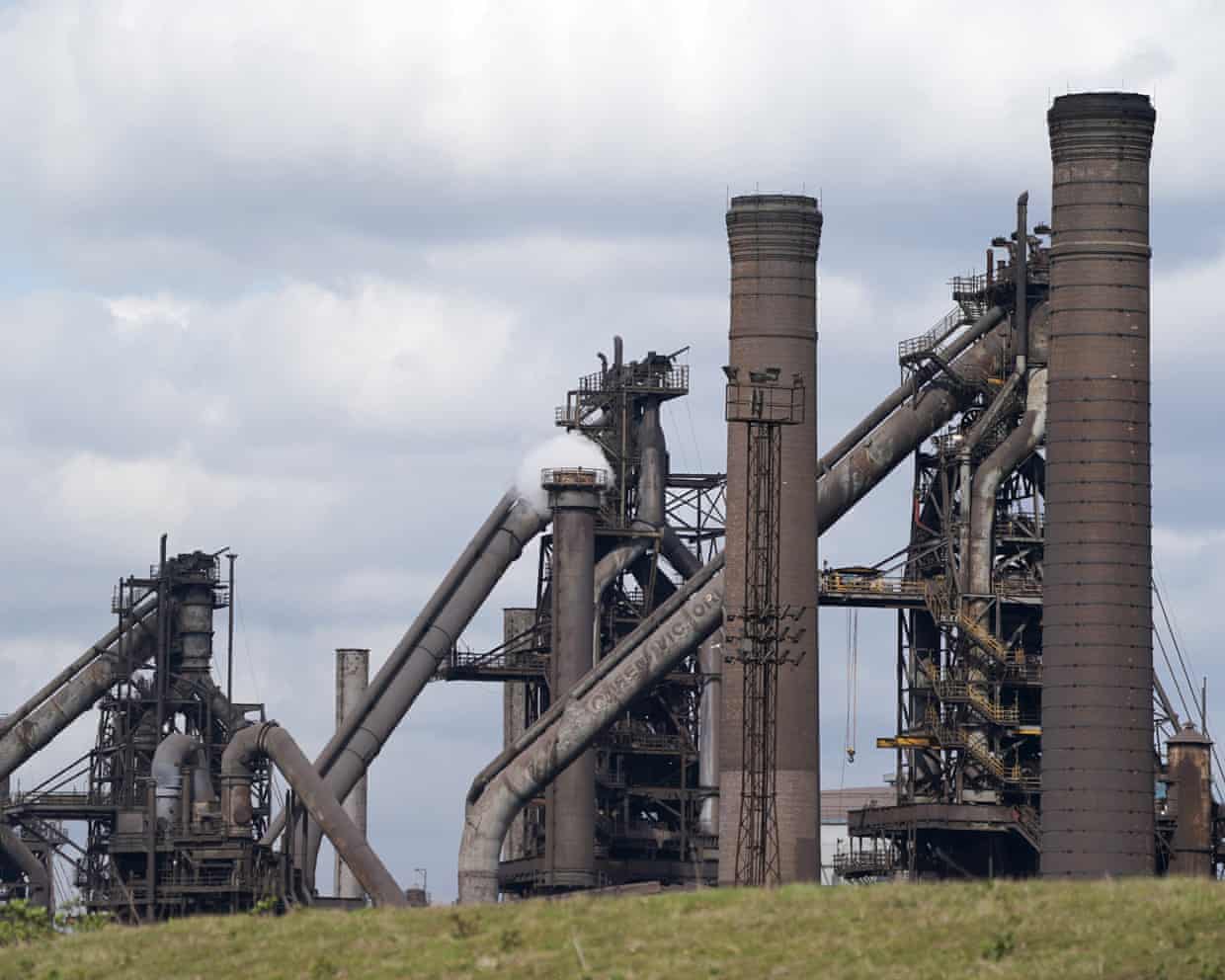
Keir Starmer’s trip to China is billed as an attempt to revitalise diplomatic relations but eight years after Theresa May paved the way for a never-materialised “ambitious” post-Brexit deal, the prospect of the prime minister landing any meaningful trade deal is slim, experts have warned.The visit to Beijing, involving a delegation of British companies led by Starmer, the chancellor, Rachel Reeves, and the business secretary, Peter Kyle, is the first since May’s 2018 visit, and will revolve around joint trade and investment efforts.Downing Street is already treading a sensitive diplomatic path, suggesting that while issues such as human rights breaches, national security or the imprisonment in Hong Kong of the 78-year-old British pro-democracy campaigner Jimmy Lai will be raised, the main focus will be on the business and economic links between China and the UK.It is also, said Starmer before the flight, not about Donald Trump, who just threatened Canada with 100% tariffs if “it makes a deal with China”.In an interview with Bloomberg, the prime minister said China would bring “significant opportunities” to British businesses and insisted he would not be forced to make a choice between China and the US
How ICE is using facial recognition in Minnesota
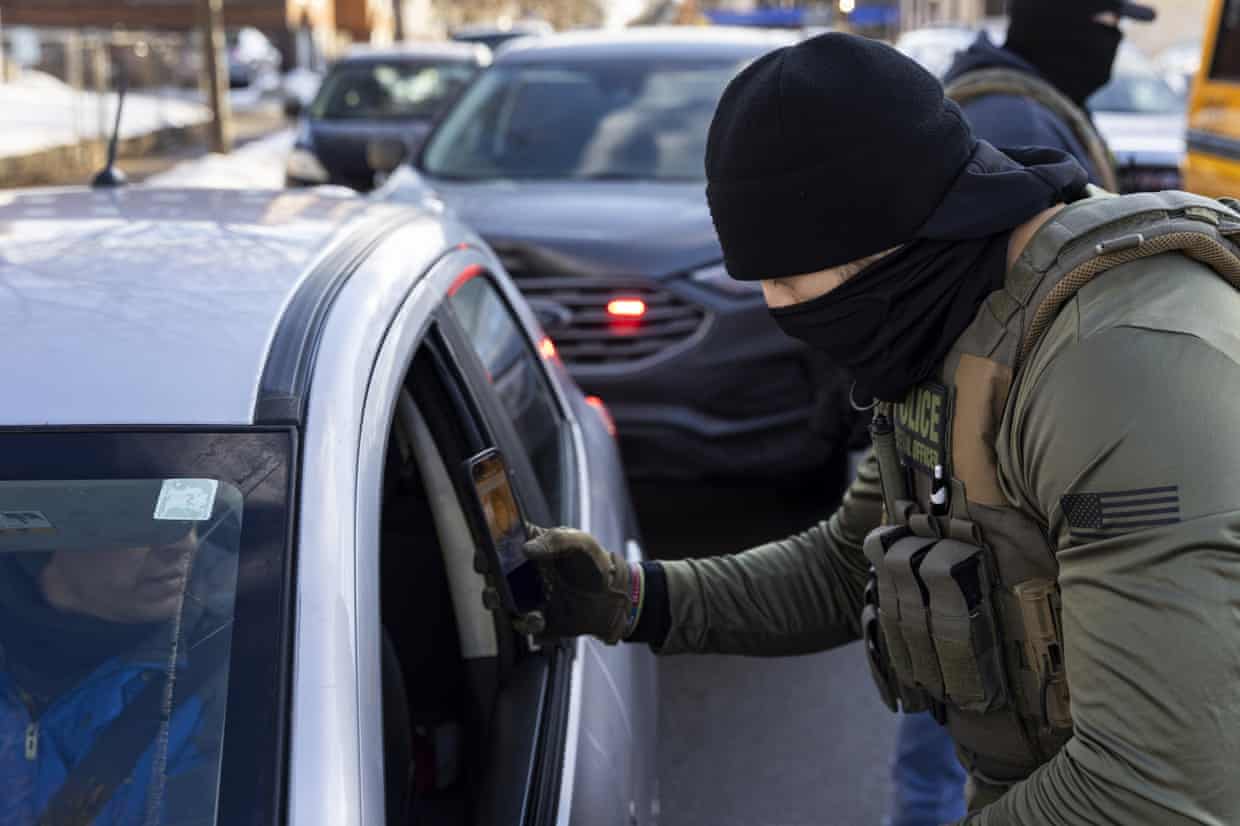
Immigration enforcement agents across the US are increasingly relying on a new smartphone app with facial recognition technology.The app is named Mobile Fortify. Simply pointing a phone’s camera at their intended target and scanning the person’s face allows Mobile Fortify to pull data on an individual from multiple federal and state databases, some of which federal courts have deemed too inaccurate for arrest warrants.The US Department of Homeland Security has used Mobile Fortify to scan faces and fingerprints in the field more than 100,000 times, according to a lawsuit brought by Illinois and Chicago against the federal agency, earlier this month. That’s a drastic shift from immigration enforcement’s earlier use of facial recognition technology, which was otherwise limited largely to investigations and ports of entry and exit, legal experts say

UK ministers accept $1m from Meta amid social media ban consultation
Ministers have accepted $1m (£728,000) from Meta, the US tech and social media company, to build AI systems for defence, national security and transport, sparking warnings about the UK government’s “alarmingly close relationship with Trump-supporting US tech giants”.The money from Mark Zuckerberg’s company will be used to pay experts to “develop cutting-edge AI solutions … to support national security and defence teams”, the Department for Science, Innovation and Technology (DSIT) announced on Tuesday.The money will pay for four British AI experts, coordinated by the government-funded Alan Turing Institute, to “play a pivotal role in rewiring our healthcare, police, transport systems and more”, said Ian Murray, the minister for data and digital government.The move comes after Meta executives had 50 meetings with ministers in the last two years for which data was available, one of the highest levels of direct access of any technology company, a Guardian investigation found.The government is consulting on a ban on social media use by under-16s, which would have a major effect on Meta’s Instagram platform
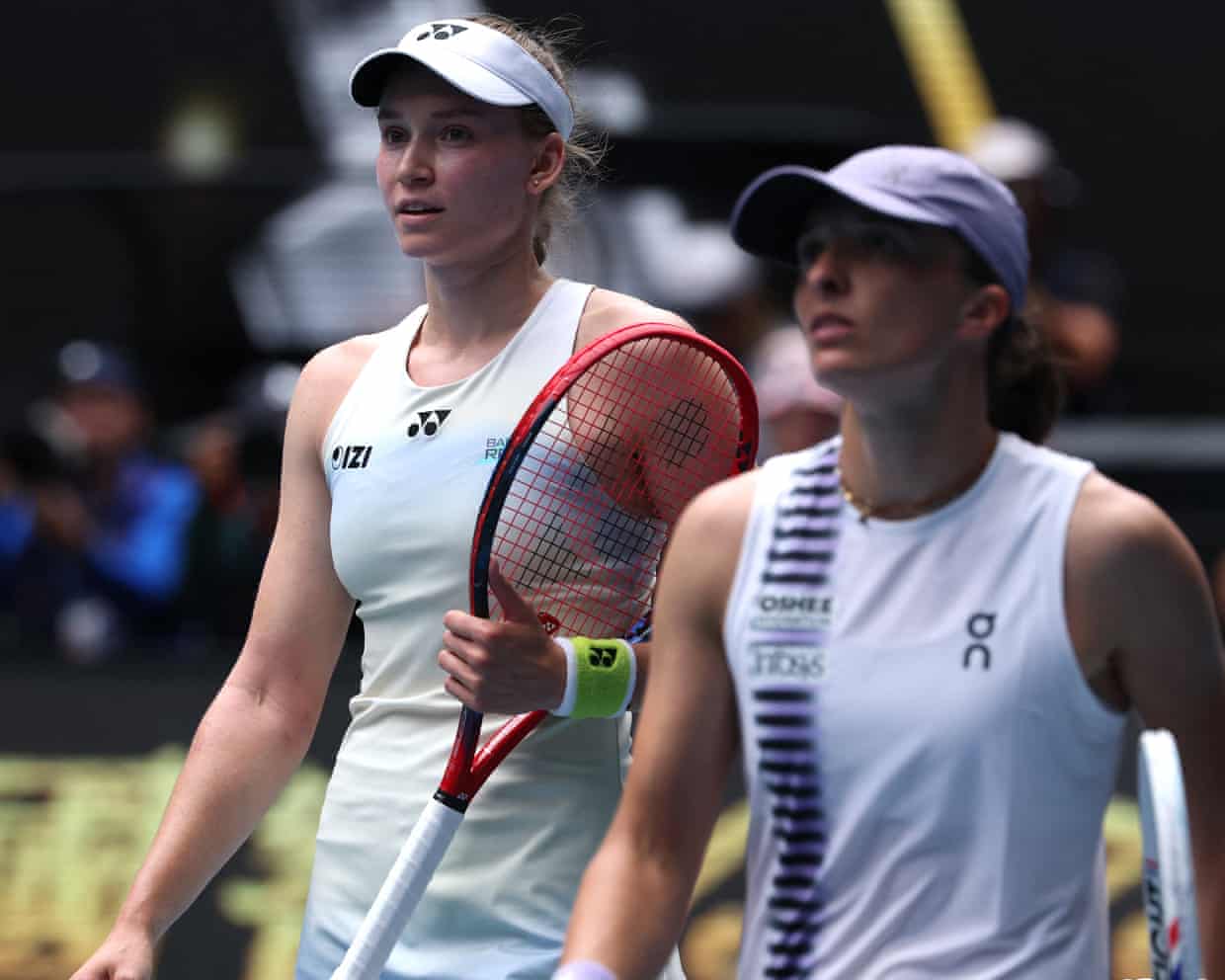
Elena Rybakina blows away Iga Swiatek to reach Australian Open semi-final against Jessica Pegula
Elena Rybakina took a significant step towards her second grand slam title as she overpowered and outplayed the second seed Iga Swiatek in the quarter-finals of the Australian Open, advancing 7-5, 6-1 to end Swiatek’s hopes of completing the career grand slam this year.This immense victory sends Rybakina, the fifth seed and 2023 Australian Open finalist, into her fourth grand slam semi-final. It has been nearly four years since the 26-year-old made her first breakthrough by winning Wimbledon in 2022. Although she has won numerous big titles and established herself as one of the best players in the world, she has as yet failed to drag herself over the line at the grand slams for a second time.However, Rybakina arrived in Melbourne playing some of the best tennis of her career after dismantling the field at the WTA Finals last November
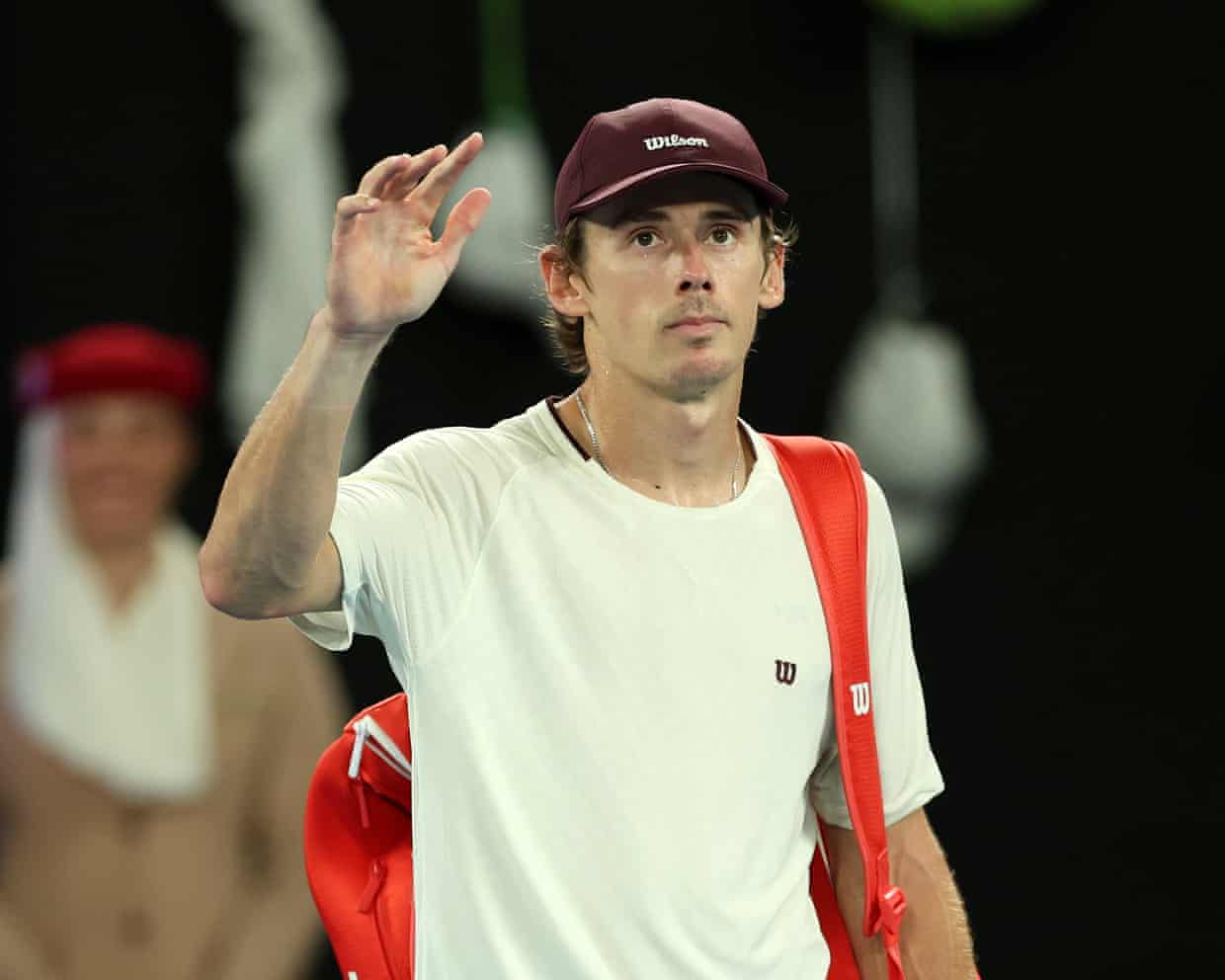
Alex de Minaur fell a distance short at the Australian Open. Will he ever win a major? | Simon Cambers
There are two ways to look at this. Either Alex de Minaur is not good enough to beat Carlos Alcaraz – and Jannik Sinner, for that matter – or the world’s top two players are in a class of their own. Sadly, for Australia’s top-ranked player, both things are true.De Minaur’s 7-5, 6-2, 6-1 quarter-final defeat by Alcaraz on a hot, breezy evening at the Australian Open on Tuesday was a humbling experience. The manner of his performances in the opening four rounds suggested that he was ready to push the world No 1
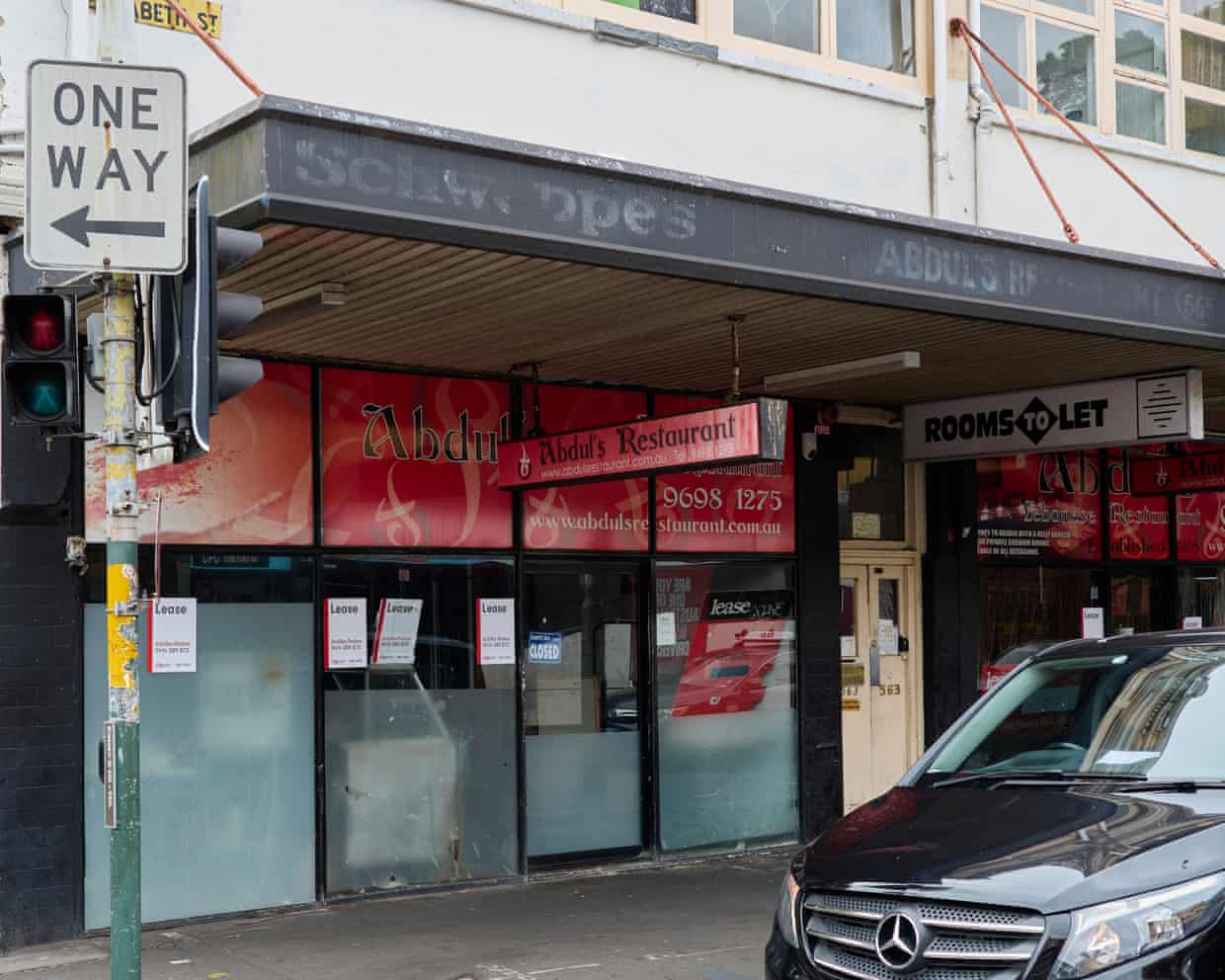
‘Dad never took his customers for granted’: remembering Abdul’s in Sydney’s ‘Little Lebanon’
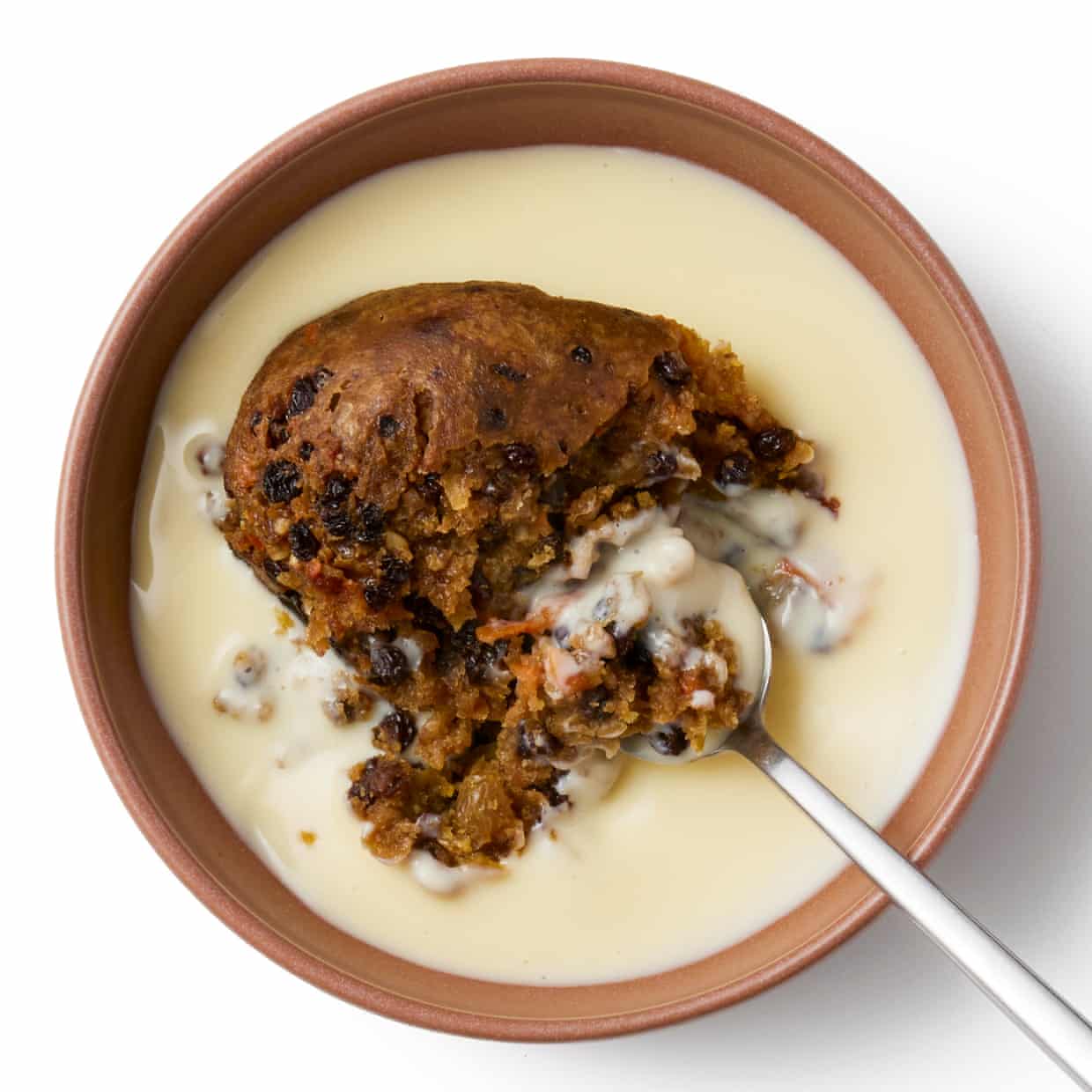
How to make a clootie dumpling – recipe | Felicity Cloake's Masterclass
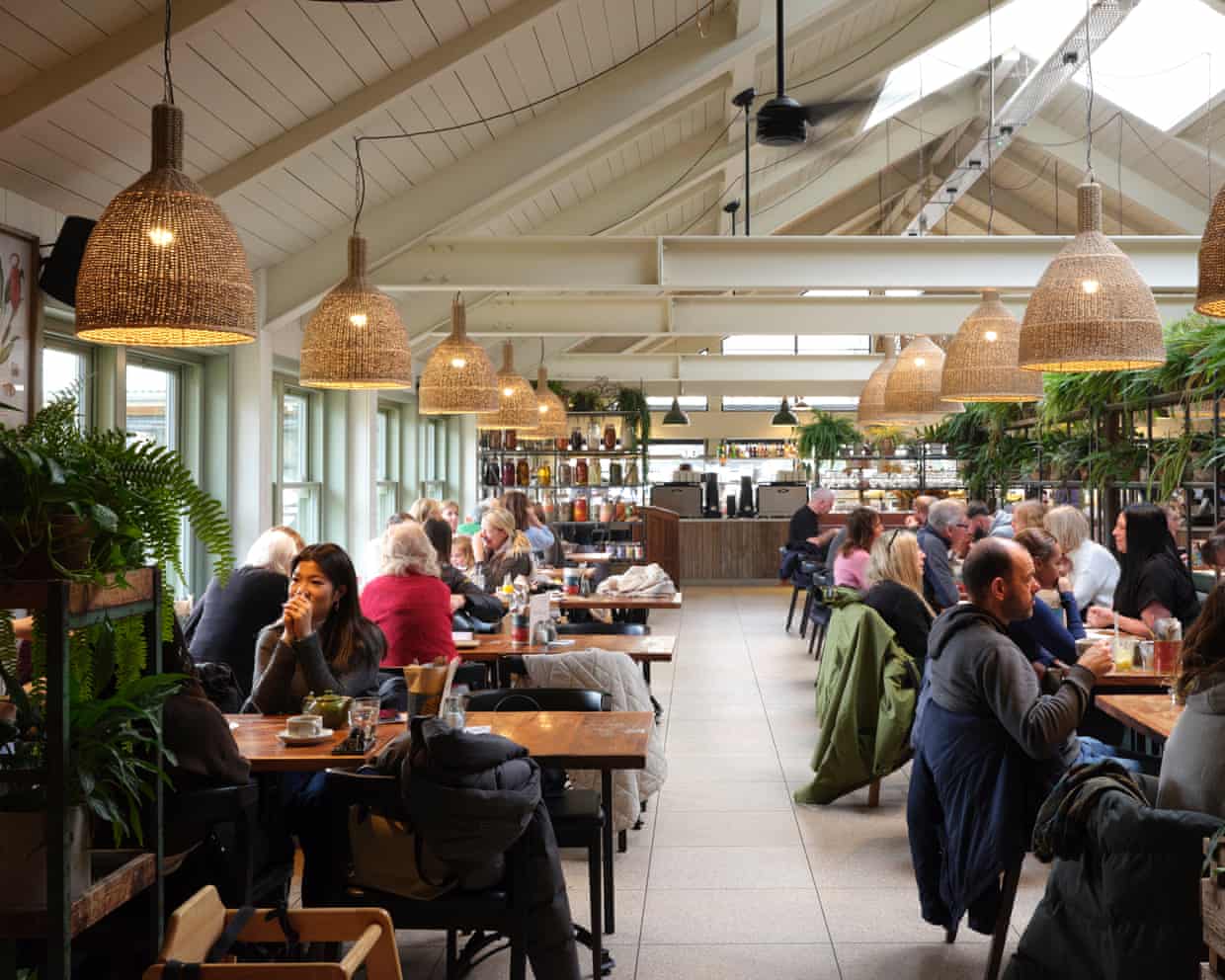
Tin Roof Cafe, Maldon, Essex: ‘Come for topsoil, stay for the shortbread’ – review

Ignore the snobbery and get into blended whisky
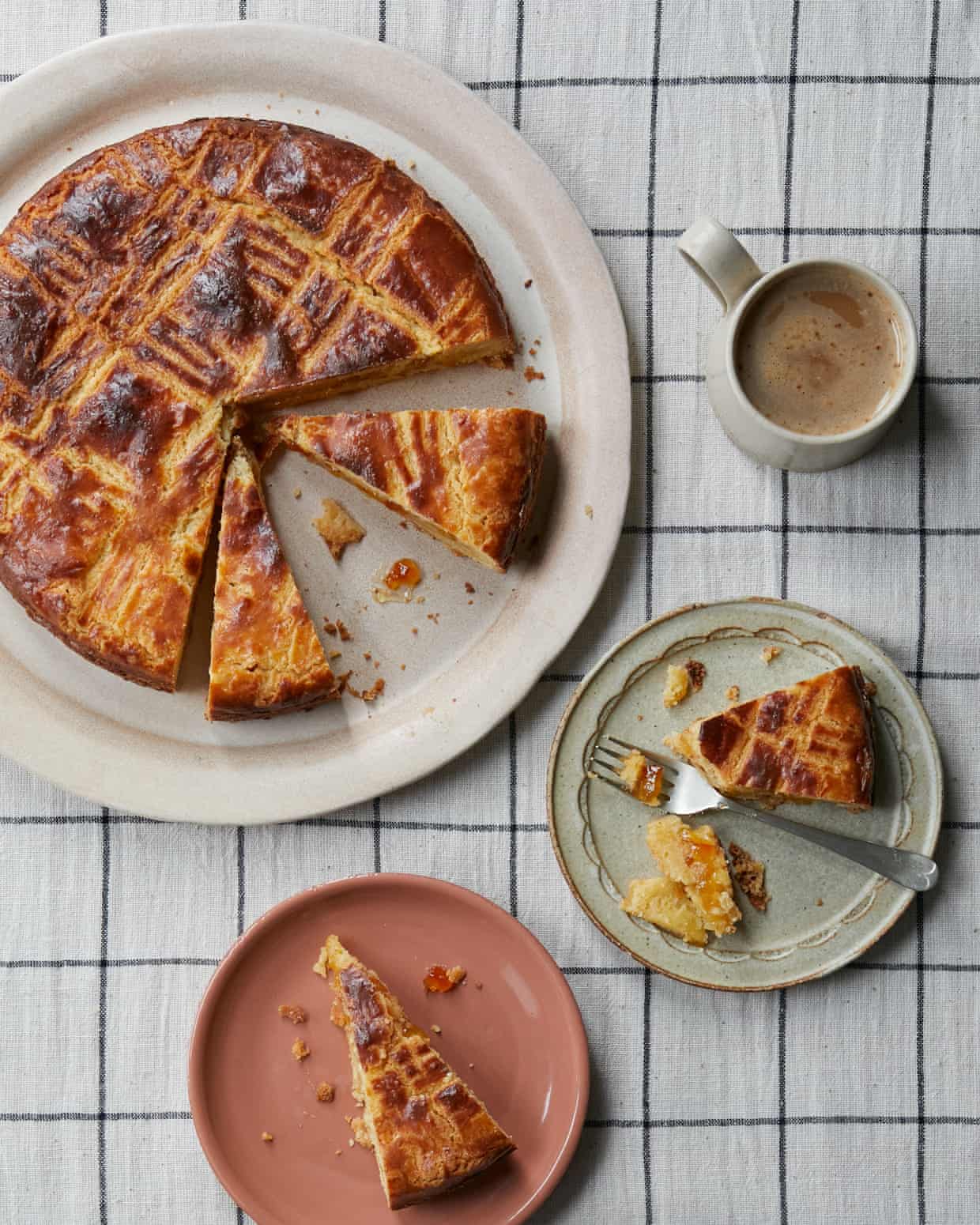
Helen Goh’s recipe for Breton butter cake with marmalade | The sweet spot

Gordon Ramsay says tax changes will make restaurants ‘lambs to the slaughter’