National insurance hike and energy bills behind food price rise, say UK retailers
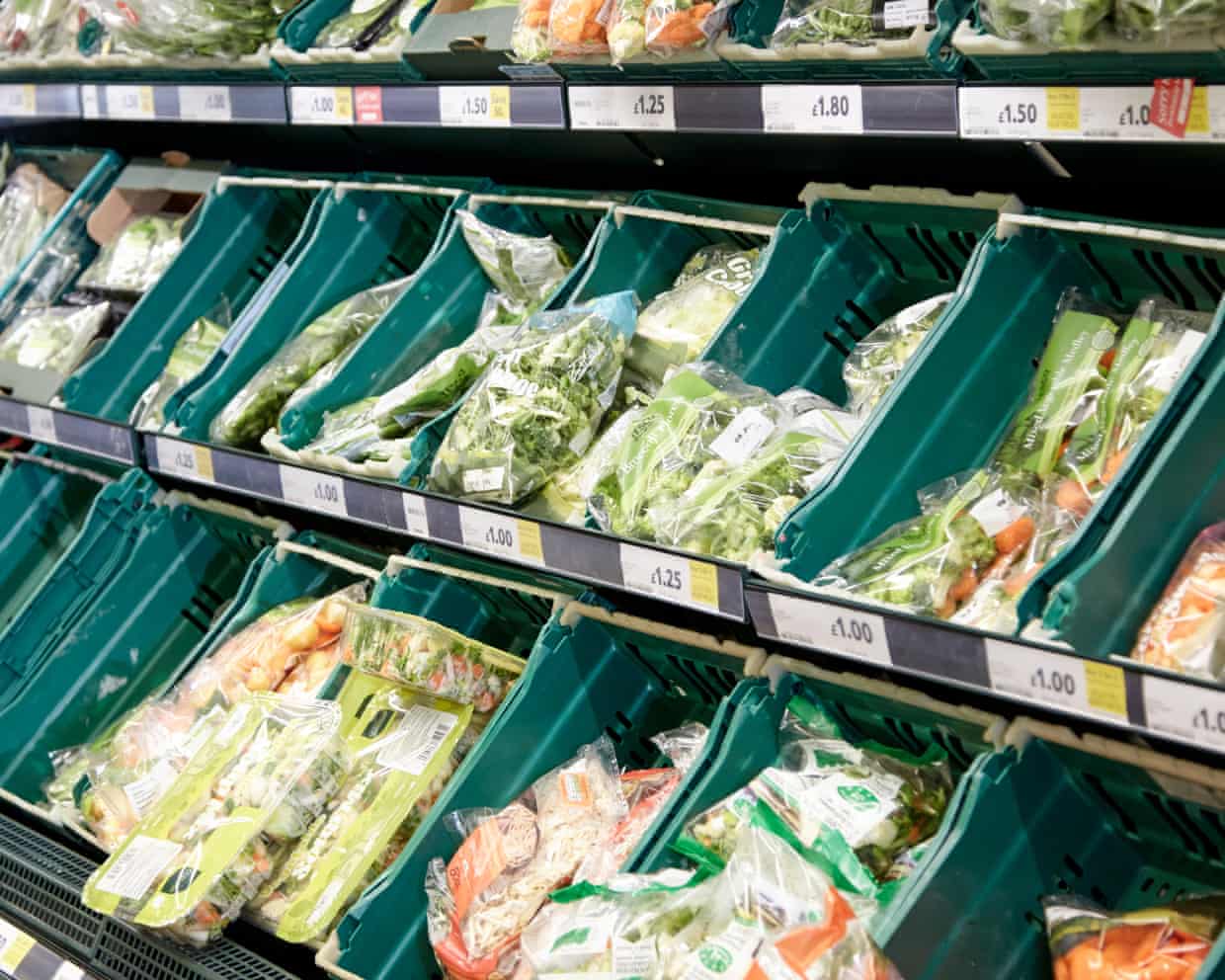
Retailers have blamed rising energy bills and the chancellor Rachel Reeves’s hike in employers’ national insurance contributions for a jump in food prices, as suppliers and supermarkets struggle to absorb higher costs,The British Retail Consortium (BRC), the trade body for retailers, said prices across all goods in shops rose by 1,5% in January compared with the same month last year, up from a 0,7% rise in December and higher than the 0,7% increase economists had been expecting.
It is also above the three-month average of 0.9%.Food prices increased at a rate of 3.9% year on year in January, up from 3.3% in December, the BRC’s monthly price monitor showed.
Fresh food inflation rose to 4.4% over the same period.Helen Dickinson, the chief executive of the BRC, said: “Any suggestion that inflation has peaked is simply not borne out by these figures.Shop price inflation jumped this month due to high business energy costs and the hike to national insurance continuing to feed through to prices.”She added: “Meat, fish and fruit were particularly affected, also reflecting weak supply and stronger demand, while non-food categories, including furniture, flooring, and health and beauty, all saw inflation rise.
”In her first budget after Labour returned to power in 2024, Reevesincreased the rate of employers’ national insurance contributions (NICs) from 13.8% to 15% from last April.The threshold for NICs being levied was also cut from £9,100 to £5,000 a year.The national minimum wage rose by 6.7% in April.
Retailers have previously said the rise would force them to pass on the higher cost of employment to customers and would add to the UK’s inflationary pressures.The BRC has previously conducted analysis that showed the combination of these two hikes meant the cost to a retailer of employing a full-time minimum wage worker had increased by 10%, while for part-time workers itwas a 13% increase.It said those increases were now being felt throughout a supplier’s food chain.“It is a challenging time for households.Retailers do what they can to keep prices down in a competitive market, but thin margins and rising costs of government policy make it harder,” Dickinson said.
A Treasury spokesperson said: “The fair and necessary decisions we made at this budget and the last mean we can deliver on the country’s priorities – cutting waiting lists, cutting debt and borrowing, and cutting the cost of living.“We know that working people are struggling with rising prices and the cost of living.That’s why we are delivering stability, cutting borrowing and getting inflation down.The Bank of England has forecast that food price inflation peaked in December and is expected to fall.”The BRC said “spiralling energy charges” for retailers and suppliers, partly caused by rising green levies, were also “flowing through into retail prices”.
The report added to growing signs that inflation in the UK was proving more sticky than forecasters had hoped.Official figures released last week showed inflation rose to 3.4% in December, up from 3.2% in November.Meanwhile, a closely watched survey – the purchasing managers’ index compiled by S&P Global – said UK businesses reported a sharp rise in costs in January, with the overall pace of inflation unchanged from December’s seven-month high.
Inflation in non-food items was far slower than food, at 0,3% in the year to January,This was a step up from the 0,6% decline in prices in December and above the three-month average of -0,3%.
Mike Watkins, the head of retailer and business insight at NIQ, which helps compile the monthly BRC report, said cautious consumer spending meant retailers were likely to continue offering discounts past the typical winter sale period,“Shoppers are always cautious about spending in January and this will not be helped by the continuation of inflation,However, there are still savings to be made at the checkout as some non-food retailers are still on promotion and many food retailers continue to reduce prices on everyday items as a way to drive footfall,” he said,
AI systems could use Met Office and National Archives data under UK plans
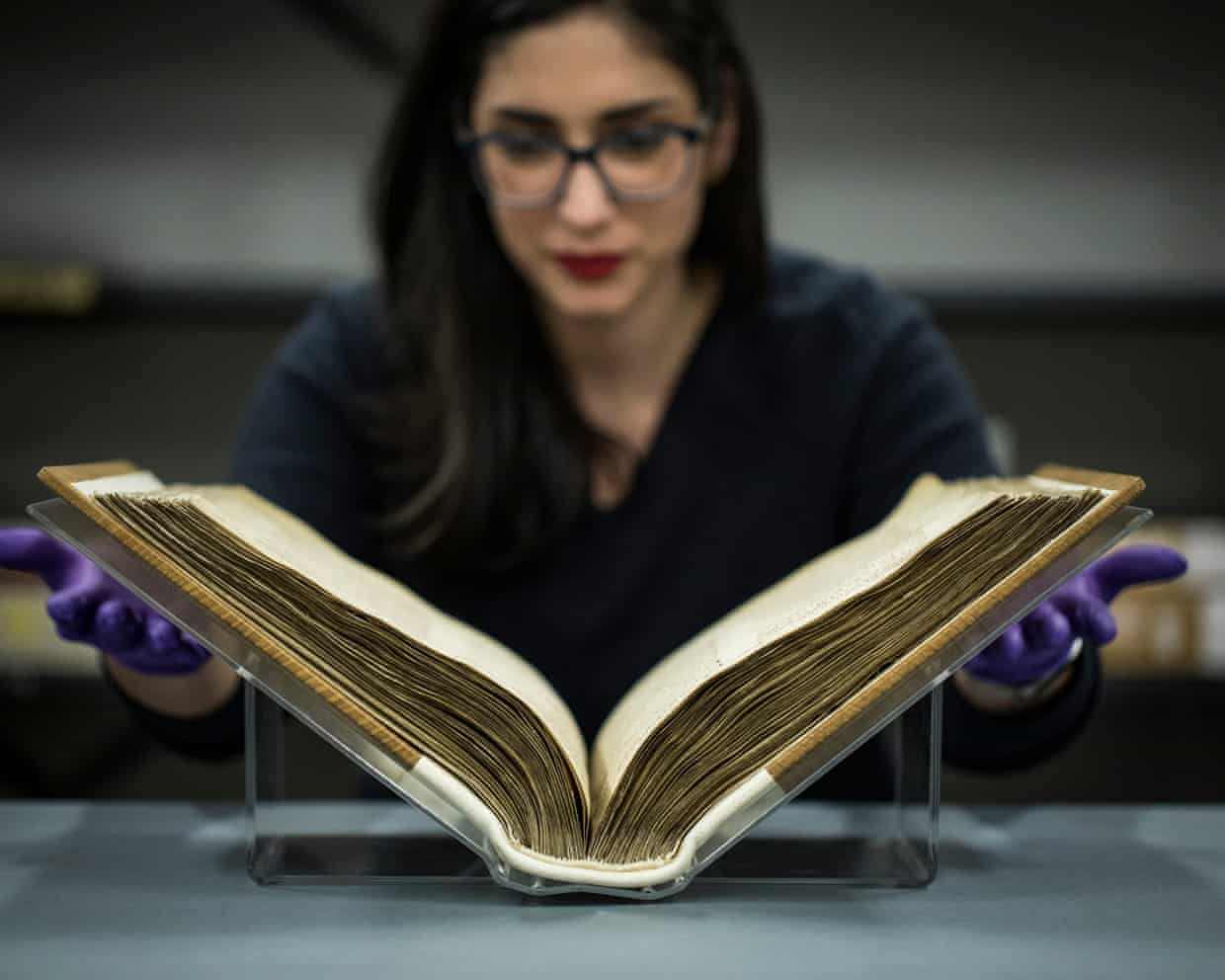
Met Office data and legal documents from the National Archives could be used by artificial intelligence systems as the UK government pushes ahead with plans to employ nationally owned material in AI tools.The government is providing funds for researchers to test how Met Office content could be used by the technology, such as in helping agencies and councils know when to buy more road grit. Another project will explore whether legal data from the National Archives – the UK’s repository for official documents – could help medium- and small-sized businesses with legal support.The government has also announced plans to license content from national institutions such as the National History Museum and the National Library of Scotland for AI development.Ian Murray, the minister for digital government and data, said the National Archives plan was “what smart use of the public sector” looked like

Sam Altman’s make-or-break year: can the OpenAI CEO cash in his bet on the future?
Sam Altman has claimed over the years that the advancement of AI could solve climate change, cure cancer, create a benevolent superintelligence beyond human comprehension, provide a tutor for every student, take over nearly half of the tasks in the economy and create what he calls “universal extreme wealth”.In order to bring about his utopian future, Altman is demanding enormous resources from the present. As CEO of OpenAI, the world’s most valuable privately owned company, he has in recent months announced plans for $1tn of investment into datacenters and struck multibillion-dollar deals with several chipmakers. If completed, the datacenters are expected to use more power than entire European nations. OpenAI is pushing an aggressive expansion – encroaching on industries like e-commerce, healthcare and entertainment – while increasingly integrating its products into government, universities and the US military and making a play to turn ChatGPT into the new default homepage for millions
AI needs to augment rather than replace humans or the workplace is doomed | Heather Stewart
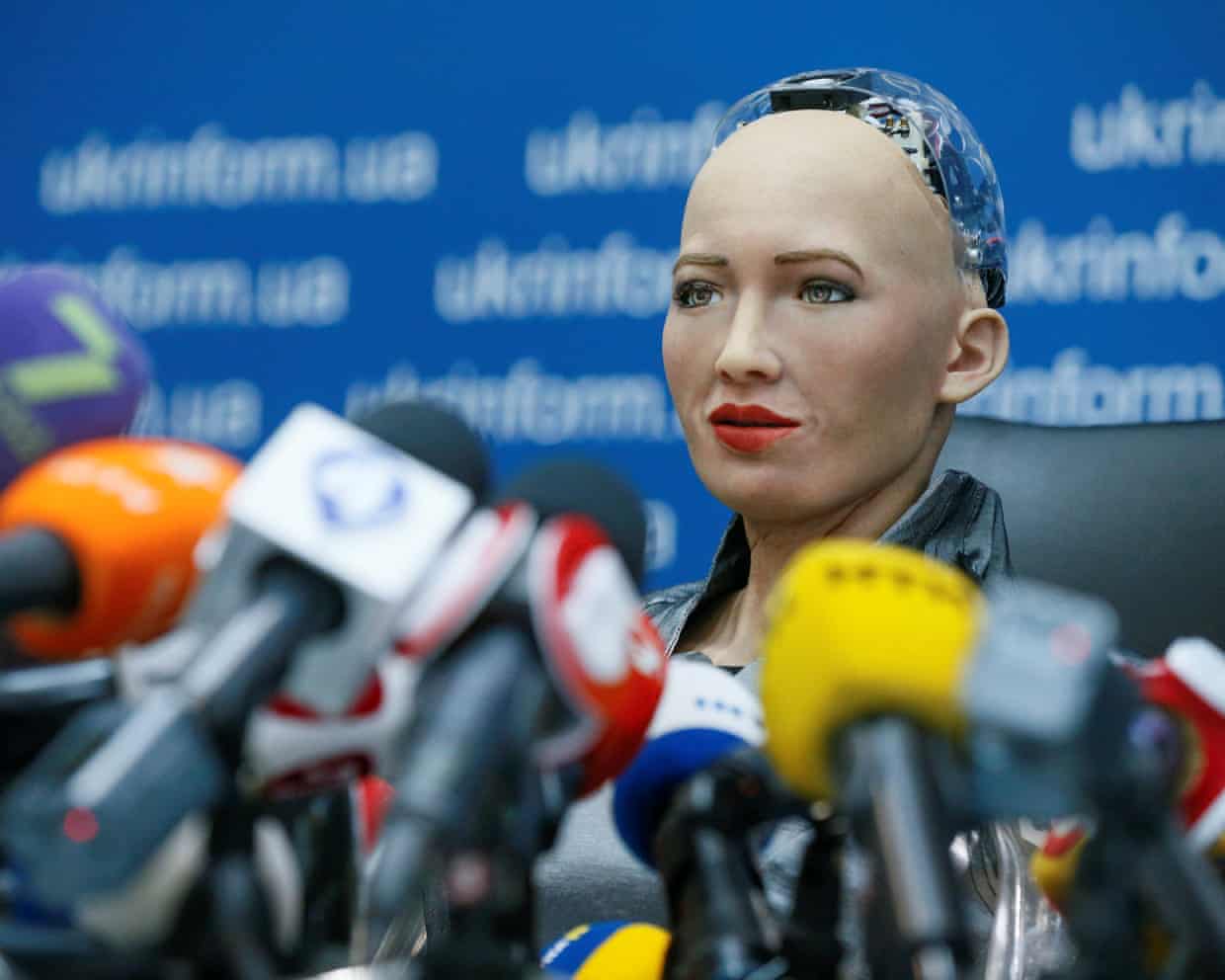
“Who wouldn’t want a robot to watch over your kids?” Elon Musk asked Davos delegates last week, as he looked forward with enthusiasm to a world with “more robots than people”.Not me, thanks: children need the human connection – the love – that gives life meaning.As he works towards launching SpaceX on to the stock market, in perhaps the biggest ever such share sale, the world’s richest man has every incentive to talk big.Yet as Musk waxed eccentrically about this robotic utopia, it was a reminder that major decisions about the direction of technological progress are being taken by a small number of very powerful men – and they are mainly men.In the cosy onstage chat, the World Economic Forum’s interim co-chair, Larry Fink, failed to ask Musk about whichever tweak of internal plumbing allowed his Grok chatbot to produce and broadcast what a New York Times investigation estimated was 1

Google AI Overviews cite YouTube more than any medical site for health queries, study suggests
Google’s search feature AI Overviews cites YouTube more than any medical website when answering queries about health conditions, according to research that raises fresh questions about a tool seen by 2 billion people each month.The company has said its AI summaries, which appear at the top of search results and use generative AI to answer questions from users, are “reliable” and cite reputable medical sources such as the Centers for Disease Control and Prevention and the Mayo Clinic.However, a study that analysed responses to more than 50,000 health queries, captured using Google searches from Berlin, found the top cited source was YouTube. The video-sharing platform is the world’s second most visited website, after Google itself, and is owned by Google.Researchers at SE Ranking, a search engine optimisation platform, found YouTube made up 4

How the ‘confident authority’ of Google AI Overviews is putting public health at risk
Do I have the flu or Covid? Why do I wake up feeling tired? What is causing the pain in my chest? For more than two decades, typing medical questions into the world’s most popular search engine has served up a list of links to websites with the answers. Google those health queries today and the response will likely be written by artificial intelligence.Sundar Pichai, Google’s chief executive, first set out the company’s plans to enmesh AI into its search engine at its annual conference in Mountain View, California, in May 2024. Starting that month, he said, US users would see a new feature, AI Overviews, which would provide information summaries above traditional search results. The change marked the biggest shake-up of Google’s core product in a quarter of a century

Latest ChatGPT model uses Elon Musk’s Grokipedia as source, tests reveal
The latest model of ChatGPT has begun to cite Elon Musk’s Grokipedia as a source on a wide range of queries, including on Iranian conglomerates and Holocaust deniers, raising concerns about misinformation on the platform.In tests done by the Guardian, GPT-5.2 cited Grokipedia nine times in response to more than a dozen different questions. These included queries on political structures in Iran, such as salaries of the Basij paramilitary force and the ownership of the Mostazafan Foundation, and questions on the biography of Sir Richard Evans, a British historian and expert witness against Holocaust denier David Irving in his libel trial.Grokipedia, launched in October, is an AI-generated online encyclopedia that aims to compete with Wikipedia, and which has been criticised for propagating rightwing narratives on topics including gay marriage and the 6 January insurrection in the US

Gold price jumps above $5,000 an ounce for first time amid Trump turmoil

Gold soars past $5,100 an ounce, silver hits new record on tariff and US shutdown fears – as it happened
UK maker of AI avatars nearly doubles valuation to $4bn after funding round

AI is hitting UK harder than other big economies, study finds
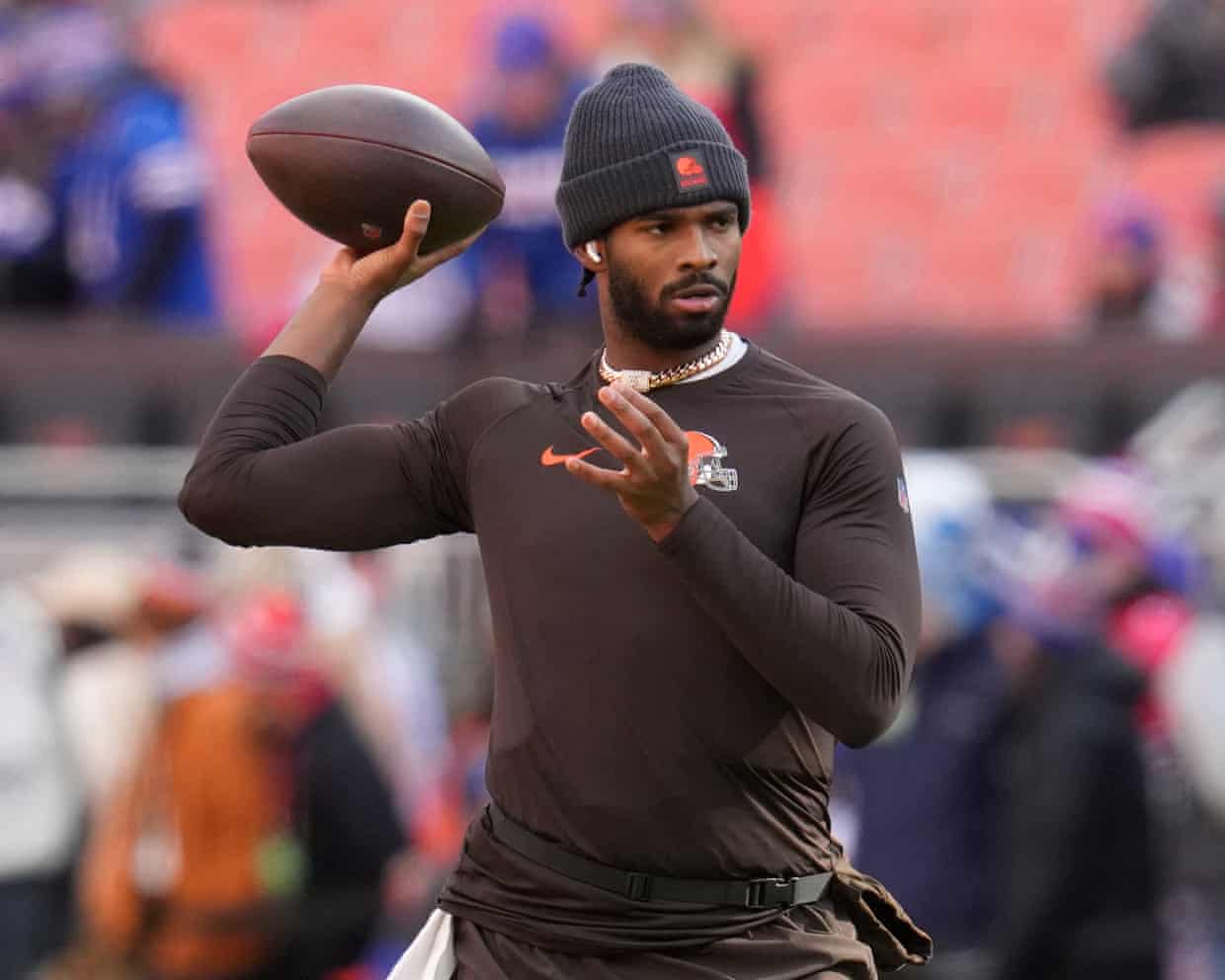
Shedeur Sanders set to better father Deion by reportedly making Pro Bowl as rookie
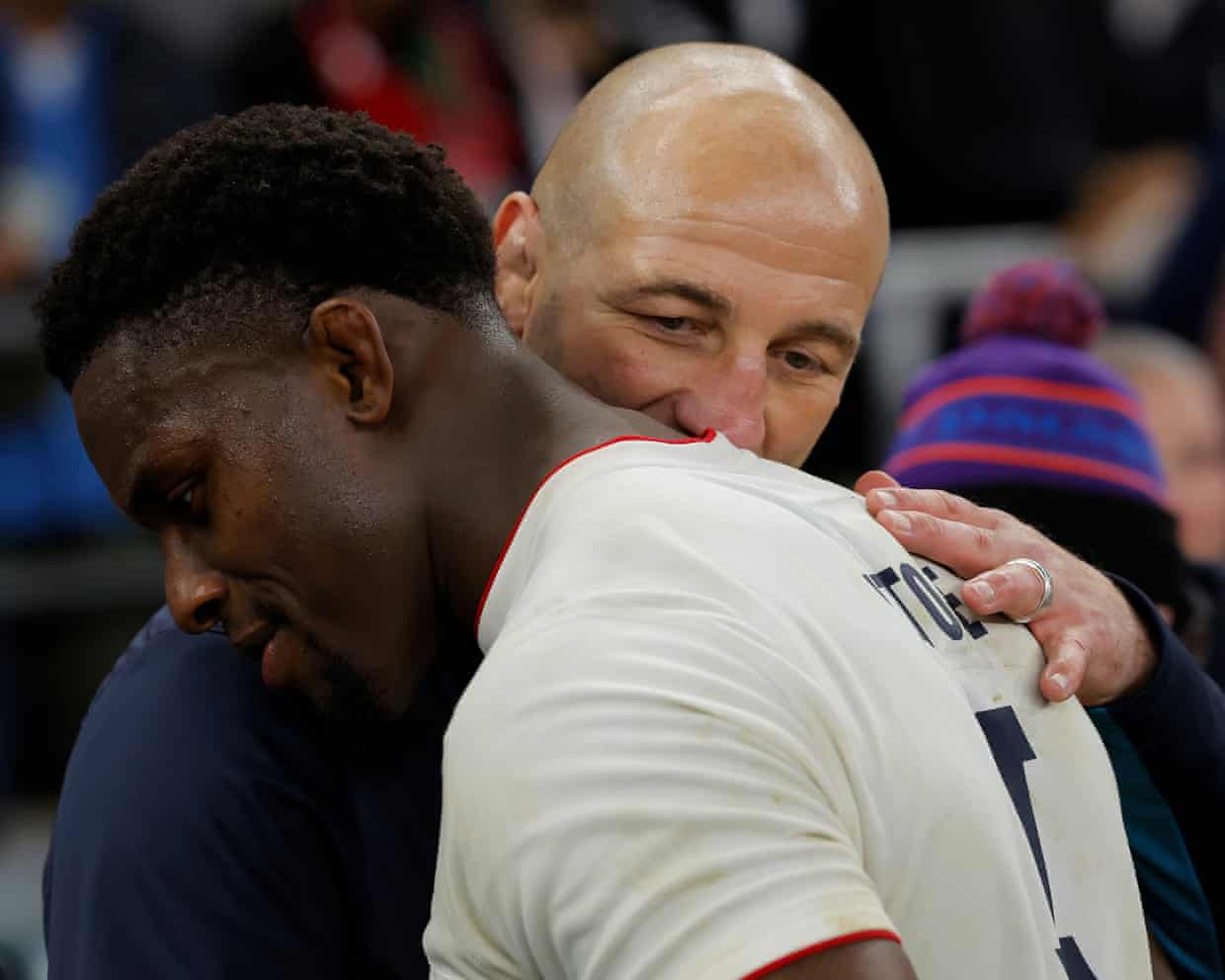
England captain Maro Itoje absent from training camp to attend mother’s funeral in Nigeria