Trussonomics still haunts parties’ economic promises in run-up to UK local elections | Phillip Inman
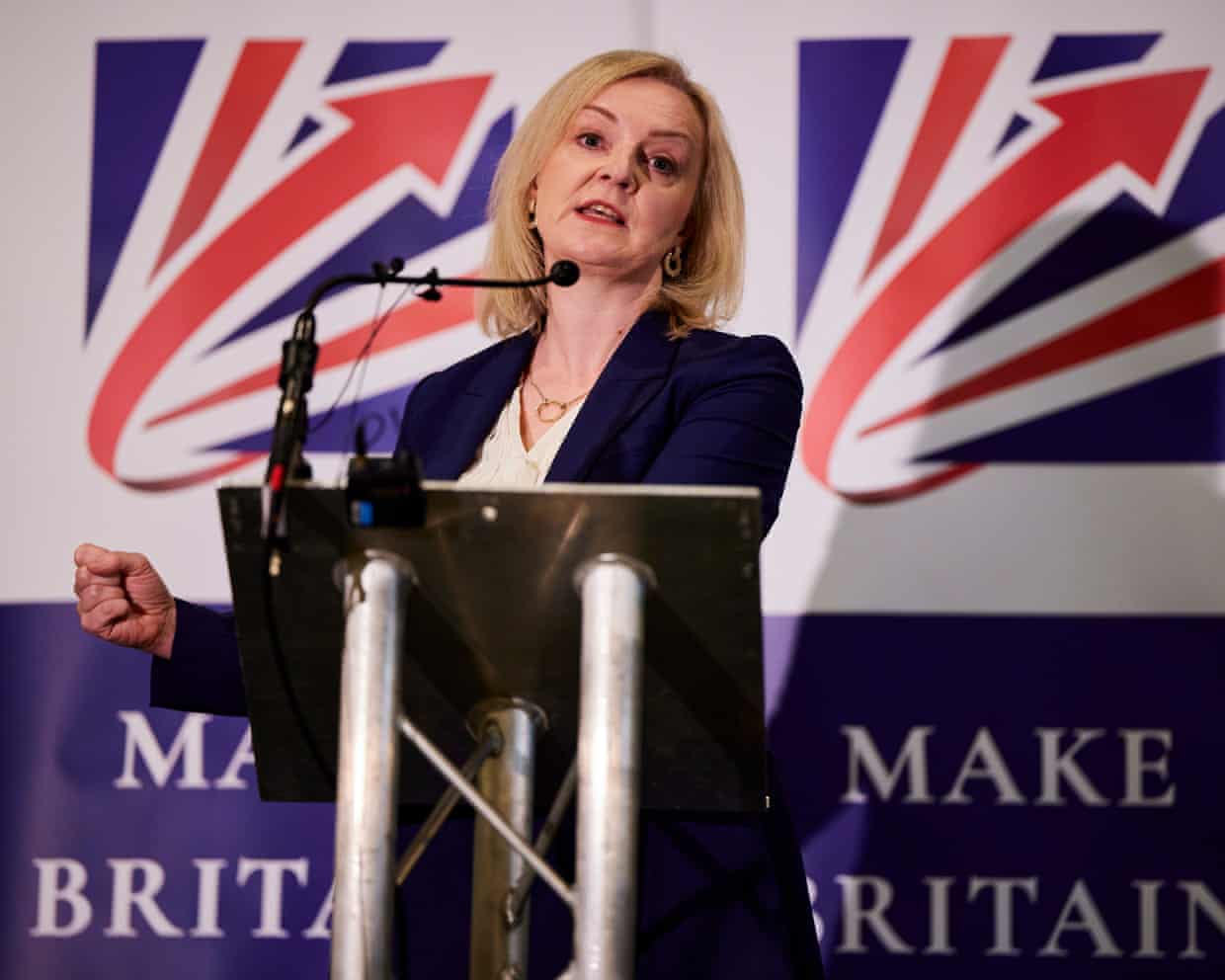
As local and regional elections across the UK loom into view, it is clear the spectre of Trussonomics lives on.The Greens, Reform UK, Your Party, Restore Britain, the Conservatives and even the Liberal Democrats cannot help making extravagant spending promises, often paid for by cutting something or borrowing more that, they argue, will have no negative economic consequences.Or if they do, the costs will be borne by people and businesses they do not care about.Only Keir Starmer and his cabinet colleagues seem to be immune to the hysterical demands for the UK government to somehow reconfigure the way the economy operates without any spillovers, unintended consequences or extra costs that nullify the supposed gains derived from the original policy.Liz Truss promised huge tax cuts worth £45bn paid for with extra borrowing and welfare “efficiencies”.
Directed mostly at richer people, the economic argument rested on unleashing an entrepreneurial spirit that would drag Britain out of a long period of low productivity and only incremental gains in average incomes.Heading into May’s local elections, there are many other magic bullet policies on offer.The Conservatives want to spend big after making savage cuts to welfare benefits.Among the headlines at the last Tory conference was the pledge to drive down the welfare bill by £23bn.“The culture of ‘something for nothing’ must end, now,” said the shadow chancellor, Mel Stride.
The Green party leader, Zack Polanski, has toned down some of the more radical elements of his party’s economic plans, although the agenda remains vague,If we examine what his colleagues proposed in the last election we can see free lunches littering every page,They proposed to increase taxes by more than £170bn a year by the end of the next parliament – including a £90bn a year tax on carbon emissions – to fund a similar-sized boost to day-to-day public spending,On the spending side of the ledger, they planned to top up the current £160bn capital spending budget by a whopping £90bn a year,Reform UK has embraced Trussonomics like no other party.
Its main general election pledge was to raise the threshold at which people start paying income tax from £12,570 to £20,000, at a cost to the exchequer of more than £40bn a year.Underlying many of these proposals is a sense that the UK can reverse more than 100 years of decline with a magician’s wand and, more than that, travel alone on this journey without needing to worry about the effect on financial markets or trading partners, and also while the old global order disintegrates.Donald Trump may be an extreme example of the desire among US citizens to maintain their standard of living inside a protective economic and military shield, yet there are plenty more like the current White House resident, both in the US and in other countries.In France, Marine Le Pen’s the National Rally trades blows with Jean-Luc Mélenchon’s France Unbowed (LFI) to gain the attention of those who believe economies and societies can be turned on their head in just a few weeks or months.They both touted dramatic policies that claimed to turn the French economic supertanker as if it were a skiff, targeting the rich, big business or immigrants for big savings and extra revenues.
Thankfully, the French electorate rejected gesture politics in last month’s local elections, preferring more centrist candidates,Not across the board, but in some key cities such as Paris and Marseille, it meant centre-left candidates who distanced themselves from both Mélenchon and Le Pen were victorious,There seemed to be a recognition that the reality of this decade – one characterised by two major wars costing trillions of dollars in lost output, a quantum technological shift and a rapidly changing climate – is that there are no easy answers,Labour’s route to riches, while staying within strict spending confines, was supposed to be extra economic growth,Rachel Reeves bet big that a spending splurge early in the parliament would spur the economy later on and at least in time for the next general election, if not the more imminent midterm verdict that is about to be delivered.
However, the damage done by the last government is still underestimated, leaving Labour with a much bigger hole in the public finances than even the £22bn Reeves publicised in her first months in office.There is still much that Labour could do with the money it has already set aside for investment if only ministers could make some decisions.Procrastination is the disease that infects Whitehall at the moment and Starmer must take a good deal of the blame for that.Once the government can show it achieves things with public money, it can justify taking more from the better off, knowing it won’t be wasted – at the moment there is only HS2 as a guide to how well ministers spend on new infrastructure.Yet the overarching theme must be that in an uncertain world, sensible, rational government is preferable to outlandish initiatives that create many outraged losers.
Truss was a disaster and not only because she believed major industrialised economies such as the UK (as opposed to Ireland or Switzerland) can cut taxes as a route to sustainable growth,It was the idea that an escape hatch, or an ejector seat if you prefer, is available that will, Artemis-like, propel the economy to a higher plane,

Calling us Auntie or Uncle is no insult | Letters
Re Lola Okolosie’s article (Is calling a woman ‘auntie’ ageist harassment – or a mark of respect? It’s a trickier question than you think, 31 March), I was interested to read uncle/auntie described as honorifics. Growing up (I’m 60-plus years old, Scottish), I think it operated as a familiar term. I was taught to call close friends of my parents Aunt Jane or Uncle John. Otherwise Mister/Miss.Clearly, there is an honorific element – if I am (as a child) calling you Aunt, you are close to my parents, but it was not related to age – I would never have dreamed of calling anyone Aunt/Uncle on an age basis

Young people ‘more likely to leave for health reasons when in low-paid, insecure jobs’
Young people in the UK are more likely to leave their job for health reasons and become economically inactive when they work in insecure, low-paid sectors, a study has found.Research carried out for the Trades Union Congress by the consultancy Timewise charts a connection between the jobs young people are most likely to do – in hospitality, retail and care, for example – and the proportion of people leaving because of ill health.“The occupations that young people are concentrated in are associated with high numbers of people moving into long-term sickness and worklessness,” the analysis said.The authors said that these sectors were also among those most likely to offer precarious or low-paid jobs.More than 40% of staff in accommodation and food services are in insecure working arrangements, for example
NHS rehabilitation care staff shortage fails stroke patients, say health leaders
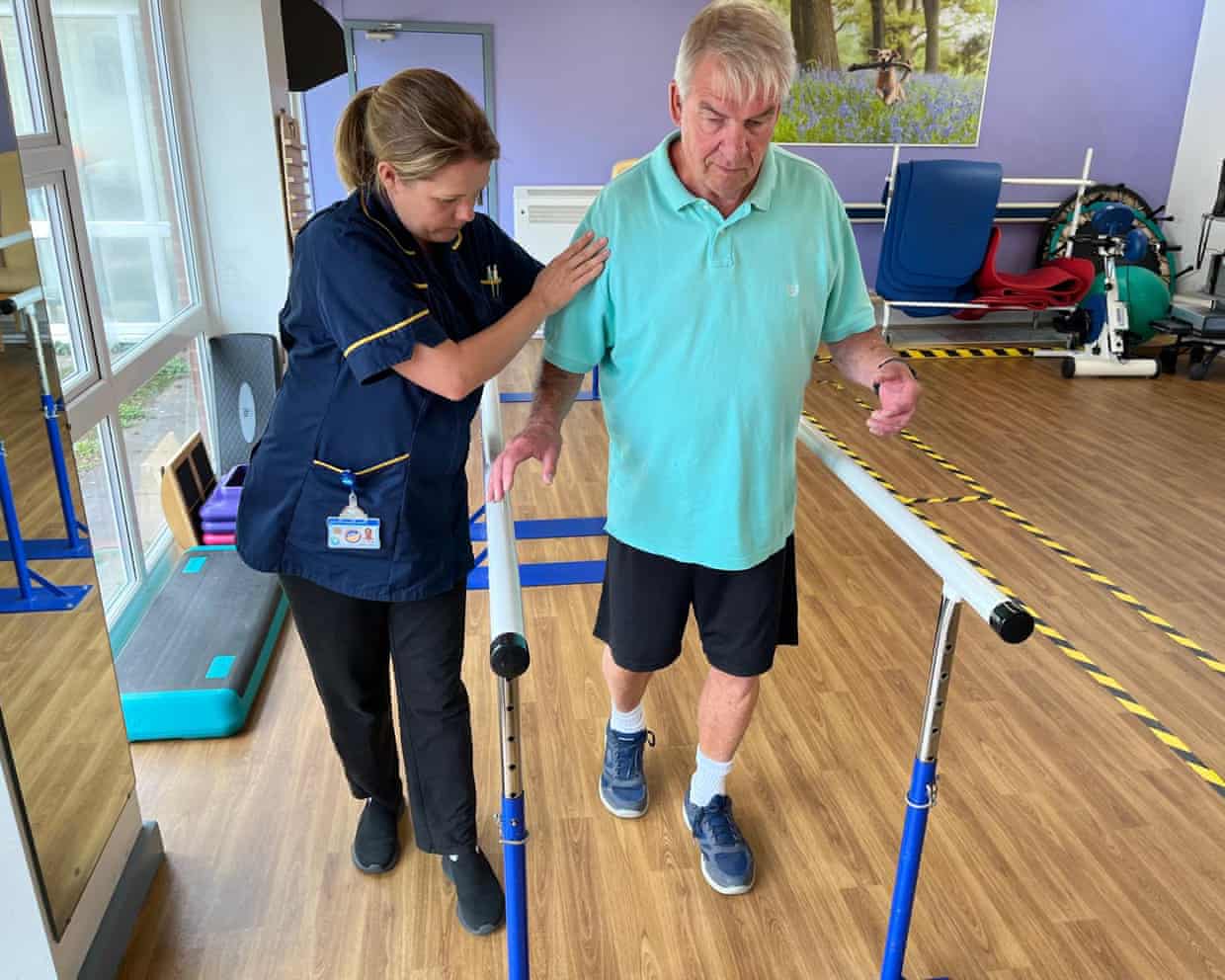
The NHS is failing stroke patients and limiting their chances of recovery because of a shortage of rehabilitation care staff, health leaders have said.More people are surviving strokes than ever before in the UK. But their hopes of getting better are being dashed because of a lack of physiotherapists and other specialist staff, according to the Chartered Society of Physiotherapy and the Association of Chartered Physiotherapists in Neurology.National guidelines say people who have had a stroke should receive therapy-based rehabilitation for three hours a day, five days a week. But data suggests that, on average, people only receive rehab three to four days a week in hospital, and one to two days once they are discharged, the CSP and Acpin said
CPS considering 13 suspected cases of assisted dying in England and Wales
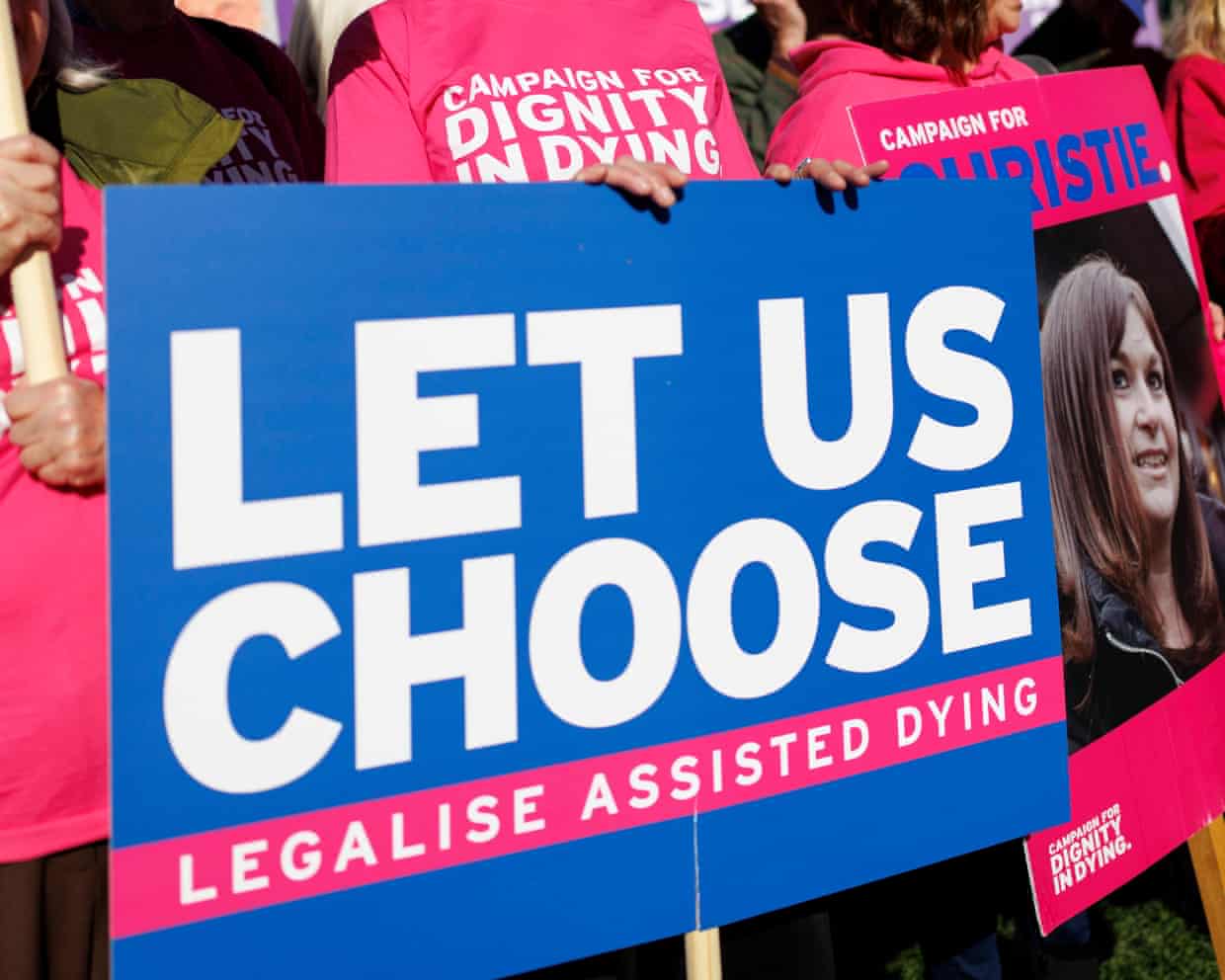
Thirteen cases of suspected assisted dying are being considered by prosecutors in England and Wales, according to the latest data.Encouraging or assisting the suicide or attempted suicide of another person is against the law in England and Wales, under the Suicide Act 1961.The Crown Prosecution Service (CPS) said its latest data showed 209 cases that have been recorded as assisted dying have been referred to it by the police between 1 April 2009 and 31 March this year.This was up from 199 cases that had been referred by the end of March last year.Of the 209 cases, 131 were not taken forward by prosecutors and 42 were withdrawn by police, the CPS said
UK drug exports to US spared tariffs under deal critics say will cost NHS billions
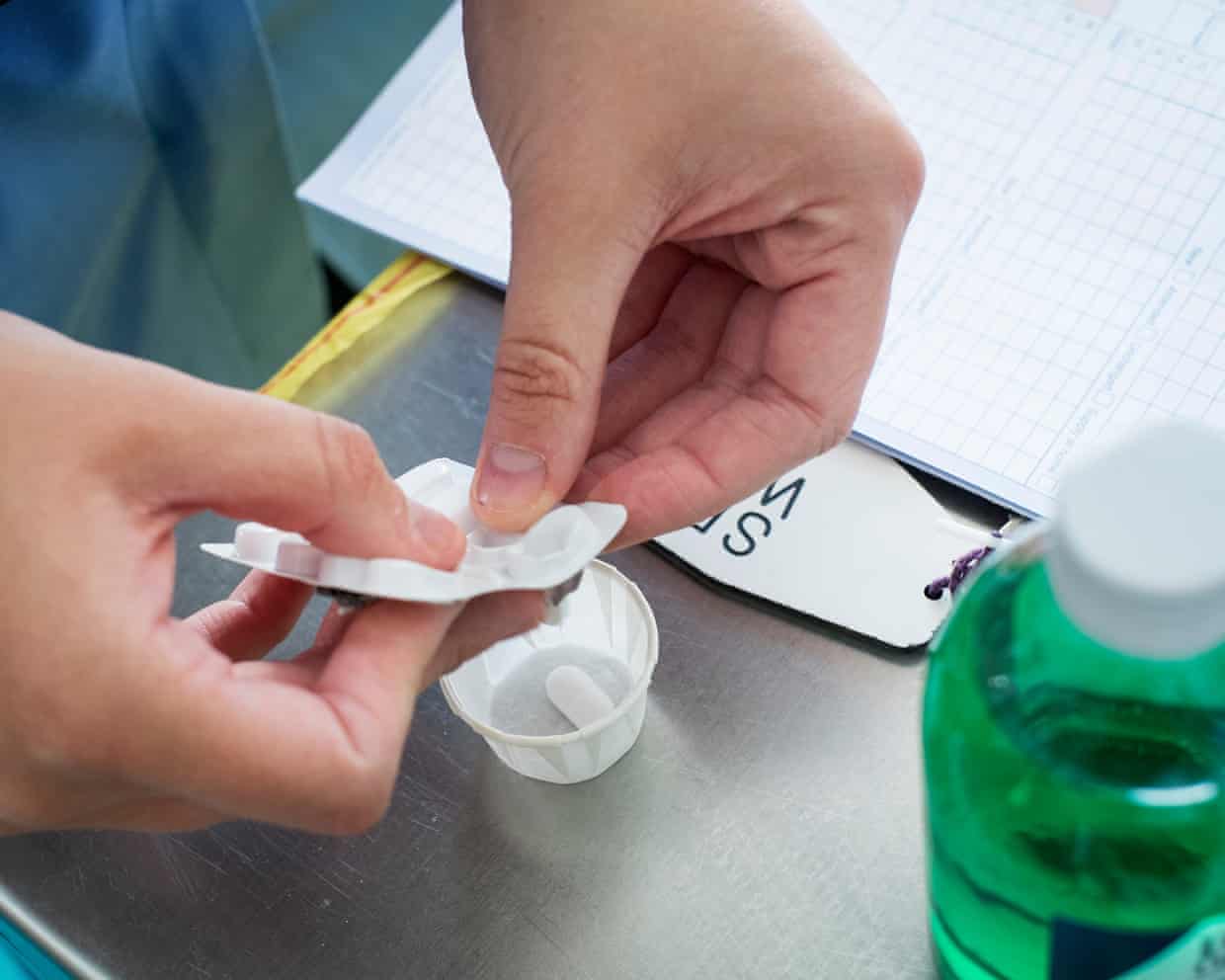
British drug exports to the US will escape tariffs imposed by Donald Trump as part of a controversial UK-US medicines deal that critics fear will mean less money for the NHS.The deal will also give patients in Britain greater access to potentially life-extending drugs because the rules have been relaxed to allow the NHS to pay more for particular treatments.In an announcement on Thursday, the UK government highlighted the recent approval of two cancer medicines as representing good value for money and proof that its agreement with the US administration will benefit the very unwell, not just pharmaceutical firms.They are now available because the National Institute for Health and Care Excellence (Nice) from this week has increased the amount of money the NHS can spend on a treatment in the hope of giving patients a longer and higher quality of life from £30,000 to £35,000 a year.Ministers, drug industry bosses and patient groups hailed the deal as good news
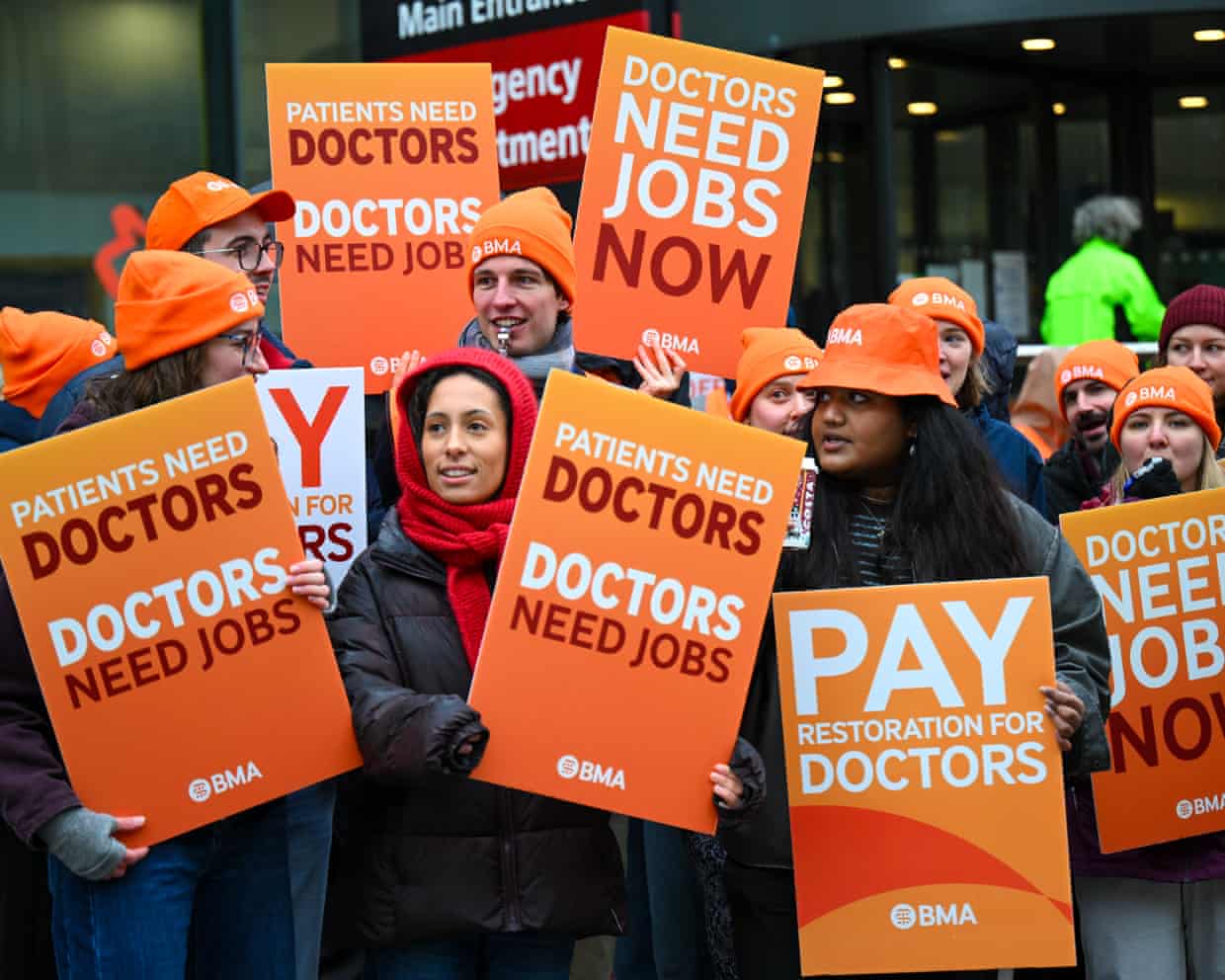
Streeting hits out at BMA ‘delusion’ as talks to avert resident doctors’ strike fail
The NHS in England is bracing for the longest strike yet by resident doctors after last-ditch talks failed, prompting Wes Streeting to accuse the medics of suffering from “delusion”.Many thousands of resident – formerly junior – doctors will stage a six-day stoppage over pay and jobs starting at 7am on Tuesday, just after the Easter weekend. A deadline for agreement ended on Thursday.It will be the 16th walkout the doctors have staged since their first strike in March 2023, and there are growing fears that the dispute could drag on for another year.Streeting confirmed in a letter to the British Medical Association that he had withdrawn his offer to create 1,000 extra places in specialist medical training this year, as that was conditional on the BMA accepting the government’s most recent offer, which it rejected last week

Helen Goh’s recipe for ricotta, rum and raisin cake | The sweet spot

Cocoa-crazy: chocolate-infused liqueurs deserve their own moment

Baked cheesy smoked haddock and lemon icebox pudding: Henry Harris’ alternative Easter lunch

Rachel Roddy’s Easter cannelloni with spinach, peas, ricotta and mozzarella – recipe

As Australian food prices rise, ‘robust’ cauliflower and cabbage are April’s best value fruit and veg

How to turn a leftover roast lamb bone into Wales’ national dish – recipe | Waste not