Sustainable aviation fuel take-up in UK unlikely to hit 2025 target, data suggests

The take-up of sustainable aviation fuels is on course to fall short of the UK government’s first annual mandate, official figures suggest.Production data published by the Department for Transport (DfT) covering most of 2025 shows that sustainable fuels (SAF) only accounted for 1.6% of fuel supplied for UK flights – 20% less fuel in volume than the 2% needed to fulfil the requirement.The government introduced the mandate in January, which requires suppliers to hit targets for SAF – which the industry has argued is important for cutting its carbon emissions – within the overall UK aviation fuel mix.Themandatory target rises sharply from 2% in 2025 to 10% in 2030 and then to 22% in 2040, including the use of second-generation fuels that are seen as more sustainable in the long term.
So far, the supply of SAF has been exclusively produced from recycled cooking oil from Asia, predominantly China, the DfT figures showed,The data shows that a little more than 160m litres (35m gallons) of SAF was used, out of 10bn litres of jet fuel burned in UK flying until early October,The DfT said the time needed for verification meant that the figures were provisional, and final figures for the year were not expected to be published until November 2026,A spokesperson for the department said: “These figures do not present the full picture,SAF volumes are continuously rising and not all suppliers have reported on the fuel they’ve supplied.
”Planes burning SAF still emit equal amounts of CO2 in flight, but the net carbon footprint is calculated as far lower because of how SAF is produced, compared with normal jet fuel.Although many scientists and environmental groups remain deeply sceptical that it can be delivered, production and uptake of SAF is seen as the only way for commercial, and particularly long-haul, aviation to reduce its emissions.While the government has backed aviation as a driver of economic growth and granted permission for airports including Gatwick and Luton to rapidly expand, ministers have promised to consult the Climate Change Committee over plans to build a third runway at Heathrow.The aviation minister, Keir Mather, told an industry conference in London earlier this month that Heathrow expansion would still have to meet Labour’s four tests, including reducing its climate impact, but that decarbonisation would be “a licence for growth”.He said that SAF represented the biggest opportunity, and the government’s SAF bill, which is passing through the House of Lords, “will deliver the revenue-certainty mechanism that you called for – a guaranteed price for SAF that reduces risks for investors and raises confidence for producers”.
Heathrow airport has pushed the uptake of SAF with an incentive scheme that cuts landing charges for airlines using cleaner fuel.It expects to meet its own target of 3% SAF use over the course of 2025.However, airlines have fewer available supplies outside larger hub airports, and have questioned whether future mandates can be met – especially when costlier second-generation and power-to-liquid SAF, yet to be produced at scale, are mandated.The UK has progressed further than most in global aviation.The international airlines body Iata recently warned that growth in production worldwide was stalling, with SAF supplying only 0.
6% of total jet fuel consumption in 2025, and forecast to increase to 0,8% in 2026,Iata’s director general, Willie Walsh, criticised the mandates, adding: “If the objective is to increase SAF production to further the decarbonisation of aviation, then they need to learn from failure and work with the airline industry to design incentives that will work,”Duncan McCourt, chief executive of the air industry body Sustainable Aviation, said: “These provisional figures show the UK is using significant quantities of SAF and we remain confident that the mandate will be met and UK aviation will use increasing quantities of SAF in the years to come,”
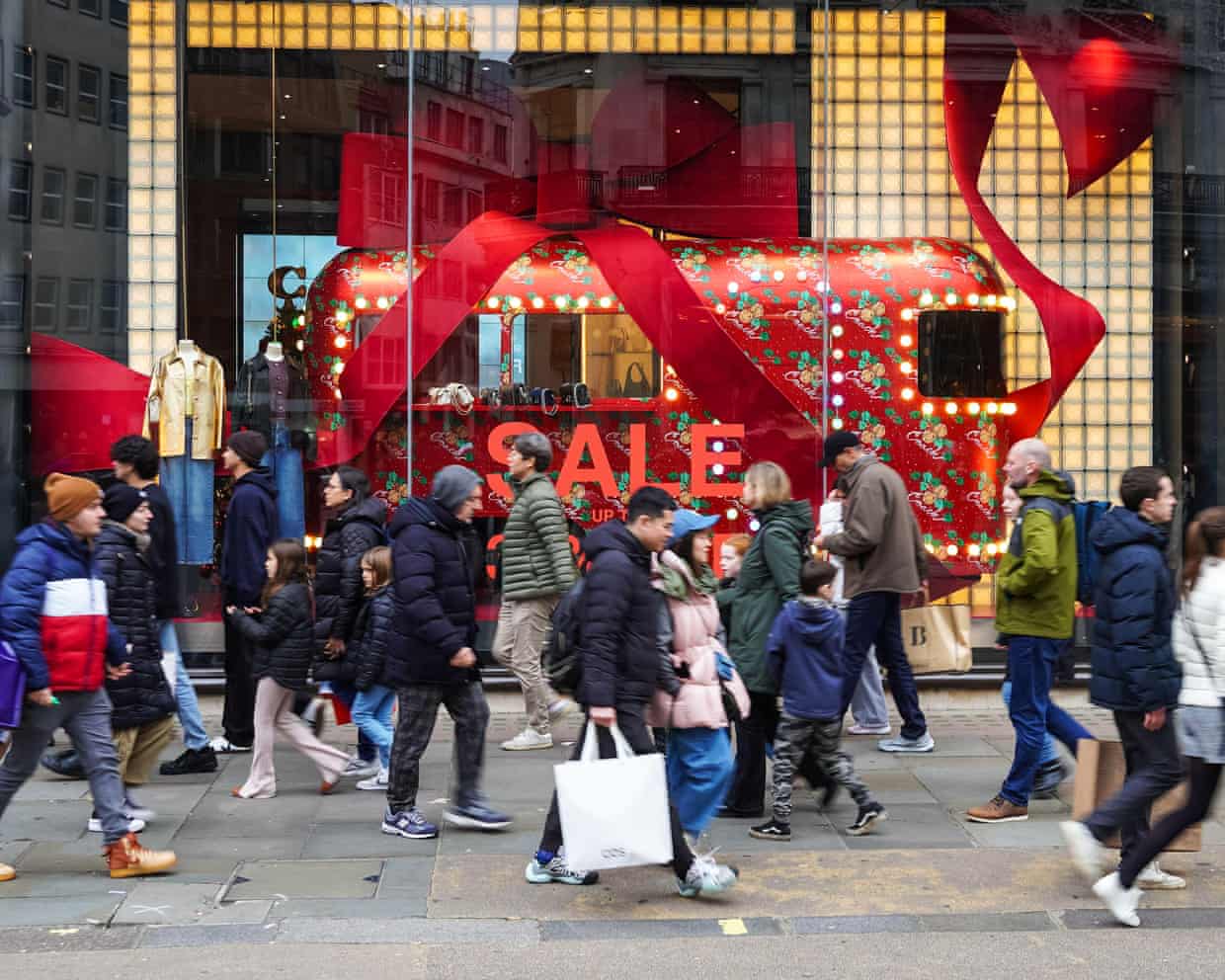
Renewed zeal for Boxing Day sales expected to ring up £3.8bn for retailers
UK shoppers are expected to spend £3.8bn this Boxing Day, 2% more than last year, with online sellers experiencing most of that growth but high streets also enjoying a boost from a renewed appetite for post-Christmas bargains.Boxing Day remains one of the busiest shopping days of the year, but in recent years the dash for the high street has eased as more people opt to search for bargains from the sofa.With many discounts kicking off from midnight on Christmas Eve, Christmas Day is now worth more than £1bn in sales, with 23 million people in the UK expected to be buying online shortly after unwrapping their gifts. That is half a million more than last year, according to analysis by the research company GlobalData for Vouchercodes
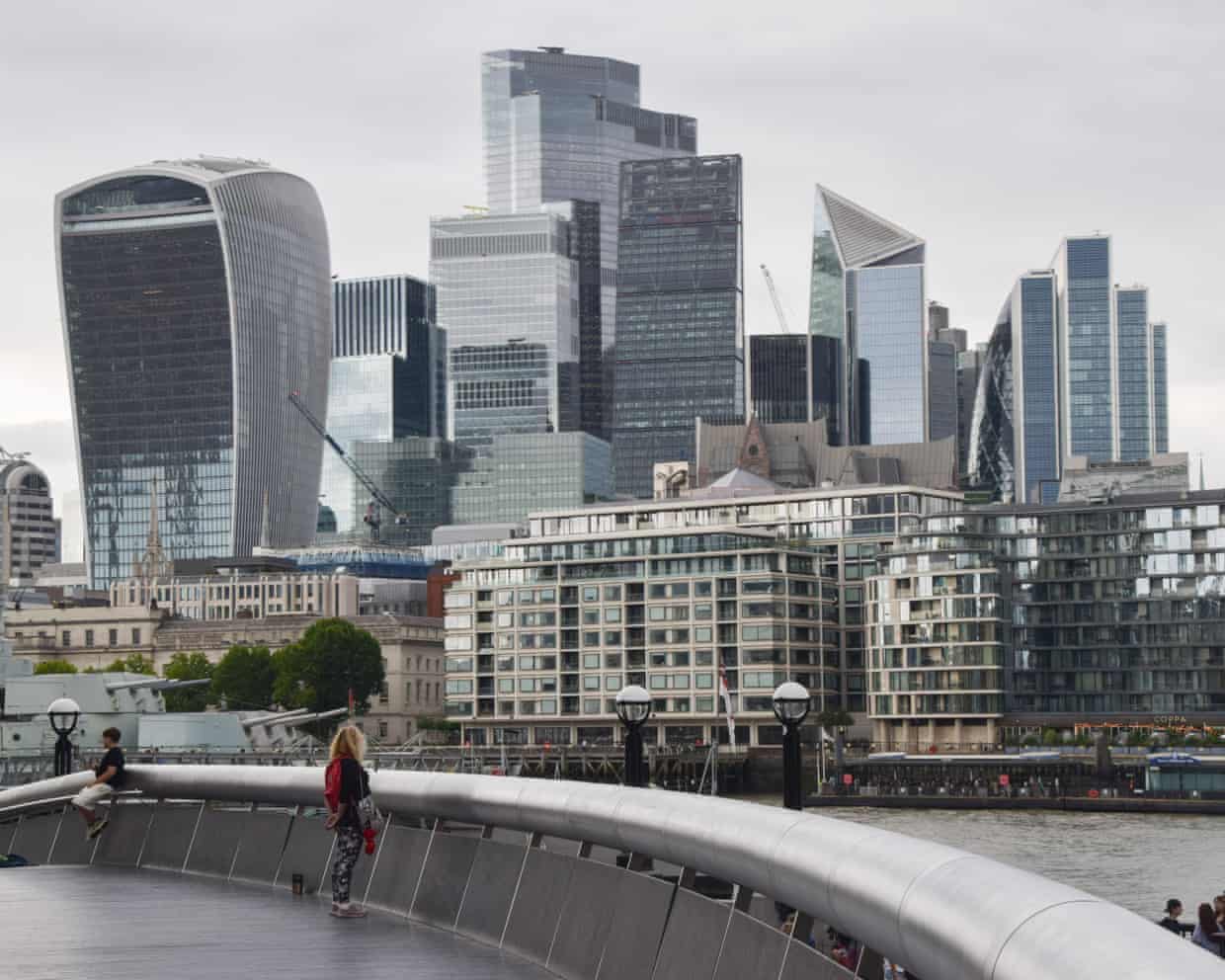
End of shareholder revolt register ‘will help UK firms bury pay controversies’
UK-listed companies will be able to bury controversies over executive pay for the first time in eight years, a thinktank has warned, after the Labour government shut down a public tracker meant to curb “abuses and excess in the boardroom”.The public register was launched under the Tory prime minister Theresa May in 2017 to name and shame companies hit by shareholder revolts at their annual general meetings (AGMs). That included rebellions over issues such as excessive bonuses or salary increases for top earning bosses.However, the Treasury – under the chancellor, Rachel Reeves – instructed the Investment Association (IA), the UK asset management trade body that maintained the register, to shut it down this autumn as part of a wider regulation action plan to increase economic growth by cutting “red tape” for businesses. The closure of the public log follows lobbying campaign by companies including the London Stock Exchange, whose bosses claim bad publicity over executive pay is harming the City’s competitiveness and deterring UK listings

European leaders condemn US visa bans as row over ‘censorship’ escalates
European leaders including Emmanuel Macron have accused Washington of “coercion and intimidation”, after the US imposed a visa ban on five prominent European figures who have been at heart of the campaign to introduce laws regulating American tech companies.The visa bans were imposed on Tuesday on Thierry Breton, the former EU commissioner and one of the architects of the bloc’s Digital Services Act (DSA), and four anti-disinformation campaigners, including two in Germany and two in the UK.The other individuals targeted were Imran Ahmed, the British chief executive of the US-based Center for Countering Digital Hate; Anna-Lena von Hodenberg and Josephine Ballon of the German non-profit HateAid; and Clare Melford, co-founder of the Global Disinformation Index.Justifying the visa bans, the US secretary of state, Marco Rubio, wrote on X: “For far too long, ideologues in Europe have led organised efforts to coerce American platforms to punish American viewpoints they oppose. The Trump administration will no longer tolerate these egregious acts of extraterritorial censorship

‘A gamechanger’: 200,000 UK small businesses sign up to TikTok Shop
It is better known for its viral dances and for making hits out of forgotten songs, but the social media site TikTok is becoming a force to be reckoned with as a shopping platform.Major retailers such as Marks & Spencer, Samsung, QVC, Clarks, and Sainsbury’s are now selling their wares on the site’s e-commerce service, TikTok Shop, alongside more than 200,000 UK small and medium businesses.Launched in Britain in 2021, TikTok Shop recorded its biggest sales day in the UK on Black Friday, with 27 items sold every second. Across the Black Friday and Cyber Monday period, sales were up by 50% on last year.The service works by letting brands sell directly inside TikTok through videos and livestreams with embedded links to items for sale, as well as through a separate shop tab on their profiles

Boxing Day Test 2025: Australia v England fourth Ashes Test, day one – live updates
Thanks for following along on a frenetic day one of the Boxing Day Test. Ali Martin was at the MCG and somehow stayed across all the action for this report on the day.We’ll be back with the OBO again tomorrow – but it remains to be seen whether the fourth Ashes Test can last into a third day.Australia will take a 46-run lead into day two of the Boxing Day Test even after being sent in to bat first and being all out before tea for 152. Josh Tongue claimed five for 45 while Michael Neser top scored with 35 on a green top that ensured batting was difficult

Australia edge wild Boxing Day with England as 20 wickets fall in fourth Ashes Test
A record 94,199 spectators turned up to the MCG on Boxing Day and none will forget what they witnessed. An extraordinary 20 wickets tumbled on a pitch offering lavish movement and Cricket Australia were left fearing what would be a second multi-million dollar loss in this Ashes series.The first came in Perth, when that two-day series opener triggered the refunds and left visiting supporters scrambling for sightseeing trips. This fourth Test had the ingredients for a repeat, not just a surface with 10mm of grass but also a touring side in England who, having lost the Ashes and with criticism flying, looked broken before the coin even went up.The toss actually landed in their favour here, Ben Stokes calling correctly, inserting his opponents without hesitation, and watching Josh Tongue skittle Australia for 152 all out before tea

Midwife leading Nottingham maternity inquiry charging NHS up to £26,000 a month
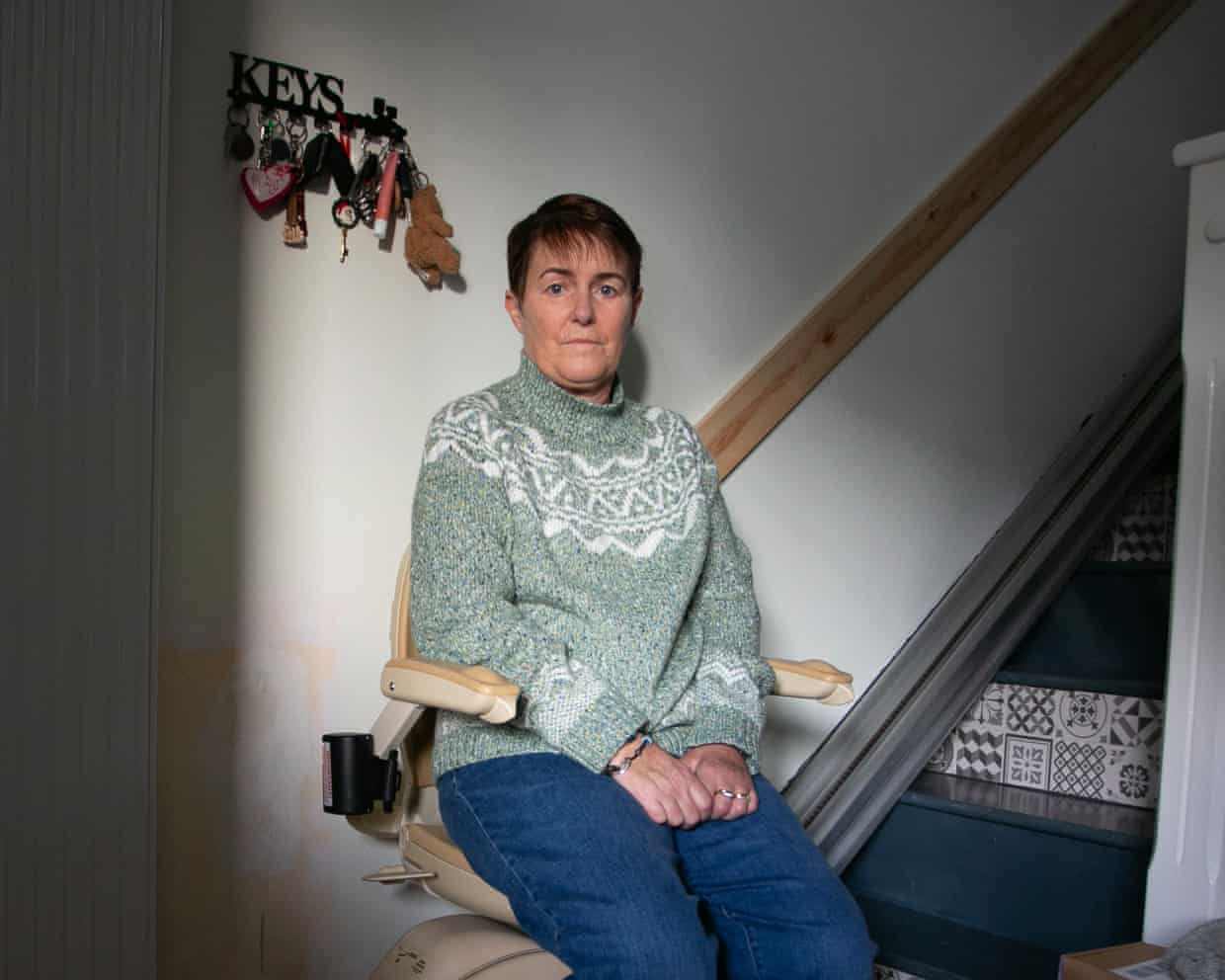
Motor neurone disease patients in England die waiting for home adaptations, campaigners say
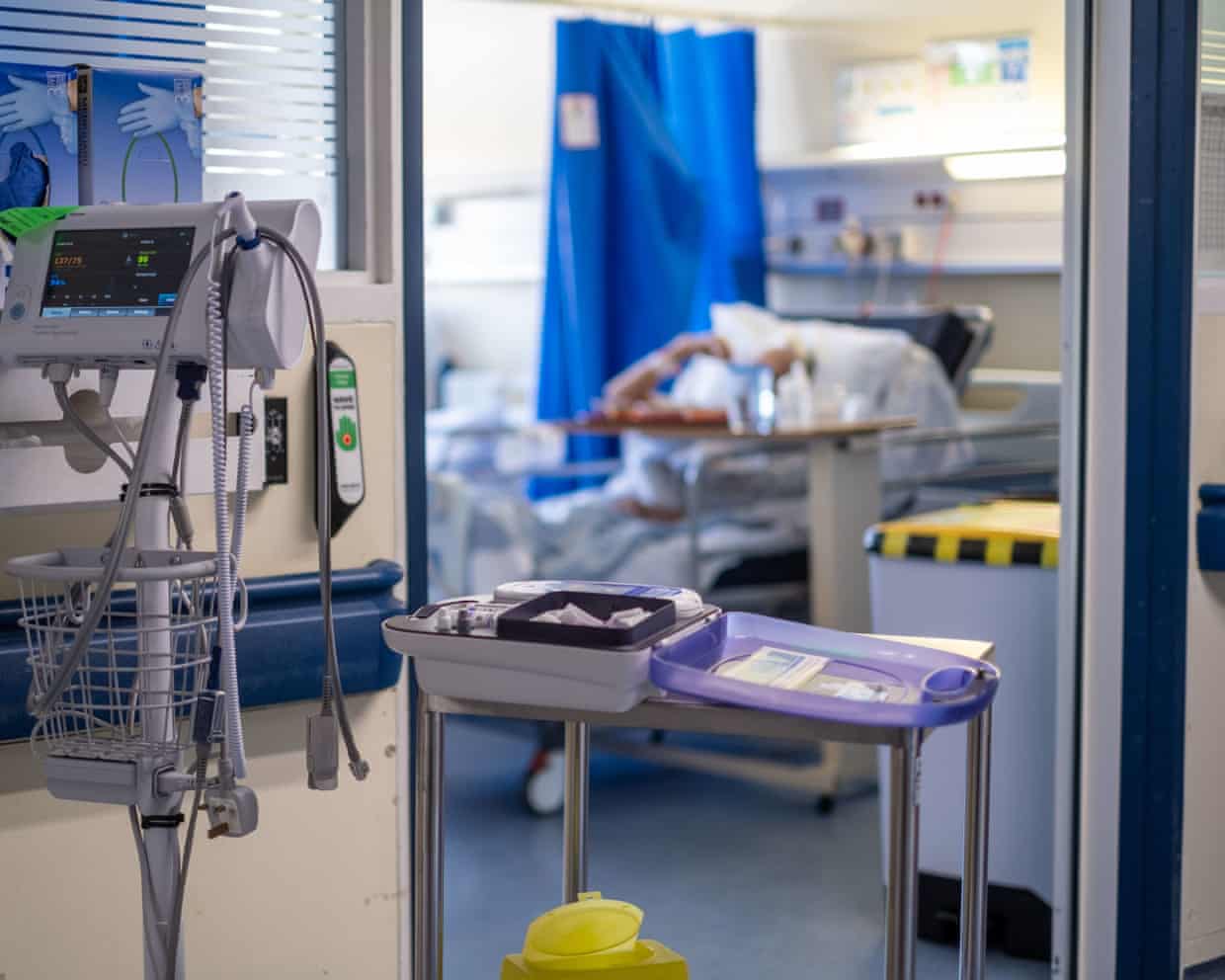
People in poorest areas of England ‘more likely to need emergency care for lung conditions’

One in eight of 14- to 17-year-olds in Great Britain say they have used nicotine pouches

Christmas burnout: why stressed parents find it ‘harder to be emotionally honest with children’

‘We’ve got more in common than what divides us’: a Muslim-Jewish kitchen in Nottingham counters hate and hunger