What has conflict in Iran revealed about UK’s geopolitical standing and military readiness?
The world breathed a sigh of relief as the US and Iran agreed at the 11th hour to a two-week ceasefire after a diplomatic intervention from Iran.Hours after Donald Trump had threatened widespread bombing of Iran’s power plants and bridges, warning that “a whole civilisation will die tonight”, both countries agreed to a temporary ceasefire and Iran agreed to a temporary reopening of the strait of Hormuz.For the British government, whatever happens next, the conflict has revealed some important – and sometimes painful – lessons about the UK’s geopolitical standing and military readiness.In his first year as UK prime minister, Keir Starmer worked hard to cultivate a positive relationship with the US president, gaining a reputation as a supposed Trump whisperer.Just over a year ago, Starmer sat side by side with Trump in the Oval Office, gushingly handing over an “unprecedented” second state visit invitation from the king.
Trump said the pair got along “famously”.That warmth, confected or otherwise, is long in the rear-view mirror.Almost a month and a half since the start of the conflict in Iran, the special relationship is in tatters.Trump has reacted furiously to Starmer’s decision not to support the initial strikes in the Middle East, dismissing him, on several occasions, as “no Winston Churchill”, repeatedly mocking the UK’s military capability and accusing Starmer of seeking to “join wars after we’ve already won”.Starmer has quietly but pointedly distanced himself from the US president while insisting the relationship between their nations remains strong, stating: “Sharing intelligence every day to keep our people safe – that is the special relationship in action.
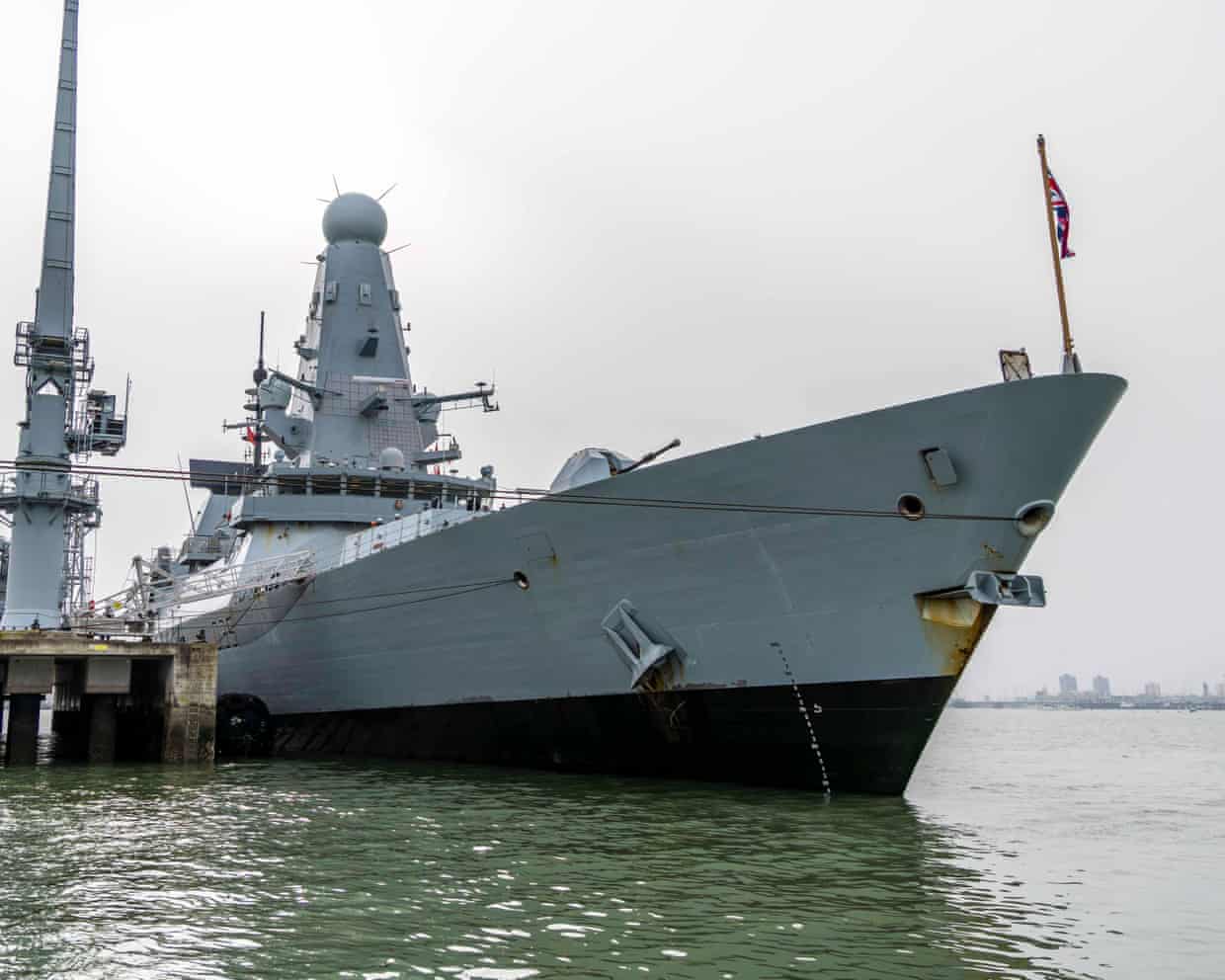
Hanging on to President Trump’s latest words is not the special relationship in action.”Experts have said the war in Iran has exposed the UK’s lack of military capacity and a relative defensive weakness.HMS Dragon only arrived in the eastern Mediterranean three weeks after an Iranian-made drone hit the British base of RAF Akrotiri – and the destroyer has now docked in the eastern Mediterranean after problems with its onboard water systems.Matthew Savill, the director of military sciences at the Royal United Services Institute thinktank, said the delayed arrival revealed that “one of the military’s big problems is giving the government contingency options”.The former first sea lord Adm Lord West of Spithead has argued that the navy is in its most “parlous state” for 60 years, saying it is too small, underfunded, and unable to protect the nation.
At the end of the cold war, a period during which Britain spent 3.2% of its GDP on defence, the UK had 51 destroyers and frigates.By 2007 the number had halved to 25, and it now stands, according to analysts, at a small ageing fleet of 13.The UK spends 2.4% of GDP on defence, a figure that Labour has promised to lift modestly to 2.
5% by April 2027,At last summer’s Nato summit, Starmer agreed to lift defence budgets by about £30bn, to 3,5% of GDP by 2035,In the spring budget, the chancellor, Rachel Reeves, referred to reaching 3% “for the next parliament”,A 10-year defence investment plan setting out spending on a line-by-line basis has been delayed since last autumn with no date for publication.
Military figures have long argued that successive governments have been reluctant to acknowledge what one former senior figure describes as the “rhetoric to reality gap” – where the UK presents itself as a global military power but lacks the resources to actually be one.Even if the strait of Hormuz opens immediately, energy analysts are clear that the conflict in the Middle East is likely to mean further cost of living woes for the British public, with higher costs at the petrol pumps already being felt.Goldman Sachs has warned of fuel prices rising to 2022 levels.Sustained disruption to global gas supplies could lead to the cap on energy bills in the UK rising by £900 to £2,500 a year.The UK’s vulnerability to energy price shocks stems from a significant and growing dependency on imports.
A recent digest of UK energy statistics (Dukes) report – published annually by the energy department – states that in 2024 the UK got 75.2% of its primary energy needs from fossil fuels, mainly oil and gas.Net import dependency in 2024 was 43.8%, 3.4 percentage points higher than in 2023, and has hovered around the 40% mark since 2010.
While growing UK-produced energy resources in the form of renewables, nuclear and batteries, the UK is far from being self-sufficient.Before the US-Israeli attack on Iran, Starmer’s grasp on power looked increasingly tenuous.He held off a challenge from Andy Burnham by preventing him from standing in the Gorton and Denton byelection, but many MPs were warning that the PM’s days were numbered, some thinking that a disastrous showing in the local elections in May could prompt a Labour leadership race.But Starmer’s stance on Iran – and his decision not to rush into the war alongside the US and Israel – has been praised by his own MPs and is seen to be in line with public opinion.A YouGov survey this week found that six in 10 Britons were opposed to military action, while a quarter were in favour of it.
Emily Thornberry, the Labour chair of the foreign affairs committee, has said the crisis “could be the making of” Starmer.For now, Starmer’s position seems at least a little more secure, even if that could change again if the results in May look bad for Labour.While Starmer has appeared to shore up his premiership for now, other political leaders have at times seemed unclear about their position, which Starmer and Labour have repeatedly tried to capitalise on.At the outset of the war, the Conservative leader, Kemi Badenoch, and the Reform UK leader, Nigel Farage, supported a closer alliance with the US.Farage said when the conflict began: “We should do all we can to support the operation.
”Badenoch warned the government there was “no point wanting action to make the world a safe place while being too scared to stand by and watch others”,Two days later, she told Labour MPs: “We are in this war whether they like it or not,What is the prime minister waiting for?”Both have since softened their stance, with Badenoch later saying: “I said that we support their actions,I never said we should join,” Farage has since stated that Britain should not join Trump’s war, saying the military could not “offer anything of value” to America or Israel.
Farage held a stunt at a petrol station promising 25p off a litre of fuel and claiming: “If we can’t even defend Cyprus, let’s not get ourselves involved in another foreign war.”Reflecting on Badenoch’s stance on the war, one senior Tory has said: “We have just looked confused and the messaging has been terrible.But most of us on the right do actually believe Starmer was completely wrong not to support Trump at the beginning, so the right thing to do would be to stick to our guns, whatever the public say.”
What has conflict in Iran revealed about UK’s geopolitical standing and military readiness?
The world breathed a sigh of relief as the US and Iran agreed at the 11th hour to a two-week ceasefire after a diplomatic intervention from Iran. Hours after Donald Trump had threatened widespread bombing of Iran’s power plants and bridges, warning that “a whole civilisation will die tonight”, both countries agreed to a temporary ceasefire and Iran agreed to a temporary reopening of the strait of Hormuz.For the British government, whatever happens next, the conflict has revealed some important – and sometimes painful – lessons about the UK’s geopolitical standing and military readiness.In his first year as UK prime minister, Keir Starmer worked hard to cultivate a positive relationship with the US president, gaining a reputation as a supposed Trump whisperer. Just over a year ago, Starmer sat side by side with Trump in the Oval Office, gushingly handing over an “unprecedented” second state visit invitation from the king

Antonia Romeo given powerful mandate to deliver No 10’s priorities
Antonia Romeo, Keir Starmer’s most senior civil servant, has been given a powerful new mandate to deliver his priorities, while Darren Jones, the No 10 chief secretary, has shifted to a role more focused on wider Whitehall reforms.Romeo, who was promoted last month, took over the job of cabinet secretary and head of the civil service after an unsuccessful year in charge by her predecessor, Chris Wormald, who was not considered effective enough by No 10.In contrast, Romeo’s published objectives are full of requirements that she “visibly leads the civil service with clarity, energy and passion” and “champions a culture of curiosity, innovation and pride, recognising high performance and excellence in delivery and innovation”.She has also been handed the task of rewriting the civil service code and “reforming the civil service so that it is recognised for excellence in delivery, innovation and improved productivity”.The shift in Jones’s job was first reported by the Financial Times, which noted that he was spending less time in Downing Street and more time in the Cabinet Office since Romeo took over
Starmer urged to limit US access to UK bases after ‘dangerous’ Trump threats
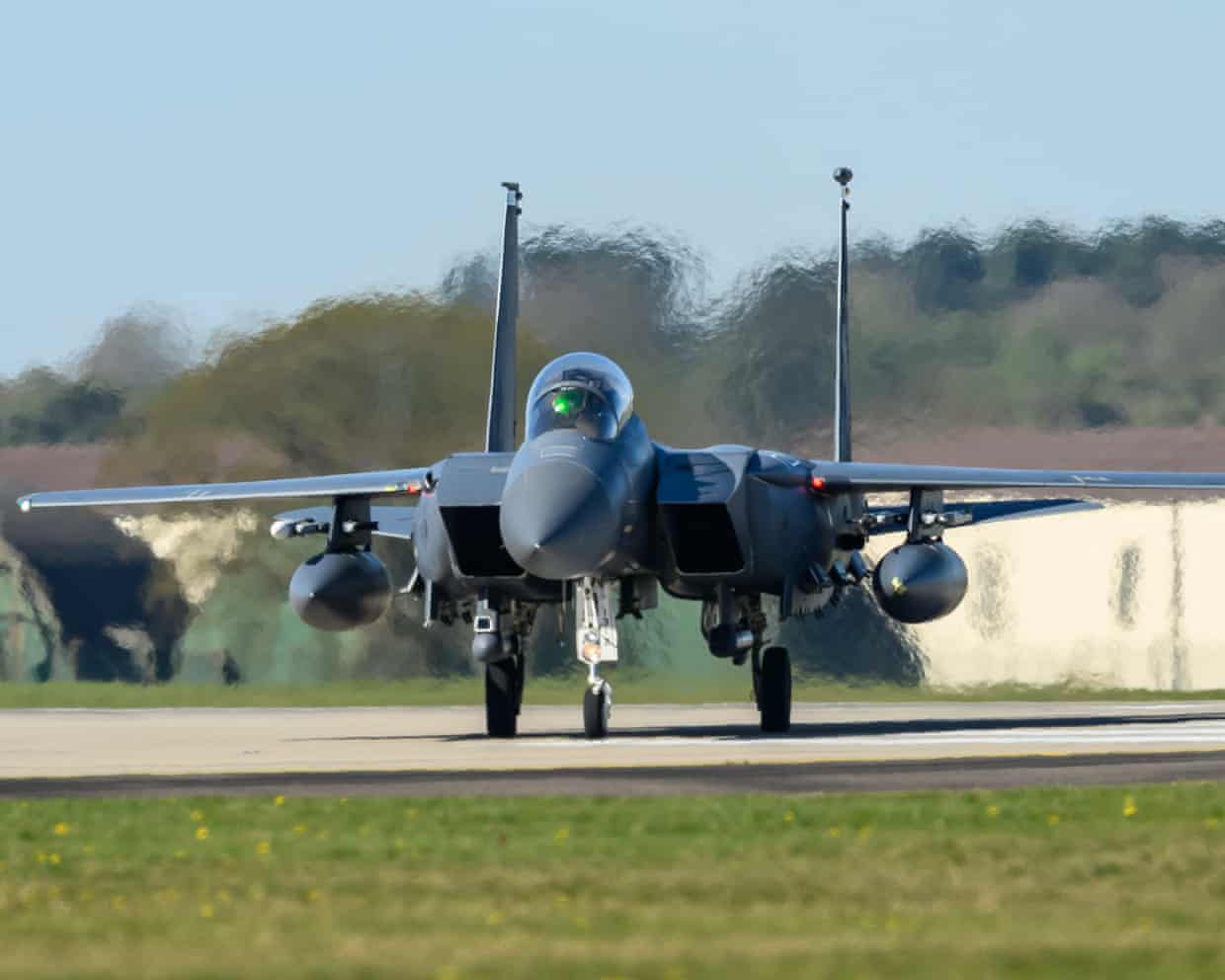
Keir Starmer is facing increasing pressure to limit US access to British airbases after Donald Trump threatened “a whole civilisation” would die if Iran ignored his demands, comments that Downing Street has not directly criticised.No 10 has allowed US forces to use UK bases only for defensive missions against Iran, such as targeting missile sites, ruling out involvement in attacks on civilian infrastructure such as power stations, which the US president has threatened.The Liberal Democrats and Greens, as well as some Labour MPs, responded to Trump’s demands that Iran accept his conditions by a Tuesday night deadline by calling for the UK government to take further action.Even Nigel Farage, the Reform UK leader and Trump’s closest supporter among the main UK parties, condemned the president’s comments as going “way too far”.Downing Street declined to comment
UK politics: Farage says Trump’s Iranian ‘civilisation will die’ threats went ‘way too far’– as it happened
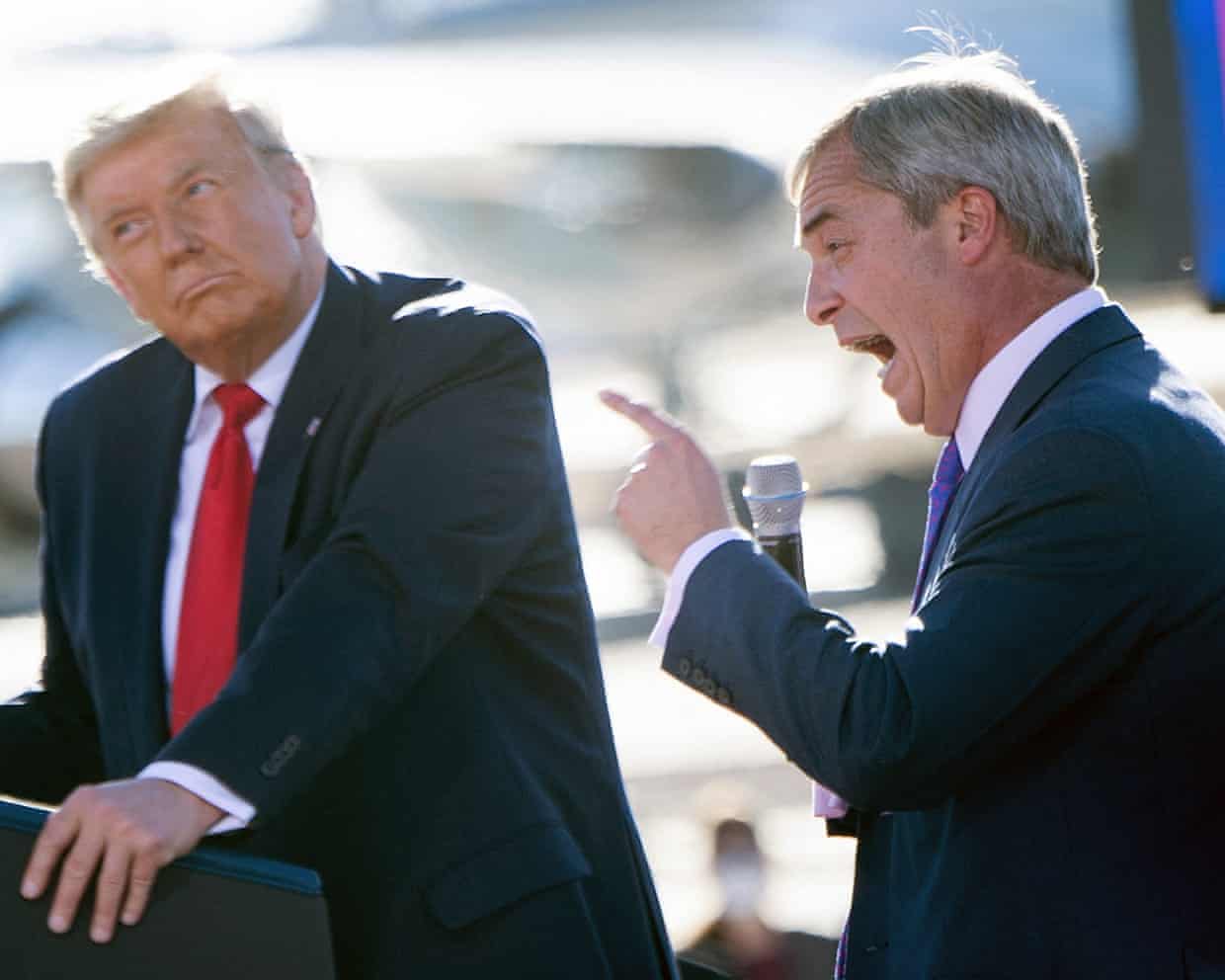
Even Nigel Farage now believes that Donald Trump has gone too far. In the past the Reform UK leader has been one of the president’s biggest supporters in the UK. More recently he has started to stress that he does not agree with the president on everything. But at his press conference this morning he was still broadly supportive, arguing that the UK could not defend itself militarily without the US and saying that, if he were PM, he would allow Trump to use British bases to attack Iranian infrastructure – provided Trump could assure him he had a plan for the end game. (See 2
Can Starmer maintain ‘defensive strikes’ stance as Trump escalates threats on Iran?
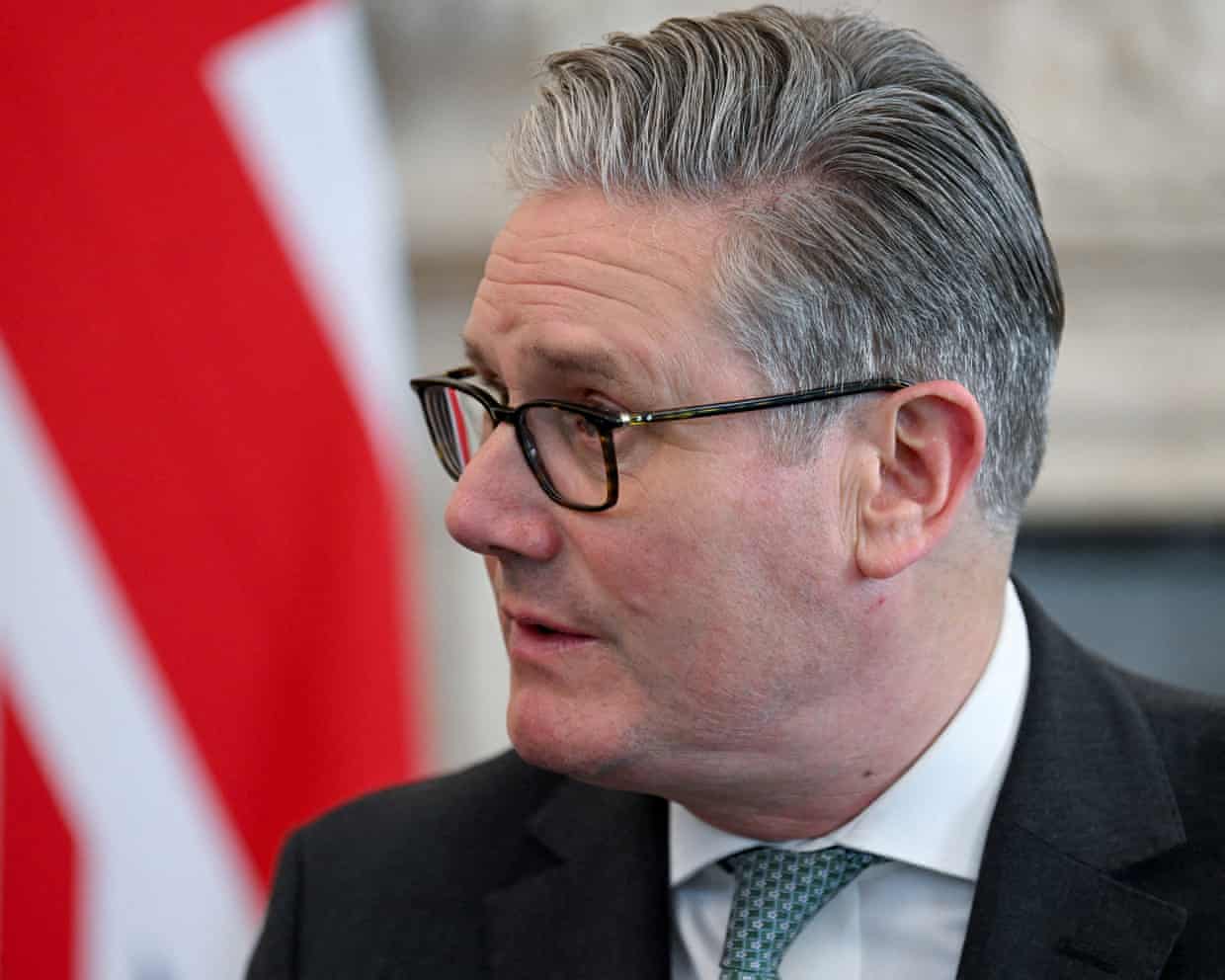
In Downing Street, Keir Starmer has been at pains to emphasise that he will only authorise the use of UK bases by the US for “defensive” strikes on Iranian military targets. In the White House, Donald Trump has threatened to bomb civilian infrastructure – and said on Monday that he was “not at all” worried about committing war crimes.So far in the war, Starmer’s position has allowed him to present the UK as a responsible actor concerned for regional security – but not a direct participant in the conflict on the US side.But while that has incurred Trump’s displeasure, it has also drawn questions about whether it is legally plausible to neatly divide defensive and offensive operations – and if US attacks do begin against targets such as bridges and power plants, scrutiny of the British position will intensify even if those attacks are not launched from UK bases.When it set out its stance on “defensive” strikes, the government took the unusual step of releasing a summary of its legal position: that it was acting “in the collective self-defence of regional allies who have requested support”
Reform cold calling public in bid to find ‘paper’ candidates for local elections
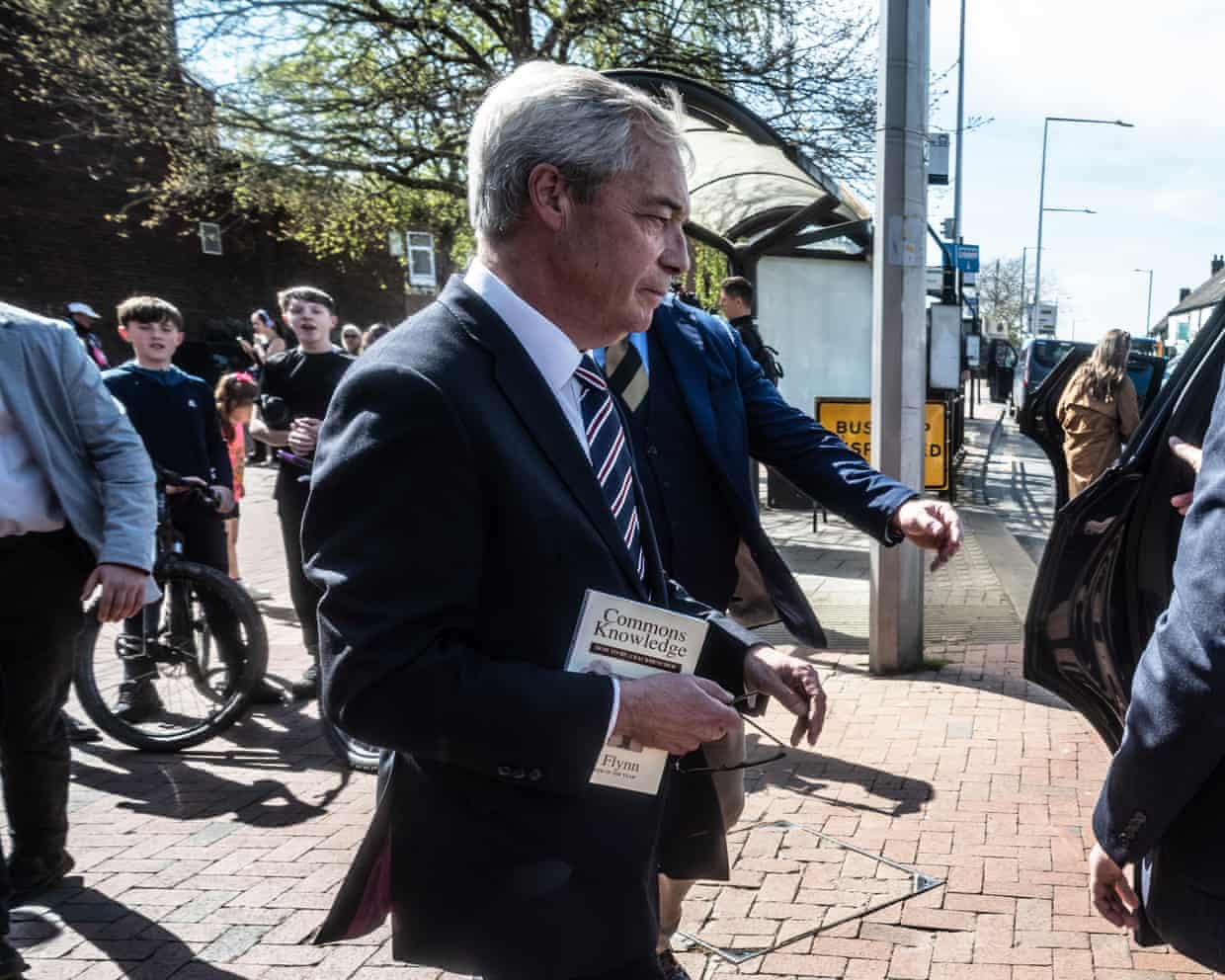
Reform UK has been cold calling people asking them to become “paper” candidates for the party at the local elections, as parties dash to sign up enough names before Thursday’s deadline.Nigel Farage’s party has been ringing members of the public asking them to stand despite apparently knowing very little about them except that they have signed up for Reform’s email updates.Those who have been asked to stand include members of other parties and even a Guardian journalist, who was asked in a call last week: “Will you come in to become a paper candidate today and help us to win the election?” The caller added: “Just have your name on the ballot and maybe you will actually win the election.”Prospective paper candidates are told they would not need to do anything apart from provide their name and address. They are then asked if they are bankrupt and if they have any criminal convictions, before being offered a candidate application pack

Can’t face another mouthful of chicken? You’re probably coming down with the ick
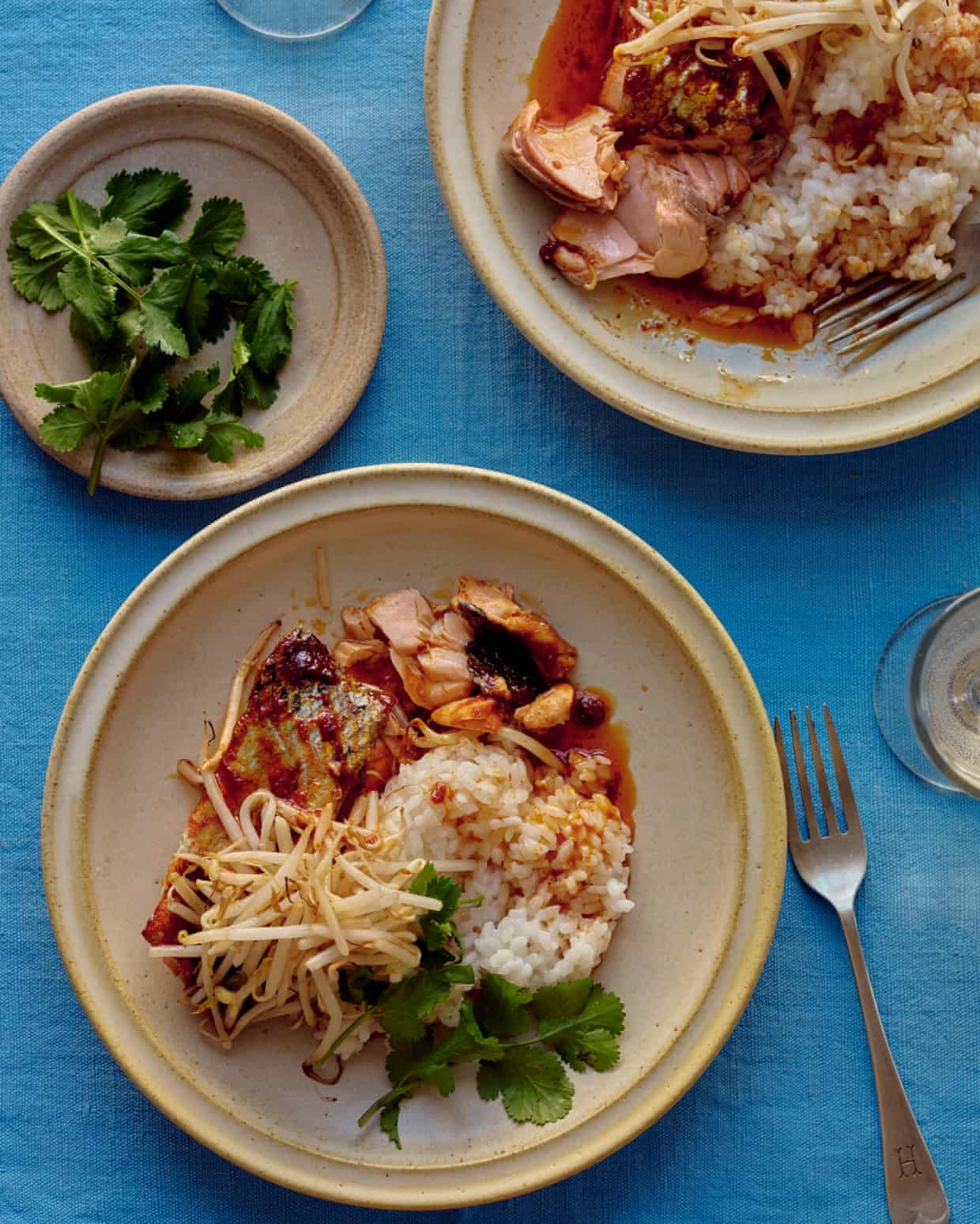
Georgina Hayden’s quick and easy recipe for gochujang butter salmon | Quick and easy
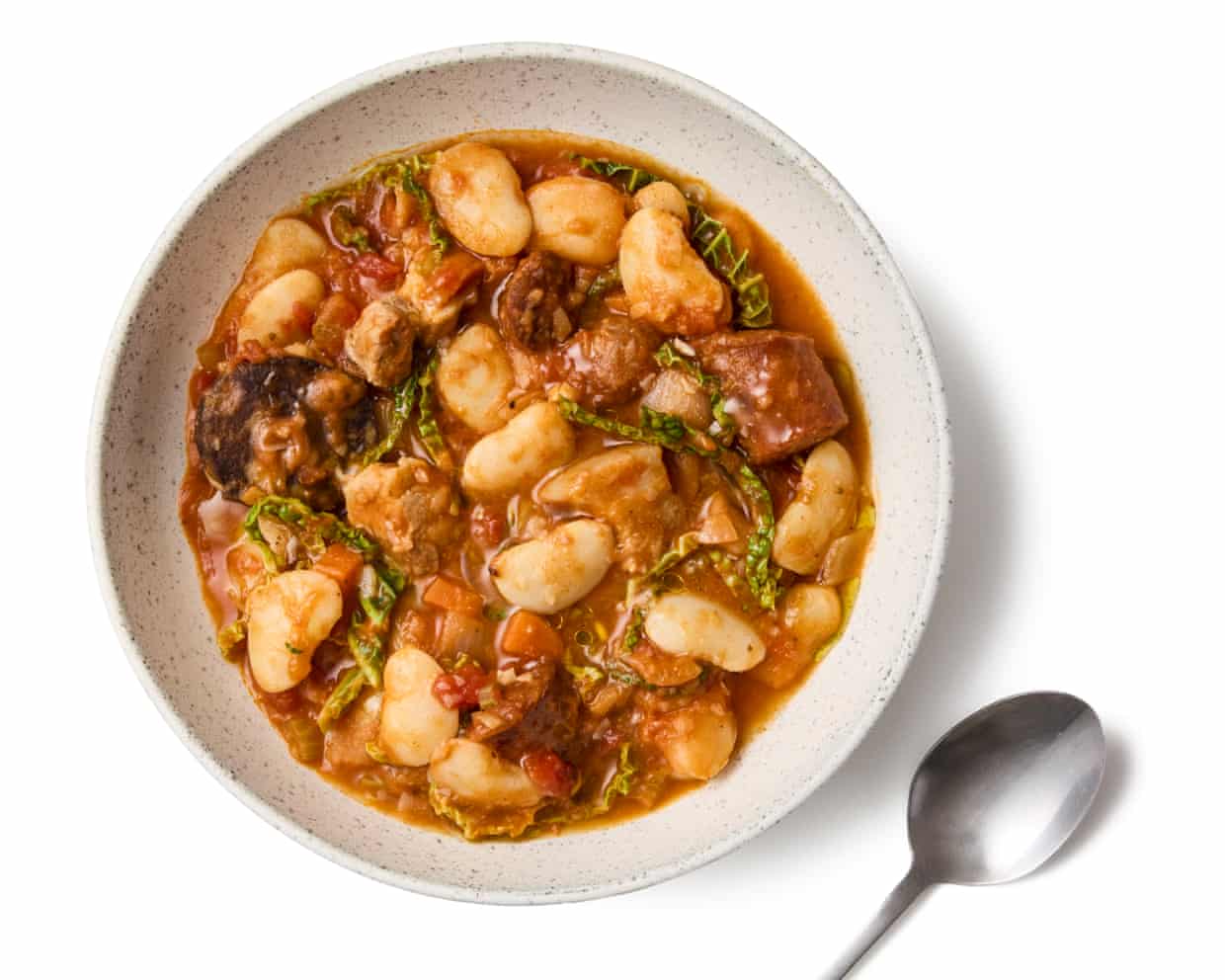
How to make the perfect Portuguese feijoada – recipe | Felicity Cloake's How to make the perfect
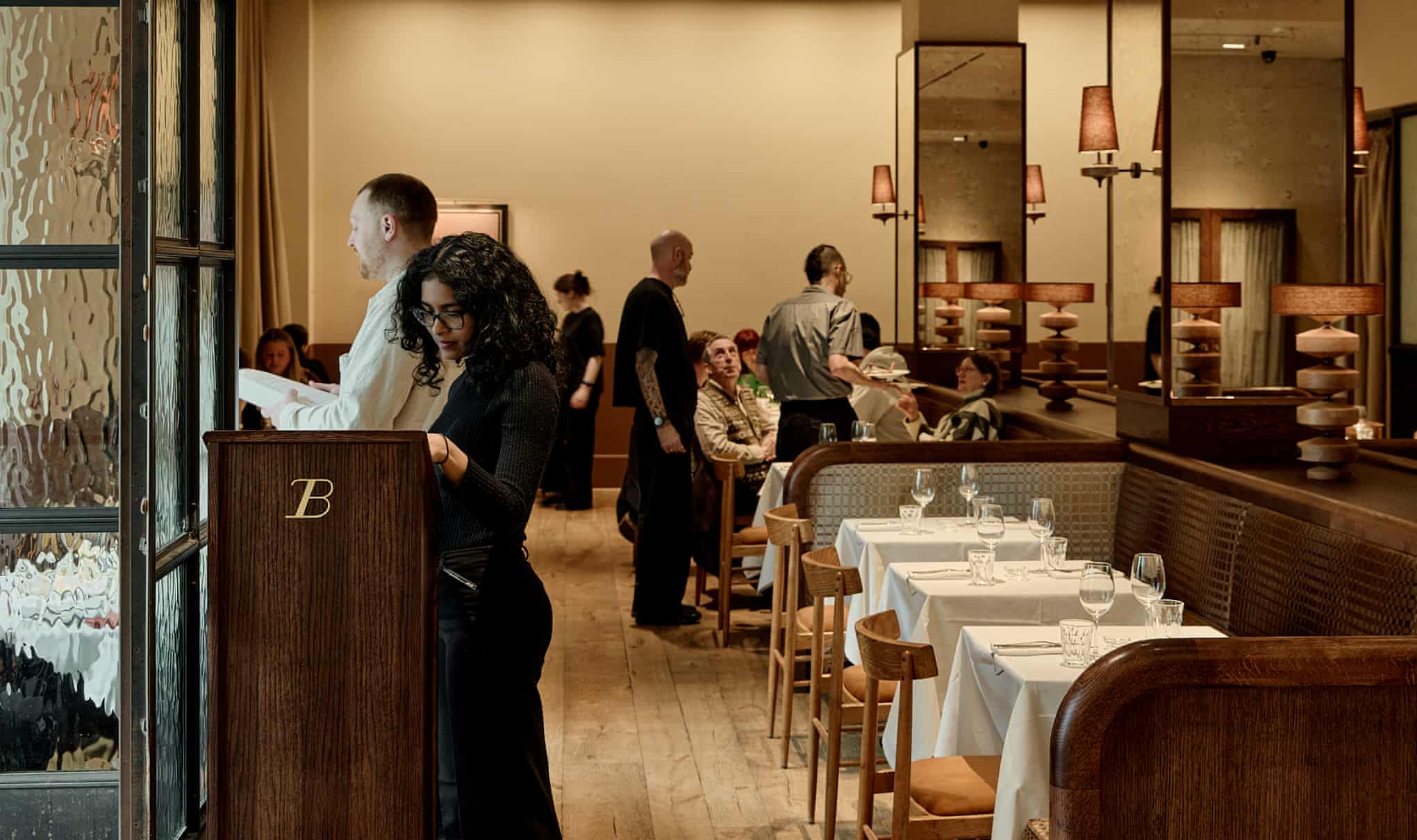
Burro, WC2: ‘Big but the opposite of brash – restaurant review | Grace Dent on restaurants
Sunday best: Thomasina Miers’ recipes for aromatic chicken one-pot and salted caramel banana cake
Oats, sardines and crisps: emergency foods to stockpile – and why you should share them