US puts £31bn tech ‘prosperity deal’ with Britain on ice
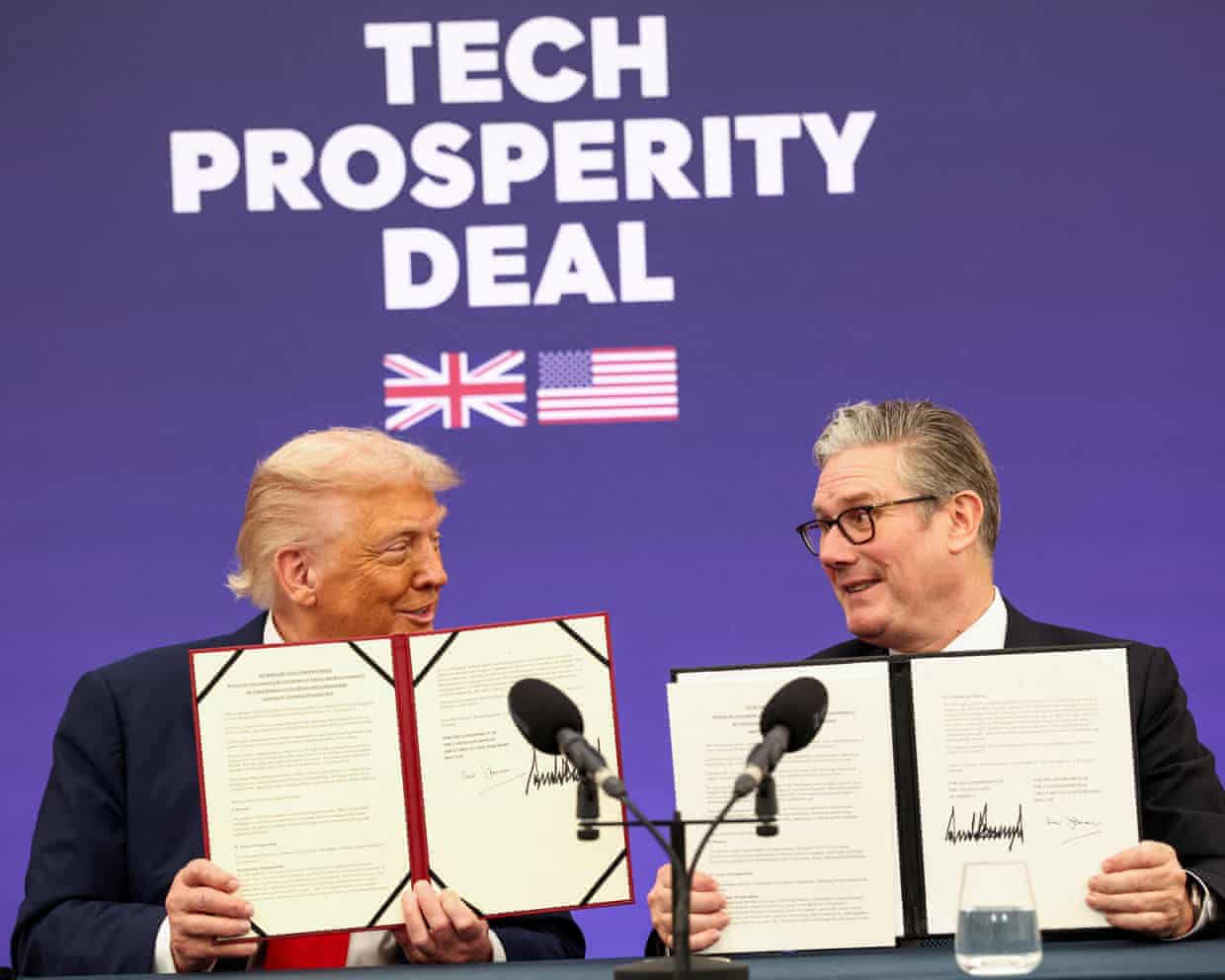
The US has paused its promised multi-billion-pound investment into British tech over trade disagreements, marking a serious setback in US-UK relations.The £31bn “tech prosperity deal”, hailed by Keir Starmer as “a generational stepchange in our relationship with the US” when it was announced during Donald Trump’s state visit, has been put on ice by Washington.As part of the deal, US tech companies pledged to spend billions in the UK, including a £22bn investment from Microsoft and £5bn from Google.But Washington has paused the implementation of the agreement, citing a lack of progress from the UK in lowering trade barriers in other areas.British officials sought to downplay the development, which was first reported by the New York Times.
The newspaper said Trump’s administration was unhappy about the UK continuing to levy a digital services tax on American tech companies and its food safety rules, which bar the export of certain agricultural products.One British government source said it was “the usual bit of hardball negotiations by the Americans” and said that the deal to allow tariff-free British pharmaceutical exports to the US was on and off before it was finalised.“[The US commerce secretary] Howard Lutnick is a tough guy.We understand that the Americans negotiate incredibly hard but we’ll stand our ground.They want what’s best for their country, we want what’s best for ours,” the source said.
A second government source said the development was “part of the shape of the negotiations” with Washington.The prosperity deal included the creation of an artificial intelligence “growth zone” in the north-east of England, which UK officials said could bring in up to £30bn and create 5,000 jobs.But the text of the agreement stated that it only “becomes operative alongside substantive progress being made to formalise and implement” it.The decision to put it on hold is a blow to the UK government, which touted the agreement as a prize of its intensive year-long engagement with the US to avoid punitive tariffs on British exports.As part of his diplomatic charm offensive, Starmer hosted Trump for a second state visit at Windsor Castle in September, an unprecedented honour for a US president.
Starmer has resisted US pressure to scrap or amend the digital services tax, a 2% levy on the revenues of tech companies including Amazon, Google and Apple that raises about £800m a year.Trump has repeatedly threatened to retaliate against countries with digital taxes, including the UK.The Guardian revealed that during trade negotiations in the spring, the government drew up proposals to reduce the amount paid by US tech companies and by applying the tax to a wider range of companies without reducing its total take.But so far the tax has remained unchanged.The US has also exerted pressure over the UK’s online safety rules, with officials promising to review their enforcement during the talks.
A third area of contention has been the UK’s food safety regime, with ministers admitting that the US has raised objections to it.As part of the trade deal the government agreed to lower tariffs on some US agricultural products including beef, but it has stood by its manifesto commitment not to water down farming standards.Any decision to weaken these could open the door to American chlorine-washed chicken or hormone-treated beef being sold in Britain, a prospect that has long been highly controversial with farmers and consumer groups.At a press conference at Chequers in September, where he unveiled the tech prosperity deal, Starmer said it had “the power to change lives” and “renewed the special relationship for a new era”.“It’s our chance to ensure that technologies like AI, quantum and others amplify human potential, solve problems, cure diseases, make us richer and freer, strengthen democracy not tyranny,” the prime minister said.
“This is the territory on which the future will be won.”Trump at the time said the deal would help the US and UK “dominate” in the world of artificial intelligence and “ensure our countries lead the next great technological revolution side by side”.Peter Kyle, the business and trade secretary, was in the US last week for negotiations with Lutnick, the US trade representative, Jamieson Greer, and the US treasury secretary, Scott Bessent.Their discussions touched on whisky and steel tariffs and collaboration on critical minerals.Kyle’s department said talks were due to continue in January.
A UK government spokesperson said: “Our special relationship with the US remains strong and the UK is firmly committed to ensuring the tech prosperity deal delivers opportunity for hard-working people in both countries,”The Guardian reported at the weekend that Starmer was poised to choose his new ambassador to Washington after interviewing the three finalists last week,The three shortlisted candidates are the prime minister’s business adviser, Varun Chandra, who was central to negotiating the prosperity deal; Christian Turner, the incoming ambassador to the UN; and Nigel Casey, the ambassador to Russia,
Alan Milburn launches major UK review into rising inactivity among young people
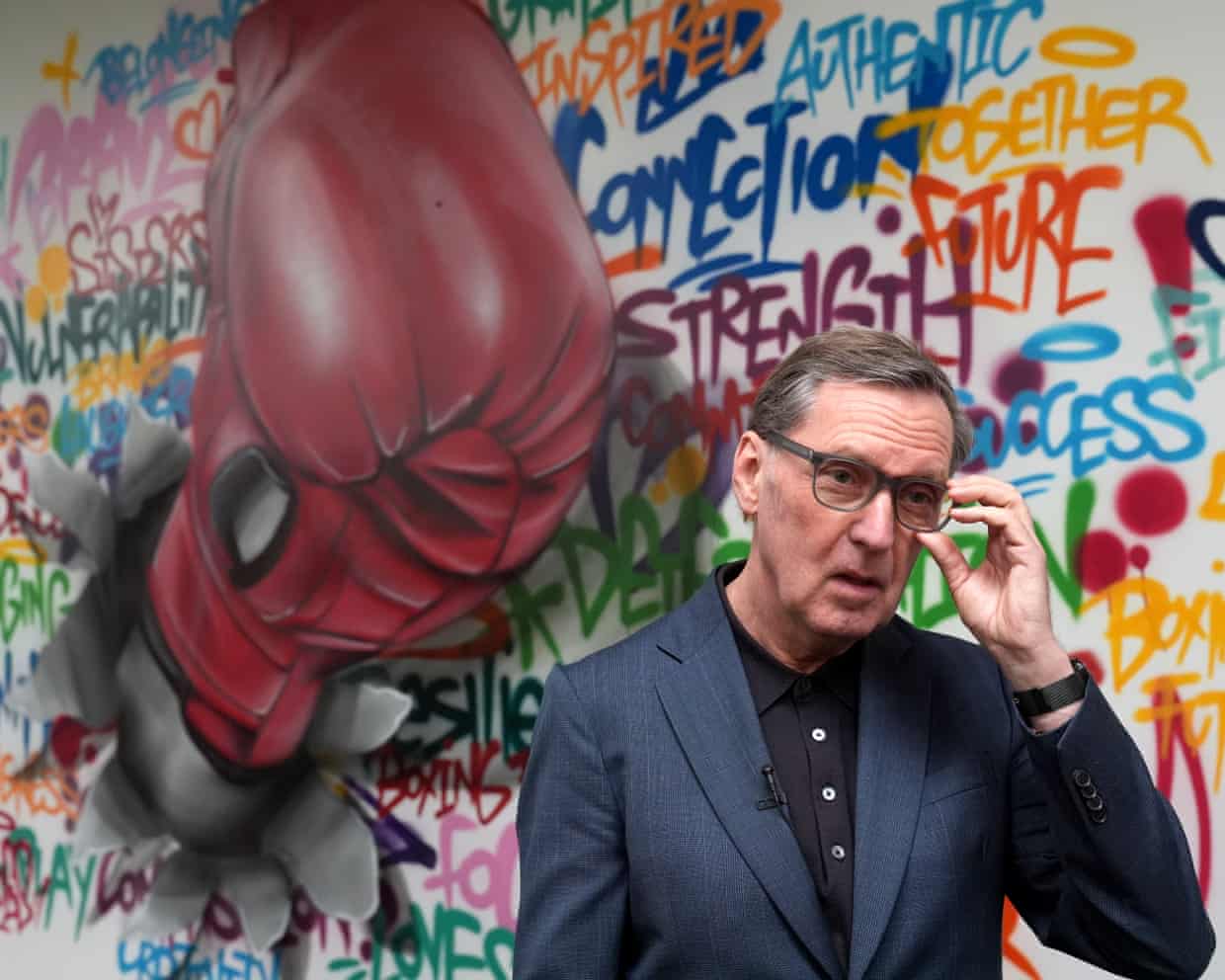
A major review into rising inactivity among Britain’s young people has been launched by the former health secretary Alan Milburn, with a promise not to shy away from “uncomfortable truths” or “radical” policy solutions.A panel of health, business and policy experts, including the former John Lewis boss Charlie Mayfield, ex-Bank of England chief economist Andy Haldane and social welfare expert Dame Louise Casey, will help draw up recommendations.Milburn has also launched a call for evidence from young people and a wide range of experts to help shape the investigation, saying a “coalition of the concerned” must mobilise to save a generation not earning or learning.He is expected to examine the role of mental health issues and disability, after the number of 16- to 24-year-olds receiving health-related benefits soared, with more than a quarter of young people not in education, employment or training (Neet) now citing long-term sickness or disability.The risk of being Neet is more than double if you come from a disadvantaged background and have low qualifications
Officials fear NHS will be hit hard after resident doctors reject latest offer
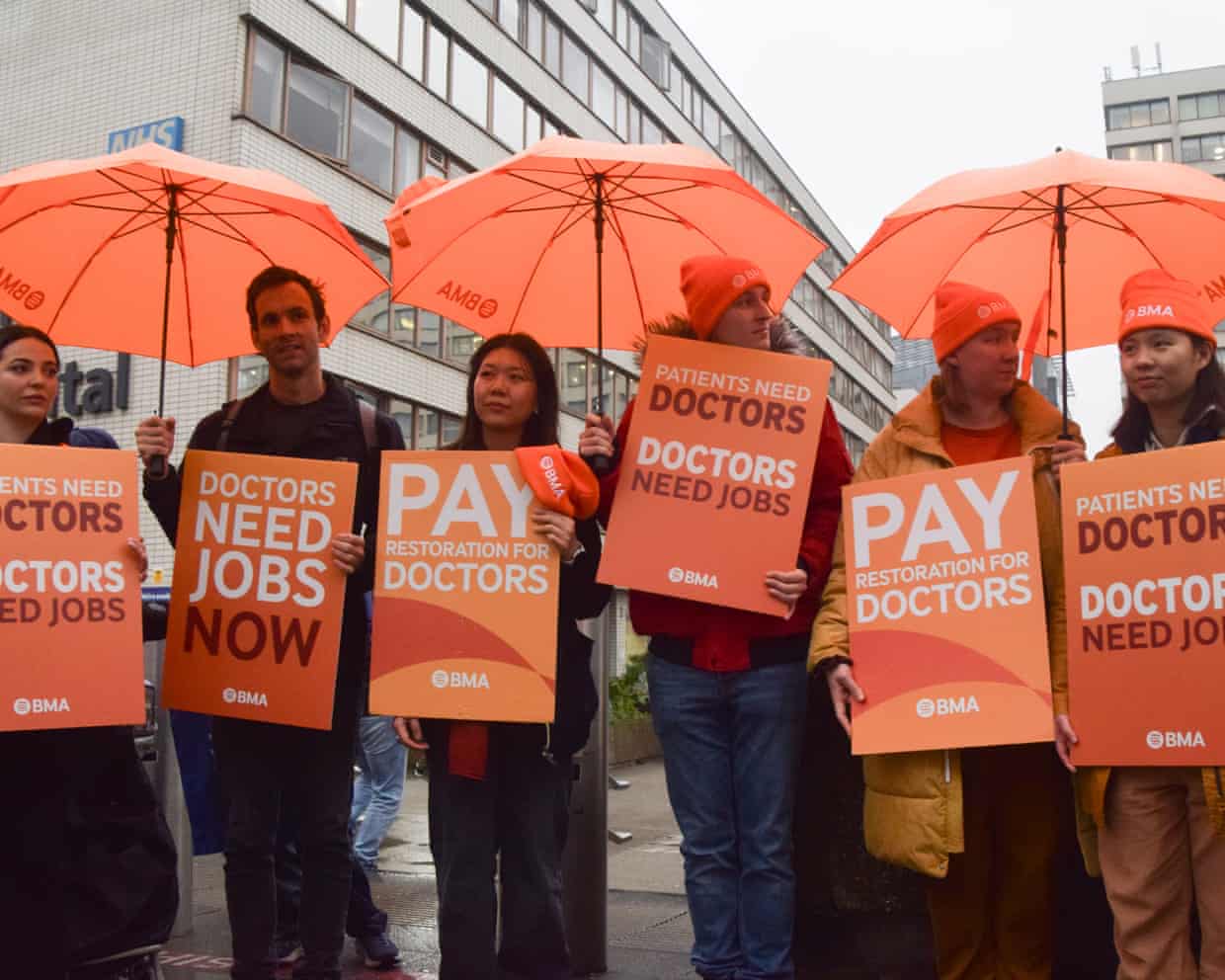
Hospitals are cancelling tens of thousands of appointments and operations after resident doctors voted overwhelmingly to reject a last-ditch government offer to avoid this week’s strike.The health secretary, Wes Streeting, and the British Medical Association (BMA) are being urged to agree to see if an independent mediator can break the deadlock in the almost three-year-old pay and jobs dispute in England.NHS bosses are anxious about how hospital services will cope with what will be the 14th stoppage resident – formerly junior – doctors have staged since March 2023 when it is already struggling to cope with a fast-growing “flu-nami”. They have had to reschedule an estimated 38,500 outpatient appointments and treatments, including surgery, chemotherapy and radiotherapy for cancer.They also fear that consultant (senior) doctors will be too busy covering the work of their more junior colleagues during the strike to help hospitals undertake their traditional pre-Christmas clearout of patients who are well enough to leave, so they can give their beds to others who need to be admitted during the cold snap that usually causes problems during the festive season

The slow death of social housing – and its original purpose | Letters
Your editorial (The Guardian view on England’s social housing system: failing the very people it was built for, 10 December) claims that “social homes were supposed to be for those who couldn’t afford private rents”. That’s not so. Most council estates, such as Becontree and Harold Hill, were built following the first and second world wars to house ordinary working families when decent housing was in dire straits. Privately rented properties were often of poor quality and devoid of basic amenities.The governments then believed it imperative to house ordinary families in good-quality modern housing

Children need mental health care provided by humans, not chatbots | Letter
It is absolutely right that children “need a human, not a bot” for mental health support (‘I feel it’s a friend’: quarter of teenagers turn to AI chatbots for mental health support, 9 December). Overuse of AI for mental health support could well lead to the next public health emergency if the government does not take urgent action.We shouldn’t be surprised that teenagers are turning to tools such as ChatGPT in this way. NHS waiting lists are rising, and one in five young people are living with a mental health condition. It is unacceptable that young people who require support for their mental health are unable to access the services they need, before they reach crisis point
Resident doctors in England vote to go ahead with strike
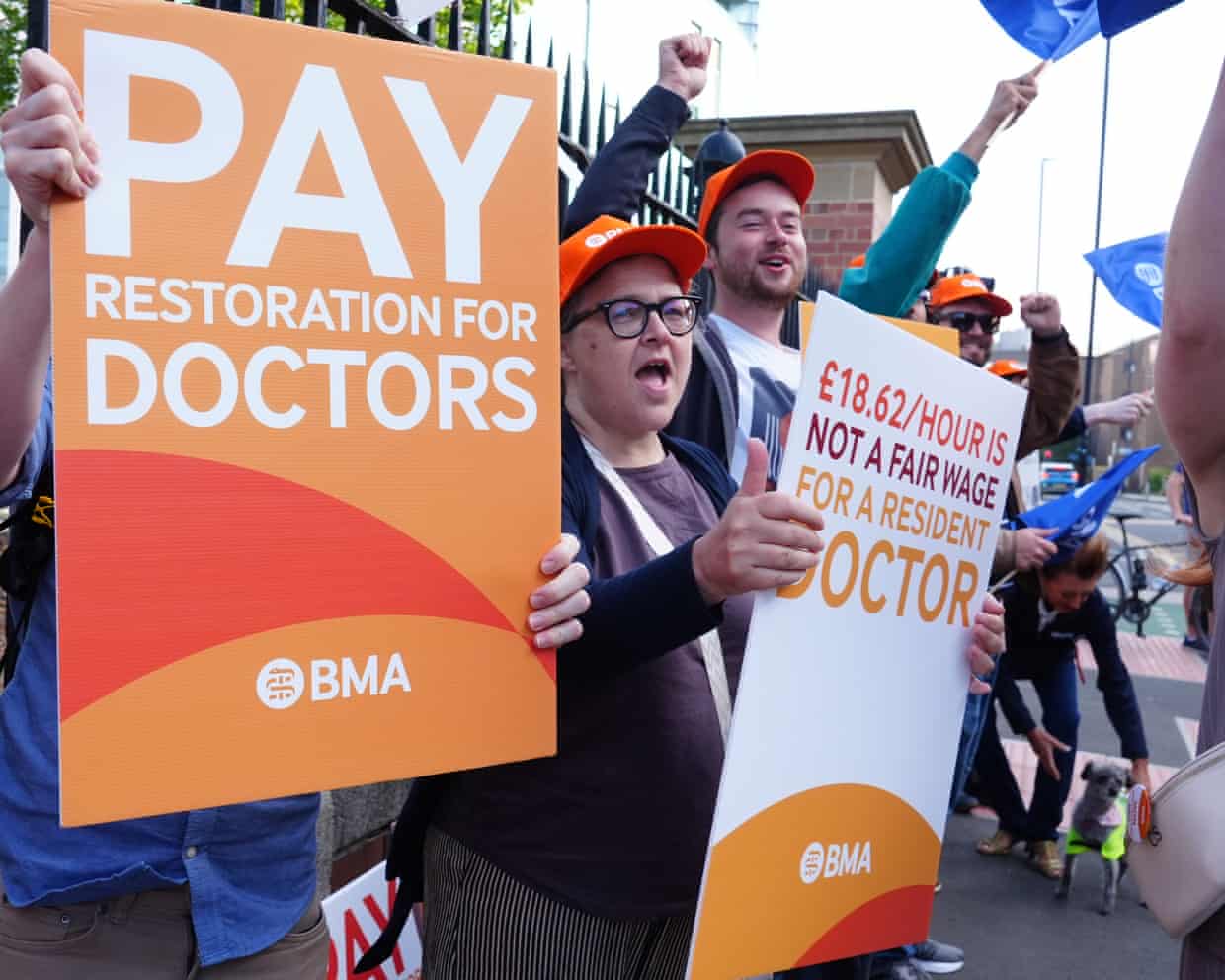
Resident doctors in England will strike as planned this week after they voted to reject the government’s latest offer to end the long-running pay and jobs dispute.Resident doctors – formerly called junior doctors – will strike for five days starting on Wednesday after refusing to accept the deal in a survey by their union, the British Medical Association.The health secretary, Wes Streeting, had proposed the deal last week. It would have increased the number of training places to enable early-career doctors to start training in their chosen medical speciality but not increased their pay for the current financial year.Resident doctors overwhelmingly rejected the offer, by 83% to 17% on a 65% turnout
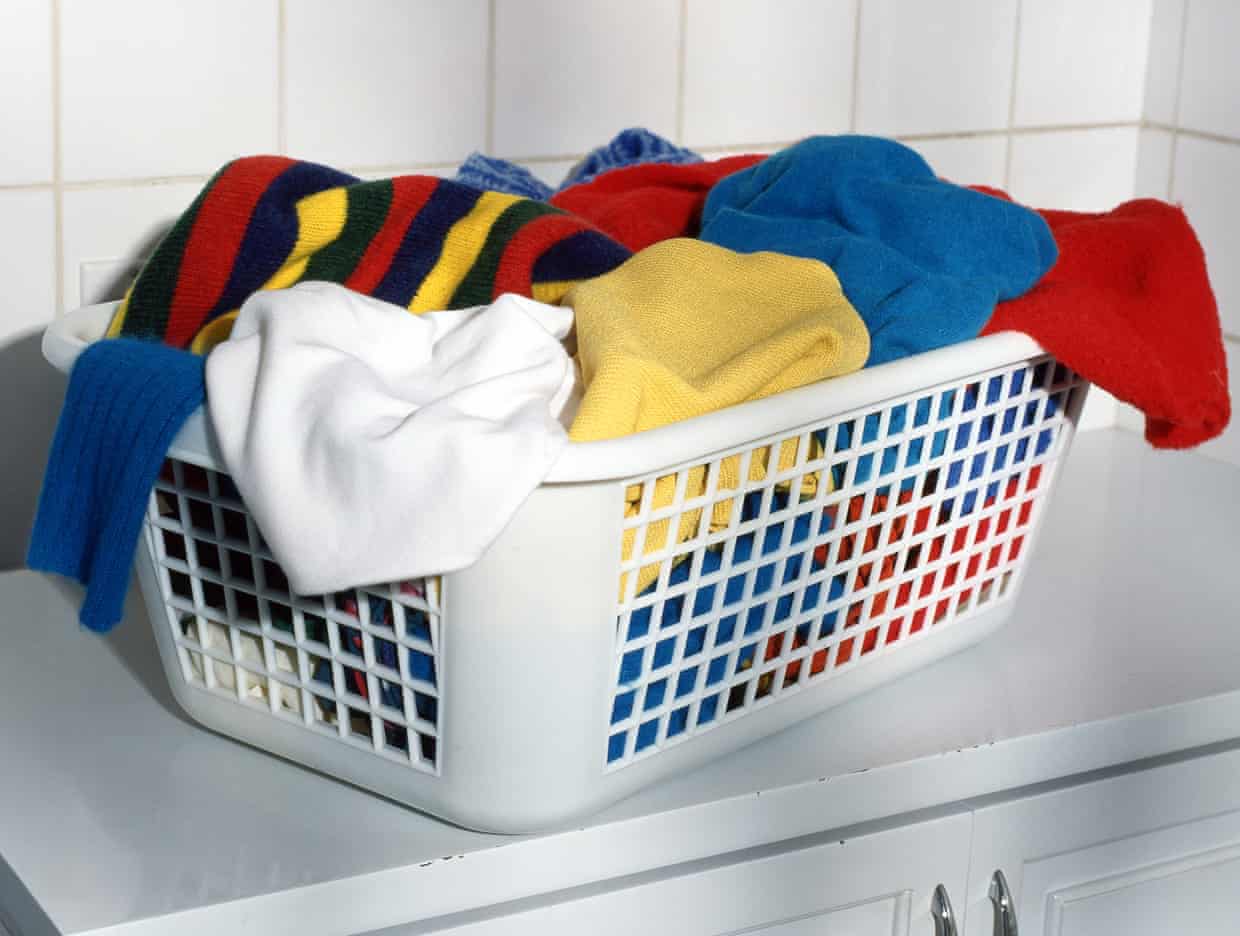
Tell us: have you ever had an allergic reaction caused by your clothes?
Have you suffered any personal health repercussions you suspect may have been caused by your fashion purchases?Research has shown that synthetic fabrics, particularly from fast fashion retailers, are often treated with a range of hazardous chemicals - including dyes containing heavy metals such as lead, antimicrobial agents, and anti wrinkle treatments - that can cause allergic reactions such as skin irritation or respiratory issues in some people.If you have had an allergic reaction, or more serious health effects, that you suspect have been caused by your clothes we want to hear from you. We want to know what kinds of clothes caused the effect, where you got them from, and whether you faced any longer term impacts. Did you have to seek medical help? Has it changed the way you now approach shopping for clothes?You can share your experience of allergic reactions to clothes using this form. Please include as much detail as possible
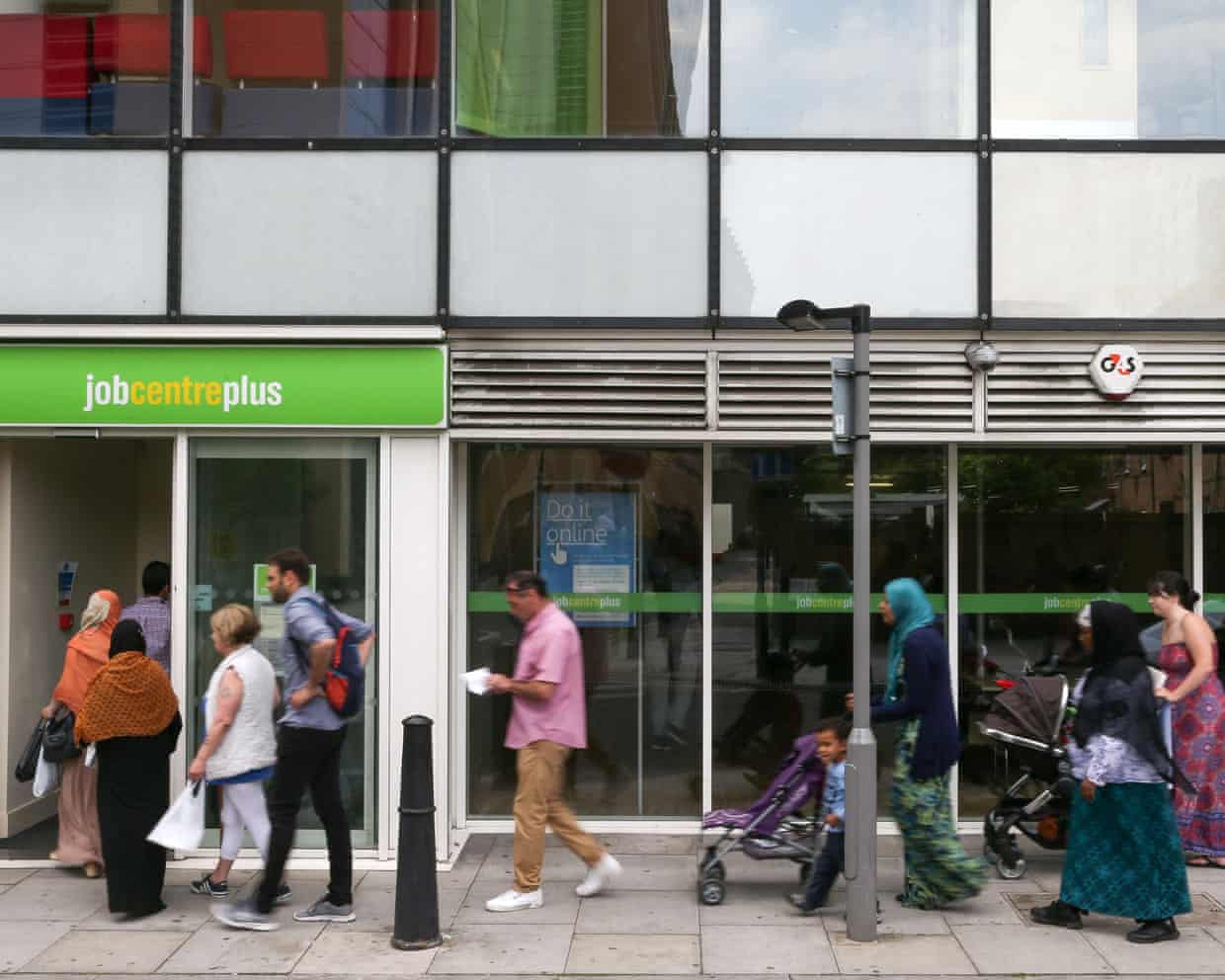
Unemployment rises in US and UK, adding to pressure to cut interest rates – as it happened
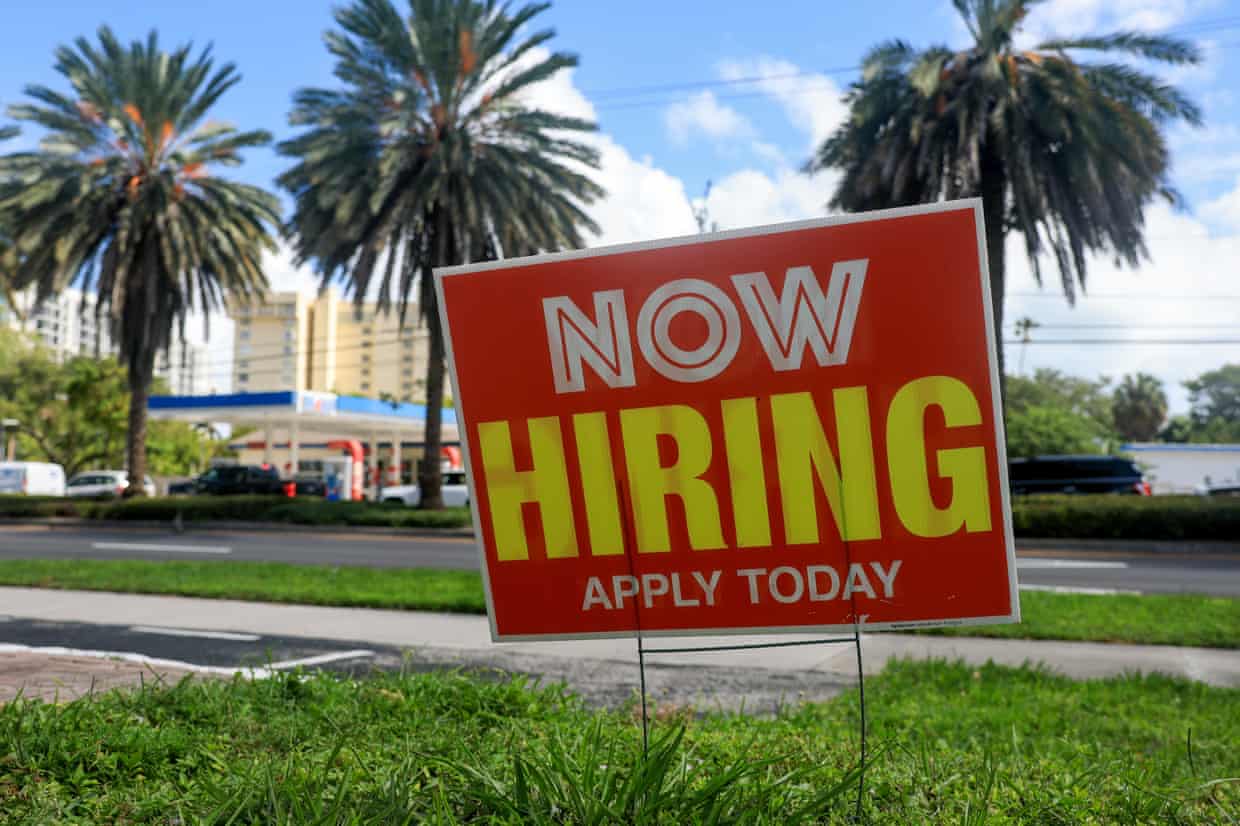
US lost 105,000 jobs in October and added 64,000 in November, according to delayed data

Water levels across the Great Lakes are falling – just as US data centers move in

Boost for artists in AI copyright battle as only 3% back UK active opt-out plan
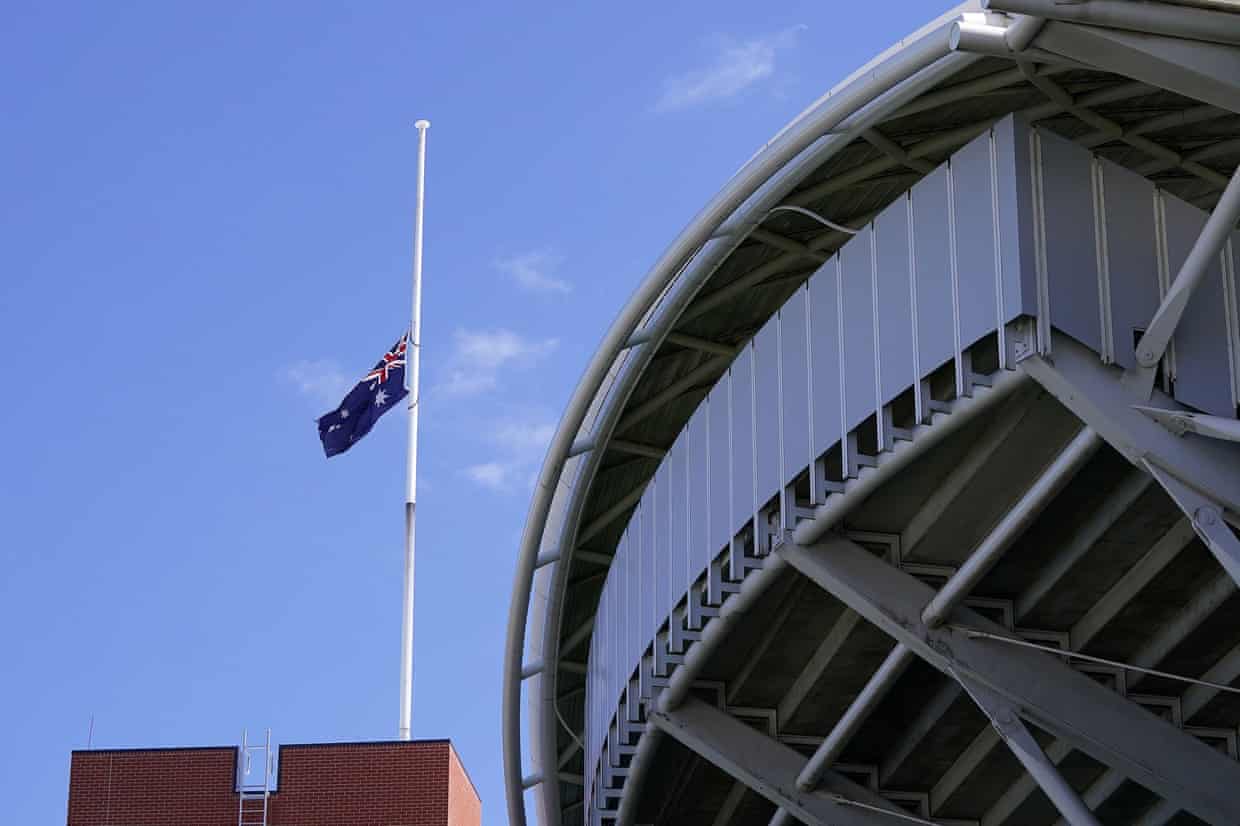
Christmas Test a window to the world as Australia reels in wake of Bondi atrocity | Barney Ronay

Harlequins coach refuses to rule out move for Northampton back George Furbank