The SNP may have won again but Scottish politics has been upended
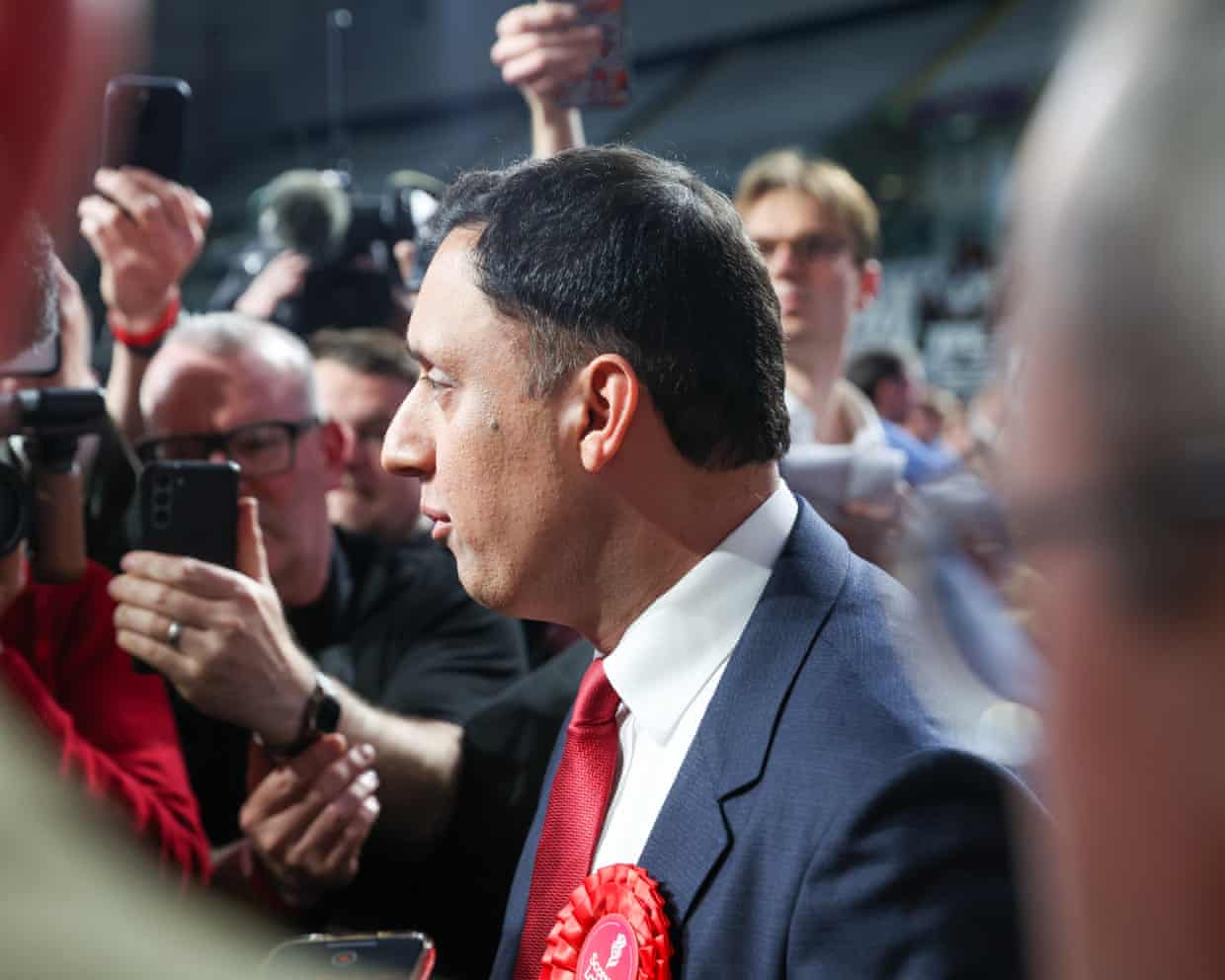
Long before the final votes were counted in Scotland, veteran Labour politicians said it was a defeat made in Downing Street.When the Scottish Labour leader, Anas Sarwar, strode into the Glasgow count arena on Friday afternoon flanked by sombre-faced activists, the scene was a mirror image to the same venue in 2024, when his resurgent party won 36 seats from the Scottish National party, playing a significant part in Keir Starmer’s landslide victory.Two years later, Starmer’s unpopularity proved an insurmountable obstacle for Sarwar, despite record donations to Scottish Labour and a formidable electoral machine, honed over the past five years.And with only a handful of constituencies declared, he decided to concede defeat before the real scale of Labour losses across the country was known.More than 12 hours later, when the final regional results were declared after 1am, it was clear that Holyrood politics had been upended.
Scottish Labour had tied in second place behind the SNP with Reform UK, the party that previously attacked Sarwar’s loyalty to Scotland in a racist ad.And a party that the SNP leader, John Swinney, has described as an acute threat to devolution.While, unlike Westminster, Holyrood has no “official” opposition, the second-placed party leads first minister’s questions every week.A tie has not happened before, but the assumption is that Scottish Labour and Reform UK will take turns.The newly elected SNP MSP Ivan McKee thanked voters in his Glasgow constituency “for rejecting those that seek to divide our communities”, but despite making fewer inroads than some polls had predicted, Reform picked up 17 seats on the regional list allocations.
It failed, however, to make any breakthroughs on the constituency vote, with its Scottish leader, Malcolm Offord, trailing in third place in his native Inverclyde,In fourth place, the buoyant Scottish Greens secured what its co-leader Gillian Mackay described as a “seismic” result, gaining MSPs in every area of the country,Thanks to a successful strategy of standing candidates in only a few potentially winnable constituencies and funnelling support on to the regional list vote, they harnessed a Green surge that was the result not just of the Zack Polanski bounce south of the border, but progressive dissatisfaction with both Scottish Labour and the SNP, especially over the war in Gaza,For the SNP, it was a muted victory, its support plunging across the country to result in its lowest constituency vote share, at 38,3%, since 2007, and much slimmer majorities for incumbents.
There were losses to the Liberal Democrats, and a surprise defeat by Labour in Na h-Eileanan an Iar (the Western Isles), against the background of local fury at Scottish government failures to deal with an ongoing ferries crisis.While voter anger at the SNP government’s public service failures was evident on the campaign trail, at the ballot box it benefited from the fracturing of the pro-union vote.Craig Hoy, the Scottish Conservatives chair, who held the seat of Dumfriesshire – one of three southern seats the party won despite dire polling – said Reform had allowed the SNP to win many of its constituency seats by splitting the anti-independence vote.“John Swinney really should’ve been up for a pasting tonight, and Reform let him off the hook,” he said.The result is a Holyrood chamber with a very different character.
At the helm of Reform is Offord, a billionaire financier and former Tory peer with no experience of leading a party in parliament, whose MSPs, as second-place tie, will take key roles in Holyrood committees.These MSPs include Senga Beresford, who has stated support for Tommy Robinson and the deportation of Muslims, and Amanda Lindsay, who was accused of using an antisemitic trope, which the party later denied.The new Scottish Greens groups includes Iris Duane, the parliament’s first trans woman member, Q Manivannan, a non-binary Tamil immigrant, and Kate Nevins, who was berated as “dangerously naive” by opponents when she called for the abolition of prisons.One-third of SNP MSPs stood down at the end of the last term, including trusted veterans and women sick of juggling political commitments and family responsibilities, but today saw their new cohort boosted by experienced players from Westminster, including the current Commons leader Stephen Flynn, who is known to have leadership aspirations, as well as respected figures such as Alison Thewliss, Kirsten Oswald and Stephen Gethins.In the coming days more will be known about how the parties will work together.
Although a pro-independence majority exists between the SNP and the Scottish Greens, Swinney is highly unlikely to seek a formal coalition after the disastrous governing partnership that brought down his predecessor, Humza Yousaf.This had been the most unpredictable Scottish election for more than a decade, with a record number of undecided voters, and one defined by public apathy and frustration.No party put forward the big ideas needed to fix Scotland’s most pressing problems, be that its looming budget black hole or the depopulation crisis.This was reflected in a turnout of 53.1%, 10 points down on 2021, and surely demanding every new MSP’s attention on how to re-engage half the Scottish public.
Swinney keen to work with fellow nationalist devolved leaders in UK
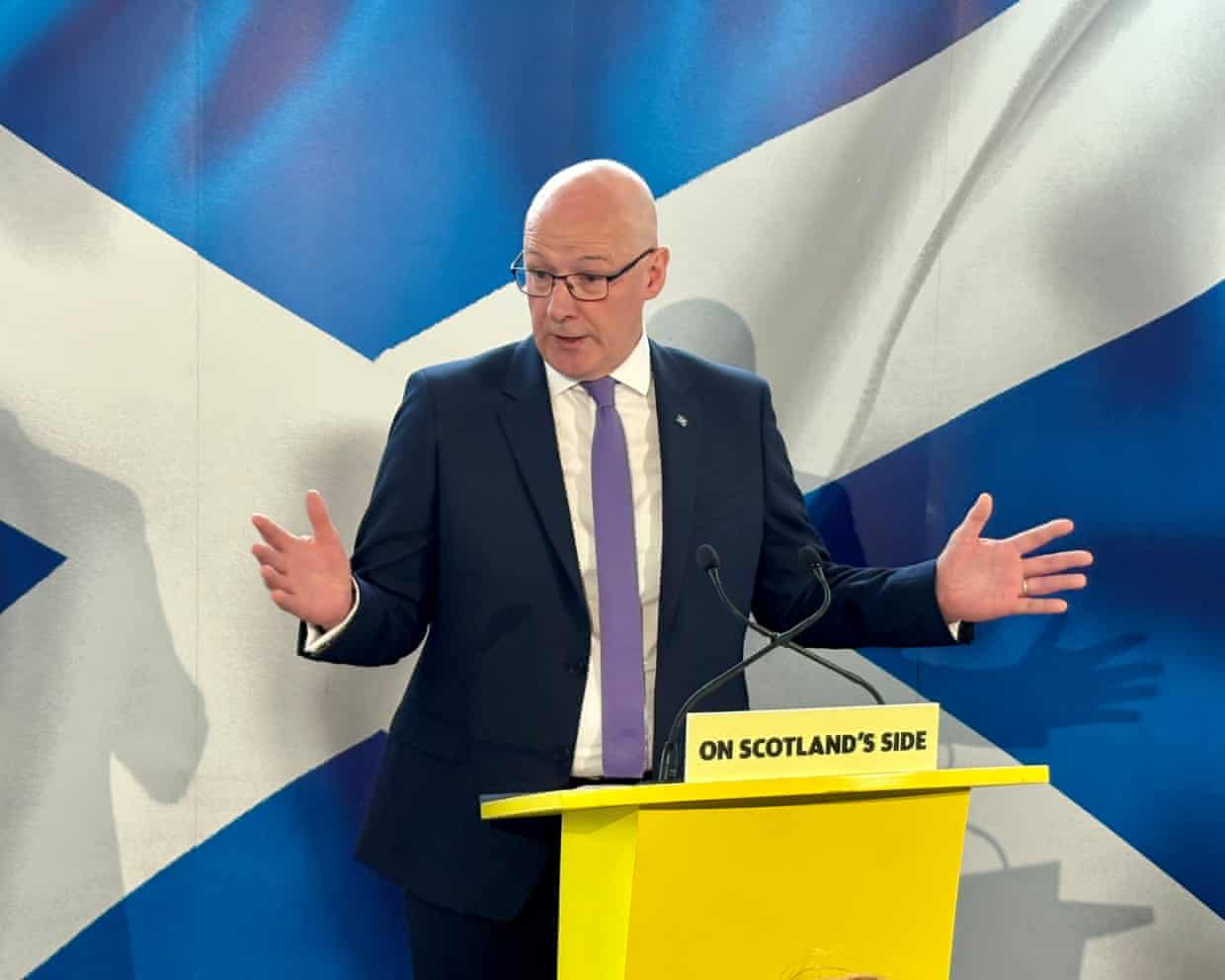
John Swinney has said he plans to work with the nationalist first ministers in Wales and Northern Ireland in a coordinated opposition to Labour’s policies on the cost of living and UK government spending.The Scottish National party leader said he had spoken to Michelle O’Neill, the Sinn Féin first minister of Northern Ireland, on Friday night after she had called to congratulate him on his party’s “emphatic” victory in the Holyrood elections.Swinney, who will be sworn in as Scotland’s first minister next week, said he expected Plaid Cymru’s leader, Rhun ap Iorwerth, to be appointed first minister of Wales after winning the Senedd elections for the first time on Thursday.He said he “looked forward to making sure our respective countries’ voices are heard loud and clear in the UK”.O’Neill, who has to work jointly with the Democratic Unionist party in Stormont, so has limits to her authority, had made clear her enthusiasm for all three nationalist-led governments working in concert, Swinney added
Starmer brings in Gordon Brown and Harriet Harman to ease pressure on him to resign
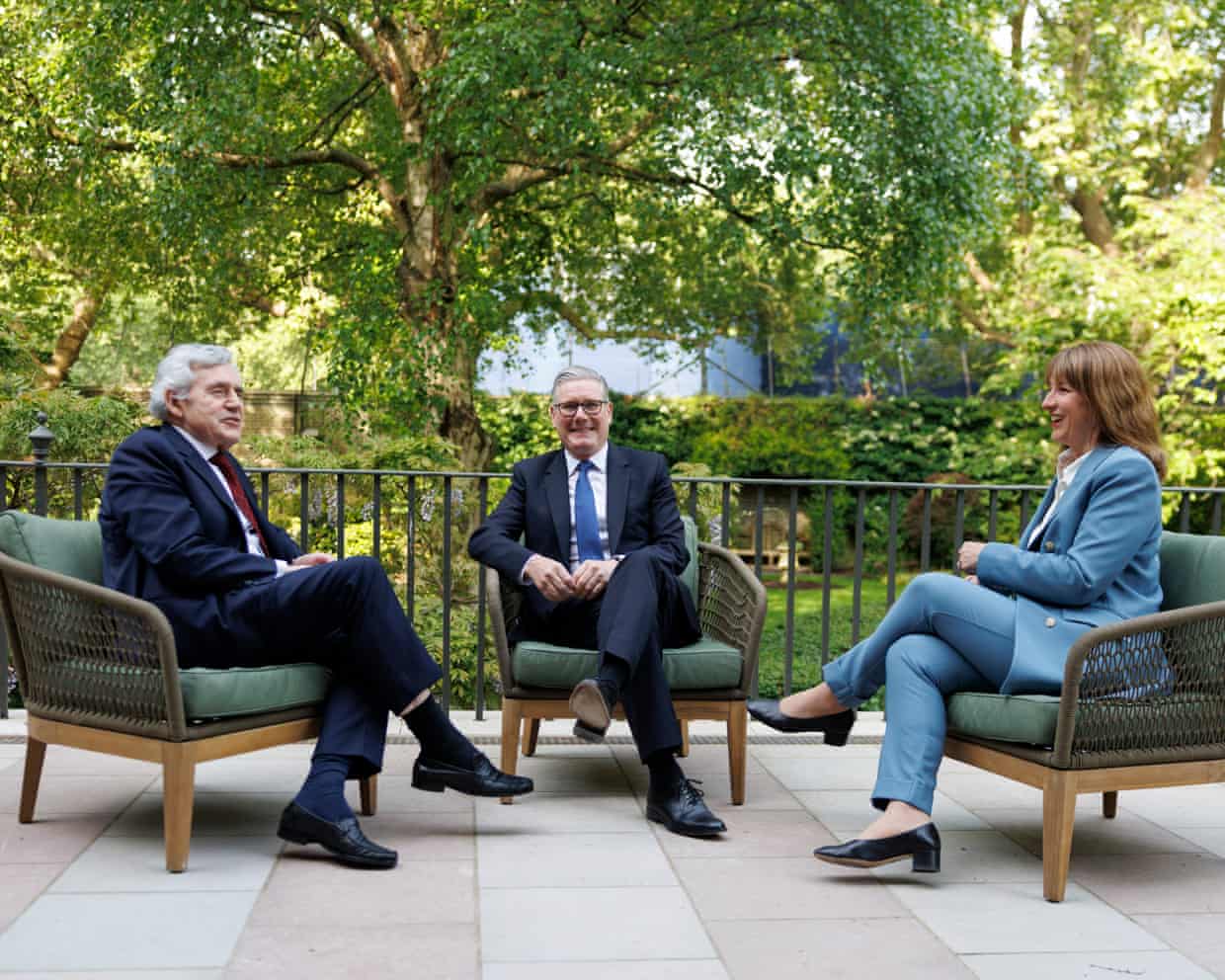
Keir Starmer has brought in Gordon Brown and Harriet Harman as advisers in a move to ease the mounting pressure on the prime minister to resign after the disastrous election results for Labour.Brown, the former prime minister and long-serving chancellor under Tony Blair, has been made Starmer’s envoy on global finance, with a brief to advise on financial partnerships to help with defence-related investments, particularly with Europe.Harman, who was Labour’s deputy leader under Brown, will be the prime minister’s adviser on women and girls, focusing on tackling violence and improving economic opportunities.While the roles are part-time and unpaid, there is deliberate symbolism in Starmer gathering Labour heavyweights around him as he battles to save his job, particularly with the optics of Brown being pictured with him at Downing Street on Saturday morning.With the bulk of the votes now counted from Thursday’s series of elections, Labour lost more than 1,400 councillors across England, shedding support to Reform UK and the Greens in traditional heartlands
British leader Keir Starmer under pressure after heavy election losses
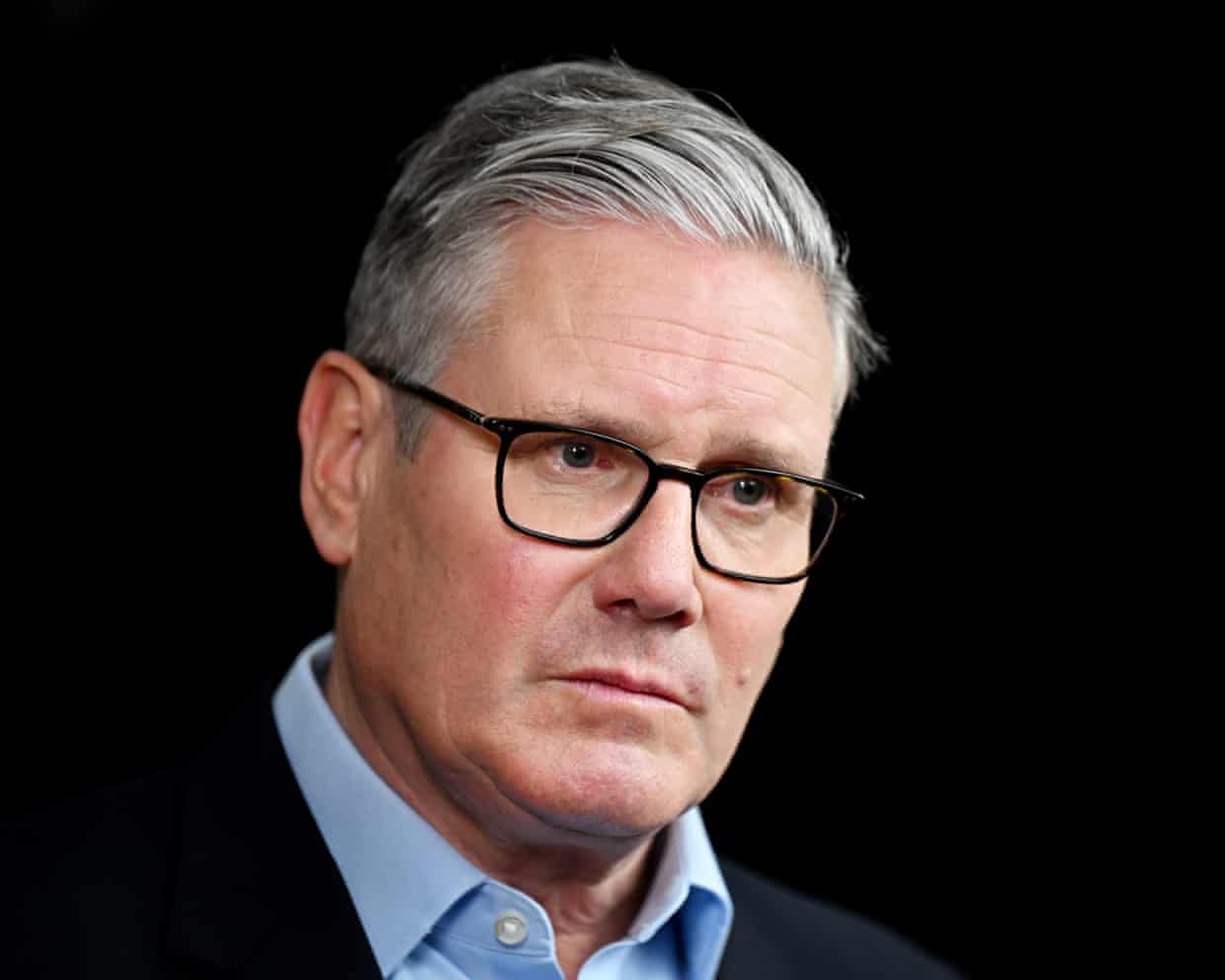
Keir Starmer, the British prime minister, is facing increasing pressure to set a date for his departure after elections across much of the country resulted in massive losses for his ruling Labour party.With the bulk of results now counted after voting on Thursday, Labour had lost more than 1,400 representatives from English councils, the local government structures that deliver many neighbourhood services.Starmer’s party also crashed to defeat in the election for the devolved parliament of Wales, where it had dominated the country’s politics for a century, and went backwards in representation in the Scottish parliament.Adding to the panic in Labour, the party lost to a series of challengers, including the rightwing populist Reform UK party, the leftwing Greens, and pro-independence nationalists in Wales and Scotland.The elections, the biggest since Starmer won power in mid-2024, showed how the UK’s traditional two-party system of Labour and the Conservatives has been smashed, with Reform taking the most votes, and the Greens, Conservatives, Labour and the centrist Liberal Democrats bunched up behind
The SNP may have won again but Scottish politics has been upended
Long before the final votes were counted in Scotland, veteran Labour politicians said it was a defeat made in Downing Street.When the Scottish Labour leader, Anas Sarwar, strode into the Glasgow count arena on Friday afternoon flanked by sombre-faced activists, the scene was a mirror image to the same venue in 2024, when his resurgent party won 36 seats from the Scottish National party, playing a significant part in Keir Starmer’s landslide victory.Two years later, Starmer’s unpopularity proved an insurmountable obstacle for Sarwar, despite record donations to Scottish Labour and a formidable electoral machine, honed over the past five years. And with only a handful of constituencies declared, he decided to concede defeat before the real scale of Labour losses across the country was known.More than 12 hours later, when the final regional results were declared after 1am, it was clear that Holyrood politics had been upended
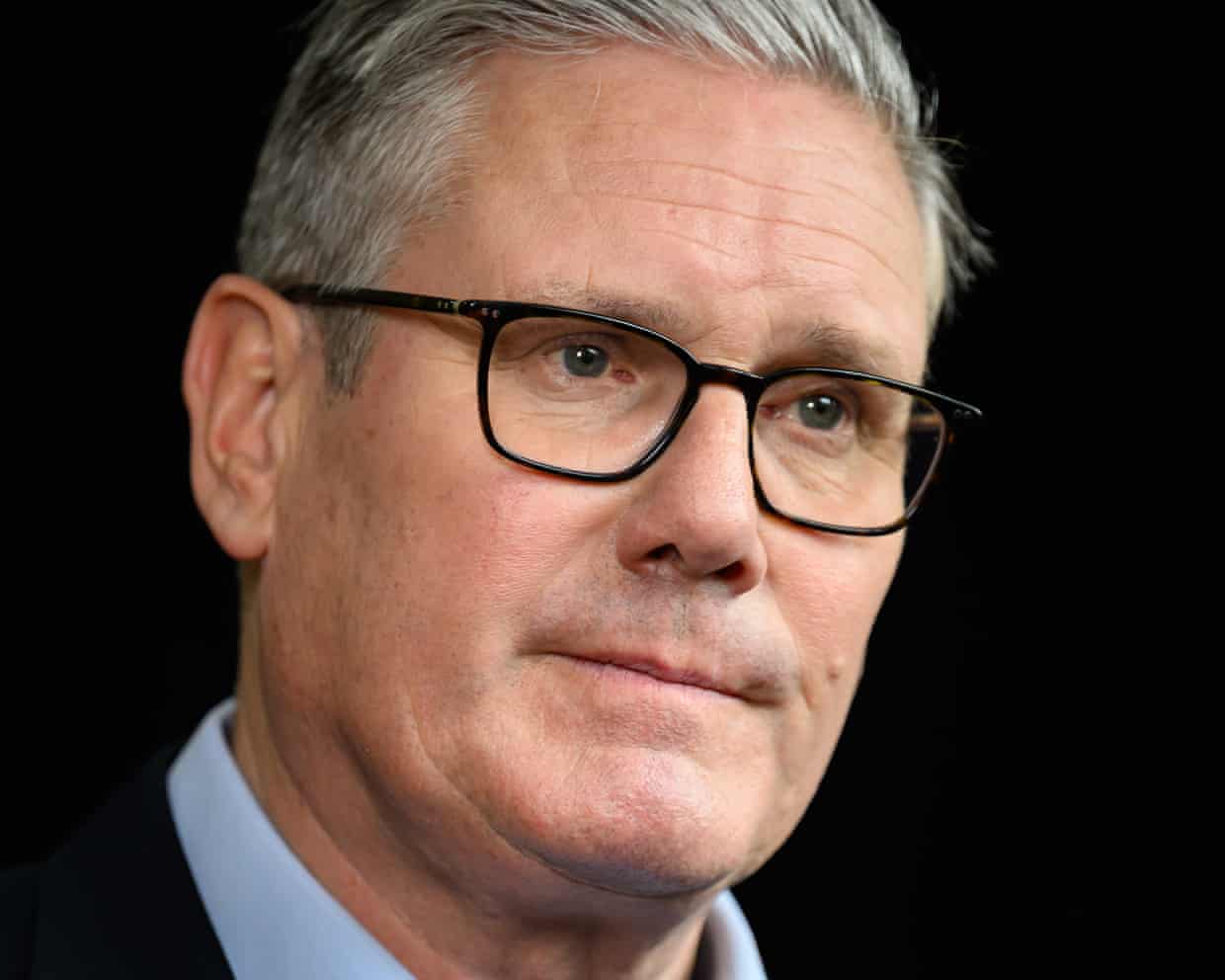
Most Labour members think Starmer cannot revive party fortunes, poll finds
The majority of Labour members say they do not believe Keir Starmer can turn around the party’s fortunes, while 45% say the prime minister should step down.The mayor of Greater Manchester, Andy Burnham, was the first preference for 42% of members, who were asked to rank their preferred successor.Several Labour MPs – especially those who are close to Burnham – have told the Guardian that they would like to see a timetable for Starmer to stand down in an orderly and dignified way, including allowing the mayor time to seek a parliamentary seat.The poll was conducted just before Thursday’s elections, where Labour was fighting on all fronts, in local elections in England and parliamentary elections in Wales and Scotland. Nigel Farage’s Reform UK won hundreds of seats and control of more councils in England, Labour went backwards in Scotland as the SNP claimed a historic fifth victory and Plaid Cymru ended a century of Labour dominance in Wales, unseating the Labour first minister Eluned Morgan
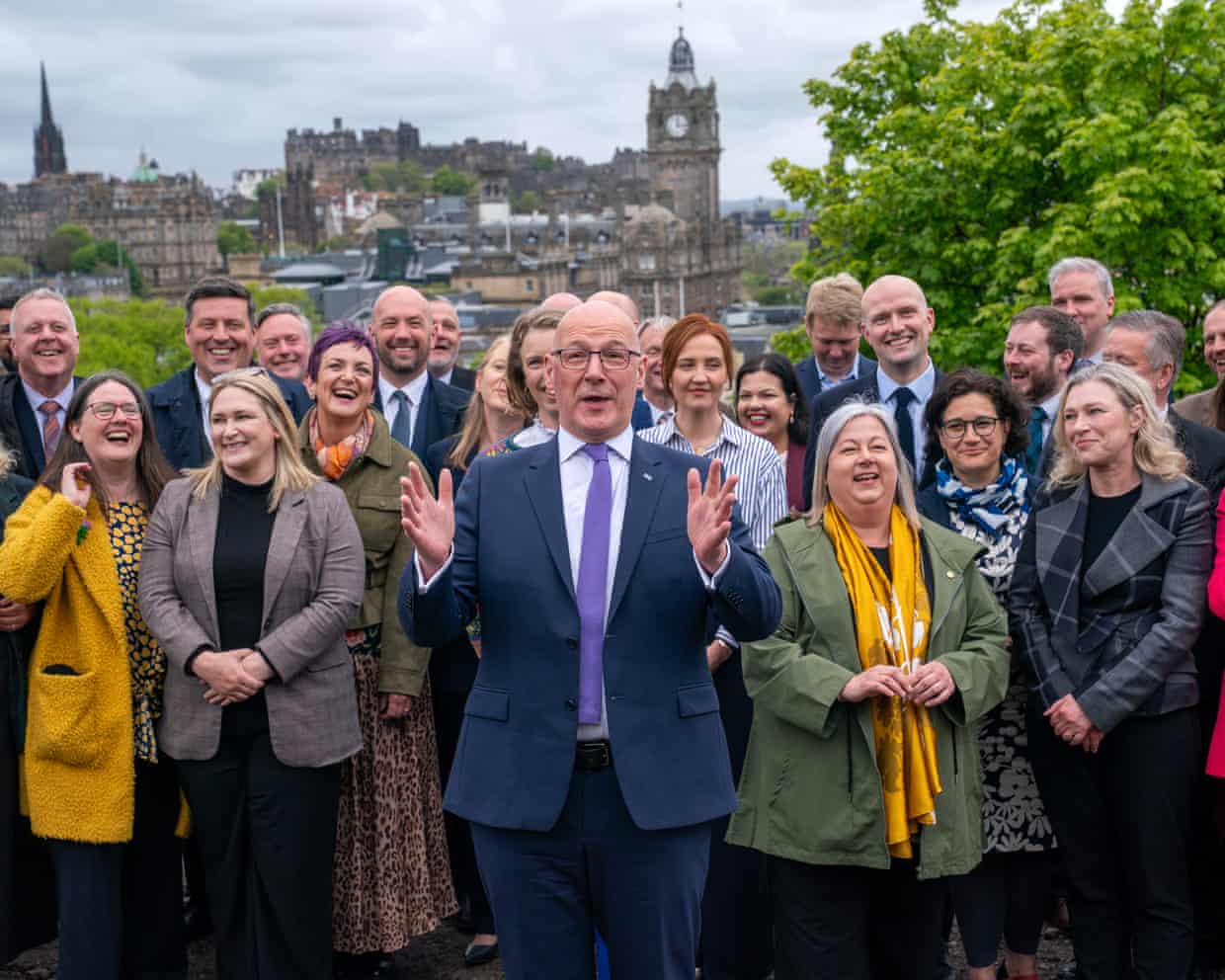
John Swinney urges Starmer to show Scotland ‘greater respect’ after SNP victory
John Swinney, the Scottish National party leader, has challenged Keir Starmer to show “greater respect” to the Scottish government after winning the Holyrood elections by a comfortable margin.The Scottish National party secured a record fifth term in office on Friday after securing 58 of Holyrood’s 129 seats.In a dramatic conclusion to the day’s counting, Labour and Reform UK were left tied on 17 seats each after Highlands council finally finished its regional list count at 1.10am on Saturday, 16 hours after counting began.With Labour enduring its worst result since devolution in 1999, this puts the Scottish parliament in the unprecedented position of having two parties in joint second place, adding to Labour’s humiliation
City & Guilds London Institute trustees accused of stalling inquiry into £166m sale
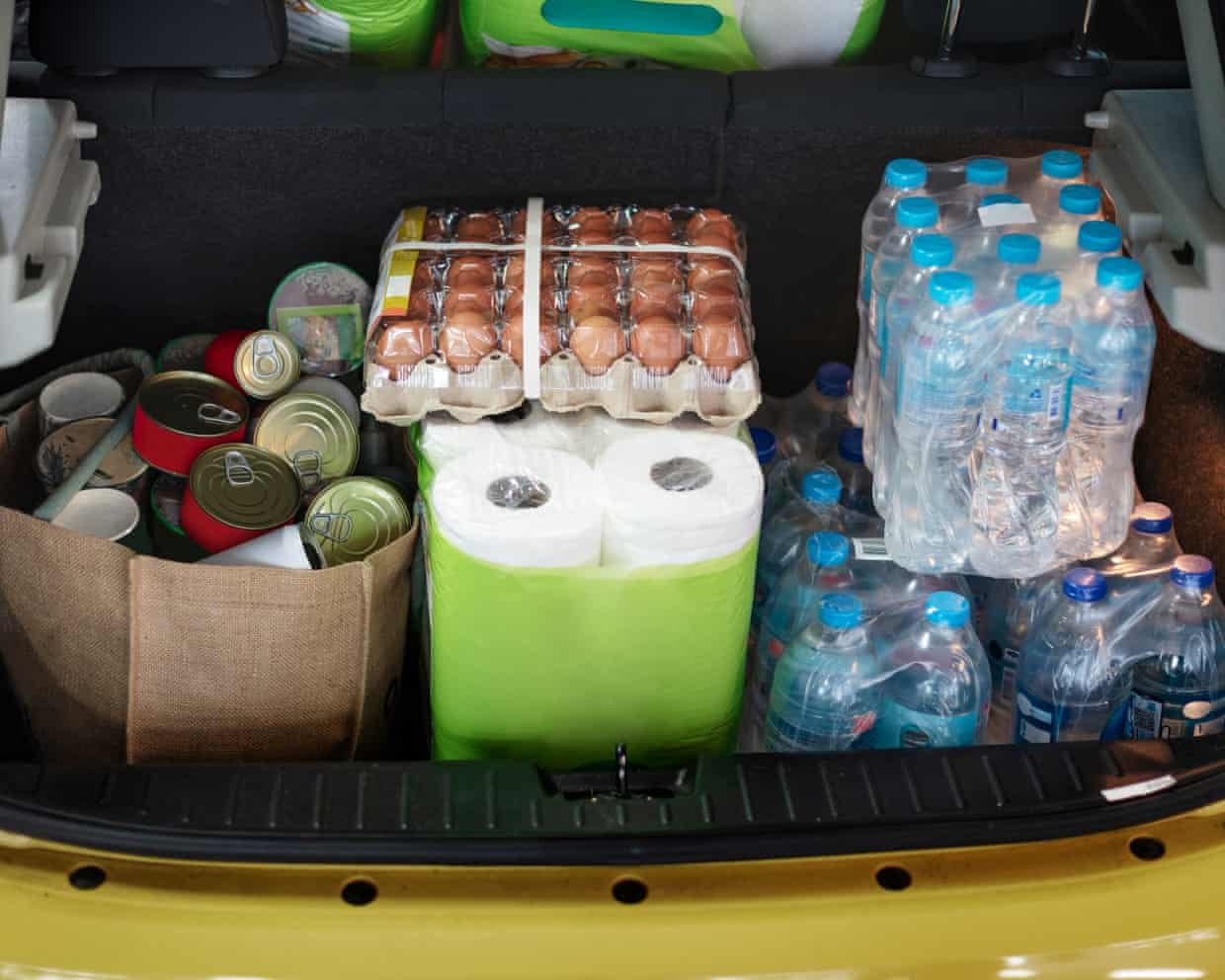
Worried Britons ‘prepping’ for major disruption with stash of tins and cash, survey shows
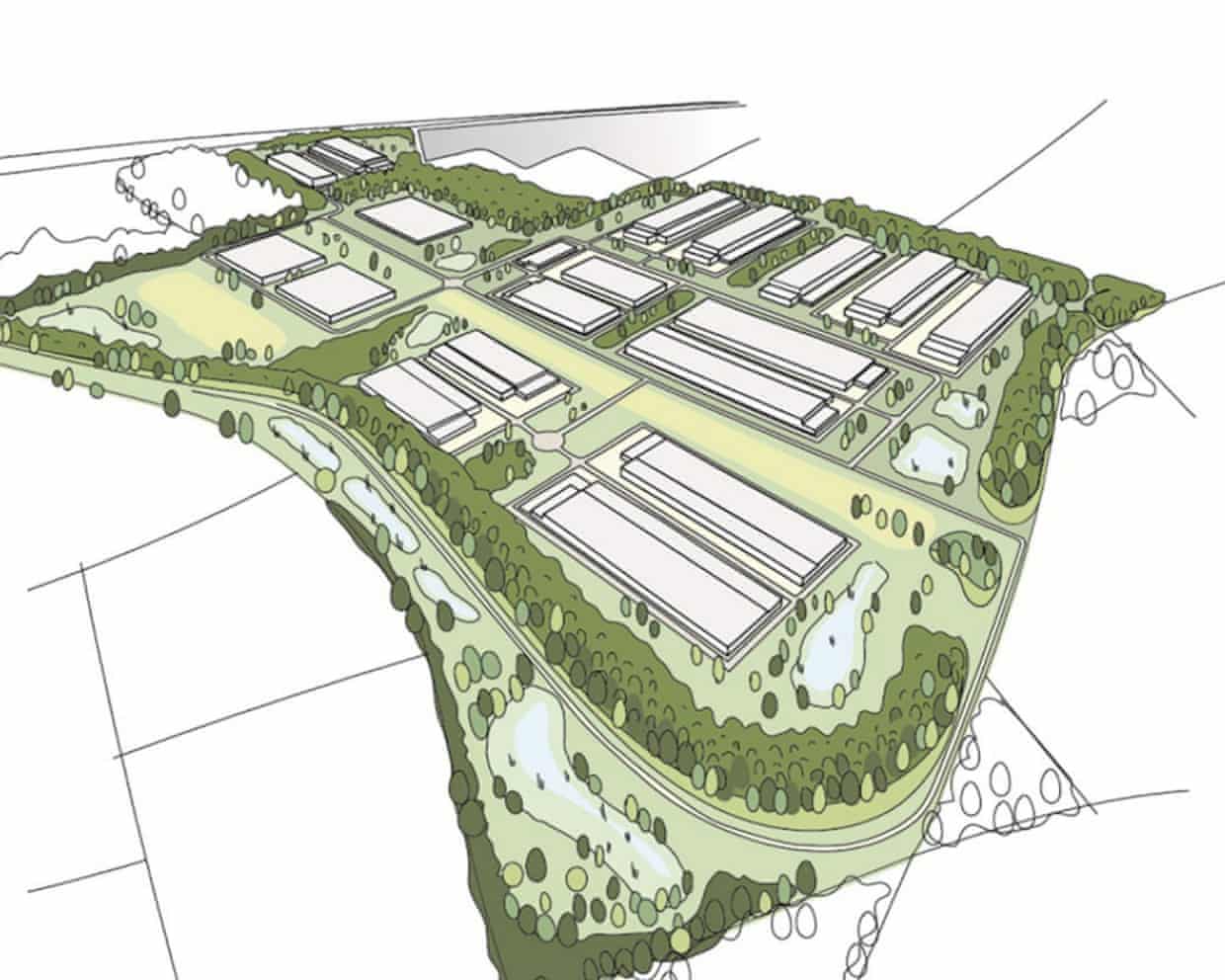
Google developers significantly misstate carbon emissions of proposed UK datacentres

What I saw at the Musk-OpenAI trial: petty billionaires, protests and a stern judge
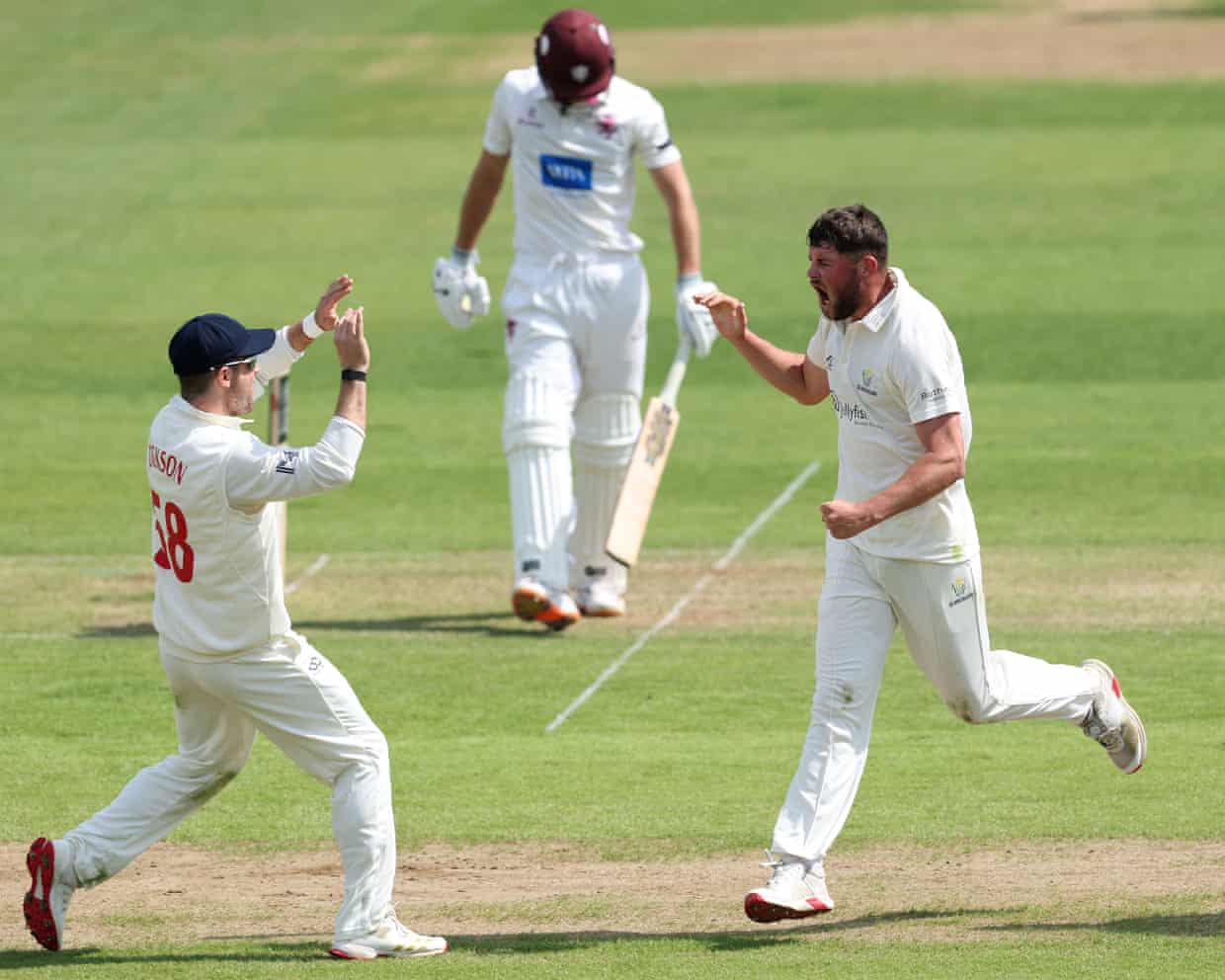
Glamorgan’s Norton claims hat-trick on debut, Sibley on song for Surrey: county cricket – as it happened

Aryna Sabalenka shocked by Sorana Cirstea’s comeback win at Italian Open