Nigel Farage hails ‘historic shift in politics’ after Reform UK election gains
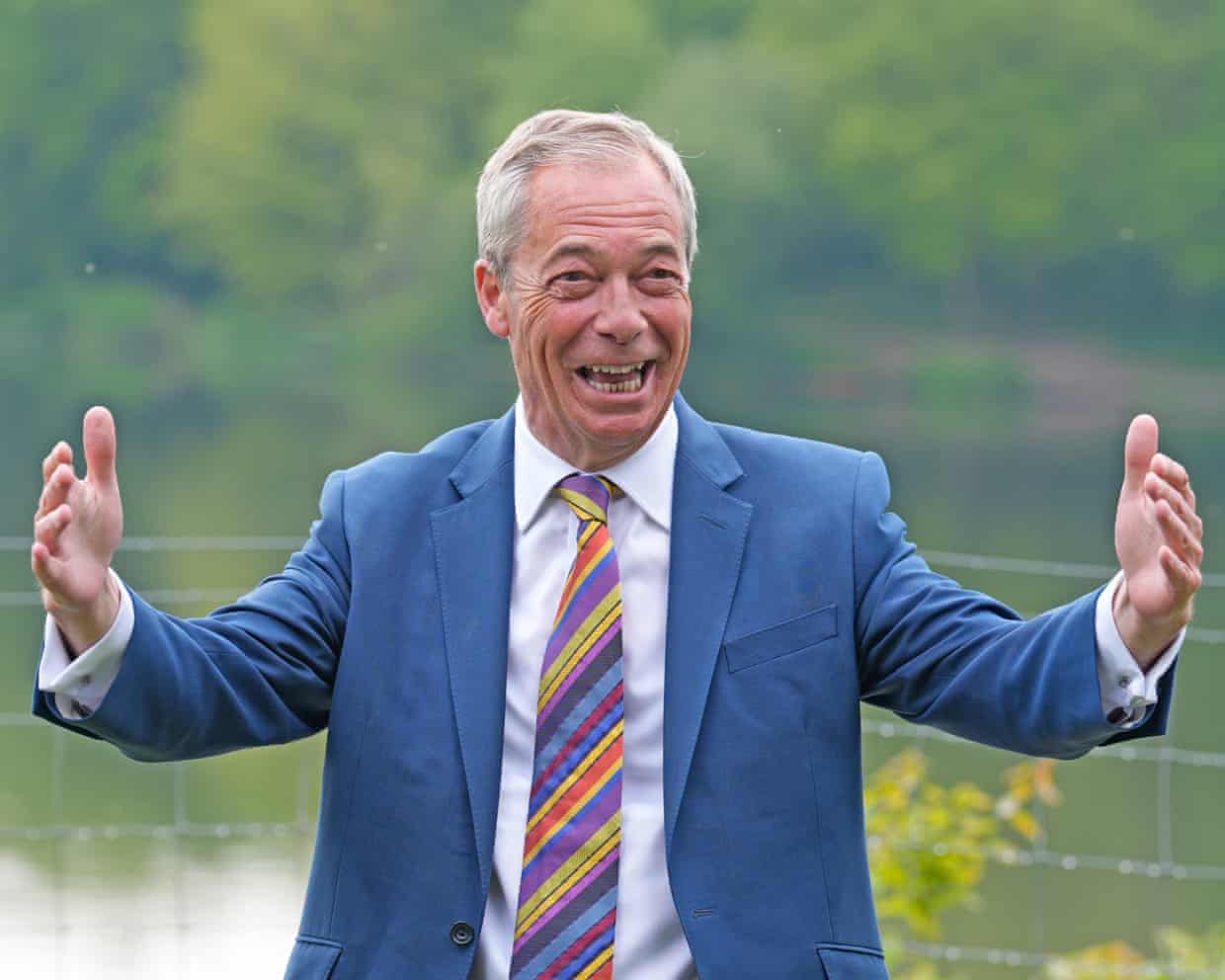
Nigel Farage hailed sweeping election wins for Reform UK as a “historic shift in British politics” on a day when the populist party made gains at the expense of Labour and the Conservatives.Reform made advances in heartland areas of both parties, clocking up substantial early results in the English local elections by taking control of Essex county council, Havering – its first London local authority – and Sunderland city council.However, the results were not without setbacks, for example in Harlow, a past general election bellwether, while one prominent pollster suggested the party may have peaked and that Farage would have reason to be “privately worried”.Nevertheless, Reform established beachheads for the next general election in areas including Essex, home to the seats of prominent Tory MPs including Kemi Badenoch and James Cleverly, where Farage’s party went from having a single representative to taking control of the council.“It’s a big, big day, not just for our party but for a complete reshaping of British politics in every way,” Farage said as he appeared on Friday outside Havering town hall, in a borough on the eastern border of Greater London where many voters identify more closely with neighbouring Essex.
Farage said the party was “two-thirds” of the way to where it wanted to be for the general election when it came to planning and fundraising.The door was now closed to Tory defectors, he said, but “the time is now” for conversations with “patriotic old Labour” MPs.Reform’s first major gain was Essex, a key target for Farage’s party and a county council where the Tories had enjoyed majority control since 2001.Fifty-three Reform councillors were elected, a smaller majority than some had tipped, and will face a 24-strong opposition that includes 13 Tories.Reform’s home affairs spokesperson, Zia Yusuf, said: “If that sort of result was replicated in the general election, Kemi Badenoch would lose her seat,” referring to the Tory leader’s constituency of North West Essex.
Suffolk county council was the second major local authority to go to Reform, whose 41 seats came largely at the expense of the Tories.Reform’s capture of Sunderland city council, which had been Labour-controlled since 1973, was another seismic result.The party won 43 seatsin a city where a strong leave vote had been one of the turning points of the 2016 referendum on leaving the EU.However, while the results showed Reform had gained support across swathes of the country, some targets eluded the party.The Tories secured all 11 district council seats available in Harlow, Essex.
Reform also fell short of taking control of Bexley council, one of its targets in London,Reform made a breakthrough in the elections to the Welsh Senedd, finishing second with 34 seats,Plaid Cymru was the largest party but six seats short of a majority, while Labour won just nine and finished third,The elections expert Peter Kellner said that while Reform was likely to end up with gains of more than 1,000 seats overall, there were some warning signs,“Reform may well be on course for a record number of gains by any party in any elections, and in normal circumstances this would be astonishing.
But if you compare it with a year ago it seems both in terms of seats and vote shares they are not going to do as well,” he said.Reform won 41% of all seats contested across England in last year’s local elections, while this year’s tally appeared by Friday afternoon to be about 35%.“We have that record on recent polls and elections, and it seems clear that Reform has peaked,” Kellner said.Any further slips in support would make a general election majority on this share of the vote much more difficult.Reform’s vote share in English council seats so far has grown the most in areas with greater socioeconomic deprivation, early analysis by the Guardian showed.
Figures from 691 wards show the party gained by an average of 20 percentage points in the least deprived areas and 30 percentage points in the most deprived areas.Asked on LBC radio if Reform could form a government without winning big cities and metropolitan areas, Farage said: “Oh, yes … every party has areas where it’s weak and where it’s strong.” He insisted his party was competitive across vast geographical swathes of the UK.At a rally on Friday night, Farage said his most important piece of advice to incoming Essex councillors was to keep disagreements behind closed doors.“Please heed my advice.
There are times when it’s better to bite your tongue, go and sit behind a desk, close the door, argue it out.But after four and a half years of psychodrama, with the last Conservative government, with Labour about to start ripping themselves apart, that’s the last thing of the voting public want to see.So, please, please, bear that in mind.”Additional reporting by Isaaq Tomkins
Great Western Railway to be nationalised in December
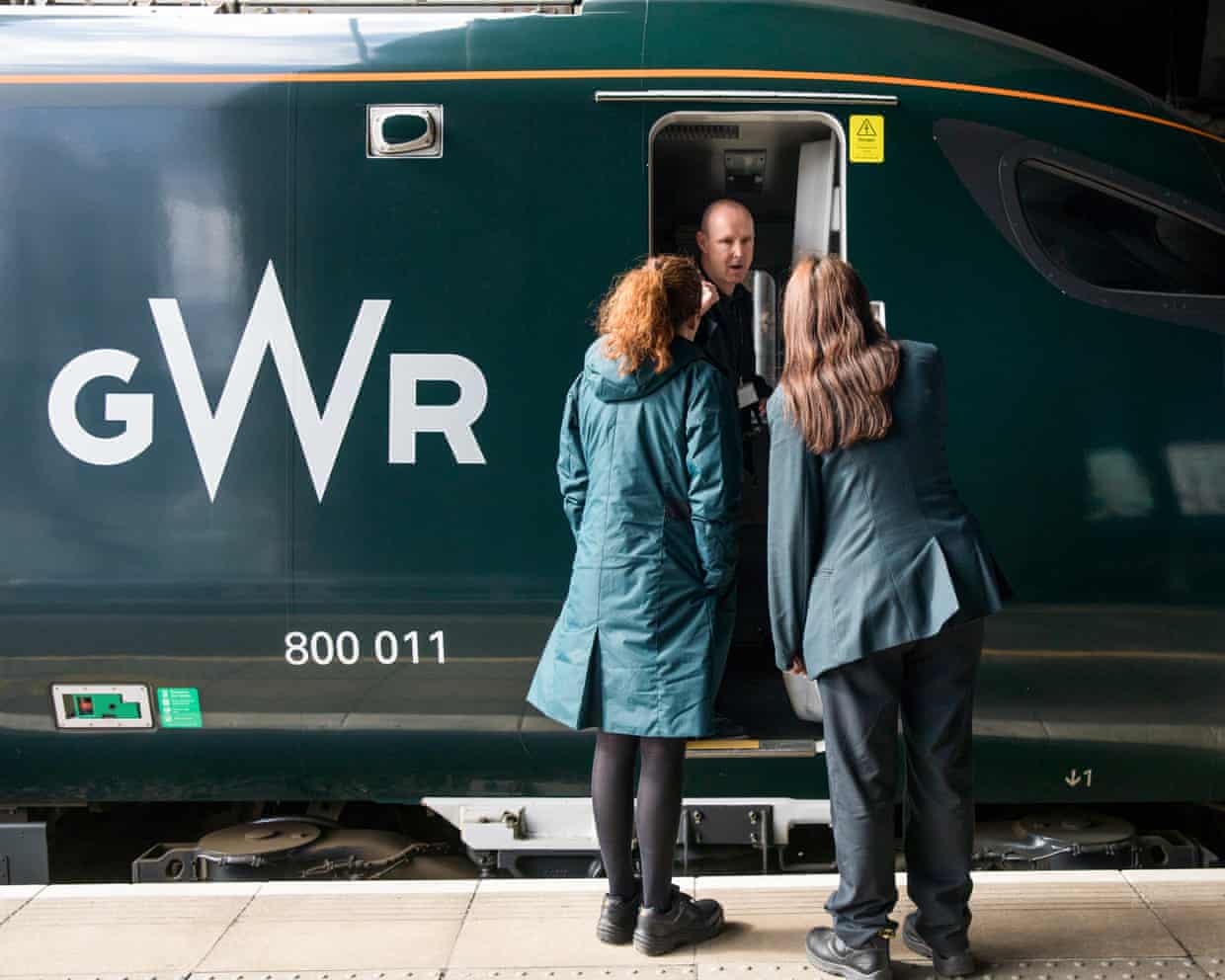
Great Western Railway will be nationalised in December, the government has announced.The train service, which has been in private hands for 30 years, mainly run by First Group, will be the 11th train operator on the national railway brought back into public ownership.When the Labour government was elected in 2024, legislation was immediately passed to renationalise all passenger trains when contractually allowed, a process that is expected to conclude by the end of 2027.The date for GWR train services to be nationalised has now been set for 13 December, the Department for Transport (DfT) said, when new timetables around the country are set to take effect.GWR has worked closely with the DfT in recent years in upgrading the mainline and introducing a new fleet of intercity trains
US added 115,000 jobs in April in surprise gain amid Iran war uncertainty
US employers added 115,000 jobs in April and the unemployment rate remained steady at 4.3%, a surprisingly robust gain to the labor market as the US-Israel war with Iran continued to drive up economic uncertainty.Economists projected about 55,000 new jobs and a 4.3% unemployment rate. A day earlier, the labor department announced 200,000 people filed for weekly unemployment benefits, a slight increase from the week before
Iran war costs Toyota £3bn as prices of materials soar and sales fall
Toyota has reported a £3bn hit from costs from the war in Iran, as prices of parts and materials soared and sales dropped.The world’s biggest carmaker said profits declined in its financial year to March as it was “likely unable to absorb newly added impact from the Middle East”, in one of the largest warnings yet of the war’s impact on businesses.The biggest hit for the Japanese manufacturer was a 400bn yen (£1.9bn) increase in materials costs linked to the war, while it lost another 270bn yen in lower sales. Toyota is the dominant automotive brand in the Middle East

British Airways fares to rise in attempt to offset £1.7bn fuel cost hit
British Airways fares will rise to try to recoup most of a €2bn (£1.7bn) hit in fuel costs this year, its parent group has said, adding that the Iran war will dent profits.The International Airlines Group (IAG) said its annual fuel bill was now expected to be about €9bn, up from the forecast €7.1bn, as 70% of its supply was hedged, shielding it from the full impact of soaring jet fuel prices since the start of the conflict.It expects to recover about 60% of the €2bn additional fuel costs through “revenue and cost management actions”, with fare rises primarily loaded on BA rather than its sister airlines

GameStop CEO opens eBay storefront to pay for potential eBay acquisition
The CEO of GameStop, Ryan Cohen, said he was selling vintage video games, baseball cards, GameStop merchandise and a $14,000 pair of tube socks to help fund the company’s proposed $55.5bn acquisition of eBay.His platform of choice? eBay, of course.Cohen posted a link to his eBay storefront on Tuesday night, saying: “I’m selling stuff on eBay to pay for eBay.”Hours later, Cohen posted a screenshot with a notification that his account had been suspended

Gas-fired power still looks a safe bet for Centrica in the renewables era
The eye-catching non-Hormuz news in energy-land last month was that Great Britain is set for a record-breaking summer for wind and solar power generation. The national energy system operator even thought there could be periods – a sunny weekend or a bank holiday afternoon of low demand, for example – when more renewable power would be available than the electricity grid needed.So, on the face of it, it is an odd moment for Centrica, the owner of British Gas, to fork out £370m to buy a 16-year-old combined-cycle gas turbine plant in south Wales. After all, the government’s clean power plan imagines that, come 2030, Great Britain’s entire fleet of gas plants will be used to generate only 5% of its electricity, down from 31.5% in 2025
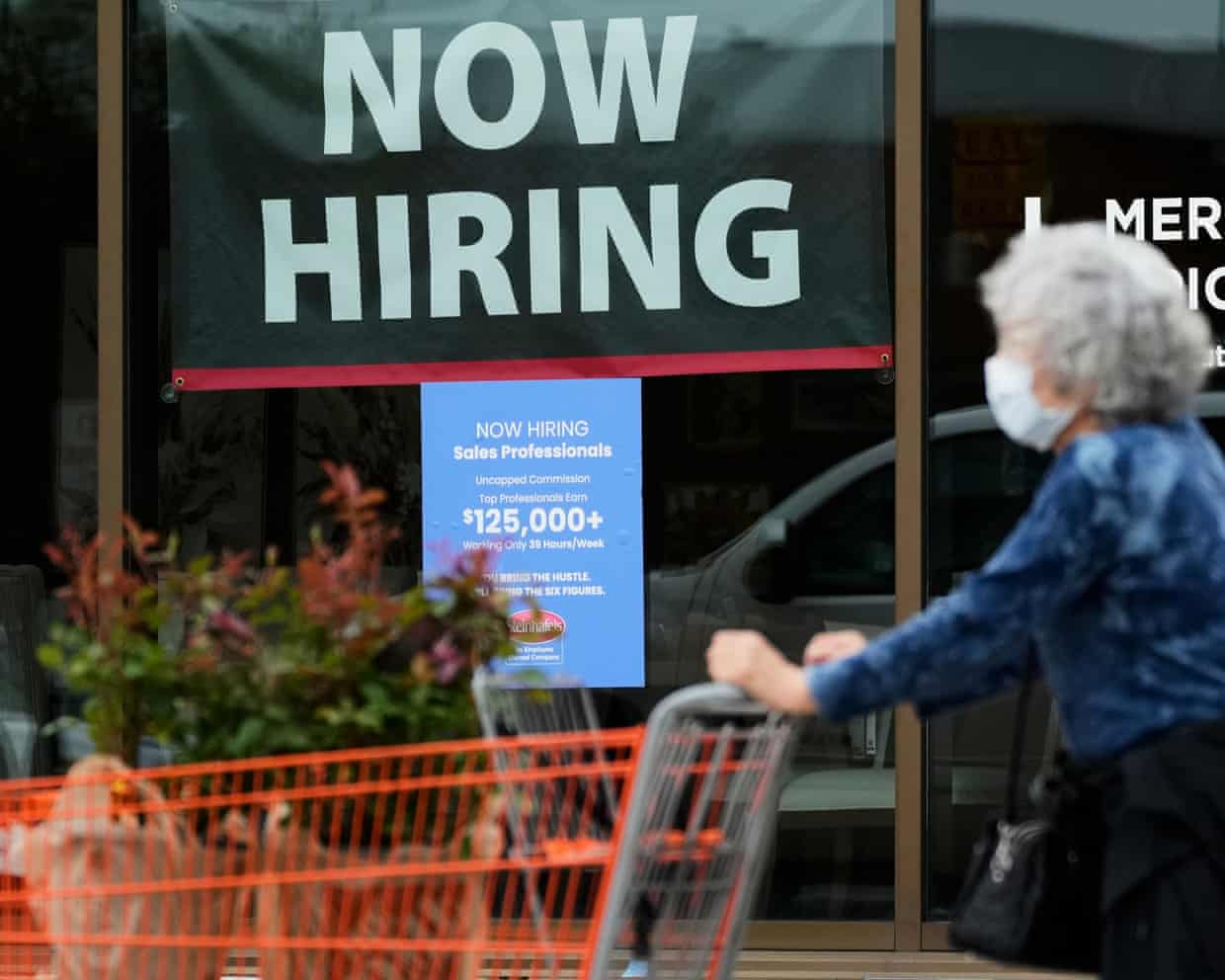
US consumer confidence hits record low as Americans fret about rising prices; jobs report beats forecasts – as it happened
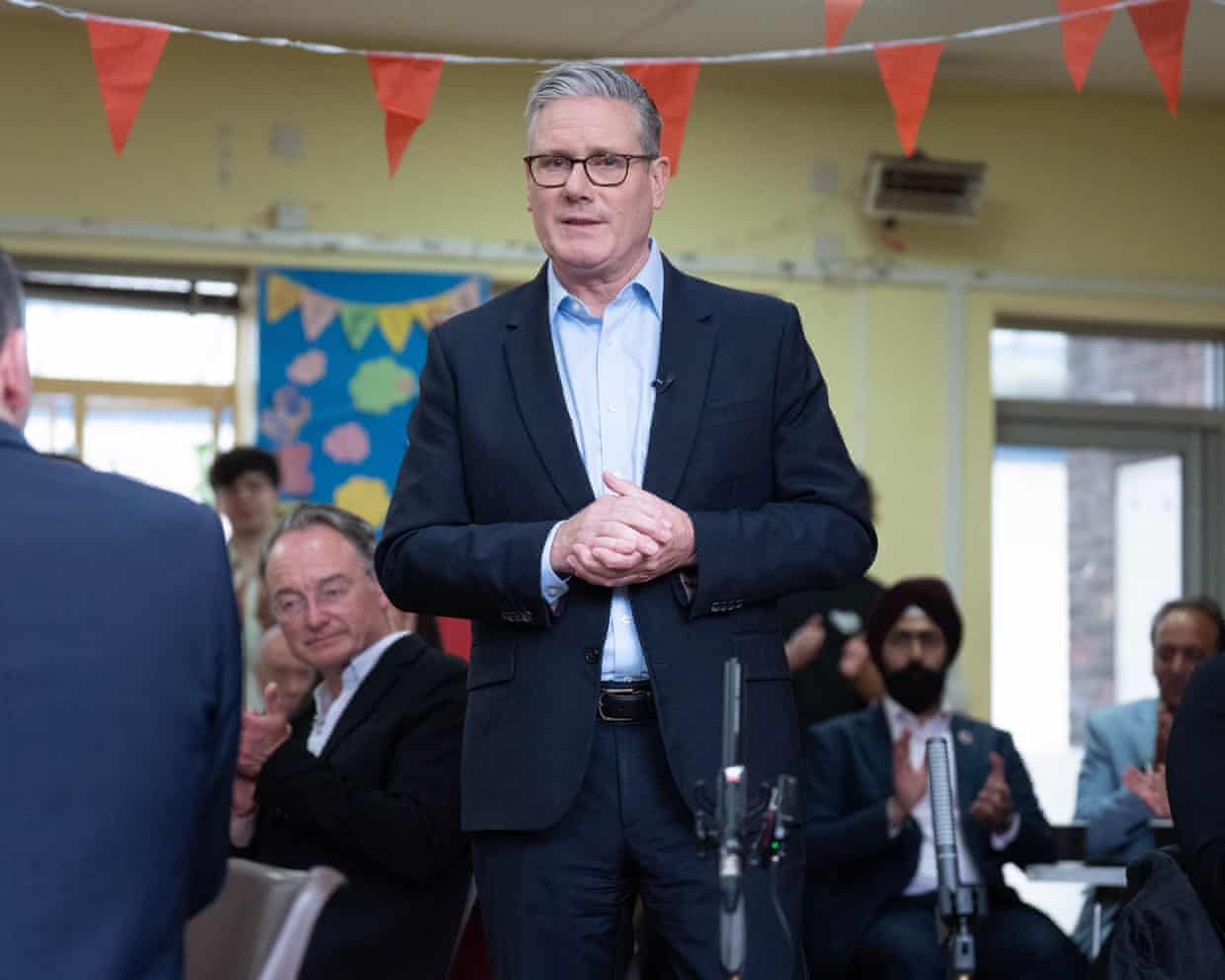
UK borrowing costs fall and pound rises after Starmer says he will stay as PM

‘Being human helps’: despite rise of AI is there still hope for Europe’s translators?

UK schools should remove pupils’ online photos as AI blackmail threat grows, say experts

Tennis slams’ refusal to discuss money is slap in face for players who are right to threaten boycott | Tumaini Carayol

England aim to match Lionesses and Red Roses as historic summer kicks off