Tennis slams’ refusal to discuss money is slap in face for players who are right to threaten boycott | Tumaini Carayol
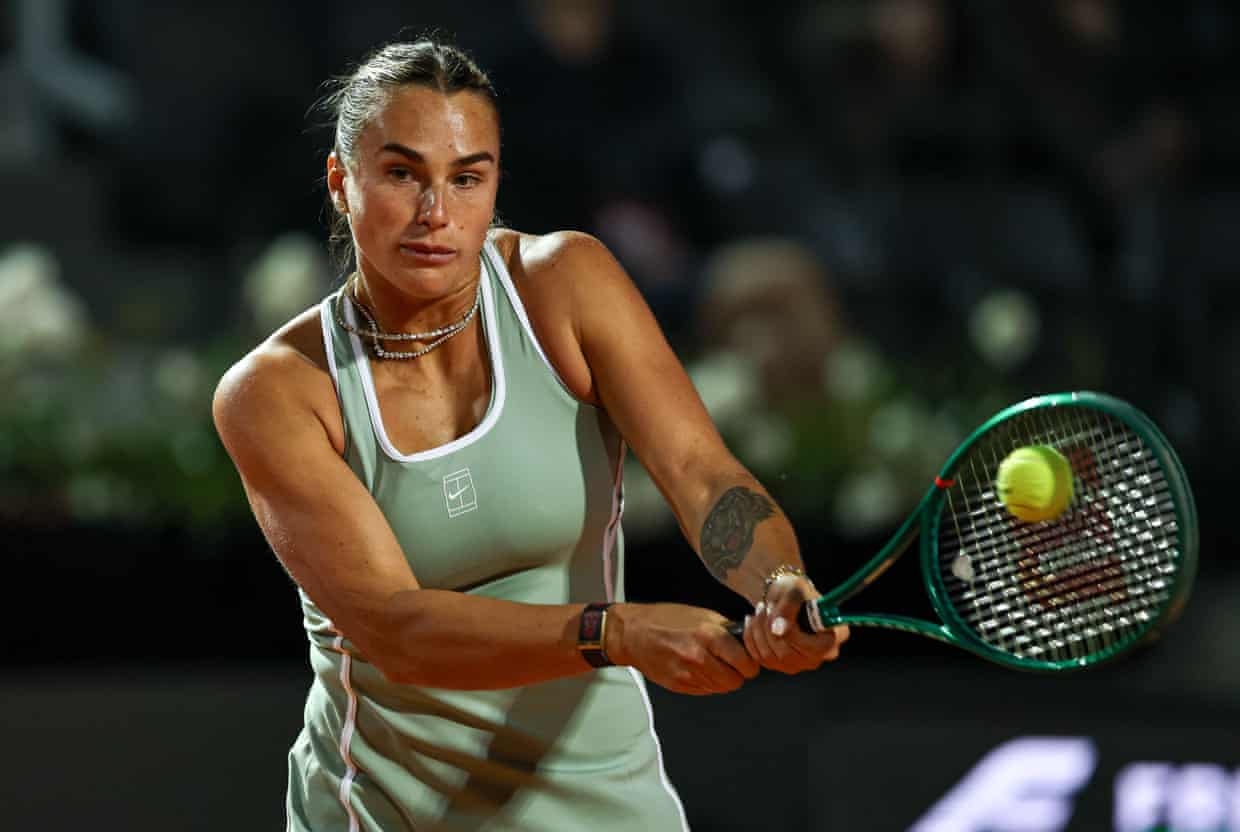
At some point in the quiet buildup to her opening match at the Italian Open, Aryna Sabalenka decided to attack one of the most contentious subjects in her sport with the same force as her forehand.In her press conference, the subject of the top players’ attempts to attain a greater revenue share from the grand slam tournaments prompted the world No 1 to make a drastic prediction: “I think at some point we will boycott it, yeah,” she said.“I feel like that’s going to be the only way to fight for our rights.”It marked an escalation in a pay dispute that, until this point, had played out in a series of polite letters and public statements.Over a year ago, in March 2025, the players sent their first letter to the grand slam tournaments.
Their requests focused on the grand slams offering a greater percentage of their revenues to the players, contributions to player welfare initiatives, such as pension funds, and closer consultation through a grand slam player council.To the frustration of the player group, the grand slams have still not issued substantial responses to the first two requests.Sabalenka’s comments on Tuesday were initially the source of ample scepticism.For much of the past year, after all, she had shown little interest in tackling this topic publicly.So this was a jarring U-turn.
Asked at the Australian Open in January about the player initiative, Sabalenka stared blankly towards her agent in the corner of the room before responding: “Well, I mean, can I pass?”While some players, most notably Jessica Pegula, have consistently articulated the players’ concerns well, the lack of engagement from others to discuss this issue was unimpressive.At the Miami Open in March, for example, Carlos Alcaraz plainly declared himself uninterested: “It’s something that is going on but for me I prefer to be focused on other things,” he said.Jannik Sinner, despite his earlier statements in support of the cause, comically declined to answer a straightforward question in Miami regarding whether he was optimistic about the player group achieving its aims: “I don’t want to comment,” he said.This week, however, the top male and female players have finally presented a strong united front.Coco Gauff, as usual, thoughtfully explained why the strength of the top players’ voices means they are best positioned to advocate for lower-ranked players.
Iga Swiatek articulated the players’ dissatisfaction with the current grand slam revenue share,Sinner offered perhaps his most forceful public statement on any topic in his career, accusing the grand slams of not treating the players with “respect” by not responding to their concerns,The prospect of the players actually progressing with any sort of boycott still seems unrealistic,The top players remain in a great position, earning significant amounts of money every time they compete in the big events, and they are devoted to their personal goals,Sabalenka will soon be the second female athlete in history to earn $50m in prize money, after Serena Williams.
Change is preferable, but these are not desperate people,For now, it is incredibly difficult to imagine them hurting their own personal ambitions by missing the major tournaments they train each day for,As multimillionaires pushing for greater pay, they are also not sympathetic figures,The most damaging argument against them is the immense wealth they have already acquired in the sport, a significant amount of their earnings coming from the prize money and exposure provided by the grand slam tournaments,Still, the majors are even wealthier, and lucrative businesses do not automatically have their workers’ best interests at heart.
They are not beyond being questioned and challenged and, if the player demands are unrealistic, the grand slams should have no problem explaining in detail and with transparency why their current revenue share model is fair,The players’ concerns are more than valid,The 13-15% revenue share they receive from the grand slams is low,Roland Garros’s recent prize money announcement, which completely ignored the players’ concerns, was a big blow,Despite the tournament’s claims that prize money has risen 45% since 2019, adjusted for inflation, the figure is only 14%.
The grand slams’ continued refusal to even address their concerns is a further slap in the face to the players.All eyes are on Wimbledon now, for the tournament’s prize-money announcement.From the perspective of the grand slams, the players are not nearly as important as they view themselves.These events transcend the sport, their success and financial status a consequence of decades of growth, branding and history.Meanwhile, most of the money they generate is invested back into the sport, whether through the transformation of the tournament grounds or to national federations.
For example, 90% of Wimbledon’s surplus goes to the Lawn Tennis Association, the governing body for tennis in Britain, which amounted to £48.1m last year.These arguments mean nothing to the players, who are still the focal point of the events, the workers.The improved infrastructure at the grand slam venues is even more beneficial to the actual tournaments.Players from countries such as Belarus or Bulgaria, where they receive minimal federation support, are rightfully unmoved by the status of slams as glorified fundraisers for their national federations in wealthy western countries.
For more than a year now, the grand slams have opted to pay little mind to these demands.Tennis players, after all, have been asking for more money since the dawn of time.It may be tempting for the grand slams to continue as usual, to dare Sabalenka and her colleagues to advance with their threats, but perhaps a more constructive way forward would be to engage the players in good faith, as partners, and find a compromise for all.
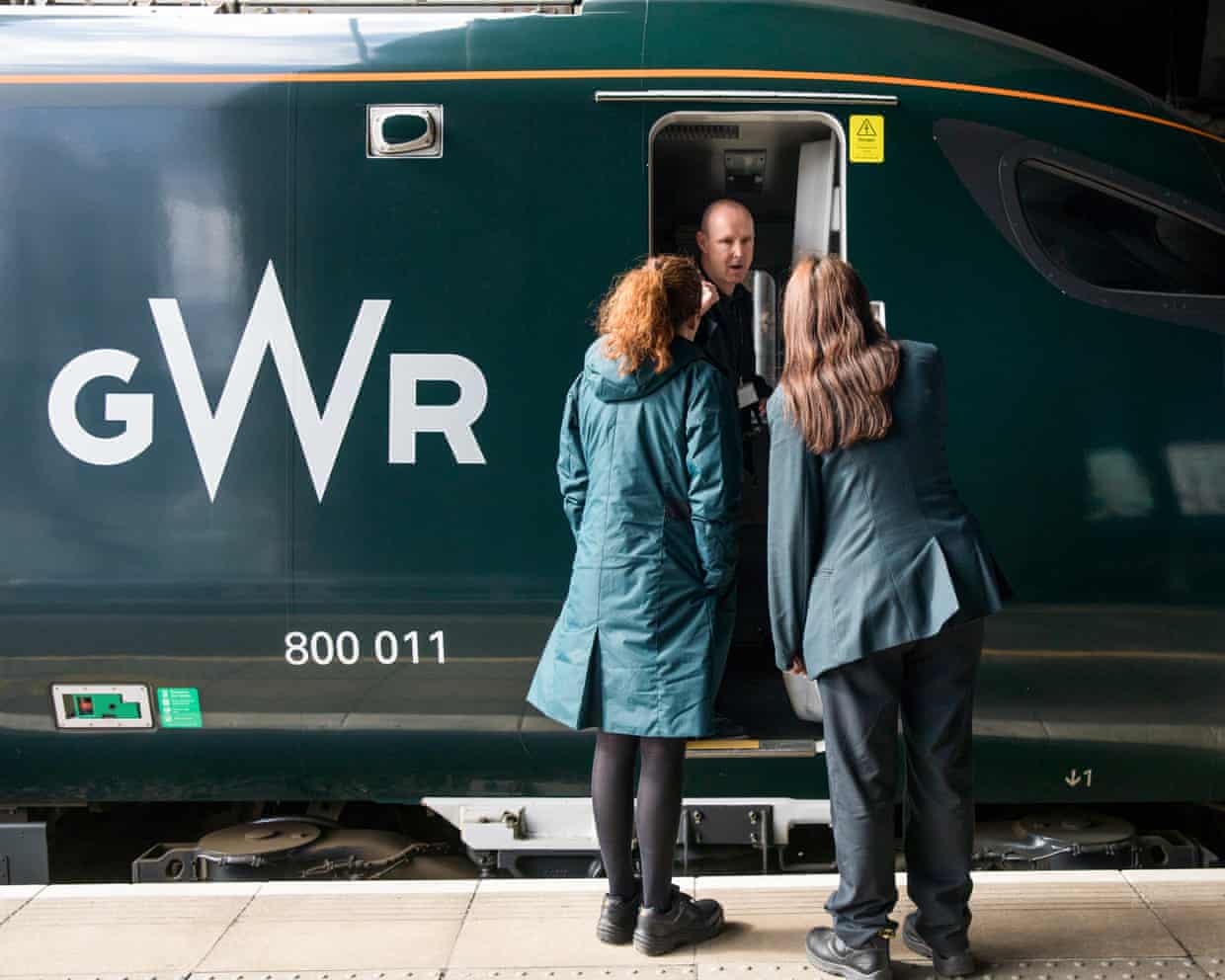
Great Western Railway to be nationalised in December
Great Western Railway will be nationalised in December, the government has announced.The train service, which has been in private hands for 30 years, mainly run by First Group, will be the 11th train operator on the national railway brought back into public ownership.When the Labour government was elected in 2024, legislation was immediately passed to renationalise all passenger trains when contractually allowed, a process that is expected to conclude by the end of 2027.The date for GWR train services to be nationalised has now been set for 13 December, the Department for Transport (DfT) said, when new timetables around the country are set to take effect.GWR has worked closely with the DfT in recent years in upgrading the mainline and introducing a new fleet of intercity trains
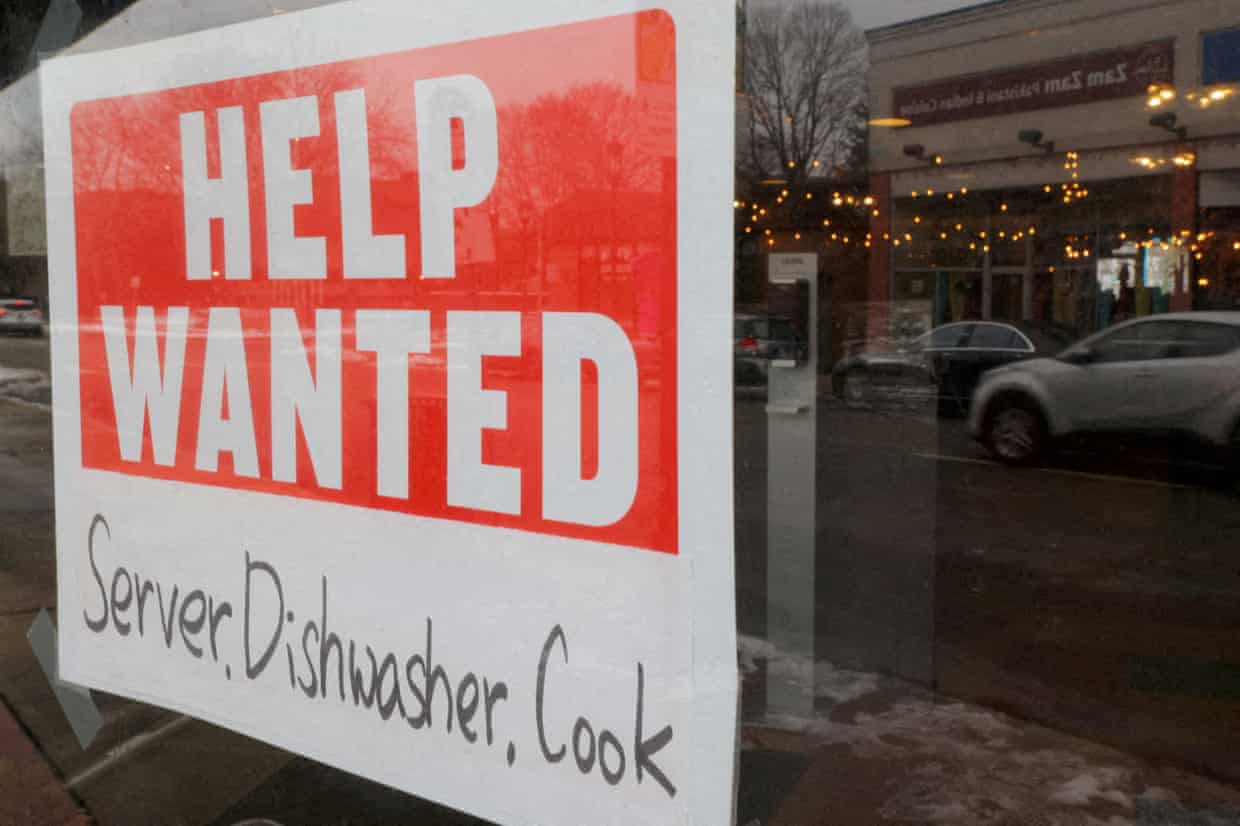
US added 115,000 jobs in April in surprise gain amid Iran war uncertainty
US employers added 115,000 jobs in April and the unemployment rate remained steady at 4.3%, a surprisingly robust gain to the labor market as the US-Israel war with Iran continued to drive up economic uncertainty.Economists projected about 55,000 new jobs and a 4.3% unemployment rate. A day earlier, the labor department announced 200,000 people filed for weekly unemployment benefits, a slight increase from the week before
Iran war costs Toyota £3bn as prices of materials soar and sales fall
Toyota has reported a £3bn hit from costs from the war in Iran, as prices of parts and materials soared and sales dropped.The world’s biggest carmaker said profits declined in its financial year to March as it was “likely unable to absorb newly added impact from the Middle East”, in one of the largest warnings yet of the war’s impact on businesses.The biggest hit for the Japanese manufacturer was a 400bn yen (£1.9bn) increase in materials costs linked to the war, while it lost another 270bn yen in lower sales. Toyota is the dominant automotive brand in the Middle East
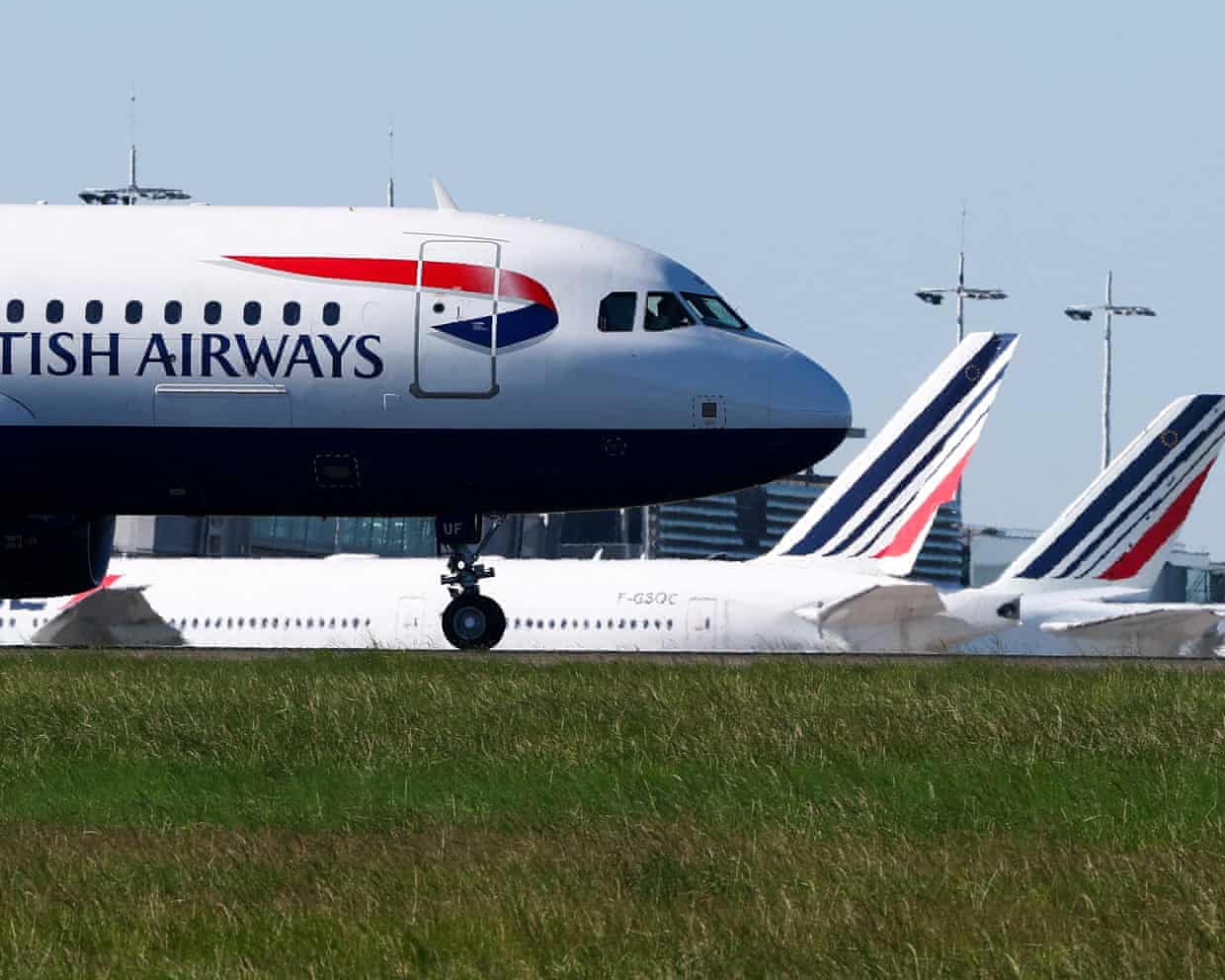
British Airways fares to rise in attempt to offset £1.7bn fuel cost hit
British Airways fares will rise to try to recoup most of a €2bn (£1.7bn) hit in fuel costs this year, its parent group has said, adding that the Iran war will dent profits.The International Airlines Group (IAG) said its annual fuel bill was now expected to be about €9bn, up from the forecast €7.1bn, as 70% of its supply was hedged, shielding it from the full impact of soaring jet fuel prices since the start of the conflict.It expects to recover about 60% of the €2bn additional fuel costs through “revenue and cost management actions”, with fare rises primarily loaded on BA rather than its sister airlines

GameStop CEO opens eBay storefront to pay for potential eBay acquisition
The CEO of GameStop, Ryan Cohen, said he was selling vintage video games, baseball cards, GameStop merchandise and a $14,000 pair of tube socks to help fund the company’s proposed $55.5bn acquisition of eBay.His platform of choice? eBay, of course.Cohen posted a link to his eBay storefront on Tuesday night, saying: “I’m selling stuff on eBay to pay for eBay.”Hours later, Cohen posted a screenshot with a notification that his account had been suspended

Gas-fired power still looks a safe bet for Centrica in the renewables era
The eye-catching non-Hormuz news in energy-land last month was that Great Britain is set for a record-breaking summer for wind and solar power generation. The national energy system operator even thought there could be periods – a sunny weekend or a bank holiday afternoon of low demand, for example – when more renewable power would be available than the electricity grid needed.So, on the face of it, it is an odd moment for Centrica, the owner of British Gas, to fork out £370m to buy a 16-year-old combined-cycle gas turbine plant in south Wales. After all, the government’s clean power plan imagines that, come 2030, Great Britain’s entire fleet of gas plants will be used to generate only 5% of its electricity, down from 31.5% in 2025
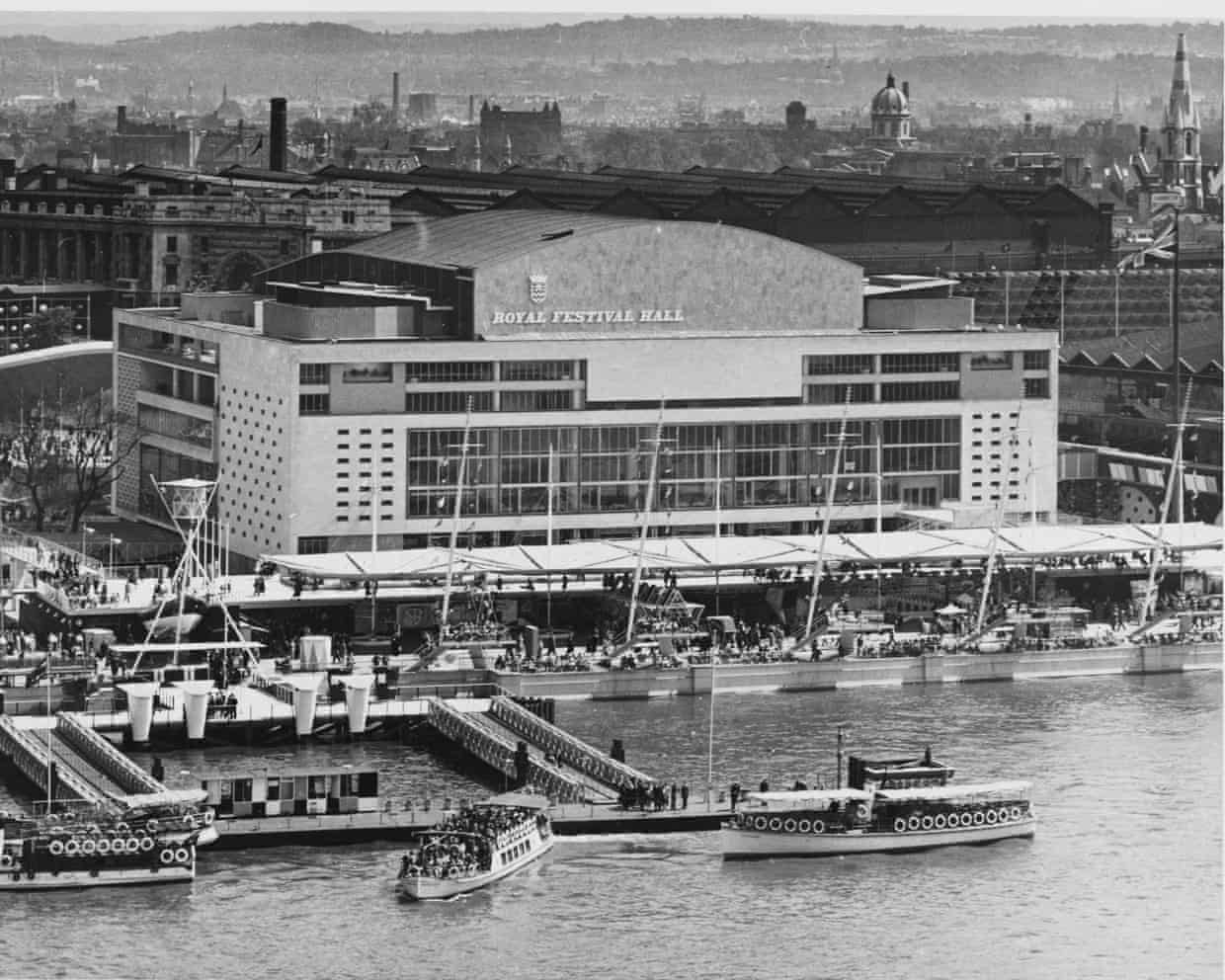
Reflections on the Festival of Britain | Letters
‘Tisio peint? Or: Do you fancy a pint? | Letters
Colbert on McDonald’s supply chain concerns: ‘Perhaps this will finally show Trump the true cost of war’
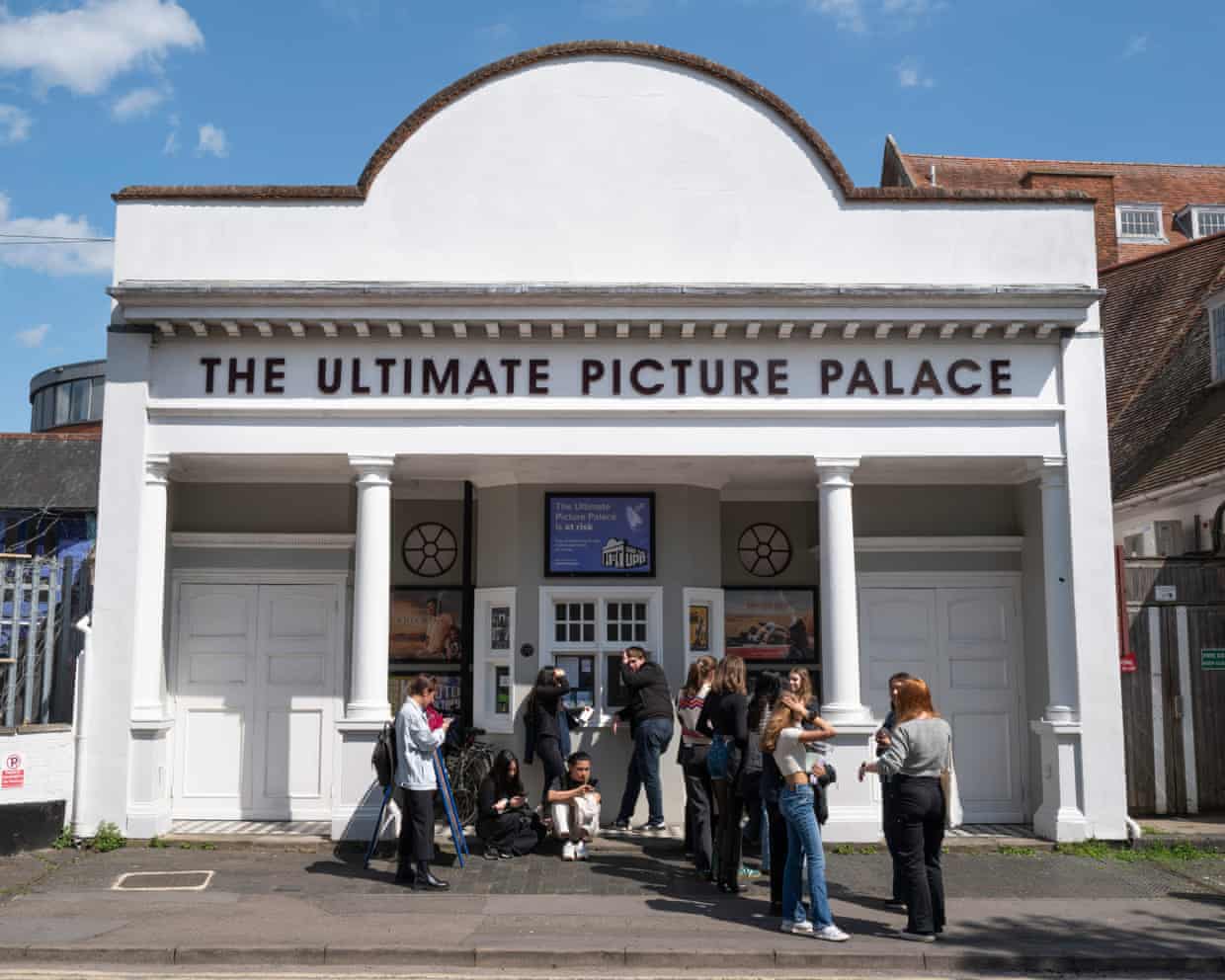
Historic Oxford cinema under threat as Oriel College refuses to extend lease

Jimmy Kimmel on Trump: ‘His list of threats is now longer than Kash Patel’s bar tab’

Arthur Miller opens up about marriage to Marilyn Monroe in newly unearthed recordings