‘Being human helps’: despite rise of AI is there still hope for Europe’s translators?
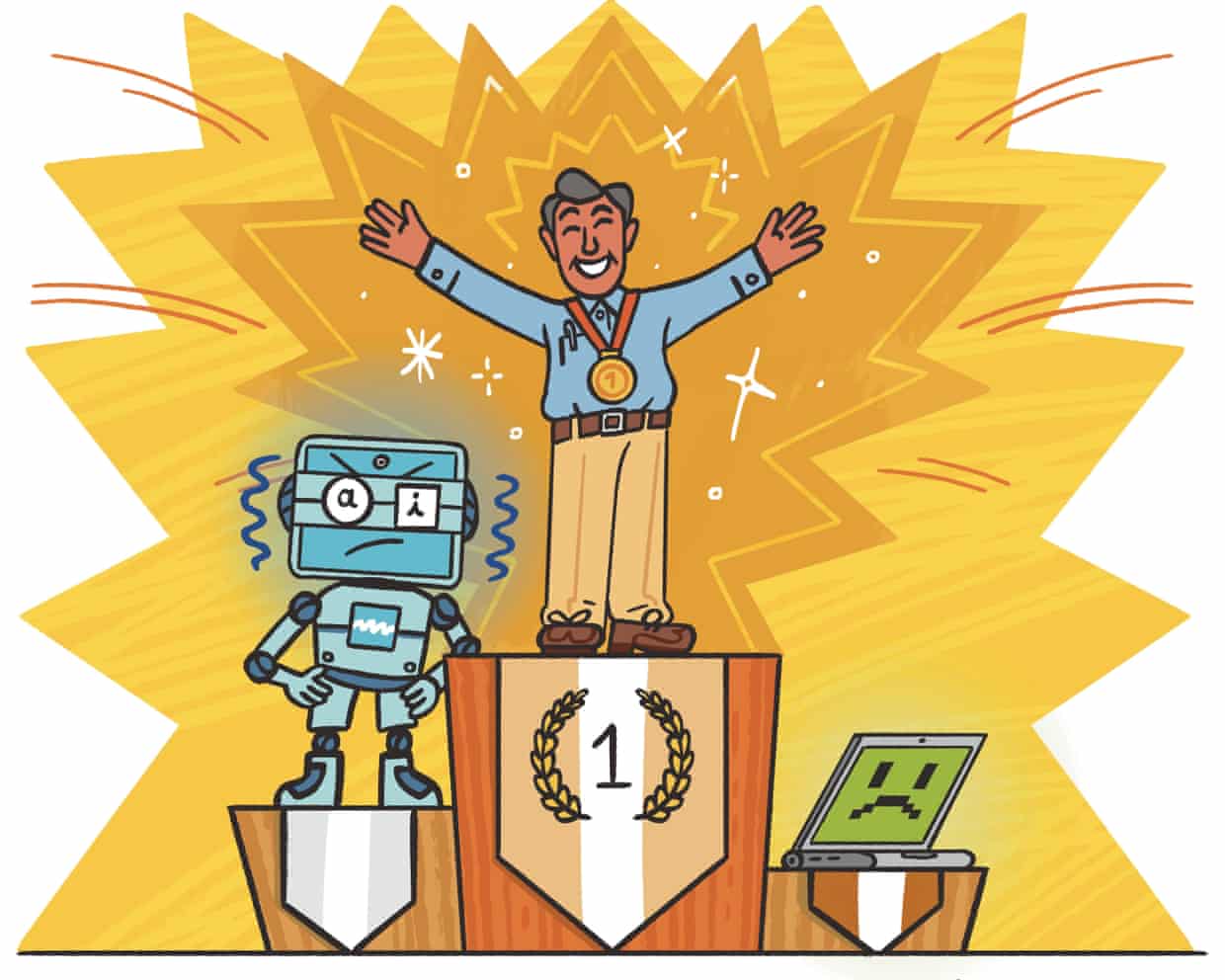
In February 2022, while he was plugging away at rendering the US writer Dana Spiotta’s novel Wayward into French, the literary translator Yoann Gentric decided he needed a bit of light relief,He would test whether AI could put him out of work,Gentric had been grappling with a short non-verbal sentence that described the book’s protagonist’s feelings upon opening a window: “Bright, sharp night air, bracing,” He put the prompt into DeepL, a neural-network-powered machine translation engine that regularly outperforms Google Translate in accuracy assessments,The proposed translation was reassuring, with his job security in mind: L’air de la nuit, vif et vif, était vivifiant (The night air, lively and lively, was enlivening.
) AI had translated the sentence’s meaning but was seemingly unaware that the repetitions rendered the line absurd.It was far inferior to his own translation that would be published in the book a year later: L’air pur et piquant de la nuit, vivifiant.When Gentric repeated his experiment this spring, however, the outcome made him feel less at ease: L’air nocturne était vif, pur et vivifiant, DeepL suggested this time.The online translator still lost the sentence’s stylistic trait by adding a verb, but it had learned to use three different words that even had a musical ring to them.“I don’t know if it’s just chance or a fine-tuned algorithm at work, but nocturne and pur is not bad,” said Gentric.
Chatbots running on large language models (LLMs) – neural networks trained on vast amounts of text to generate natural-sounding language – are rapidly infiltrating every aspect of our work and leisure lives.But few professional sectors are being disrupted by the technology as rapidly as the translation industry in Europe, home to more than 200 languages and a booming tech sector.According to a recent joint survey by the French authors’ societies ADAGP and the Société des Gens de Lettres, 79% of translators believe the rise of AI “poses a threat of replacing all or part of their work”.In Britain, a 2025 survey found that 84% of translators questioned expected lower demand for human translation, resulting in lower pay.Those fears concern the future, but for many translators the nature of their work has already changed.
Laura Radosh, a Berlin-based German-to-English translator, used to get about four job requests per month from clients including universities, professors and museums,Last year, the number of offers dropped to one each month,Many of them were “post-editing” jobs, which required her to correct texts that had already been run through a machine-translation engine,“Post-editing took me as much time as translating from scratch,” said Radosh,Far less creatively fulfilling than translating from scratch, post-editing is also less well-paid: usually compensated by the hour rather than by the page or by the book, it is paid “at unacceptable rates considering the work involved”, according to the French translators’ association.
In Germany, publishers have been found to offer typical rates of two to eight euros per page – a quarter of the average pay for translating a page from scratch.But rates for regular technical translations have tumbled too.“I got offered a job at 60 cent[s] a line,” said Radosh.“Before then, 80 cent[s] was the lowest rate I had ever come across.”Even before the advent of LLMs, translation was a precarious profession: a recent survey by the German translators association VdÜ found that the average income for literary translators – traditionally at the lower-paid end of the sector – was as little as €20,363 euros per annum before tax.
But the latest changes in the industry mean that for many translators, the numbers no longer stack up – Radosh recently took a part-time job doing book-keeping for an NGO.Marco Trombetti, the co-founder and CEO of the machine translation company Translated, said: “Without help, the human brain basically is able to produce about 3,000 words a day of translation.Beginners will manage about 1,500, the best translator in the world may manage 6,000, but the variation is not that big.”The cost of human translation, he argued, had until now been defined by the number of neurons we have in the brain.“That’s around 100bn,” Trombetti said.
“But if we change that, then we change the unit economics of translation.”Yet the speed of technological change is also revealing what human translators still do best.For one, many machine translators still struggle with context.The German-British academic publisher Springer Nature offers its authors the option to have their books auto-translated into other languages for free, but in spite of assurances of subsequent “human checks”, this process has in the past led to comical results.In 2024, Springer Nature machine-translated into German an English-language book by a group of Indian academics called ‘Capital’ in the East: Reflections on Marx.
In the chapter headings, however, the machine translator DeepL had rendered “capital” not as Kapital in the intended sense, but Hauptstadt, meaning “capital city”,A spokesperson for Springer Nature said in a statement: “Our AI‑supported translation is human‑led and reviewed by professional editors,Errors like this are rare and regrettable, and this instance relates to a limited pilot that has since ended,”Jörn Cambreleng, the director of Atlas, a French organisation promoting literary translation, said: “Machine translation is not creative,These systems are built to produce sentences that are generic, sentences that have been said before or sound like they have been said before.
Whereas good human translators strive to put into words something that has never been said before.”One of the ironies of the upheaval is that literary translation now appears to be a comparatively safer career choice than its technical counterpart.The HarperCollins-owned imprint Harlequin France has confirmed that it is working with a French communications agency, Fluent Planet, to produce translations that are generated by AI software and then post-edited by humans, although for now such trial runs are confined to the pulpier reaches of the market: Harlequin’s titles include A Mistress’s Confession and The Embrace of a Prince.In Germany, where the total number of new published books has been gradually declining year on year, literature in translation has held up remarkably well, with 8,765 books in translation published in 2024 making up a historically high 15% of the overall output.Increasingly, authors are also contractually obliging their publishers not to use AI in the translation process, said Marieke Heimburger, a Danish-to-German translator who chairs VdÜ.
“AI really cannot do dialogue,” said Katy Derbyshire, a Berlin-based translator who has rendered into English novels by Clemens Meyer, Christa Wolf and others,“When you are translating from scratch, you learn to understand the characters and their motivations, and you’re constantly adjusting them in your head – to individual situations, but also to genre,The dialogue that AI came up with just didn’t suit the character description at all,”Being human helped the translation process, she added,“My body has experienced all the pain and the joy that literature strives to convey.
I understand what someone might scream when they hit their toe on the bed frame – an algorithm doesn’t.”Fernando Prieto Ramos, of the University of Geneva’s faculty of translation and interpreting, said his centre had noticed a drop in applications to translation courses three years ago, when the rise of generative AI fuelled the hype around machine translation.“But the trend is gradually reverting again with a more diversified training offer,” he said.Even people who develop machine translation software concede there are tasks that remain beyond their product’s reach.“If in Italian I say Solo tre parole: non sei solo, then a literal translation into English would be ‘Just three words: you are not alone,’” said Trombetti, who founded Translated in 1999.
“But you’ve ended up with four words, not three,That’s something that machine translation still struggles with,”Heimburger said: “I am not really scared of AI, because I know it cannot do what I can do,What I am afraid of is the people who think that AI can do my job,”

Doctors’ archaic attitudes over sterilisation | Letter
Reading this article (Woman denied permanent birth control on NHS wins case with ombudsman, 1 May) reminded me of my husband’s and my experience of trying to obtain sterilisation on the NHS in the 1990s. At the time we were in our 30s and neither of us wanted to have children.Rather than for me to continue taking the pill, we decided that the best option for us was for my husband to have a vasectomy. At the hospital consultation, I was flabbergasted when the doctor said that he was not going to approve the procedure on the grounds that at some time in the future my husband could leave me and want to have children with another woman.Only when I threatened a complaint to the GMC did they change their mind and approve it
Lacunar strokes caused by widening of arteries in brain, study suggests
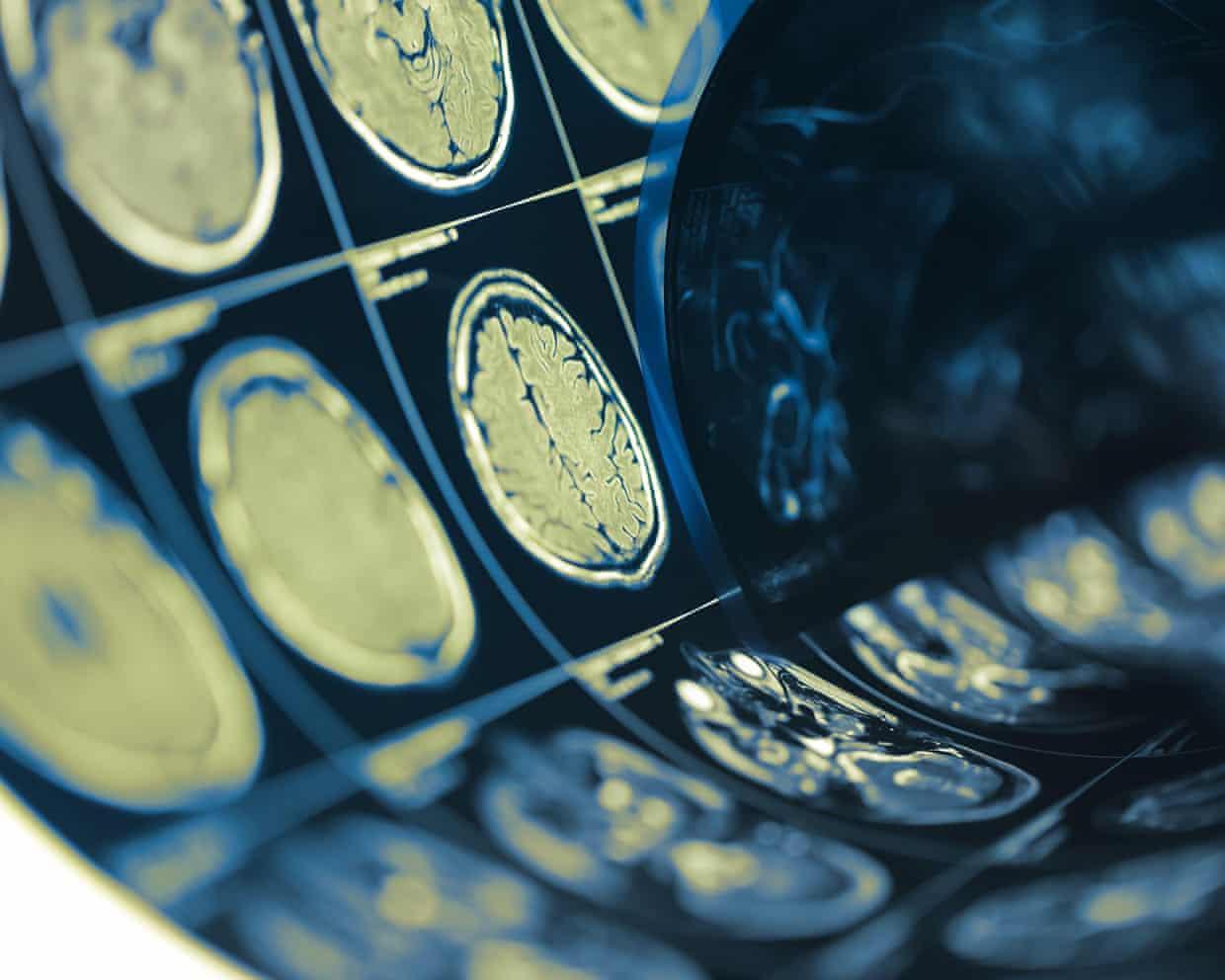
The cause of a type of stroke that affects about 35,000 people across the UK each year has been uncovered by researchers and may explain why some medications are ineffective as treatment.Lacunar strokes, which account for a quarter of all strokes in the UK, had been linked to the blockage of arteries in the brain by fatty deposits.However, a study published on Wednesday suggests they are not caused by blocked arteries but by the enlargement and widening of arteries in the brain.This would help to explain why aspirin and other blood thinners, commonly used to prevent ischaemic strokes, are not as effective in preventing lacunar stroke.The research by academics at the University of Edinburgh and the UK Dementia Research Institute analysed 229 patients who had experienced either a lacunar or mild non-lacunar stroke
MPs v the manosphere: ministers battle misogyny as they take a different message to men and boys across Australia
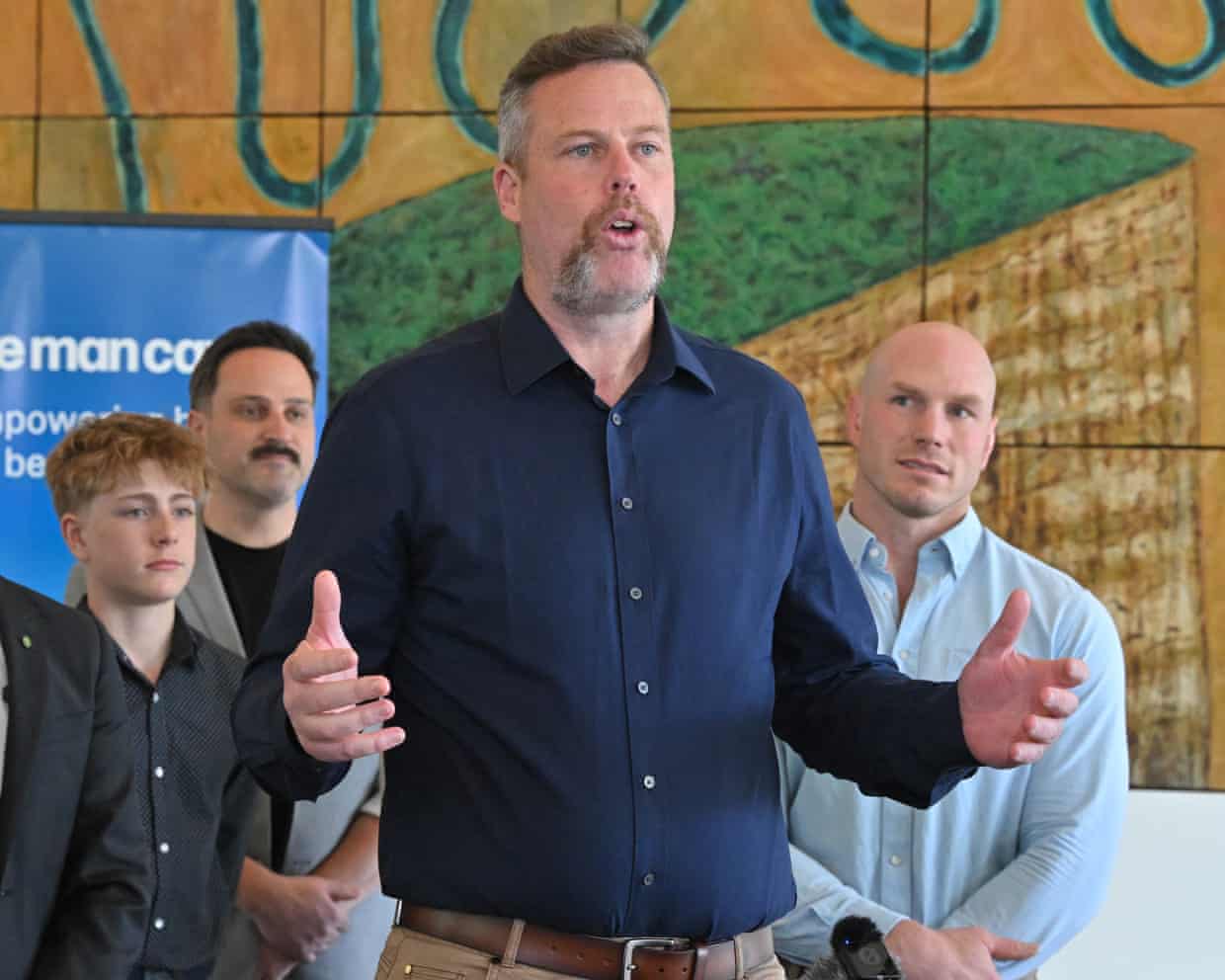
“Gender equality isn’t women versus men or a zero-sum game,” Ged Kearney says.“It delivers better outcomes for everyone. It’s important that, as we engage with men and boys, we make that really clear.”But as the assistant minister for the prevention of family violence sets off on a national listening tour with the special envoy for men’s health, Dan Repacholi, they are up against a pervasive and very different conception of how men and women relate, fostered by the loud voices of the manosphere and men’s rights activists.For decades, those activists have called for Australia to have a minister for men

Man produces sperm from testicular tissue frozen as a child in breakthrough trial
In a groundbreaking fertility trial, a man whose testicular tissue was frozen before he underwent chemotherapy as a child to be re-transplanted 16 years later has been able to produce sperm.It is the first time a transplant of cryopreserved prepubertal testicular tissue has been demonstrated to restore sperm production in an adult patient. The 27-year-old man had the sample frozen when he was 10, before undergoing potent chemotherapy as part of treatment for sickle cell disease.“This is a huge finding,” said Prof Ellen Goossens, of the Vrije Universiteit Brussel, who led the trial, in close collaboration with Brussels IVF at University Hospital Brussel. “Many more people will have hope that they can have biological children

London schools trialling VR to relieve pupils’ stress
Schools have begun deploying virtual reality to help pupils cope with stress caused by impending exams, attention deficit hyperactivity disorder or difficult home lives.All 15 secondary schools in the London borough of Sutton are using VR headsets made by tech firm Phase Space in a pilot in conjunction with the local NHS mental health trust.Pupils access the seven-minute-long Phase Space VR programme either in a prearranged slot or when they need to leave a lesson because they have become beset by anxiety.Young people find that immersing themselves in VR, even for such a short period of time, helps them calm down, rebuild their confidence and feel ready to resume their studies. Phase Space has been designed to help “overwhelmed and anxious students”, said Zillah Watson, a co-creator of the programme, who is a former head of VR at the BBC
One in three HR leaders face opposition to inclusion schemes, study finds
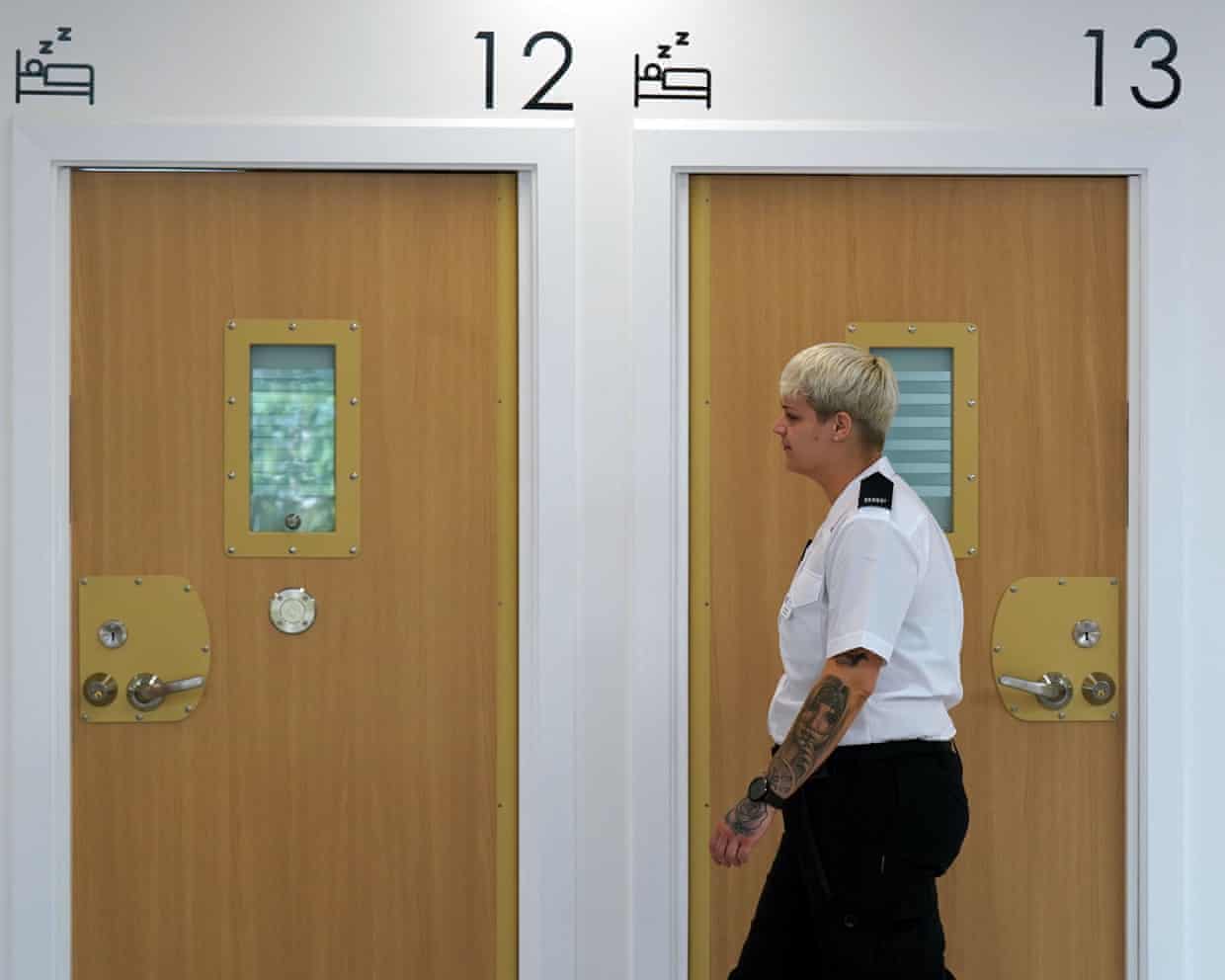
More than a third of HR decision-makers in the UK said they have faced pushback against equity, diversity and inclusion (EDI) initiatives over the past year, according to new research.The new YouGov poll, carried out for the national employment charity Working Chance, surveyed 565 HR decision-makers and found that resistance towards EDI was on the rise.The findings raised concerns about the impact on people with convictions, who often rely on inclusive hiring practices to access work.Working Chance, which supports women with convictions into employment, warned that scaling back inclusive hiring risked entrenching social exclusion and undermining efforts to reduce reoffending.Evidence consistently shows that stable employment is one of the most effective ways of preventing people from returning to the criminal justice system, the charity said
City & Guilds London Institute trustees accused of stalling inquiry into £166m sale

Worried Britons ‘prepping’ for major disruption with stash of tins and cash, survey shows
Who is Louis Mosley, the man tasked with defending Palantir against its critics?

AI-powered surveillance company Palantir created a chore coat. Great, now I have no choice but to burn mine | Van Badham
Nottinghamshire v Surrey, Worcs v Durham, and more: county cricket – live

A 30th season and an $850m franchise: is the WNBA’s rocketing growth sustainable?