Affordable fresh food is the recipe for a healthy Britain | Letter

Your article on UK food prices being on track to be 50% higher by November 2026 (4 May), read alongside your editorial on unhealthy Britain (3 May) describes a single story from two ends.Food has become unaffordable and the households absorbing those price rises are getting sicker.By the time poor health shows up in the data, families have been cutting food quality, quantity and variety for years.The Bread and Butter Thing runs affordable food clubs from Maidstone to Northumberland, supporting more than 10,000 households each week.Last week alone, 439 new members joined our network.
Our 2025 survey of more than 8,500 members shows the mechanism playing out.Among households with £0-£25 left each month after housing and energy bills, 87% describe their overall health as not good.The food industry is warning the Treasury that without intervention, the next wave of inflation will land on consumers already at the edge.For the families we work with, that wave has been arriving in slow motion for years.Food is the first thing to be cut when budgets are tight.
The freshest food is the most expensive.Whole neighbourhoods are food deserts.But the trajectory is reversible.More than a quarter of our members with long-term conditions report improved health since joining, and three-quarters of all members report better access to healthy food where they live.The government needs to stop treating affordable fresh food as charity and start treating it as prevention infrastructure.
Vic Harper CEO, The Bread and Butter Thing Have an opinion on anything you’ve read in the Guardian today? Please email us your letter and it will be considered for publication in our letters section.

Financial stability risks are rising as AI fuels cyber-attacks, IMF warns; oil below $100 on Iran peace hopes – as it happened
Newsflash: The International Monetary Fund is warning that financial stability risks are rising as artificial intelligence fuels cyber-attacks.In a new blogpost, just published, the IMF singles out Claude Mythos as an example of how quickly risks are increasing.The Fund is calling for “resilience, supervision, and international coordination” to safeguard global financial markets, and protect them against attackers with new AI tools.It warns that AI tools such as Mythos can “dramatically” cut the time and cost needed to identify and exploit vulnerabilities, which raises the risk of weaknesses in key systems being discovered and exploited.IMF experts Tobias Adrian, Tamas Gaidosch and Rangachary Ravikumar write:double quotation markMythos could find and exploit vulnerabilities in every major operating system and web browser—even when used by non-experts
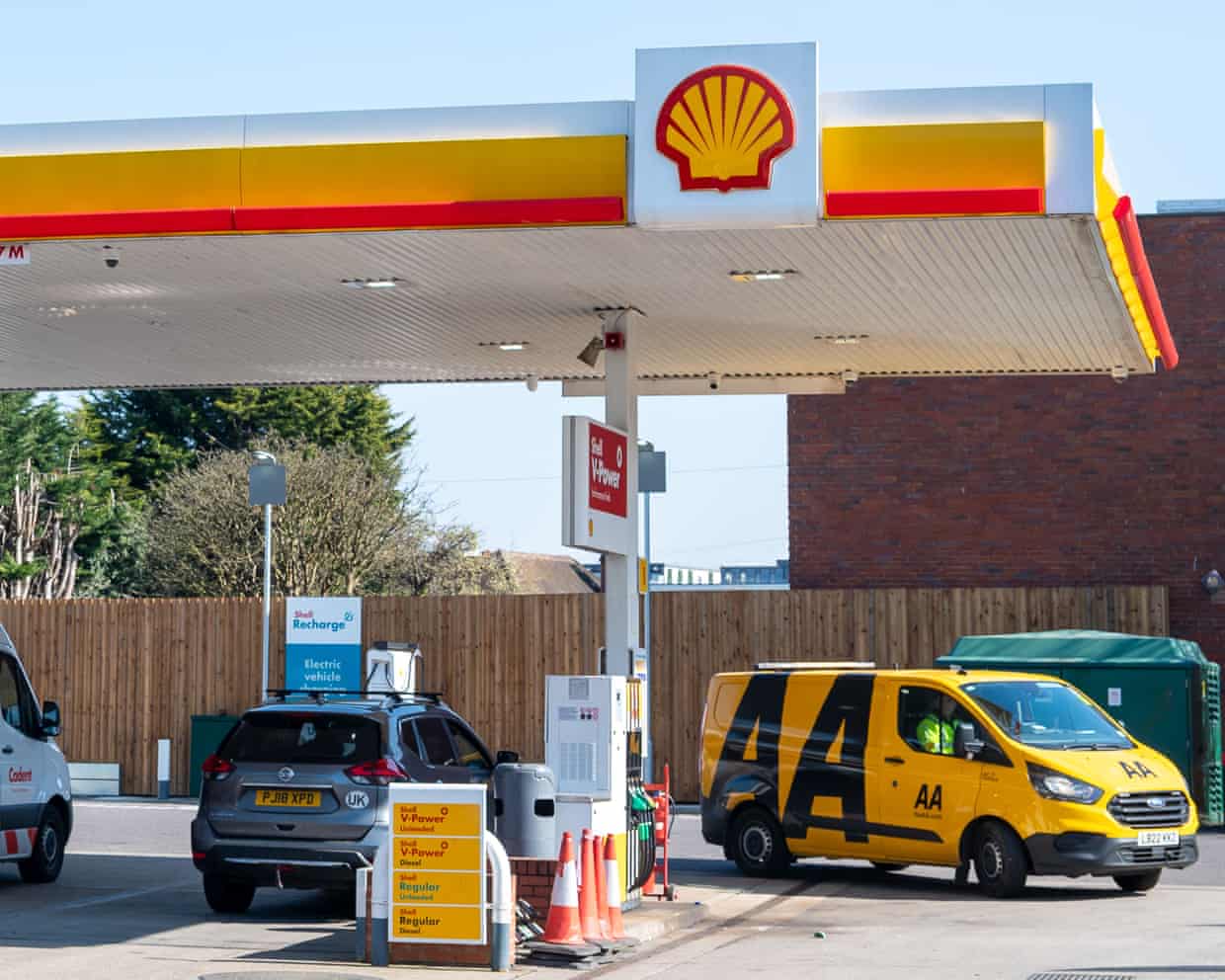
Climate campaigners attack Shell over ‘windfall’ profits from Iran war
Shell has reported better than expected profits of $6.9bn (£5bn) after its oil traders reaped the benefits of soaring energy prices during the war in Iran, angering climate campaigners.Europe’s biggest oil and gas company posted a 115% jump in first-quarter profits from the $3.2bn reported in the last three months of 2025.The profits easily surpassed the $6

BP plans to sell shares in flagship carbon projects as it pulls back from green agenda
BP plans to sell stakes in two flagship carbon capture and storage projects in the north-east of England as the company continues to retreat from the green agenda.The oil company hopes to reduce its share in the Net Zero Teesside (NZT) project, which aims to develop the UK’s first gas power plant to be fitted with a controversial carbon capture system to remove its emissions.It also plans to cut its stake in the Northern Endurance Partnership project (NEP), which plans to build a network of offshore pipelines to transport carbon dioxide from the Humber, including the Teesside power plant, and store it under the North Sea.BP’s flagship carbon capture projects were backed by Bernard Looney, the company’s former chief executive, as “the right thing for the world, a tremendous business opportunity” which would create the nation’s first major carbon capture project and “maybe the world’s first zero-carbon industrial cluster”.His departure almost three years ago has led to a tumultuous period for the 117-year-old company, including a leadership overhaul and a steady dismantling of Looney’s green agenda, which failed to win over BP shareholders
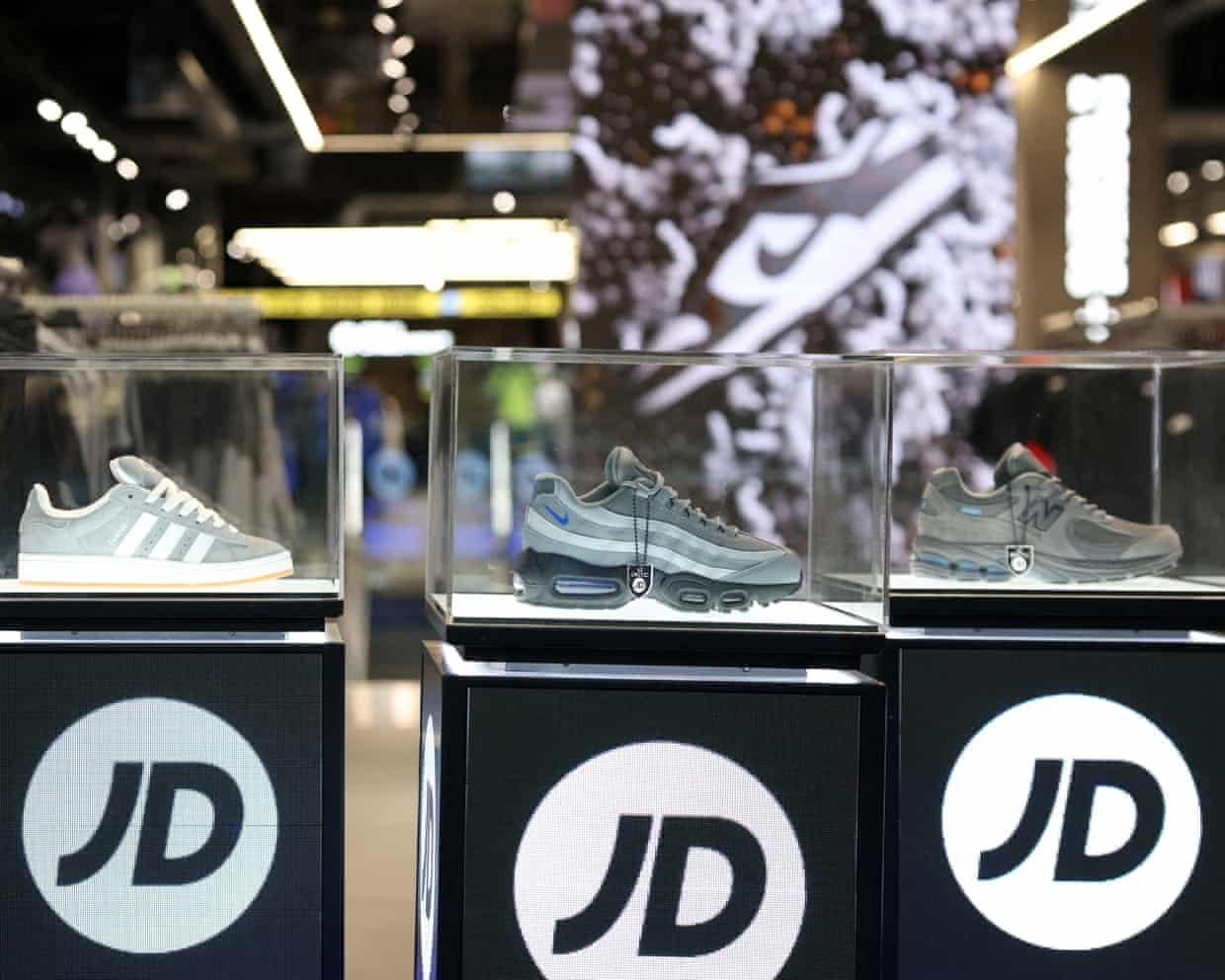
JD Sports says Iran war and youth unemployment to hit consumer spending
The sports fashion retailer JD has said that profits will fall this year amid a “muted market” hit by concerns about the Middle East conflict and weaker spending by young people facing rising unemployment.The company, which runs 4,800 stores worldwide including the JD, Blacks and Millets chains in the UK, said it expected profits of between £750m and £850m in the year ahead, after reporting £852m in the year to the end of January.Régis Schultz, the retail group’s chief executive, said its core youth market had been hit by rising unemployment, adding: “Those 10-30 hour contracts they do allow them to buy the sneakers they would love to have.”He said this was not just a UK problem, with sales to 14-18 year olds down by more than 10% across Europe, including the UK, according to industry data.JD said there had been “no material business impact to date” from the war in Iran, but the company warned that the conflict may end up pushing up costs and prices

Dawn airport drinkers call out Ryanair boss on proposal to ban ‘holiday ritual’
For most people, the idea of a pint with breakfast is pretty grim. But at the Wetherspoons in Stansted’s departure lounge on Thursday morning, it appeared to be the beverage of choice.“It’s a holiday ritual,” said Dee Wood, 60, a waste policy officer, who was enjoying a pint while waiting to board her Alicante-bound morning flight. “It’s like the start of holiday,” said her friend Rachel Almond, 59, a community planner, who was treating herself to a lager. “We don’t get drunk, we just have a pint, say cheers and off we go

Revealed: owner of former WH Smith stores is charging fee to use fictitious ‘family’ brand
The investment company that owns the former WH Smith high street stores is charging the retailer millions of pounds in licence fees for the right to use its widely derided TG Jones name, the Guardian can reveal.Modella Capital, which bought the chain from WH Smith’s parent company last year, on Wednesday blamed weak consumer spending as it laid out a restructuring plan that could shut 150 of its 450 shops. It also said “the forced name change from WH Smith has also negatively impacted consumer awareness”.However, documents seen by the Guardian showed Modella, which bought the paperclips to books chain for £76m last year, was so far owed £2.9m in royalty fees for use of the fictitious “family” name now used on the former WH Smith stores
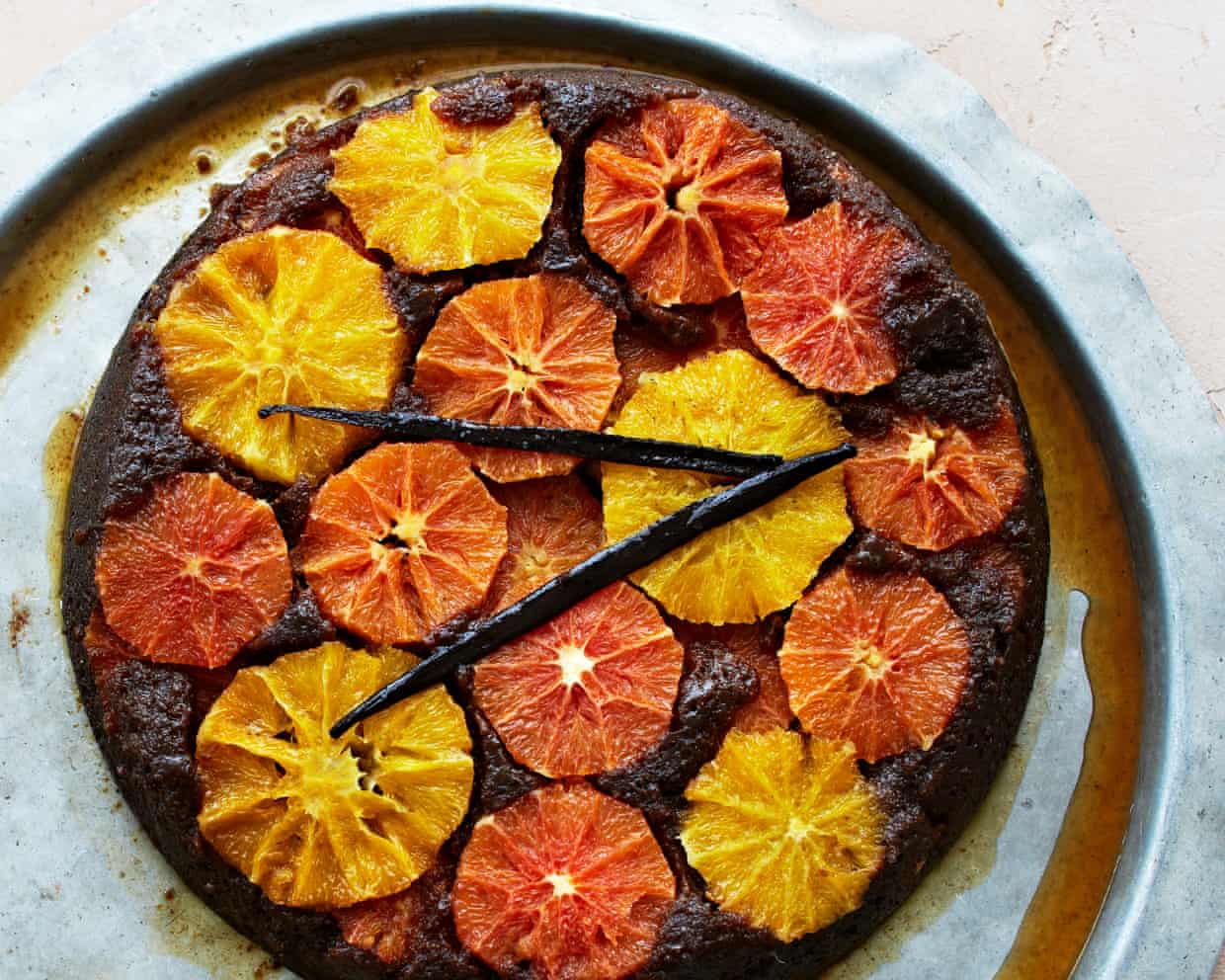
Navel gazing: oranges, mandarins and persimmons top Australia’s best-value fruit and veg for May
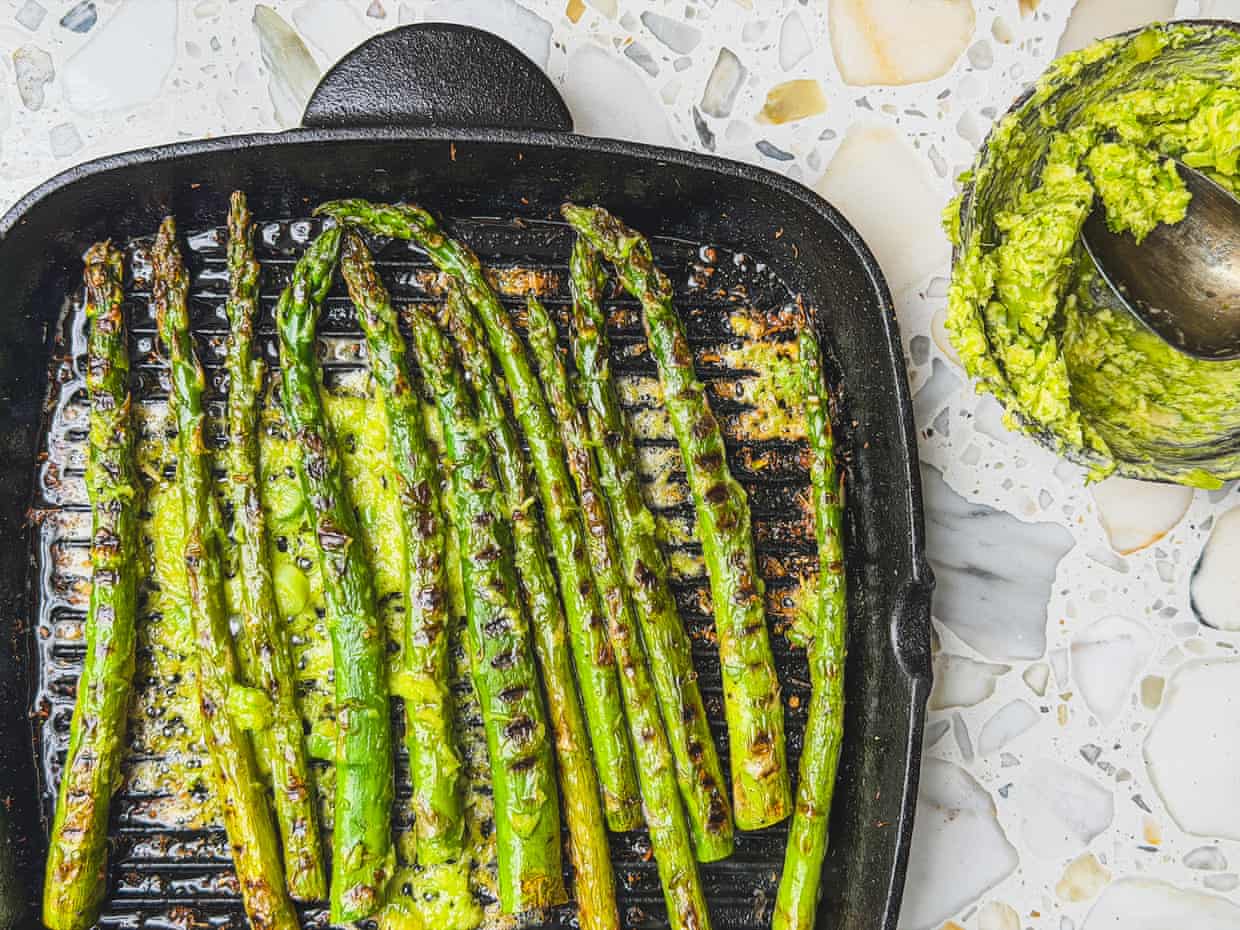
How to save asparagus trimmings from the food-waste bin – recipe | Waste not
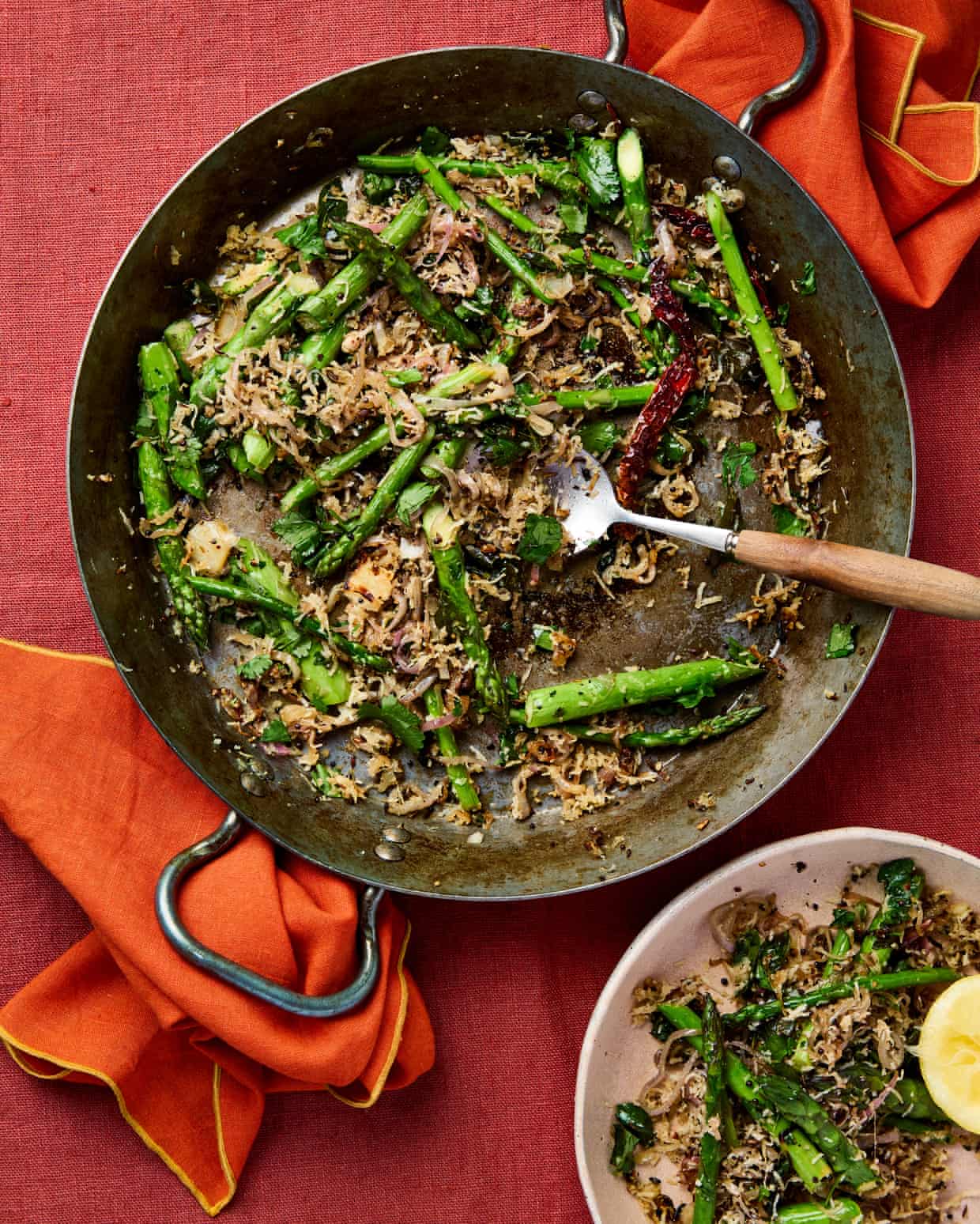
Thoran and chaat: Romy Gill’s Indian-style asparagus recipes
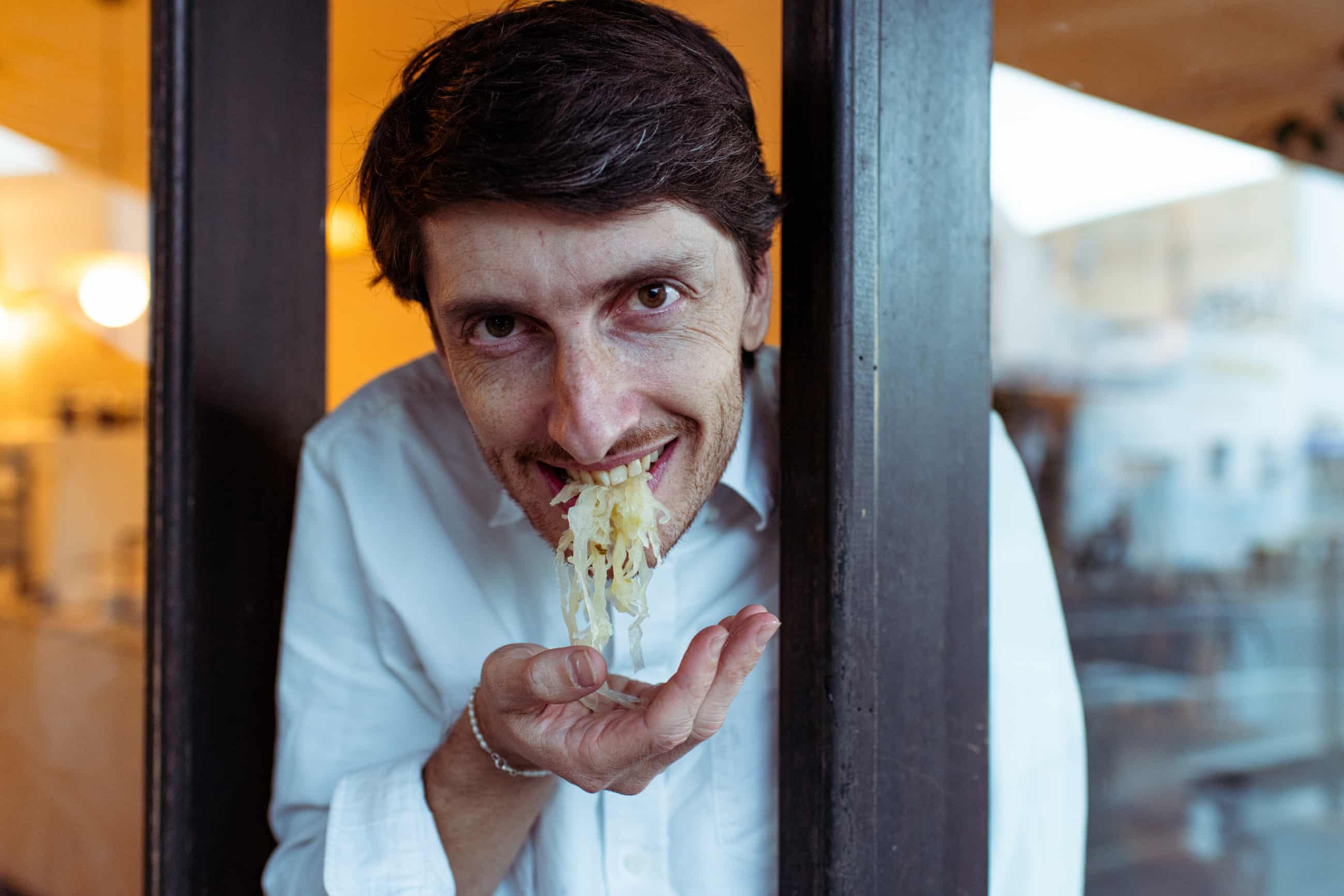
Australian supermarket sauerkraut taste test: one is ‘like eating the smell of McDonald’s pickle’
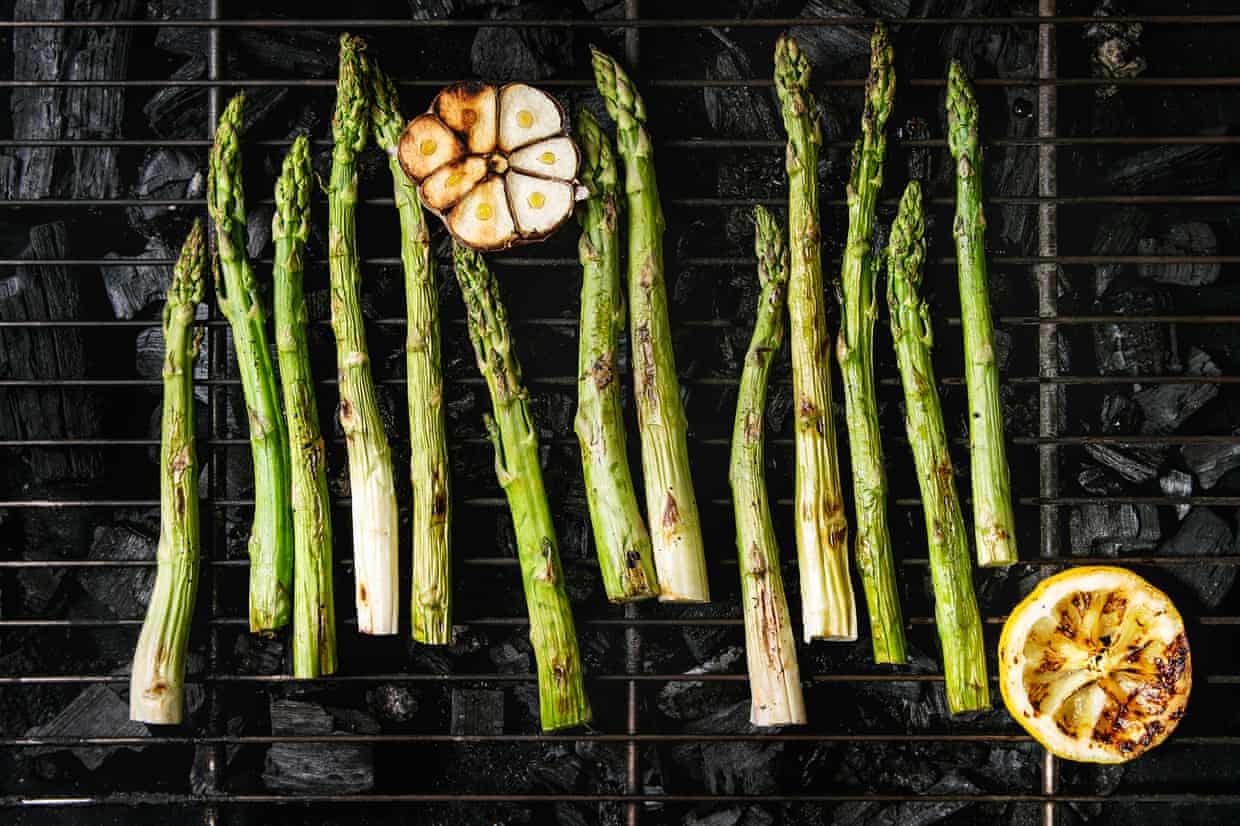
Fears for spears: how to cook asparagus without blanching | Kitchen aide
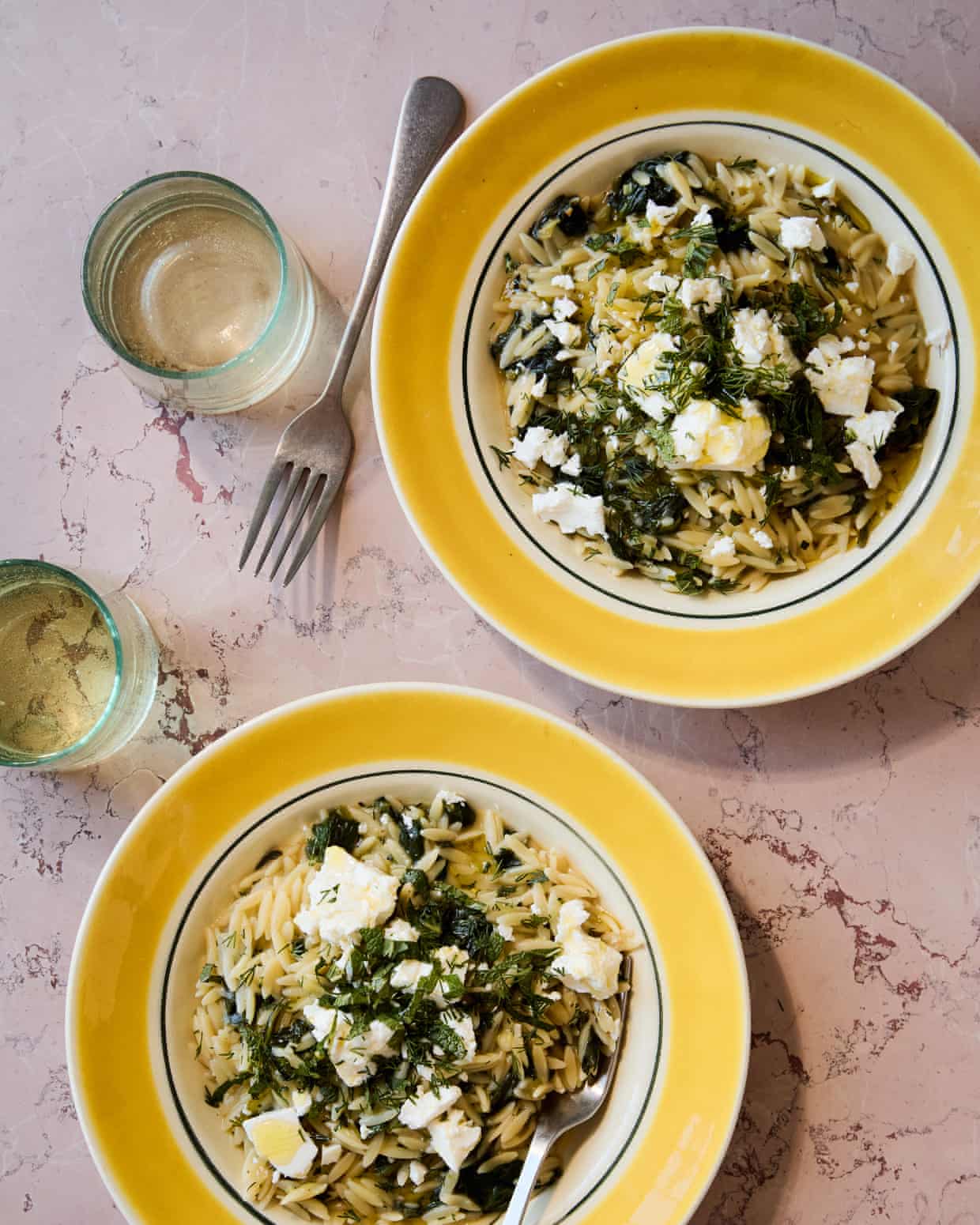
Georgina Hayden’s quick and easy recipe for spanakopita orzo | Quick and easy