Overseas political funding capped and crypto donations blocked in blow to Reform UK
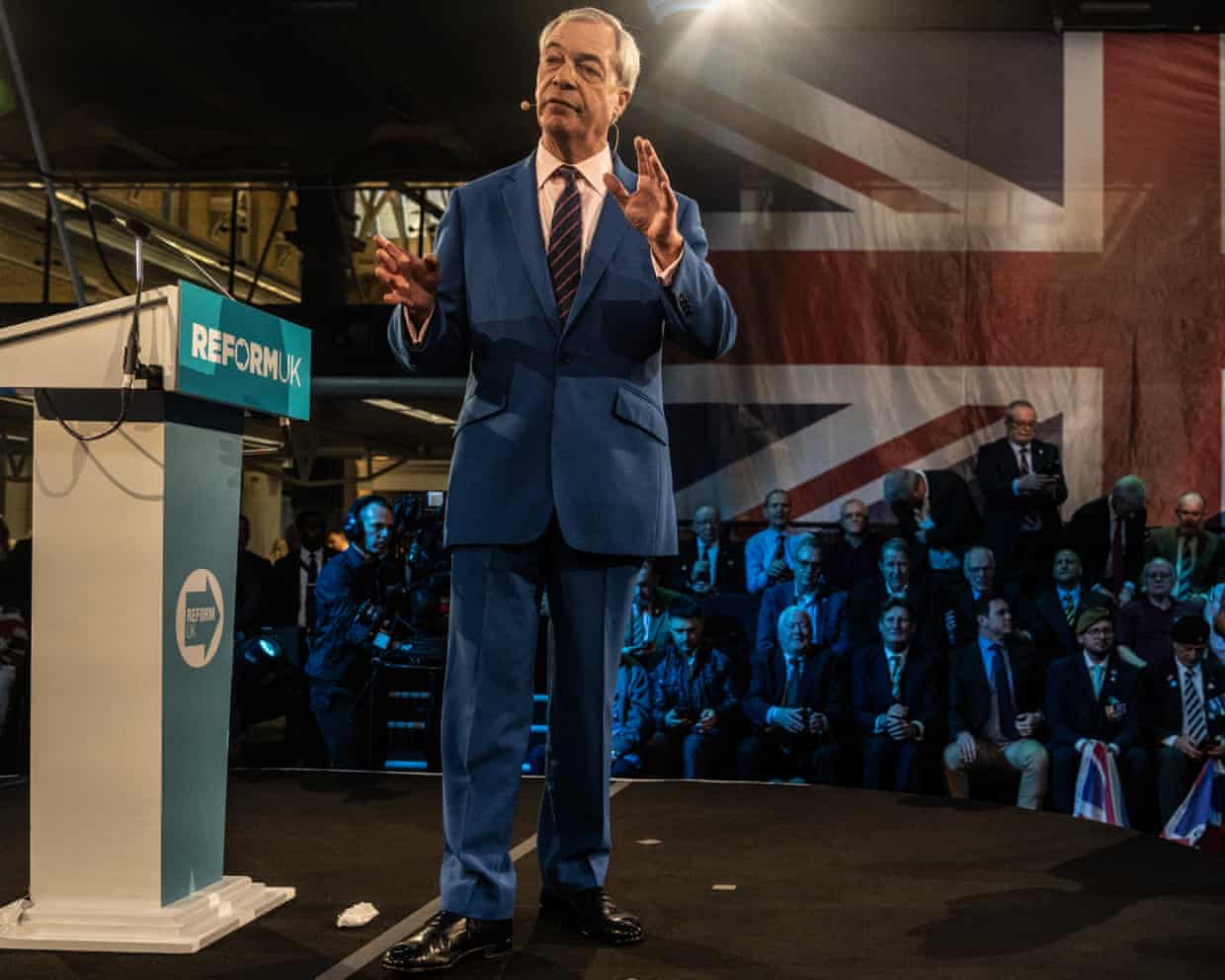
Keir Starmer is set to embark on a fundamental overhaul of the political finance system, starting with an emergency ban on cryptocurrency donations and £100,000 cap on donations from Britons living abroad in a blow to Reform UK,In a hugely significant move, the government said it would bring in the annual cap as well as a moratorium on crypto donations from Wednesday as part of its new elections legislation,It will also consider another 15 recommendations from an independent report by Sir Philip Rycroft, who said there is a risk of foreign influence on UK politics from Iran, Russia and China as well as allies such as the US,The decision is likely to curb future donations to Reform UK, which has received about £12m in the past year from Thailand-based investor Christopher Harborne and funding from some donors based in Monaco,Reform is also the only major political party to accept donations in cryptocurrency, with a website soliciting funding in digital assets.
The independent review by Rycroft, a former senior official, also suggested parliament should consider a cap on all individual donations “if it wishes to restore confidence in the political process and to keep big money out of UK politics”.He said this could be debated during the passage of the government’s representation of the people bill.Whitehall sources said the prospect of a wider cap would be examined as the government looks at all of Rycroft’s more formal recommendations, which also include more stringent checks on donors.Reform’s deputy leader, Richard Tice, accused the government of being “petrified” of his party, and said they would overturn it if in government.He told GB News: “The reality is everything they’re trying to do is to stop the incredible progress of Reform, and cryptocurrencies are a perfectly legitimate way of investing, of earning within the law.
“Once again, they’re putting a cap on donations from overseas electors, stopping crypto donations.We’ve got nothing to hide.It’s quite clear they’re absolutely petrified, terrified of the progress of Reform.”However, Steve Reed, the communities secretary, said the legislation would be applied retrospectively from Wednesday subject to parliamentary approval, as the move was urgently needed to protect UK democracy.He said he was “not prepared to allow any window of opportunity for malign actors” to interfere in the UK’s electoral system.
Speaking at prime minister’s questions, Starmer said the government will “act decisively to protect our democracy – that will include a moratorium on all political donations made through cryptocurrencies.”Unveiling his report, Rycroft said the actions were needed to prevent the risk of foreign interference in British politics, saying donations from abroad were more difficult to trace and regulate.He also said there was a question of fairness when overseas donors were not subject to the same tax requirements as UK residents, recommending an annual cap between £100,000 and £300,000.However, it later emerged that policing the residency requirement for the cap would be left to election officials at local councils, who decide whether a voter is “normally resident” in the UK for the purposes of their address on the electoral register.Whitehall sources said some details had yet to be worked out, including whether further guidance is needed on how to define whether someone is “normally resident” in the UK.
Rycroft’s report cited the threat of influence from hostile foreign states such as Russia, China and Iran as reasons why action was needed to overhaul the system, saying divisive internet commentary about Scottish independence had dropped when Iran’s internet blackout took place.The senior former official also highlighted the risk of influence by actors from allies such as the US, where the billionaire Elon Musk has floated the idea of trying to put money into British politics.Rycroft’s review was ordered by the government after the conviction of the former Reform UK politician Nathan Gill for accepting bribes from Russia-linked sources.In a foreword to his report, he said he was “not pressing the panic button but I am ringing the alarm bell” about the risk of foreign interference in the UK political system.Some of his advice is likely to be debated and enacted in the government’s new elections bill.
His other recommendations include:Requiring third-party campaigners to declare donations all year round, not just election periods, and allowing funding only from permissible donors.More stringent checks on the source of funds from political donors, bringing it more into line with know-your-customer checks in the financial services industry.Preventing donations from shell companies by ensuring funding is from post-tax profits rather than revenue.Requiring foreign consultant lobbyists to join the official register, from which they are currently exempt because they do not charge VAT.Banning foreign-funded political adverts.
Rycroft also suggested parliament should consider lowering the threshold for requiring parties to declare donations, which is set at £11,180, meaning sums below this level are kept private,He made further suggestions that the government could look at the influence of foreign-based betting shifting the odds on political gambling markets and the risk of foreign actors releasing biased polling to sway the electorate at critical moments in the democratic cycle,On the suggested cap on donations from overseas British voters, the report said tracing the source of such funds was more complex than for domestic donations,It said the “investigatory route is more complex for the Electoral Commission and other authorities if malfeasance is suspected” and that those who had chosen to minimise their contribution to the UK exchequer could make “gamechanging donations to British politics”,On crypto donations, Rycroft said he did not think a full ban was necessary but that he was recommending a moratorium to allow the regulators to catch up, as “there is a risk that crypto assets are used as a vehicle to channel in foreign money”.
He advised that the temporary ban should apply to all levels of donations in crypto and end only once parliament and the Electoral Commission were sure the rules were effective.The new measures were welcomed by transparency campaigners but they urged the prime minister to consider even more fundamental reforms to prevent the dominance of wealthy donors in political funding as part of the elections bill.Dr Susan Hawley, executive director of Spotlight on Corruption said the Rycroft review “should be a line in the sand for UK politics”.“It lays bare what’s long been obvious - our politics is too exposed to the huge risks of undue influence of wealthy donors and foreign interference.She added: “There is widespread appetite for reducing the amount of money in election campaigns and action must be taken in the government’s elections bill.
”Duncan Hames, director of policy, transparencyinternational UK also described the report as “clear-eyed about the scale of the threat and his recommendations to tighten the rules deserve to be adopted through the representation of the people bill”.“But even Rycroft acknowledges that his remit didn’t extend to the most fundamental question – whether to cap how much any single donor can give.He recognises that unlimited donations are driving an arms race for funds and invites parliament to debate this during the bill’s passage.Parliament should take him up on that,” he said.Phil Brickell, the Labour MP who leads the all party group on anti-corruption, called for an outright ban on crypto donations.
“Let’s be clear here – foreign interference in our politics is a genuine threat, and one which the government is taking seriously after previous administrations took their eye off the ball.“In particular, as the Rycroft review lays bare, cryptocurrency donations present an unacceptable risk of foreign interference.A moratorium is a welcome first step, but ultimately such donations are a solution in search of a problem, and it is my view that they should be banned outright.”

Two salon owners wanted to go zero-waste. Could they do it and keep their business afloat?
Scisters Salon & Apothecary in the San Diego area is committed to sustainable beauty and going low-wasteThe first thing you notice when you walk into Scisters Salon & Apothecary is what isn’t there. No wall of glossy plastic bottles promising “repair” or “shine”. No sharp chemical tang or aerosol haze. The only trash can is a tiny basket that mostly collects coffee cups and gum wrappers clients bring from home.Instead, the shelves of this southern California salon are lined with large refill containers of shampoo and conditioner, houseplants dot the space, hair clippings are swept away for compost, and the air carries a trace of bergamot and vanilla
Ministers vow to spend record £8.4bn on road maintenance in England
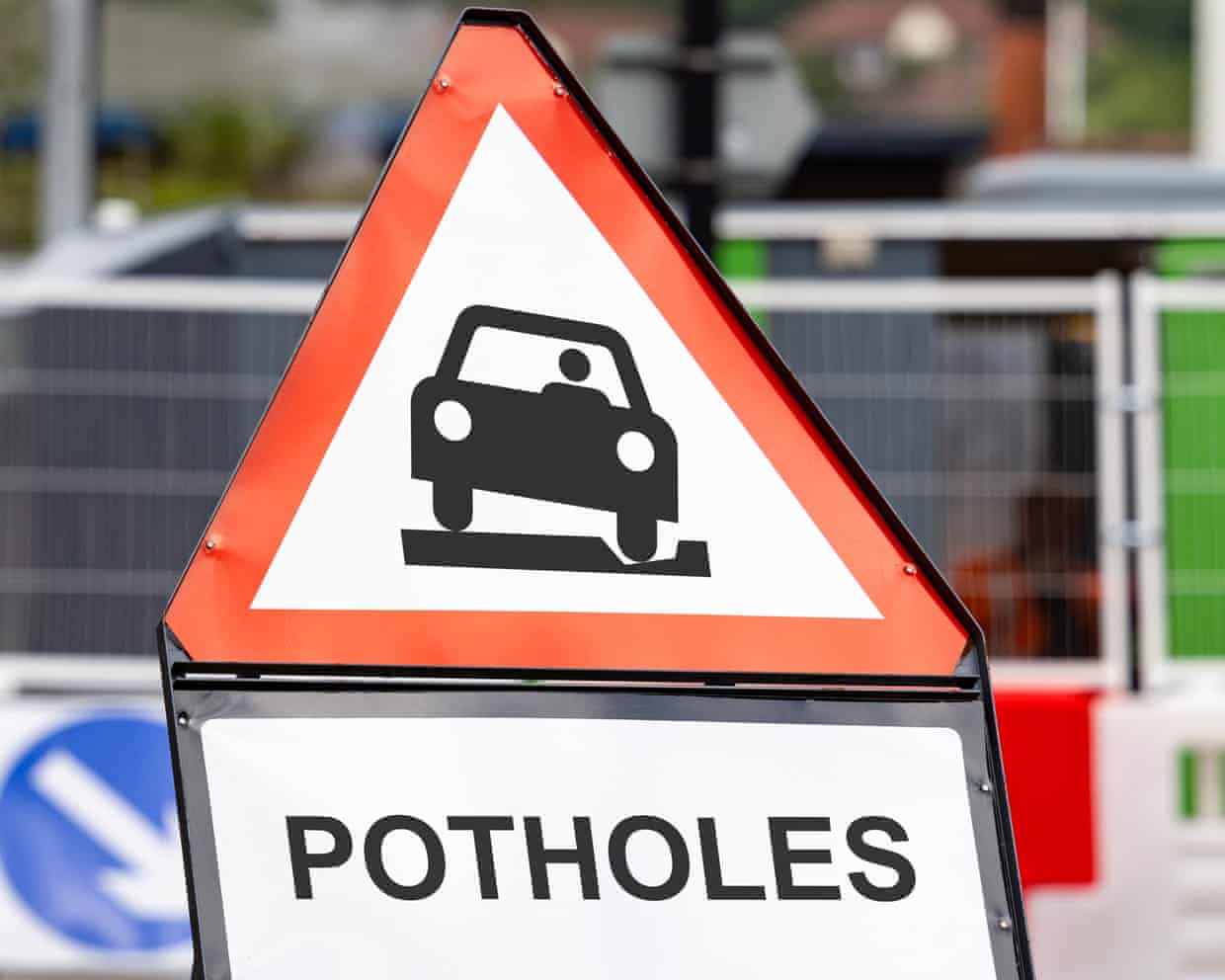
Ministers have pledged to spend record amounts on road maintenance as part of a £27bn five-year investment plan for England’s major roads and motorways.The government said it was aiming to “fix the foundations” with almost a third, £8.4bn, of the spending going on maintenance, including resurfacing a quarter of England’s strategic road network.However, campaigners said the plan – the government’s third road investment strategy, known as RIS3 – was still building needless new roads, with funding approved for 16 schemes.That includes £1

Ticketmaster quietly raised other fees after US crackdown on hidden charges
Following a wave of regulations banning the surprise fees that appear at the end of a transaction, Ticketmaster stopped charging the extra few dollars it added to each order at checkout. Typically shared with the venue, the order processing fee was a boon to a global platform that sells hundreds of millions of tickets a year.But documents obtained by the Guardian show that while Ticketmaster eliminated this fee to comply with the rules, the company simply raised the cost of different fees in a number of its venues to ensure it didn’t lose money.“To account for the loss of order processing revenue, we must adjust fees to offset the revenue loss,” Ticketmaster wrote in an email to the Findlay Toyota Center in Arizona last year. The venue eliminated a $6 order processing fee, but raised the service fee on each ticket by $2 instead
Co-op boss quits after year marked by cyber-attack and claims of ‘toxic’ culture
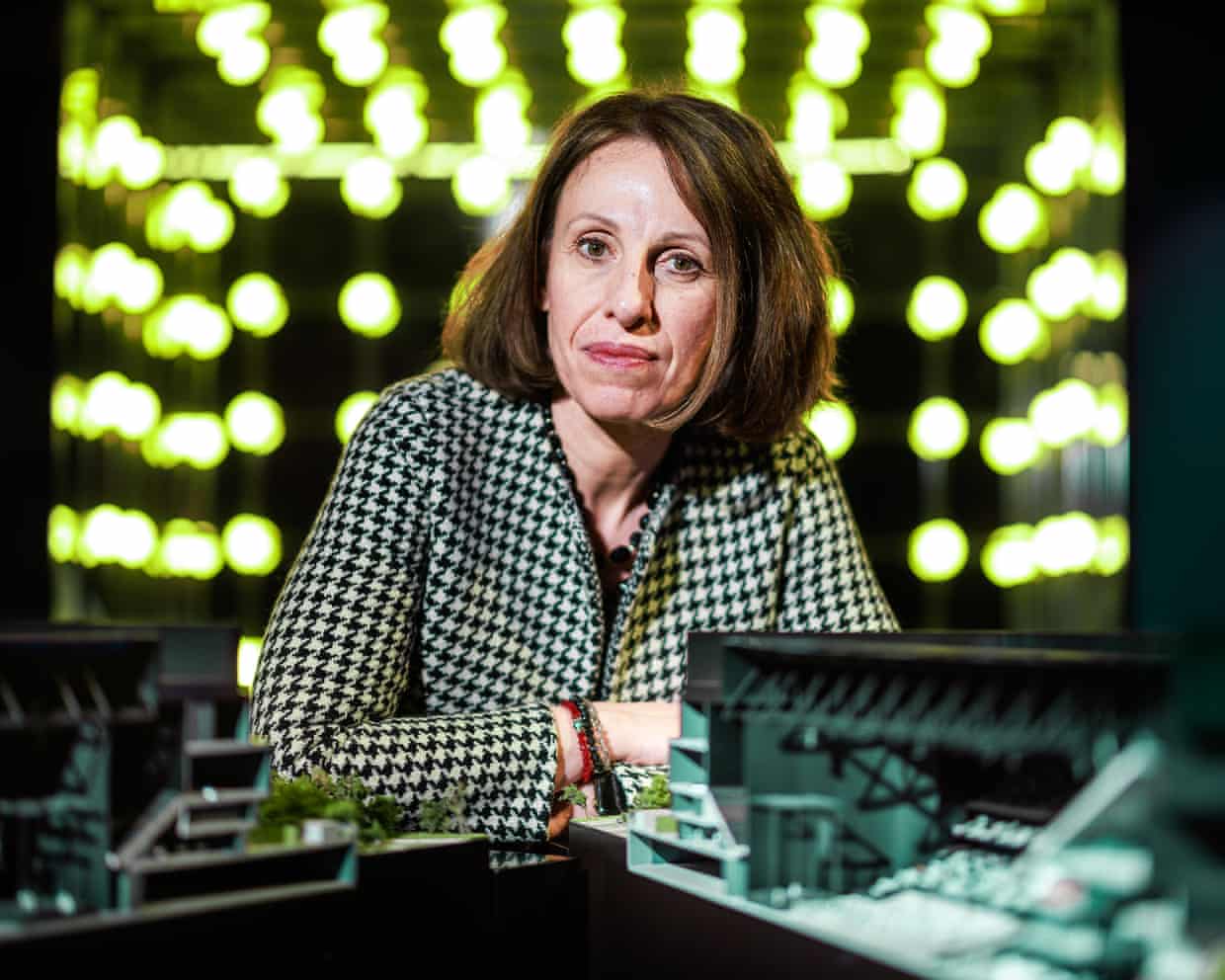
The Co-op Group has announced that its chief executive will step down this weekend after a difficult year that included a cyber-attack and recent claims of a “toxic” culture at the business.Shirine Khoury-Haq will depart on 29 March and Kate Allum, a board member and former boss of the dairy group First Milk, will step in as interim boss while a permanent replacement is sought.News of the exit came as the company, which owns more than 800 funeral parlours and an insurance and legal advisory business, as well as operating more than 2,000 convenience stores, dived to an underlying loss of £125m.The drop from a £45m profit the year before came after it took a £107m profits hit from the damaging IT hack, which forced it to shut down some systems.On Thursday, Khoury-Haq denied that her resignation was linked to the allegations of a toxic culture
Australian growth forecasts slashed as global economy faces inflation spike
The world economy is on the brink of a major inflationary spike as soaring fuel prices threaten growth in European and Asian nations, the OECD has warned, and local economists are slashing Australia’s growth prospects for this year and the next amid the ongoing US-Israel attack on Iran.The Organisation for Economic Cooperation and Development’s latest interim outlook said the US-Israel war on Iran will “test the resilience of the global economy” and warned of the “significant downside risk” to their forecasts should the oil supply disruptions prove more persistent and push energy prices even higher.The Paris-based organisation predicted inflation across G20 countries would reach 4% through 2026, or 1.2 percentage points higher than anticipated in December and before the US-Israeli bombing of Iran led to the closure of the strait of Hormuz.The OECD downgraded growth across the Euro area countries, the UK and South Korea by 0
Middle East conflict will damage UK’s economy ‘more than any other’
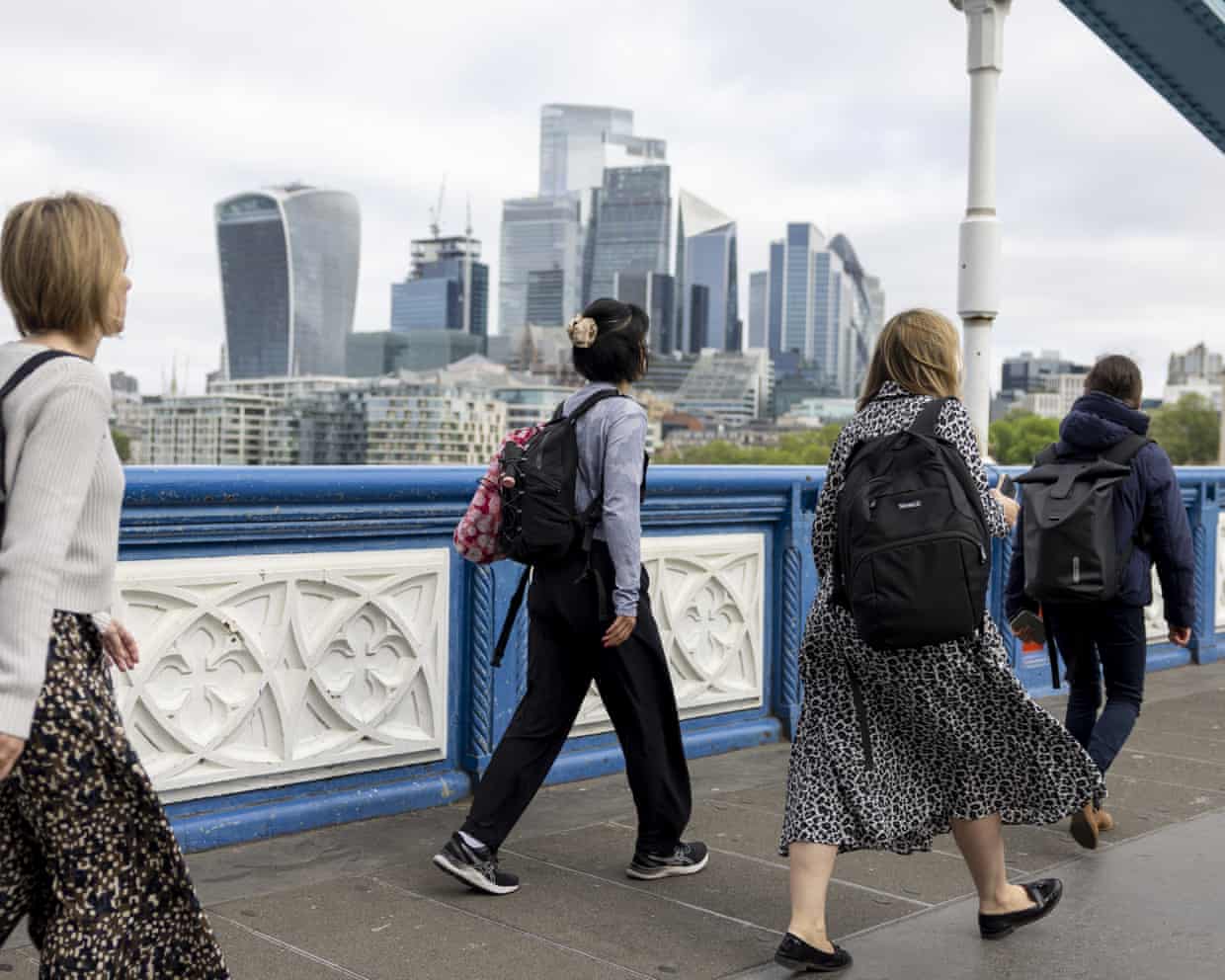
The conflict in the Middle East will damage the UK’s economy more than any other industrialised nation, according to analysis by the Organisation for Economic Cooperation and Development (OECD), which warned over rising inflation.In the first major assessment by a leading international thinktank of the economic impact from the attack on Iran, the OECD said the UK economy would grow by just 0.7% this year, compared with its last forecast, made in December, of 1.2% for 2026.Illustrating the UK’s dependence on international trade and imports of fuel, the OECD said it had downgraded the UK’s growth in 2026 because it was likely to suffer higher inflation than previously expected
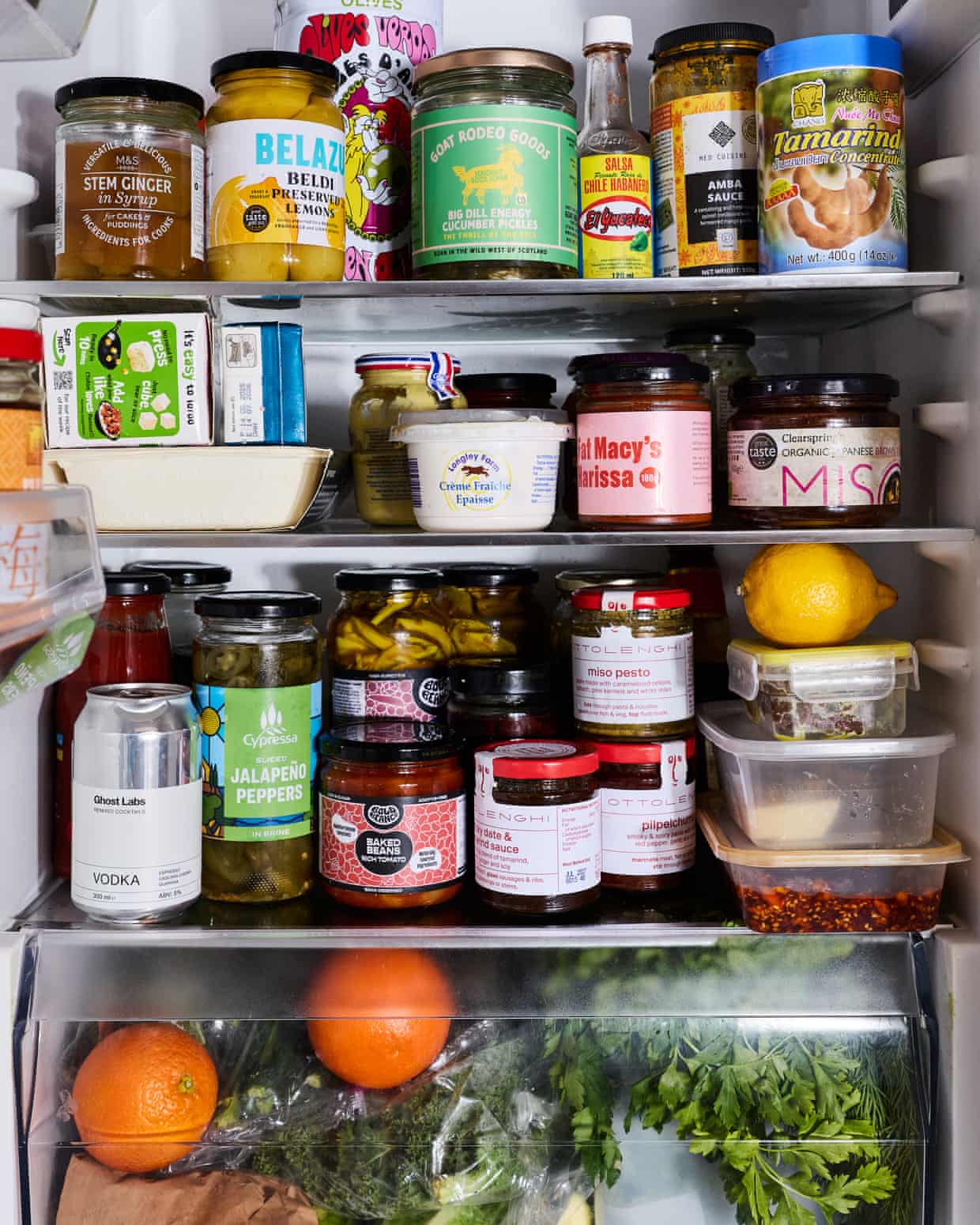
Sauces, spreads, sprinkles – and cocktail in a can: whose fridge is this?

Rachel Roddy’s recipe for potato, aubergine and herb tortino alla fiorentina
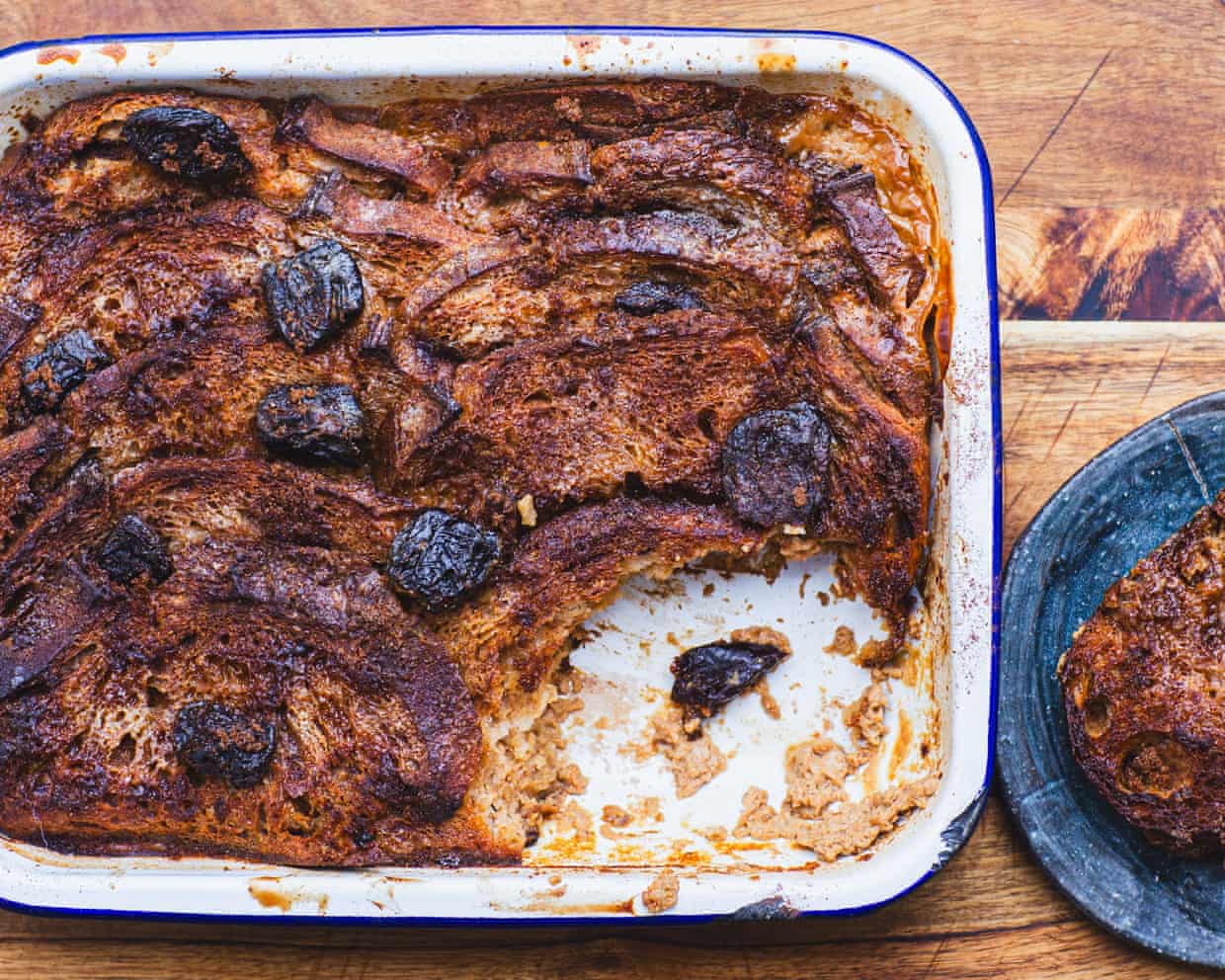
How to turn old sourdough into a classic pudding – recipe | Waste not

Fresh start: Hetty Lui McKinnon’s recipes to celebrate spring

Kurdish kitchens, baked bean alaska and Mexican soul: the best spring cookbooks for 2026 – review

‘Truly vile’: the UK’s 25 best (and worst) novelty hot cross buns – tested!