Australian growth forecasts slashed as global economy faces inflation spike
The world economy is on the brink of a major inflationary spike as soaring fuel prices threaten growth in European and Asian nations, the OECD has warned, and local economists are slashing Australia’s growth prospects for this year and the next amid the ongoing US-Israel attack on Iran.The Organisation for Economic Cooperation and Development’s latest interim outlook said the US-Israel war on Iran will “test the resilience of the global economy” and warned of the “significant downside risk” to their forecasts should the oil supply disruptions prove more persistent and push energy prices even higher.The Paris-based organisation predicted inflation across G20 countries would reach 4% through 2026, or 1.2 percentage points higher than anticipated in December and before the US-Israeli bombing of Iran led to the closure of the strait of Hormuz.The OECD downgraded growth across the Euro area countries, the UK and South Korea by 0.
4% to 0.5% for this year, versus its December forecasts.Energy exporters, including the US and Australia, would be less affected.The international crude oil benchmark was trading at $US104 a barrel in late Thursday trade, to be up more than $US40, or 70%, since the start of this year.The energy price shock has squashed this year’s anticipated boost to global growth from the artificial intelligence investment boom, the OECD said.
“Longer-lasting closure of oil and gas production facilities in the region with damage to critical infrastructure or persisting disruptions to exports through the strait of Hormuz would be likely to have more significant adverse consequences than currently priced into world markets,” the report said.Adelaide Timbrell, a senior economist at ANZ, said higher oil prices and climbing interest rates would be a blow to Australia’s growth in this year and the next.Timbrell said Australia’s growth rate would drop to 1.3% in 2026, or 0.5 percentage points lower than anticipated in February and only half of last year’s growth.
The effect of the Iran war on the economy would linger into 2027, with ANZ forecasting 1.8% growth in real GDP for next year: a “material downward revision” from the 2.2% predicted before the outbreak of the war.Inflation would reach 4.9% by June – versus a previous forecast of 3.
8% – and would end the year at a high 4.5%, instead of 3.4%.All of these forecasts assumed that energy prices would retrace some of their gains over the back half of this year, and assume that “Australia’s fuel supply is sufficient to avoid mandatory rationing or widespread supply disruptions”, Timbrell said.The chief economist at Barrenjoey, Jo Masters, said “it’s an inflation shock and a growth shock, but in the first instance it’s an inflation shock”.
Masters said households, at least in aggregate, were in “pretty good shape”,“The savings rate is about $30bn a year higher than average and Australians have been making additional mortgage payments,“People will feel like their life is not as good but they do have some buffers,”The lead partner at Deloitte Access Economics, Pradeep Philip, said it had become clearer that Australia was about to face a difficult period,“You can see the trajectory of unemployment going up and inflation going up; that trajectory is more visible now,” he said.
Despite the size of the oil supply shock, Philip said the country was not in the throes of 1970s-style stagflation, when inflation and unemployment hit double digits,“But people will feel the pressure of rising prices more than the official numbers would suggest, because some of the things they see every day will go up in price: petrol at the bowser, transport, food,”

Creator of AI actor Tilly Norwood says she received death threats over project
The creator of the AI actor Tilly Norwood has said she received death threats after a global backlash against the project, and said she developed it to “provoke thoughts and discussion” about the impact of AI in the entertainment world.Eline van der Velden caused anger and panic in Hollywood and beyond last year after she said talent agents had been interested in signing her creation. Prominent actors and acting unions immediately condemned the idea.In an interview with the Guardian, Van der Velden said she had been prepared for a backlash against the provocative idea of AI performers. However, she said she was “quite shocked by the vitriol” that followed
Charity Commission warns Alan Turing Institute of its legal duties after complaints
The board of the UK’s leading AI research institute has been reminded of its legal duties in areas such as financial oversight and managing organisational change by the charity watchdog after a whistleblower complaint.The Charity Commission issued formal regulatory advice and guidance to trustees at the Alan Turing Institute (ATI), the organisation’s board, after it was contacted by a group of staff with a list of concerns.The commission told ATI it was closing the case and was not launching a statutory inquiry – a formal investigation. However, the watchdog said if there was evidence of trustees ignoring its advice, it could resume contact with the institute.The commission launched a compliance case related to ATI after receiving the complaint last summer
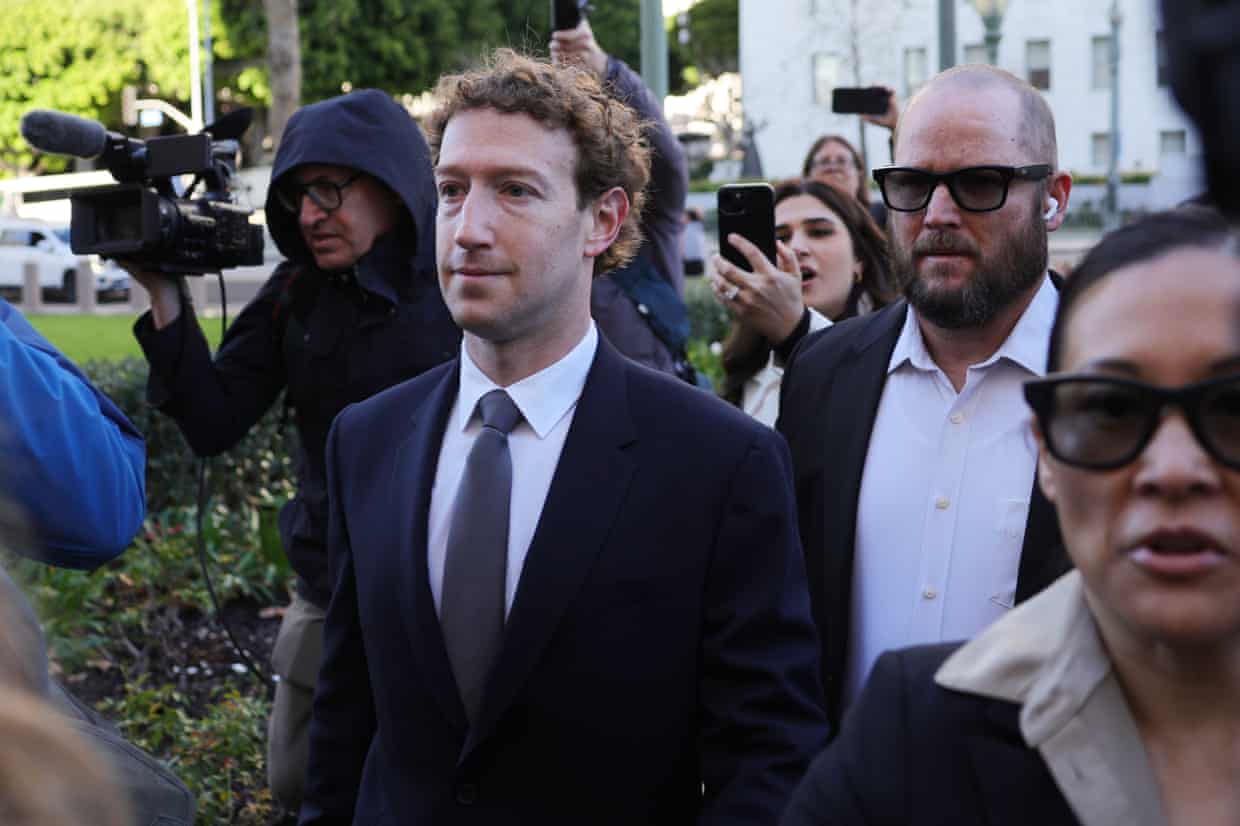
Meta and YouTube designed addictive products that harmed young people, jury finds
Meta and YouTube have been found liable for deliberately designing addictive products that hooked a young user and led to her being harmed, a jury ruled on Wednesday. Jurors found the tech companies to be both negligent and having failed to provide adequate warnings about the potential dangers of their products.The jury awarded the plaintiff in the case damages of $6m, with Meta to pay 70% and YouTube the remainder. It took nearly nine days of deliberations for the Los Angeles jury to reach its verdict. This lawsuit, over social media’s alleged harm to young people, was the first of its kind to go to trial

Record investment in quantum computing talent | Letter
Dr Simon Williams (Letters, 19 March) writes that ambition in quantum computing cannot succeed without sustained investment in people and fundamental science. He is correct on that point, but wrong to say that UK’s investment plans risk losing quantum computing talent.The UK’s advantageous position in quantum has only emerged through sustained long-term public investment from UK Research and Innovation (UKRI) and partners into fundamental physics research projects, and the best people, infrastructure and partnerships. It is through this that the UK is poised to reap the benefits of the quantum revolution.In the last 10 years, UKRI’s councils have made investments in physics research, supporting hundreds of academics and building the foundation for where we are today
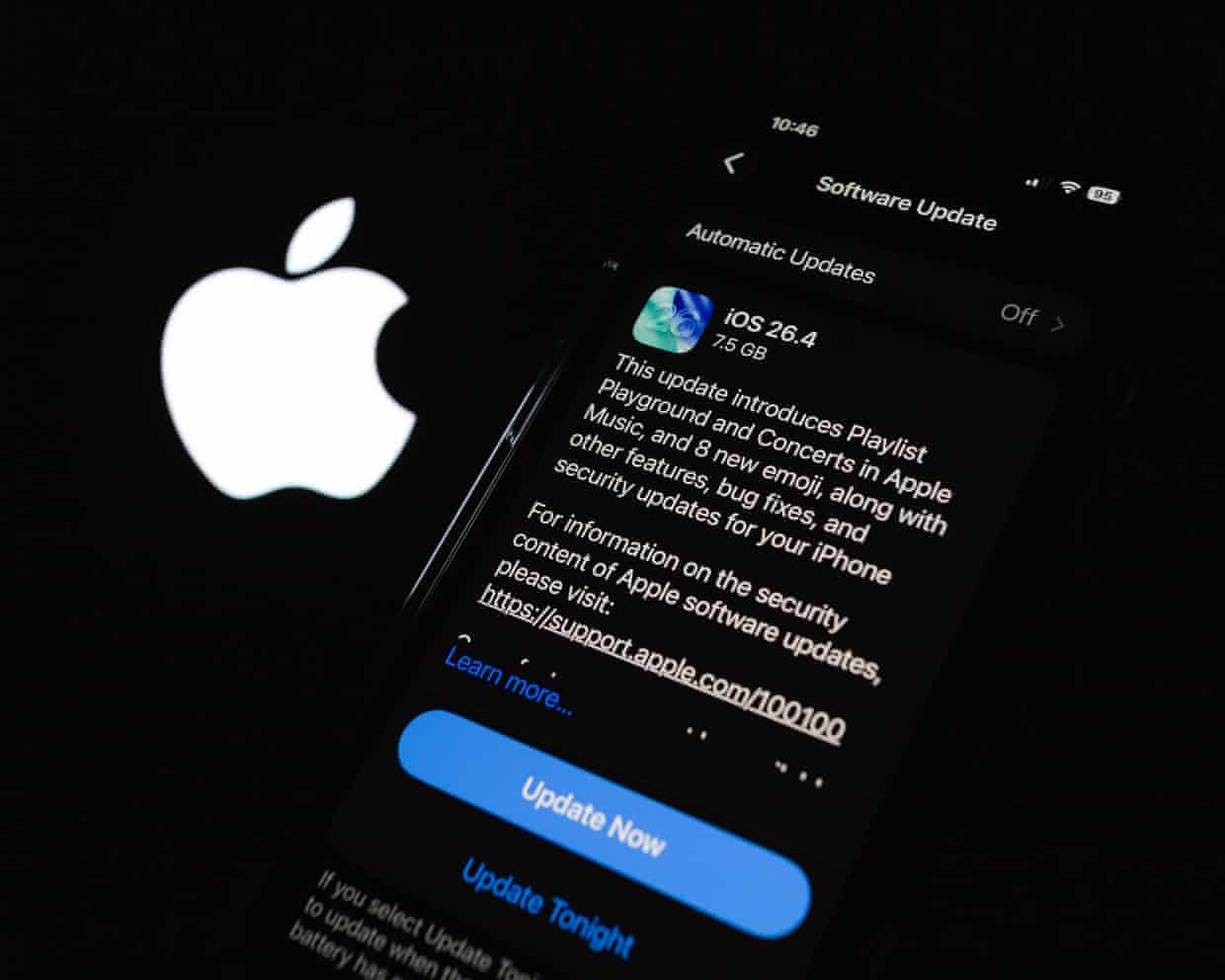
UK iPhone users face over-18 age check to use services after update
Millions of Apple iPhone customers in the UK will now have to confirm they are 18 or older to use all available services, including by showing a credit card or by scanning an ID.The move, believed to be a first for a European market, comes amid pressure on tech companies from the government to do more to protect children online.The new requirement will be included in a software update. It was welcomed by Ofcom, the online regulator, which called it “a real win for children and families” and said it was part of a wider drive to “keep young people away from harmful content”.However, some users complained that it raised concerns about the privacy of the information that is uploaded to prove age

What are the rules on cryptocurrency donations to UK political parties?
Ministers are introducing a temporary ban in cryptocurrency donations following an official review.Philip Rycroft, a former senior civil servant, made the recommendation as part of a review into countering foreign financial influence and interference in UK politics.Rycroft said the moratorium would allow regulators to catch up, although a full ban was not deemed necessary. Nonetheless, “there is a risk that crypto assets are used as a vehicle to channel in foreign money”, he said.Donations of crypto assets – such as bitcoin, stablecoins and non-fungible tokens – to political parties are not illegal, although the moratorium will put these on hold

The Middle East price shock hasn’t hit Next – yet | Nils Pratley

NS&I chief executive replaced in ‘fresh start’ over missing savings crisis; bad day for markets – as it happened
New York City hospitals drop Palantir as controversial AI firm expands in UK

Brussels opens investigation into Snapchat amid concern over children’s safety

Sinner continues smooth Miami progress with win over Tiafoe as rivals fall
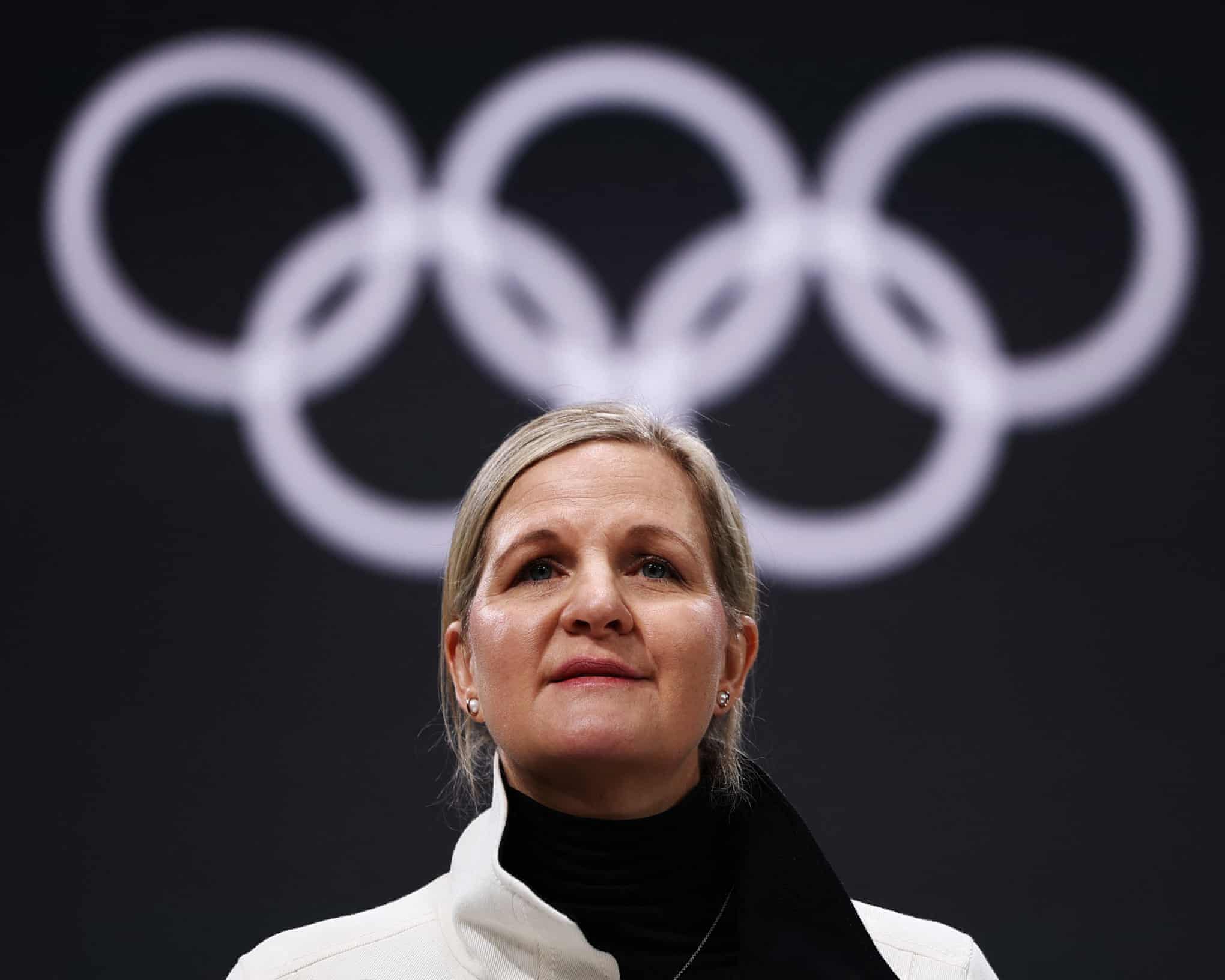
From Laurel Hubbard to sex testing in five years: why the Olympics U-turned on transgender rules | Sean Ingle