
H
business
H
HOYONEWS
HomeBusinessTechnologySportPolitics
Others
  • Food
  • Culture
  • Society
Contact
Home
Business
Technology
Sport
Politics

Food

Culture

Society

Contact
Facebook page
H
HOYONEWS

Company

business
technology
sport
politics
food
culture
society

© 2025 Hoyonews™. All Rights Reserved.
Facebook page
technologySee all
A picture

Creator of AI actor Tilly Norwood says she received death threats over project

The creator of the AI actor Tilly Norwood has said she received death threats after a global backlash against the project, and said she developed it to “provoke thoughts and discussion” about the impact of AI in the entertainment world.Eline van der Velden caused anger and panic in Hollywood and beyond last year after she said talent agents had been interested in signing her creation. Prominent actors and acting unions immediately condemned the idea.In an interview with the Guardian, Van der Velden said she had been prepared for a backlash against the provocative idea of AI performers. However, she said she was “quite shocked by the vitriol” that followed

about 10 hours ago
A picture

Charity Commission warns Alan Turing Institute of its legal duties after complaints

The board of the UK’s leading AI research institute has been reminded of its legal duties in areas such as financial oversight and managing organisational change by the charity watchdog after a whistleblower complaint.The Charity Commission issued formal regulatory advice and guidance to trustees at the Alan Turing Institute (ATI), the organisation’s board, after it was contacted by a group of staff with a list of concerns.The commission told ATI it was closing the case and was not launching a statutory inquiry – a formal investigation. However, the watchdog said if there was evidence of trustees ignoring its advice, it could resume contact with the institute.The commission launched a compliance case related to ATI after receiving the complaint last summer

about 16 hours ago
A picture

Meta and YouTube designed addictive products that harmed young people, jury finds

Meta and YouTube have been found liable for deliberately designing addictive products that hooked a young user and led to her being harmed, a jury ruled on Wednesday. Jurors found the tech companies to be both negligent and having failed to provide adequate warnings about the potential dangers of their products.The jury awarded the plaintiff in the case damages of $6m, with Meta to pay 70% and YouTube the remainder. It took nearly nine days of deliberations for the Los Angeles jury to reach its verdict. This lawsuit, over social media’s alleged harm to young people, was the first of its kind to go to trial

1 day ago
A picture

Record investment in quantum computing talent | Letter

Dr Simon Williams (Letters, 19 March) writes that ambition in quantum computing cannot succeed without sustained investment in people and fundamental science. He is correct on that point, but wrong to say that UK’s investment plans risk losing quantum computing talent.The UK’s advantageous position in quantum has only emerged through sustained long-term public investment from UK Research and Innovation (UKRI) and partners into fundamental physics research projects, and the best people, infrastructure and partnerships. It is through this that the UK is poised to reap the benefits of the quantum revolution.In the last 10 years, UKRI’s councils have made investments in physics research, supporting hundreds of academics and building the foundation for where we are today

1 day ago
A picture

UK iPhone users face over-18 age check to use services after update

Millions of Apple iPhone customers in the UK will now have to confirm they are 18 or older to use all available services, including by showing a credit card or by scanning an ID.The move, believed to be a first for a European market, comes amid pressure on tech companies from the government to do more to protect children online.The new requirement will be included in a software update. It was welcomed by Ofcom, the online regulator, which called it “a real win for children and families” and said it was part of a wider drive to “keep young people away from harmful content”.However, some users complained that it raised concerns about the privacy of the information that is uploaded to prove age

1 day ago
A picture

What are the rules on cryptocurrency donations to UK political parties?

Ministers are introducing a temporary ban in cryptocurrency donations following an official review.Philip Rycroft, a former senior civil servant, made the recommendation as part of a review into countering foreign financial influence and interference in UK politics.Rycroft said the moratorium would allow regulators to catch up, although a full ban was not deemed necessary. Nonetheless, “there is a risk that crypto assets are used as a vehicle to channel in foreign money”, he said.Donations of crypto assets – such as bitcoin, stablecoins and non-fungible tokens – to political parties are not illegal, although the moratorium will put these on hold

1 day ago
cultureSee all
A picture

Jon Stewart on Donald Trump’s Iran lies: ‘Our Supreme Misleader’

2 days ago
A picture

Who’s Afraid of Virginia Woolf? at 60: Elizabeth Taylor still crackles with feral energy

2 days ago
A picture

Punk masks, Walkmans and Choppers: Museum of Youth Culture to open in London

3 days ago
A picture

‘Audiences told us we didn’t show enough teacher sex’: how we made Waterloo Road
3 days ago
A picture

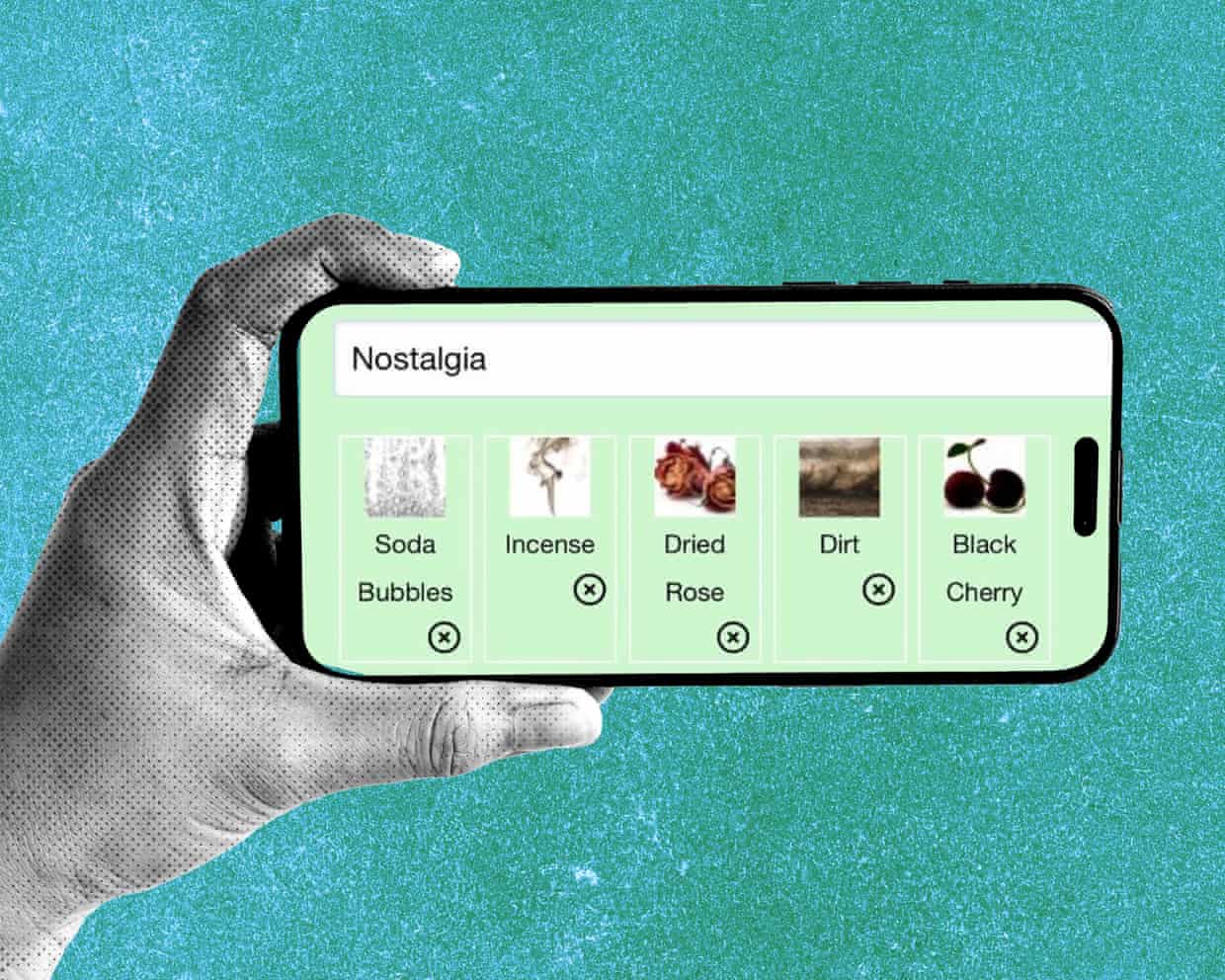
What does loneliness smell like? Inside the strangely soothing world of fragrance TikTok

4 days ago
A picture

‘On the threshold of a new age’: inside the New Museum’s $82m expansion and landmark new exhibition in New York
5 days ago

Two salon owners wanted to go zero-waste. Could they do it and keep their business afloat?

about 7 hours ago
A picture


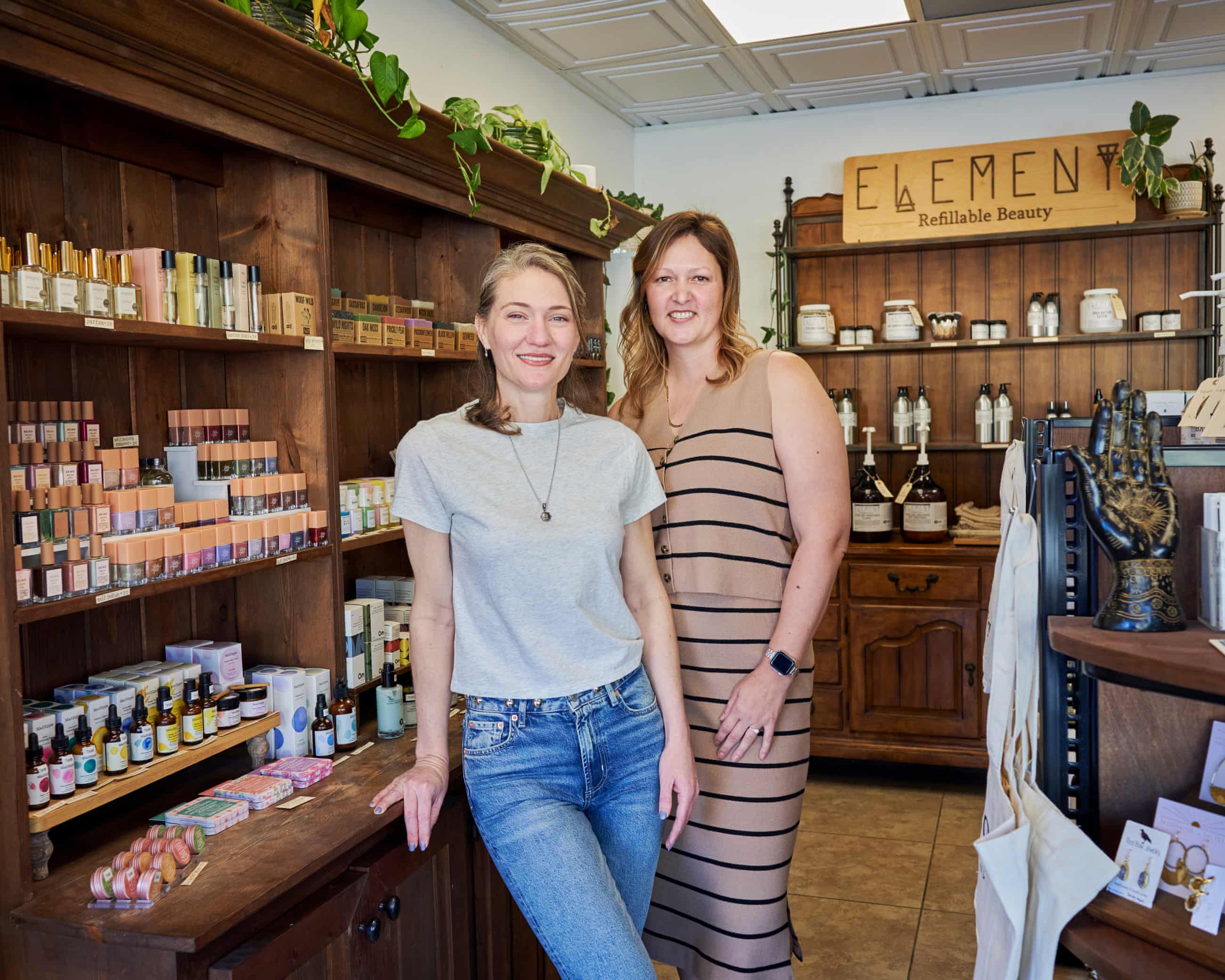
Scisters Salon & Apothecary in the San Diego area is committed to sustainable beauty and going low-wasteThe first thing you notice when you walk into Scisters Salon & Apothecary is what isn’t there.No wall of glossy plastic bottles promising “repair” or “shine”.No sharp chemical tang or aerosol haze.The only trash can is a tiny basket that mostly collects coffee cups and gum wrappers clients bring from home.Instead, the shelves of this southern California salon are lined with large refill containers of shampoo and conditioner, houseplants dot the space, hair clippings are swept away for compost, and the air carries a trace of bergamot and vanilla.

“It’s the smell people comment on straight away,” says co-founder Melissa Parker,“They walk in and say: ‘It smells good in here,’ That never happens in a conventional salon,”Parker and her co-founder Easton Basjec opened Scisters 15 years ago in a strip mall in La Mesa, about 9 miles east of San Diego,Since then, they’ve built it into one of the region’s most prominent low-waste salons, diverting, they say, up to 99% of its refuse from landfills.

The beauty sector is a dirty business.Salons in North America send an estimated 63,000lbs of hair to landfills every day, along with hundreds of tons of used foil and leftover hair dyes, according to Green Circle Salons, a Canadian recycling and recovery organization.On top of that, many products used in salons contain chemicals like formaldehyde and lye that carry potential health risks.But Parker and Bajsec have staked their business on the idea that beauty doesn’t have to come at the expense of the planet – or the people in the salon.The two business partners, both native to San Diego’s East county, met while working at another salon before attending business school together at a local community college.

In 2010, they opened their own seven-chair salon and named it Scisters in a nod to their close friendship.For years, the business – which has seven employees and serves up to 22 customers a day – operated much like any other boutique salon, carrying more than 150 products from a large corporate brand and offering the full range of services.Parker said they gravitated toward products that were marketed as sustainable – from companies that pledged to plant trees or donate to charity with each purpose.“We always had the planet in mind,” she says.“But never to the extent that it is now.

”The turning point came several years later, after Bajsec watched a documentary about the zero-waste movement and began questioning the beauty industry’s environmental footprint.Around the same time, Parker developed serious health problems that her doctors linked to prolonged exposure to salon chemicals.Several studies have found that hairdressers’ exposure to harmful chemicals such as formaldehyde, ammonia and sulfates puts them at a higher risk of asthma, skin conditions, reproductive illnesses and cancer.Eventually, a naturopath warned Parker she might have to stop working as a hairstylist, a prospect she found “terrifying”.But rather than walk away from the beauty business altogether, Parker and Bajsec set out to transform their salon.

First they took a hard look at the services they provided and products they carried.They stopped offering perms because the treatments release formaldehyde, a carcinogen.And they decided to move away from the big-name shampoos and conditioners they’d been selling – despite the green marketing, the products were delivered in plastic bottles and many still contained chemicals that Parker and Bajsec wanted to avoid.They explored other products on the market, but none met their standards for performance, ingredient transparency and waste reduction.“We knew that if we switched to products that didn’t perform as well, we risked losing clients,” Parker says.

The pair enrolled in online formulation design courses and developed their own line.The process took years, Bajsec says.“Stability testing, packaging, preservatives – we had no idea how complex it was.”Element, which they launched in 2019, is made in a California lab and sold in refillable glass and aluminum containers.It boasts recognizable ingredients such as organic aloe, wheat protein and castor oil.

Parker and Bajsec encourage customers to use the salon’s “jar library” – a collection of donated and sanitized pasta sauce or salsa jars – to purchase refills,In addition to the refill program, the stylists rethought their waste stream in other ways,“I spoke with the local waste company and convinced them to accept hair scraps for composting,” Bajsec says,(Researchers have explored other uses for recovered hair clippings, including as cleanup mats for oil spills and as an ingredient in alternative wood-based sheet material,)She and Parker started washing and recycling foils rather than sending them to the dump.

Instead of waxing, Scisters began to offer sugaring – a hair-removal technique using a compostable paste made from sugar, water and lemon.“It’s water-soluble, reusable [within a single session], and unlike with waxing there’s no plastic involved,” Parker explains.In the bathroom, customers use washable cloths rather than paper towels to dry their hands.Parker and Bajsec also rethought their energy use, switching to LED lights and installing Ecoheads sprayers for their shampoo bowls.The commitment to reduce waste even extends to the decor.

An antique solid wood secretary serves as the receptionist’s desk, and a secondhand dresser stores tools.They found that some compromises are unavoidable.Scisters still offers hair bleaching, which releases ammonia, a chemical linked to respiratory and gastrointestinal irritation.“In California, you simply cannot operate a salon without offering the beach blond look,” Parker said, adding that they mitigate the fume’s potential harms with “industrial air filtration, open doors, and air-purifying plants such as snake plants and pothos”.Bajsec acknowledges that 100% zero waste is impossible to achieve.

“We can’t get away from the little plastic pump tops and latex gloves,” she says, noting that California laws do not allow them to use reusable gloves in the salon.Parker and Bajsec ship the plastic waste they do produce – about two boxes a year, they say – along with excess hair dyes and broken stylist tools, to Green Circle Salons for specialized processing.Bajsec said they pay Green Circle $200 per box of waste – which she said she’s happy to do for the peace of mind knowing they’re not going straight to the dump.Though the transition to reducing their waste – namely developing the Element line – required an initial upfront investment, Parker says it has paid off.“Overall, it’s actually less expensive.

We’re not outsourcing to other beauty brands.We’re mindful about systems,” she said.That focus proved critical during the Covid-19 pandemic, when mandatory closures threatened the salon’s survival.Unable to offer haircuts, Scisters pivoted to refill sales, meeting clients in the parking lot to top up their bottles.The refill model kept revenue flowing, allowing the business to pay full rent while many neighboring tenants struggled.

“Going green has been the greatest thing we’ve done for our business financially,” Parker says,“We accidentally created a point of differentiation,”Denise Baden, a professor of sustainable business at the University of Southampton, said she wasn’t surprised to hear that Scisters was able to reduce its footprint without hurting its bottom line,“It’s a misunderstanding that to be eco-friendly, you have to spend more money,In fact, usually, it’s the reverse,” she says, noting reducing energy and water consumption are two big ways salons can lessen their environmental impact and costs.

Baden, who has been working with salon owners for more than a decade to help them incorporate sustainable practices, says hairdressers are uniquely positioned to influence their communities.“The practices they model in the salon and the message they give to their clients about how to adopt ‘greener’ hair practice in their homes have the potential to make a world of difference.”Parker and Bajsec encourage their clients to reduce their waste, but they also want to help other salons go green.They speak at local events such as the San Diego Zero Waste Symposium and published an online guide for other salons interested in reducing waste.They also want to place Element products in other salons and demonstrate that the low-waste model can be replicated.

“We get calls from other salons all the time,” Bajsec says.“It’s not sustainable if we’re the only ones doing it.”