Jean Perraton obituary

My mother, Jean Perraton, who has died aged 88, was a town planner, environmental campaigner, author and promoter of outdoor swimming.As a member and later chair of the Cam Valley Forum, Jean was instrumental in the campaign to gain designated bathing water status on the river at Sheep’s Green in Cambridge, which succeeded in 2024.Projects also included the eradication of floating pennywort in the upper Cam.Jean served as president of the River and Lake Swimming Association (2008-13), and published two books, Swimming Against the Stream (2005) and One Musician’s War (2011), based on her father’s wartime letters.Born in Eastbourne, East Sussex, Jean was the elder daughter of Maud (nee Bartley), a teacher, and George Warner, a salesman and gifted violinist.
Jean’s earliest memory was of crawling under barbed-wire sea defences to swim with her father.As the war progressed, Jean, along with her mother and her sister, Julie, were evacuated to her paternal grandparents’ home in Rushden, Northants, while George served as a motorcycle despatch rider in north Africa.On returning to Eastbourne the girls enjoyed a free-range childhood – swimming, sailing, walking and cycling.Money was tight and extra income came from taking in holiday boarders, the whole family cramming into one room to make space.These early years contributed to a fierce belief in outdoor pleasures and the conservation of resources.
At Eastbourne high school, Jean was a determined and conscientious pupil.The headteacher encouraged her to sit the Cambridge entrance exam, and Jean gained a place at Girton College to study geography.After graduation in 1958, she spent a year teaching at Oberlin College, Ohio, before returning to the UK and employment as a planning assistant at Kent county council.In 1960 she married Hilary Perraton, whom she had met at Cambridge, and Jean balanced raising their two children, my brother, Jonathan, and me, with her career.In 1973 Hilary was posted to Botswana for his work with the International Extension Council.
Jean was reluctant to go, having just been awarded a research grant for her work in evaluating land use plans.However, she went, and found work planning for new neighbourhoods.After presenting a paper to the government on the lack of a strategy to guide use of western aid, she was made head of the new regional planning department.This proved the most satisfying work of her career, as she was able to directly effect change.Back home in 1975, Jean was appointed an assistant planner with Cambridgeshire county council.
She rose to the position of group leader of policy analysis, although she always believed that, unlike in Botswana, her gender had hampered her professional career in the UK,From 1991 Jean enjoyed a fulfilling retirement, campaigning to protect and improve the River Cam and its surroundings,She continued walking, swimming, playing the piano and sculpting until the last year of her life,Hilary died in 2021, and Jonathan in 2023,Jean is survived by me and a granddaughter, Ruby.
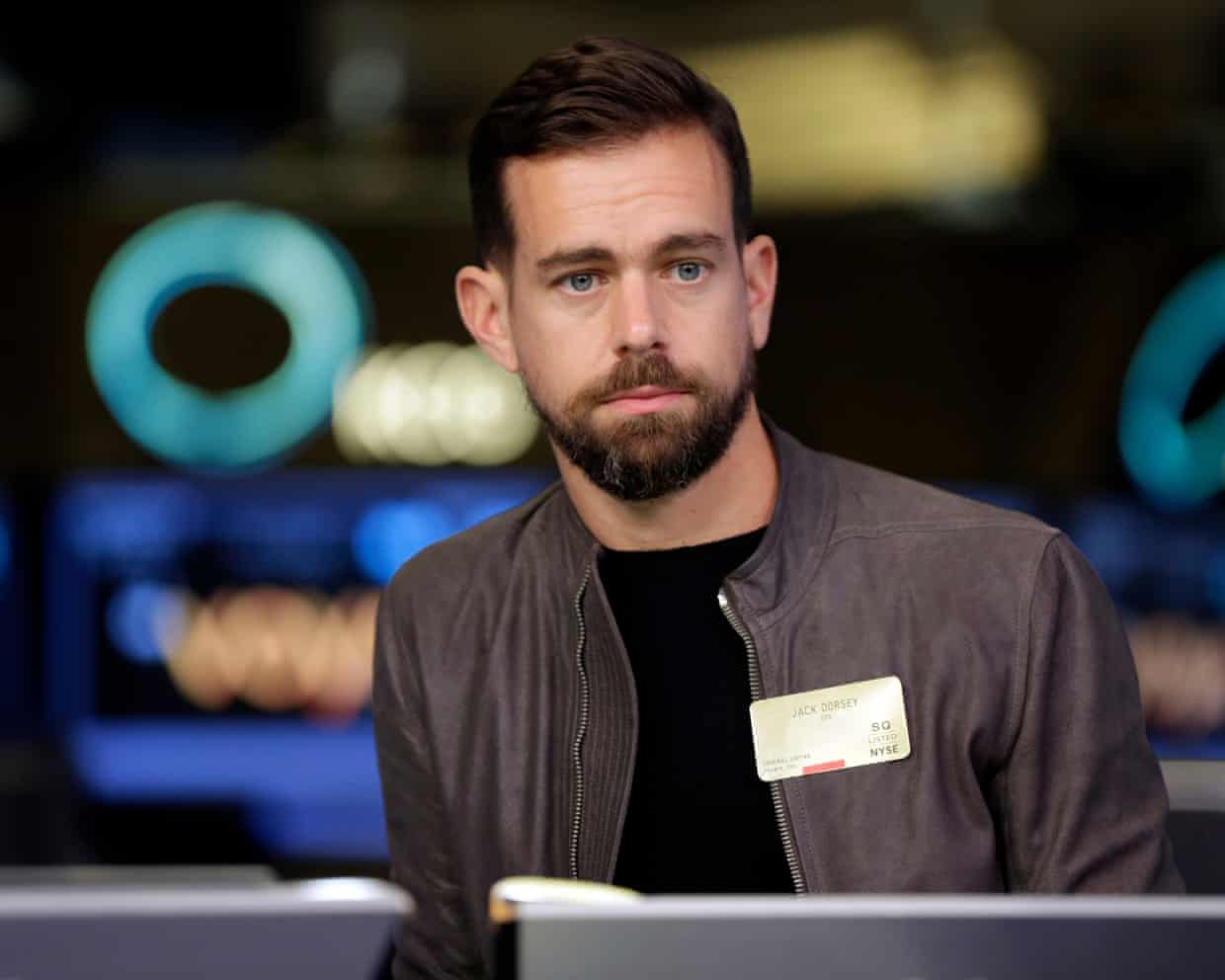
Current and former Block workers say AI can’t do their jobs after Jack Dorsey’s mass layoffs: ‘You can’t really AI that’
Mark remembers the first time he wondered whether he was teaching Block’s AI tools how to do his job – and maybe even replace him. He was at his fintech company’s extravagant anniversary party last September. As executives led a presentation on the productivity benefits of a new internal AI tool, Mark, who worked in the product department, discussed his worries with colleagues. While he wasn’t sure what would happen in a few years, he told a co-worker sitting next to him that for now, there was no way the technology was so advanced that it could move the business forward without employees like him to help drive vision and strategy.These AI tools were not proactive

Tech oligarchs reshape humanity while billionaires of old seem quaint
When Bill Gates became the first modern IT mogul to reach the apex of wealth and power in 1992, the world was a very different place. Gates joined the top 10 on Forbes magazine’s billionaires list alongside Japanese, German, Canadian, South Korean and Swedish billionaires, including those with family fortunes from Britain and America. A broad mix of industries was on the list: Retail and media, property management and packaging, an investment firm and a couple of industrial conglomerates. Their fortunes almost added up to $100bn – equivalent to about 0.4% of the US’s GDP that year

AI chatbots point vulnerable social media users to illegal online casinos, analysis shows
AI chatbots are recommending illegal online casinos to vulnerable social media users, putting them at increased risk of fraud, addiction and even suicide.Analysis of five AI products, owned by some of the world’s largest tech companies, found that all could easily be prompted to list the “best” unlicensed casinos and offer tips on how to use them.These operators, operating typically under the fig leaf of a licence from tiny jurisdictions such as the Caribbean island of Curacao, have been linked to fraud, addiction and even suicide.But tech firms appear to have few controls in place to prevent AI chatbots recommending them, drawing condemnation from the government, the UK gambling regulator, campaigners and a leading addiction expert.Some of the bots offered advice on bypassing checks designed to protect vulnerable people, while Meta AI, part of the social media group behind Facebook, described legally required measures to prevent crime and addiction as a “buzzkill” and a “real pain”

What does the US military’s feud with Anthropic mean for AI used in war?
Anthropic’s ongoing fight with the Department of Defense over what safety restrictions it can put on its artificial intelligence models has captivated the tech industry, acting as a test of how AI may be used in war and the government’s power to coerce companies to meet its demands.The negotiations have revolved around Anthropic’s refusal to allow the federal government to use its Claude AI for domestic mass surveillance or autonomous weapons systems, but the dispute also reflects the messy nature of what happens when tech companies have their products integrated into conflict. The Pentagon this week declared Anthropic a supply chain risk for its refusal to agree to the government’s terms, while Anthropic has vowed to challenge the designation in court.The Guardian spoke with Sarah Kreps, a professor and director of the Tech Policy Institute at Cornell University who previously served in the United States air force, about how the feud has played out.You’ve worked for a while on problems around “dual use technology”

The Guardian view on AI in war: the Iran conflict shows that the paradigm shift has already begun
“Never in the future will we move as slow as we are moving now,” the UN secretary-general, António Guterres, warned this week, addressing the urgent need to shape the use of artificial intelligence. The speed of technological development – as well as geopolitical turbulence – is collapsing the distinction between theoretical arguments and real world events. A political row over the US military’s AI capabilities coincides with its unprecedented use in the Iran crisis.The AI company Anthropic insisted that it could not remove safeguards preventing the Department of Defense from using its technology for domestic mass surveillance or autonomous lethal weapons. The Pentagon said it had no interest in such uses – but that such decisions should not be made by companies
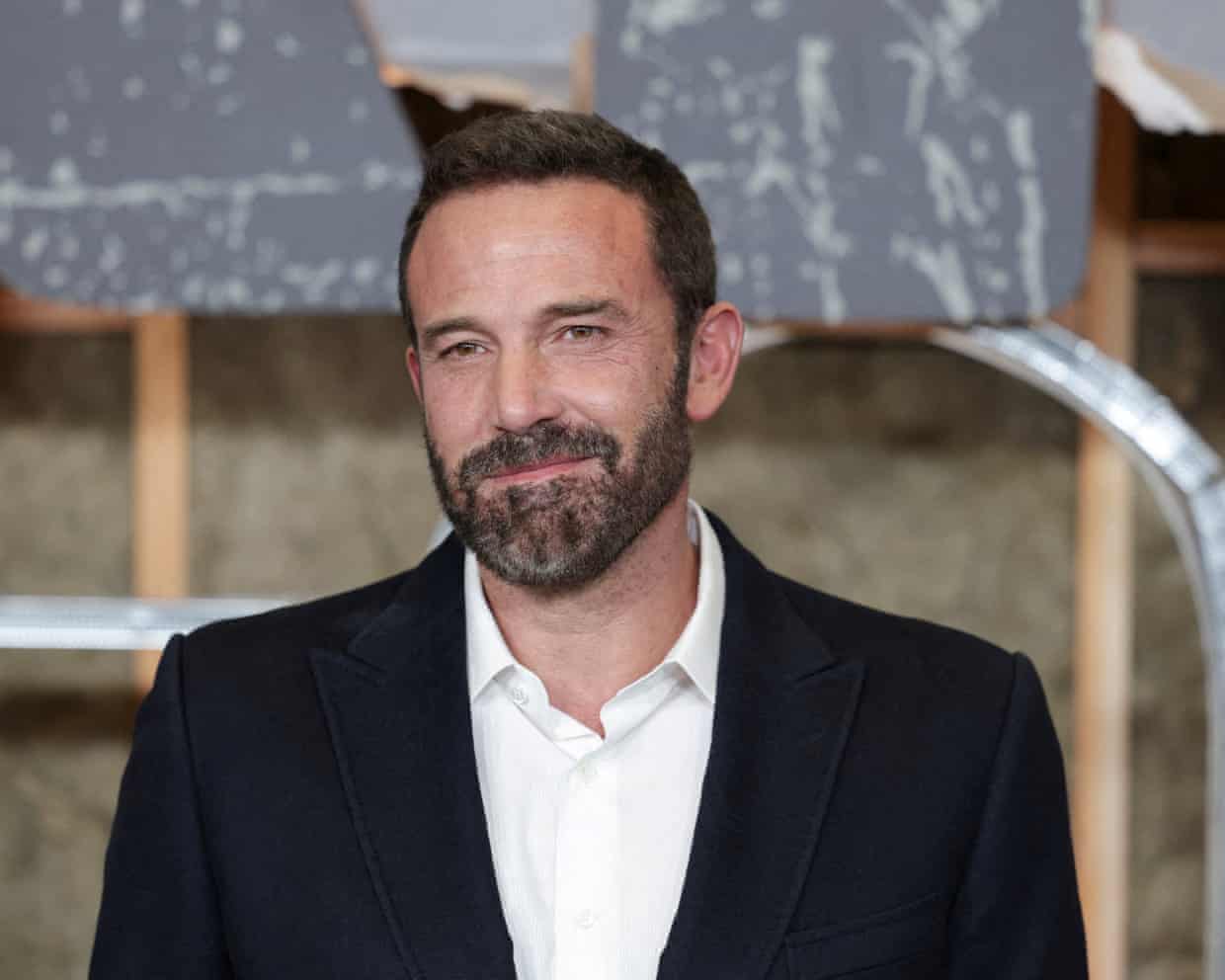
Ben Affleck sells his AI postproduction startup to Netflix
Ben Affleck has sold his artificial intelligence company to Netflix in a surprise deal, saying he had been driven to embrace a technology that had initially “really scared” him.Netflix has acquired the postproduction startup InterPositive from the Oscar-winning actor, director, producer and screenwriter for an undisclosed sum.Affleck had kept InterPositive below the radar and had previously played down AI’s creative abilities. This year, he told the podcaster Joe Rogan he did not think the technology would be able to “write anything meaningful” or make films “from whole cloth”.However, in a video announcing the transaction, the Good Will Hunting and Gone Girl actor said he had moved from being scared of AI’s potential impact when he first encountered the technology to viewing it as a “really meaningful innovation”

Leeds return from wilderness with Rhinos resurgence an asset for Super League

Lewis Hamilton confident Ferrari ‘in the fight’ with Mercedes for 2026 F1 championship

Collingwood’s cool heads rise to big AFL occasion and make point to naysayers | Jonathan Horn
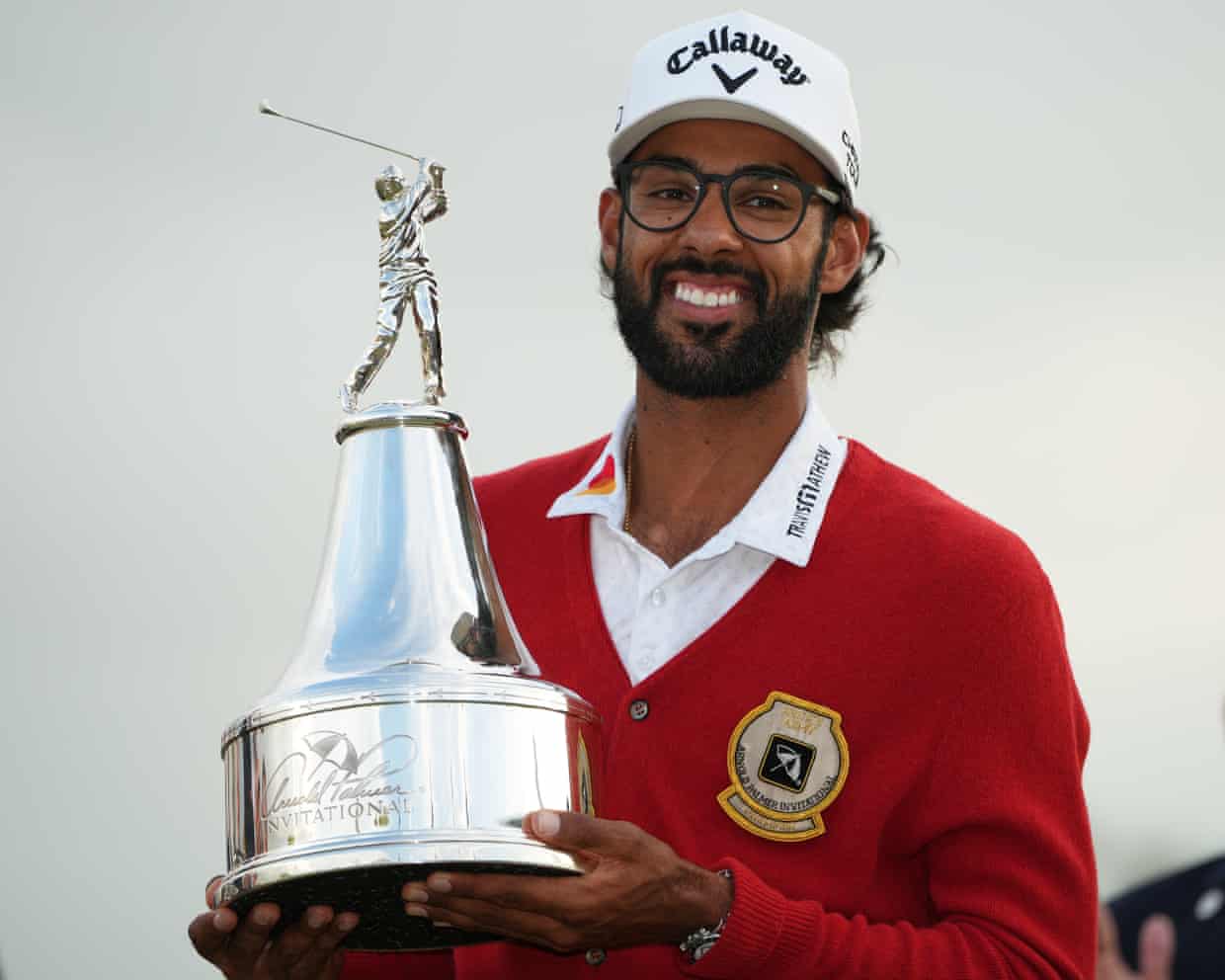
Akshay Bhatia denies Berger in playoff to win Arnold Palmer Invitational

‘A wonderful journey’: Suryakumar Yadav revels in India’s T20 World Cup win

India retain T20 World Cup with 96-run final win over New Zealand – as it happened