Leeds return from wilderness with Rhinos resurgence an asset for Super League

With the prospect of National Rugby League investment in Super League – however that may look, and with whatever level of control the Australian authorities want to overhaul the British game – now at boiling point, there has been a lot of discussion lately about what Super League does, and perhaps does not, need.That debate will rage in the coming weeks but what is surely beyond doubt is that, for the competition to be at its most appealing, it needs its strongest clubs to thrive.Underdog stories are compelling, and we have had plenty of those in the past few years; they create great sporting drama and fresh narratives for the powerbrokers to sell.But what will drive Super League forward – with or without NRL investment – is the might of its heavyweight sides.Few fit that billing quite like Leeds who, after a fairly tepid few seasons, are beginning to show they could be in a position to reclaim their spot at the summit of the British game, both on and off the field.
For more than 10 years Leeds were the team to beat.Having won eight Super League titles in 13 years, however, around the turn of the decade their influence began to wane.But with Super League going through a set of rule changes in the off-season, with quicker and better policed rucks designed to make for a faster, free‑flowing game, it looks to be Leeds and Wigan who are flourishing the most, illustrated best by the Rhinos’ dismantling of the champions, Hull KR, in Las Vegas last week.The game on Sunday was not at the same heights as the match at Allegiant Stadium, as Leeds muscled their way past a spirited Castleford thanks largely to a hat-trick from Maika Sivo.There was undoubtedly an element of Vegas fatigue in this performance but, under Brad Arthur, Leeds have the hallmark of a side ready to compete for silverware again.
Last season was a year of progression; having missed the playoffs in each of the previous two seasons, Leeds returned to the top four before a surprise home defeat by St Helens in the opening round of the road to Old Trafford.But there is already strong early evidence Arthur has assembled a squad that is steelier and stronger than last season, with three wins from their first four matches.Super League is at a critical crossroads this summer, too, with its broadcast rights up for renegotiation.That means, in truth, the competition has to look as attractive as possible to either Sky Sports or potential new broadcasters for 2027 and beyond.Leeds continue to lead the way off the field in that regard, with more than 15,000 at Headingley – which has now been redeveloped into one of the premier rugby league venues in the country – to watch them defeat Castleford.
Those sorts of attendance figures are what Super League will hang its hat on when it goes to market.Clubs such as Leeds, Wigan and St Helens can shift the dial in a way others simply cannot, and if they are winning games on the field, Super League is surely moving in the right direction in terms of its value to any broadcaster.Super League may or may not need the NRL.But the competition, and the game in this country, needs a strong Leeds.The early evidence suggests that after a period in the wilderness, one of the game’s great sides are ready to step up once again.

Top US banks weigh suing federal regulator over crypto banking rules
Some of the largest US banks are considering suing their financial regulator, arguing that a new raft of licenses for crypto, payment and fintech could put American consumers and the wider financial system at risk.The Bank Policy Institute (BPI), which represents 40 of the biggest US lenders including JP Morgan, Goldman Sachs and Citigroup, is understood to be weighing its legal options after the Office of the Comptroller of the Currency (OCC) failed to heed repeated warnings from influential banking groups and state regulators over its reinterpretation of federal licensing rules.The OCC, which is led by Jonathan Gould, a Donald Trump appointee and former crypto executive, has effectively made it easier for crypto and fintech upstarts to secure and operate under a national bank trust charter, giving them the right to serve customers across all 50 states.However, banks say giving these firms the OCC’s stamp of approval means letting firms loose into the US financial system without the same rigorous supervision and controls required of fully fledged banks.The reforms brought forward by the OCC are widely seen as playing into the Trump administration’s ideological push to bring crypto and previously fringe financial firms into the mainstream

Yorkshire Water receives fresh funding despite sewage fines and pay row
A leading European investor will pump fresh funding into Yorkshire Water including helping to cover a £600m loan, despite recent heavy sewage fines and a scandal over executive pay at the utility firm.EQT, a Swedish private equity group, said on Monday it would take a 42% stake in Kelda Holdings, the Jersey-registered parent company of Yorkshire Water, which has 5.7 million customers across Yorkshire and parts of the East Midlands and Lincolnshire.The move will effectively make it Yorkshire Water’s joint owner, bringing the stake of an existing shareholder, GIC, an investment firm, to 42%, and TCorp, the investment vehicle of Australia’s New South Wales public sector, to 16%.EQT said part of the deal would involve contributing to a £600m “inter-company loan repayment” that is due before March 2027, while it was “fully supportive” of spending plans to clean up Yorkshire’s record on sewage spills

AI allows hackers to identify anonymous social media accounts, study finds
AI has made it vastly easier for malicious hackers to identify anonymous social media accounts, a new study has warned.In most test scenarios, large language models (LLMs) – the technology behind platforms such as ChatGPT – successfully matched anonymous online users with their actual identities on other platforms, based on the information they posted.The AI researchers Simon Lermen and Daniel Paleka said LLMs make it cost effective to perform sophisticated privacy attacks, forcing a “fundamental reassessment of what can be considered private online”.In their experiment, the researchers fed anonymous accounts into an AI, and got it to scrape all the information it could. They gave a hypothetical example of a user talking about struggling at school, and walking their dog Biscuit through a “Dolores park”

ChatGPT driving rise in reports of ‘satanic’ organised ritual abuse, UK experts say
ChatGPT is driving a rise in reports of organised ritual abuse, UK experts have said, as survivors of “satanic” sexual violence use the AI tool for therapy.Police say organised ritual abuse and “witchcraft, spirit possession and spiritual abuse” (WSPRA) against children is under-reported in the UK. There is no modern-day charge that covers it specifically, but such offending is typified by sexual abuse, violence and neglect involving ritualistic elements – sometimes inspired by satanism, fascism or esoteric religious beliefs – to control victims.Perpetrators include abusive families and networks, human traffickers, online gangs and paedophile rings.There have been 14 UK criminal cases since 1982 in which ritualistic practices in sexual abuse were acknowledged
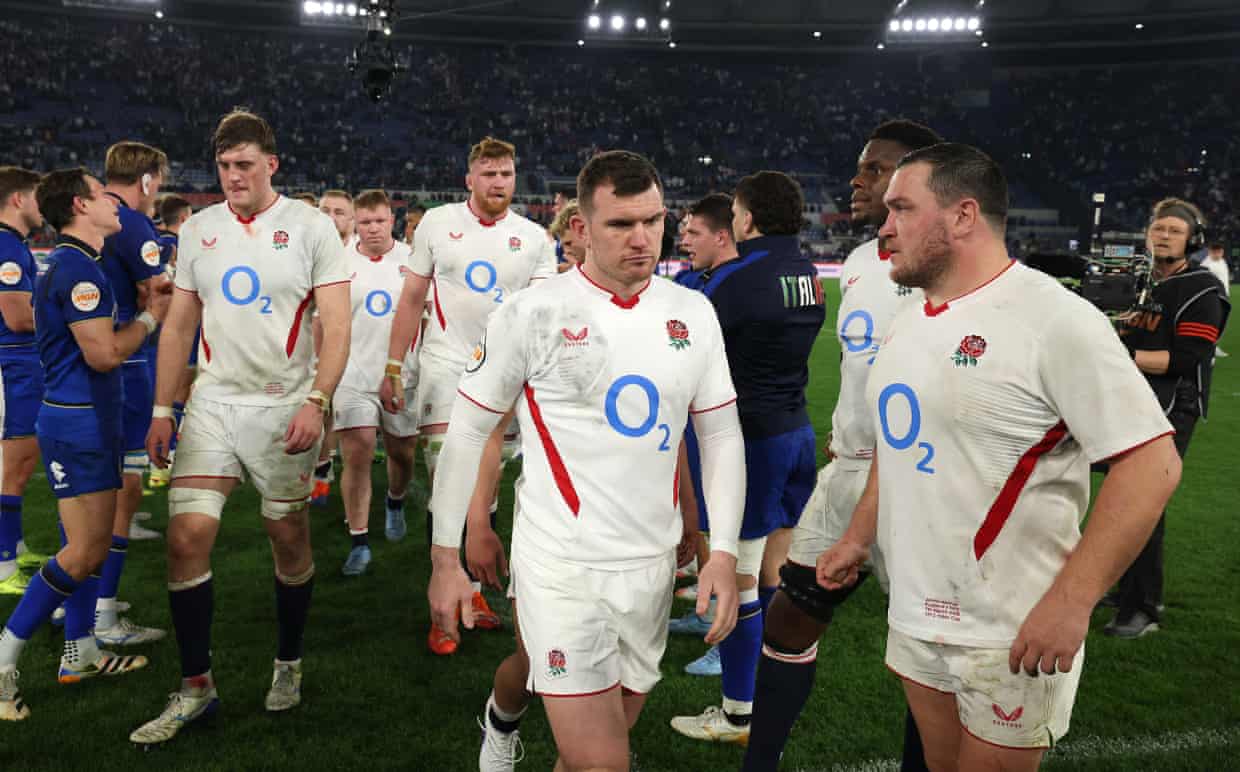
England running through quicksand of misery with Borthwick fighting for job in Paris
Even before the final weekend unfolds the 2026 Six Nations can be adjudged already as a vintage one. Three teams mathematically remain in the title race and all of them are still full of running. Whether it is France, Ireland or Scotland who ultimately pull clear, an eventful championship this year will be remembered fondly by almost everybody.For every beaming winner, though, there inevitably has to be a frustrated, bruised loser. And to put it mildly things have not unfolded in the way England were hoping just a few short weeks ago
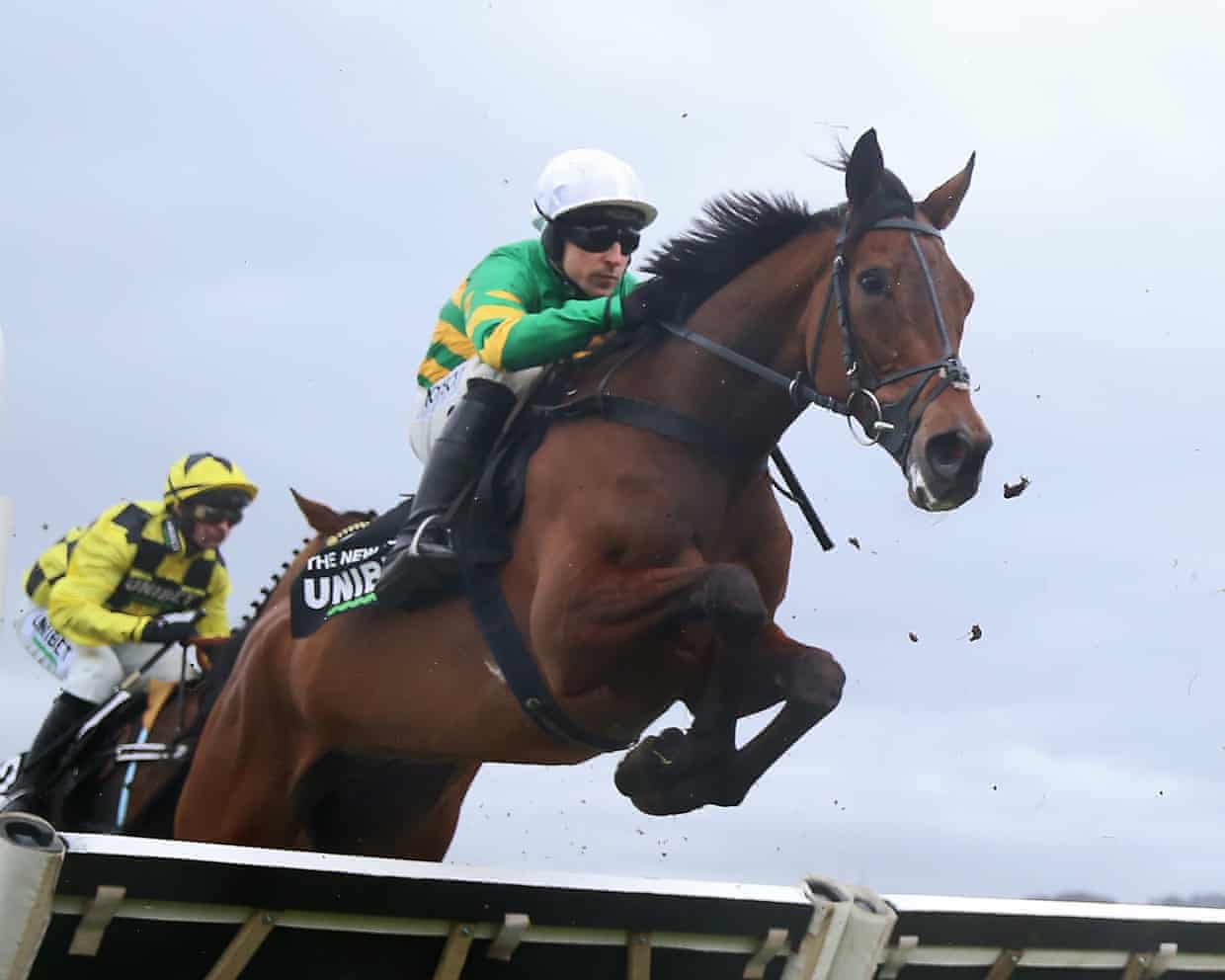
Racing’s leadership in chaos but dramatic exits will be limited to track at Cheltenham
In the long-forgotten time, about 30 years or so ago, when the Cheltenham festival was a three-day get-together for country types, no one gave much thought to attendance figures, the price of beer or maximising the customer experience. It was a coming together of the National Hunt clans, much anticipated and hugely enjoyed but not, in the grand scheme, an event with a story to tell about the overall health of the sport.But not any more. The state of the Cheltenham festival is a key indicator of the state of the racing nation as a whole, and perhaps more so than ever this year, as the sport heads to Gloucestershire rudderless after Charles Allen, who took over as chair of the British Horseracing Authority just six months ago, turned out to be a temporary hire. There is even talk of schism in the dysfunctional racing family, as the showpiece tracks, Cheltenham included, demand change “to ensure that significant views from key racecourses can influence outcomes”

G7 to discuss release of emergency oil reserves as price tops $100

Iran war drives oil prices above $100 a barrel for first time since 2022

Why has the Iran war sparked fears of stagflation for the global economy?

Average UK office attendance ‘settling’ at highest level since before Covid

Ending UK customs relief on low-value imports could push up prices, BCC says

Britain’s job market ‘floundering’ as companies remain cautious about hiring