Shadow of Iraq war lies over Westminster as MPs consider US-Israeli attack on Iran
Calvin Bailey keeps his Iraq medal, issued to members of the British armed forces who served as part of Operation Telic, safe in a drawer in his home.It features a clasp, given to personnel who were part of the very first wave of flights to leave British bases to invade Iraq in March 2003.So when the Labour MP for Leyton and Wanstead spoke at a meeting between Labour MPs and the prime minister on Monday evening, people listened.“I was exposed to and aware of all the things that were happening in the lead-up to the invasion of Iraq: the groupthink, the sense of unstoppable momentum,” he said on Tuesday.“If you look at what is happening right now, it’s materially different to 2003, but I think I can speak with adequate weight and credibility.
”As Keir Starmer wrestles with the domestic and global implications of offensive strikes by Israel and the US on Iran over the weekend, the shadow of the Iraq war lies heavily across Westminster,In the House of Commons on Monday, Starmer assured MPs that the government remembered the “mistakes of Iraq” and would always operate on a “lawful basis” and with a “viable thought-through plan” to the crisis erupting in the Middle East,It is a position consistent with the argument put forward by Keir Starmer QC in the Guardian in 2003,“Flawed advice does not make the unlawful use of force lawful,” he wrote,He also noted: “Military commanders on the ground will not thank the government if any action they take is later judged to have been in breach of international law.
”Bailey, a former wing commander with 24 years of service, recognises that there are many younger MPs who came of age in the era of the Iraq war, but he wants to send them a message: agonising over Tony Blair’s decision to support the US invasion two decades ago is, at this moment of extreme precarity, unhelpful.“The real spectre of the Iraq war is not the decision-making process that was carried out at the time,” he said.“The actual spectre of the Iraq war is the Chilcot review.We shouldn’t be self-flagellating about how people view what is happening now through the lens of what happened then, otherwise what was the point of a £13m public inquiry? We should actually spend our time learning the lessons we paid to learn.”It is likely the prime minister and his closest aides have been poring over a manual that Bailey has shared with many of his colleagues: The Good Operation, “a handbook for those involved in operational policy and its implementation”.
Aimed primarily at MoD decision-makers, it is “designed to prompt its readers to ask the right questions as they plan for and execute a military operation, drawing in particular on the lessons of the 2016 Iraq inquiry (Chilcot) report”.According to Bailey, Starmer’s approach is following that guidance closely – in his initial decision to deny the US permission to conduct strikes aimed at regime change from British bases including Diego Garcia and RAF Fairford, citing international law, and the permission given on Sunday night to allow the US military to use the bases for “specific and limited defensive purposes”.“The decisions have been entirely consistent with Chilcot and the planning and design that you would expect to see,” said Bailey.“But The Good Operation is also clear that when things change, you cannot dogmatically hold to the line.”The lack of full-throated support for Trump’s actions in the Middle East has earned Starmer a series of rebukes from the US president, including a swipe that Starmer “is not Winston Churchill”.
The Conservative leader, Kemi Badenoch, has painted the prime minister as weak for using international law to avoid “clearly and unequivocally stating whose side” he is on.But criticisms on both sides of the Atlantic were unlikely to have harmed Starmer’s standing, at least with his own MPs.“I think it could actually be quite helpful to him,” said one.Bailey was among those criticising the decision of other party leaders – and some in his own party – to present the decision facing Starmer as binary.Other figures highly critical of the position taken by Blair in the lead-up to the Iraq war offered cautious praise of the prime minister’s current stance.
The Liberal Democrat leader, Ed Davey, one of the remaining MPs who voted against the Iraq war, said Starmer had done “a better job than I expected” by placing some distance between himself and the US president.“But I do worry that there is a slippery slope from defensive to offensive action,” he said.“So far, I think he’s played a better hand than I had expected, but I am worried that this could soon get out of control.”Davey said that for MPs like himself who were vehemently opposed to the Iraq war, and among those who had started their political life in its wake, the war cast a long shadow.“I think Iraq is on everybody’s mind,; it can’t help but be after these dramatic and appalling events,” he said.
“I’ve never spoken to an MP who doesn’t regret voting for Iraq.The current crop of MPs might want to talk to them, and should reflect on that.”The Labour MP Jon Trickett, who voted against the 2003 invasion, said the most enduring lesson of Iraq was not simply the row over intelligence but the consequences of state collapse.A similar outcome in Iran was all too possible, he said.“If the state falls apart under pressure from the intervention, you could imagine all kinds of problems of disorder rising.
”Iain Duncan Smith is among those who has very clear memories of a conflict that divided a nation.He had pledged Tory support for any future action against Iraq as far back as 2001.He supported the invasion, saying: “The policy of containment is not working.”Reflecting now on the stance he took more than two decades ago, he said: “I’ve always been of the belief that when America and Britain are actually together, then the world’s a safer place [and] we are more likely to get good, rational thought.If we’re absent, it makes that much more difficult.
”But in July 2003, Duncan Smith also accused Blair and his communications chief, Alastair Campbell, of creating a “culture of deceit” in their handling of the Iraq dossier row with the BBC.Those mistakes must not be repeated in the current conflict, he said.“The biggest lesson to be learned is don’t put out false prospectuses – be honest about what you are doing.”
What was really behind Jack Dorsey laying off nearly half of Block’s staff?
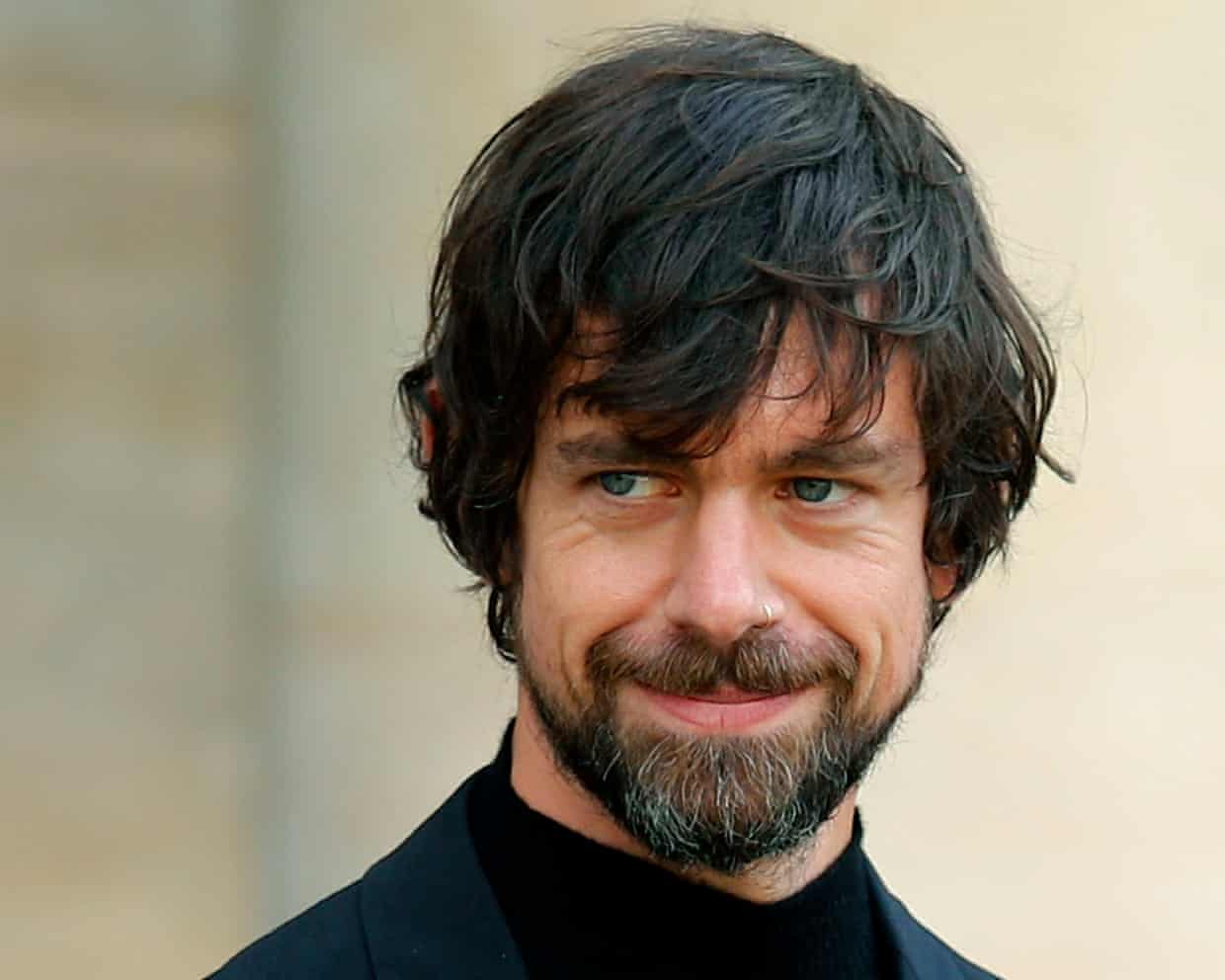
Jack Dorsey cited AI as the driving force behind cutting 40% of his company’s employees, but other factors such as a weak crypto market, overstaffing and a declining stock price may also have motivated the move.Last week, the financial technology company Block announced that it would lay off 4,000 of its 10,000 workers. Dorsey, Block’s CEO, said in a letter to shareholders that advances in AI “have changed what it means to build and run a company”.“We’re already seeing it internally. A significantly smaller team, using the tools we’re building, can do more and do it better
OpenAI amends Pentagon deal as Sam Altman admits it looks ‘sloppy’
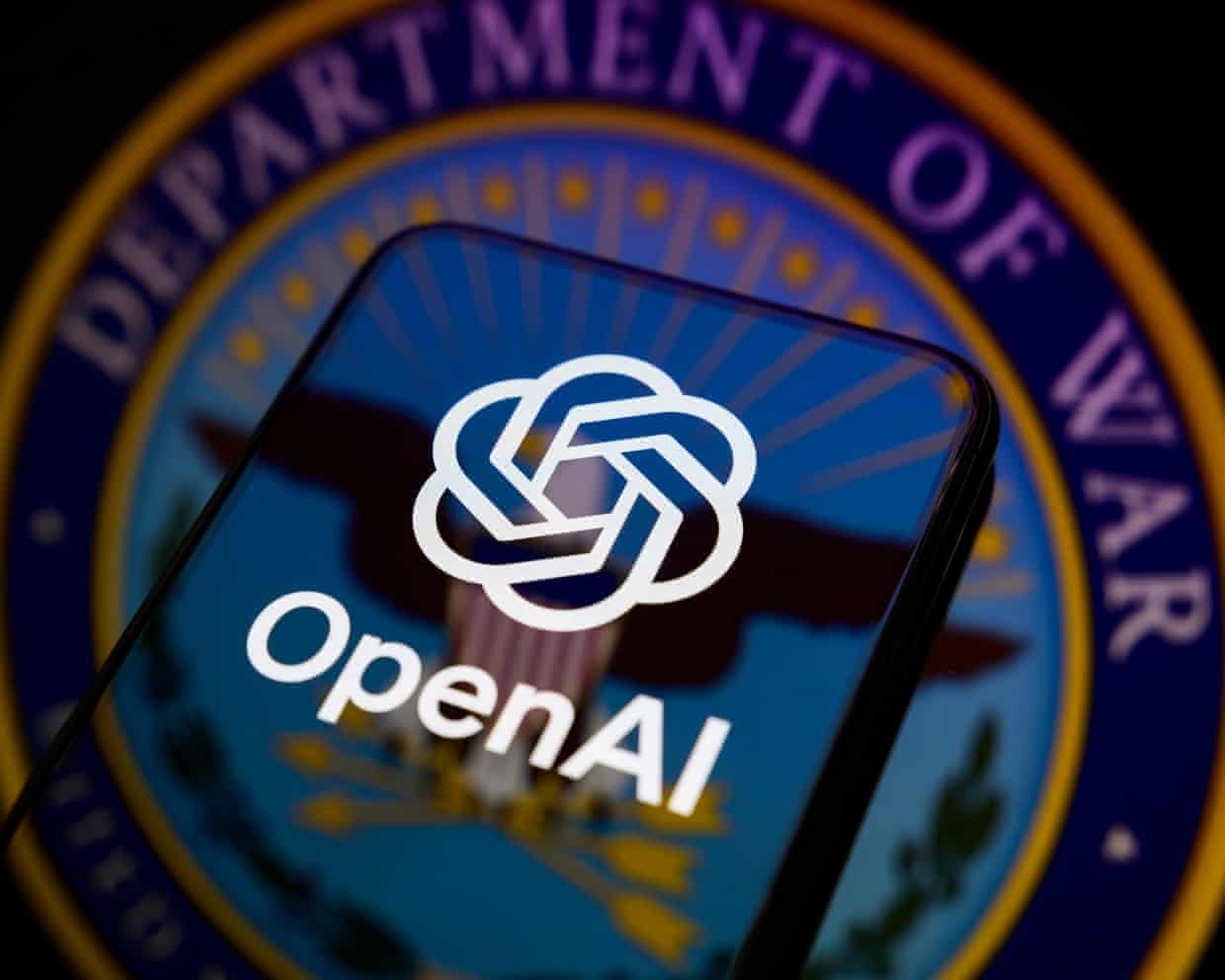
OpenAI is amending its hastily arranged deal to supply artificial intelligence to the US Department of War (DoW) after the ChatGPT owner’s chief executive admitted it looked “opportunistic and sloppy”.The contract prompted fears the San Francisco startup’s AI could be used for domestic mass surveillance but its boss, Sam Altman, said on Monday night the startup would explicitly bar its technology from being used for that purpose or being deployed by defence department intelligence agencies such as the National Security Agency (NSA).OpenAI, which has more than 900 million users of ChatGPT, made the deal almost immediately after the Pentagon’s existing AI contractor, Anthropic, was dropped.Anthropic had insisted “using these systems for mass domestic surveillance is incompatible with democratic values”, leading the US president, Donald Trump, to call Anthropic “leftwing nut jobs” and directing the federal government to stop using its technology.Despite denials from OpenAI that the agreement allowed for surveillance use, commentators raised the spectre of the Snowden scandal, which broke in 2013, when it emerged the NSA was engaged in mass harvesting of phone and internet communications
Iran war heralds era of AI-powered bombing quicker than ‘speed of thought’
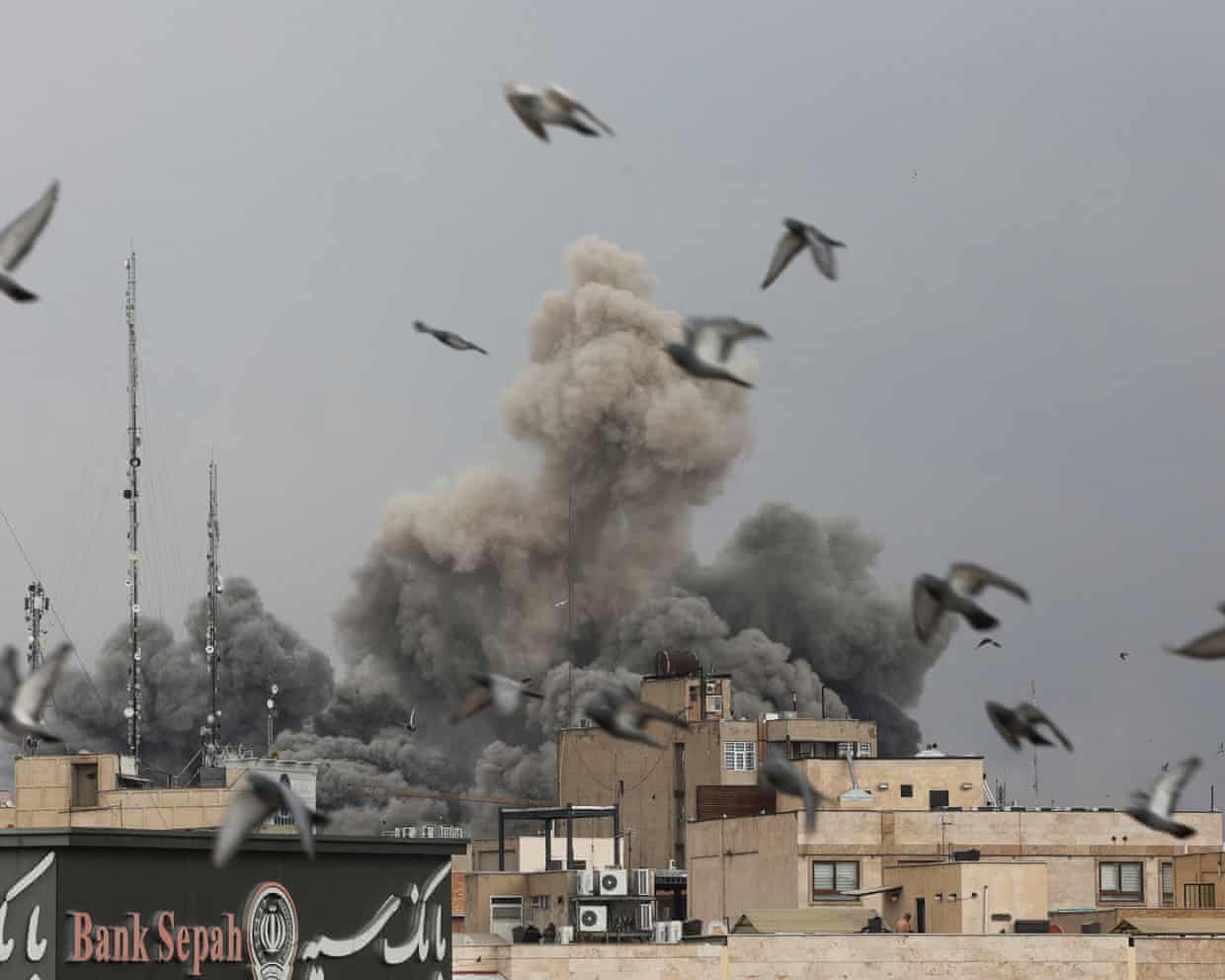
The use of AI tools to enable attacks on Iran heralds a new era of bombing quicker than “the speed of thought”, experts have said, amid fears human decision-makers could be sidelined.Anthropic’s AI model, Claude, was reportedly used by the US military in the barrage of strikes as the technology “shortens the kill chain” – meaning the process of target identification through to legal approval and strike launch.The US and Israel, which previously used AI to identify targets in Gaza, launched almost 900 strikes on Iranian targets in the first 12 hours alone, during which Israeli missiles killed Iran’s supreme leader, Ayatollah Ali Khamenei.Academics studying the field say AI is collapsing the planning time required for complex strikes – a phenomenon known as “decision compression”, which some fear could result in human military and legal experts merely rubber-stamping automated strike plans.In 2024 the San Francisco-based Anthropic deployed its model across the US Department of War and other national security agencies to speed up war planning

Anthropic’s AI model Claude gets popularity boost after US military feud
The AI model Claude has surged in popularity after being blacklisted by the Pentagon last week over ethics concerns.Claude climbed to the No 1 spot on Apple’s chart of top free apps on Saturday in the US – dethroning OpenAI’s ChatGPT, just one day after the Pentagon tapped OpenAI to supply AI to classified military networks. The bot’s app climbed the iPhone app charts in the UK but did not beat out ChatGPT. Claude also raced up the Android charts in the US and UK, though ChatGPT reigned supreme, according to data from Sensor Tower.Claude and other apps by the startup Anthropic suffered outages early Monday amid what the company described as “unprecedented demand for Claude” over the last week

UK firms in Middle East face heightened threat from Iran hackers, agency warns
UK businesses with a presence in the Middle East have been urged to step up vigilance against cyber threats from Iran after US-Israeli attacks.The National Cyber Security Centre (NCSC) said there was “almost certainly” a heightened risk of an indirect cyber threat for organisations that had offices, or supply chains, in the Middle East.The UK’s cybersecurity agency said Iran remained a threat despite an extensive bombing campaign that has devastated the country’s political and military leadership, including the death of its supreme leader, Ayatollah Ali Khamenei.“Iranian state and Iran-linked cyber actors almost certainly currently maintain at least some capability to conduct cyber activity,” said the NCSC.The agency said in an alert published on Monday that there was “likely” no significant change in the direct cyber threat from Iran to the UK, but organisations should prepare for the risk of collateral damage from Iran-linked hacktivists

US military reportedly used Claude in Iran strikes despite Trump’s ban
The US military reportedly used Claude, Anthropic’s AI model, to inform its attack on Iran despite Donald Trump’s decision, announced hours earlier, to sever all ties with the company and its artificial intelligence tools.The use of Claude during the massive joint US-Israel bombardment of Iran that began on Saturday was reported by the Wall Street Journal and Axios. It underlines the complexity of the US military withdrawing powerful AI tools from its missions when the technology is already intricately embedded in operations.According to the Journal, US military command used the tools for intelligence purposes, as well as to help select targets and carry out battlefield simulations.On Friday, just hours before the Iran attack began, Trump ordered all federal agencies to stop using Claude immediately
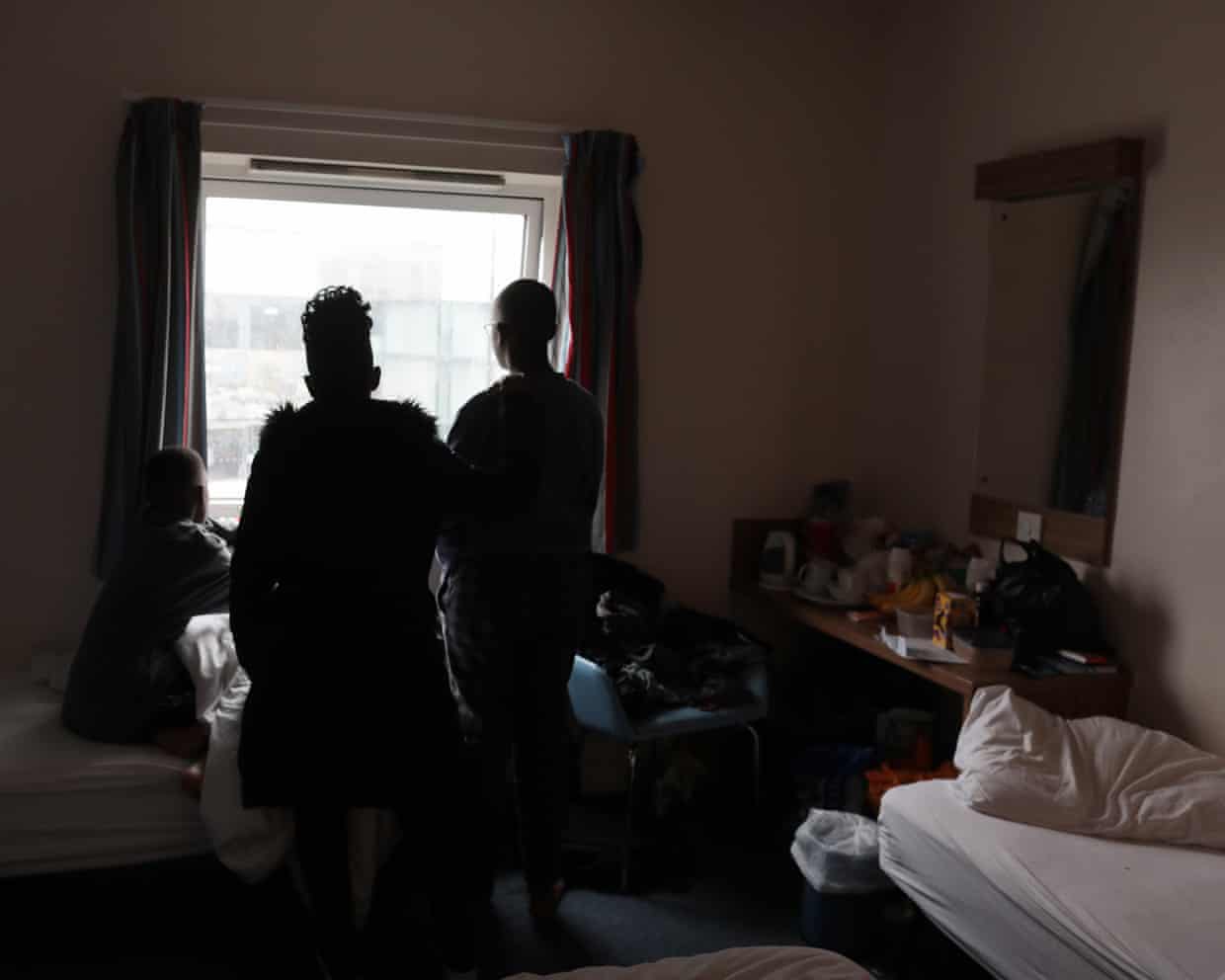
Councils’ temporary housing costs to more than double by 2029-30, says LGA
Quarter of healthy years lost to breast cancer are due to lifestyle factors, research finds

Scotland becomes first UK country to legalise water cremations
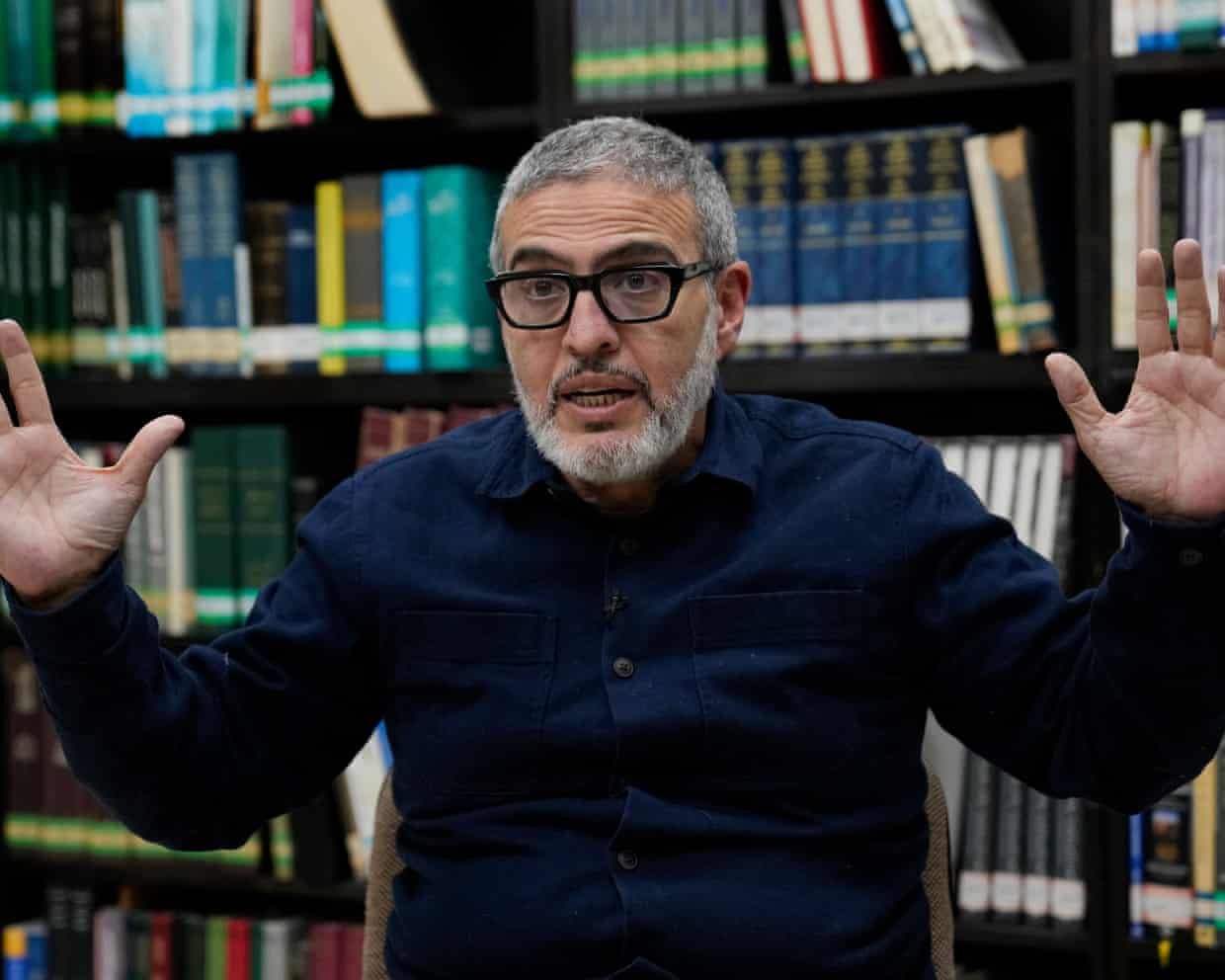
UK surgeon cleared of antisemitism criticises GMC’s plan to challenge ruling

Labour council accuses minister of ‘moral bankruptcy’ over social care dispute

Most senior council officers in England say building work hit by delays