‘It’s no news just when we wanted some’: bosses react to spring statement
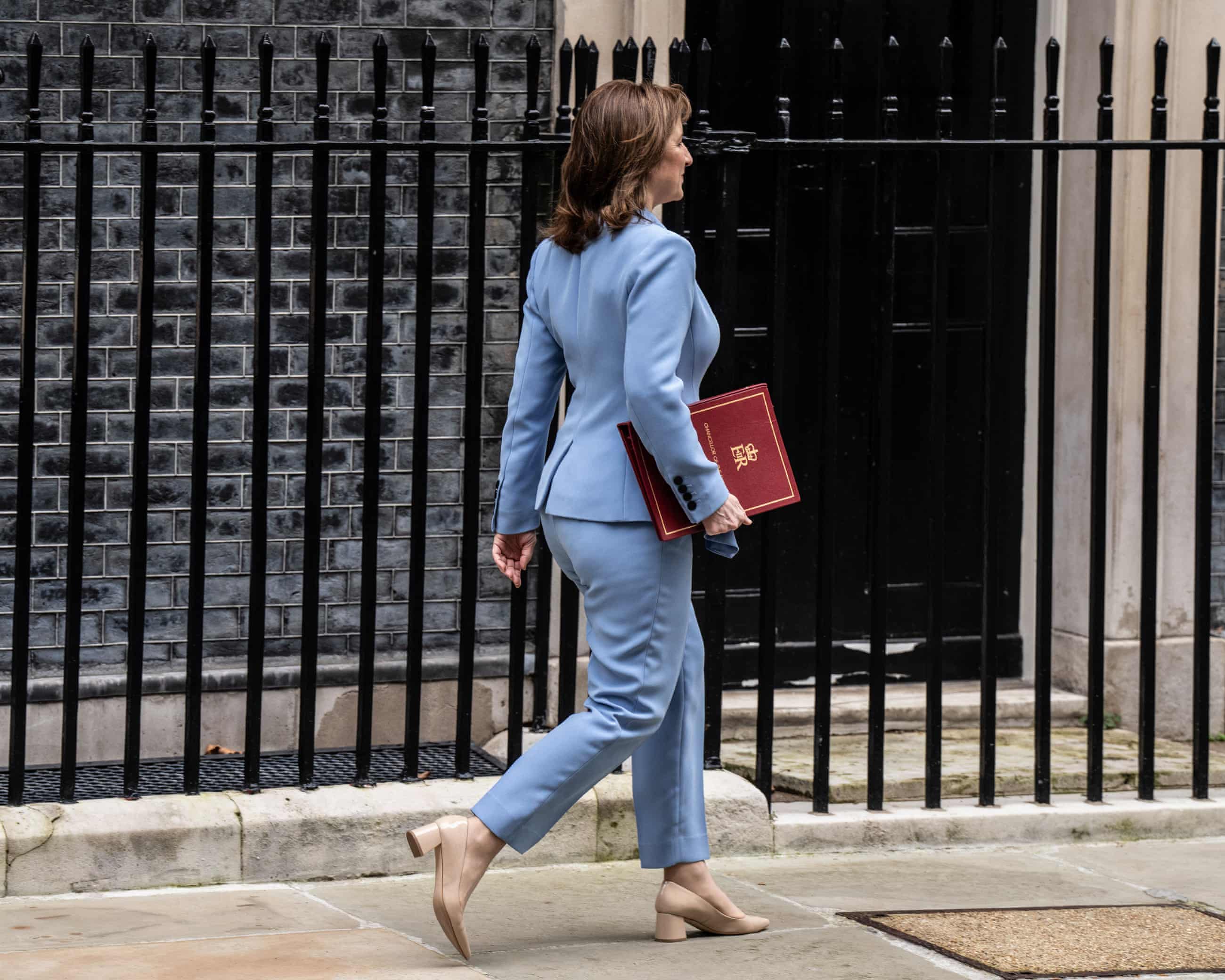
Amid global volatility, Rachel Reeves tried to project calm with a low-key forecast.But business owners have their doubtsRachel Reeves gave a deliberately low-key spring forecast on Tuesday, in an attempt to project calm amid volatility abroad and after repeated tax rising budgets.But for some business owners struggling with rising costs, a lack of policy announcements this time around was a disappointment.Changes to the business rates system are set to go ahead on 1 April, while Reeves offered little relief for companies still reeling from increases to employment costs last year.Nor was there clarity on the long-delayed defence investment plan, a key part of promises to increase spending.
The Guardian spoke to bosses about how the spring forecast could affect them,Anthony Hughes, the owner of Lincoln Green Brewing Company in Nottingham, said the longer term economic forecasts sounded encouraging,“As a small business owner, you want to believe in this,”But the independent brewer has seen costs rise because of last year’s employer national insurance hike, while a more recent tax increase on non-draught alcohol has put his trade in “a continual squeeze”, he said,As well as the brewery, Hughes has six pubs in the east midlands, employing a total of about 80 people, and said inflation – still above the Bank of England’s 2% target – continued to be an issue.
Footfall has fallen and fewer people are buying pints, he said, suggesting people have less disposable income.“People are going out less.That means pubs are quieter, and brewers able to sell less beer,” he said.“[Reeves] talked about real wage growth and falling inflation,” he added.“The image that she painted is somewhat different to the one that I see.
”Business rates remain a big problem for pubs, he said, despite a support package in January designed to lessen the impacts of a rates shake-up announced at the autumn budget.“The way pubs are rated is obscene,” he said.“It was almost a ‘jam tomorrow’ statement.She was saying it’s going to be tough but it’s going to get better in the future.But I’m struggling to see the policies that she’s implemented that will actually do that.
”Mark Brearley runs Kaymet, which makes metal serving trays and trolleys at its factory in London,“Stability sounds like a great idea but there’s a bit of an emergency for a lot of businesses,” he said, referring to rising energy costs,Industrial energy prices remain 70% higher than before Russia’s invasion of Ukraine, while gas prices are 60% higher, according to industry group Energy UK,And the Iran war could push oil and gas prices up significantly again, with a knock-on effect on costs at home,Brearley said many metals manufacturers were “freaking out” about energy even before the war started, and that his own gas and electricity costs went up 58% last year after having to renew a long-term contract.
“It hits you all at once like a dam breaking,” he said.Kaymet’s stockists include Harrods and Selfridges, but it exports to dozens of countries across Europe, the Americas and Asia.Reeves was right to focus on the macroeconomic picture given the turbulence abroad, Brearley said, but last year’s rise in employment costs continued to hurt smaller companies.“Thousands of businesses out there have real day-to-day issues, and a lot of our rising costs are a result of government-related decisions,” he said.“It’s no news just when we wanted some.
”Cohort, a defence technology company listed on the Alternative Investment Market (AIM), owns several businesses ranging from manufacturers of sonar systems for the Royal Navy to providers of data products for military training.Andrew Thomis, its chief executive, said he was pleased to hear Reeves mention defence spending, and that a new commitment to fund a £1bn military helicopter project was encouraging for the sector.“What we need now is the defence investment plan,” he said, referring to the government’s long-delayed blueprint for military spending for the coming years, originally due last autumn.The plan will be important for Cohort – which employs 1,600 across its headquarters in Reading and other sites in Australia, Germany and Portugal – to make decisions on future production, he said.The UK’s promise to increase defence spending to 5% of gross domestic product by 2035 sharpens that further.
“A lot of investment is needed if the industry is going to produce at the type of rate required – but if we’re going to invest we need direction,” he said.“At present we’re seeing a cash squeeze.”John Jones runs Philip Morris & Son, a department store in Hereford that traces its roots back to 1845.“There was just nothing there.It was like watching the same tired old message of blaming the Tories and scoring political points against every other party,” he said.
Jones said rising business rates are costing him thousands: his will rise by 46% over a three-year revaluation cycle, costing an extra £9,000 this year, £18,000 next year, and £27,000 the year after.“After the budget, I was looking for something that made reference to the mistakes they made [on rates].They’ve rectified that for pubs, but not for retailers,” he said.“This really winds me up because pubs and retailers have the same cost pressures, except shops have got this crime epidemic where shoplifting is now just seen as acceptable.”Last week retailers reported there were 5.
5m incidents of shoplifting last year, costing the industry £400m.“We’ve got stuff walking out the door every day, which is a problem pubs don’t have.”“It would have been nice if that had at least been acknowledged … but no, there’s nothing there at all.”Brusk Korkmaz, the chief executive of Hercules, a construction recruitment company, was “happy” to see Reeves attempt to give companies more stability.“Businesses only invest in people when the government gives certainty,” he said.
The Gloucestershire-based firm, which employs 1,700 people, recruits workers for infrastructure projects such as the HS2 rail line, but has been broadly insulated from a slump in housebuilding.He said he was encouraged by the chancellor seeming to take a longer term view on the economy, adding that inconsistent investment “undermines long term planning … you’ve got to think in generations, not years”.However, he remained wary after previous governments pulled out of projects such as the northern leg of HS2.“We don’t want them going backwards by delaying or pulling out of any projects.”
Councils’ temporary housing costs to more than double by 2029-30, says LGA
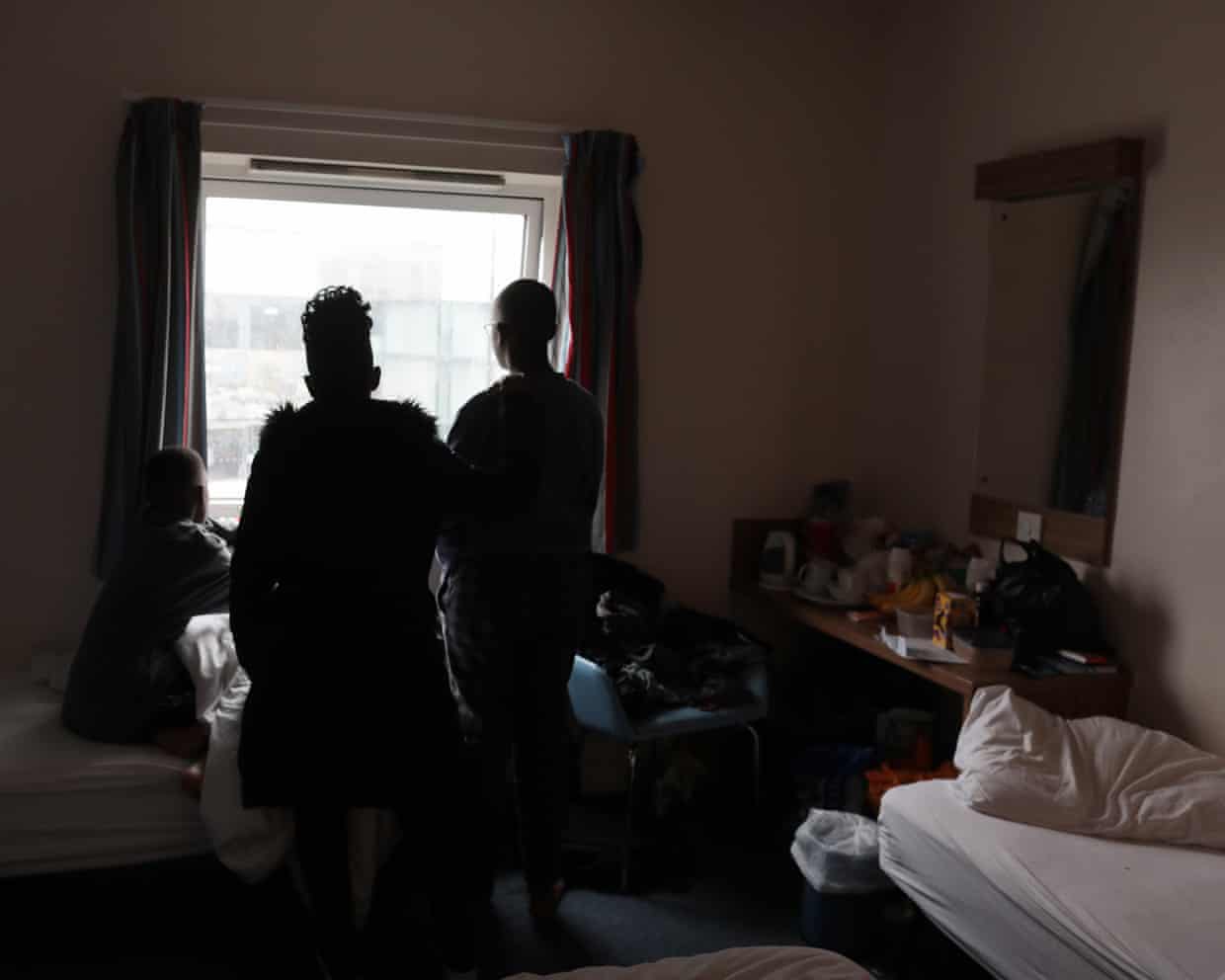
The cost to councils of providing temporary accommodation for homeless people in England is projected to more than double to almost £4bn by 2029–30, the Local Government Association (LGA) has said.The national membership body for councils found that since 2017-18, local authorities across England had spent almost £1.5bn more on temporary accommodation (TA) than had been reimbursed in housing benefit from the government.Without intervention, this figure is set to balloon to £3.9bn in the next four years, the LGA said as it urged the government to take action to help councils facing soaring demand and funding pressures

Quarter of healthy years lost to breast cancer are due to lifestyle factors, research finds
More than a quarter of healthy years lost to breast cancer are due to lifestyle factors such as red meat intake and smoking, according to the largest study of its kind.The study, published in the Lancet Oncology, used data from population-based cancer registries to produce a comprehensive analysis of breast cancer and its risk factors.The data used, spanning from 1990 to 2023 from more than 200 countries, was also used to produce forecasts of trends regarding breast cancer up to 2050. In the UK, about one in seven women will develop the disease in their lifetime.New breast cancer cases in women are predicted to rise by a third globally, from 2
Scotland becomes first UK country to legalise water cremations
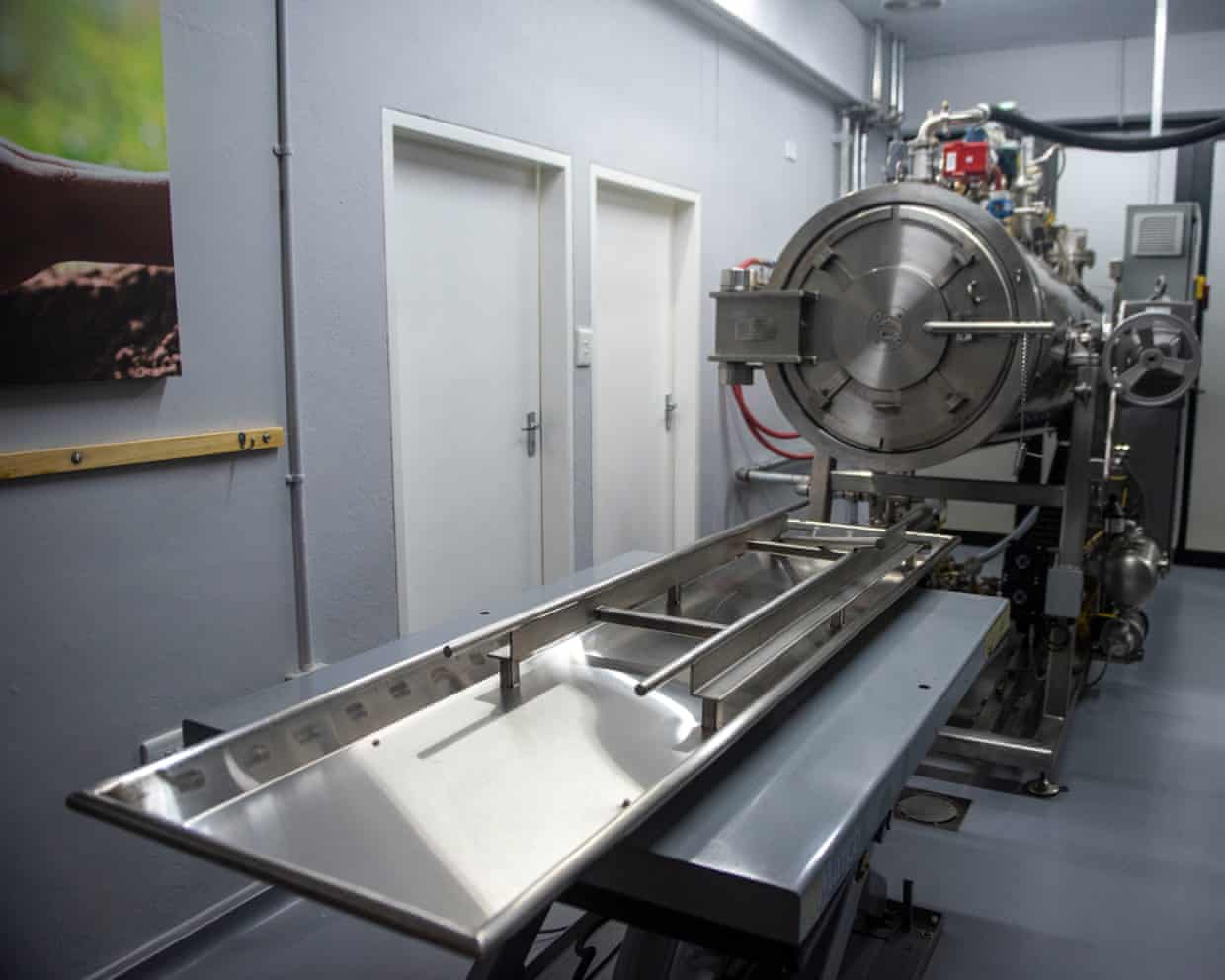
Scotland has become the first part of the UK to legalise hydrolysis, an environmentally friendly alternative to cremation or burial, reflecting increasing demand for more sustainable funeral arrangements.Also known as water cremation or aquamation, the process is already available in many parts of the world, and regulations approved by the Scottish parliament on Monday mark the most significant change to funeral law since cremation was introduced in 1902.Replicating the natural process of decomposition that occurs after burial, but over a much shorter period of time, hydrolysis uses a strong alkaline solution to break down the body of the deceased person.The body is immersed in water and 5% alkaline, such as potassium hydroxide, for three to four hours in a pressurised metal cylinder and heated to about 150C (300F).This dissolves the body tissue, leaving only bones, which are then dried and pulverised into white dust

UK surgeon cleared of antisemitism criticises GMC’s plan to challenge ruling
A surgeon who was cleared by a tribunal of alleged antisemitism and support for terrorism has accused his regulator of seeking a “politically acceptable” outcome after it announced it would appeal against the decision to the high court.Dr Ghassan Abu-Sittah, who gave testimony to the international criminal court on Israel’s assault on Gaza and is the rector of the University of Glasgow, was cleared of misconduct by the Medical Practitioners Tribunal Service (MPTS) in January.But the decision to appeal by the General Medical Council (GMC), which brought the case after a complaint by the lobby group UK Lawyers for Israel (UKLFI), means he is trying to crowdfund £150,000 to defend himself again.“When the MPTS rejected the allegations, I felt that a two-year period of continuous harassment and attempts to undermine my credibility, including my evidence before the ICC [international criminal court] and ICJ [international court of justice], had finally come to an end.” said Abu-Sittah

Labour council accuses minister of ‘moral bankruptcy’ over social care dispute
The housing, communities and local government secretary has been accused by a Labour council of showing “arrogance, indifference and moral bankruptcy” towards children in social care.In an unusually forthright attack, Labour leaders of Hartlepool council said they were “furious and appalled” at Steve Reed after a meeting with him last week. A cross-party delegation had asked the secretary of state for £3m to help alleviate the growing cost of social care.The town in County Durham is one of the most deprived in England. It has the third highest number of children in care per capita in the country

Most senior council officers in England say building work hit by delays
Almost two-thirds of senior council officers have said they are seeing construction projects delayed, despite the key role of local authorities in creating the wave of new housing and infrastructure promised by Labour.Before Rachel Reeves’s spring forecast on Tuesday, a survey of senior council officers showed that 40% do not think the local authority they work for is well placed to follow through on its construction plans.Local authority finances have been under sustained pressure for more than a decade. Labour recently announced a shake-up of the funding formula for England’s local councils, to redirect resources from affluent parts of the country towards more deprived areas.Among those surveyed, 64% reported project delays, with as many as 94% calling for more certainty about future financing – such as multi-year funding settlements

What was really behind Jack Dorsey laying off nearly half of Block’s staff?

OpenAI amends Pentagon deal as Sam Altman admits it looks ‘sloppy’

Iran war heralds era of AI-powered bombing quicker than ‘speed of thought’

Anthropic’s AI model Claude gets popularity boost after US military feud

UK firms in Middle East face heightened threat from Iran hackers, agency warns

US military reportedly used Claude in Iran strikes despite Trump’s ban