MPs’ basic salary to rise to £110,000 by end of parliament, watchdog says
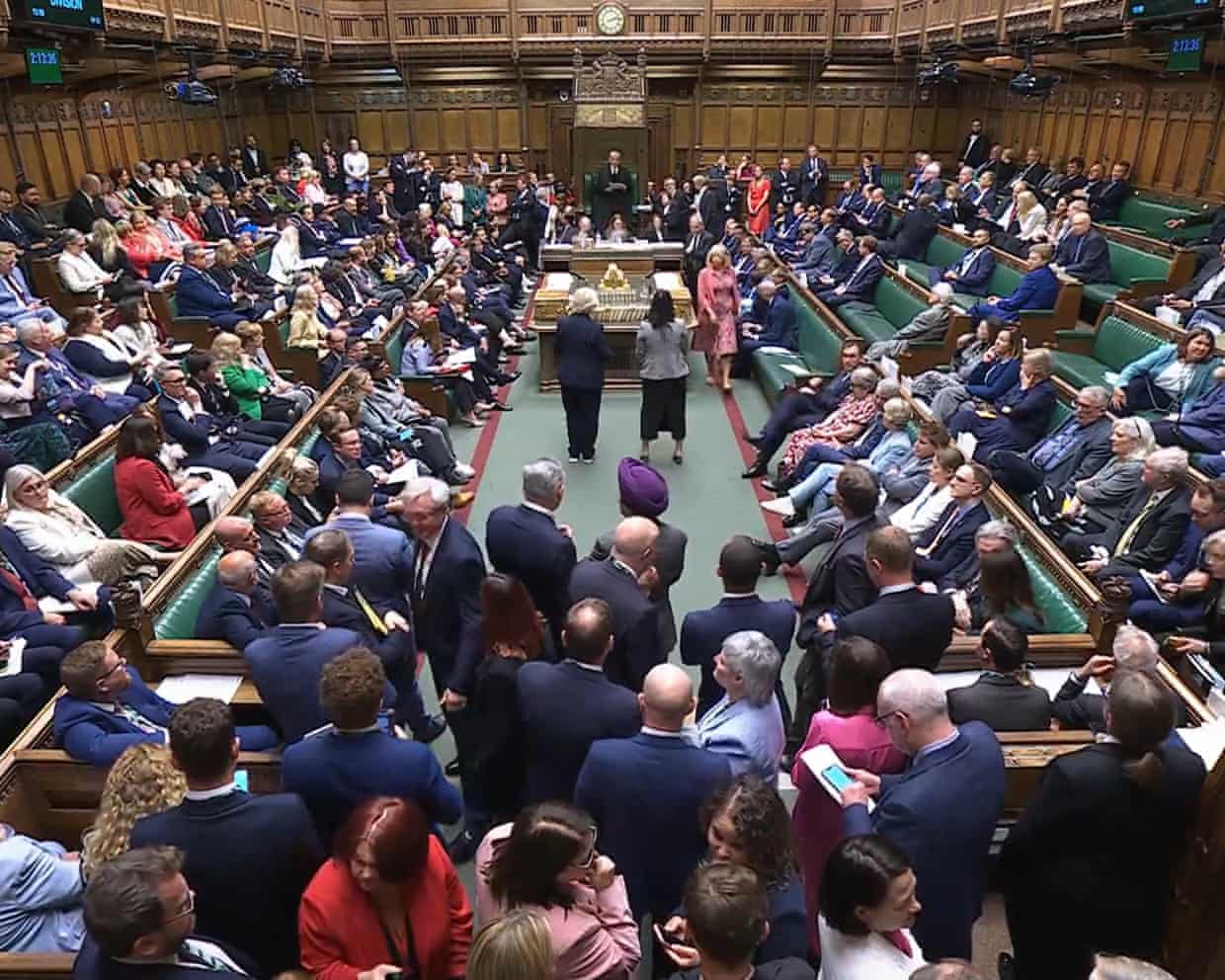
The basic annual salary of MPs will soon rise to £110,000, the expenses watchdog has said, on the grounds of increased abuse and intimidation as well as growing constituency workloads.This April, MPs’ basic pay will rise by almost £5,000 to £98,599, a jump of 5% – and it is expected to reach £110,000 by the end of the parliament.The Independent Parliamentary Standards Authority (Ipsa) said the pay had been benchmarked against other similar roles in the public sector as well as parliamentarians around the world in similar democracies.It awarded an increase that was significantly above inflation – a 3.5% increase for the cost of living and a further 1.
5% “benchmarking adjustment”.“The role of an MP has evolved,” said Ipsa’s chair, Richard Lloyd.“MPs are dealing with higher levels of complex casework than ever before, driven by economic pressures and global and domestic events.Abuse and intimidation towards MPs and their staff have also been growing, and there are increasing risks to their safety.”MPs do not determine their own salaries, which have been set by Ipsa since the expenses scandal in 2009.
The Taxpayers’ Alliance said the rise would come in sharp contrast to that experienced by many others working in the private sector,“Taxpayers will be seething to see politicians receive an inflation-busting pay rise, all while they suffer a personal recession,” the lobby group said,“Politicians should not be insulated from the consequences of their own actions,Their pay should be linked to real living standards measured by GDP per capita,”The increase by the end of the parliament will take MPs’ salaries over the £100,000 threshold for the first time – a tax band that has come under scrutiny in recent years because it involves the loss of the personal allowance as well as tax-free childcare and free childcare hours.
In the “£100k tax trap”, those whose earnings increase to between £100,000 and £125,140 can in effect be left worse off, particularly if they have children and lose their childcare entitlements – now likely to apply to a number of MPs with small children.Ipsa said it would seek in the coming years to “consider prevailing economic and fiscal conditions when confirming our future annual pay decisions for MPs, taking into account the experience of people outside of parliament”.In a recent survey conducted for a speaker’s conference on the rise of abuse of MPs, 96% of MPs and 69% of MPs’ staff who participated said they had experienced one or more forms of abuse in their role.About one in three participating MPs said they had considered not standing for re-election, and one in six had considered resigning from public office because of the abuse they received.
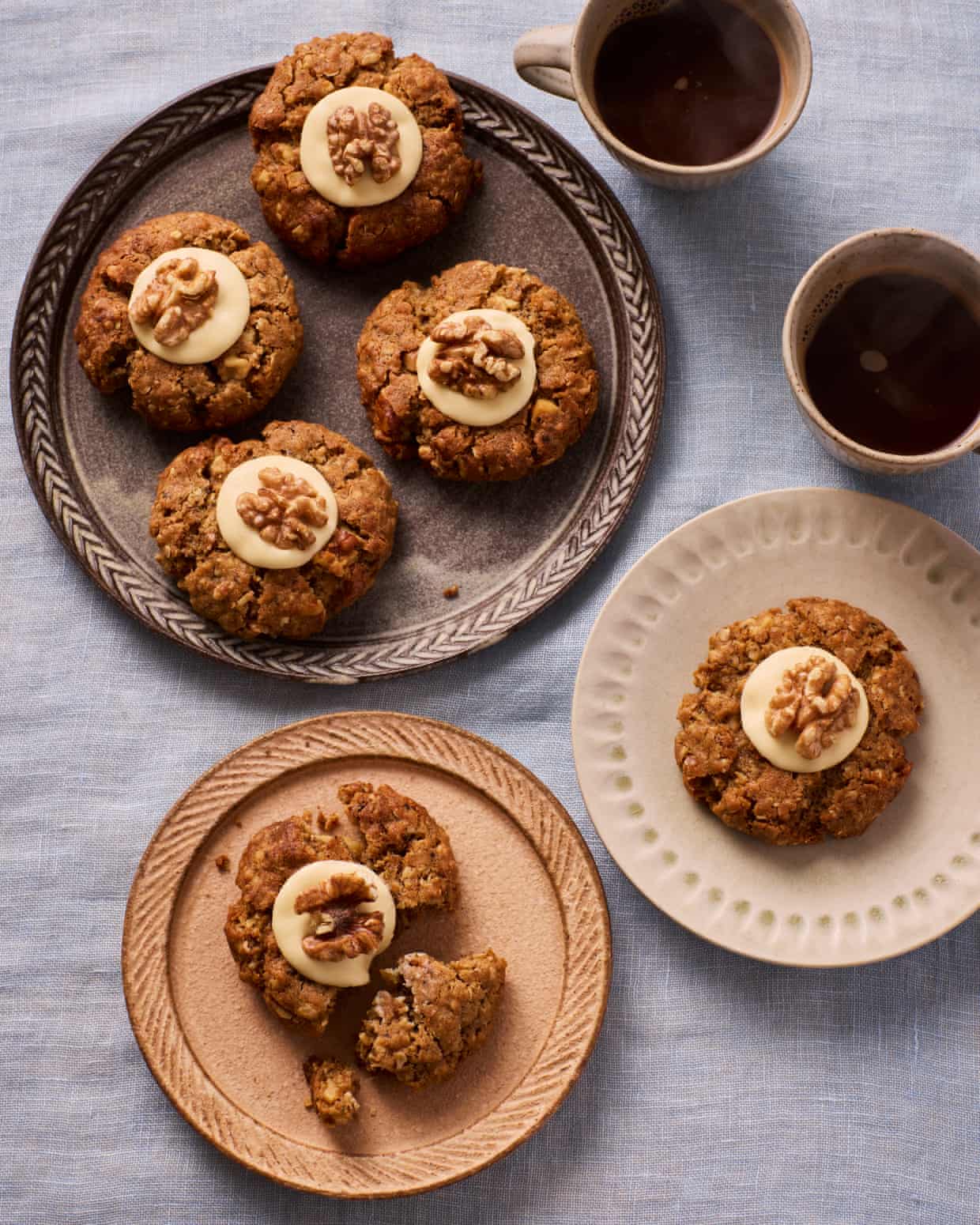
Benjamina Ebuehi’s recipe for coffee and walnut cookies | The sweet spot
When it comes to British cakes, coffee and walnut is such a staple that if there isn’t one present at a bake sale or coffee morning, I’ll raise an eyebrow. I’ve taken the classic combination and put them in a cookie for something fun and quicker to make. Full of toasty walnuts and a hit of that very nostalgic instant coffee flavour, I finish them off with a white chocolate button as a nod to the sweet, creamy icing.Prep 5 minChill 2 hr+ Cook 55 min Makes 1080g shelled walnuts 140g unsalted butter 1½ tbsp instant espresso powder 100g dark brown sugar 75g caster sugar 1 large egg 150g plain flour 80g porridge oats ½ tsp bicarbonate of soda ½ tsp flaky sea salt 10 white chocolate buttonsHeat the oven to 180C (160C fan)/350F/gas 4. Put the walnuts in a single layer on a small baking tray and roast for 10-12 minutes, until toasty
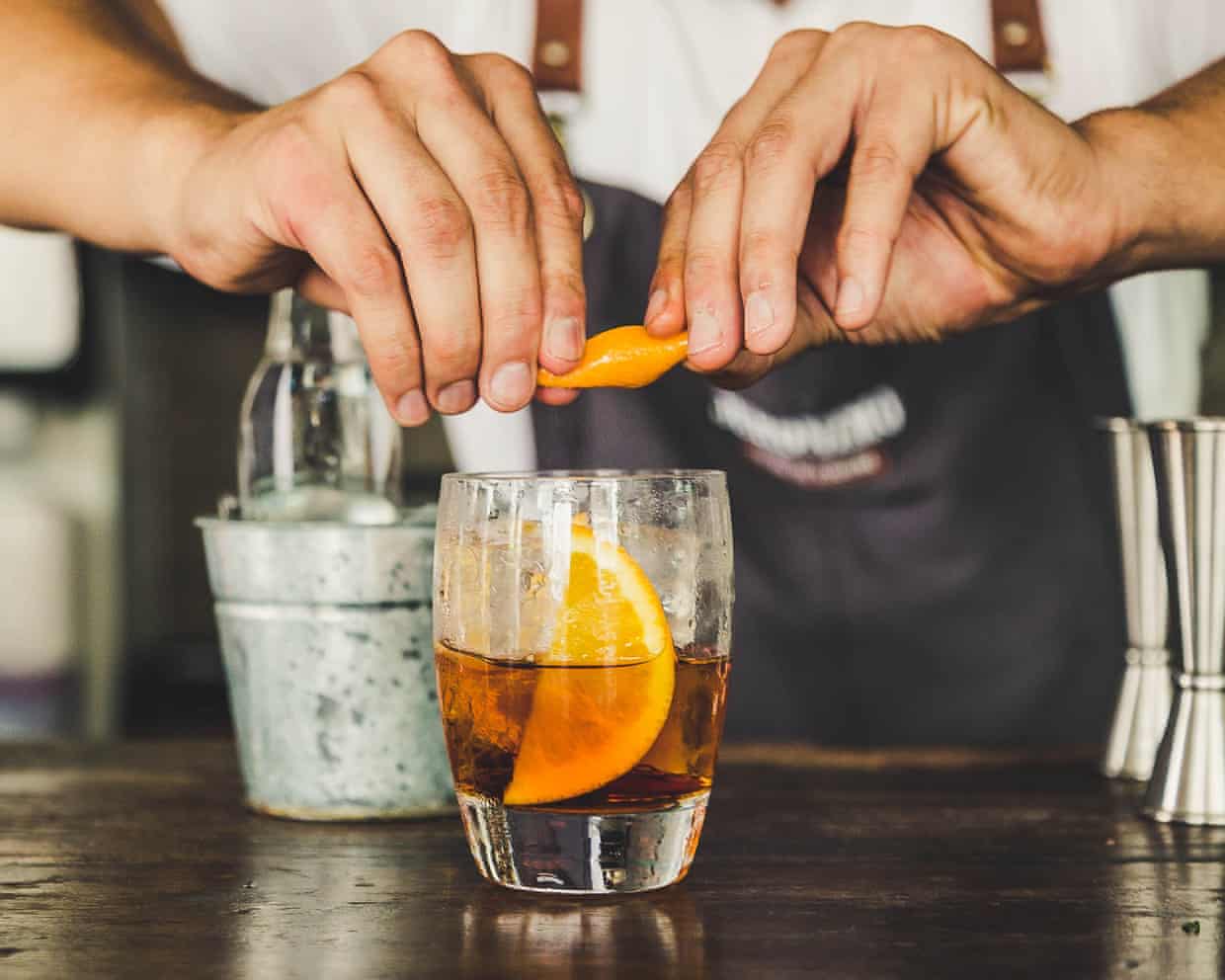
Bitter-sweet symphony: vermouth is more than just another cocktail ingredient
I like to think of vermouth as the Nile Rodgers of drinks, a backbone of good times known more for big hit collaborations than for its solo work. It is a foundation of any self-respecting cocktail cabinet (though it should be kept in the fridge), and also a family of drinks with many individual talents, which are now at long last being more widely recognised – Waitrose’s most recent Food & Drink report even touted vermouth as a 2026 trend, with searches for the stuff up by 26%.The Guardian’s journalism is independent. We will earn a commission if you buy something through an affiliate link. Learn more
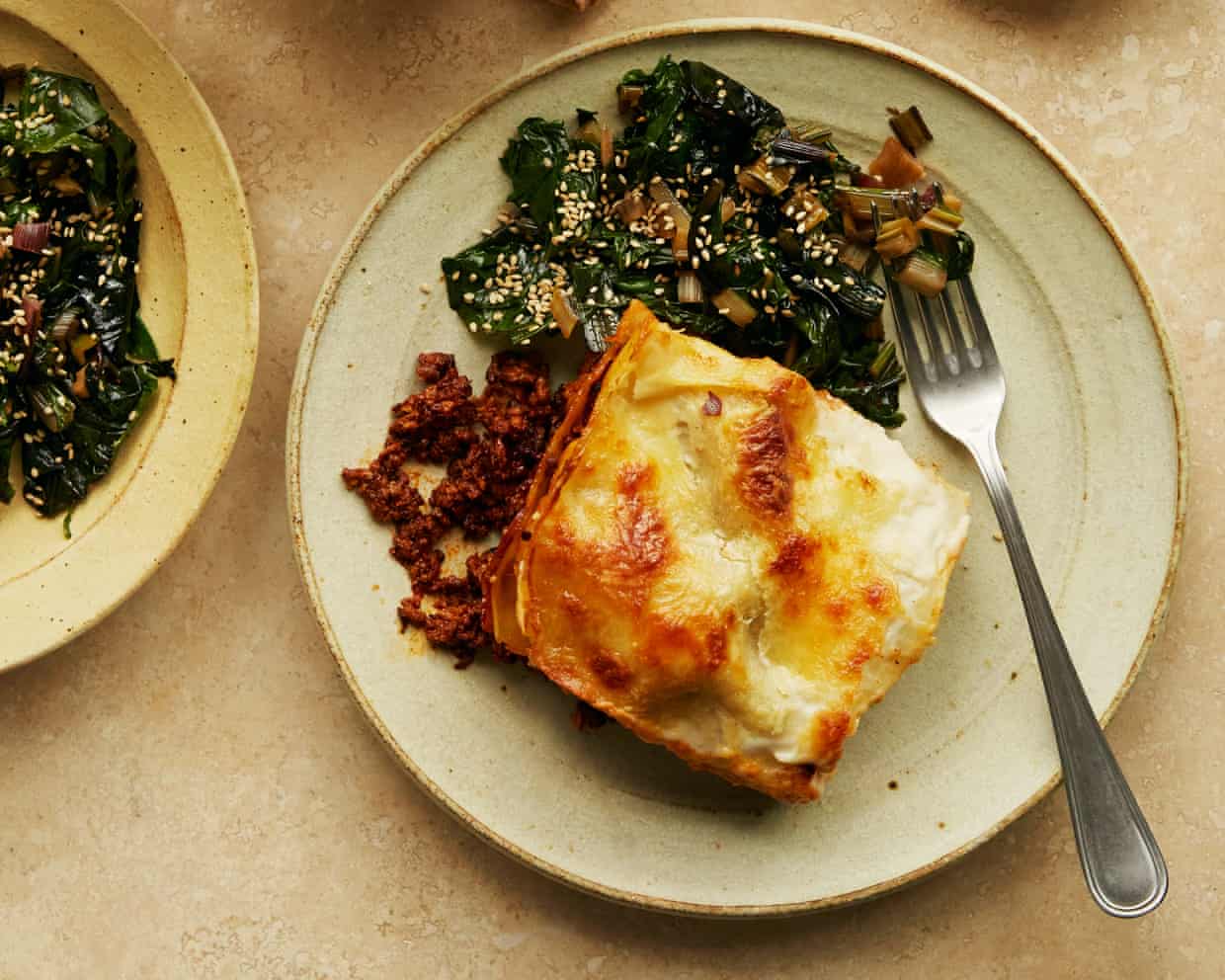
The bubbling beauty of baked pasta
The other day, I climbed the communal stairs and opened the front door to the smell of cheese on toast. A welcome aroma made even more welcome when I realised that it was actually the tips of pasta tubes turning golden among grated cheese and creamy bechamel sauce. To add to the pleasant scene, my partner, Vincenzo, was washing up. Because that is the thing about pasta al forno – baked pasta – the time between finishing the construction and the eating is around about 25 minutes. That is, exactly the right amount of time to wash up and wipe up, or delegate those tasks to someone else while you make a salad and open a bottle of wine
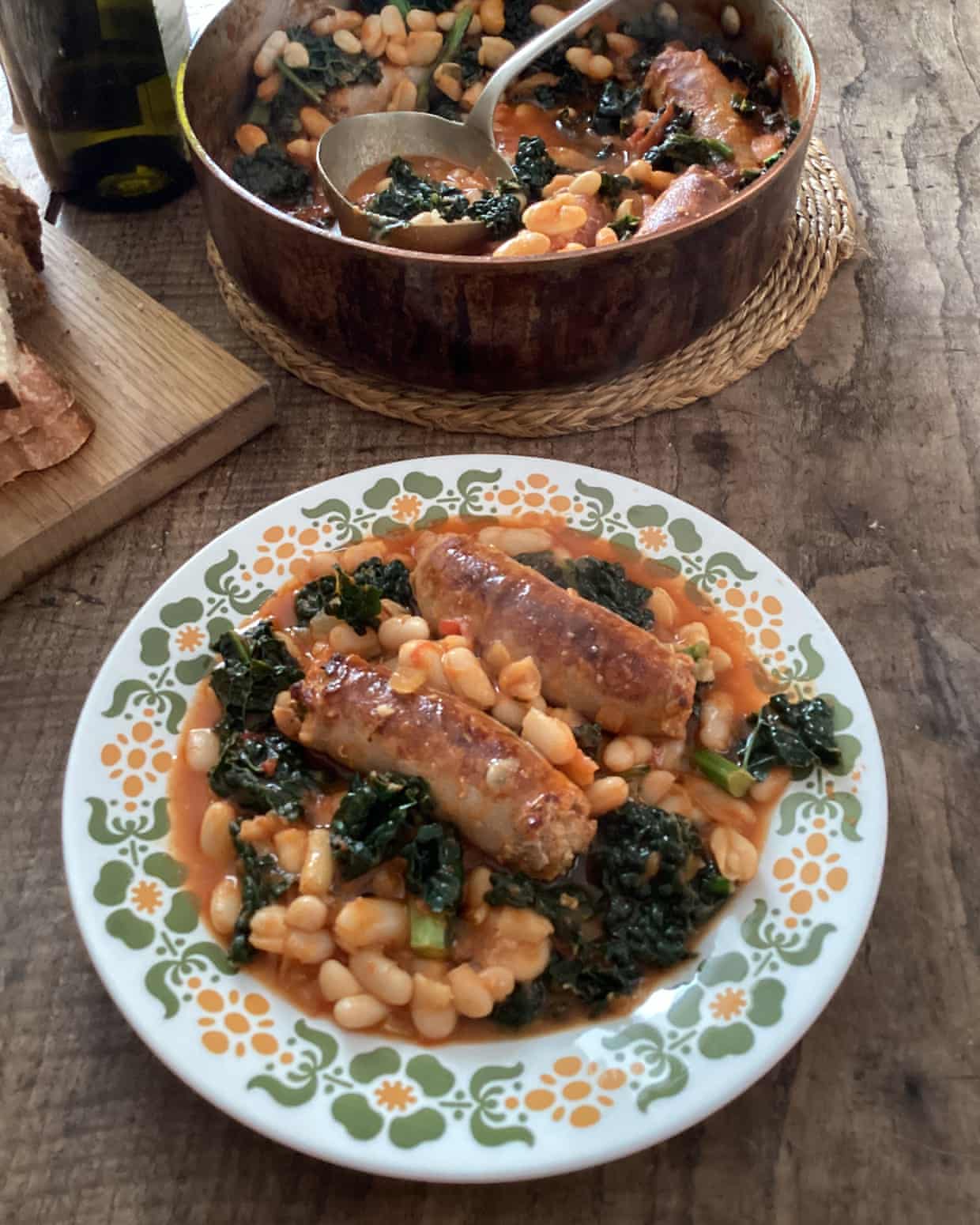
Rachel Roddy’s recipe for beans with greens and sausages | A kitchen in Rome
The benefit of soaking and cooking (or, better still, pressure cooking) your own beans are many: less packaging; money saved (a 500g bag of dried beans costing £2.50 will yield 1.5kg cooked beans, while some 400g tins can cost more or less the same); the suspiciously coloured but flavourful and starchy bean cooking water; and some personal satisfaction that you actually remembered to soak the beans in the first place. The benefits – and joy – of tinned beans, however, are almost instantaneous. That is, just a ring-pull away – unless, of course, said ring-pull comes off prematurely, turning the tin into a door without a knob and leaving you two options: searching for the tin opener that is somewhere in the miscellaneous drawer (or among the picnic equipment, which is on top of the wardrobe), or puncturing the tin at exactly the right spot on the seam with a pointy parmesan knife, which is somewhere in the same drawer
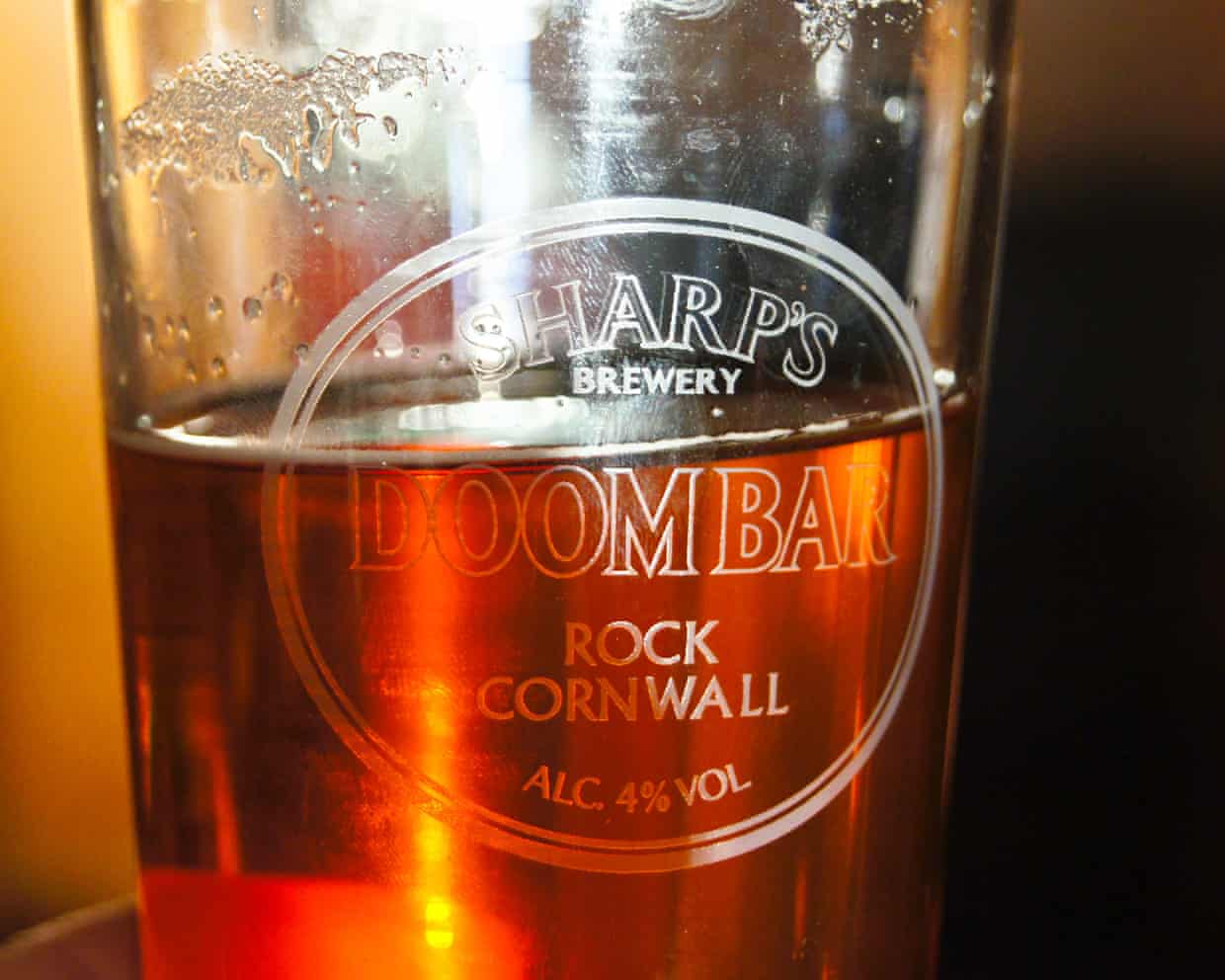
Doom Bar maker Sharp’s Brewery in Cornwall to be closed by US owner
The Cornish brewery that makes Doom Bar ale is to be closed by its US owner, throwing the popular beer brand’s future into doubt and putting about 200 jobs at risk.The drinks company Molson Coors said it plans to shut Sharp’s Brewery in Rock, along with its national call centre in Wales, saying it was “no longer financially sustainable”.The Chicago-based company, which bought Sharp’s 15 years ago, said it was planning to close the site by the end of this year but it “remains committed” to Sharp’s beer brands.Sharp was founded in 1994, and most its sales come from Doom Bar, which is among the bestselling cask ales in the UK, and was named after a notoriously dangerous sandbank in Cornwall’s Camel estuary. Sharp’s also makes Atlantic and Twin Coast pale ales
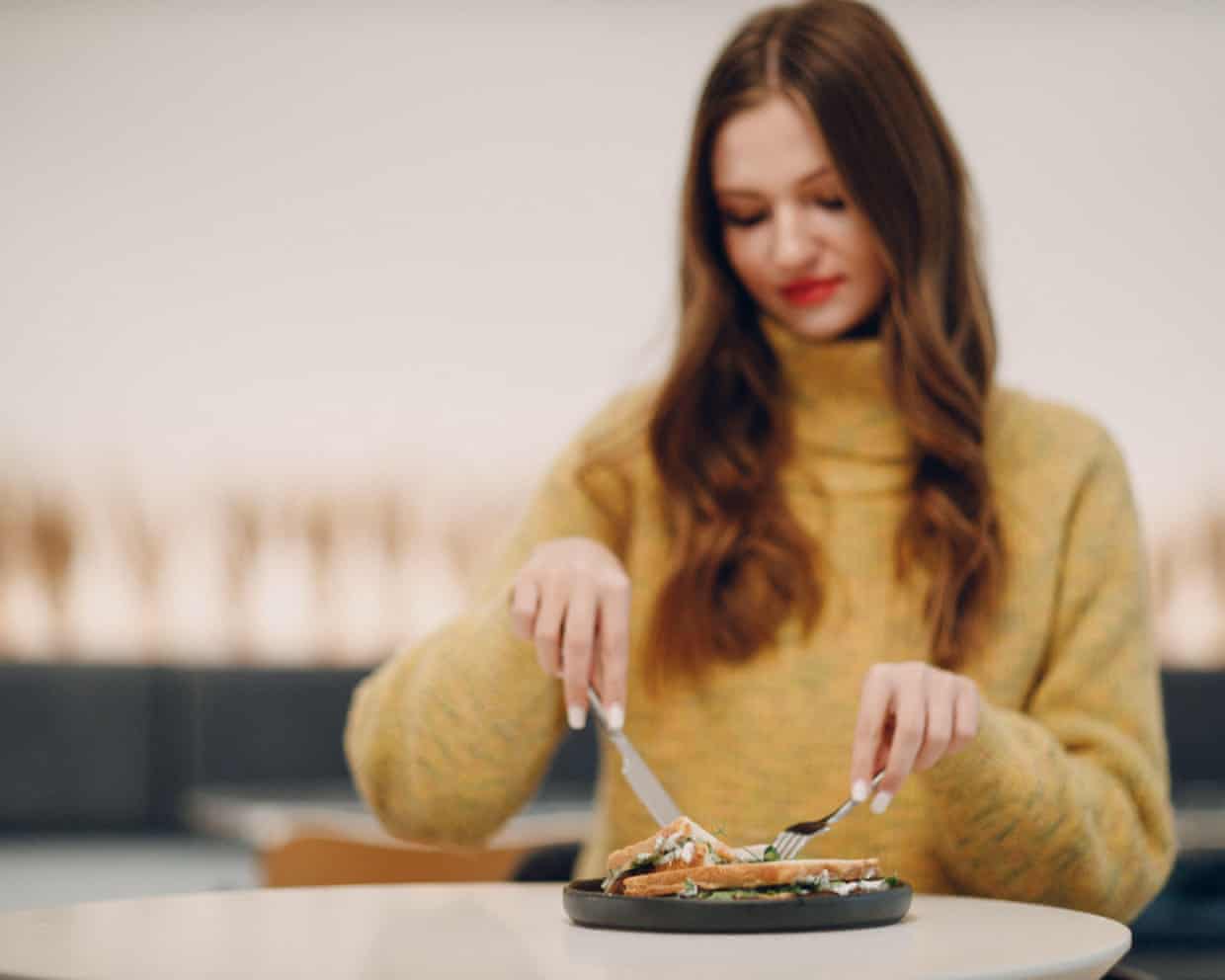
Table for one: is eating lunch at work on your own a bad thing?
Name: The lonely lunch.Age: Recent, but growing.Appearance: Très misérable.Why are you talking French to me? Have you gone all pretentious? I am talking French to you because this is a French problem.It is? Oui
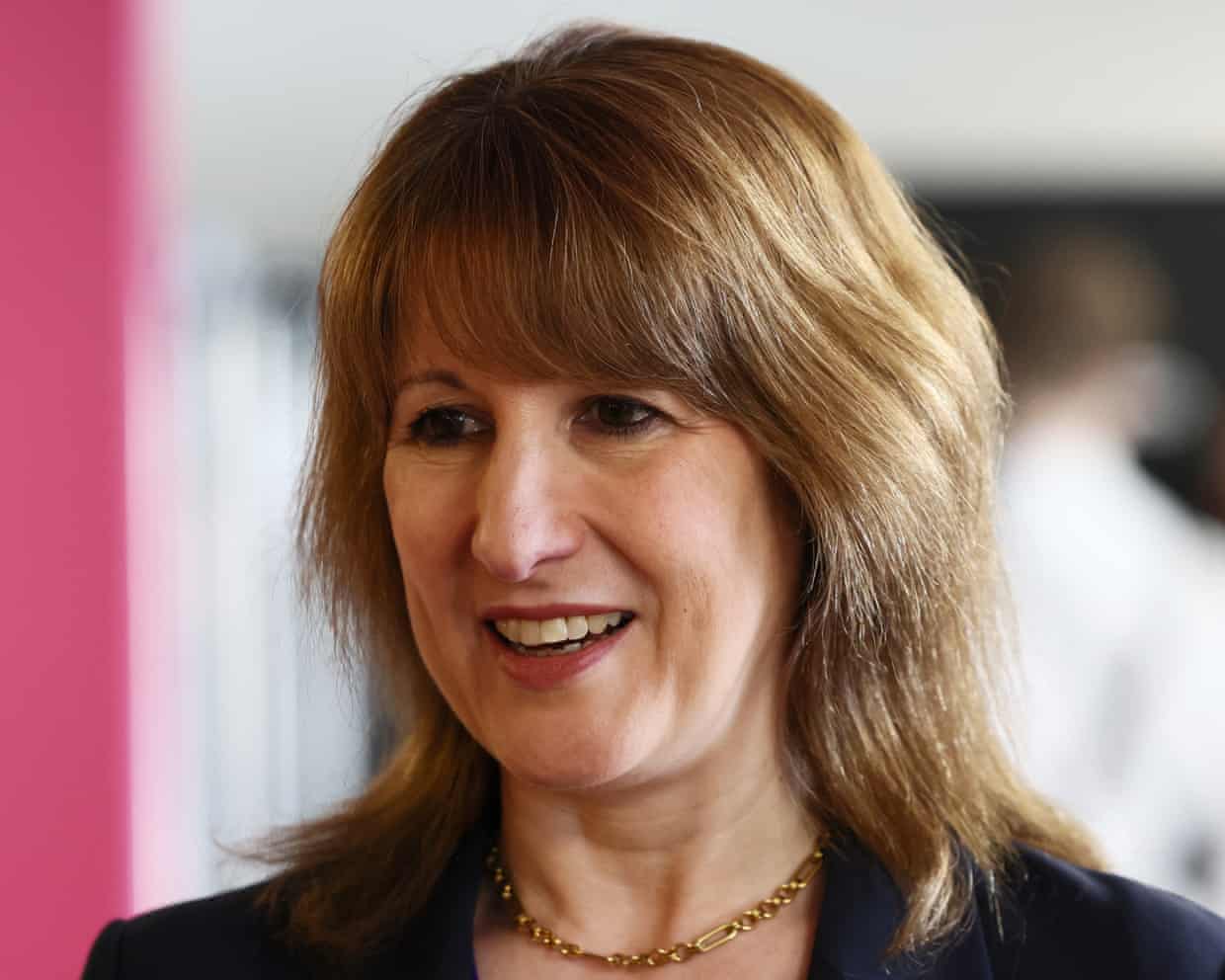
Spring forecast: Rachel Reeves to insist government has ‘right economic plan’, as Middle East crisis threatens inflation spike – live updates

US markets see-saw as investors keep close eye on Iran war

Iran war heralds era of AI-powered bombing quicker than ‘speed of thought’

Anthropic’s AI model Claude gets popularity boost after US military feud
Luke Kornet says Atlanta Hawks’ theme night with strip club Magic City objectifies women

Hilary Knight won Olympic ice hockey gold with torn MCL: ‘I’m not walking around the best’