England planning proposals fail to mention safety of women and girls, say critics
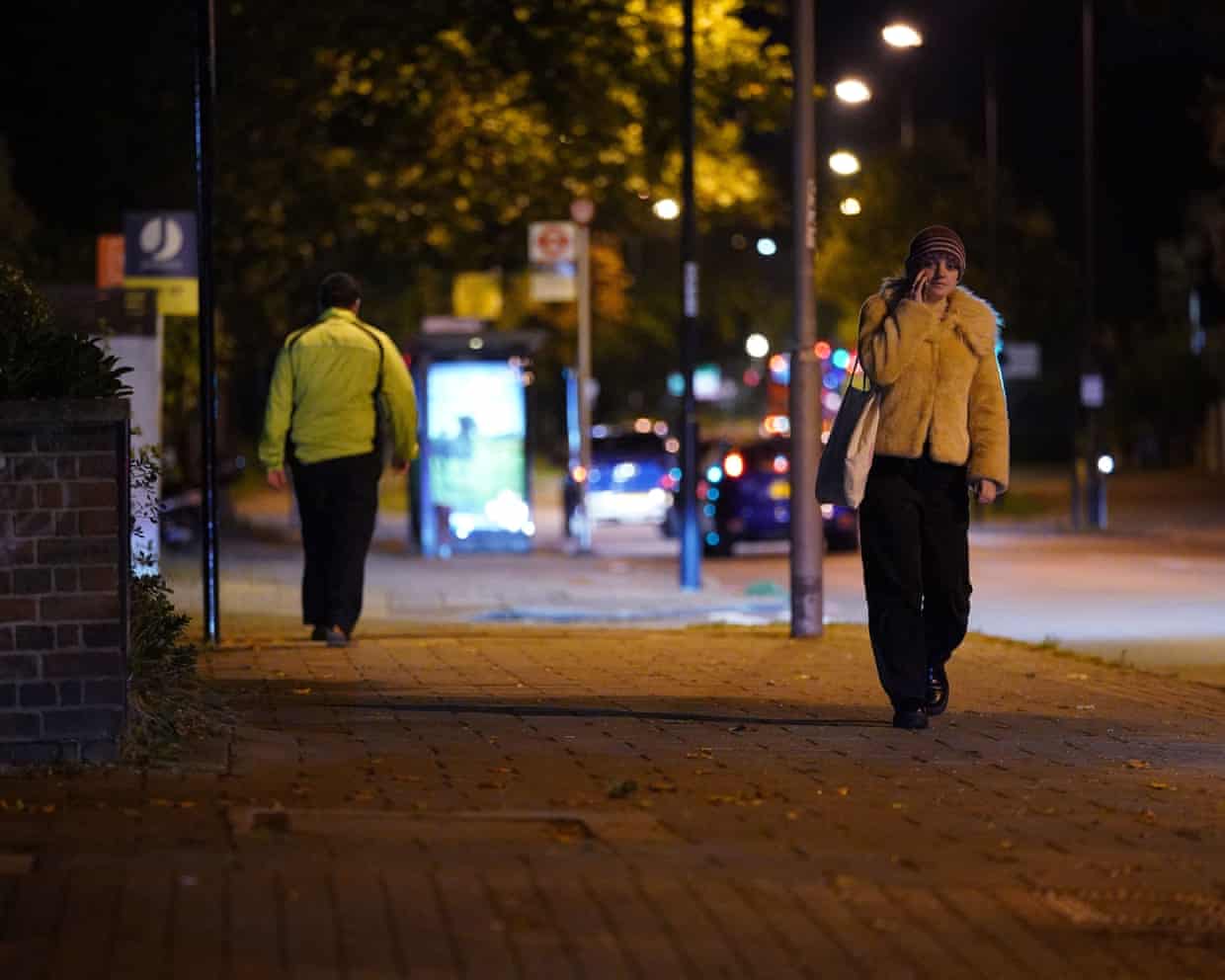
Government proposals to overhaul England’s planning system fail to mention women or girls and ignore official recommendations to keep women safe made after the death of Sarah Everard, experts have told the Guardian.Draft planning proposals – published two days before the government’s strategy to tackle violence against women and girls (VAWG) – are likely to “embed risk and inequality” despite the strategy’s insistence that “design and planning are critical tools” in keeping women safe, MPs campaigners and urban planners have said.The VAWG strategy and part 2 of the Angiolini inquiry, commissioned after the murder of Everard – both published in the same month as the planning proposals – call for women’s safety to be embedded into the planning of public spaces.But the draft National Planning Policy Framework (NPPF), which sets out the government’s intent to massively increase housebuilding, has “no references whatsoever to women, girls, gendered safety, or violence against women in the built environment”, the Liberal Democrat MPs Anna Sabine and Gideon Amos said.In a letter to the housing minister Matthew Pennycook and the safeguarding minister Jess Phillips, as first reported in the Planner, they wrote: “Planning policy is one of the most powerful structural tools the state has to prevent harm before it occurs.
If the NPPF is silent on gendered safety, we embed risk and inequality into the fabric of every new development.”When contacted by the Guardian about the letter, a Ministry of Housing, Communities and Local Government (MHCLG) spokesperson said: “The NPPF is a planning document.It sets out guidelines for housebuilding and planning in England.The VAWG strategy is about protecting women and girls from violence and misogyny.”They said it was “unclear as to why anyone would expect the two things to be combined” and therefore it was difficult to respond to the criticism.
It is understood the ministers have not yet formally responded.It was, said Sabine, an “incredibly arrogant” response.“If you don’t understand how women’s safety ties in with how we design new spaces, you shouldn’t be working at MHCLG,” she said.Susannah Walker, a gender planning consultant who noticed the omission, said the proposals ignored the VAWG strategy and the second part of the report by Dame Elish Angiolini, commissioned after the murder of Everard four years ago.Everard was murdered by a serving police officer, Wayne Couzens, in March 2021 after being abducted off a London street while walking home.
Angiolini said promises of sweeping changes to make women safer as they walk the streets had been hampered by a “paralysis”, and officers tasked with “designing out” crime, which exist in every police force, were sometimes ignored and had not all “been tasked with focusing on preventing violence against women and girls”.The VAWG strategy states that: “Women and girls must both feel safe and be safe in every aspect of public life […] Well-lit streets, accessible transport, and thoughtful urban design can deter violence, reduce opportunities for harm, and send a clear message that public spaces belong to everyone.”Phillips has long-argued that in order to achieve the government’s stated ambition of halving VAWG in a decade, all government departments had to play a part.If councils were not specifically instructed to consider women and girls’ safety, they would not do so, said Walker.“Councils are underfunded, so if it doesn’t go in the NPPF, then it just gets left out because it’s not mandatory,” she said.
“Coming after two high-level government reports which both talk about designing space to keep women safe, this is the most extraordinary omission,”Sabine told the Guardian she did not doubt Phillips’s commitment to get cross-departmental buy-in on ending violence against women and girls, and asked her to “march into” Pennycook’s office to change the draft framework,“We have a world that’s largely designed by and for men,” she said,“But if you take into account women and girls’ safety, you can make very practical decisions that will really benefit women and girls’ lives,”

Coinbase adverts banned in UK for suggesting crypto could ease cost of living crisis
A cryptocurrency company advised by George Osborne has been banned from showing a set of adverts that suggested using its services could be a solution to the cost of living crisis.Coinbase, which appointed the former Conservative chancellor to chair its global advisory council last year, has been told by the UK’s advertising watchdog that its adverts were “irresponsible” and “trivialised the risks of cryptocurrency”.The adverts from the US crypto exchange include a sarcastic two-minute video showing people singing “everything is just fine, everything is grand” as their home falls into a state of disrepair and suffers a power cut, while outside Britons cheerfully dance through streets littered with rats and piles of overflowing bin bags.As the ad progresses, a shopper faces rising prices for fish fingers in a supermarket, white-collar workers lose their jobs, a sewage pipe bursts and rubbish falls from the sky.The clip ends with large text saying: “If everything’s fine, don’t change anything”, before being replaced with the Coinbase logo

Pornhub to stop new UK users accessing site from next week
Pornhub is to stop new users accessing its site in the UK from next week, citing the impact of mandatory age checks that were introduced last summer under the Online Safety Act.The pornography website, which is one of the most visited in the world, announced that from 2 February only users who have already verified their age will retain access through their existing accounts. The change also affects YouPorn and RedTube, explicit websites operated by the same Cyprus-based company, Aylo.The move comes after Pornhub said in October that its traffic was down 77% in the UK since July, when the age checks came in and began to be enforced by Ofcom, the communications regulator.In a statement, the company said that it would “no longer participate in the failed system” created as a result of the OSA

How ICE is using facial recognition in Minnesota
Immigration enforcement agents across the US are increasingly relying on a new smartphone app with facial recognition technology.The app is named Mobile Fortify. Simply pointing a phone’s camera at their intended target and scanning the person’s face allows Mobile Fortify to pull data on an individual from multiple federal and state databases, some of which federal courts have deemed too inaccurate for arrest warrants.The US Department of Homeland Security has used Mobile Fortify to scan faces and fingerprints in the field more than 100,000 times, according to a lawsuit brought by Illinois and Chicago against the federal agency, earlier this month. That’s a drastic shift from immigration enforcement’s earlier use of facial recognition technology, which was otherwise limited largely to investigations and ports of entry and exit, legal experts say

UK ministers accept $1m from Meta amid social media ban consultation
Ministers have accepted $1m (£728,000) from Meta, the US tech and social media company, to build AI systems for defence, national security and transport, sparking warnings about the UK government’s “alarmingly close relationship with Trump-supporting US tech giants”.The money from Mark Zuckerberg’s company will be used to pay experts to “develop cutting-edge AI solutions … to support national security and defence teams”, the Department for Science, Innovation and Technology (DSIT) announced on Tuesday.The money will pay for four British AI experts, coordinated by the government-funded Alan Turing Institute, to “play a pivotal role in rewiring our healthcare, police, transport systems and more”, said Ian Murray, the minister for data and digital government.The move comes after Meta executives had 50 meetings with ministers in the last two years for which data was available, one of the highest levels of direct access of any technology company, a Guardian investigation found.The government is consulting on a ban on social media use by under-16s, which would have a major effect on Meta’s Instagram platform

At Davos, tech CEOs laid out their vision for AI’s world domination
Hello, and welcome to TechScape. This week’s edition is a team effort: my colleague Heather Stewart reports on the plans for AI’s world domination at Davos; I examine how huge investments have followed AI companies with little to their names but drama and dreams; and Nick Robins-Early spotlights how lax regulation of autonomous driving in Texas allowed Tesla to thrive.When they weren’t discussing Donald Trump, delegates at the World Economic Forum last week were being dazzled by the prospects for artificial intelligence.Up and down the main street of the Swiss Alps town, almost every shopfront was temporarily emblazoned with the neon slogan of a tech firm – or a consultancy promising to tell executives how to incorporate AI into their business. Cloudflare’s wood-panelled HQ urged delegates to “connect, protect and build together”, and Wipro’s shouted: “Dream Solve Prove Repeat

‘Wake up to the risks of AI, they are almost here,’ Anthropic boss warns
Humanity is entering a phase of artificial intelligence development that will “test who we are as a species”, the boss of the AI startup Anthropic has said, arguing that the world needs to “wake up” to the risks.Dario Amodei, a co-founder and the chief executive of the company behind the hit chatbot Claude, voiced his fears in a 19,000-word essay titled “The adolescence of technology”.Describing the arrival of highly powerful AI systems as potentially imminent, he wrote: “I believe we are entering a rite of passage, both turbulent and inevitable, which will test who we are as a species.”Amodei added: “Humanity is about to be handed almost unimaginable power, and it is deeply unclear whether our social, political, and technological systems possess the maturity to wield it.”The tech entrepreneur, whose company is reportedly worth $350bn (£255bn), said his essay was an attempt to “jolt people awake” because the world needed to “wake up” to the need for action on AI safety

Georginia Hayden’s quick and easy recipe for roast sprout salad with anchovies and parmesan | Quick and easy
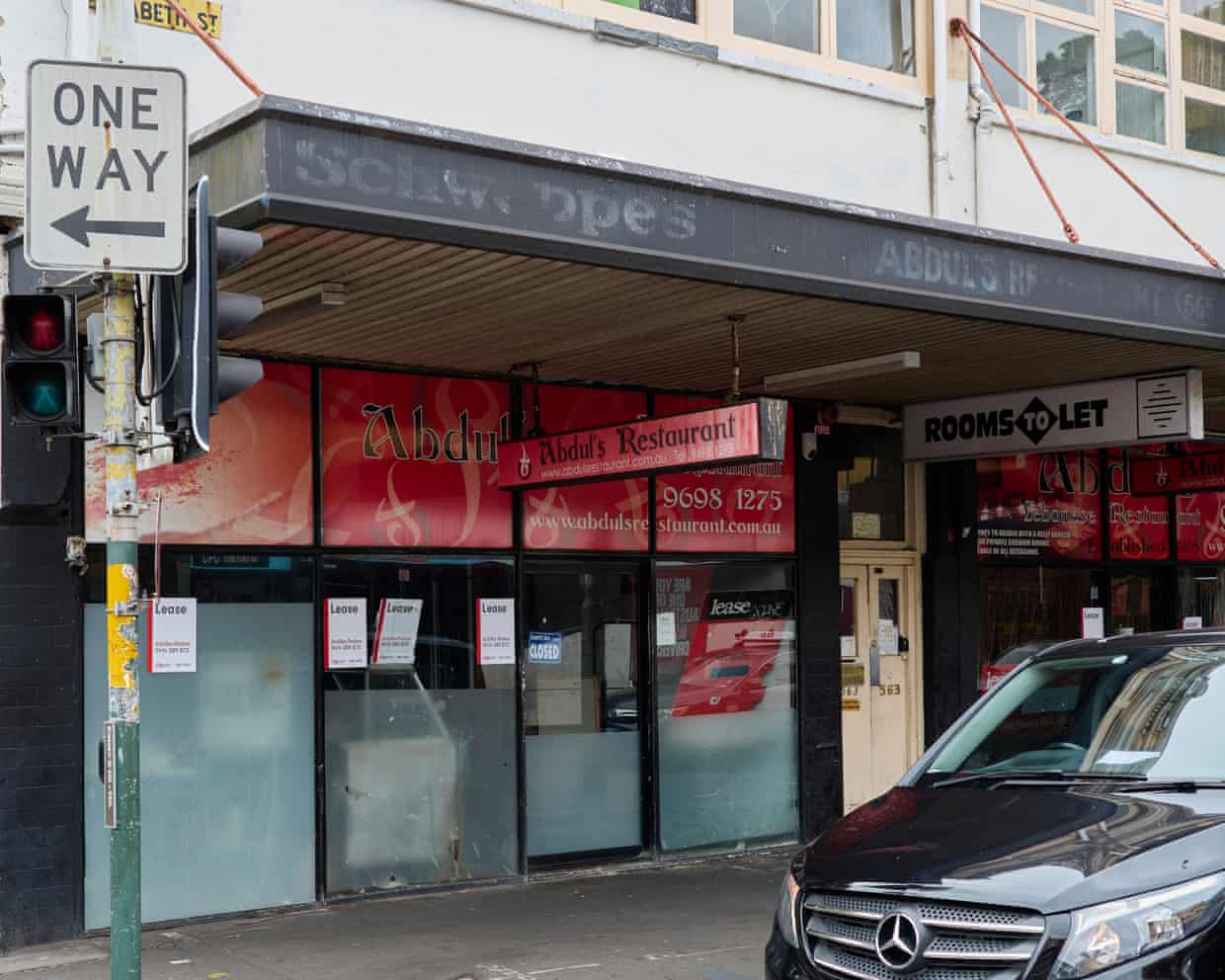
‘Dad never took his customers for granted’: remembering Abdul’s in Sydney’s ‘Little Lebanon’

How to make a clootie dumpling – recipe | Felicity Cloake's Masterclass
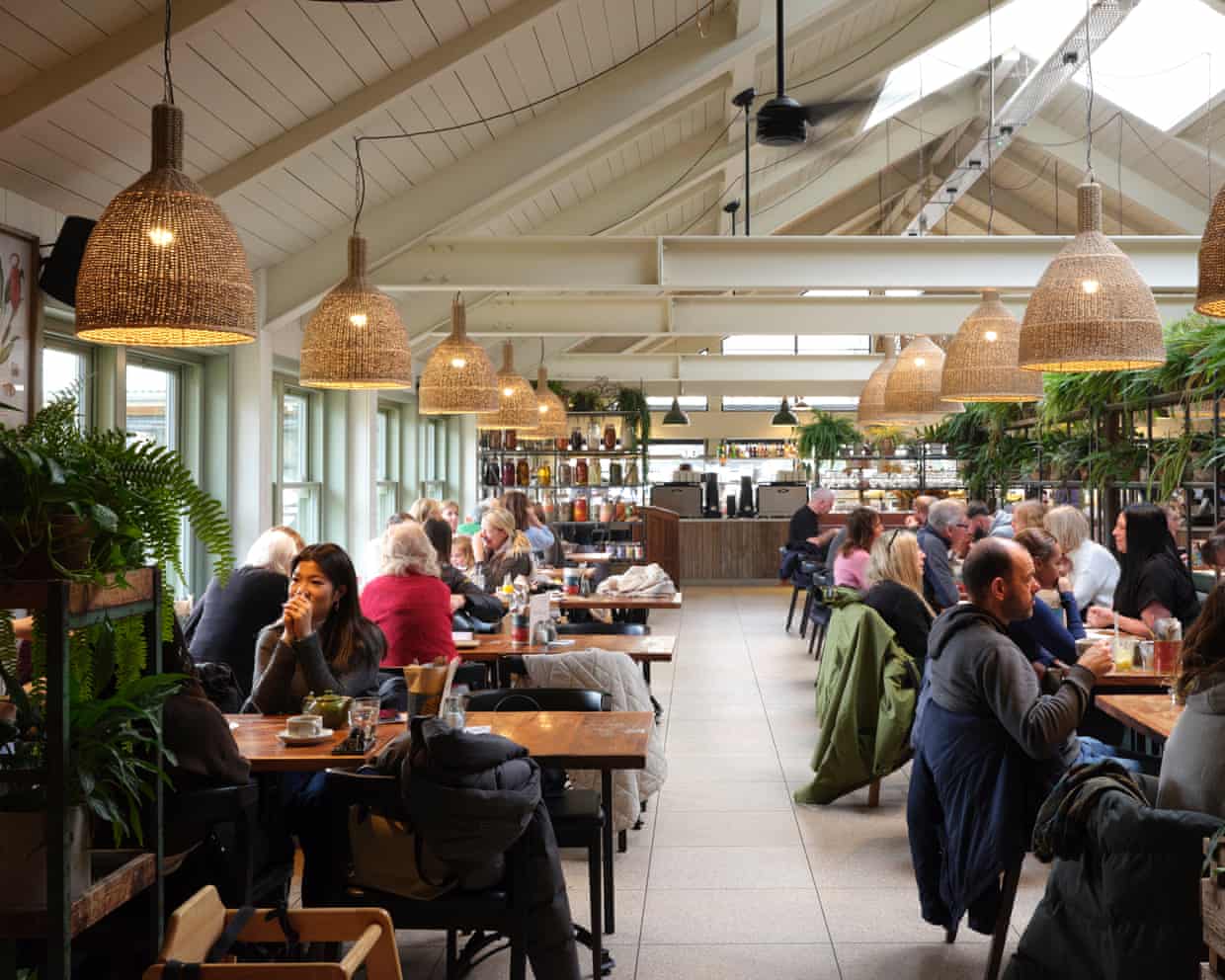
Tin Roof Cafe, Maldon, Essex: ‘Come for topsoil, stay for the shortbread’ – review

Ignore the snobbery and get into blended whisky

Helen Goh’s recipe for Breton butter cake with marmalade | The sweet spot