The key questions Keir Starmer must answer over Mandelson appointment
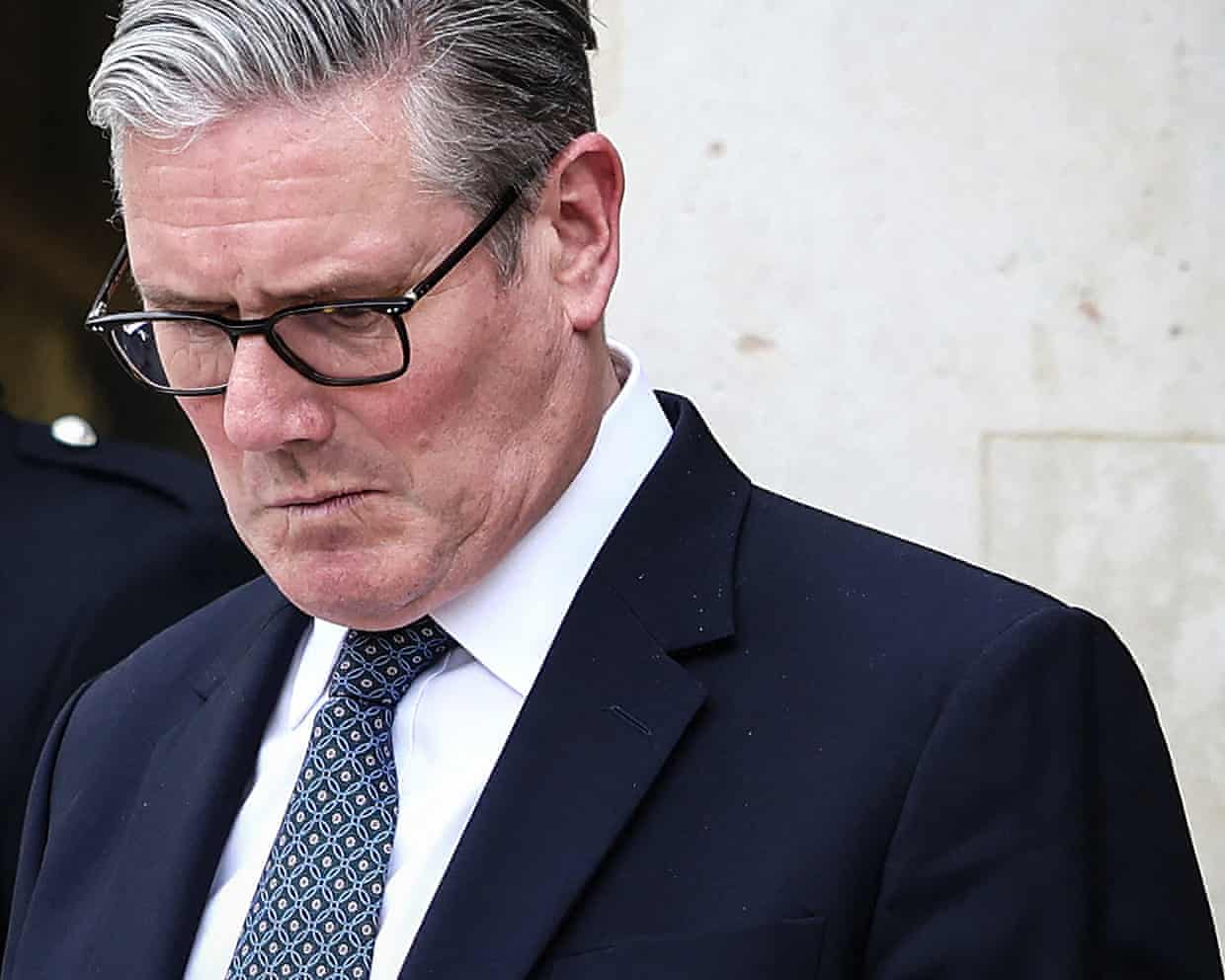
The next 48 hours will be crucial for Keir Starmer’s troubled premiership as he faces continuing calls to resign over his appointment of Peter Mandelson as US ambassador.On Monday, Starmer will give a statement to the House of Commons on the Guardian’s revelation that Mandelson was allowed to serve as US ambassador despite failing a vetting process run by security officials.On Tuesday, Olly Robbins, the top civil servant at the Foreign Office, who Starmer sacked on Thursday and is trying to blame for the row, will give his side of the story.Here are the key questions Starmer must answer.The appointment of Peter Mandelson as US ambassador was known to be risky.
Mandelson, who was nicknamed the “prince of darkness”, had been forced to resign twice as a Labour minister,His links to the convicted sex offender Jeffrey Epstein were public knowledge,As were his consultancy Global Counsel’s links to China,So on a basic level, the question is obvious: why did Starmer pick him?The current crisis facing Downing Street stems from the Guardian’s revelation that United Kingdom Security Vetting (UKSV) said Mandelson should be declined “developed vetting” clearance in late January 2025, only for that advice to be overruled by the Foreign Office so he could take up the post,Starmer has said it was “unforgivable” and “staggering” that officials did not tell him Mandelson was denied UKSV clearance.
But was the prime minister made aware there were problems with the vetting process?It has been suggested, for example, that mitigations were put in place before Mandelson took up the post.To be clear, UKSV did not recommend mitigations or “risk management”, opting for straight “clearance denied”.But when deciding to give Mandelson clearance anyway, the Foreign Office could have put in place some restrictions to mitigate risk.If that happened, was Starmer aware? And if he was told that there were issues, why did he not demand to get to the bottom of them?Days after the Foreign Office granted Mandelson “developed vetting” clearance, against the advice of security officials, the department told him the role in Washington required an even higher level of clearance, called DV+STRAP.STRAP clearance – or “indoctrination” – is required for access to documents even more sensitive than top secret, such as intelligence material.
Such documents are reportedly printed on pink paper to visually identify them.It is unclear whether or not Mandelson received STRAP clearance, but it is hard to see how he would perform his role without it.Did Mandelson get this top-level clearance? If so, how was that possible, given that he’d been denied the lower-level clearance by UKSV? And if Mandelson got STRAP clearance with mitigations put in place that affected his ability to do the role, for example by limiting his access to particular documents or areas of foreign policy, how did Starmer not know that?Friends of Robbins have said he had a legal duty not to divulge the details of a highly intrusive vetting process.Ciaran Martin, a former senior civil servant, said: “Not only is there no duty to disclose the details of a vetting case, there is a duty not to disclose them.” Simon McDonald, a former permanent secretary of the Foreign Office, said vetting was a “confidential process”, citing the Constitutional Reform and Governance Act 2010.
According to publicly available government documents, the process includes a questionnaire and interviews requiring disclosure of highly private information, including about personal finances, business connections and sexual history.Starmer is likely to be pressed on whether he has now seen the full details of why Mandelson failed his vetting.Assuming he now has the facts, what will Starmer now tell parliament abut the reasons why Mandelson was deemed a security risk?In February, a humble address vote in the Commons forced the government to order the release to the public of “all papers” relevant to Mandelson’s appointment.Under the terms of the motion, papers deemed prejudicial to national security or international relations should go to the parliamentary intelligence and security committee.According to multiple sources, officials have been in dispute over whether to release the vetting documents to this committee.
Starmer will be asked to explain why officials considered withholding these documents, in defiance of the humble address motion.Has the committee now been provided with the documents? If not, when will that happen? And does the prime minister now think there’s a case for the public to know what’s in them?In February, Starmer told journalists: “Security vetting, carried out independently by the security services, which is an intensive exercise that gave him clearance for the role.You have to go through that before you take up the post.Clearly both the due diligence and the security vetting need to be looked at again.”He also told the Commons: “Full due process was followed during this appointment, as it is with all ambassadors.
”Why did no official tell Starmer that he had misled parliament, either at the time or subsequently when they found out that Mandelson had failed vetting? The Guardian has revealed that the cabinet secretary, Antonia Romeo, and the Cabinet Office’s permanent secretary, Catherine Little, have both known about this since March.Starmer must explain why they, and others, did not tell him earlier – and why he did not sufficiently check that what he was claiming about the vetting was true.If, as it is claimed, Starmer only discovered that Mandelson failed vetting on Tuesday night, why did he not set the record straight at the earliest opportunity? Starmer could have informed parliament on Wednesday during prime minister’s questions that he may have inadvertently misled the house about Mandelson’s vetting.But he said nothing on the issue, and will be pressed to explain why.The appointment of Mandelson has led to the resignation of Starmer’s chief of staff, Morgan McSweeney, and the firing of Robbins.
Starmer is being accused by opposition leaders of trying to blame others for a decision that was ultimately his responsibility.And frustrated civil servants think he has tried to throw Robbins under a bus over the row.He will need to provide a convincing answer to these charges, both to settle his own exasperated MPs and his disgruntled officials.
Quarter of a million people could lose job by middle of 2027 as UK ‘flirts with recession’, analysis says
A quarter of a million people could lose their jobs by the middle of next year as Britain “flirts with recession”, analysis suggests, after business confidence was shattered by the US-Israel war on Iran.As the chancellor, Rachel Reeves, summoned bank chiefs for talks aimed at containing the fallout, twin reports from top accounting firms underlined the scale of the economic threat facing the UK.Iran’s retaliatory closure of the strait of Hormuz trade route and its strikes on its regional neighbours, which have sent oil and gas prices soaring, will cause the biggest economic hit since the Covid pandemic, according to the EY Item Club, an economic forecast group.A separate report by Deloitte found finance bosses at big UK businesses were already reining in their spending plans, taking action that was likely to weigh on economic activity and hiring.The EY Item Club said it expected the UK economy to flatline in the second and third quarters of this year, leaving the country at risk of recession, defined as two successive quarters of contraction
William Hill owner Evoke in talks on £225m takeover by casino group Bally’s
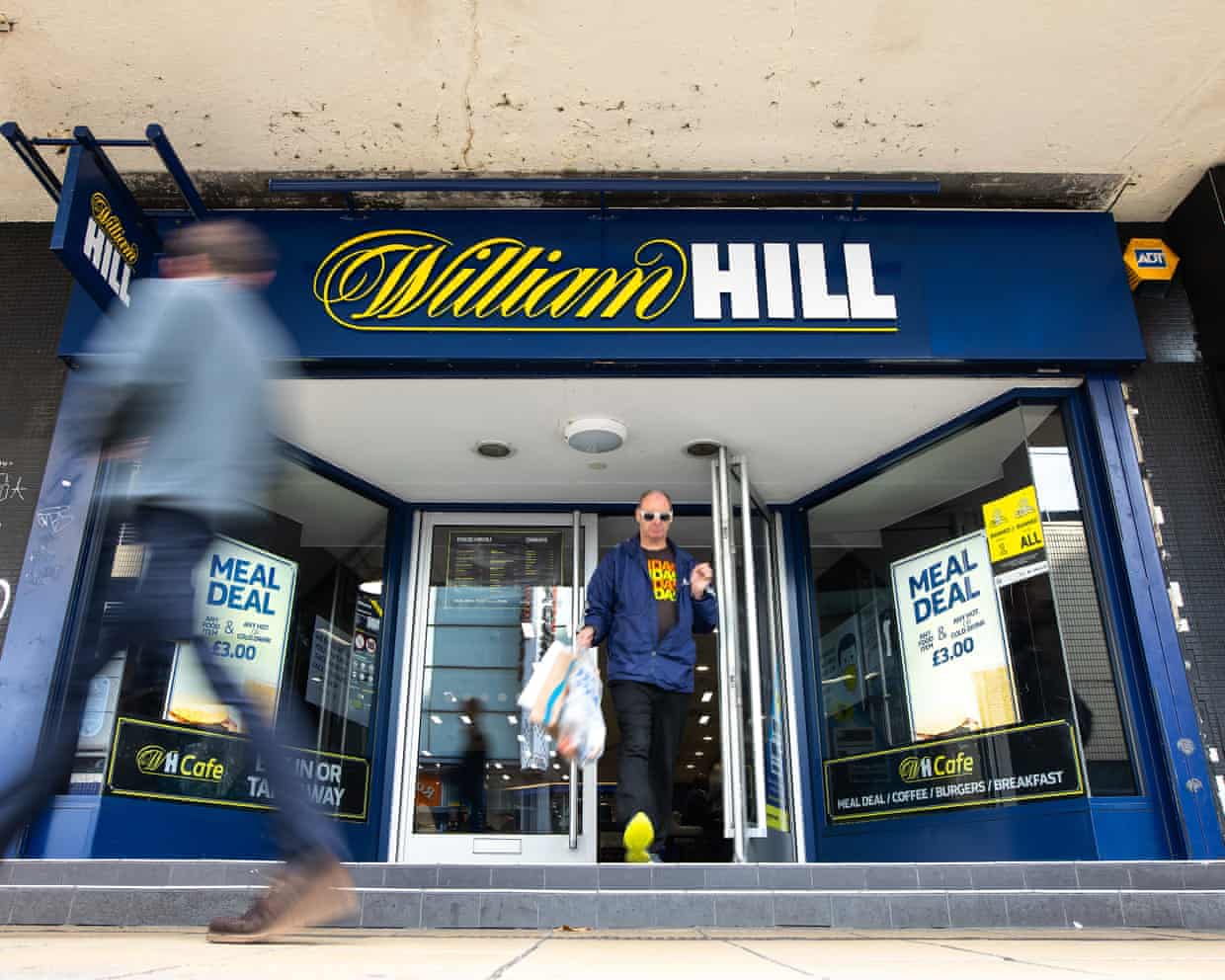
Evoke, the London-listed gambling company that owns William Hill and the 888 online casino brand, is in takeover talks with the US casino operator Bally’s Intralot.The heavily indebted company said in a statement to the stock market that it was in discussions with Bally’s “regarding a possible offer” for the business at 50p a share, almost a third higher than its closing price on Friday and valuing the group at £225m.It comes four years after the company, previously known as 888 Holdings, paid £2.2bn to buy William Hill’s network of 1,400 bookmakers. Since then, its shares have fallen by 90%
Ed Miliband to double down on net zero with measures to combat Iran energy shock
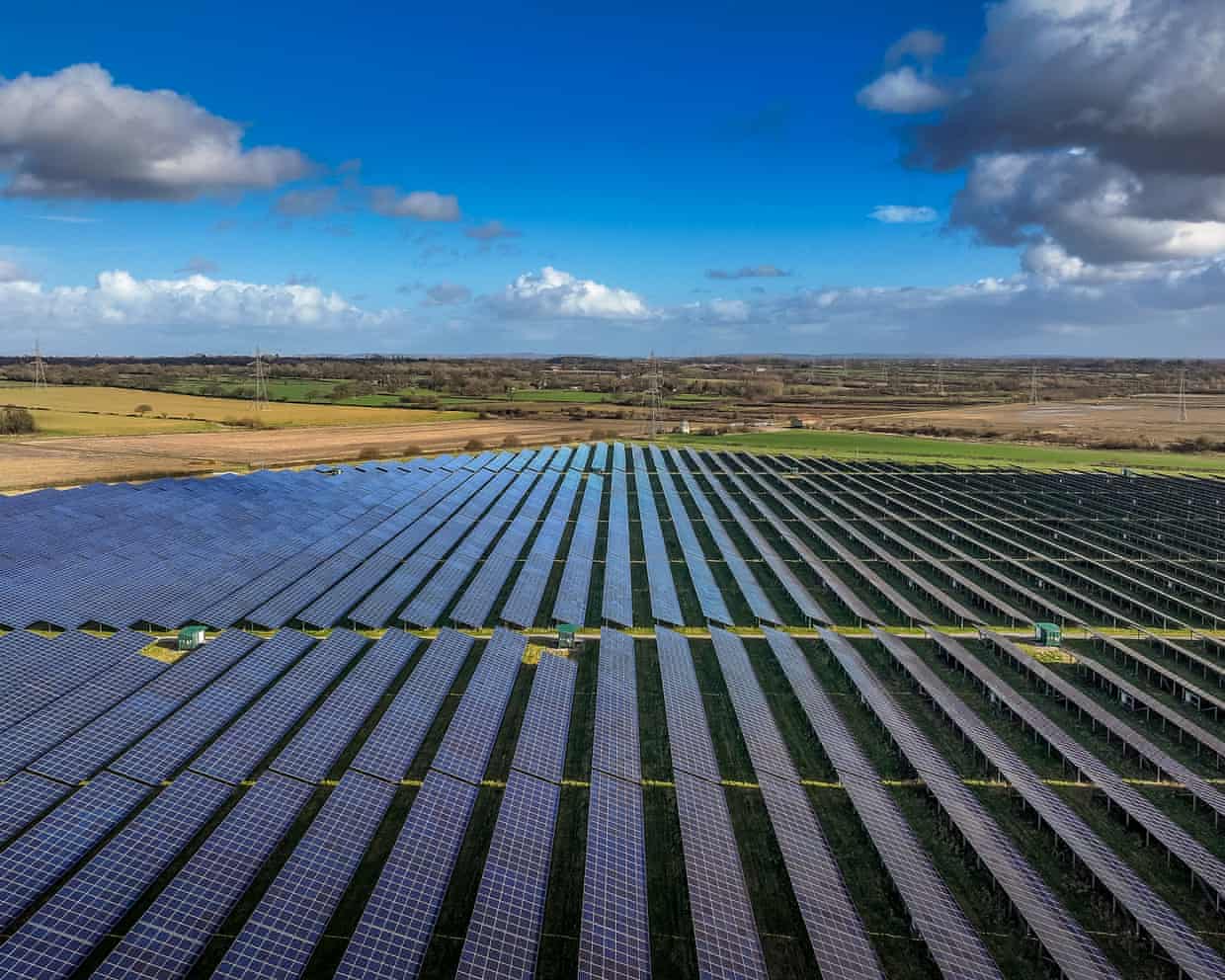
Ed Miliband will double down on Labour’s commitment to net zero in the face of the Middle East conflict this week, insisting that as fossil fuel prices soar “the era of clean energy security must come of age”.The energy secretary is set to announce a package of new policies in a speech on Tuesday in response to an expected energy crisis prompted by Donald Trump’s war with Iran.These will include speeding up the warm homes plan to encourage the rapid take-up of solar panels and electric vehicles; expanding the use of solar on public land; and delinking gas and electricity prices, to cut consumers’ bills.“As we face the second global energy shock in less than five years, the lesson for our country is clear; the era of fossil fuel security is over, and the era of clean energy security must come of age,” he is expected to say.Oil prices plunged on Friday amid claims that the key maritime choke point of the strait of Hormuz was reopening – but those hopes were dashed over the weekend, with Iran insisting it would remain under “strict control”
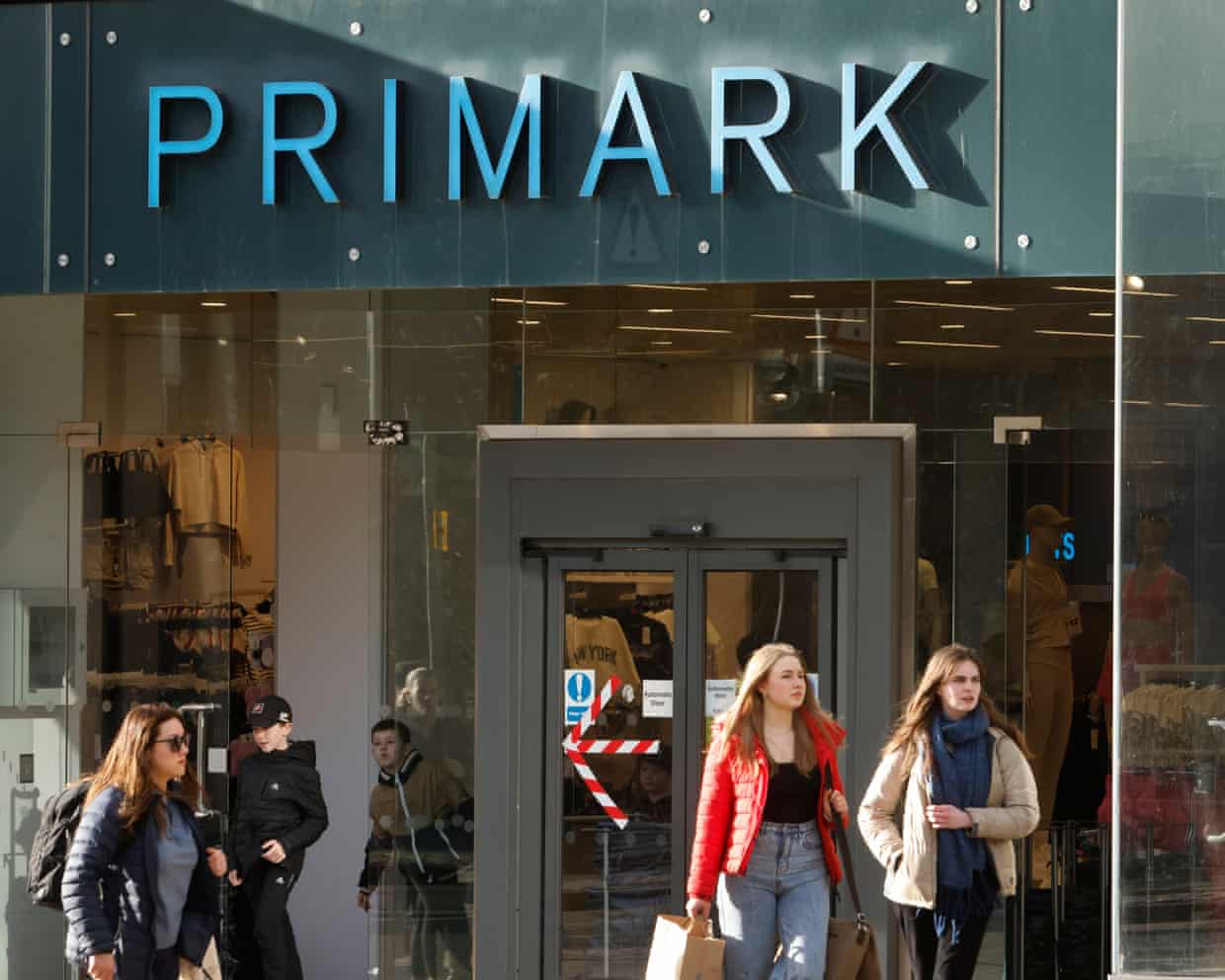
ABF poised to reveal result of Primark and food business demerger plan
Primark may break free from Kingsmill, Twinings and the sugar business this week when Associated British Foods announces plans on a mooted demerger.The potential split comes at a tricky time for the group controlled by the billionaire Weston family, with its fashion and food arms facing tough competition and rising costs.ABF, which owns bakeries, a sugar production business and provides ingredients to the restaurant trade alongside selling brands including Patak’s spice flavourings, Blue Dragon sauces and Jordans cereals, said in November last year that it was considering a demerger of Primark, its fashion arm. It said a strategic review carried out with the help of the advisory company Rothschild & Co had “a view to maximising long-term value”.That was followed by a subdued statement on Christmas trading in January when the company admitted that annual sales were likely to be flat year on year and profits down
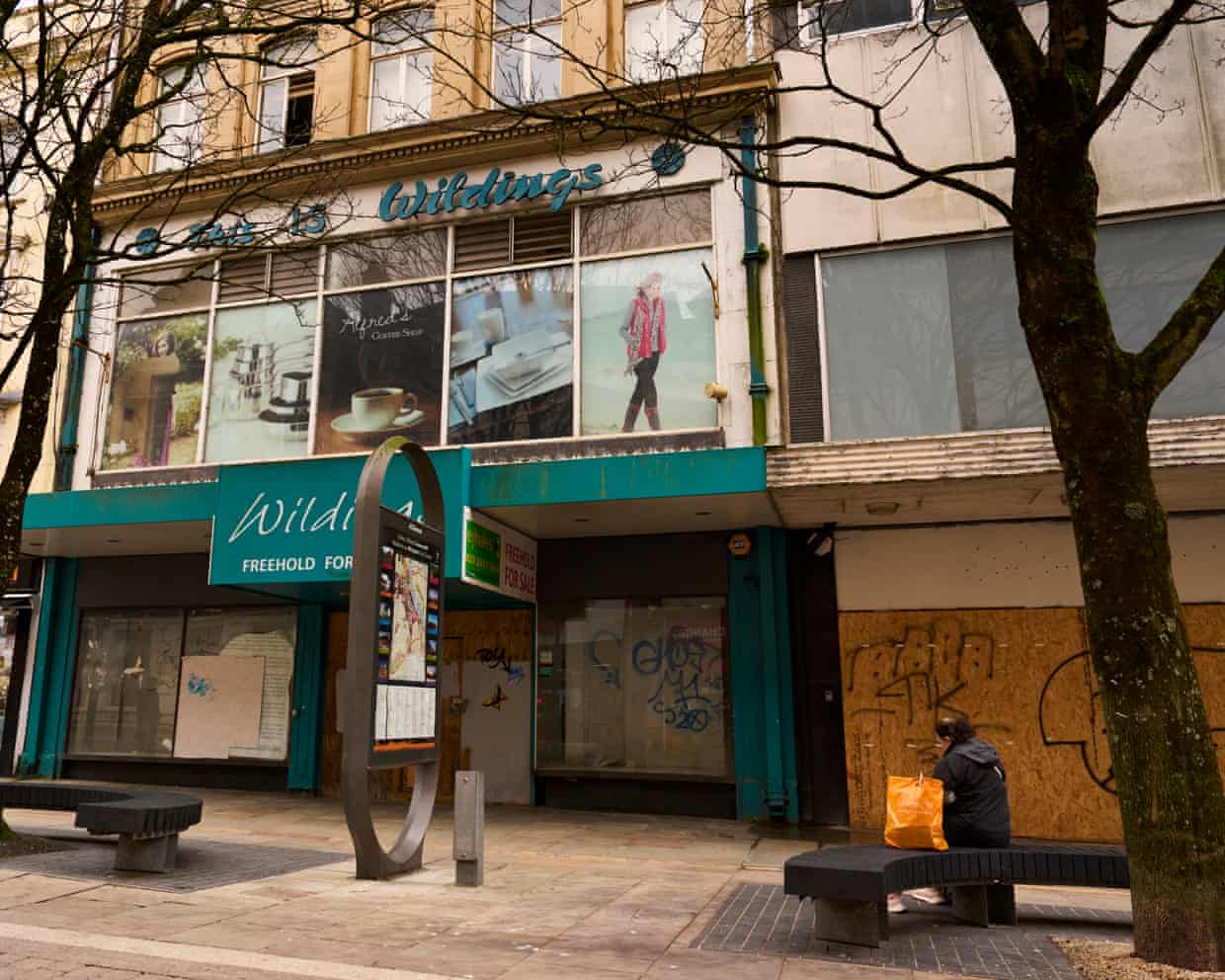
We all share blame for the decline of our high streets | Brief letters
I sympathise with people mourning the demise of once‑loved stores and the pitiful state of their high streets (Wildings in Newport, Wales: the grand department store that became an illicit cannabis farm, 16 April). This is not the fault of the government, but rather a result of changing consumer habits. Perhaps we are all guilty. These shops are not charities, there to adorn the public realm. They are businesses and if people don’t shop there they will close

Independent bookstores make quiet comeback as big chains dominate retail
For years now, we have heard that Amazon and the big chains are crushing small businesses, but independent bookstores are suddenly making a comeback.About 422 new indie bookshops opened in 2025, according to the American Booksellers Association, a 31% rise from 2024. Countless independent restaurants, coffee shops, fitness centers, movie theaters, clothing stores and other small businesses also continue to thrive even in this era of ever-bigger retailers, fast-casual restaurants and massive e-commerce platforms.The reasons are obvious.For starters, we live in a big country

Oil prices rise and markets fall after US seizure of ship hits Iran peace deal hopes

Polymarket in fundraising talks that could value the prediction platform at $15bn

Tim Cook to step down as Apple chief as John Ternus named replacement
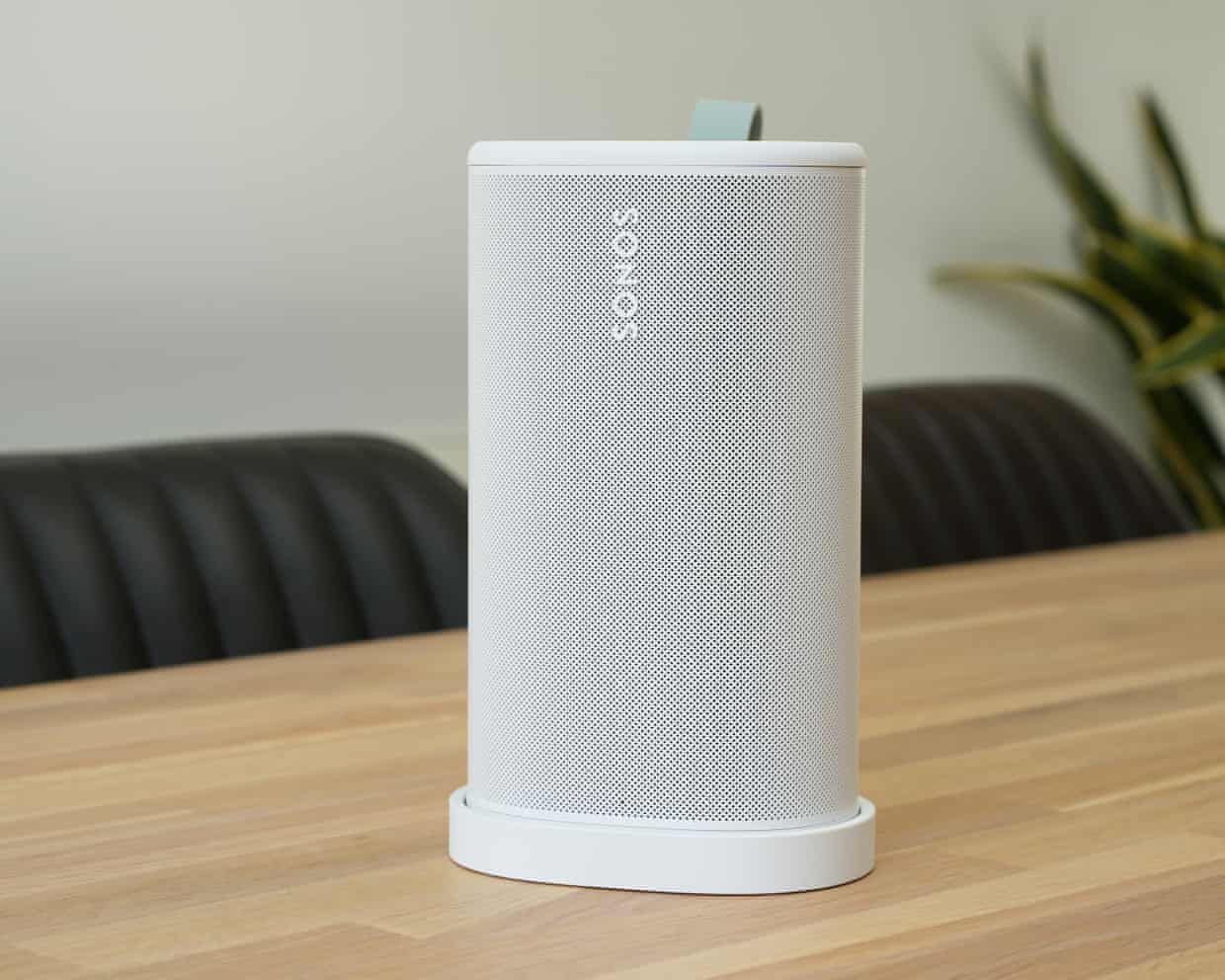
Sonos Play review: a great jack-of-all-trades portable speaker for home or away

FIA confirms F1 rule changes in reaction to driver unhappiness and safety fears
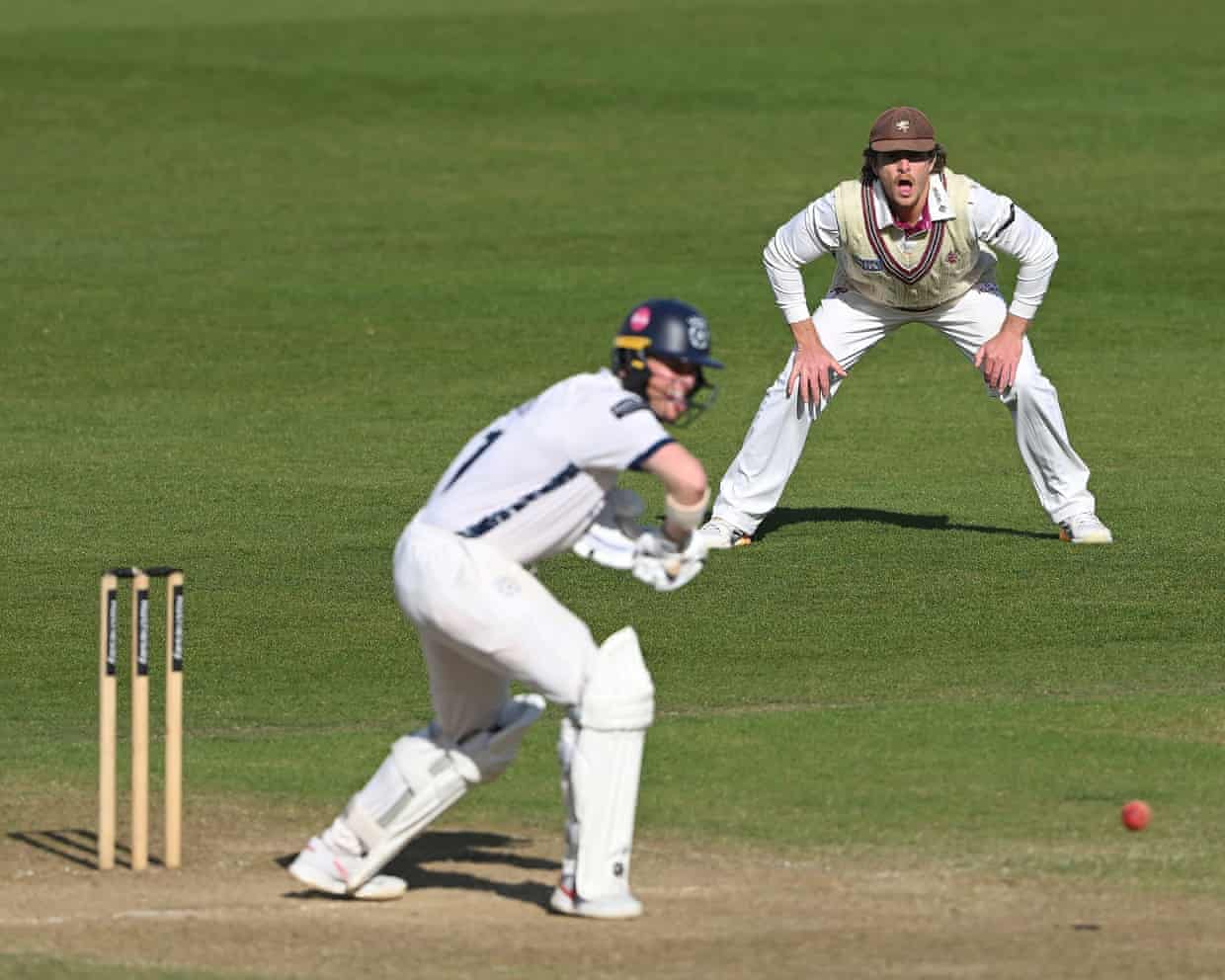
County cricket: Abell defies Hampshire’s fiery Baker to keep Somerset on high – as it happened