How safe is Starmer’s premiership after his Mandelson vetting statement to MPs?
Labour MPs frustrated with the lack of a clear mission from Keir Starmer’s No 10 have often urged the prime minister to be more forceful in his arguments, to prosecute his values, to find an enemy to define himself against.The prime minister has found one: Olly Robbins.Starmer prosecuted his case against the former Foreign Office chief on Monday with the vigour of his former life at the bar.He came armed with timelines and letters and the promise of a new inquiry.He insisted that, had he known Peter Mandelson had failed the vetting, his original sin of appointing him as US ambassador would not have been committed.
But what he did not deliver was any admission that he had inadvertently misled the House of Commons.That seemed too painful an admission for Starmer to make, after having so expertly prosecuted Boris Johnson for misleading the House of Commons over partygate when he had stood at the opposite dispatch box.One senior MP, once loyal to the prime minister, described Starmer as having a chronic case of “good guy” syndrome, making it extremely hard for him to admit his failings.Starmer cannot fathom his own frame of mind when he agreed to Mandelson’s appointment.So he blames the vetting system, his officials, his advisers and Mandelson’s own lack of candour.
He is firm in his mind that he would never have made the appointment had he known about the failed vetting.Perhaps that is correct.Allies of Starmer insist it is.But there was clearly a pervasive view in No 10 and the Foreign Office that this was an appointment where risks had to be taken; and Starmer has not yet publicly accepted that he was a part of creating that imperative which led to the overruling of so many warnings and conventions.“Appoint this man at all costs – but no, not like that!”Most MPs arrived in Westminster on Monday with a sense of ennui rather than gunning for revolution.
Even then, cack-handed pre-written questions handed out to MPs almost accidentally lit the bonfire again.In the emailed briefing, MPs were proffered useful quotes from the victims of Jeffrey Epstein which they could use in their questions in the Commons.One sample question quoted Rachel Benavidez on the importance of victims being heard, designed to turn the fire again on Mandelson’s conduct rather than the prime minister’s judgment.The briefing enraged what was previously a sullen but resigned parliamentary Labour party (PLP).“I came in this morning prepared to hear him out and then they hand out this absolutely outrageous bollocks,” one MP said.
“I don’t think this is what contrition looks like.” Another called it “despicable”.But there was not the same raw anger that came on the day of the humble address motion that forced the Mandelson disclosures.An ire so intense it forced the resignation of Starmer’s chief of staff, Morgan McSweeney, and the Scottish Labour leader, Anas Sarwar, called for Starmer to resign.Instead, those speaking from the government benches on Monday were mostly MPs who are serial critics: Rachael Maskell, Diane Abbott, Karl Turner, John McDonnell.
Many other MPs had stayed away, campaigning for the local elections in their constituencies for an extra day.Few were prepared to read the friendly questions.So, how at risk is Starmer now? Two things, MPs say, are simultaneously true.Firstly, it is not the right time to change the prime minister.Starmer was right on the call not to join the US offensive against Iran and it would be a risk to oust him as the country faces a potentially massive economic shock, particularly without any oven-ready challengers to command a majority of the PLP.
Secondly, they say, the fundamentals have not changed.Starmer is a deeply unpopular prime minister with a lacklustre vision of how to govern, and the party is flirting with fourth in the polls.This is not a sustainable position and eventually something will have to change.“I’d say it’s kicked [the odds of a] post-May challenge up from 4/10 back to a 7/10,” one party figure said.“I think people buy the explanation of what happened.
But it’s the broader picture that is the problem,” another said,There is a major caveat to all of the above,On Tuesday at 9am, the witness for the defence will take the stand: Robbins at the foreign affairs select committee,So far there is no hint that he will come before the chair Emily Thornberry with a smoking gun, but prime ministers have been undone by former permanent secretaries before,The former head of the Foreign Office Simon McDonald sealed the fate of Boris Johnson with proof that the then-prime minister misled MPs.
There will be no saving Starmer if anything he said on Monday is found to have been on the wrong side of the line.
‘Women want to experience pleasure’: how the female gaze caught the attention of film, TV and fiction
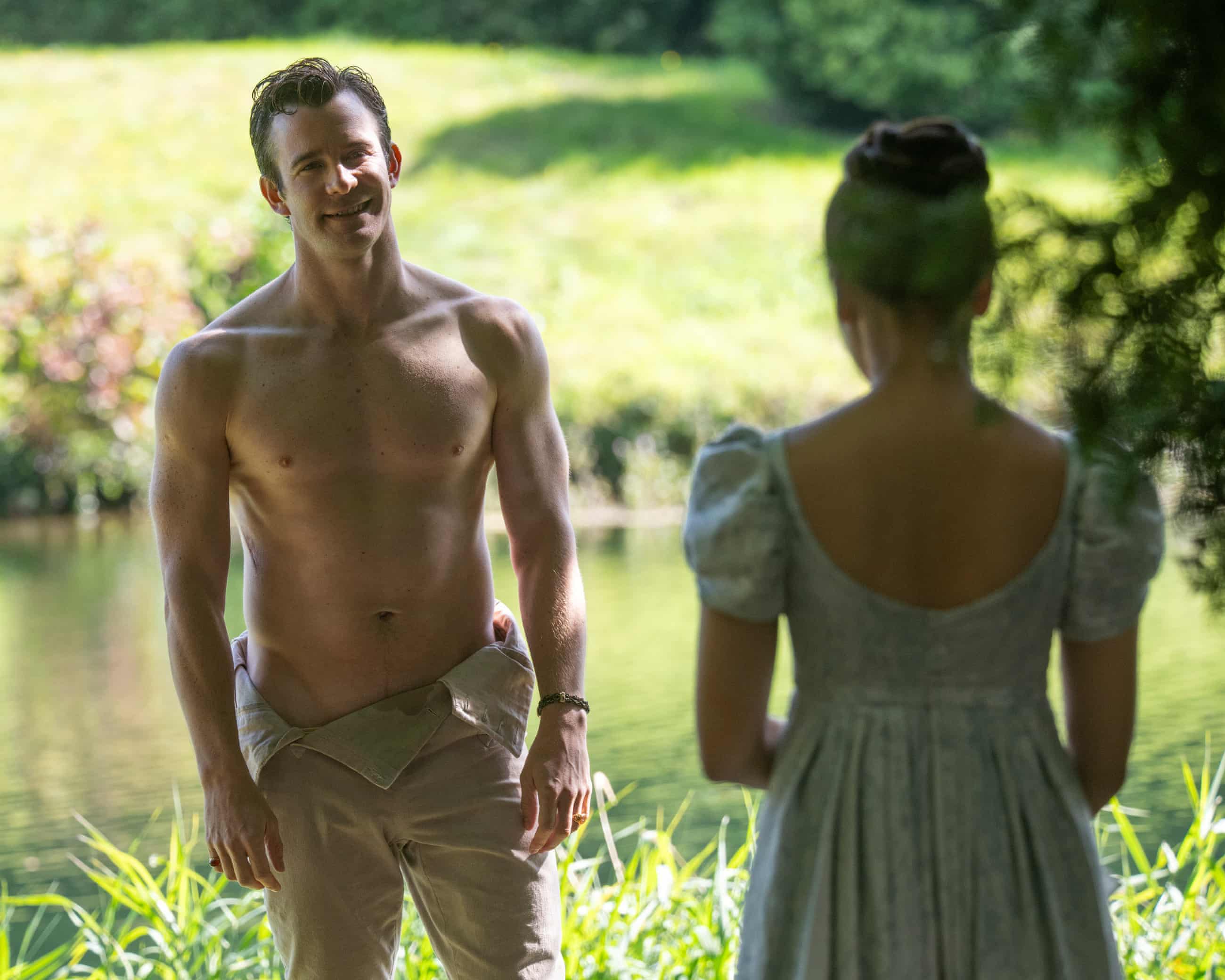
From passionate romantasy novels to premium television dramas, culture is bringing the agency, desires and interior lives of women to the fore. It’s proving good for business, but is this a permanent revolution?Do you voraciously read the pages of steamy romantasy bestsellers by Sarah J Maas or Rebecca Yarros? Or flood your group chat with breathless recaps of the latest goings-on in TV series such as Heated Rivalry or Bridgerton? Or even immerse yourself in the divisive and challenging cinematic worlds of Emerald Fennell? If so, you surely can’t have failed to notice that in pop culture, the female gaze – storytelling that highlights the meandering, textured, sublimely messy inner worlds and wants of women – is enjoying an explosion.On TV, you can see it everywhere, in the interior lives and desires taken up by Big Little Lies, Sirens or Reese Witherspoon and Kerry Washington’s Little Fires Everywhere. Romantasy harbours it in the shape of powerful maidens and sex in fae (fairy) realms, while Fennell’s Wuthering Heights and Promising Young Woman are marketed with the promise of converting women’s experiences into dark beauty on the big screen.A shift, a moment or a commercial juggernaut? That depends how deeply you look

Yann Martel: ‘I hate the rich people of this world – of which I’m one, because of Life of Pi’
Your novels Life of Pi, Beatrice and Virgil, and The High Mountains of Portugal all feature animals in starring roles. If you could be any animal, which would it be, and why?A sloth, because it has a peaceful, long life. Or maybe a koala. They both look like stoners. A sloth just hangs there in its tree, it sleeps 22 hours a day – or maybe it’s meditating
Kae Tempest on creativity and his gender transition: ‘I’m just glad to be alive’
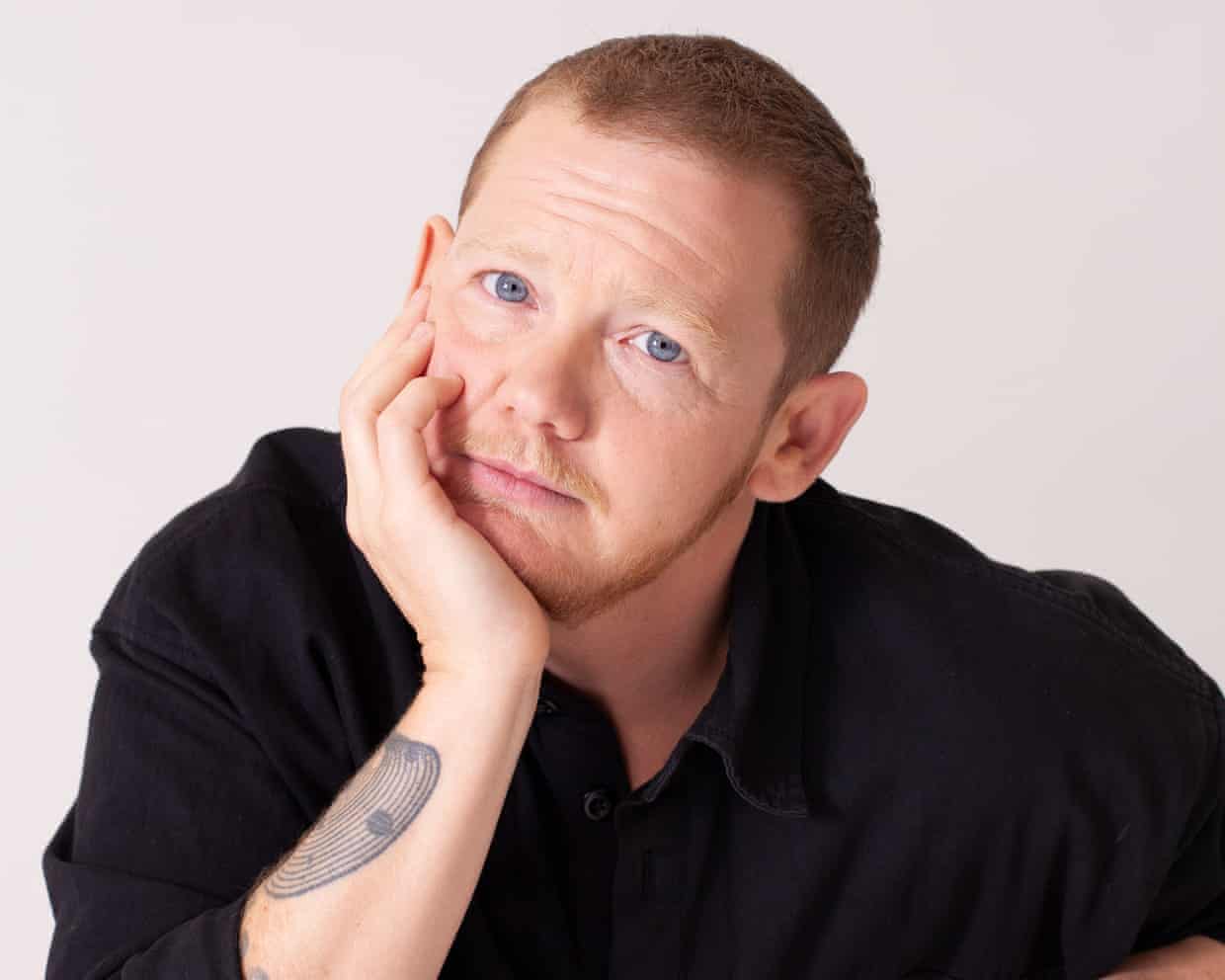
Kae Tempest sidles into a pub near his house on a weekday afternoon and orders a pint of mineral water. At his side is Murphy, an enormous, 14-year-old alaskan malamute dog with startling blue eyes who settles down on the floor next to his master and goes to sleep. “He’s all right,” Tempest says. “He’s very friendly. He won’t even put his nose up

The Guide #239: Two successful seasons in, The Pitt has resuscitated the medical drama
After a wait more interminable than most spells in an A&E reception area, medical-drama-of-the-moment The Pitt finally made it on to UK screens last month, via the arrival of streaming service HBO Max, and just about everyone I know has spent the following weeks hoovering it up. Some, in fact, are already up to speed with its second season (the finale aired last night on US TV) and so are trying very, very hard not to blurt out major plot points at the office tea point/on public transport/in an actual hospital waiting room – we’re in a post-spoiler age, remember.I’ve been a little bit slower off the mark – mainly because it took so long to figure out if I actually had access to HBO Max as part of my bafflingly arcane Sky TV package – but I’m racing through it now, and so am ready to share the same observations that everyone else made weeks, or in the case of the US, a full year ago. The main one being: how did not one TV producer have the idea to mash together ER and 24 before? It was right there, staring you all in the face! (Jed Mercurio, whose forgotten 2015 medical drama, Critical, also had a real-time element, might have a finger raised in objection at this point.)Beyond The Pitt’s formal innovation (each season follows, to the second, a 15-hour shift at an under-resourced teaching hospital in Pittsburgh), what’s striking is how familiar it feels
Winners and judges out of pocket as £20,000 writing awards appear to have closed
A competition for new writers that promised a £20,000 prize fund appears to have shut down, leaving winners and judges, including a Booker prize-winning novelist, out of pocket.Established in 2022, the Plaza Prizes last year offered 10 awards that were judged by the “finest poets and writers in the world”.However, some of the judges for the 2025 competition say they were not paid, and a number of winners say they had their entries withdrawn after being accused of using AI to create their work – allegations they strenuously denied.One judge, the 2021 Booker prize winner Damon Galgut, described the competition as a “scam” after he did not get paid for his work judging a fiction section of the annual competition.Anthony Joseph, who won the 2022 TS Eliot poetry prize, also says he was not paid for his work

Zelda taught me the importance of play – and has helped me deal with work, parenting and grief
I initially dismissed the Wind Waker’s cartoonish visuals as juvenile. But now I try to carry the game’s sense of joy into all aspects of my lifeI had a complicated relationship with video games when I was a teenager. I had straightforwardly, wholeheartedly loved the Nintendo games that I’d grown up with, tumbling around primary-coloured dreamscapes in Super Mario 64 and having the time of my life. But as I grew into a pretentious young adult in the early 00s, I started to want more from games, and I wasn’t finding it. So many of them were mindless, or juvenile, or needlessly violent
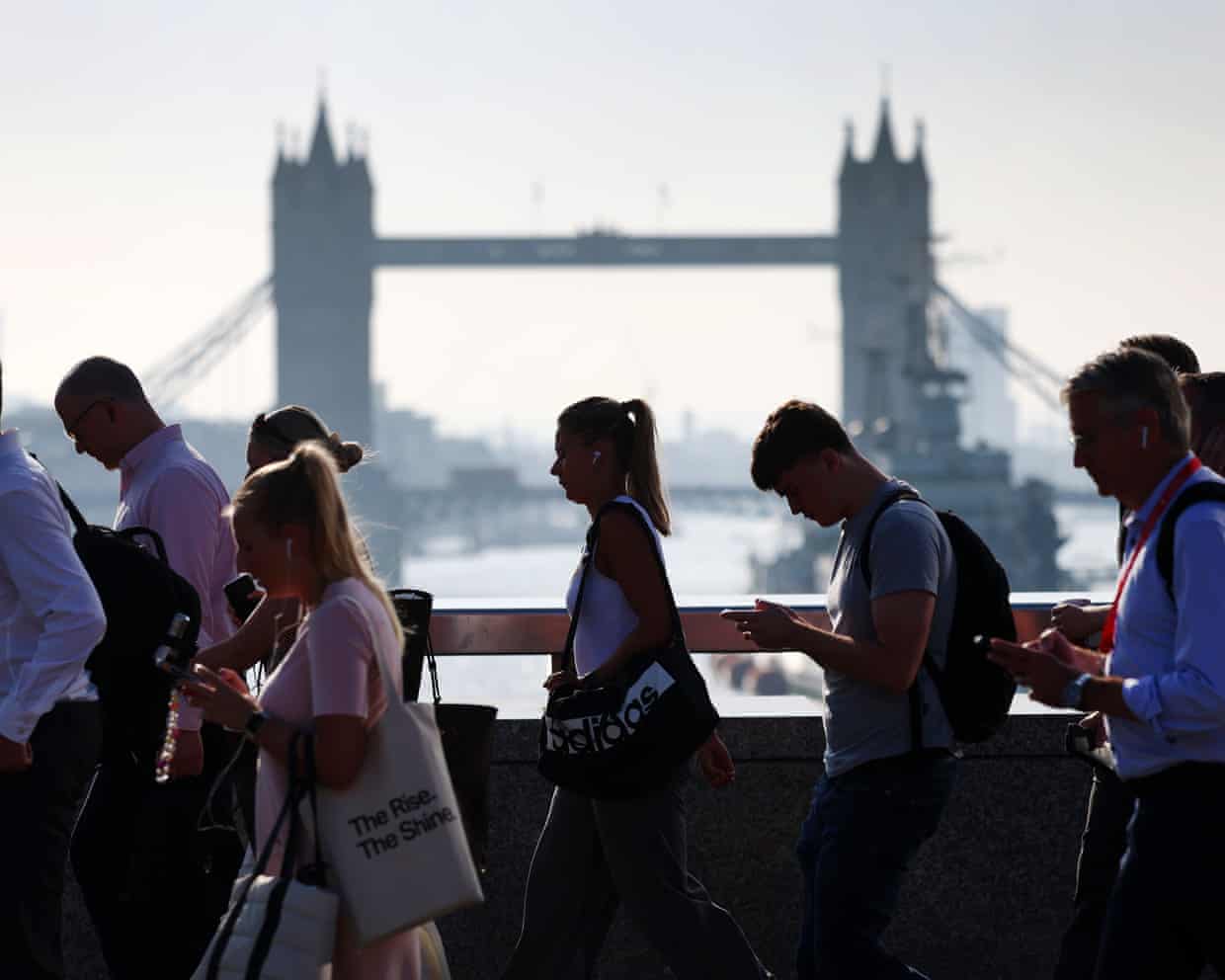
Wage growth hits lowest level since November 2020; unemployment rate unexpectedly falls - business live
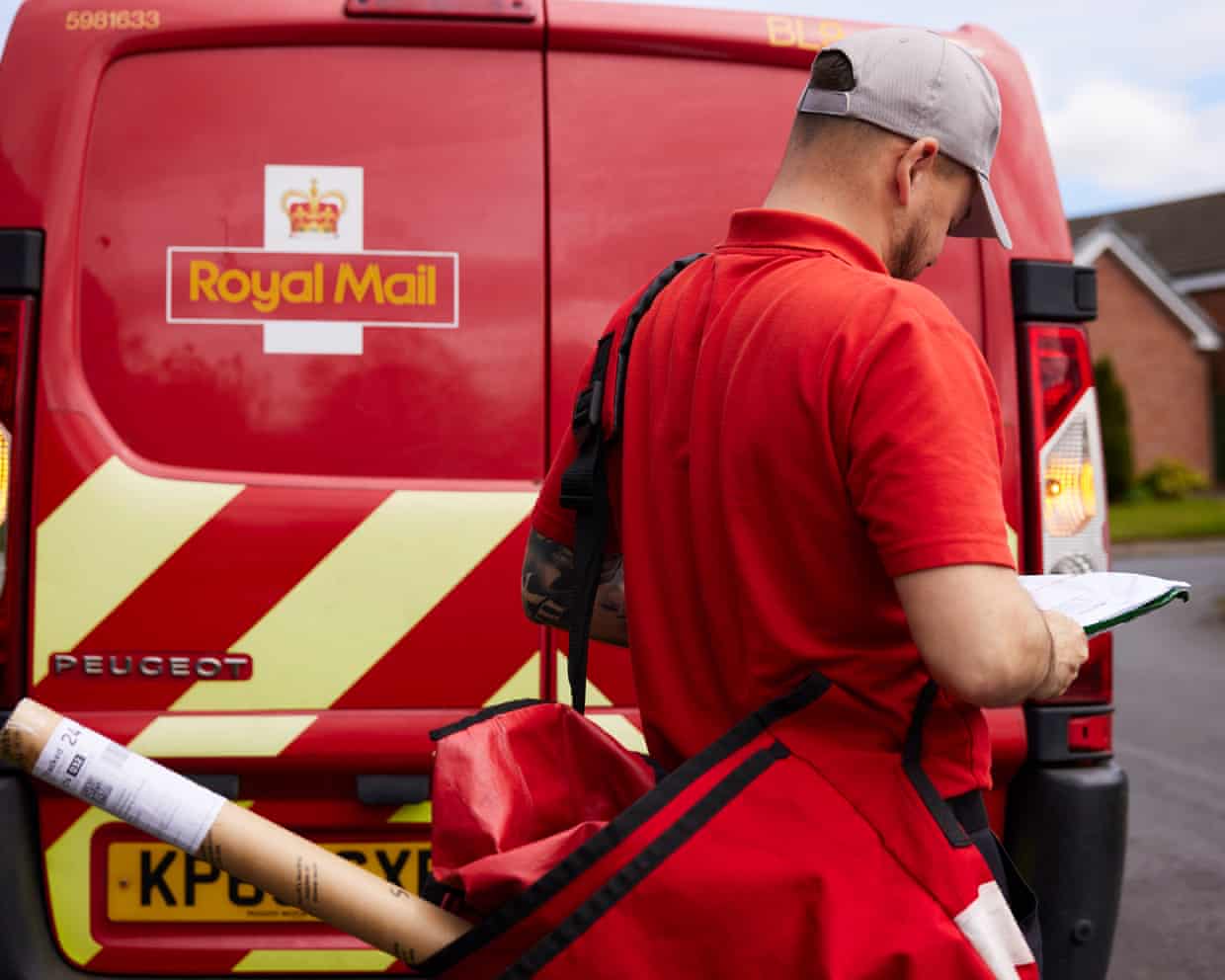
Royal Mail invests £500m to tackle late deliveries as second-class post cut back
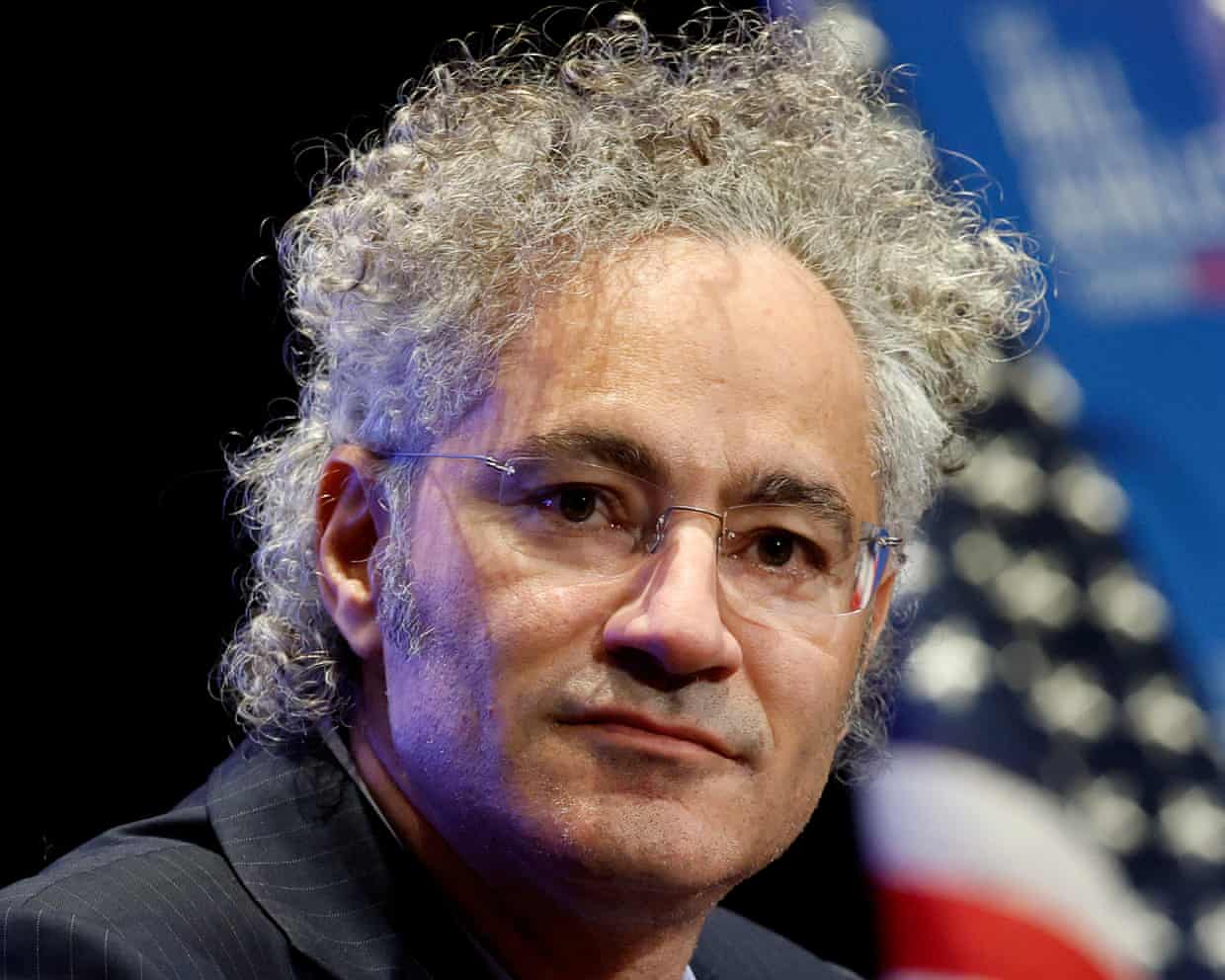
Palantir manifesto described as ‘ramblings of a supervillain’ amid UK contract fears
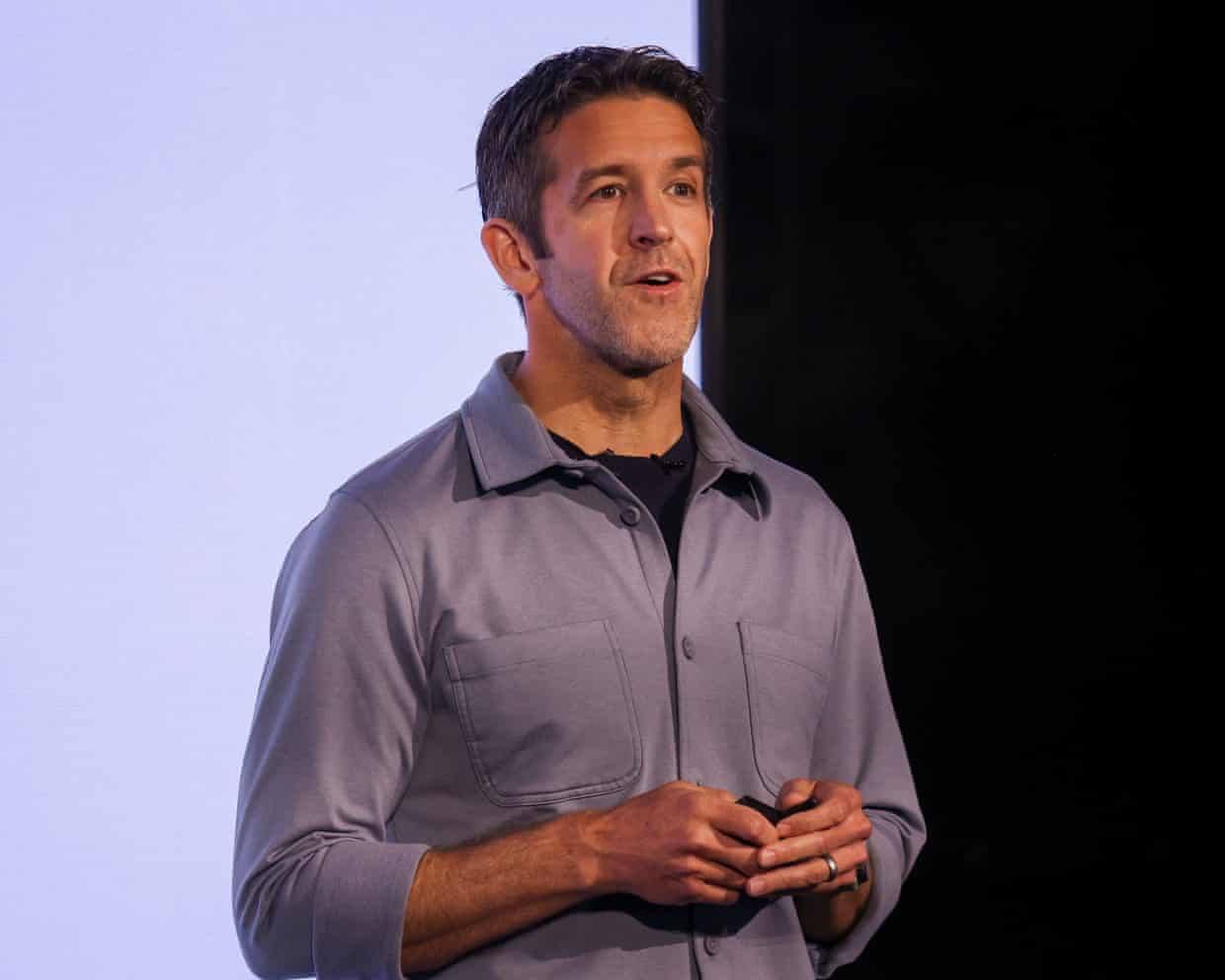
Who is John Ternus, Apple’s next CEO?

NFL draft questions: what should the Jets do at No 2, is Love worth it and will the Cowboys trade up?

The Breakdown | Erin King looks to lift Ireland: ‘It was tough some days to keep showing up’