What happens during security vetting and why did Peter Mandelson fail his?

After Keir Starmer announced Peter Mandelson as his pick to be ambassador to the US in December 2024, officials in the Foreign Office contacted him to organise the security vetting clearance process.As with almost all of the 8,000 officials working in the Foreign Office’s Whitehall headquarters, Mandelson required a level of clearance known as developed vetting(DV).This is necessary for individuals in roles that require frequent and uncontrolled access to material marked top secret.The vetting process is not carried out by the Foreign Office.It is done by security officials who work for United Kingdom Security Vetting (UKSV).
It has been mistakenly reported that such vetting is carried out by MI6.That is not the case.UKSV is an agency in the Cabinet Office and its vetting process is not to be confused with checks made before Mandelson’s appointment was announced, carried out by a separate propriety and ethics team.That due diligence process warned of a “general reputational risk” in appointing Mandelson in December 2024.Weeks later, in late January 2025, UKSV concluded that Mandelson should not receive DV, but the Foreign Office decided he could receive that security clearance, which was necessary for him to take up the role in Washington.
The reasons why Mandelson failed the UKSV process have not been made public and details of an individual’s DV results have never been disclosed publicly before,Here’s what we do know about the UKSV process,Some details are published by the government about the process,Applicants have to complete questionnaires on their use of the internet, their finances and any security considerations,Checks are made against security services systems.
Perhaps the most intense and intrusive section of the process is an hours-long interview with a security vetting officer, who will discuss a range of matters with the applicant.This could include their family, friends and associations, business relationships, sexual history, and alcohol and substance use.Questions are asked about travel, residences and citizenships.The overall process normally takes months, but departments are able to nominate a small percentage of applicants for an expedited process by putting their candidate at the top of the queue.This appears to have happened with Mandelson.
The outcomes of the process include clearance being granted, clearance being granted with caveats and restrictions, or clearance being denied,In Mandelson’s case, clearance was denied,The process is all about managing risks,Applicants are told it is “vital to be open and honest throughout”, even about embarrassing material,Two types of risk are considered.
The first is of blackmail or coercion, some hidden information that could be leveraged against the person to force them to release sensitive material.The second is that the applicant is engaged in risky activities that could lead to them divulging sensitive information.Security clearance can be withdrawn at any time if conduct, personal behaviour or other personal circumstances cast doubt on an individual’s reliability.In Mandelson’s case, however, even though UKSV advised he should not be given clearance, the Foreign Office appears to have decided any risks that were identified could be managed and that he could take the role in Washington.Days after Mandelson failed the UKSV process, the Foreign Office told him the role in Washington required an additional level of clearance, called DV+STRAP.
This would require a new application to be made.STRAP clearance – or “indoctrination” – is required for access to documents even more sensitive than top secret, such as intelligence material.Such documents are reportedly printed on pink paper to visually identify them.It is unclear whether or not Mandelson received STRAP clearance.Given UKSV’s conclusion that Mandelson did not clear the barrier of DV, for him to receive an additional level of clearance would be extraordinary.
Documents that may address this question are expected to be reviewed by the intelligence and security committee of parliament, which will face pressure to release them to the public,
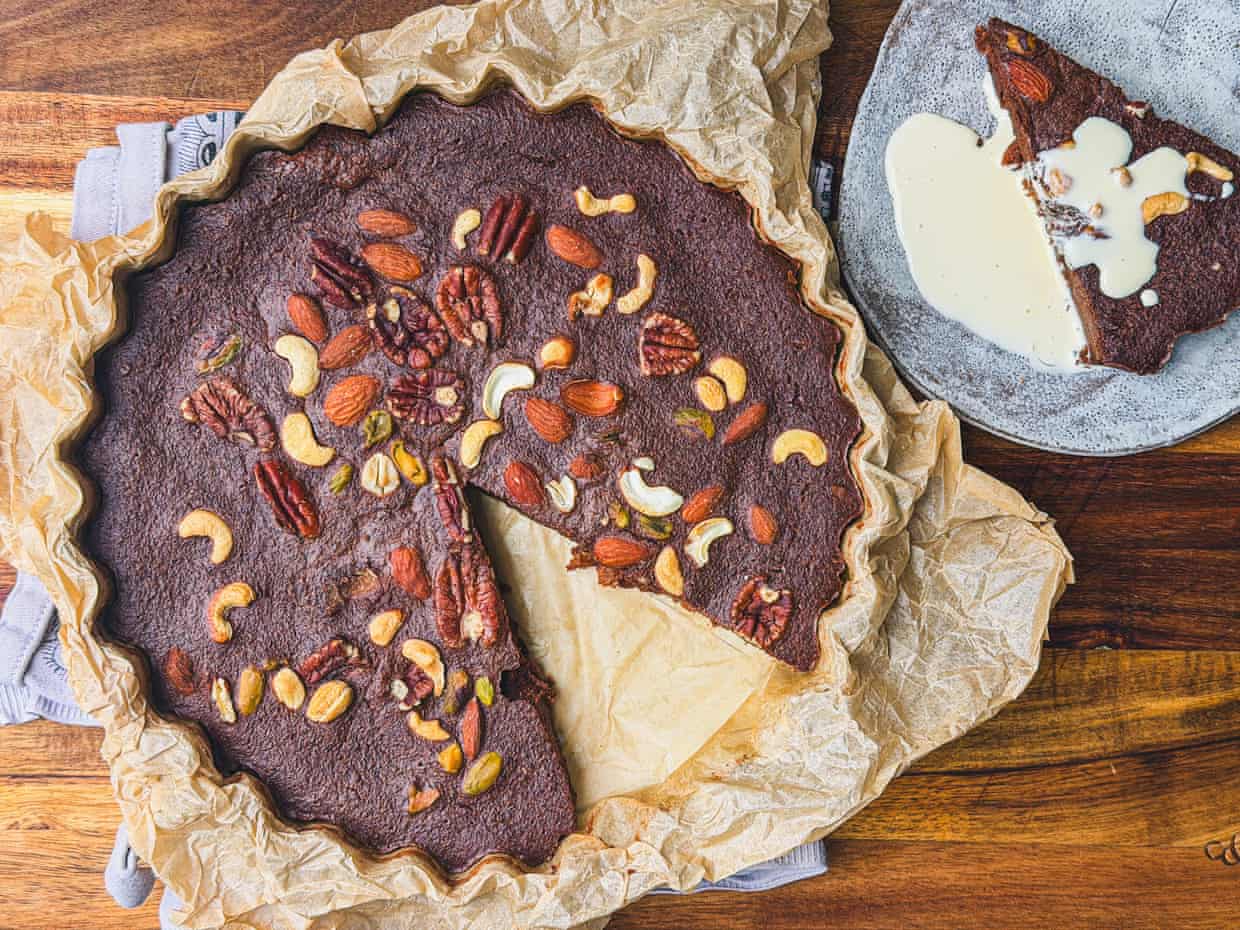
How to turn old bread into a brilliant Italian cake – recipe | Waste not
Old sourdough is my secret ingredient. To stop it going mouldy, I take it out of any plastic packaging and keep it in the bread bin with plenty of airflow around it – that way, it will dry out slowly, rather than turning mouldy. Any odds and ends, meanwhile, I store in a cloth bag to use in various dishes, from pangrattato (or poor man’s parmesan) to strata, a savoury bread-and-butter pudding.My new favourite recipe discovery for using up stale bread is today’s torta paesana, or village cake, from Lombardy. The best way I can come up with to describe it is that it’s a bit like a firm baked custard
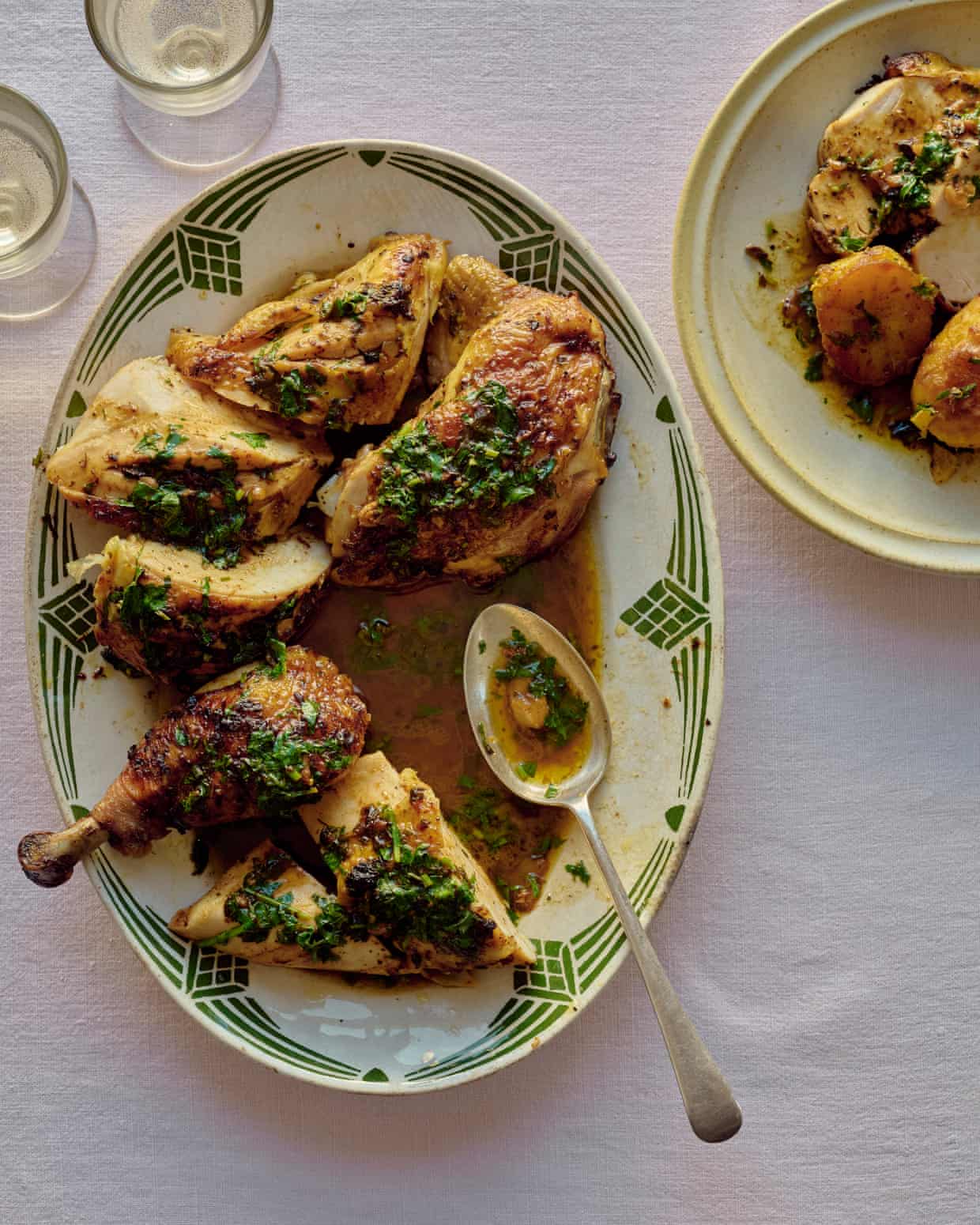
Roast chicken, cheesy scones and a genius cocktail: Ravinder Bhogal’s recipes for cooking with lime pickle
I’m obsessed with lime pickle. It’s savoury, sour, funky, spicy and full of bold personality that enlivens anything it’s smeared on. It’s made by salting and fermenting limes with chillies and spices for a fierce, flavour-packed condiment that’s traditionally eaten as a side to poppadoms or with simple dal and rice. Over the years, I have also folded it into grilled cheese toasties, marinades for fat prawns to barbecue in the summer or made compound butters with it to smother over sweet potatoes before roasting. It’s an instant flavour bomb and my pantry is never without a jar

Vegemite is recognised globally – but how many people know Milo was invented in Australia?
The chocolate malt powder is sold in more than 40 countries, and Australian cafe owners say there’s ‘jingoistic pride’ in serving it on their menusGet our weekend culture and lifestyle emailWhen I order the jumbo-sized Milo Godzilla at Ho Jiak in Sydney’s Haymarket, it arrives as advertised – it’s comically large. The Malaysian restaurant prepares the drink by swirling Milo powder with hot water, adding sweet drizzles of condensed milk then chilling the mix with ice. Scoops of ice-cream are added and extra choc-malt powder is showered on top. Served in a one-litre jug, it’s so big I can’t finish it solo: staff hand me three takeaway cups to transport the leftovers.Like many beloved Milo drinks, the Godzilla is native to south-east Asia
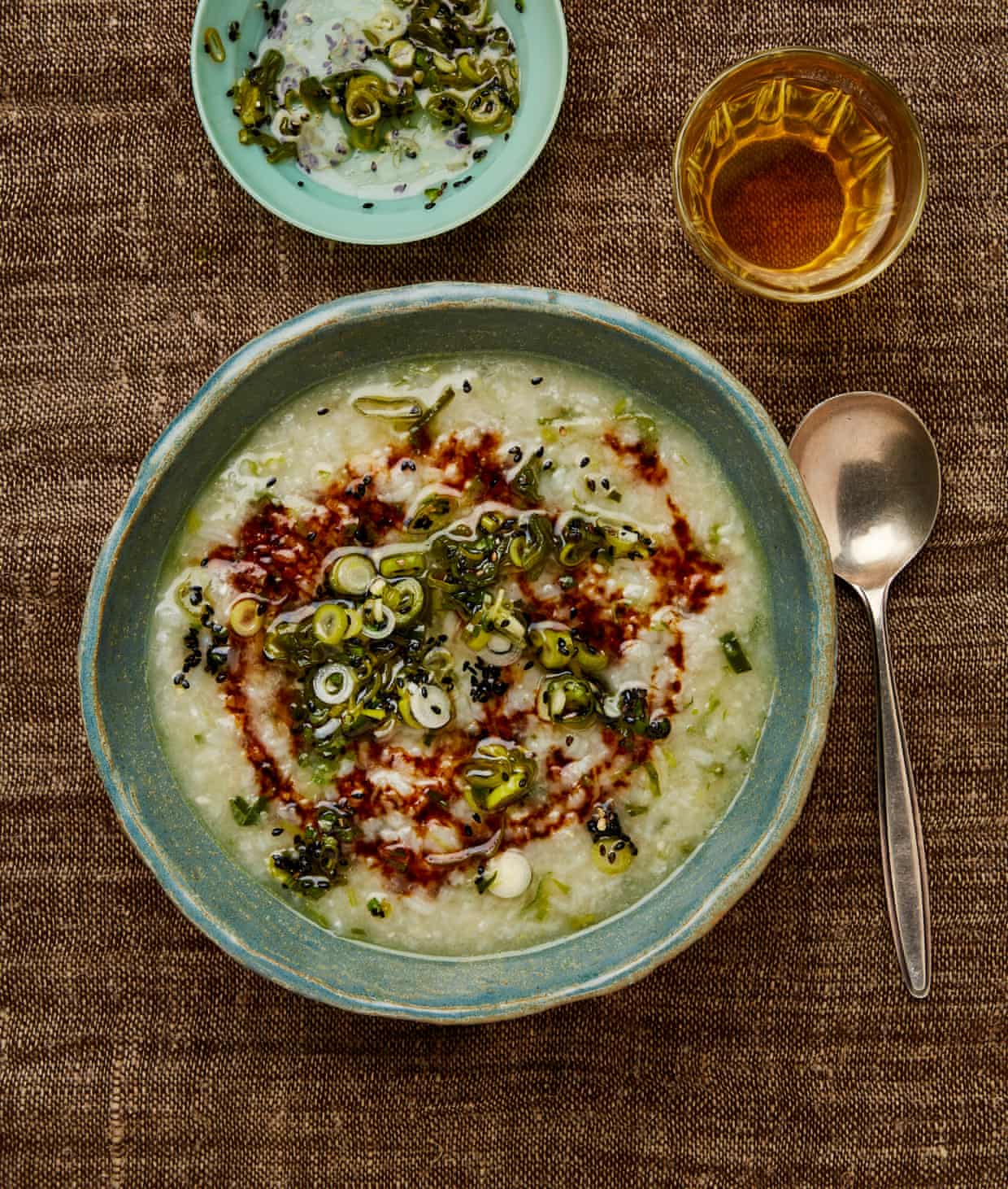
What can I do with leftover rice? | Kitchen aide
How do I store cooked rice safely, and what can I make with it the next day?Michael, by email“It’s a bit of a running joke with rice, because I think of all the people in China who aren’t spreading their leftover rice immediately on to a tray to cool and are still alive,” says Amy Poon, of Poon’s at Somerset House in London. “But I have to be responsible and say: cool the rice as quickly as possible, within the hour, and put it in an airtight container and pop it in the fridge [or freezer] straight away.” The reason being, as food science guru Harold McGee notes in his bible On Food & Cooking, “Raw rice almost always carries dormant spores of the bacterium Bacillus cereus, which produces powerful gastrointestinal toxins. The spores can tolerate high temperatures, and some survive cooking.” In short: good storage practices will prevent bacterial growth, not to mention open a whole world of dinner opportunities
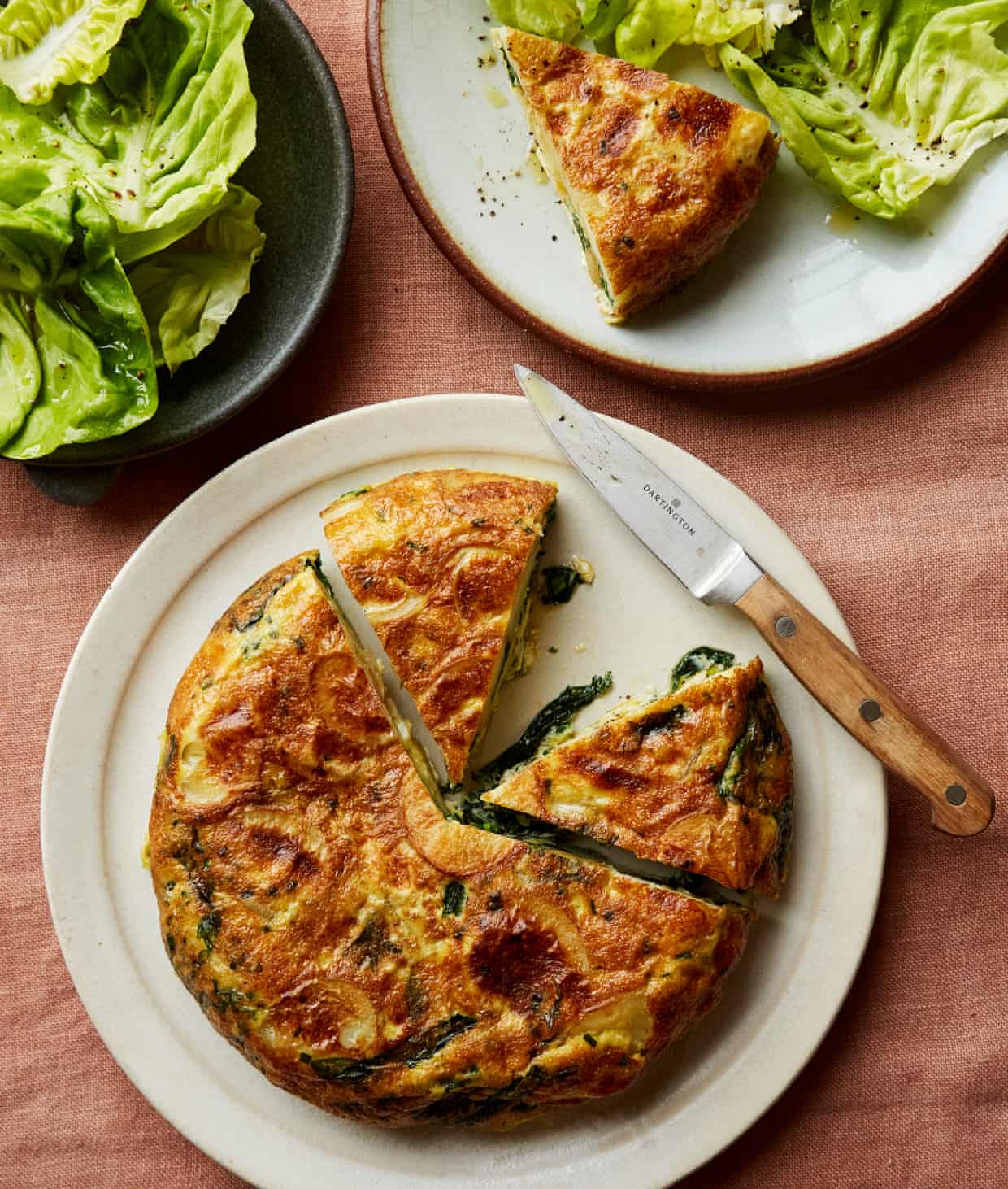
José Pizarro’s recipe for nettle (or wild garlic) and goat’s cheese tortilla
When I was growing up in the small village of Talaván in Extremadura, Spain, we never ate nettles. They were wild plants that grew along the edges of the fields, and the sort you tried to avoid: like many children, I learned about them the hard way, brushing against them while playing and getting stung. It was only when I came to the UK that I first saw nettles used in cooking, which surprised me: suddenly, this wild plant had a place in the kitchen. Now, whenever I visit my mum, Isabel, I see them everywhere. It makes me smile to think that at this year’s Spring Garden at the Chelsea flower show, I will be cooking among a world of magnificent plants and gardens
Gone from shop shelves, but not forgotten | Letters
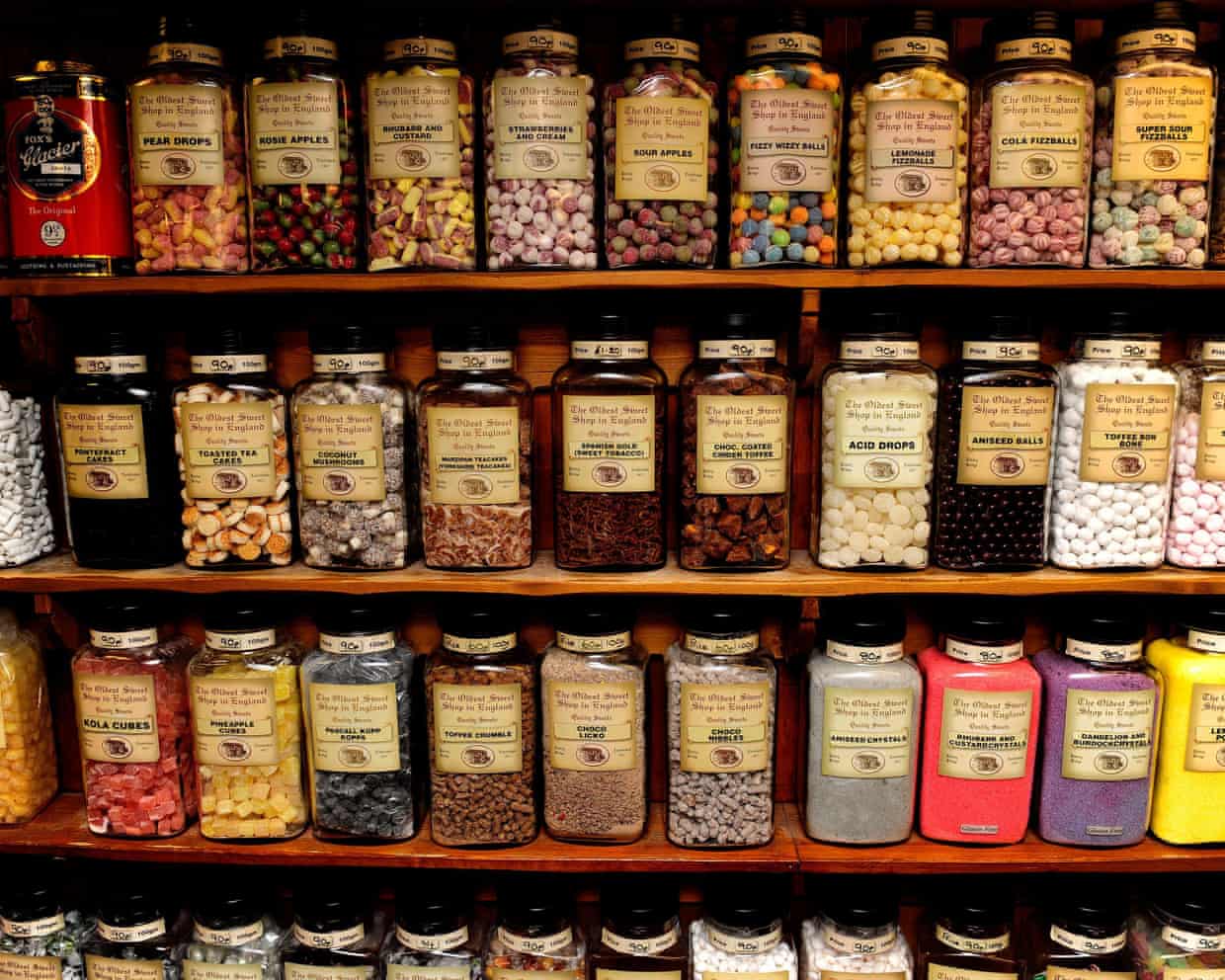
How lucky for Adrian Chiles that he didn’t live in the German Democratic Republic (Rose’s Lime Marmalade? Gone. Dark chocolate Bounty? No more. But what about their heartbroken fans?, 8 April). After reunification, there were street markets selling the last of products from the old days, and there was an exhibition in a national museum – memorably called “They’ve even taken our tomato ketchup” – lamenting the loss of many food products and other features of former times, such as children’s TV programmes.Derek JanesDuns, Scottish Borders Can Adrian Chiles tell me where to find Halls’ chocolate sour lemons? Maybe they stopped being made because they turned your tongue black, but they tasted great

Dan Skelton targets bogey track as rivals jockey for Scottish Grand National glory

A huge weekend in the Premier League, including Manchester City v Arsenal – follow with us

Russell says he would understand if Verstappen quit but ‘F1 is bigger than any driver’

Great Barrier Thief: Dyson Daniels emerges as key to unlocking Atlanta Hawks' NBA playoff hopes

Winter is coming … back? Super League could revamp schedule as part of NRL takeover

Saudi Arabia abandons plans to host 2035 Rugby World Cup amid funding cutback