UK starts crackdown on EU citizens’ post-Brexit rights

UK ministers are to start removing post-Brexit residency rights from EU citizens who are no longer “continuously” living in the country,The initiative is legal under the 2020 Brexit withdrawal agreement, but the decision to use travel data to partly determine absences has raised concerns after the HMRC fiasco in which almost 20,000 parents were stripped of child benefits because of inaccurate Home Office border data,The Home Office said the crackdown was aimed at those who had received “pre-settled status” to remain in the UK before Brexit, a status that applied to anyone who had been in the UK for less than five years,Officials will start with those believed to have left the country more than five years ago and there will be safeguards including consideration of reasons for prolonged absences,The Home Office said the crackdown protected public services and was aimed at preventing unlawful immigration by abuse of the system.
“In line with the withdrawal agreement, status will only be removed where it is proportionate to do so,” it said in its statement on a government website.The latest Home Office data shows that of the 6.2 million who applied for UK immigration status after Brexit, 1.4 million are still on pre-settled status.The Migration Observatory at Oxford University said it was difficult to say for certain how many of the 6.
2 million remained in the country, but a combination of census and other data suggested it could be between 3 million and 4 million.Under the rules those with settled status can be out of the country continuously for up to five years and still retain the right to live in the UK under the Brexit withdrawal agreement of 2020.For those with pre-settled status, the Home Office said absences can be of any length, as long as they do not collectively amount to more than 30 months in the most recent five-year period.The Independent Monitoring Authority for the Citizens’ Rights Agreements (IMA), a statutory body, said it had “expressed concerns” to the Home Office about how the removals would be implemented.It said it was “difficult to know how caseworkers will make individual decisions in practice”.
The3million, which campaigns for the rights of EU citizens in the UK, expressed concern that “unsafe” decisions would be made on the basis of travel data.In a letter to the Home Office, it cited an individual who had applied to upgrade their pre-settled status to settled status who was then questioned by the Home Office on the basis of “obvious inaccuracies” in their travel data.“Travel data contain journeys that were booked but not taken,” the3million said, adding that the Home Office’s letter to the individual did not recognise the inaccurate travel data even where the “inaccuracy is clearly and easily detectable”.Their data included “two outbound journeys without any inbound journey between them” and journeys that were made on the same date but with different destinations.Miranda Biddle, the chief executive of the IMA, said: “We recognise the concern, stress and uncertainty that this situation may cause for affected citizens.
We have been engaging with the Home Office to secure assurances about the safeguards it is putting in place and the robustness of its decision-making.The IMA will continue to closely monitor how it implements the new guidance.”The National Audit Office is investigating HMRC’s use of Home Office data despite clear flaws in their travel records.An investigation by the Guardian and the Detail found that Home Office data did not always record return journeys by holidaymakers and business people.It also included airline manifests that did not take account of no-shows, a regular occurrence on low-cost airlines who make it difficult to cancel bookings.
The Home Office said it would start with those who had been out of the country the longest.A spokesperson said: “We have been clear that if an individual with pre-settled status has spent less than 30 months in the UK in the most recent 60-month period, they will have ceased to meet the eligibility requirements and may have their status removed.“The vast majority of pre-settled status holders are completely unaffected by this change and only those with long absences from the UK will be asked to evidence their ongoing eligibility.” This article was amended on 11 April 2026.A previous version said that an individual with pre-settled status could have absences from the UK of up to six months in any one year.
In fact, absences can be of any length, as long as they do not collectively amount to more than 30 months in the most recent five-year period.

Cream sherry: a forgotten taste that’s worth rediscovering
By the time I knew her, my granny was in her whisky and water era, but my dad clearly remembers a bottle of Harveys Bristol Cream in the drinks cupboard, ready to pour for friends after church in the 1970s. This is the enduring image of cream sherry, one that it has struggled to shake off. While other sherries – bone-dry fino and manzanilla (made by ageing palomino grapes under a yeast layer called flor), oxidative amontillado or oloroso, and sweet, single varietals such as pedro ximénez (PX) – have acquired new cachet among younger drinkers, not least because they’re relatively affordable, cream is the emblematic Little English tipple of a bygone time.The Guardian’s journalism is independent. We will earn a commission if you buy something through an affiliate link

From soups and greens to roots, how to survive the ‘hungry gap’
Spring may have firmly sprung – I write this with a view of vivid yellow forsythia blossom in next door’s garden, and the melodious warble of full-throated birdsong – but though the greenery may be flourishing in our gardens, it’s a different story at the farmers’ market. Despite a few spindly spears of asparagus and miniature jersey royals making an appearance on our Easter tables last weekend, the new season of British produce doesn’t kick off in earnest for another few weeks yet. That means we’re now heading into the so-called “hungry gap”, an annual quirk of our relatively northern latitude, when temperatures are too high for much winter veg such as kale and brassicas, but too low for the more delicate likes of peas and broad beans to ripen – let alone high-summer treats such as berries, squash and stone fruit.Happily, many hardy winter crops store well, and are versatile enough to shake off their heavy winter coat of cream and butter in favour of a lighter treatment. The late Skye Gyngell gifted us a carrot, celery, farro and borlotti bean soup, Nigel Slater has an early spring laksa with purple sprouting broccoli (and some spinach, which I suspect you could use frozen), and Nicholas Balfe offers a ceviche with celeriac and a baked beetroot dish (pictured top) – both of which look just the thing to wake up your taste buds

Rachel Roddy’s recipe for hazelnut and chocolate cake | A kitchen in Rome
Having been kept waiting for three hours, Dick Dewy leaves Miss Fancy Day snipping and sewing her blue dress. The plan is that he will return for her a quarter of an hour later, however, Dick convinces himself that he has been scandalously trifled with by Fancy and decides that, to punish her, he will not return. Instead, he leaps over the gate, pushes up the lane for two miles, takes a winding path called Snail-Creep, and crawls through the opening to the hazel grove in Grey’s Wood.Getting a class of 15-year-olds to relay/read the opening of chapter four of Under the Greenwood Tree, which is memorably entitled “Going Nutting”, is an extremely effective way to engage them with the majesty of Thomas Hardy. And the title is nothing compared to the line (as Dick vanished among the bushes): “Never man nutted as Dick nutted that afternoon

How to make cauliflower cheese using the whole plant – recipe | Waste not
This recipe, adapted from one in my cookbook, is a very elaborate way to serve humble cauliflower cheese. The whole plant, including the leaves and core, is seasoned with nutmeg and roasted, and it’s then dressed with a satisfying layer of rich cheese sauce and grilled until charred and bubbling. Choose a cauliflower with plenty of leaves, because they go deliciously crisp when roasted.This is perhaps the most decadent cauliflower cheese I’ve ever made. Inspired by an orange-coloured cauliflower I found sitting proudly in a box at my local Brockley Market in south London, I decided to make a vibrant and very orange cauliflower cheese using red leicester cheese and turmeric
A marmalade-dropper for Paddington Bear? | Letters
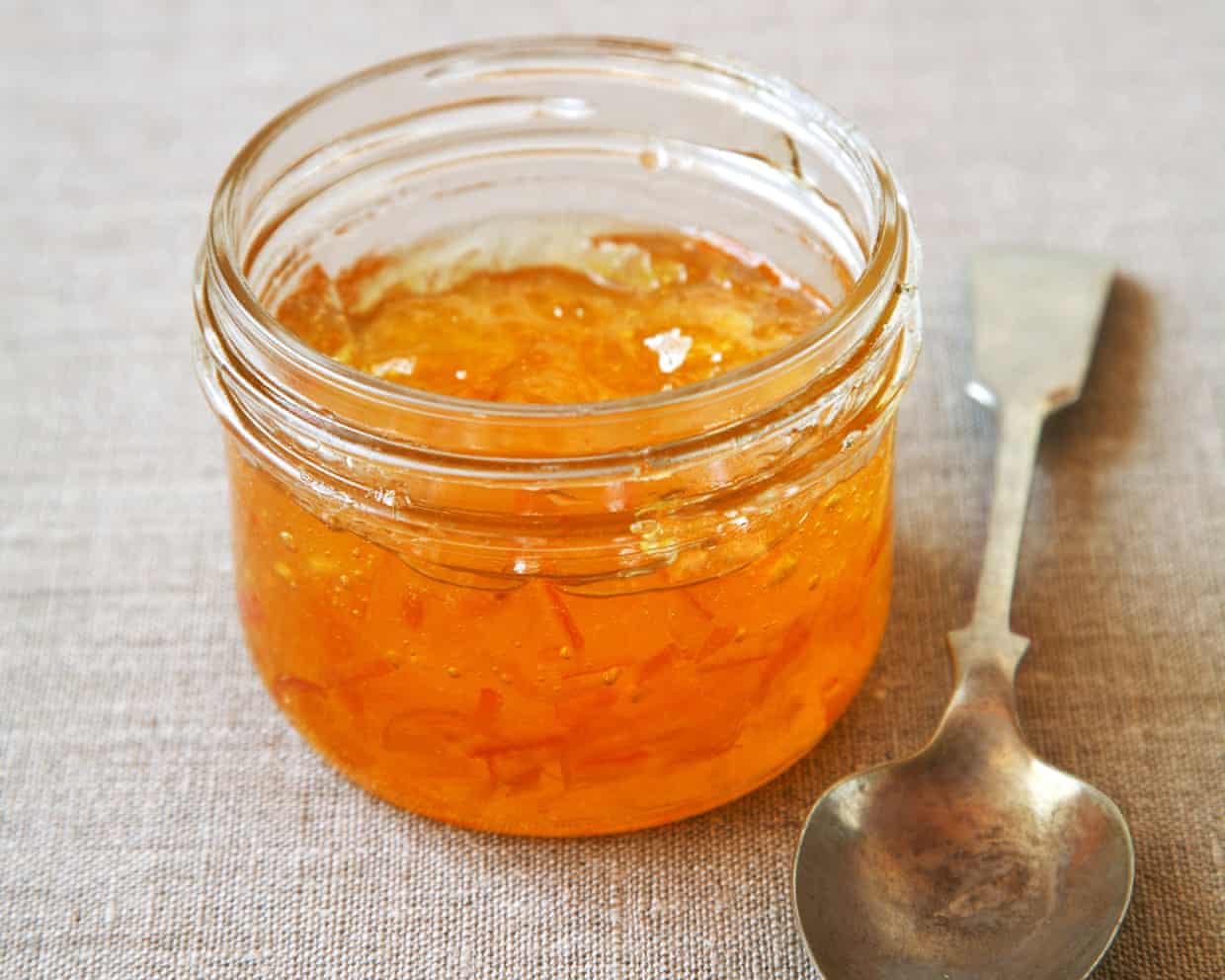
As a Portuguese-British citizen, I feel it is my duty to add to your explainer article (Keir Starmalade, anyone? Will marmalade really have to be rebranded in UK?, 4 April) and explain where the word marmalade originated from. Marmalade comes from the fruit marmelo (quince). And marmalade was and is quince jam in Portugal. This jam began to be exported to England at the end of the 15th century. Only in the 17th century did the English start to apply the word marmalade to orange jam

‘Before I can stop her, my daughter is licking crumbs from the table’: my search for the perfect kids’ menu
Chips, fish fingers, pizza … restaurant food for children is depressingly predictable. Are there more adventurous options? I took my four-year-old daughter on a month-long mission to find outWe’re heading out for dinner. Before I tell my four-year-old where we’re going, she has already announced that she’s going to have fish, chips and lots of ketchup. It sounds delicious; a classic. But there’s the irksome feeling that the intrepid impulses of childhood should be met with food that expands palates rather than feeding into the well-trodden path to a beige meal

This ‘old lady hand’ is giving ageism the finger | Brief letters

Peers vote to ban pornography depicting sex acts between stepfamily members

Sue Wright obituary

Four in 10 UK parents struggle to afford essentials for newborns, study says

Alarm in health service over Palantir staff being given NHS email accounts

Scientists develop AI tool to spot heart failure risk five years before it strikes