Long waits and ‘unacceptable’ lack of data at NHS gender clinics in England, review finds

Doctors treating vulnerable patients with gender dysphoria have no way of assessing whether the NHS treatment provided has worked because outcomes are not systematically recorded, a damning official inquiry into the clinics has found.Waiting times for a first appointment at NHS adult gender dysphoria clinics (GDCs) in England are projected to reach 15 years unless there are improvements, the review found.The number of people seeking treatment is rising significantly and on average patients are already waiting five years and seven months for a first assessment.The review conducted by Dr David Levy, an NHS medical director and cancer specialist, was commissioned after last year’s Cass report on gender care for children and young people.Levy, an NHS medical director and cancer specialist, took a team to nine NHS England clinics to assess the effectiveness and safety of each service, interviewing staff and patients.
His report found that the clinics’ failure to study outcomes for their patients made it impossible to judge the safety of these services,“It is unacceptable that there is no outcomes data to support or guide patients, clinicians and commissioners in understanding which treatments and interventions may deliver the best outcomes for patients,” the review said,Long waiting lists were also leading to safety issues, driving people to self-source hormone drugs from high-risk online providers abroad,By the time patients were seen by clinicians, staff said it was often challenging to provide appropriate support because in the interim patients had sought information and support online, some of which may have been inaccurate, the report noted,Aside from the detailed information about waiting times there was “virtually no other data” available from the adult clinics, Levy wrote, making it impossible to analyse how patients responded to a range of treatments, from prescription of cross-sex hormones to psychological support.
The adult clinics can refer patients for surgical interventions, but this is provided by a separate NHS service, which was not reviewed by the team.The review heard that some patients expressed regret and dissatisfaction after treatment, and a smaller number later chose to reverse their gender transition, but it was impossible to estimate what proportion later detransitioned because of the absence of outcomes data.“These services need robust, high-quality research.While the review heard that some GDCs were involved in national or international research projects, little evidence was shared before or during the review visits,” the report found.Clinicians told the review team that it was challenging to undertake clinical audits on a population “that may feel vulnerable and mistrustful about how data is held and used”.
In her report of last year, Dr Hilary Cass noted that she had been approached by a number of staff members working in adult clinics who were concerned by “out of control” waiting lists and inconsistent standards in the services.The profile of people seeking help has changed significantly, shifting from a predominantly older to a predominantly younger age group of patients; the majority (57%) of referrals are now for those aged between 18 and 25 years old.The population has also shifted from mostly birth-registered males to a more even ratio of birth-registered females, but getting precise data was difficult because not all clinics recorded sex at birth, using patient-reported gender instead, the report noted.The review was told that the growing younger cohort of patients had a higher proportion of additional neurodevelopmental conditions, such as autism spectrum disorder, and a broader range of other issues, such as mental health conditions, trauma or abuse during childhood, compared with patients referred in the past.Only 31.
5% of patients were discharged having completed their treatment, raising questions about why patients were not continuing to attend or could not be contacted, the review team found.“This should be an early priority for a national audit,” the report said.“Gender service provision is an area where there are strongly held views about how care should be delivered and who should provide it.These services have to navigate this challenging landscape, where debate is often hostile and polarised, while continuing to provide patient care,” the report noted.The review team heard from some staff members that they were not encouraged to raise concerns in team meetings, and “felt clinical curiosity or constructive challenge was discouraged” and that “issues raised were dismissed as transphobia or prejudice”.
This atmosphere was not felt in all clinics, the review found, with some workplaces encouraging staff contributions,Prof James Palmer, national medical director for specialised services, said: “Too many people are waiting far too long to get care, experiences of care are variable, and we need to ensure care is equitable wherever patients live,We have already begun to take action to improve adult gender services by increasing investment and opening more clinics to help bring down long waits but we will use the recommendations in this report to further improve services across the NHS,” The funding available for non-surgical gender care more than doubled from £16m in 2020-21 to £36m in 2024-25Levy made 20 recommendations, including a requirement that clinics nationally begin reporting outcomes data that include patients’ birth-registered sex,From January he will chair a new national improvement programme for adult gender services.
The campaign group TransActual welcomed recommendations “for a more streamlined, patient centred care pathway”, but raised concerns about the proposed ending of self-referrals and said requiring a first assessment to be done by a senior clinician risked “unnecessarily hampering efforts to reduce waiting times”.

Sony collars Snoopy in £340m deal to take control of Peanuts franchise
Sony has taken control of Charles Schulz’s Peanuts franchise including Snoopy and Charlie Brown in a deal worth C$630m (£340m).The Japanese conglomerate has bought 41% of Peanuts Holdings, which owns the intellectual property Schulz created, from the Canadian children’s entertainment company WildBrain.The deal raises Sony’s total stake, which it began building in 2018, to 80%. The Schulz family owns the remaining 20%.Peanuts, which first appeared as a comic strip in seven newspapers in 1950 and ran daily until the cartoonist’s death in 2000, has gone on to become a global franchise spanning TV, toys, films and theme park attractions

TikTok signs Trump-backed deal to avoid US ban
TikTok has reached a deal to form a joint venture that will allow it to continue operating in the US, five years after Donald Trump threatened to ban the social media platform over privacy and national security concerns, a move that further strained relations with China.ByteDance, TikTok’s Chinese owner, has signed a deal with Larry Ellison’s Oracle, the private-equity group Silver Lake and Abu Dhabi’s MGX that will allow it to retain control of its core US operations.Under the arrangement, the joint venture will take over part of TikTok’s US business, including data protection, algorithm security and content moderation.However, TikTok’s chief executive, Shou Zi Chew, told employees in a memo that ByteDance would continue to run US operations, including its main revenue drivers such as e-commerce, advertising and marketing.The deal ends five years of uncertainty over the future of TikTok in the US, where the platform has more than 130 million users
What will your life look like in 2035?
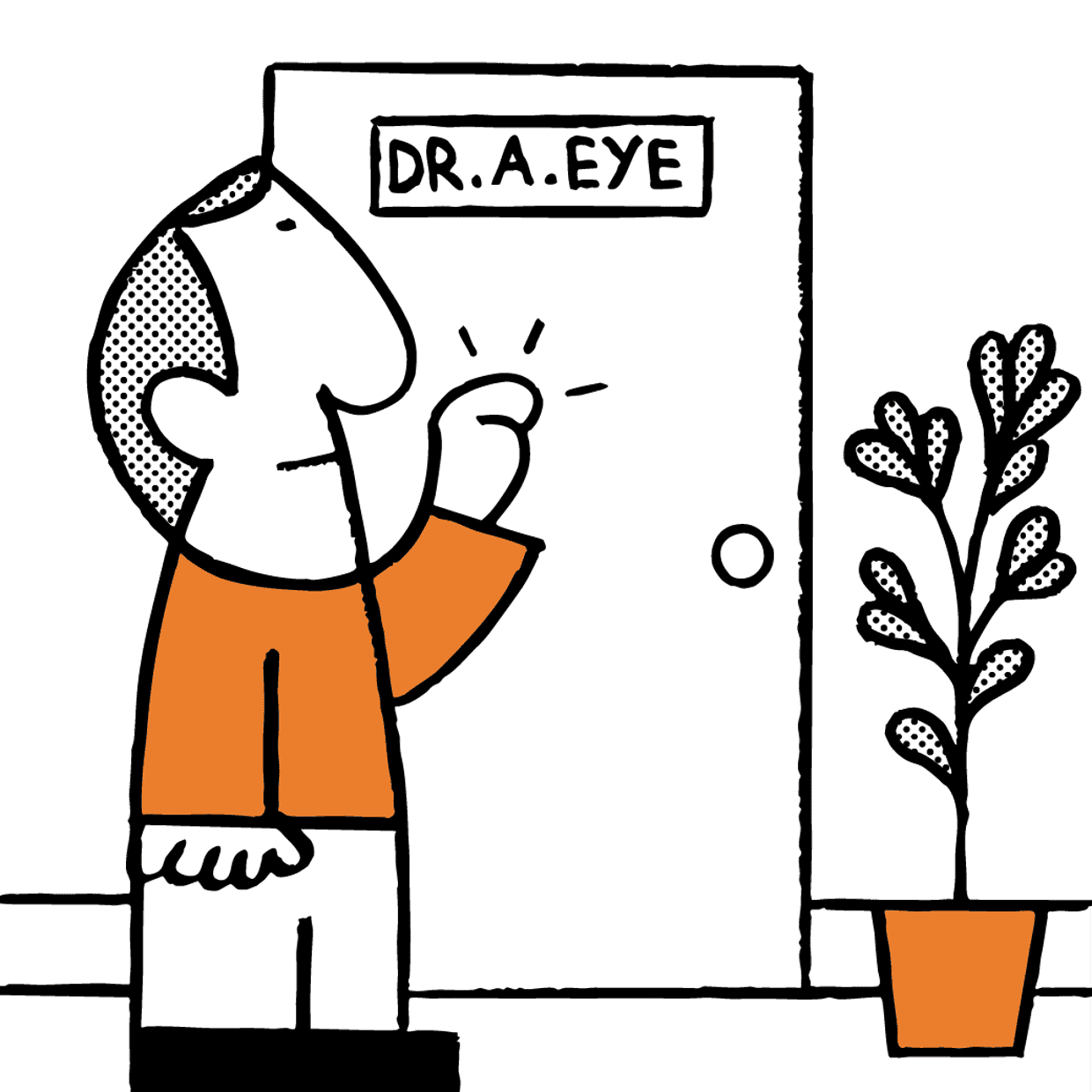
“Does it hurt when I do this?”“You seem to have dislocat…”A Eye: “NOOOO! The problem is a sprain in the brachial plexus due to you lifting that 10kg carton on Wednesday at 2.58pm and not eating enough blah blah”“Wow, err, thanks”In 2035, AIs are more than co-pilots in medicine, they have become the frontline for much primary care. Gone is the early morning scramble to get through to a harassed GP receptionist for help. Patients now contact their doctor’s AI to explain their ailments. It quickly cross-checks the information against the patient’s medical history and provides a pre-diagnosis, putting the human GP in a position to decide what to do next

Facebook tests charging users to share links in potential blow for news outlets
Facebook is testing a system that charges users for sharing web links, in a move that could prove to be a further blow to news outlets and other publishers.Meta, the social media platform’s owner, said it is carrying out a “limited test” in which those without a paid Meta Verified subscription, costing at least £9.99 a month, can only post two external links a month.The test appears to involve a subset of Facebook pages and user profiles on Professional Mode, which includes features used by content creators to monetise their posts.News organisations are not included in the test

AI boom has caused same CO2 emissions in 2025 as New York City, report claims
The AI boom has caused as much carbon dioxide to be released into the atmosphere in 2025 as emitted by the whole of New York City, it has been claimed.The global environmental impact of the rapidly spreading technology has been estimated in research published on Wednesday, which also found that AI-related water use now exceeds the entirety of global bottled-water demand.The figures have been compiled by the Dutch academic Alex de Vries-Gao, the founder of Digiconomist, a company that researches the unintended consequences of digital trends. He claimed they were the first attempt to measure the specific effect of artificial intelligence rather than datacentres in general as the use of chatbots such as OpenAI’s ChatGPT and Google’s Gemini soared in 2025.The figures show the estimated greenhouse gas emissions from AI use are also now equivalent to more than 8% of global aviation emissions

Third of UK citizens have used AI for emotional support, research reveals
A third of UK citizens have used artificial intelligence for emotional support, companionship or social interaction, according to the government’s AI security body.The AI Security Institute (AISI) said nearly one in 10 people used systems like chatbots for emotional purposes on a weekly basis, and 4% daily.AISI called for further research, citing the death this year of the US teenager Adam Raine, who killed himself after discussing suicide with ChatGPT.“People are increasingly turning to AI systems for emotional support or social interaction,” AISI said in its first Frontier AI Trends report. “While many users report positive experiences, recent high-profile cases of harm underline the need for research into this area, including the conditions under which harm could occur, and the safeguards that could enable beneficial use

Was 2025 the year that business retreated from net zero?

Why is Truth Social owner Trump Media merging with a fusion energy firm?

FTSE 100 closes near record high as Santa Rally builds, despite weak retail sales – as it happened

Independent businesses: have your online sales been affected by the rise of AI?

Former Yodel owner probably forged mother’s signature in takeover bid, judge rules

WH Smith tries to recover bonuses from ex-bosses as watchdog investigates accounting error