Study finds 10% of over-70s in UK could have Alzheimer’s-like changes in brain
One in 10 people in the UK aged 70 and older could have Alzheimer’s-like changes in their brain, according to the clearest, real-world picture of how common the disease’s brain changes are in ordinary, older people.The detection of the proteins linked with the disease is not a diagnosis.But the findings indicate that more than 1 million over-70s would meet Nice’s clinical criteria for anti-amyloid therapy – a stark contrast to the 70,000 people the NHS has estimated could be eligible if funding were available.Experts, including those from Alzheimer’s Research UK, have said the findings from the first-ever population-based research into the disease have huge potential for early and accurate diagnosis.“High-quality studies like this are crucial to enhancing our understanding of how blood tests for Alzheimer’s could be used in clinical practice,” said David Thomas, the head of policy and public affairs at Alzheimer’s Research UK.
“We need to generate more evidence so we can use these tests in the NHS.”The lead author of the research, conducted by King’s College London, Stavanger University hospital and the University of Gothenburg, said the findings could be a “gamechanger in the understanding of the disease”.The findings also challenge some long-held assumptions about dementia, including the idea that it is mainly a disease that mainly affects women.Dag Aarsland, a professor of old age psychiatry at the Institute of Psychiatry, Psychology and Neuroscience at King’s College London and the study’s lead author, said: “In an ageing global population, the assessment and treatment of dementia presents a significant challenge.Our study used a simple blood test to establish changes that contribute to cognitive impairment in those with dementia.
”Previous estimates have relied on small clinic-based samples or research cohorts, leaving uncertainty about how common these brain changes are in the general population.But the new study, published on 17 December in Nature, used blood biomarker data from almost 11,500 people drawn at random.The p-tau217 blood test used was recently cleared by regulators and can identify Alzheimer’s much earlier than previously possible.The study measures only current brain changes and so does not show who will develop dementia.Aarsland said this would be his next area of research.
He also wants to work with GPs to find out how these tests, which are not available on the NHS, can be used in primary care.“This data is very interesting, strong and accurate, and is an important extension to what we know,” said Tara Spires-Jones, a professor of neurodegeneration and the director of the Centre for Discovery Brain Sciences at the University of Edinburgh.“Treatment are currently not available on the NHS because they’re so expensive and risky.But as these get better over the next few years it’s important that we can find people with amyloid in their brain using an easy test,” she said.Eric Brunner, a professor of social and biological epidemiology at University College London, said the research showed scientists were “entering a new era when dementia is no longer something where we’re powerless to treat”.
“The paper is very valuable, because it shows that we can identify people before they develop clinical dementia,” he said.“But the sheer numbers emphasise the fact that the NHS can in no way afford to treat all those who could benefit at the current cost.”The study is the first to provide direct, real-life numbers for how common Alzheimer’s changes are by age.Fewer than 8% of people in their 50s and 60s carry the marker, just over a third of those in their 70s, and about two-thirds of people over 90.Currently, nearly 1 million people in the UK live with dementia.
That number is expected to rise to about 1,4 million by 2040,This figure does not include people with early Alzheimer’s brain changes who have not yet developed dementia,
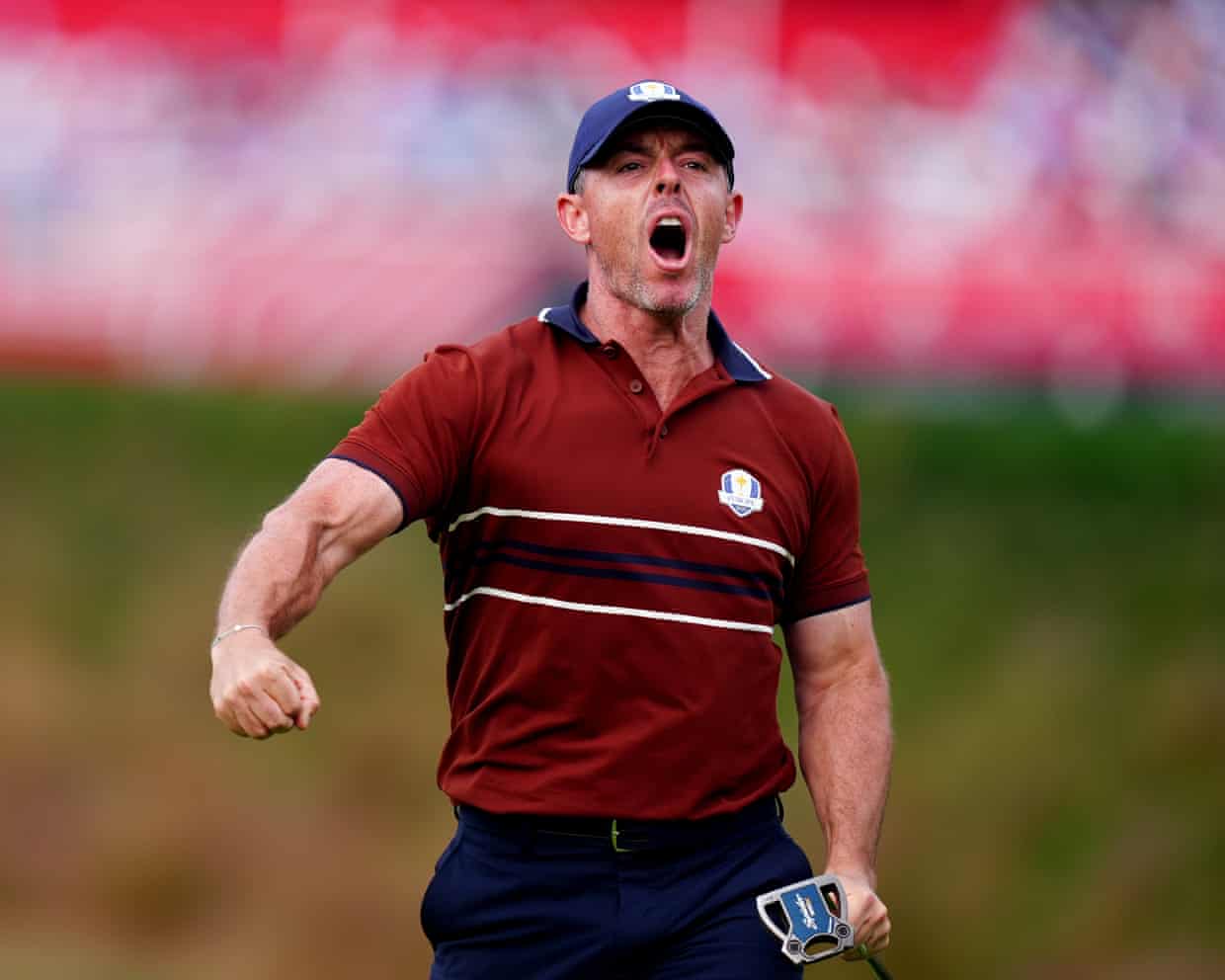
Curse of Spoty? Rory McIlroy and golf could miss out again to Kelly or Norris
It has been a 2025 for the ages for Rory McIlroy. He cemented his legacy by completing a career grand slam with victory at the Masters. Then he carried Europe on his back at the Ryder Cup, defying the venom and spite of a braying Maga crowd. Now, though, he has one final devilish sandtrap to navigate: the curse of golf at the BBC’s Sports Personality of the Year award.Only twice in the 71-year history of the event has a golfer claimed the honour: the Welshman Dai Rees in 1957, when he captained Great Britain and Ireland to Ryder Cup success, and the Englishman Nick Faldo, following his Masters success in 1989

The Knicks have a trophy and Wembanyama has a chip on his shoulder: Five NBA Cup takeaways
New York got a championship while a high-stakes meeting between the Thunder and Spurs showed where the NBA, and the NBA Cup, is todayAfter toppling the defending champion Boston Celtics in a shocking upset in the Eastern Conference semi-finals this spring, The New York Knicks immediately became the favorites to represent the conference in the NBA Finals. The Indiana Pacers, a team that will no doubt go down as having one of the most compelling Cinderella stories in modern NBA history, had other plans.But this year, the East is more open than ever (though Knicks guard Jalen Brunson insists he’s “not a fan” of the narrative of a wide open conference). The Detroit Pistons have made a remarkable turnaround from being at the bottom of the East standings a few years ago to the top of them, but the Knicks’ showing in Cup play, ultimately hoisting the trophy in the third year of the contest, has shown what many believed heading into this season: they’re the team to beat.Brunson continues to be every bit the superstar his franchise needs, Mikal Bridges is having a fantastic season, and (knocks on wood) they’re as healthy as they’ve been in ages
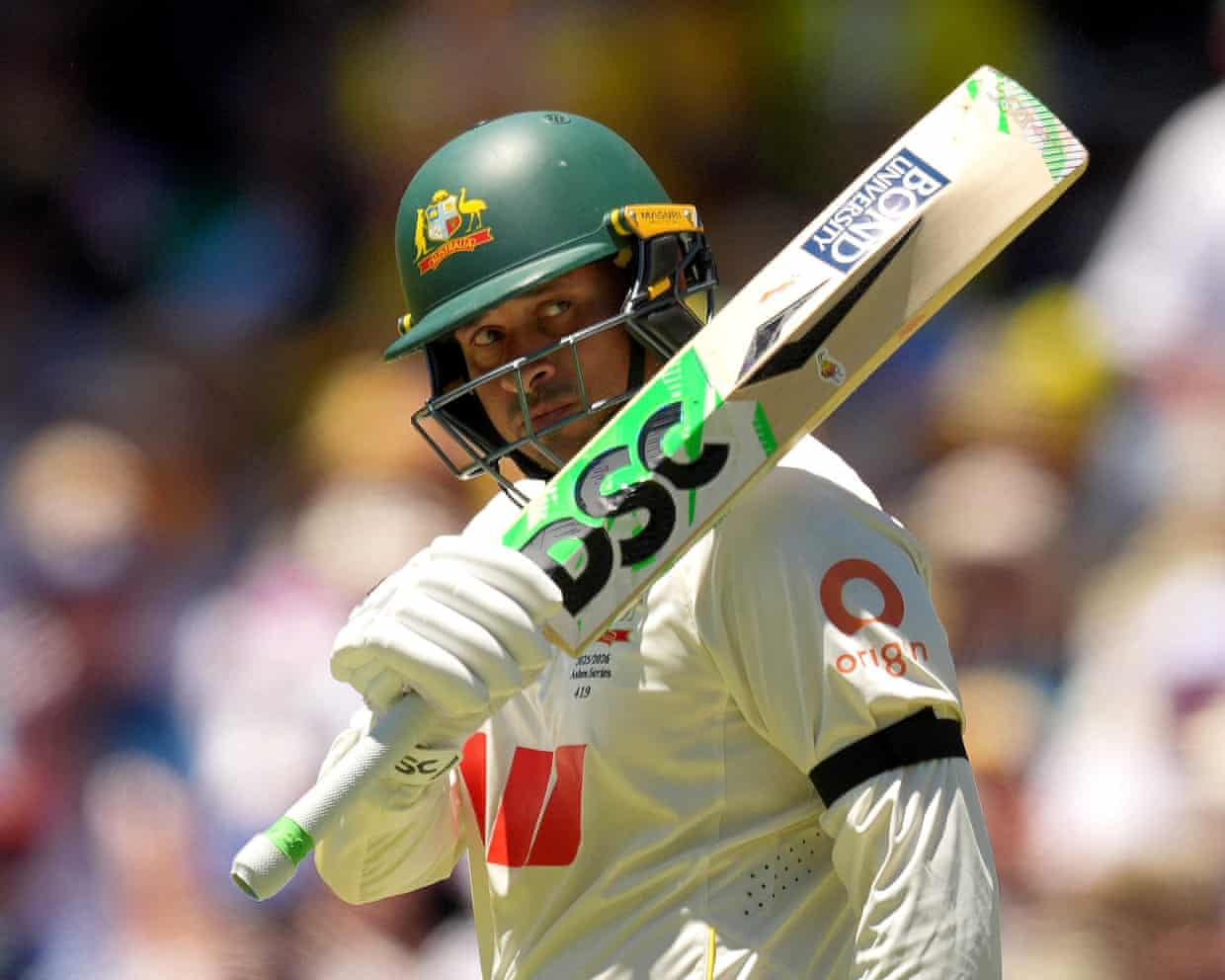
Khawaja and Carey rise up to fill the gaps as England squander Australia’s gifts | Geoff Lemon
Chalk it up to fates or fortune or a quirk of probability, whatever your inclination. If Australia’s first day of the Adelaide Test was a jigsaw puzzle hurled into the air, most of the pieces landed face up in the right place. It has been a pattern for Australia in this Ashes series: monstered by England’s bowlers in Perth, only to create an even greater collapse; sliding in Brisbane, rescued by the lower order.England, meanwhile, brought a gameplan built on the surety that they couldn’t win in Australia with medium-fast seamers and a keeper up to the stumps, then lost to medium-fast seamers with a keeper up to the stumps. They were given the gift of no Pat Cummins, no Josh Hazlewood, no Nathan Lyon (in Brisbane) and still managed to lose twice in six days
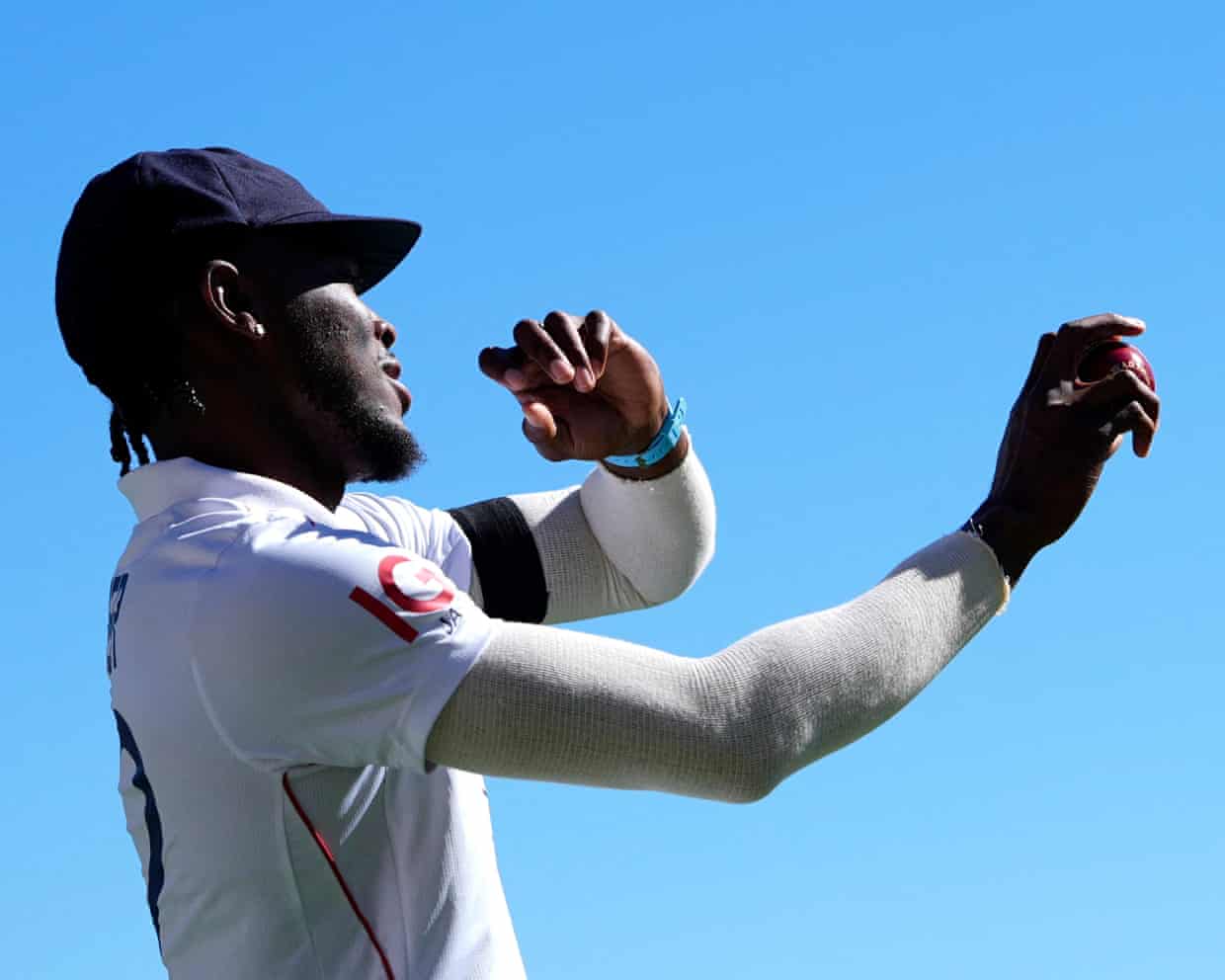
Jofra Archer steps up to show his true value lies beyond pundits’ stereotypes | Barney Ronay
This was a gripping day of Test cricket. The visuals were perfect. Adelaide Oval was a dreamy place, with its bleached greens, soft surfaces, the scroll of blue above the stands, the sense of some chino-shorted Eden, ultimate expression of the leisured triumphalism of the southern summer.In the middle of this there were long periods where three games seemed to be happening all at once. England versus Australia
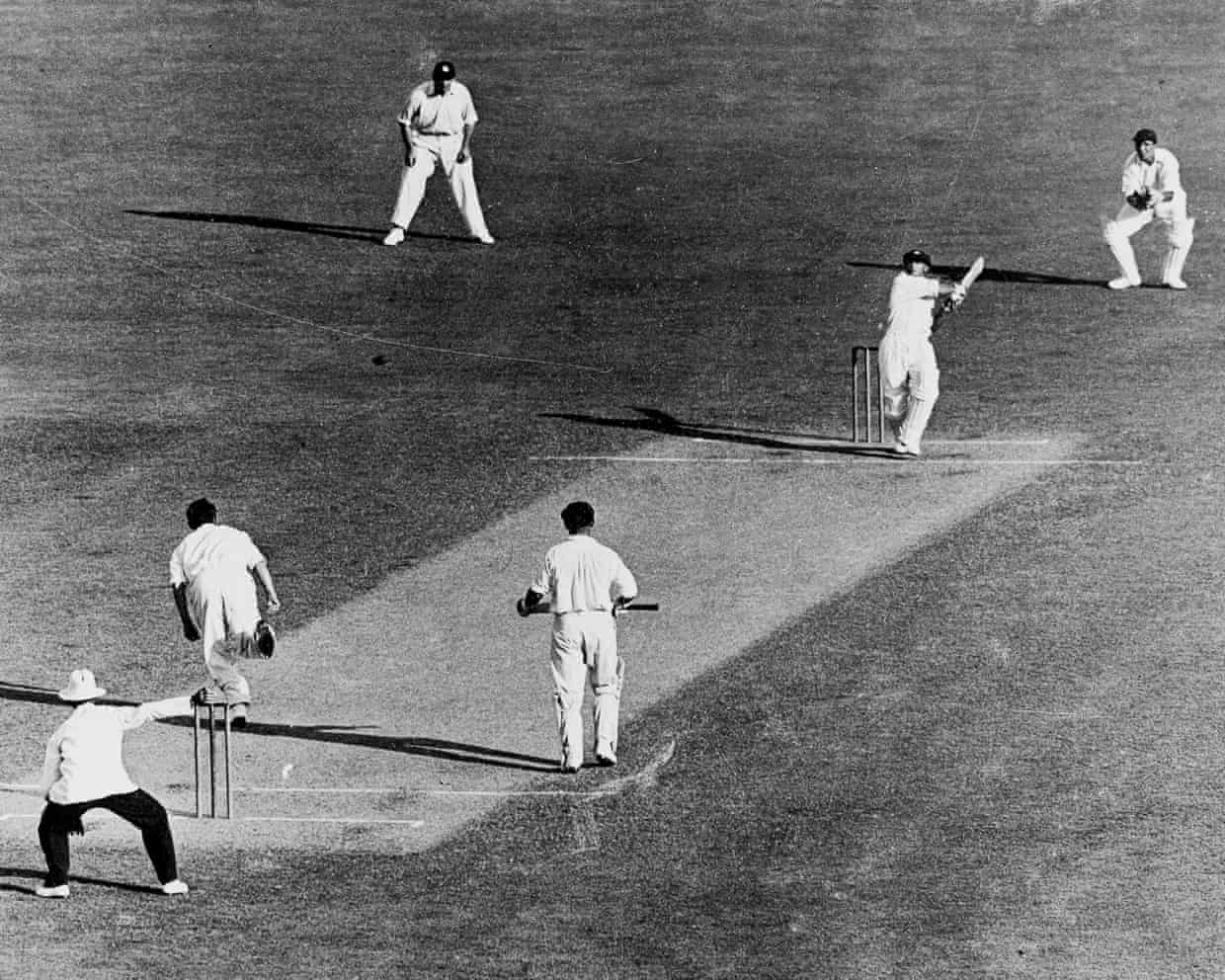
The Spin | Bradman’s greatest hour: how Australia came from 2-0 down to win the Ashes
By the time you read this, day one of the third Test will have gently unfolded/catastrophically unspooled. You will already have some inkling of how (un)likely it is that England will be able to haul in Australia’s 2-0 lead and claw back the urn.As you also probably know, only one side has overcome a 2-0 deficit to win a series, and that side was Australia, and that Australia included Don Bradman.The year was 1936. England boarded the Orion at Southampton docks in gabardines and trilbies to sail away on their first Ashes tour since Bodyline
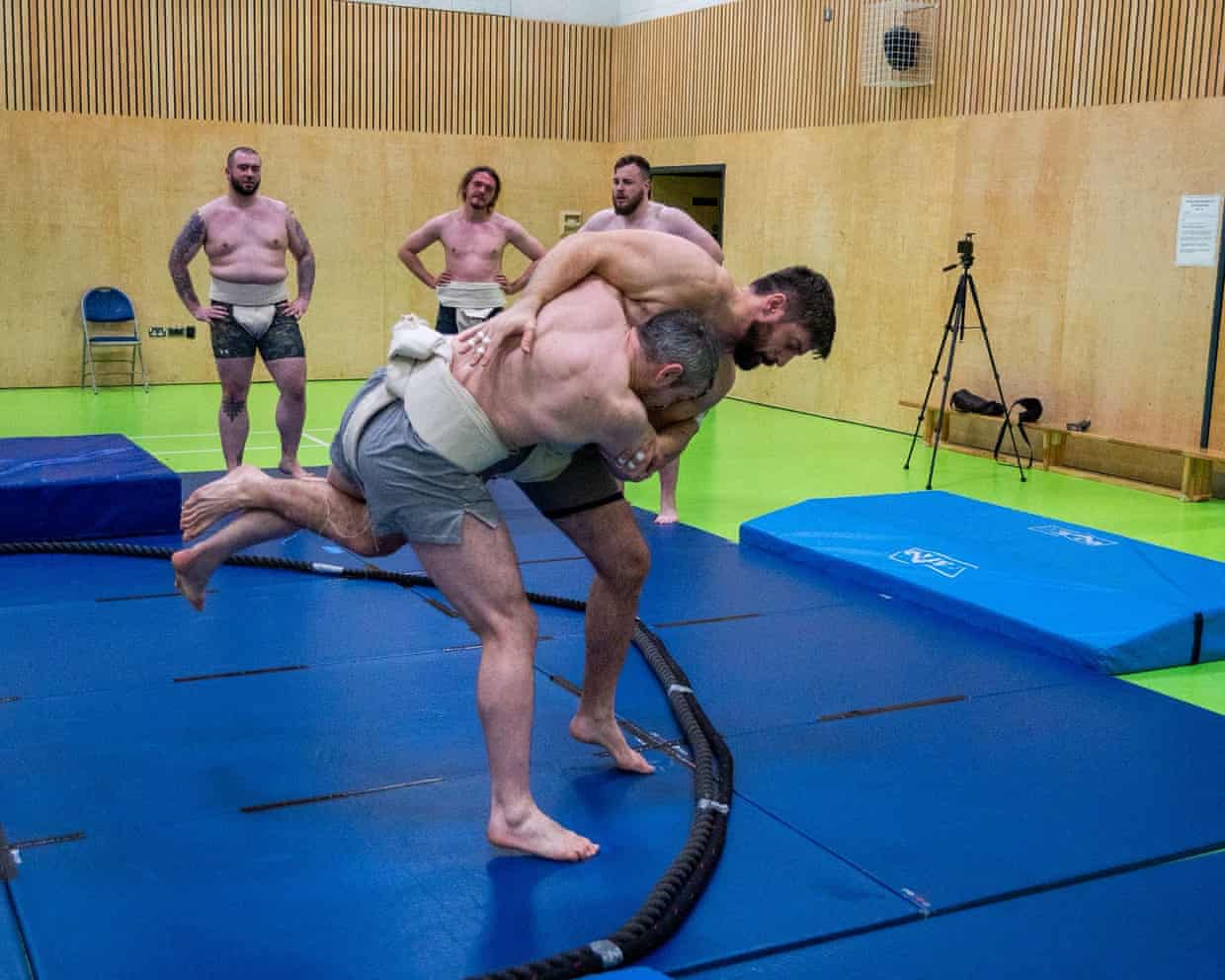
‘Very TikTok-able’: sumo wrestling’s unlikely British boom
It is a centuries-old Japanese tradition, steeped in ceremony, with roots deep in the ancient faith of Shintoism … and it also happens to be super popular on TikTok.Sumo is finding a new audience in the UK and, not only that, many Britons are now donning a loincloth – or mawashi – and taking up the sport themselves. So much so, in fact, that amateur wrestlers from across the UK and Ireland are gearing up for the first ever British Isles Sumo Championships, due to be held in six weeks.It comes after sumo’s elite professionals captured hearts in October when they visited from Japan for a grand tournament at the Royal Albert Hall in London. They were pictured wholesomely visiting Horse Guards Parade, enjoying Platform 9 ¾ at King’s Cross station and riding Lime bikes around London

BMA accused of hypocrisy as its own staff threaten to strike over pay
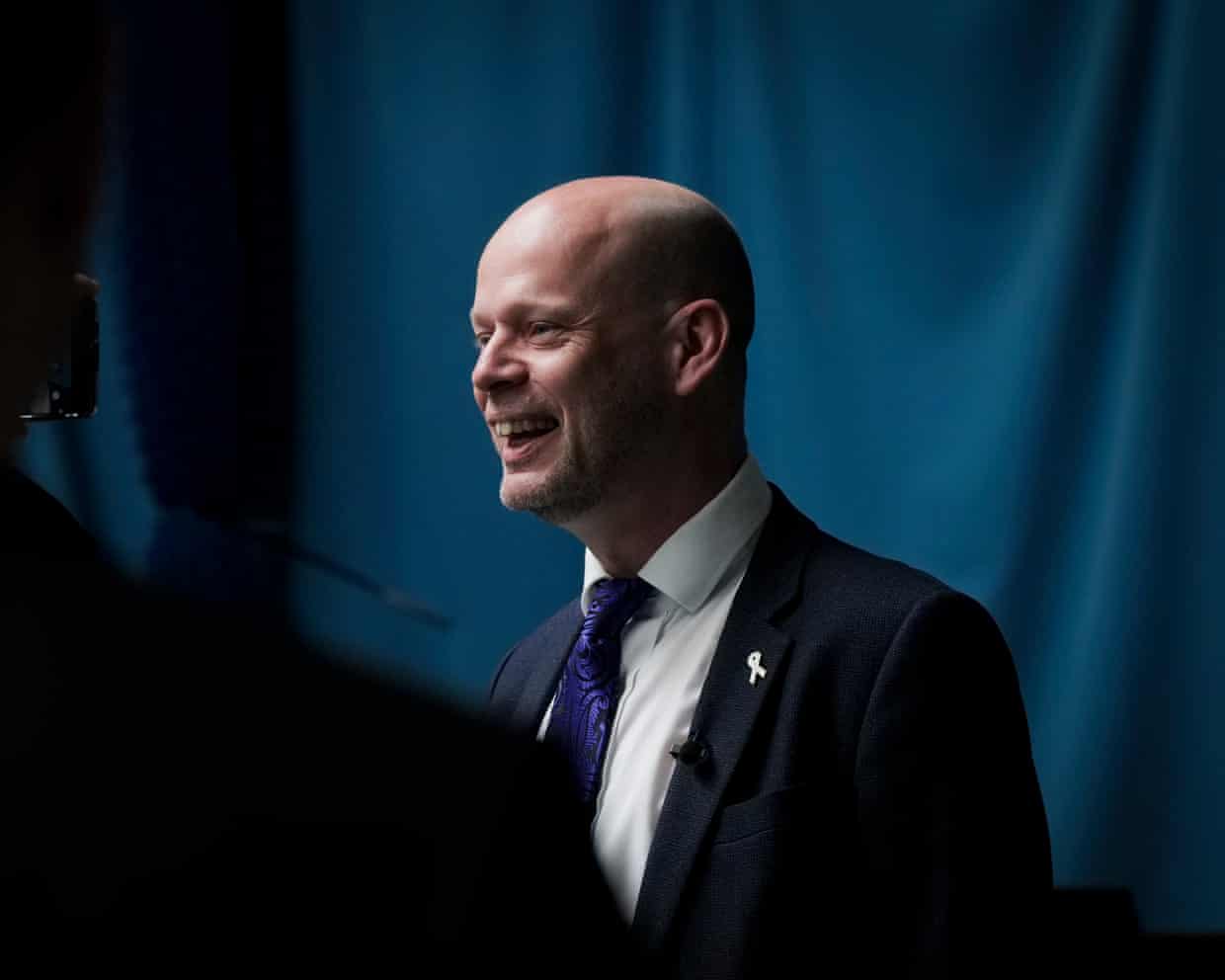
Ex-Labour metro mayor and Your Party organiser Jamie Driscoll joins Greens
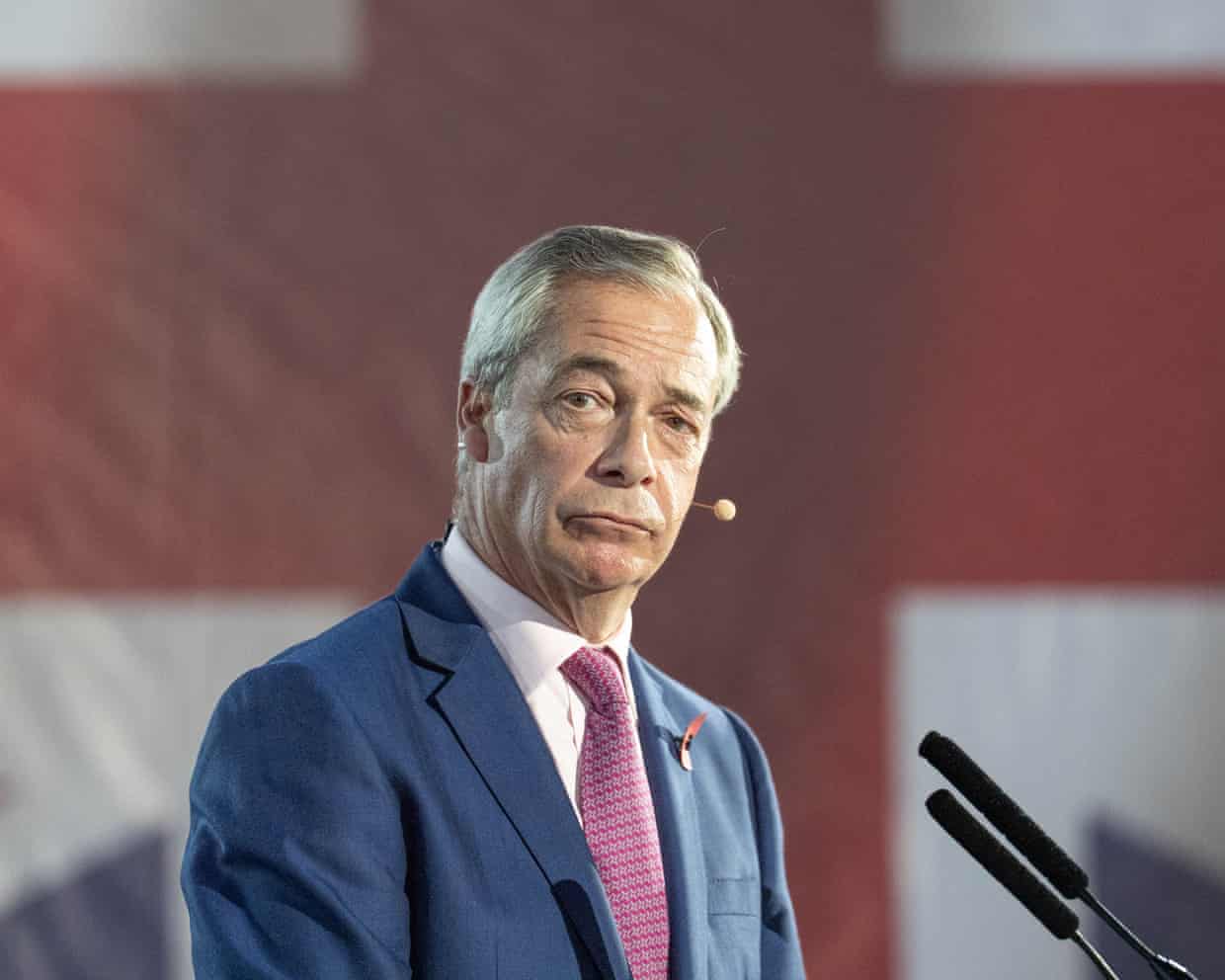
Nigel Farage told to apologise by 26 of his school contemporaries

George Osborne joins OpenAI: ex-chancellor adds tech post to his CV

Deals put UK-US trade relationship in the spotlight | Letters
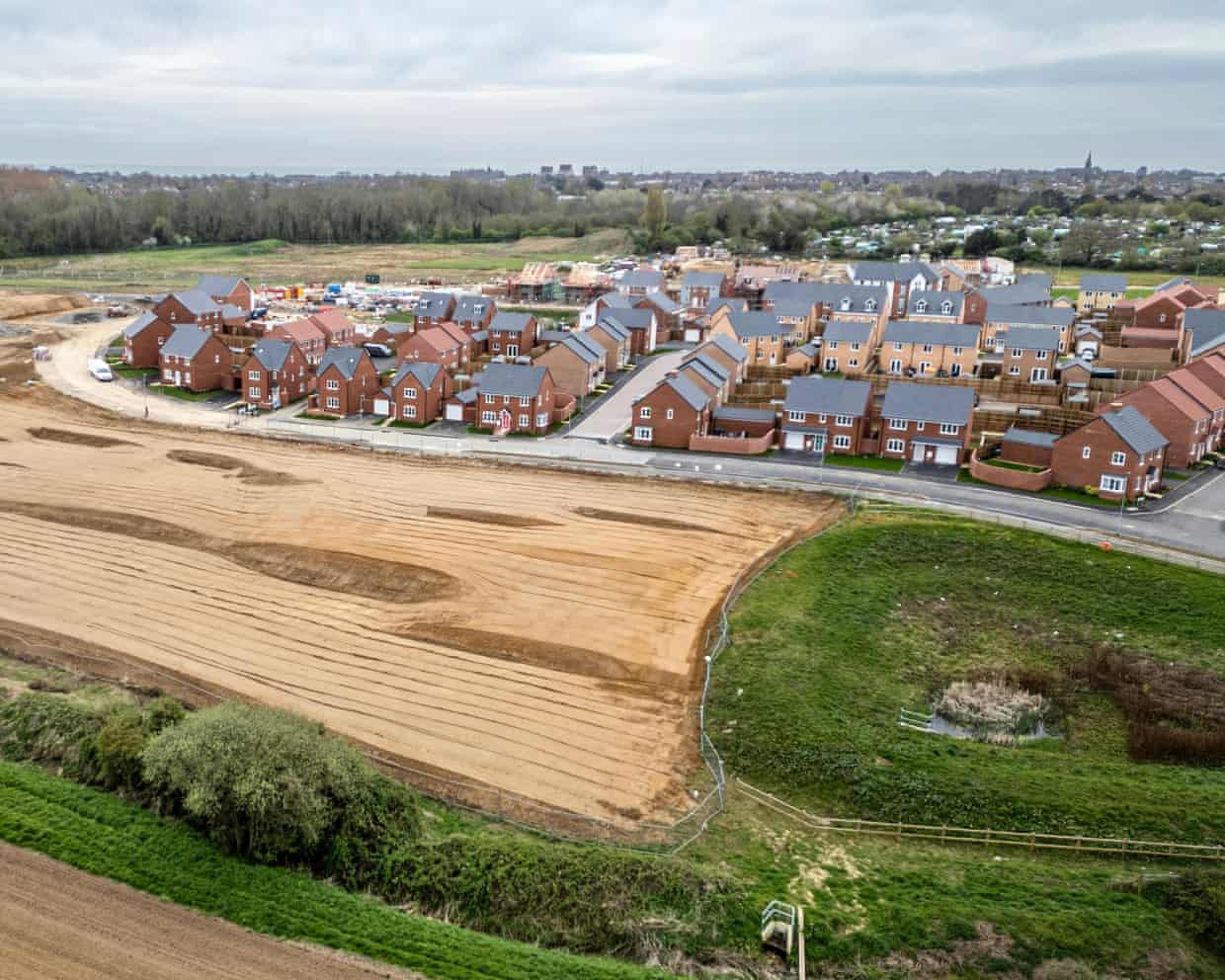
Ministers ‘break word’ on protecting nature after weakening biodiversity planning rule