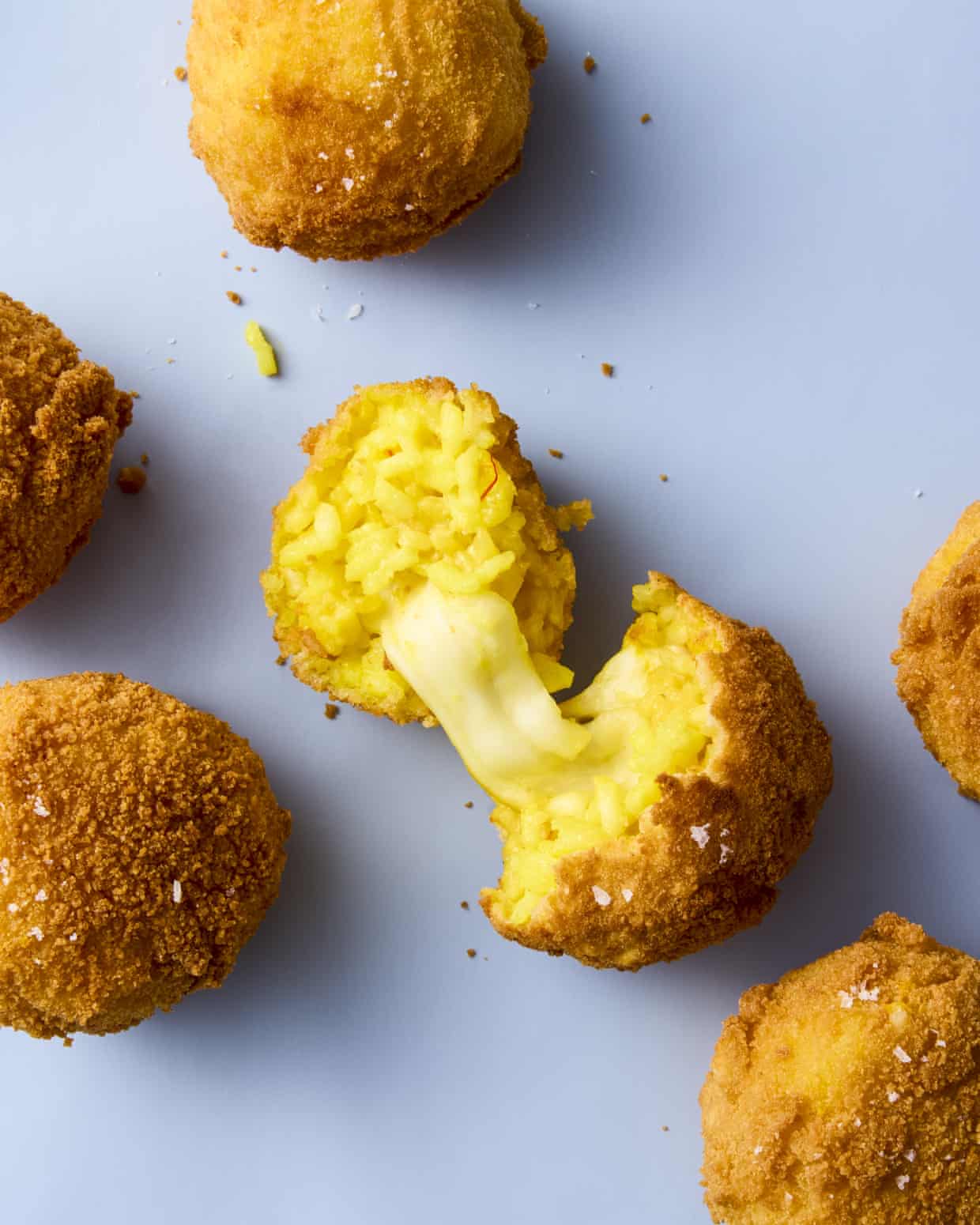
How to make arancini – recipe | Felicity Cloake's Masterclass
Before I wrote this recipe, it hadn’t occurred to me that the word “arancini” means “little oranges”, and, plump, round and golden as they are, it makes sense, too. Indeed, these robust rice balls, which are said to have come to Sicily with Arab invaders in the 10th century, are now, according to the late Antonio Carluccio, the local equivalent of a sandwich lunch.Prep 25 min Cook 45 min Makes 8 large ballsFor the risotto700ml chicken stock, or vegetable stock100ml white wine (optional)250g short-grain rice (eg, arborio)½ tsp salt, plus extra to season1 very generous pinch saffron (optional)50g parmesan, or grano padano or vegetarian alternative, gratedBlack pepperFor the arancini2 eggs plus 1 egg yolk100g mozzarella, drained and cut into chunksOptional other fillings of your choice – meat ragu, pesto, sauteed mushrooms, wilted or defrosted greens170g plain flour 250g fine dried breadcrumbs (preferably not panko)Neutral oil, for fryingFlaky sea salt, to finish (optional)Risotto is a northern Italian dish, so Sicilian arancini weren’t designed with it in mind, but they are great vehicles for risotto leftovers. My recipe is intended for 700g cooked rice, but adjust the fillings and coating according to what you have; these are also a great way to repurpose small amounts of ragu, cooked vegetables, fish or meat.If you’re cooking the rice from scratch, put the stock and wine (or substitute 100ml extra stock, if you prefer) in a medium pan and bring to a boil – I like chicken stock, because I find it the most neutrally savoury, but use whatever suits the fillings you’re using
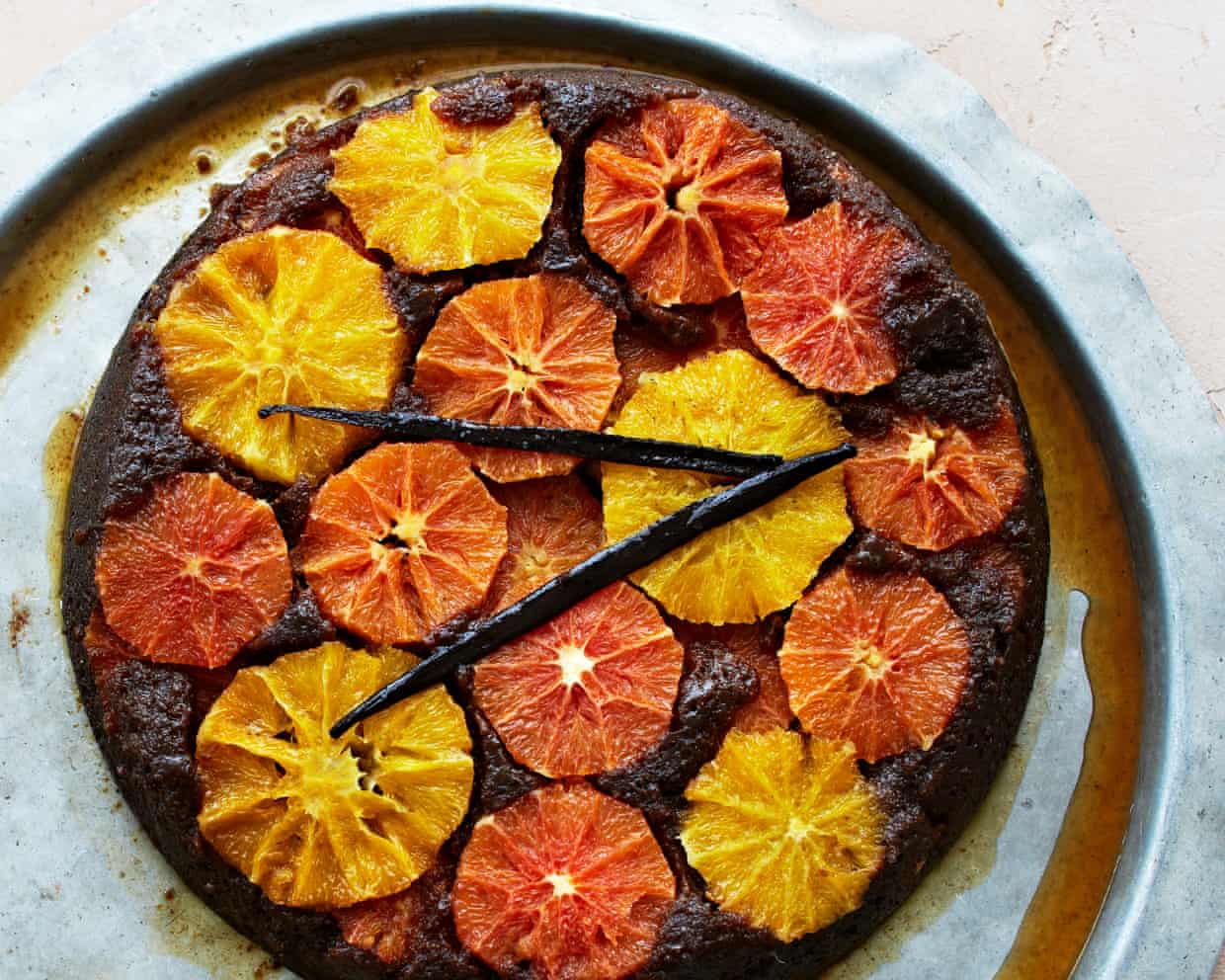
Navel gazing: oranges, mandarins and persimmons top Australia’s best-value fruit and veg for May
“Sweet, low seed and great for snacking” imperial mandarins have just started their season, says Josh Flamminio, owner and buyer at Sydney’s Galluzzo Fruiterers. The tangy-sweet citrus is selling for between $2.99 and $3.99 a kilo in major supermarkets. At Galluzzo, Queensland-grown imperial mandarins are $3
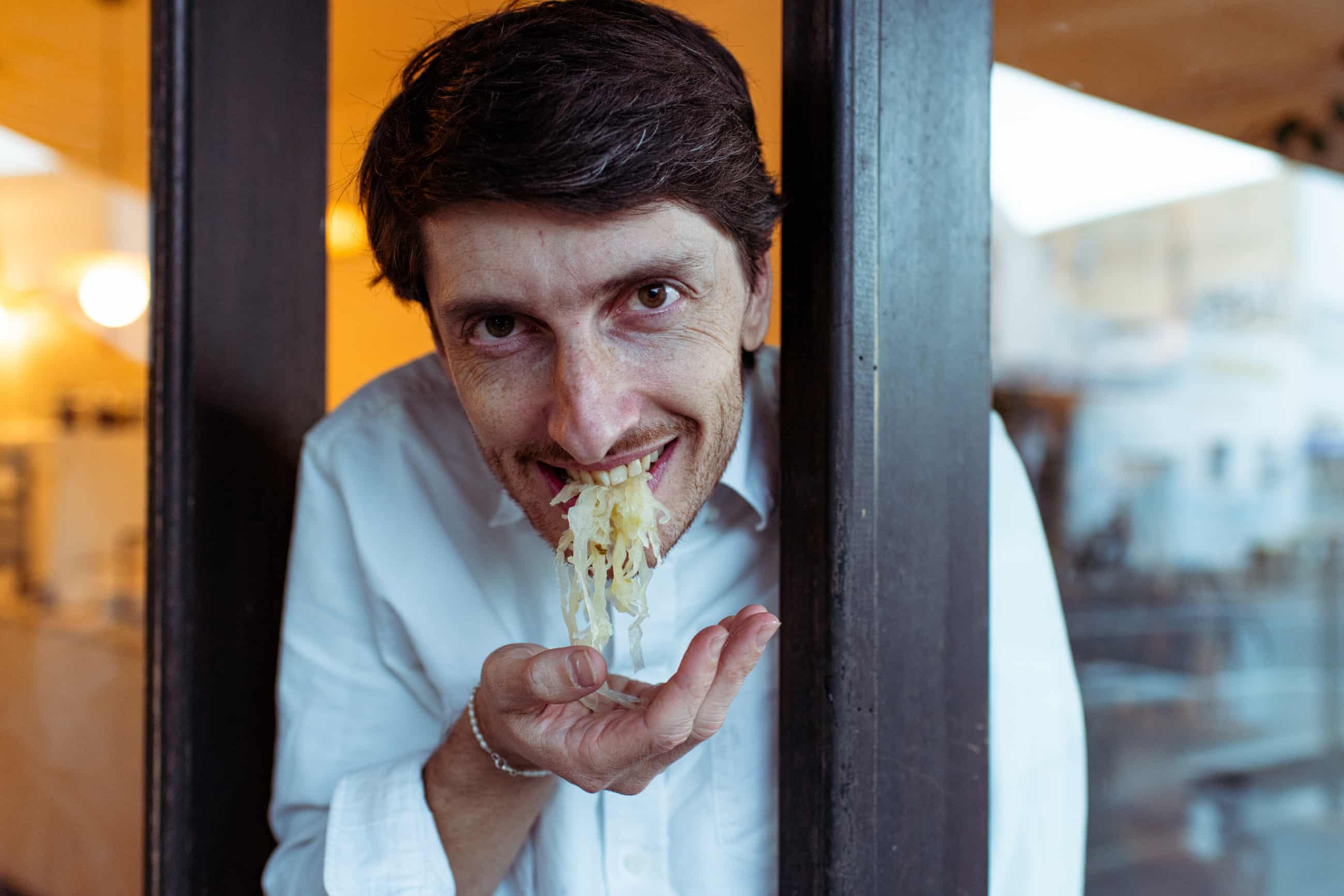
Australian supermarket sauerkraut taste test: one is ‘like eating the smell of McDonald’s pickle’
It’s ‘Gut Coachella’ for Nicholas Jordan and friends, who blind taste a line-up of 20 shredded and fermented cabbage productsIf you value our independent journalism, we hope you’ll consider supporting us todayGet our weekend culture and lifestyle emailI cannot tell you how many times I’ve been introduced to a fatty, salty hunk of meat and thought, “my god, I’m going to need a pickle”. I feel the same eating cheese toasties or deli sandwiches with rich mayo-based sauces. Where is the pickle, hot sauce, citrus or ferment? Even the most savoury, juicy slab of umami is a bit much without acidity to balance it.What is the point of sauerkraut without acidity? It’s just wet, salty cabbage, and what is that for, other than deflating my spirits and inflating my gastrointestinal system? Sauerkraut should be sour; it’s the hallmark of the very thing that created it – fermentation.Why am I saying all this? After eight friends and I tasted 21 supermarket sauerkrauts, I was shocked to find some lacked not just acidity but any vigour at all
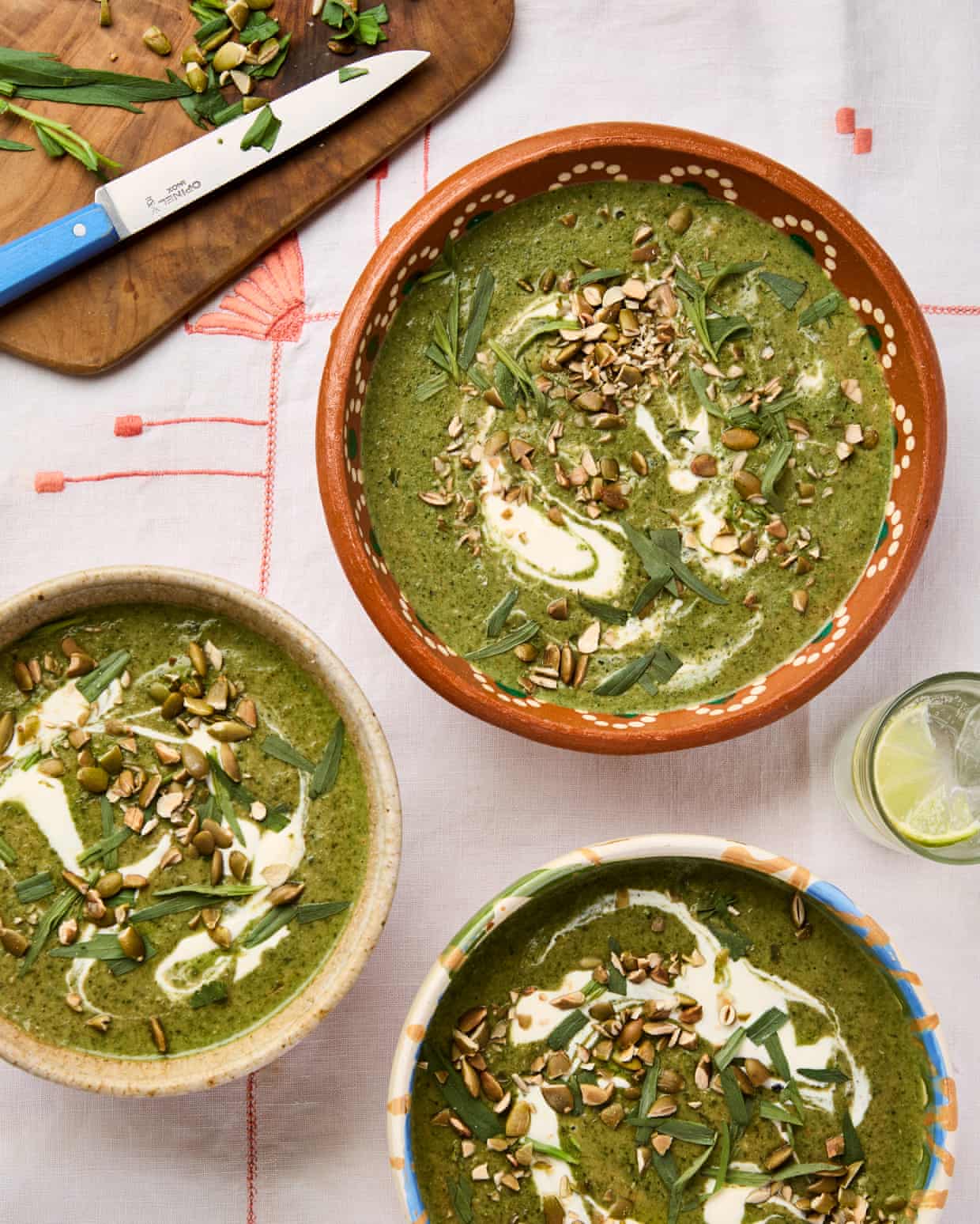
Spring soup and bean and cheese quesadillas: Thomasina Miers’ Mexican-inspired seasonal recipes
I have always loved the evident (though not proven) link between how foodie a country is and its love of soups. In Mexico, where nose-to-tail eating is a given, broths maintain a steadying presence in any self-respecting cantina, and soups are commonplace on most menus. We don’t eat a crazy amount of meat at home, but having homemade stock in the freezer is an ingenious fast track to flavour and goodness. Here, whether your stock is chicken or vegetable, homemade or shop-bought, the joy is in the gentle spicing, a scattering of herbs, zingy tomatillos and some lovely spring leaves.There are so many different herbs in Mexico that are impossible to find here, so I’ve used bundles of more common soft herbs to try to capture the lovely breadth of flavour in this soup
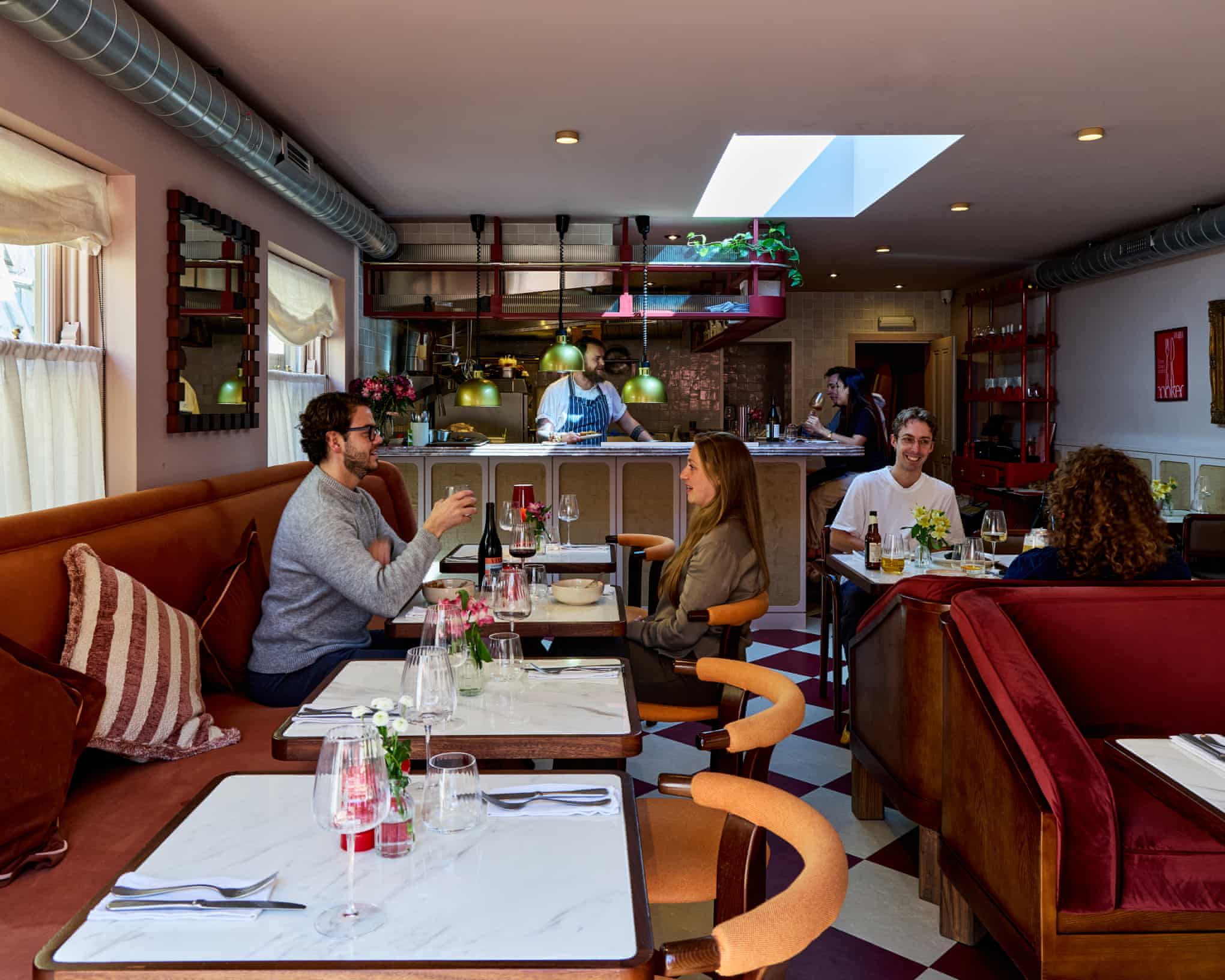
Willy’s, Margate, Kent: ‘It chortles in the face of small plates’ – restaurant review | Grace Dent on restaurants
This cute and jovial eatery is reason enough to make a break for the coastAs summer looms, and with it the urge to stampede towards the edges of Britain in search of paddling opportunities, I proffer another coastal dining idea: Willy’s in Margate – and, yes, that name does have about it something of the naughty seaside postcard. Tucked away in the back of Margate House hotel on Dalby Square, a few minutes’ walk from the seafront, Willy’s is a blur of frilly red-and-pink seaside adorableness. It’s cool, cute and jovial, with pork scratchings and apple chutney on the menu, as well as black pudding scotch eggs, sticky toffee pudding and Sunday lunches of beef rump and baked cauliflower cheese. This menu is short, intentional and hearty, rather than airy-fairy, and it chortles in the face of small plates.But, for the foodie/sippy crowd, the signifiers are all here: there’s a paper plane and a penicillin on the cocktail menu, throwbacks to New York’s iconic Milk and Honey bar
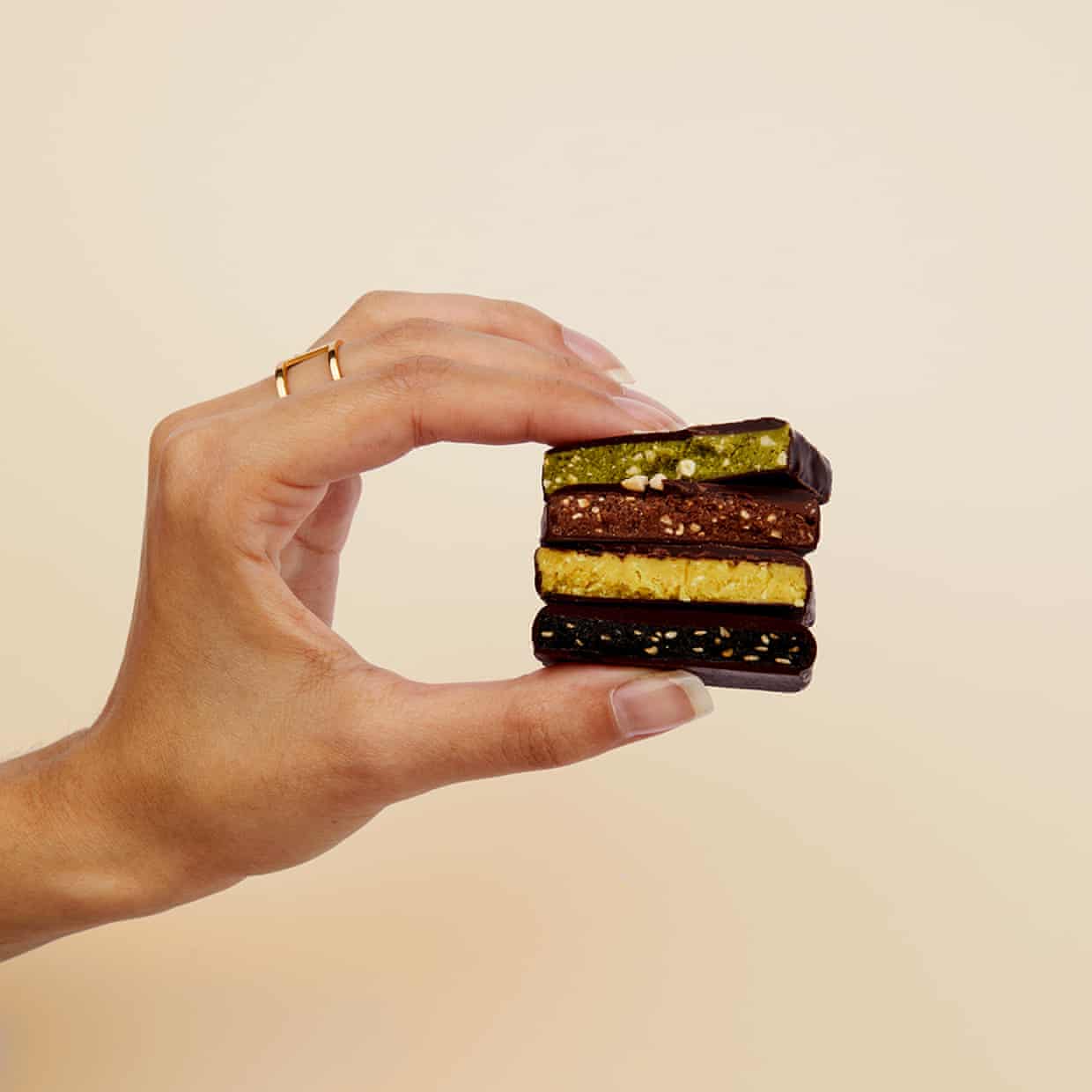
Why sweet, chewy dates go perfectly with chocolate – and the best ones to try
I first cemented the allure of the “chew” aged 14, working illegally as a chambermaid (I lied about my age) and finding a guest’s Gummy Bears laid open – a breach I heavily exploited. Recently this chew need has been sated by dates and their use in chocolate as a healthy caramel. Dates do have nutritional benefits over mere sugar: fibre, minerals, antioxidants and make a great pre-workout boost.The Guardian’s journalism is independent. We will earn a commission if you buy something through an affiliate link

‘Hold the line’: Burnham tells allies in parliament he still has options to return

EU proposes end to ‘five tabs, three apps and a prayer’ for cross-border train bookings

What is the king’s speech and what is the state opening of parliament?

Online safety campaigners reveal Starmer frustrations after Phillips exit

Are working-class voters lost to Labour for good? | Letters

Labour MPs channel Tory psychodrama as Starmer keeps hiding in plain sight | John Crace