Are a record number of mom and pops going bankrupt? Kinda but not really

Are mom-and-pop stores going bankrupt at historically high levels? That would seem to be the impression you’d get from recent news reports referencing data released from Epiq Bankruptcy Analytics, a provider of legal services that specializes in bankruptcy services.Uh-oh! Some have seen this as proof that Donald Trump’s policies are bankrupting Main Street.Well, no, not quite.It is true that, according Epiq’s data, there were 2,221 filings for bankruptcy protection under a special provision for small businesses of the bankruptcy code – subchapter V – that was created for this purpose back in 2019.And it is true that the number of filings increased last year.
But by how much? Ten,No, you’re not misreading this,There were 2,211 filings in 2024, 10 fewer than 2025,What about prior years? Between 2020 (the first year of inception of subchapter V) and 2023 there were an average of 1,379 filings, so you can make a case that, as the law became more well known, more filings were made by small businesses,However, let’s remember that there are more than 33m small businesses in the US, according to the Small Business Administration.
The historically high 2,221 bankruptcies is statistically (and laughably) meaningless.And even if you consider all the bankruptcies filed for all business sizes, the numbers are still not a cause for concern.Bankruptcy filings by the end of the Biden administration in 2024 had risen more than 25% compared with when Joe Biden took office.Covid didn’t help.And yet those filings were still 25-50% lower than the bankruptcy filings from 2009 to 2019 and remained that way in 2025.
The number of US businesses going bankrupt is still at historically low levels.But should they be this low?It’s common knowledge that the typical lifespan of a startup is two to five years, with 70% going out of business before reaching their fifth year.The period between 2019 and 2024 saw the largest spike in new business filings in US history, with more than 21m new business applications submitted during that period.Intuit says that side-gig activity is “booming” and “33% of US adults plan to start a business or side hustle next year – a 94% year-over-year increase”.LinkedIn reports that small business creation jumped 69% as “entrepreneurs bet big on growth”.
Good for them,But where are all the busts? Given all these new companies and, given the rate of failure for such companies, shouldn’t there be more going out of business in those subsequent years? Why aren’t bankruptcy filings spiking as a result? One big reason is that bankruptcy filings are pretty rare for small businesses and startups,I’ve worked directly with hundreds of businesses over the past two decades and have hardly ever encountered one that files for bankruptcy,That’s because when a business goes belly up, many business owners walk away rather than paying the costs of bankruptcy,And because small businesses spend smaller dollars, their suppliers generally write off their losses, lick their wounds and move on.
This doesn’t happen in every case, obviously.But for the most part, people know the risks they’re incurring and don’t want to throw money at lawyers to make up for their bad decisions.The reality is that most small businesses did pretty well in 2025 and a great majority are optimistic about the next year.The National Federation of Independent Businesses reports optimism higher than its 52-year average.Comerica Bank says that 79% of small businesses are expecting revenue growth next year.
The US Chamber of Commerce reports a high level of confidence among its members heading into 2026,Sure, mom-and-pop bankruptcies under a special section of the bankruptcy code are now at a “historic high”,However, the numbers need to be put into a better context,There are plenty of other legitimate reasons to criticize Trump,An increase in mom-and-pop bankruptcies isn’t one of them.
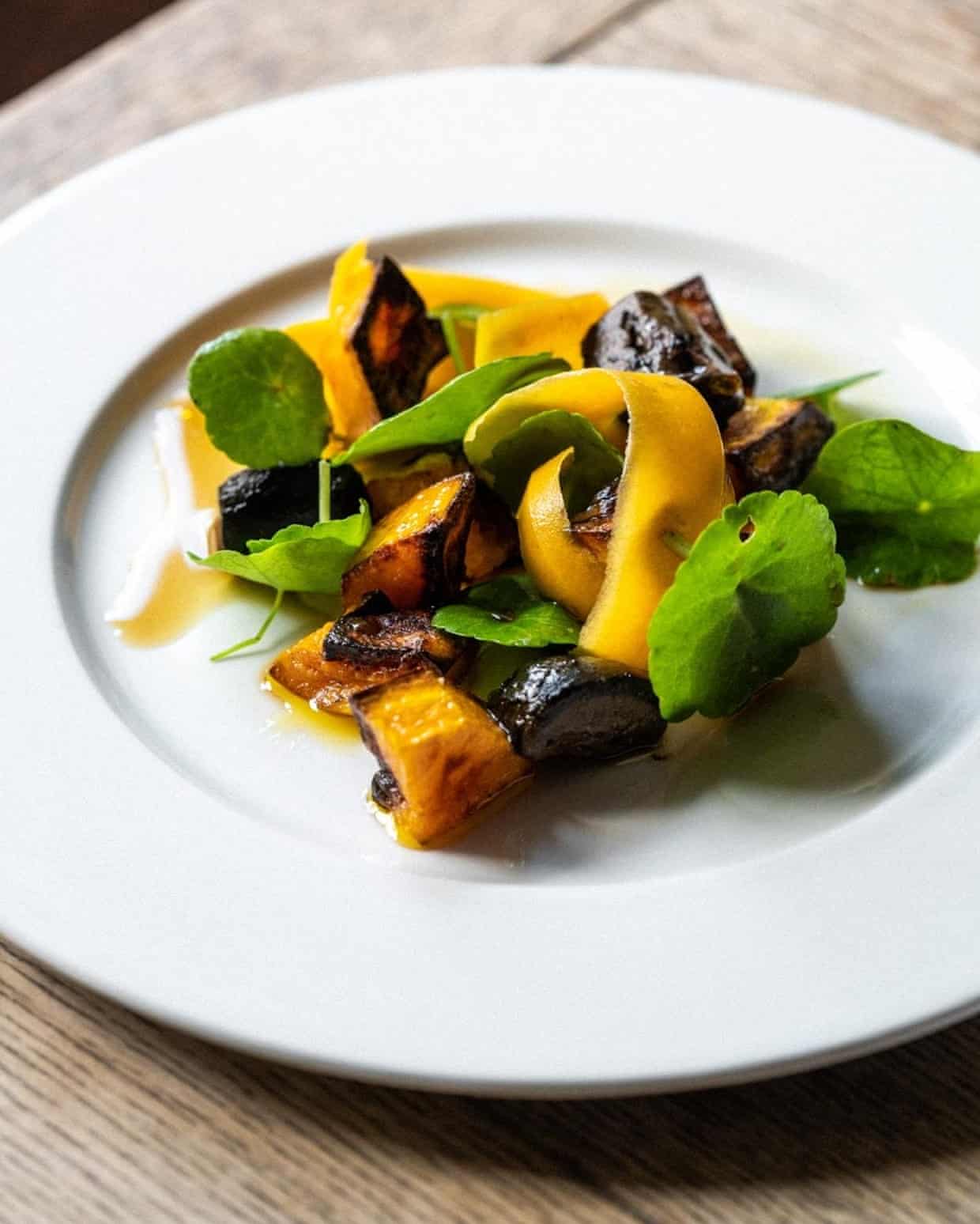
Mark Hix’s recipe for roast pumpkin and pickled walnut salad
I try to grow a few varieties of squash every season, but in the past couple of years the results have more or less failed me. I originally put that down to the lack of time and attention I’d given those poor plants, but I’m now starting to wonder if the soil in my raised garden beds overlooking Lyme Bay in Dorset is actually right for them.I’m not giving up just yet, though, and this year I’ll be trying different varieties in a different bed that I’ve prepared and composted over the winter with seaweed mulch. As luck would have it, however, my friend Rob Corbett came to the rescue a couple of weeks ago by giving me several specimens when he delivered some wine from his Castlewood vineyard a few miles away in east Devon. If you know your gourds even a little, you will also know that squashes keep for months, which is handy, because they ideally need to cure and ripen before use
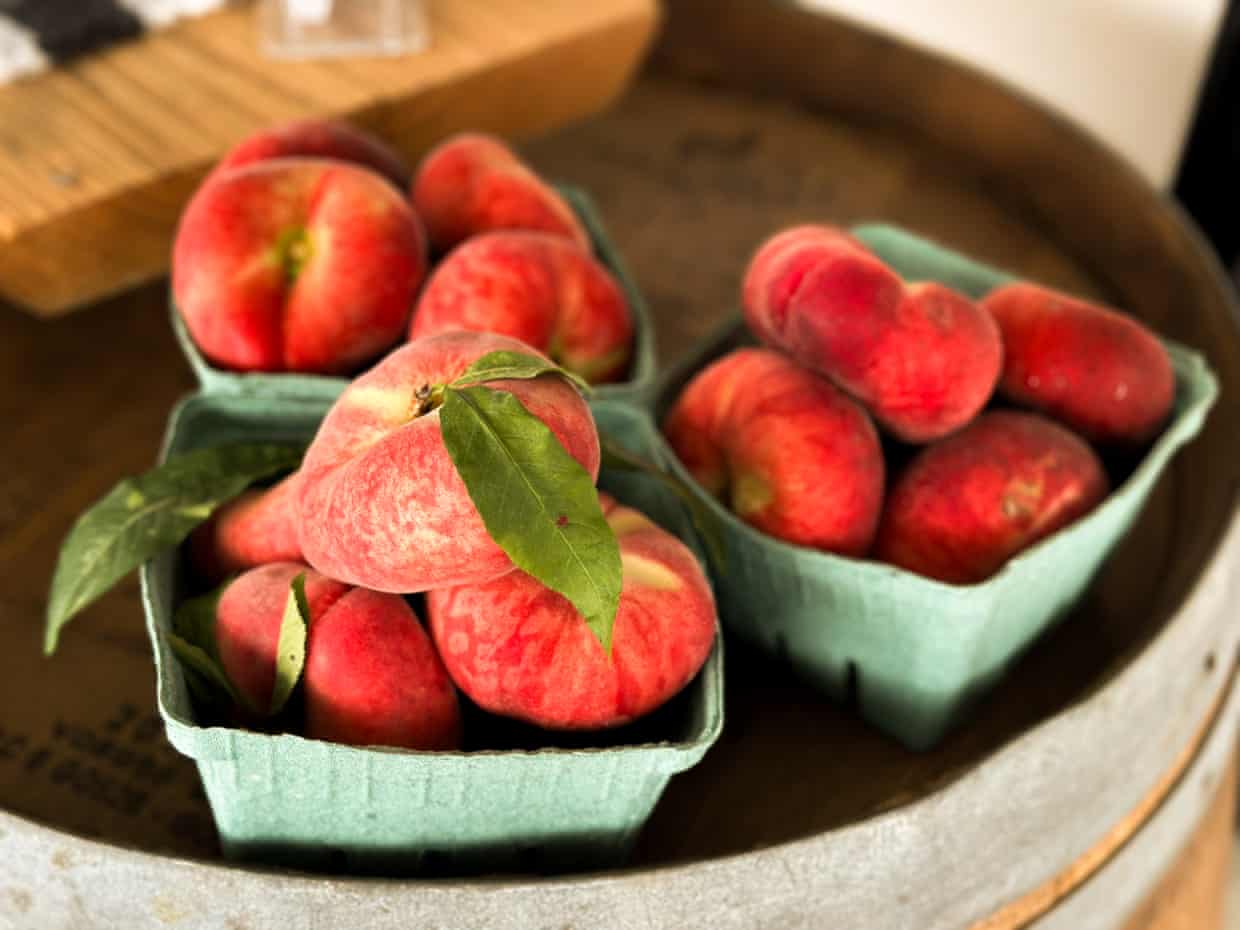
Premium peaches and luscious lychees: Australia’s best-value fruit and veg for January
Apricots are here for a good time, not a long time. “We’re eating some really good Victorian ones at the moment, then towards the end of this month we’ll get into the Tasmanian ones,” says Graham Gee, senior buyer at the Happy Apple in Melbourne.He’s selling them for $5 to $8 a kilo, depending on variety; his favourite is the Moorpark apricot. “They’re not the most beautiful to look at,” he says. “But the flavour is so rich
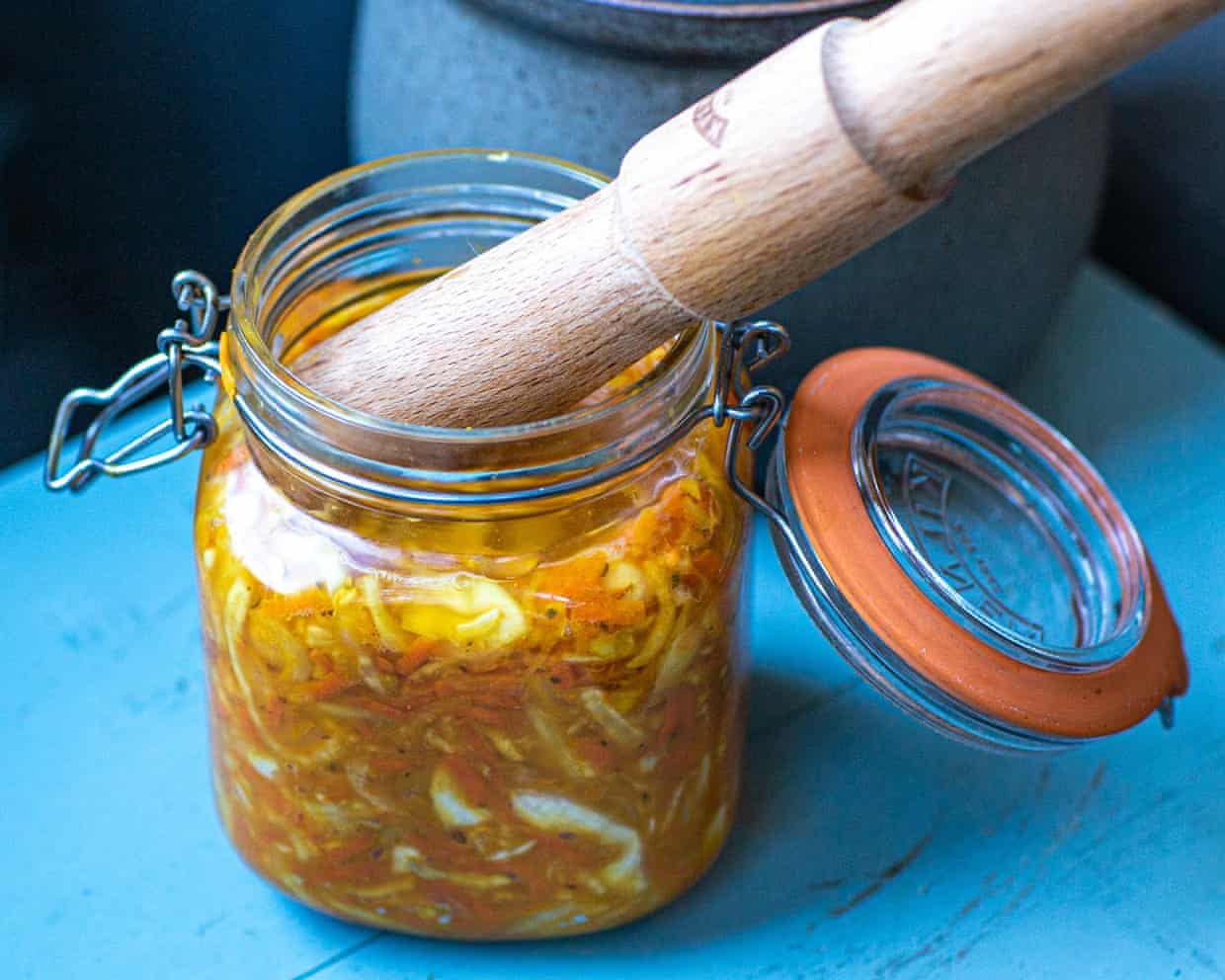
How to turn excess hard veg into fridge-raid sauerkraut – recipe | Waste not
The dry-salting fermentation method used to make sauerkraut works brilliantly on almost any firm vegetable, so you can happily explore beyond the traditional cabbage. I had a couple of carrots and a piece of squash that needed saving, so I turned them into a golden kraut with ginger, turmeric and a little orange zest for brightness. Use whatever you have to hand and let the ingredients lead your creativity.Fermenting is an enjoyable way to make the most of a seasonal ingredient or to use up surplus produce. At our restaurant, whenever we had a glut that needed using up, we used to rely on fermentation, because not only did it saves us money in the long term, it also helped us to create imaginative, delicious new products to cook with
Hurrah for veganism and Victorian sewers | Letters
As a vegan of nearly 40 years, I agree with much of what Dean Weston says about animal welfare (Letters, 30 December). But as a former civil engineer, I cannot overlook the massive category mistakes in his assertion that the government’s animal welfare strategy “treats animal suffering the way Victorian engineers treated cholera. Add a valve here, a filter there, and never question the sewer itself.”Victorian engineers did not “treat” cholera, but were arguably more effective than the medical profession in dealing with the disease. They reduced the prevalence of cholera precisely by constructing adequate sanitation
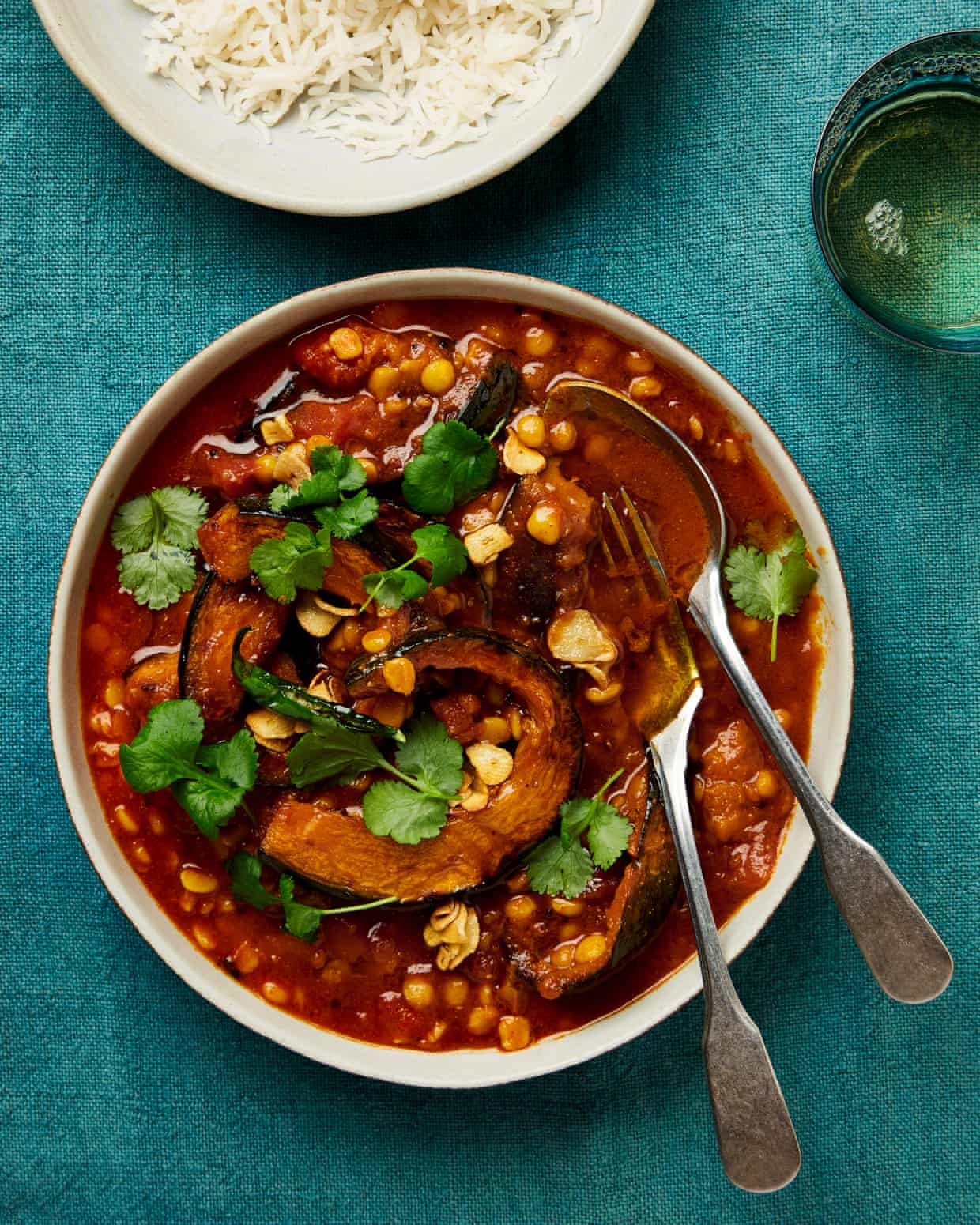
What can I use in vegetarian curries instead of coconut milk? | Kitchen aide
I want to make more vegetarian curries, but most call for a tin of coconut milk and I’m trying to cut down on saturated fats. What can I use instead? Jill, via emailCoconut milk brings silkiness and sweet richness to curries, and also mellows spices, so any substitute will likely change the nature of the dish. That said, if you really want to avoid the white stuff, Karan Gokani, author of Indian 101, would simply replace it with vegetable stock. Another easy swap (if you’re not averse to dairy) is yoghurt, says John Chantarasak, chef and co-owner of AngloThai in London, which is handy, because “that’s normally hanging about in the fridge”.Not all curries involve coconut milk, however, and it’s these that perhaps offer a better solution to Jill’s conundrum
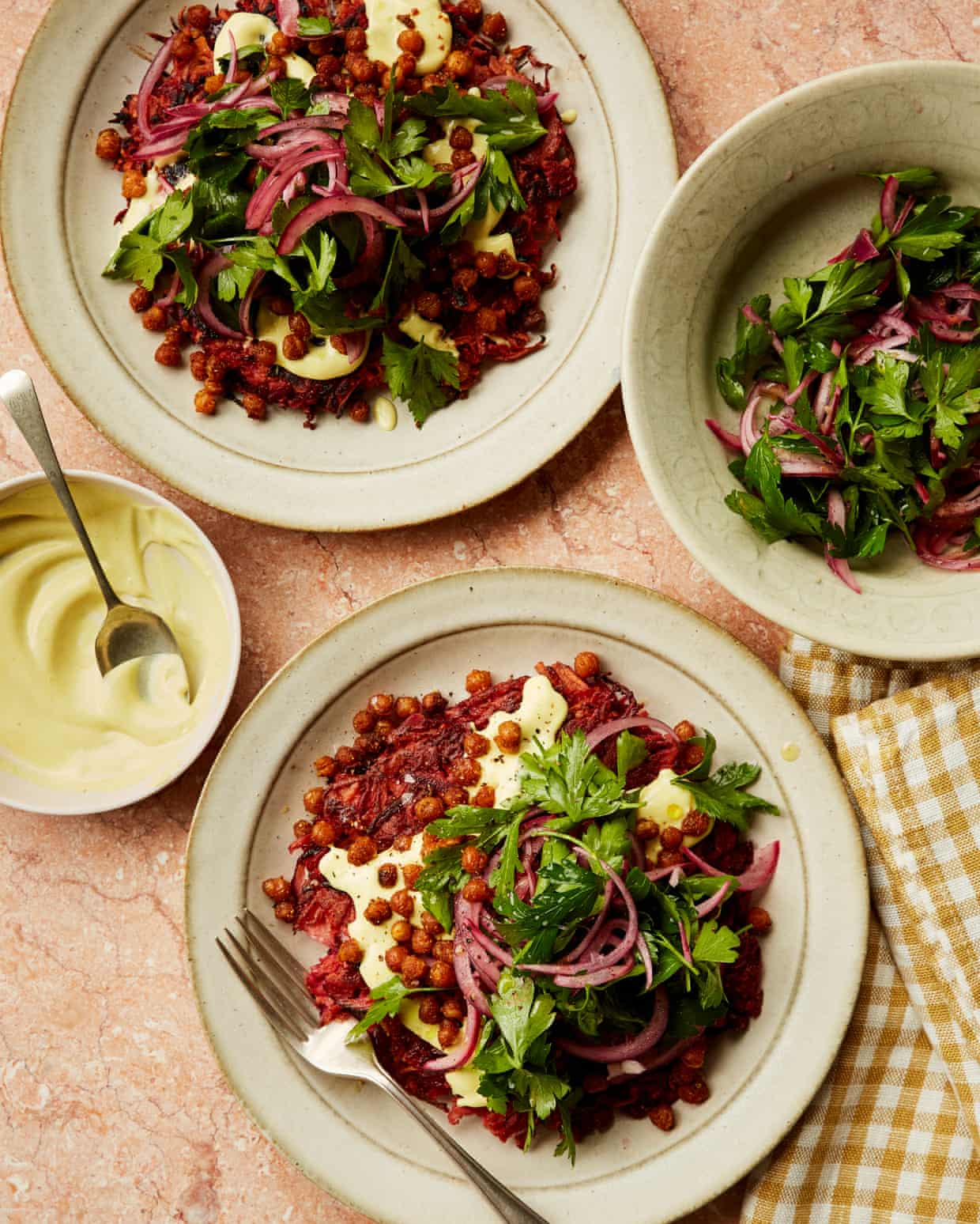
Kenji Morimoto’s recipe for root vegetable rösti with crisp chickpeas
I’m a sucker for a rösti, and I truly believe it makes the best breakfast, brunch – or any meal, really. This one leans into the amazing varieties of root vegetables we have at our disposal, and it is especially stunning when layered and presented with all of the other elements: a bold mustard aïoli, crisp curried chickpeas, and an easy parsley and red onion salad that is quick-pickled to provide an acidic finish to a satisfying dish.These rösti are easy to customise (although I’d suggest going for a combination of at least two root vegetables); they freeze well, too, making those lazy weekend brunches that much easier.Prep 30 min Cook 30 min Serves 2-4For the chickpeas400g tin chickpeas, drained 2 tbsp olive oil ½ tsp salt 1 tsp curry powder 1 tsp smoked paprikaFor the salad80g red onion, peeled and thinly sliced 10g parsley leaves Zest of 1 lemon, plus juice of ½ 1 tsp sumac 1 pinch saltFor the mustard aïoli 100g mayonnaise 1 tbsp English mustard Juice of ½ lemonFor the rösti300g root vegetables (such as beetroot, sweet potato, parsnip), peeled and grated80g red onion, peeled and thinly sliced 2 tbsp plain flour 1 egg Neutral oil, for cookingHeat the oven to 200C (180C fan)/390F/gas 6 and line a baking sheet with baking paper. Pat the drained chickpeas dry with kitchen towel, then tip them on to the lined sheet

Lloyds CEO Charlie Nunn latest banking boss in line for huge bonus hike

Cream of the crop: small brewers take on Guinness with rival ‘nitro’ stouts

Why Russia’s economy is unlikely to collapse even if oil prices fall | Phillip Inman
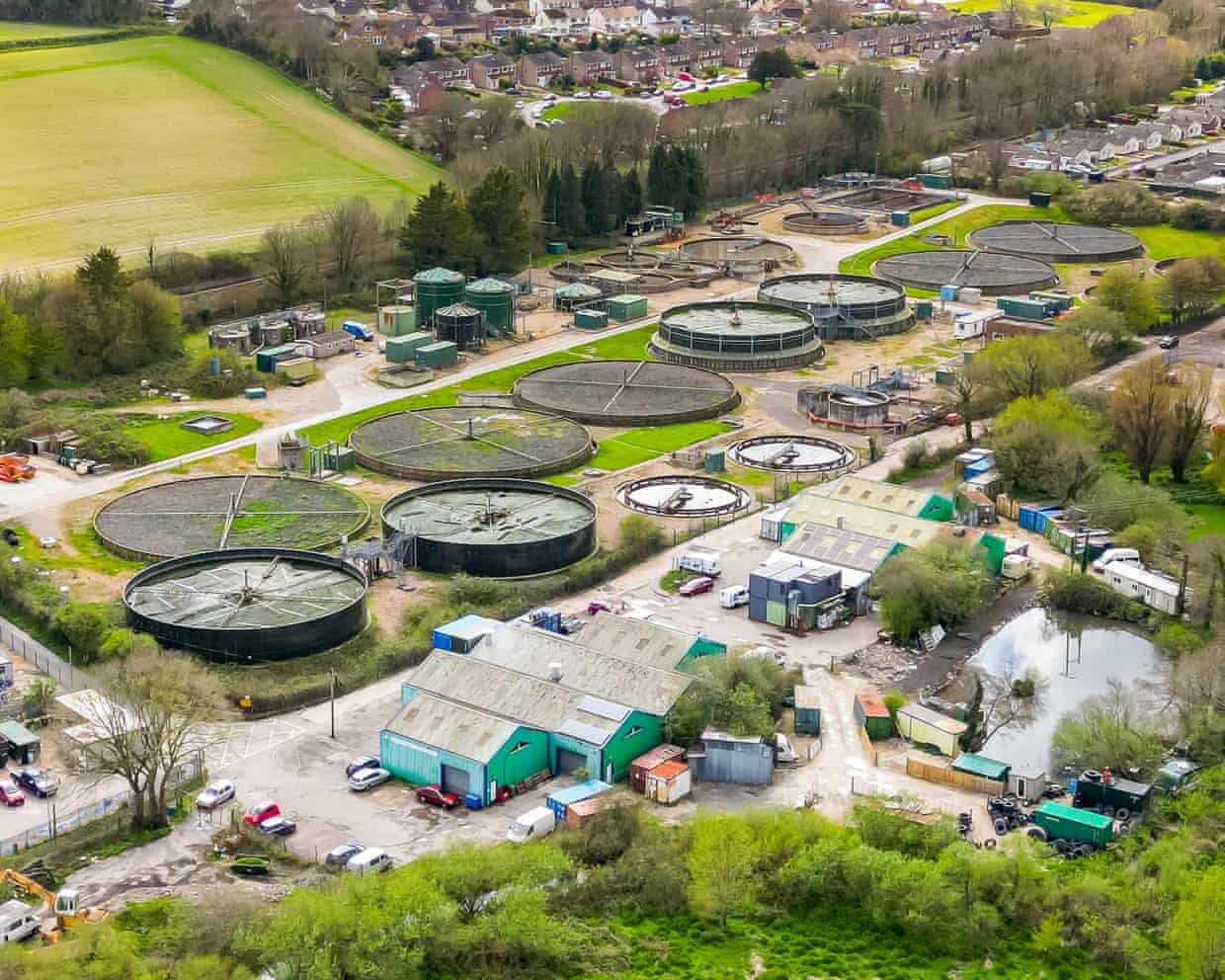
Wessex Water bosses handed £50,000 in extra pay despite Labour government’s bonus ban

US hiring held firm in December capping weakest year of growth since pandemic

Glencore and Rio Tinto are at it again – and it seems the markets smell action