
Don’t make Marshal Foch’s mistake on AI | Letters
Emma Brockes’ article struck a chord (It’s finally happened: I’m now worried about AI. And consulting ChatGPT did nothing to allay my fears, 8 April). I am reading Marc Bloch’s Strange Defeat, in which the eminent French historian and soon-to-be-executed resistance worker gives a first-hand account of the collapse of the French army in 1940. He attributes the debacle at least in part to a failure of imagination on the part of the French general staff, who were incapable of grasping that technology, and war, had fundamentally changed since 1918.Brockes’ article suggests that we, and our leaders, are suffering from the same inability to understand that a technology which is currently amusingly alarming will develop in less amusing ways – the future Marshal Ferdinand Foch had, according to Bloch, earlier dismissed aircraft as being a toy for hobbyists and not of any military interest

Meta creating AI version of Mark Zuckerberg so staff can talk to the boss
If you are one of Meta’s almost 79,000 employees and cannot get hold of the boss, do not worry. The owner of Facebook and Instagram is reportedly working on an AI version of Mark Zuckerberg who can answer all your queries.The AI clone of Zuckerberg, Meta’s founder and chief executive, is being trained on his mannerisms and tone as well as his public statements and thoughts on company strategy.The rationale behind the project, according to the Financial Times, is that employees could feel more connected to one of the most powerful people in Silicon Valley.The Meta chief has a history of creating and experimenting with digitalised versions of himself

SYBAU, WYLL and PMO: what do the latest teen text abbreviations actually mean?
Just when parents thought they could decode teenage text speak, a new list comes along that raises more questions than answersName: Confusing text abbreviations.Age: As old as texts themselves.Appearance: SYBAU.I don’t know what that means. I’ll help
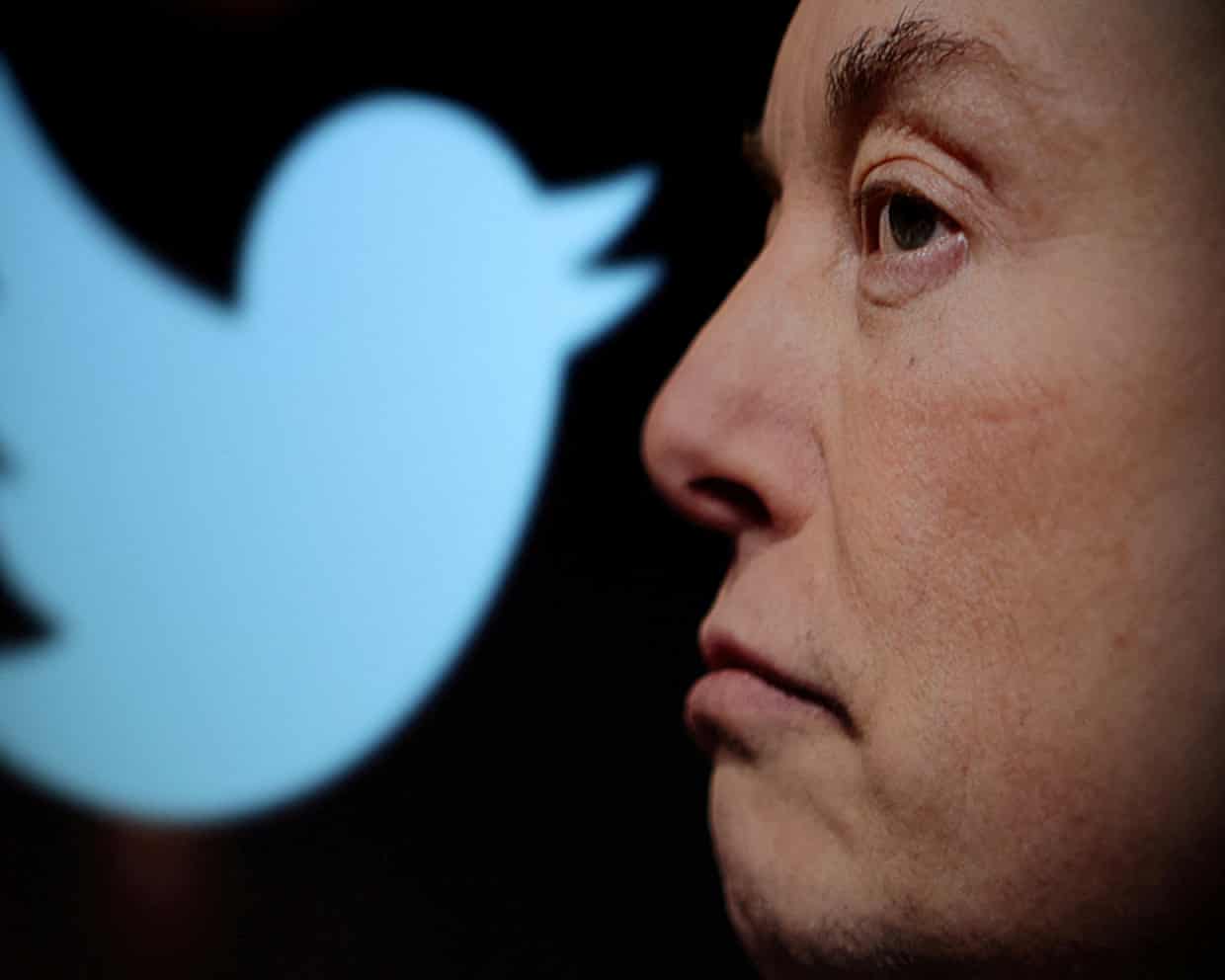
Elon Musk’s X cuts payments to users who post clickbait
Elon Musk’s X has reduced payments to users who post clickbait and recycle news stories as it warned account holders against “flooding the timeline” with low-quality content.Nikita Bier, X’s head of product, wrote on the social media platform that all “aggregators” – users who quickly repackage and repost news from other accounts – had received less money from the creator revenue sharing programme.Under the scheme, X gives a share of advertising revenue to creators who have at least 500 verified followers and generate at least 5m views over a three-month period. Bier wrote that aggregators had their payouts reduced by 60% and that total will be reduced by a further 20%.“It became abundantly clear: flooding the timeline with 100 stolen reposts and clickbait everyday crowded out real creators and hurt new author growth,” he wrote

Booking.com warns customers of hack that exposed their data
The accommodation reservation website Booking.com has suffered a data breach with “unauthorised parties” gaining access to customers’ details.The platform said it “noticed some suspicious activity involving unauthorised third parties being able to access some of our guests’ booking information”.“Upon discovering the activity, we took action to contain the issue,” it said. “We have updated the pin number for these reservations and informed our guests

‘It feels as if I’ve made a new best friend’: my experiment with AI journalling
What’s it like to have a diary that talks back to you, offering comments and advice on your hopes, fears and lunch plans? I spent two months finding outEver since I was a teenager, I have kept some form of diary. These days I favour a paper one for creative brainstorming, and the Journal app on my iPad where I do a speedily typed brain dump every morning. I have always found it a great way to impose some sort of order on my random thoughts, a form of meditation.But I had never even heard of AI journalling until a Google search led me down a rabbit hole where I encountered people enthusing about two apps, Rosebud and Mindsera. It sounded as if Mindsera’s minimalist design was the best for writers

Kemi Badenoch’s memory wipe and the eternal sunshine of the spotless mind | John Crace

UK’s armed forces are in a sad state – and they have only themselves to blame
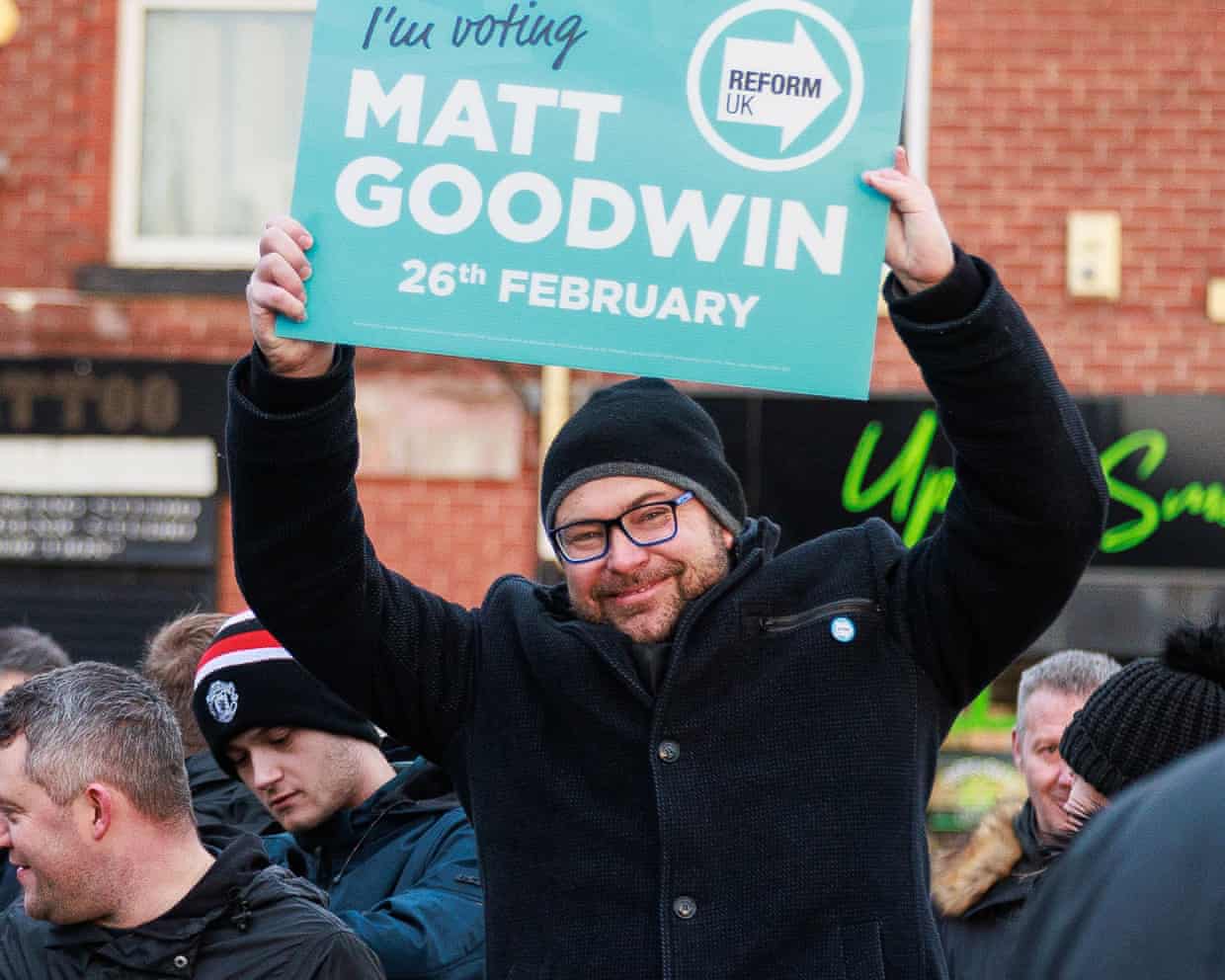
Reform activist suspended over racist and antisemitic comments remains election agent

Starmer’s ‘corrosive complacency’ on defence has put UK in peril, says ex-Nato chief

Renewed ties with EU needed to boost UK security and economy, says Starmer

Nige and Zia set out plan to send ‘Boriswave’ traitors to the gulag | John Crace